Picky Kitchen
Picky Kitchen
Picky Kitchen





In the global food service, hospitality, and meat processing industries, optimization of preparation efficiency and consistency is paramount. The humble meat mallet, when scaled to industrial and high-volume commercial hospitality applications, transitions from a basic kitchen accessory into a precision-engineered instrument. This white paper analyzes the global supply landscape of meat mallets, addressing food safety compliances, manufacturing processes, global distribution, and procurement vectors.
In commercial culinary operations, tenderization directly impacts the cooking dynamics, texture profiles, and flavor absorption of proteins. By mechanically breaking down tough connective tissues (primarily collagen), meat mallets and mechanical tenderizers reduce cooking time by up to 40%, yielding significant energy savings in commercial kitchens and preventing protein shrinkage. Sourcing high-quality, structurally integral meat mallets that can withstand thousands of high-velocity impacts daily without structural failure, metallic flaking, or harboring bacterial pathogens is a primary concern for procurement directors worldwide.
The commercial kitchenware market has shifted toward high-durability alloys and smart manufacturing. According to recent industrial data, the demand for commercial-grade food preparation tools is projected to grow consistently over the next decade, driven by the expansion of fast-casual restaurant chains and global food processing plants. Geographically, North America and Europe remain the largest consumers of high-end, ergonomically advanced kitchen tools, while the Asia-Pacific region represents the fastest-growing market and the dominant manufacturing hub.
In terms of material utilization, there is a clear migration from traditional wooden and low-grade aluminum mallets to 304-grade stainless steel and high-impact zinc alloys. Industrial processors require materials that are impervious to acidic marinades, fully dishwasher-safe, and compatible with strict sanitization cycles (including chemical autoclaves and high-temperature sanitizing dishwashers).
The mechanical action of a meat mallet utilizes dual-profile kinetic surfaces. The coarse, pyramid-shaped teeth puncture and sever tough collagen fibers in red meat and game, which facilitates quicker heat penetration during grilling or smoking. Conversely, the flat reverse side is designed to flatten poultry breasts and thin cuts to ensure uniform thickness, allowing for even heat distribution and predictable thermal curves across commercial cooking equipment.
For B2B buyers, evaluating a manufacturing partner requires looking beyond unit pricing. Industrial-grade meat mallets must adhere to several strict design standards:
Materials must be certified food-grade (FDA and LFGB compliant). Low-quality zinc alloys containing lead or cadmium trace elements pose a major contamination hazard. Premium manufacturers leverage virgin food-grade 304 stainless steel or aerospace-grade anodized aluminum.
Repetitive strain injuries (RSI) are a significant liability in commercial prep kitchens. High-end mallets feature weight-balanced heads and shock-absorbing, slip-resistant grips (typically utilizing dual-injection silicone or thermoplastic rubber handles) to reduce fatigue.
Multi-piece assemblies containing joints or seams are prone to structural failure and harbor microscopic food debris. Monoblock casting or solid forging creates a seamless structure, minimizing bacterial harbors and facilitating effortless sanitization.
Southern China, specifically Guangdong province, has consolidated its position as the global epicentre for high-precision kitchenware manufacturing. The region's efficiency is not merely a result of labor scale, but rather of highly integrated supply chain clusters, advanced manufacturing technology, and deep R&D investments.
Guangdong Picky Kitchen Co. Ltd., established in 2005, represents a prime model of this modern manufacturing infrastructure. Spanning a state-of-the-art facility of approximately 12,000 square meters, the company integrates design, rapid prototyping, precision metal forming, and PCB integration under a unified quality management system. The company's capabilities cover precision stamping, die-casting, high-precision CNC machining, automated tool processing, laser welding, and automated product assembly.
By implementing advanced automation and automated cutting lines, Picky Kitchen ensures consistent dimensional tolerances across large-volume production runs. This infrastructure is critical when manufacturing heavy-duty kitchen utensils and accessories, where weight distribution, balance, and metal integrity are essential.
Explore our comprehensive manufacturing workflow. From raw material inspection to automated cutting, precision stamping, welding, and multi-tier quality checks, every step is optimized for global commercial requirements.
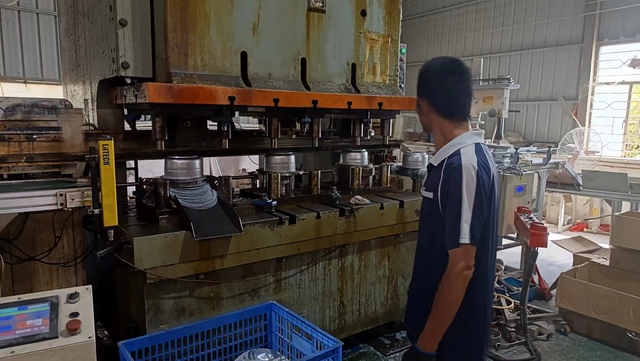
Heavy-duty high-speed press lines for precise geometric stamping of critical component chassis.
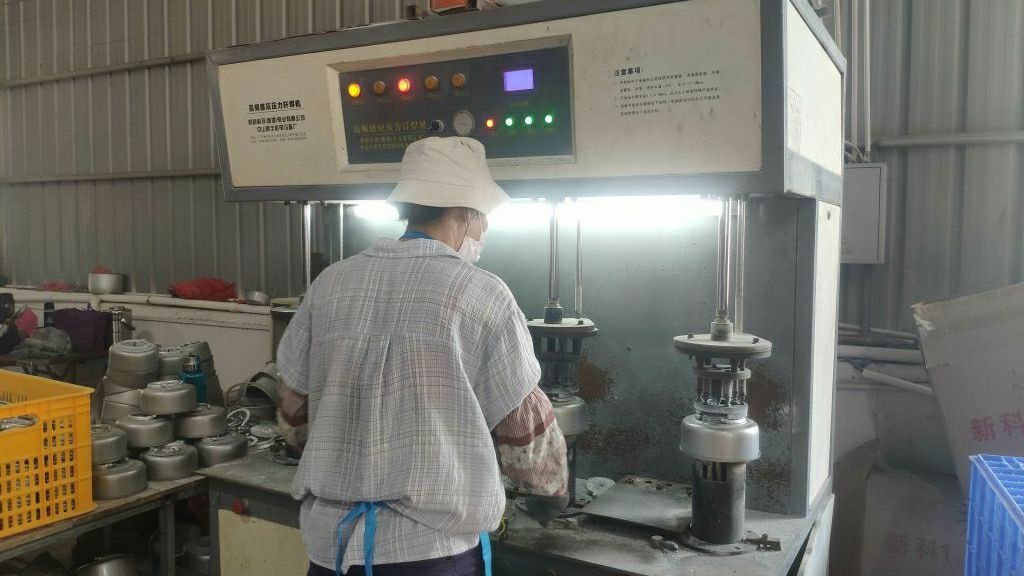
Automated and manual laser welding stations to ensure flawless joint integrity and structure.

CNC machining centers executing highly complex profile milling, drilling, and finishing.

Multi-stage dimension and surface checks to filter out any micro-defects before assembly.
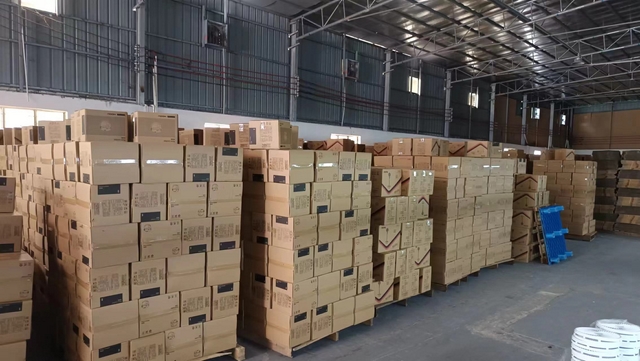
Optimized loading and distribution systems configured for prompt international export.
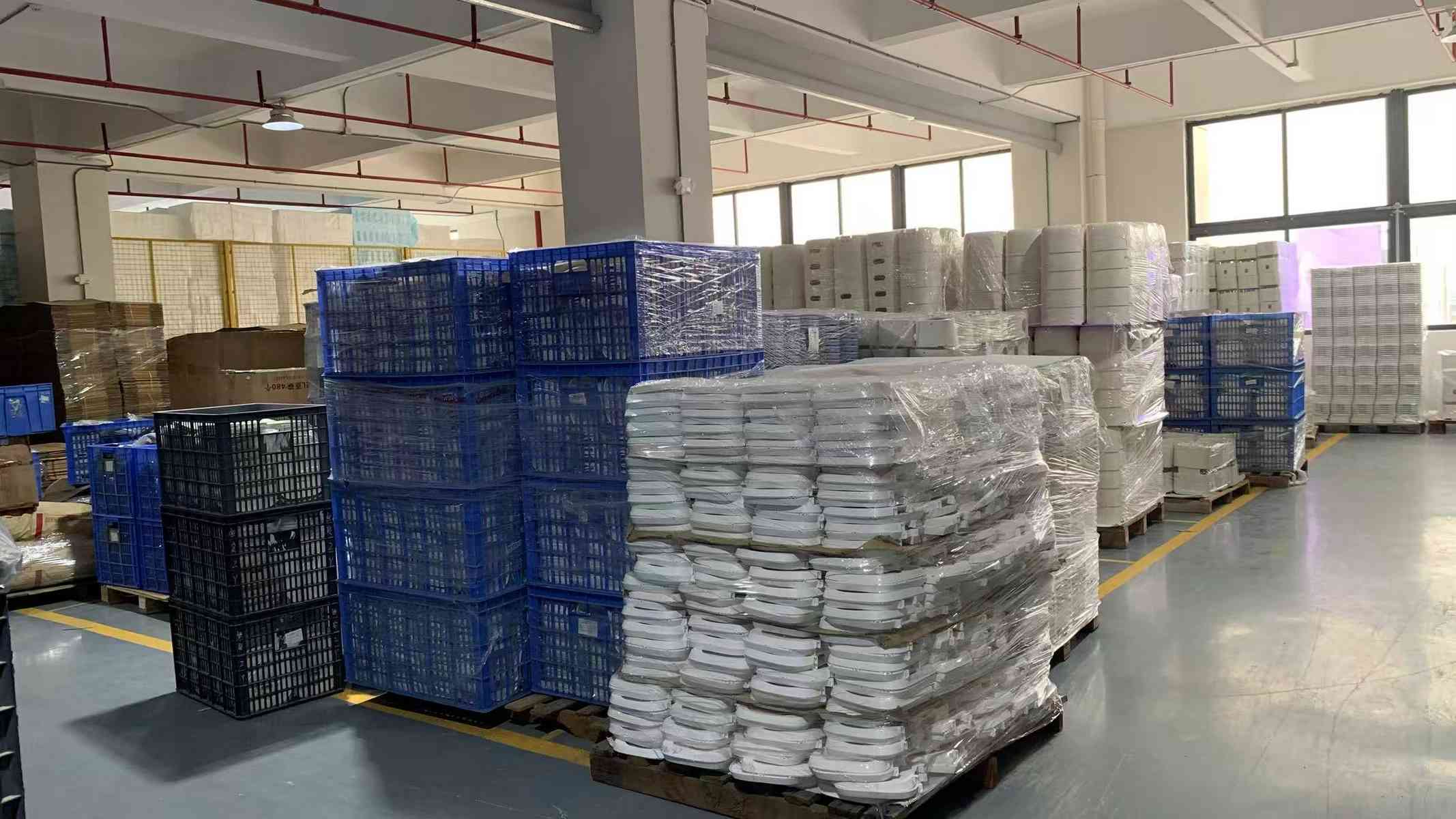
Raw material storage complying with food-grade standards and metallurgical traceability.
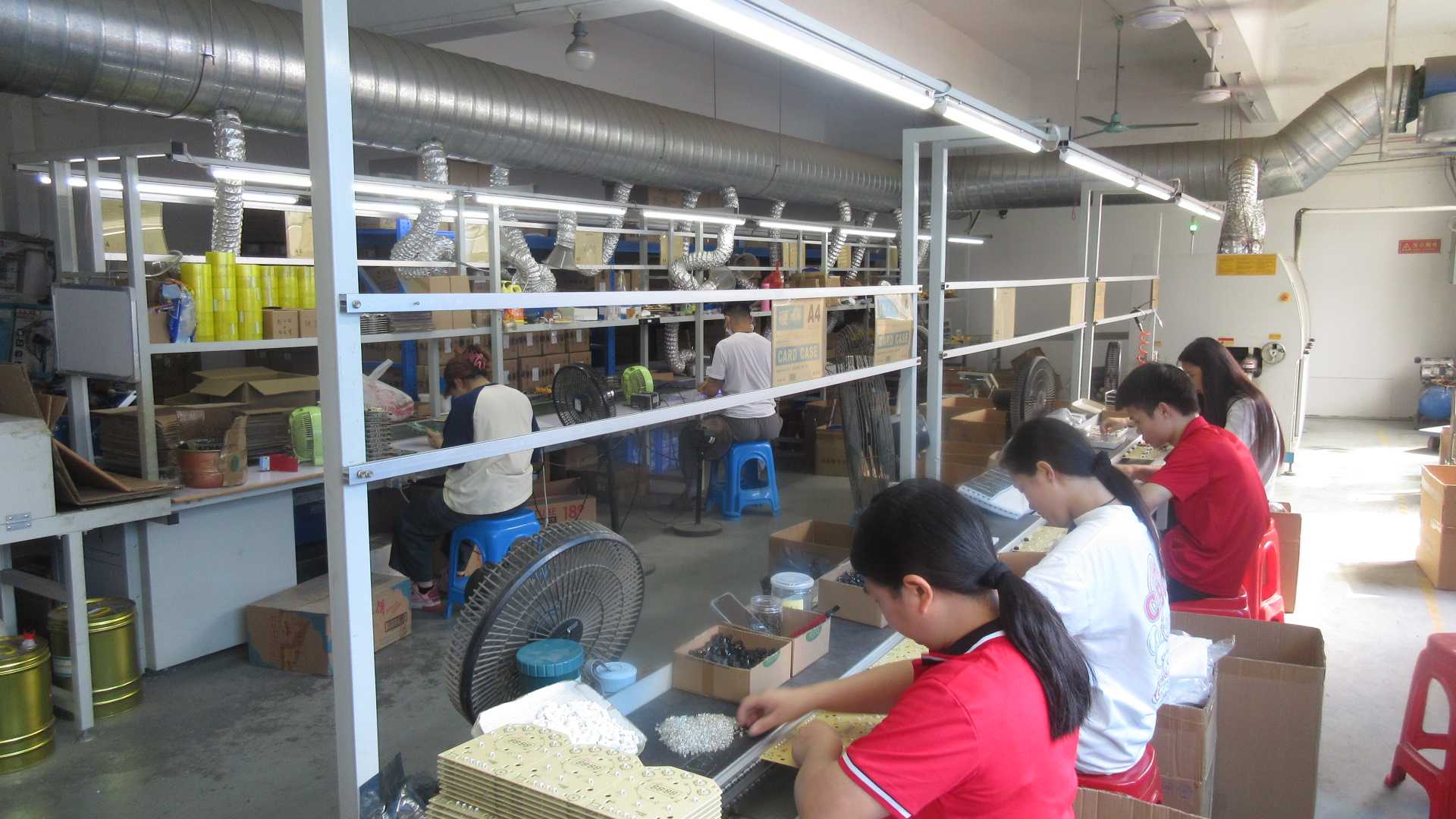
Advanced circuit integration for smart IoT thermometers and thermal culinary indicators.

Streamlined manual and semi-automatic lines ensuring proper component coupling.
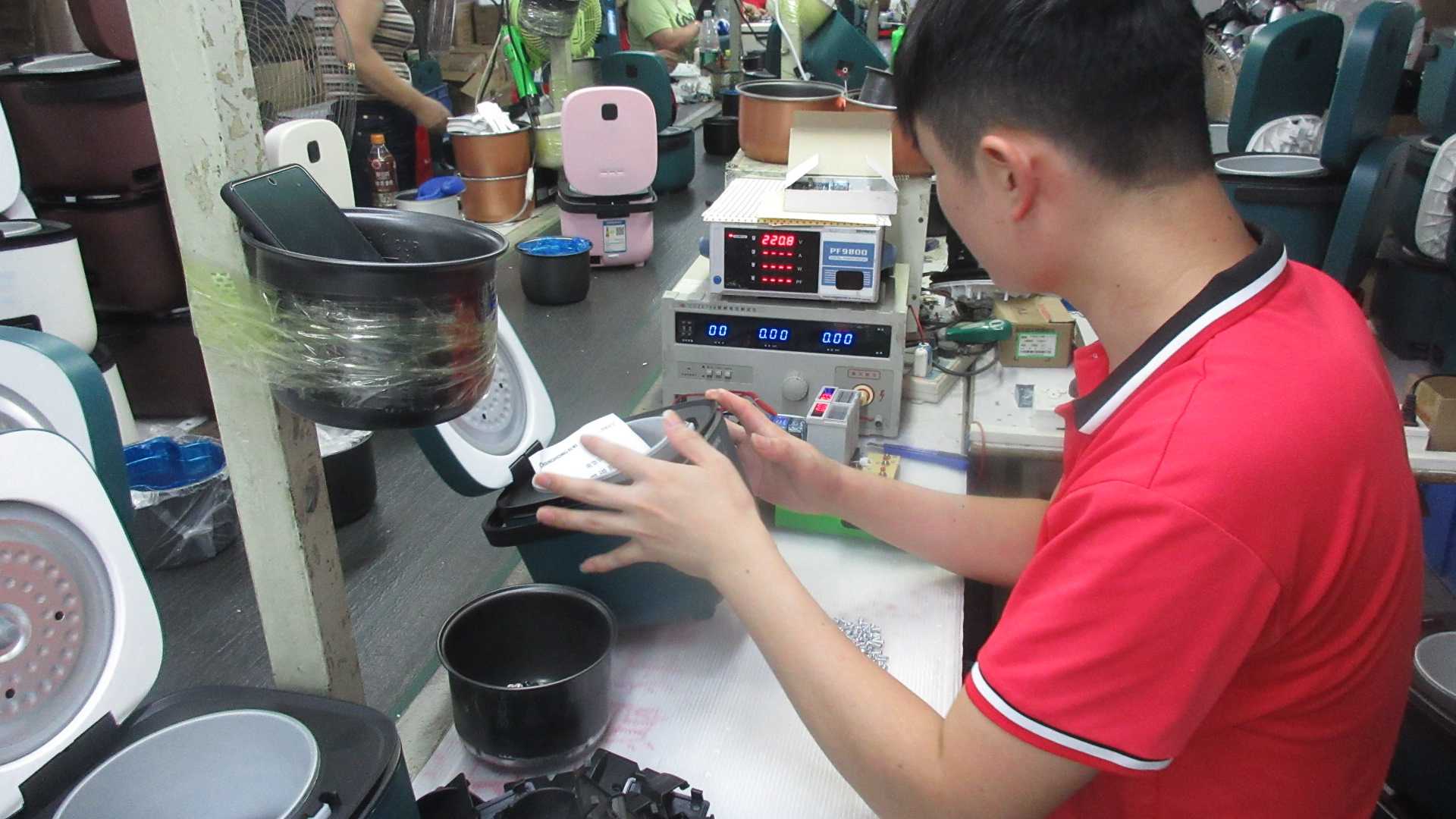
Functional testing under load to confirm durability, safety, and weight accuracy.
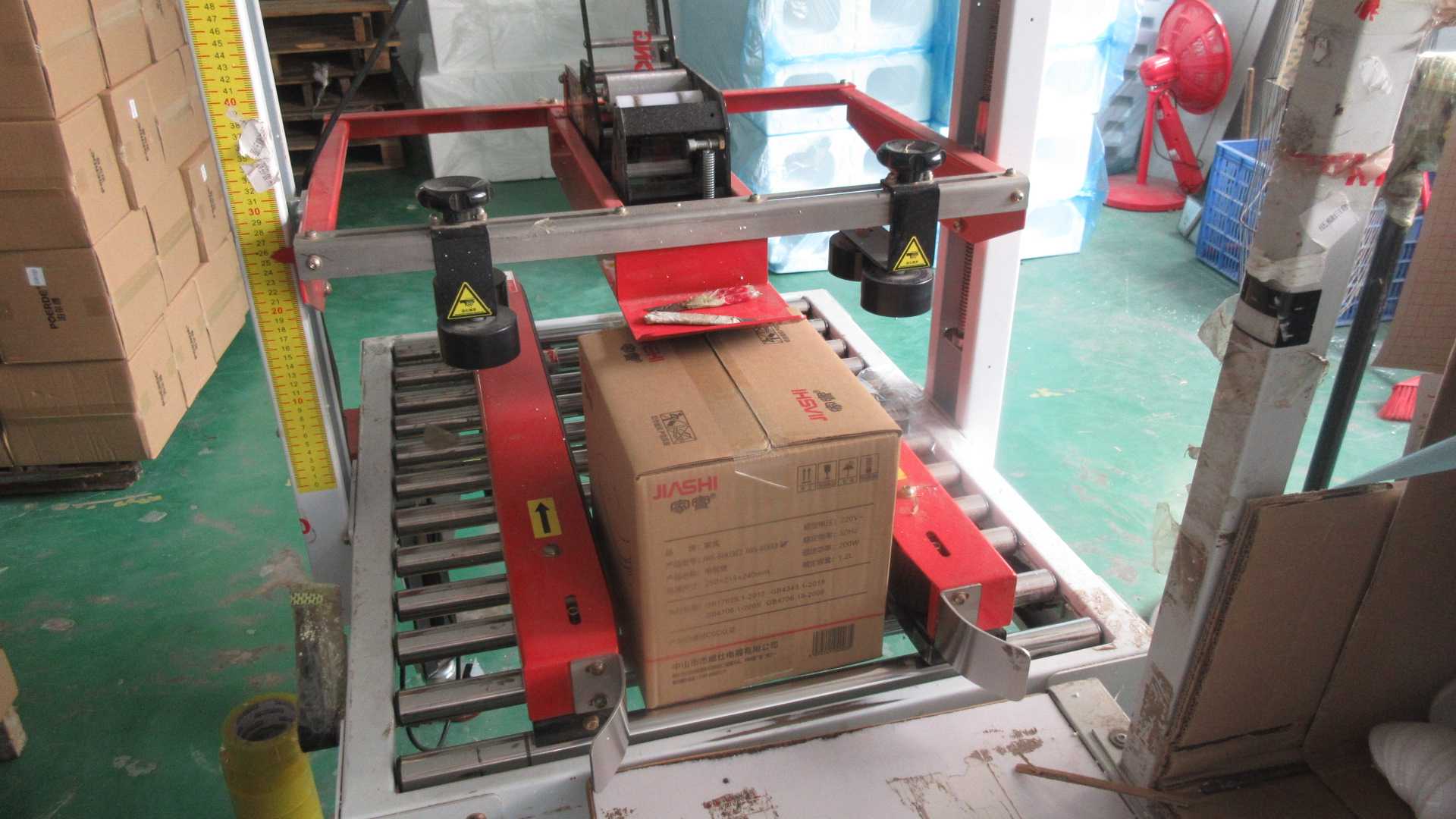
Custom transit packaging and eco-friendly structural design to prevent transit damages.
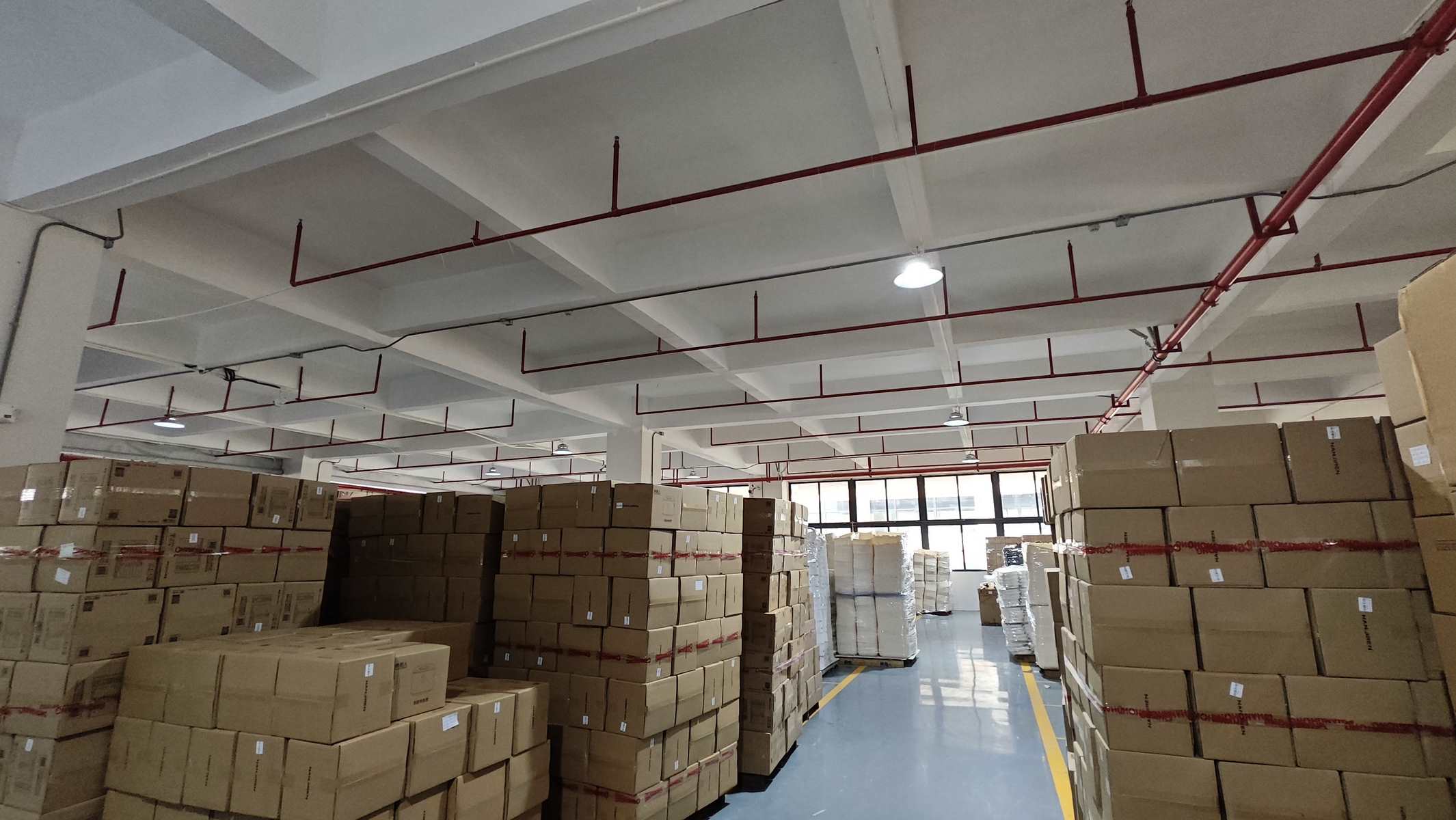
High-rack inventory systems managed via ERP for real-time logistics tracking.
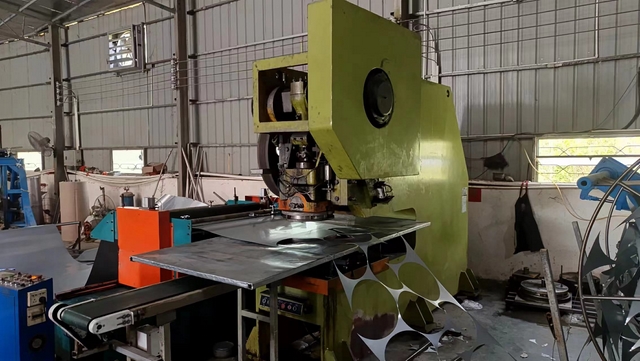
Laser and shear CNC systems that optimize raw metal sheet yield and minimize scrap.
To assist global procurement agencies, hotel supply chains, and B2B buyers in making informed sourcing decisions, we map the ten primary manufacturing segments and leading operational models that define global output.
Centering in Yangjiang and Foshan, these facilities boast high-efficiency die-casting, CNC machining, and automated finishing lines. The primary supplier profile in this tier offers massive scale capabilities, fast tooling modification, and competitive pricing structures.
Focused on high-grade Solingen steel construction. These manufacturers prioritize extreme durability and structural precision, serving top-tier Michelin-starred kitchens and premium butcher shops with ergonomic, heavy-forged monoblock mallets.
Brands with distribution channels globally that source high-impact zinc alloy models. They focus on strict compliance with local occupational health codes and USDA sanitization requirements, featuring integrated synthetic antimicrobial handles.
Utilizing high-carbon VG10 or molybdenum steels, Japanese manufacturers construct hybrid meat tenderization mallets and knives. The craftsmanship is oriented towards high-end culinary arts, where delicate proteins like Wagyu beef require precise, micro-structured tenderization.
Combining stainless steel impact plates with sustainably sourced local hardwood handles. These suppliers prioritize sustainable materials, targeted at eco-conscious boutique restaurant groups and specialized retail consumer segments.
Primarily operating out of industrial foundry hubs, specializing in heavy cast-iron and aluminum alloy meat tenderization hammers. They cater to cost-sensitive volume buyers across developing economies with simple, durable, and highly functional designs.
Understanding how the end-user interacts with the product defines how B2B buyers draft their product specifications. Through analyzing Google Search Intent and User Experience indicators in professional environments, we categorize three main application scenarios:
Here, heavy-duty 304 stainless steel mallets are required to tenderize large volumes of tough cuts (like flank or skirt steak) quickly. The core requirement is mechanical force output and absolute dishwasher safety to comply with rapid table rotations.
This requires specialized, dual-sided lightweight mallets (under 400g) with high-density plastic or composite faces. Speed is prioritized to flatten chicken cutlets uniformly without tearing the delicate fibers.
Consumers seek compact, aesthetically striking kitchen tools featuring hybrid silicone elements. Ergonomic design, storage convenience (hanging loops), and ease of cleaning are the primary buying incentives.
Procurement teams focus on customizable branding (laser-engraved logos), modular head options, bulk shipping optimization, and compliance certifications (FDA/LFGB/NSF) to mitigate import risks.
The kitchenware industry is undergoing a structural transition toward smart, low-carbon manufacturing. Leading manufacturers like Guangdong Picky Kitchen Co. Ltd. are implementing strategic transformations in response to global environmental regulations and the rise of smart ecosystems.
1. Decarbonization and Bio-Based Materials: Sourcing managers are increasingly demanding materials with lower environmental footprints. This includes transitioning from petroleum-based plastic grips to bio-based polymers and using low-VOC protective coatings on metal handles. Additionally, closed-loop metal recycling protocols in Guangdong factories ensure that scrap metal from automatic cutting lines is fully re-melted and utilized.
2. Industrial Smart Integration: As smart homes and automated kitchens scale up, kitchen hardware is evolving to incorporate sensing technology. Bluetooth and Tuya-enabled thermal probes, wireless meat thermometers, and smart gas stove regulators are becoming integrated components of professional kitchens, ensuring that cooking parameters are monitored in real-time.
Get authoritative answers to the most common queries raised by international procurement managers and quality assurance teams.