Picky Kitchen
Picky Kitchen
Picky Kitchen
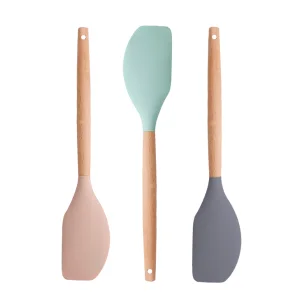
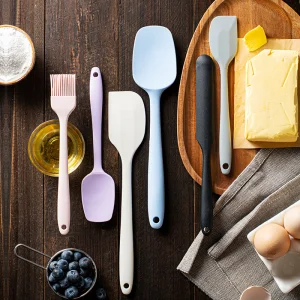
Our flagship selection of kitchen spatulas, featuring advanced material composition, non-stick ergonomics, and extreme thermal resilience. Engineered for volume distribution and private-label retail networks.
Analyzing Material Advancements, Regulatory Alignments, and Consumer Demand in the Professional and Domestic Kitchen Sectors.
Executive Summary: The contemporary kitchenware market has transitioned from static utility products to dynamic, high-performance culinary tools. Today's silicone spatulas are not merely polymer-coated scrapers; they are precision-engineered instruments designed to withstand extreme thermal conditions, resist chemical degradation, and meet the zero-leaching food safety benchmarks mandated by international regulatory bodies such as the FDA and LFGB.
The global demand for high-grade silicone spatulas is propelled by two structural shifts: the rise of premium home baking and the adoption of non-toxic, non-scratch utensils in commercial food operations. Over the past five years, materials research has introduced platinum-cured liquid silicone rubber (LSR) into the mass-production cycle. Unlike standard peroxide-cured silicone, platinum-cured polymers yield zero volatile byproducts, ensuring that spatulas are entirely odor-free and chemically stable even at prolonged heat exposure exceeding 230°C (450°F).
Furthermore, structural safety is an area of intense development. Traditional spatulas comprised of glued handles and heads are increasingly being replaced by one-piece solid silicone structures with internal steel or nylon cores. This continuous structure eliminates seams and crevices where bacteria can harbor, answering a critical sanitation requirement in industrial baking operations.
For B2B buyers, importing distributors, and private-label kitchenware brands, sourcing silicone spatulas requires a rigorous vetting process. A failure in raw material quality control can lead to catastrophic product recalls and reputational damage. Procurement checklist items must include:
Established in 2005, our 12,000-square-meter facility utilizes automated production lines, precise stamping, and advanced QC systems to provide resilient, one-stop OEM/ODM solutions.
About Guangdong Picky Kitchen Co. Ltd.: We are a diversified, innovation-driven enterprise specializing in kitchen hardware and functional home hardware systems. Centered on research, design, manufacturing, and global distribution, we are dedicated to delivering high-quality, integrated kitchen hardware solutions for customers worldwide. We firmly believe that the kitchen is not only a functional space for cooking, but also a key reflection of lifestyle quality. Guided by this philosophy, we consistently pursue the integration of functional excellence and aesthetic innovation.
Our modern manufacturing facility covers approximately 12,000 square meters, equipped with advanced production lines and comprehensive quality control systems. This facility serves as the backbone of our manufacturing capability, ensuring both efficiency and product consistency. Our production scope includes structural component design, precision stamping and die-casting, CNC machining, automated tool processing, mold development and fabrication, laser welding, assembly, and final testing. This full-chain manufacturing system enables Guangdong Picky Kitchen Co. Ltd. to provide one-stop solutions while maintaining strict control over quality and lead times, as well as responding quickly to customized client requirements.
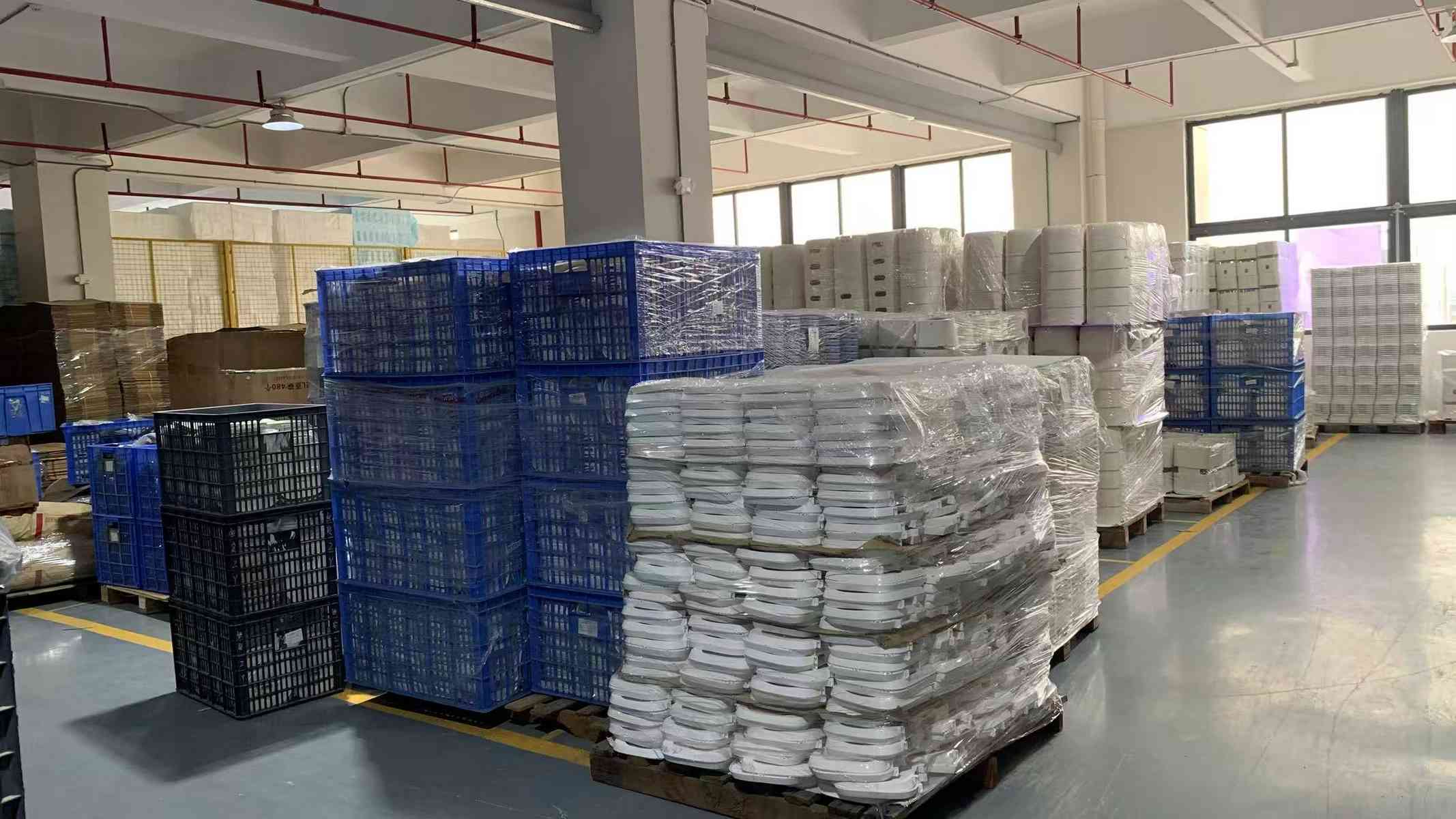
Selection of FDA & LFGB compliant silicone compounds. Raw silica is analyzed for purity, tensile strength, and volatility before entering the mixing stage.
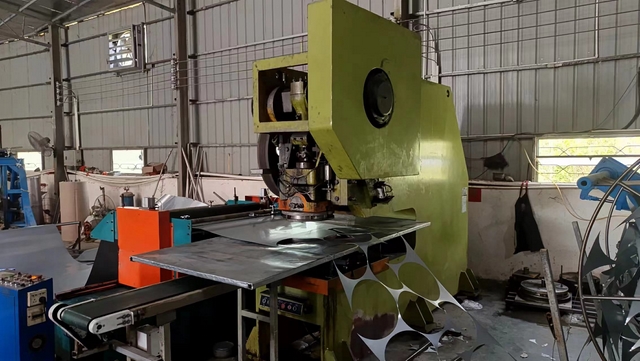
Raw silicone sheets are automatically cut into precise volumetric blanks. This minimizes waste and ensures uniform density during compression molding.
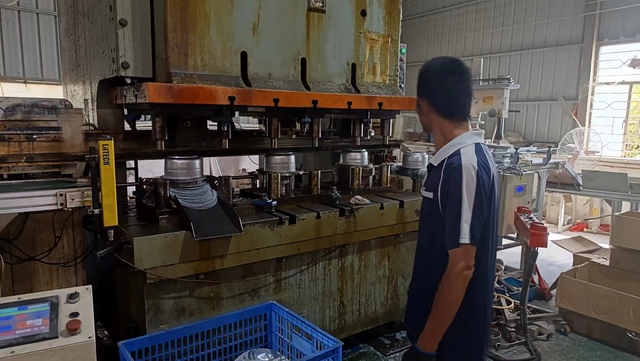
High-precision stamping machines punch the internal stainless steel or nylon frame components that provide rigidity to the spatula handles.
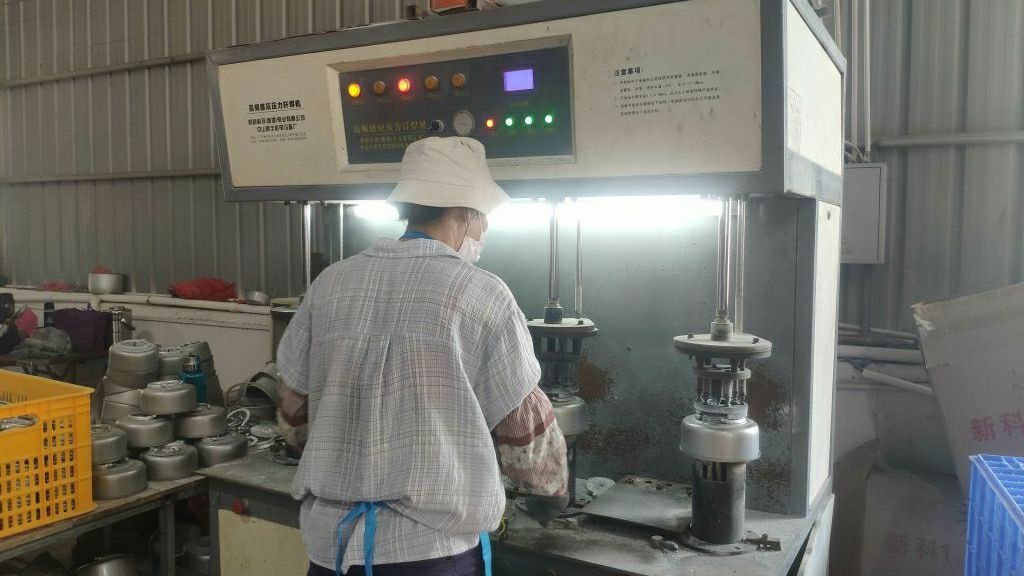
Laser and spot welding processes join the internal components, creating a robust, unified structural frame that prevents separation under load.
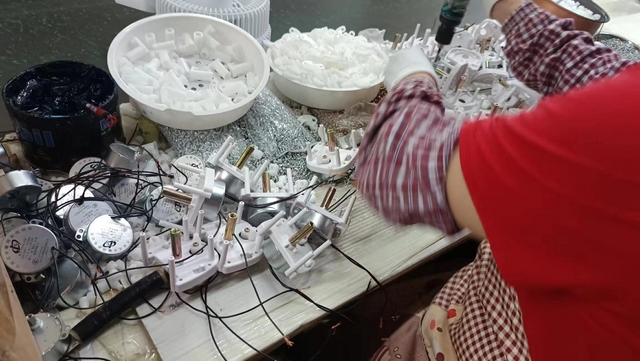
Advanced CNC machinery refines the molds and metal cores to sub-millimeter tolerances, avoiding injection flashes and mold misalignments.
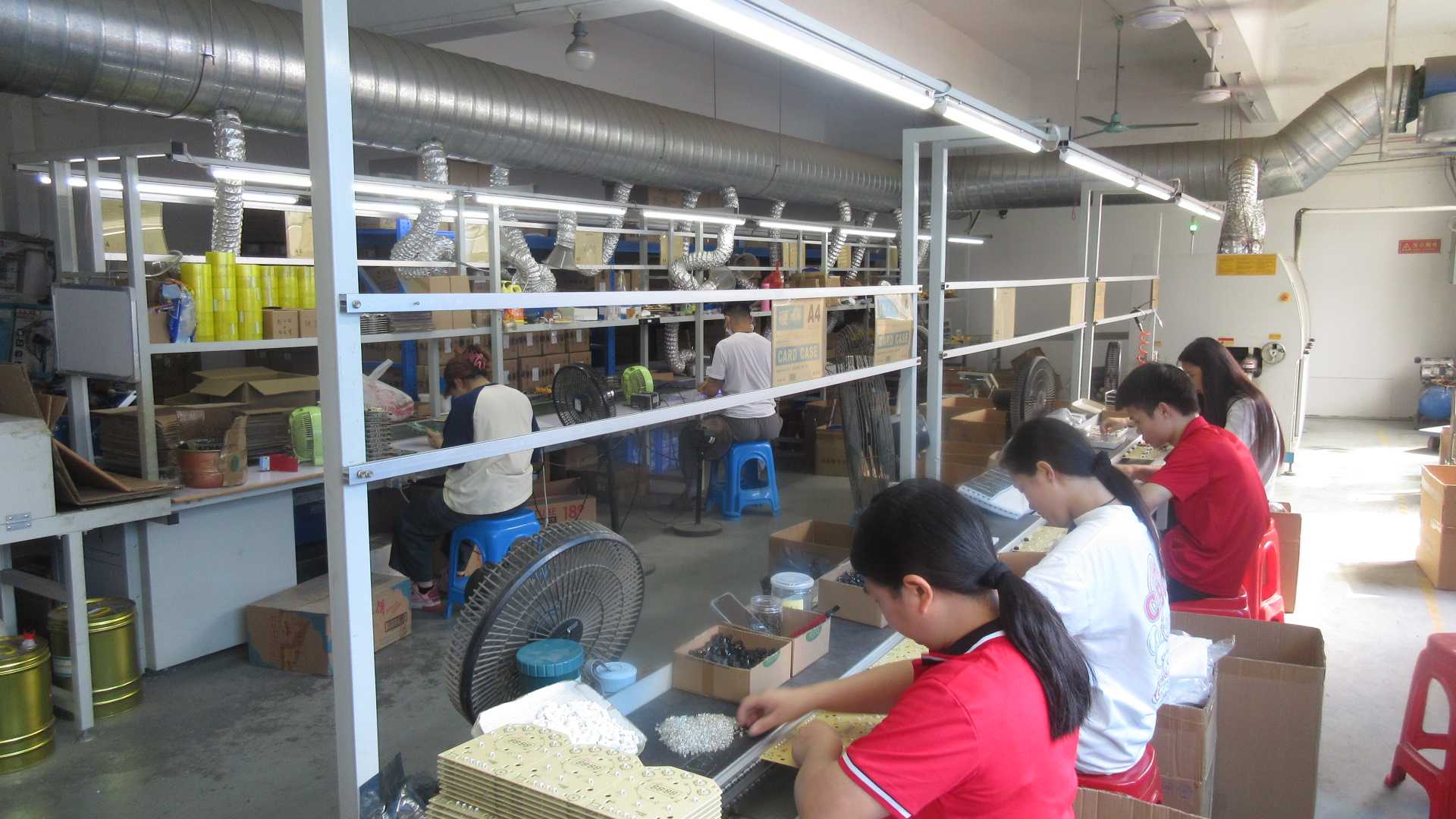
Assembly of electronic sensors and PCB elements for digital culinary scales and thermal-sensing smart kitchenware lines.
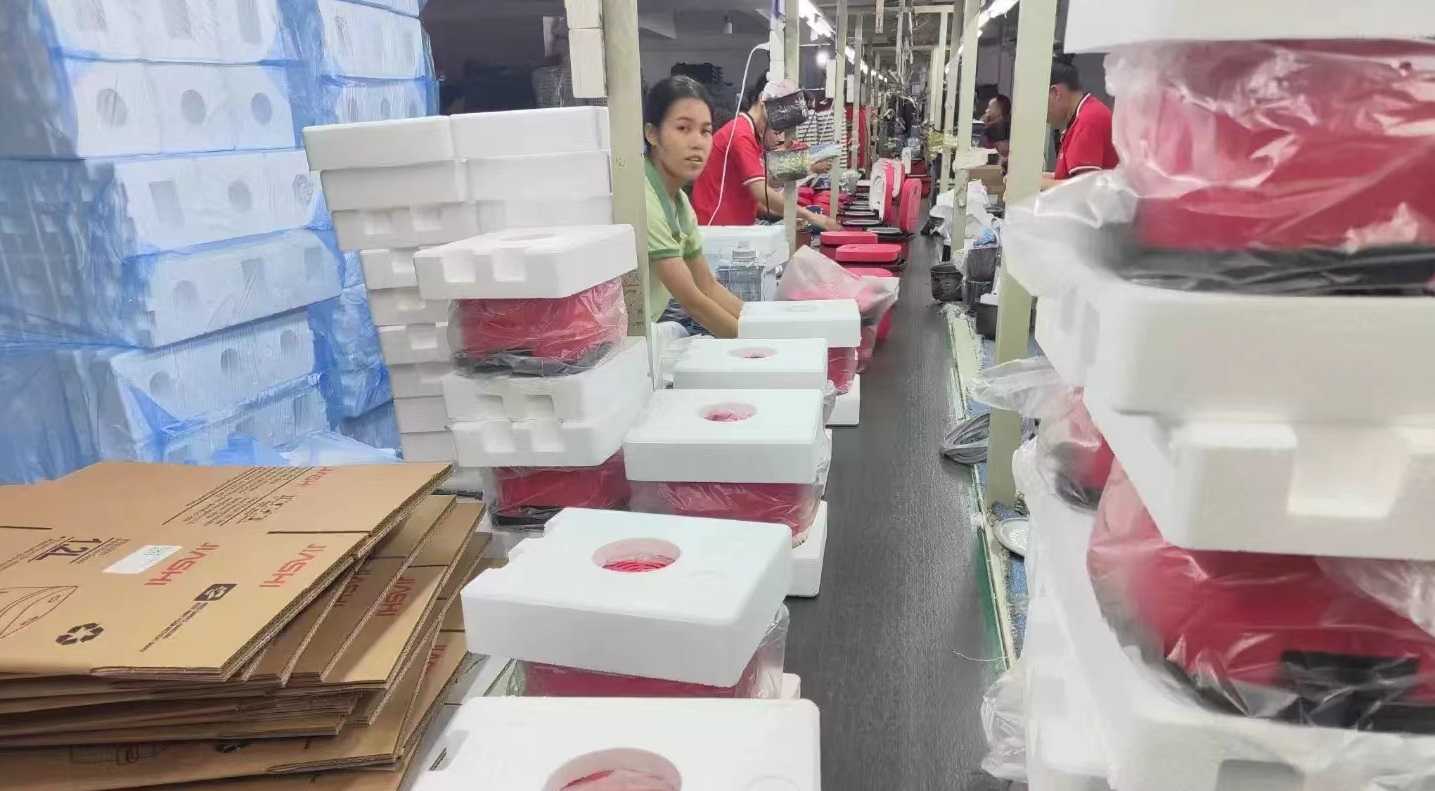
High-pressure injection overmolding fuses silicone and internal structures seamlessly, ensuring a sanitary, crevice-free exterior.
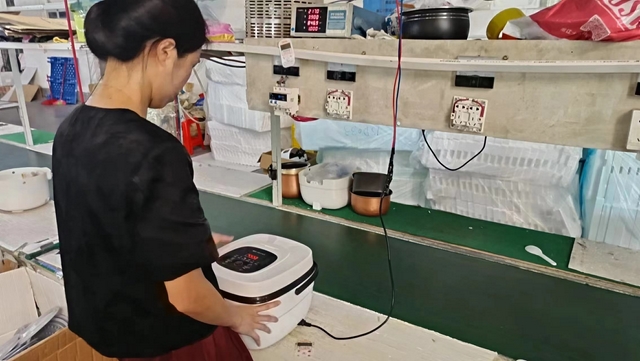
Rigid alignment and structural integrity checks are performed to verify that the internal cores are centered perfectly within the silicone.
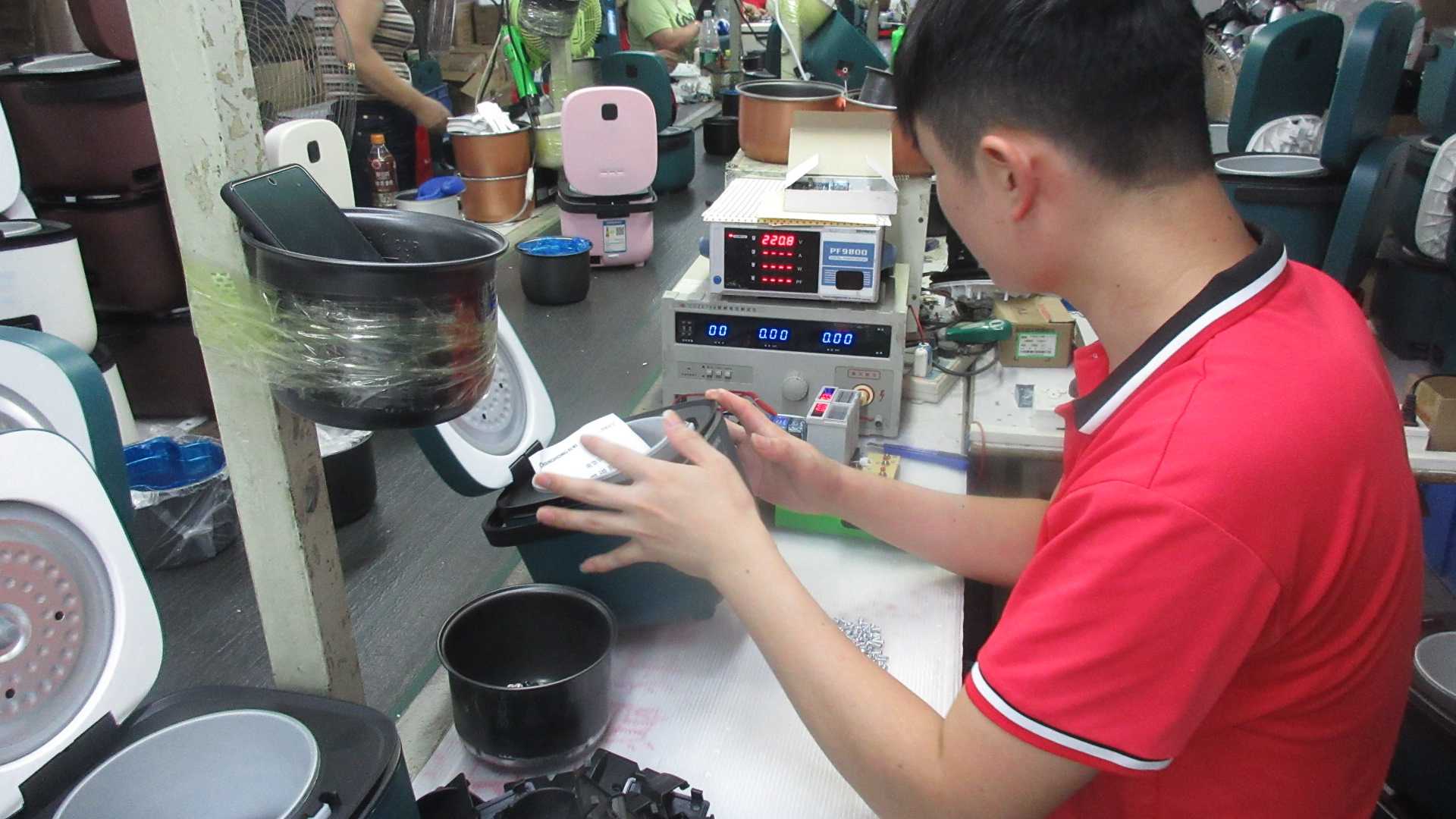
Thermal testing and post-vulculanization checks verify compliance with zero-volatile standards, ensuring spatula safety at high temperatures.
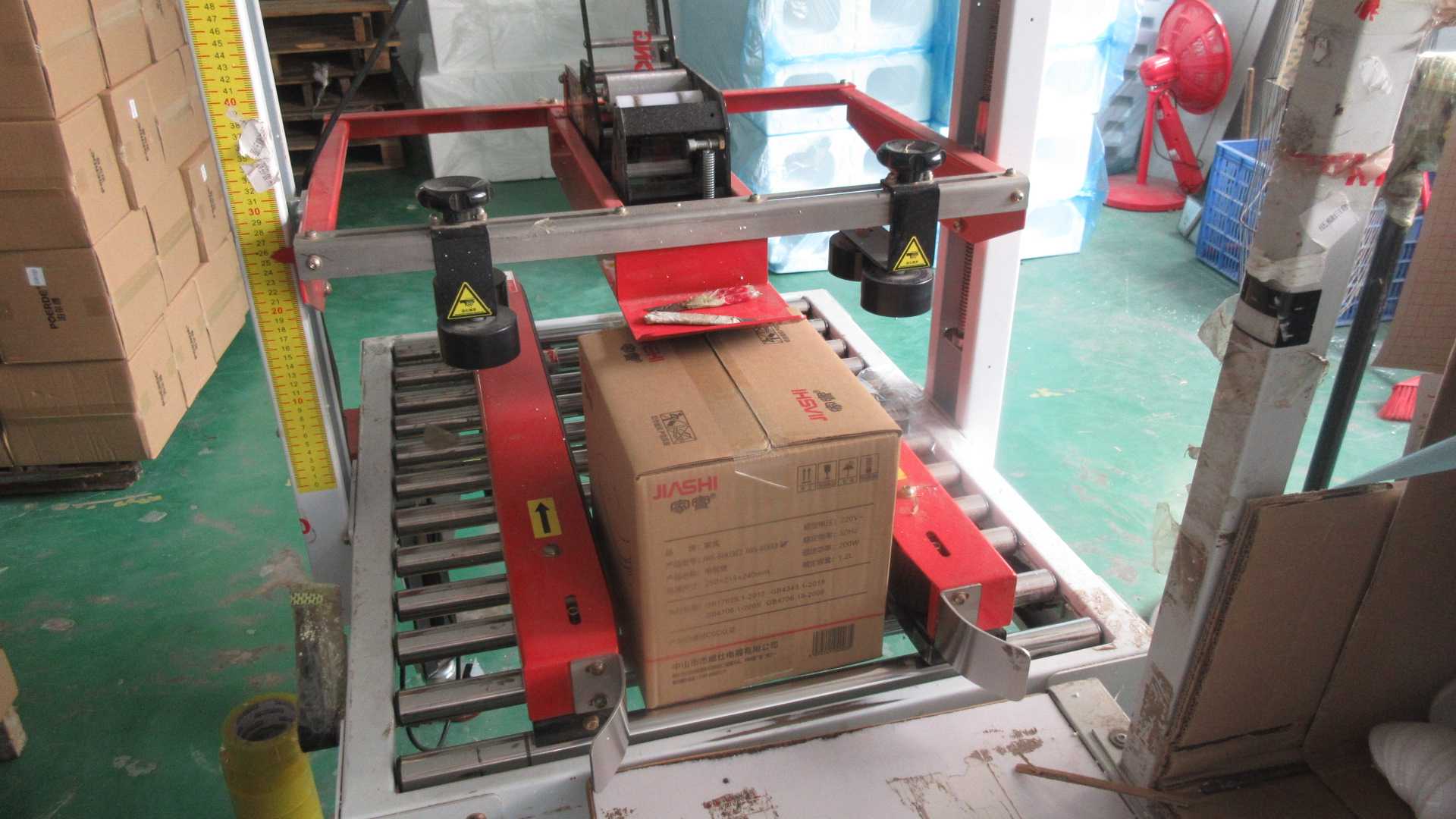
Individual products are labeled and packed using low-VOC coatings, biodegradable inserts, or custom retail hangtags as requested by the client.
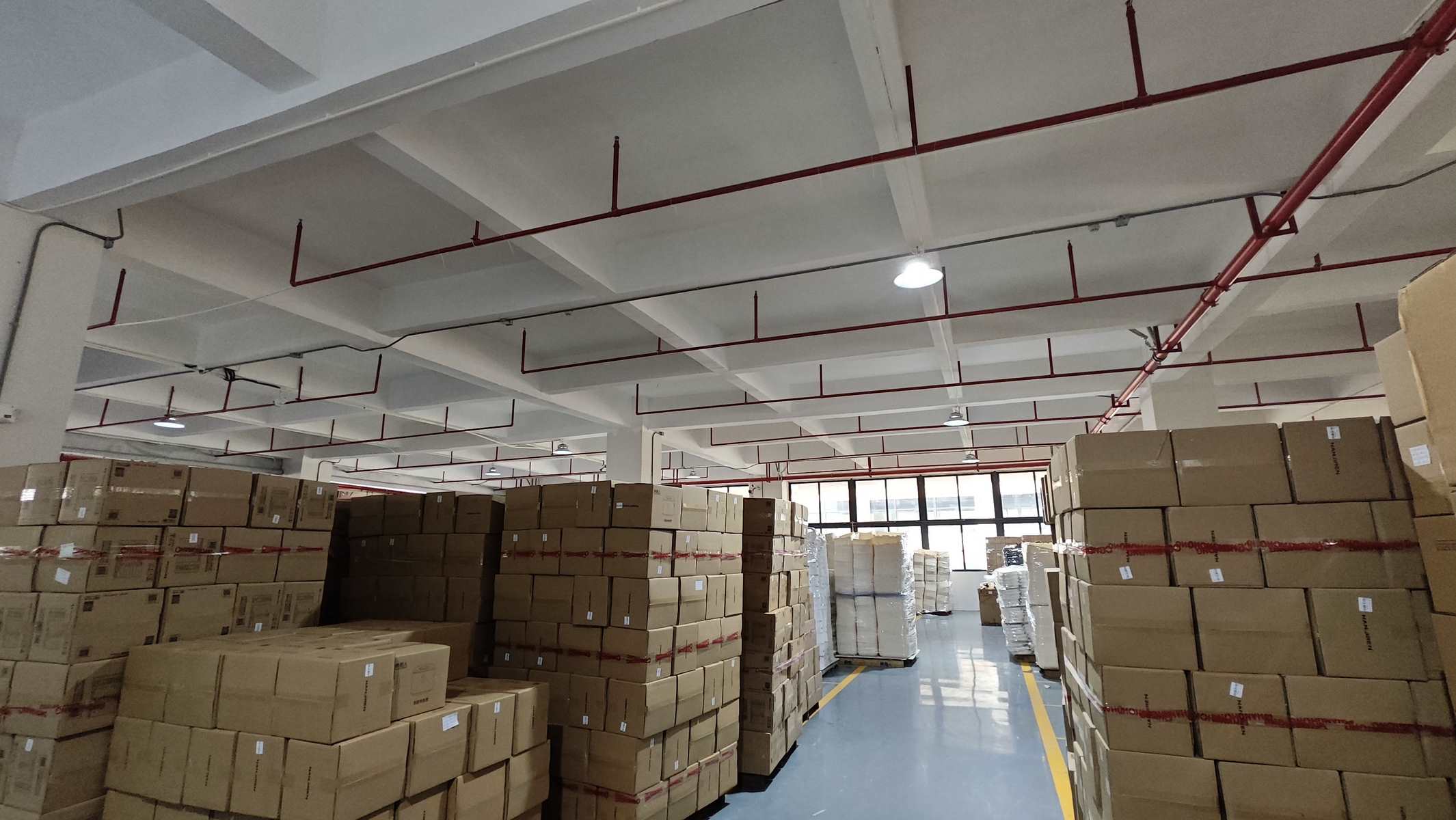
Products are indexed in our inventory management system. Environmental factors are controlled to preserve product longevity before shipping.
Strict volumetric stacking and drop-testing procedures guarantee that bulk orders arrive safely at international ports and Amazon fulfillment centers.
Different sectors demand specific design adaptations. We optimize silicone chemistry and structural design to serve localized target markets.
Commercial bakeries operate in high-temperature settings and deal with high-viscosity substances. Spatulas in these environments must possess extreme structural stability and a firm blade tip. The Refine Factory Durable Reusable Silicone Spatula, built with a detachable handle, allows bakeries to swap handles or run the spatula heads through deep industrial sanitation. The non-stick coating reduces ingredients wastage by scraping mixing bowls clean with a single stroke, lowering operational expenses.
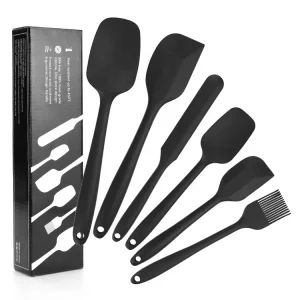
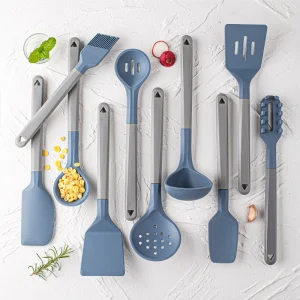
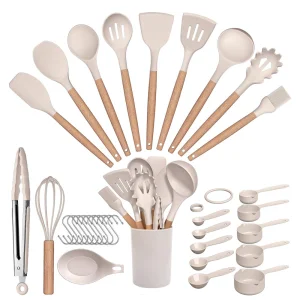
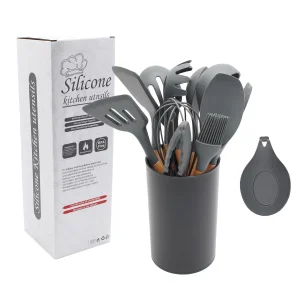
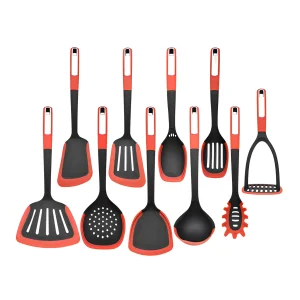
Private label brands on Amazon and high-street cookware stores prioritize visual design, premium packaging, and food-safe certifications to reduce returns. Our 6pcs Black Silicone Spatula Set and 10-Piece Non-Stick Nylon Cooking Utensils Set are packaged for rapid retail shelving. With high heat-resistance and zero BPA, these sets are designed to attract discerning buyers and earn positive customer reviews online.
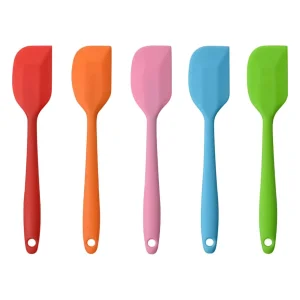
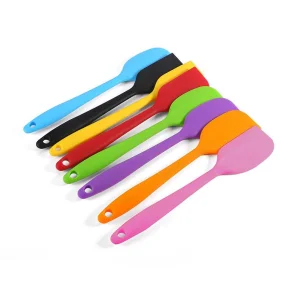
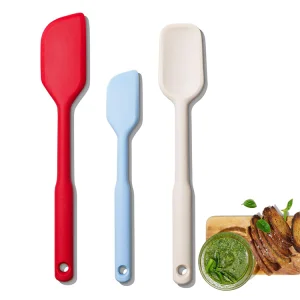
For high-frequency stir-frying and sautéing, cookwares must endure high-temp contact without warping or shedding microplastics. Our one-piece design spatulas, such as the 11inch Bpa Free One Piece Design Solid Heat-resistant Non-Stick Silicone Scraper, contain no seams, ensuring food oils cannot seep inside. The internal high-tensile steel core prevents the spatula from bending when flipping heavy meats or stews.
Key technical queries resolved by our material engineers for procurement directors, inspectors, and distributors.
Explore our custom OEM models, premium baking sets, and high-heat resistant scraper collections tailored for international distribution channels.