 Picky Kitchen
Picky Kitchen
Picky Kitchen
High-thermal efficiency bakeware engineered for continuous industrial food service operations and high-volume commercial production lines.

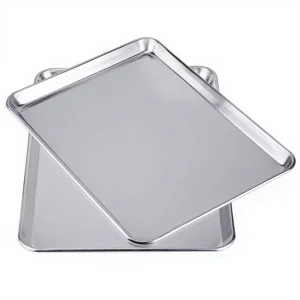
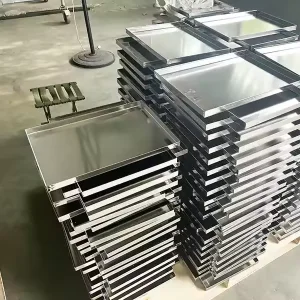
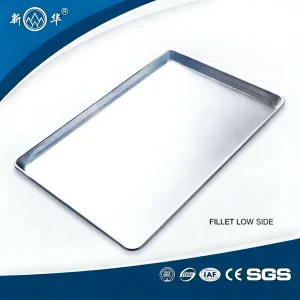
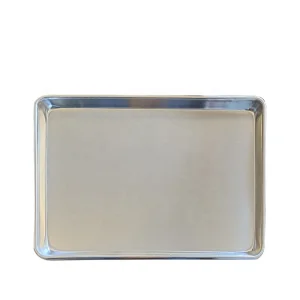
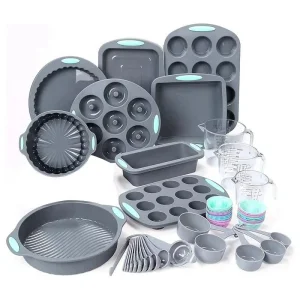

Decoding structural material trends, thermal performance engineering, and global logistics optimization for B2B procurement professionals.
Modern commercial kitchens demand baking sheets with rapid, uniform heat conduction to prevent localized hot-spots. Anodized Aluminum (Alloy 3003/1060) is the industrial benchmark for thermal diffusivity, providing over triple the heat transfer rate of carbon steel, while high-tensile Aluminized Steel combines the thermal properties of aluminum with the structural integrity of steel to withstand extreme high-heat baking cycles without warping.
For high-frequency food preparation, coating longevity directly dictates ROI. Procurement departments now prioritize PTFE-free Ceramic (Sol-Gel) Coatings and organosilicon multi-layer systems. These advanced layers maintain high-release integrity for up to 5,000 cycles, significantly outlasting traditional food-grade polymers and cutting grease-agent costs in commercial bakeries by 75%.
Operating a global food brand demands stringent compliance verification. Manufacturers must maintain clear traceability paths for raw raw-materials, ensuring heavy metals are kept out of food contact layers. Ensuring your supplier has FDA, LFGB, and NSF International certifications guarantees seamless entry into strictly regulated Western markets without customs clearance disruptions.
Your Integrated Commercial Kitchen Hardware OEM & ODM Manufacturing Partner.
Guangdong Picky Kitchen Co. Ltd., established in 2005, is an industry-leading manufacturer of high-performance kitchenware and functional home hardware systems. Centered on research, design, engineering, and global logistics, the company provides bespoke industrial bakeware solutions to commercial bakeries, food services, and global brands. We recognize that industrial bakeware is a critical element in large-scale food production where thermal efficiency, durability, and health compliance directly impact commercial profitability.
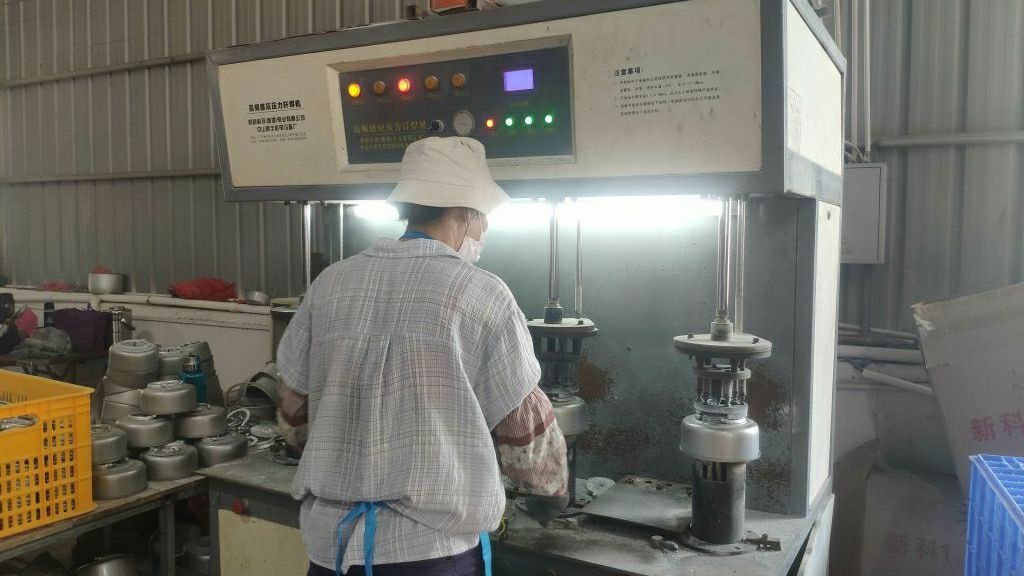
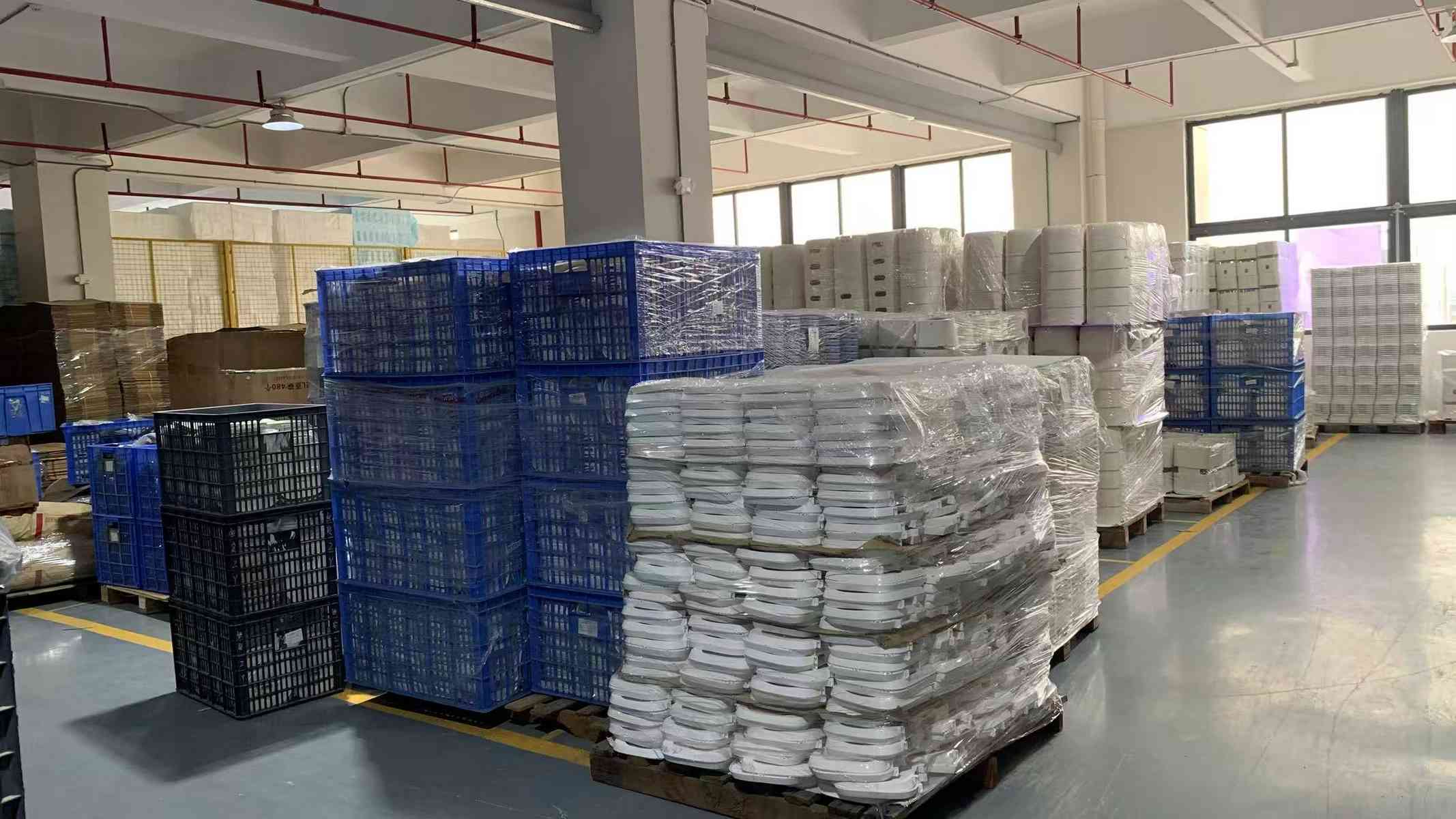
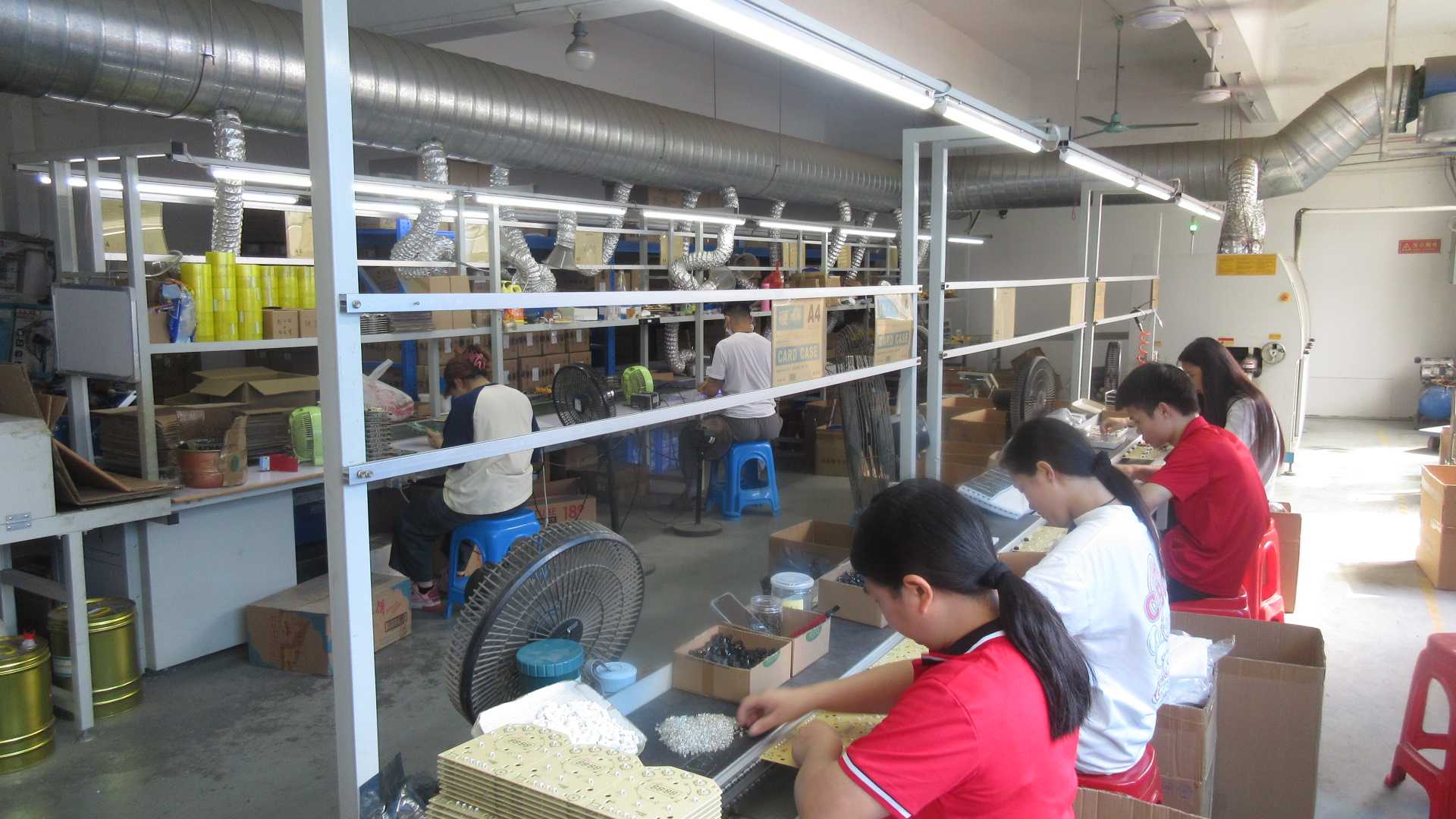
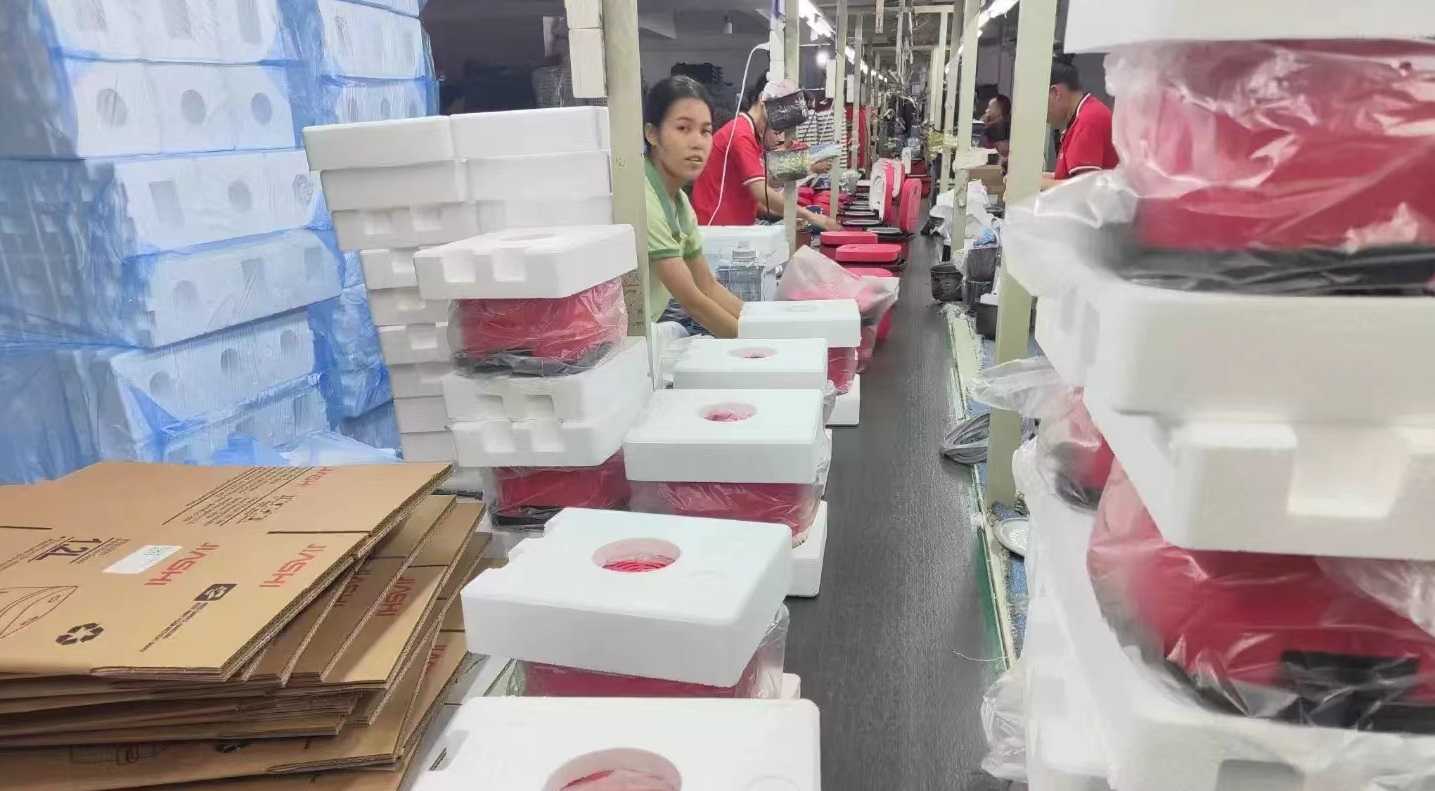
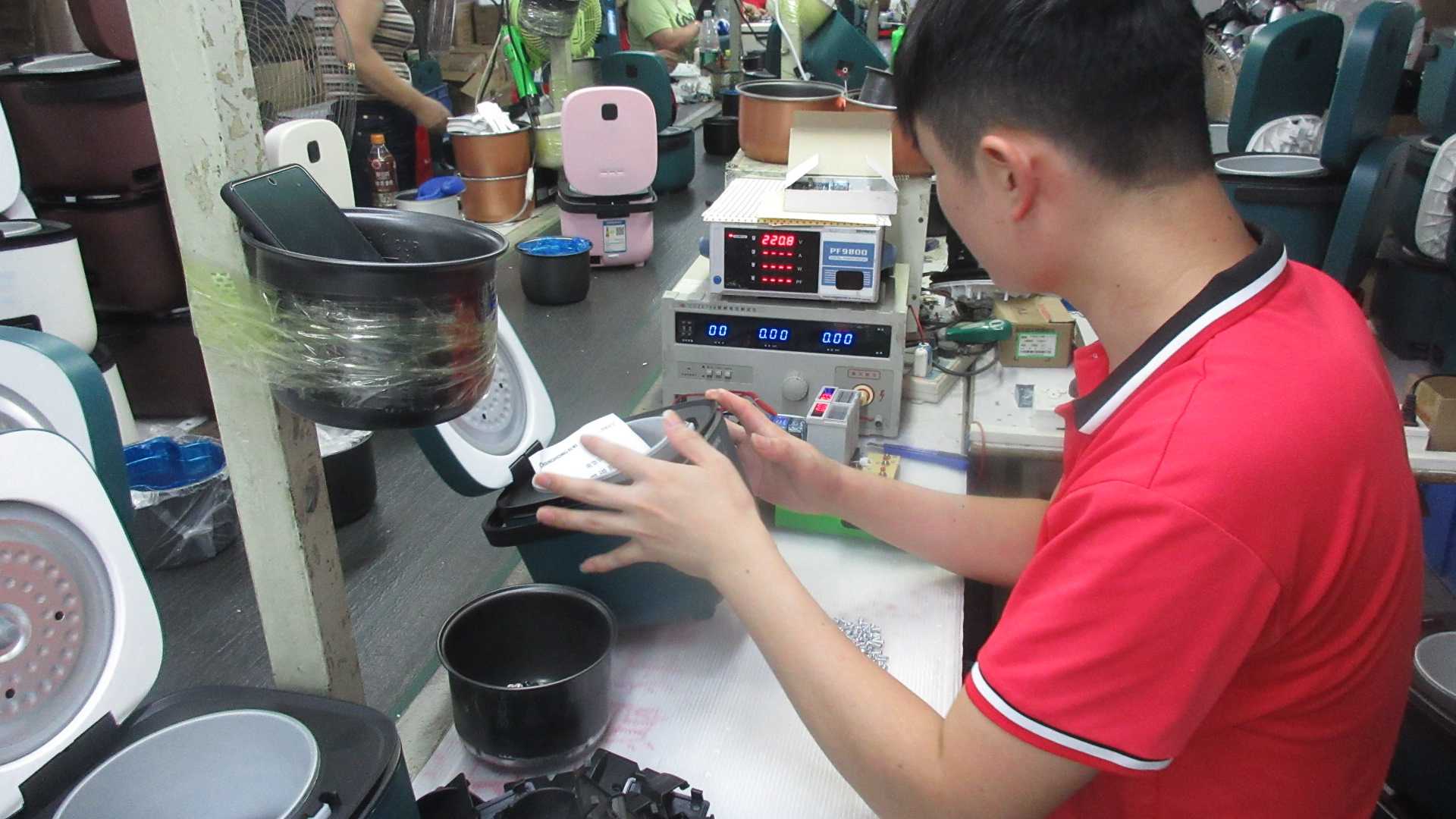
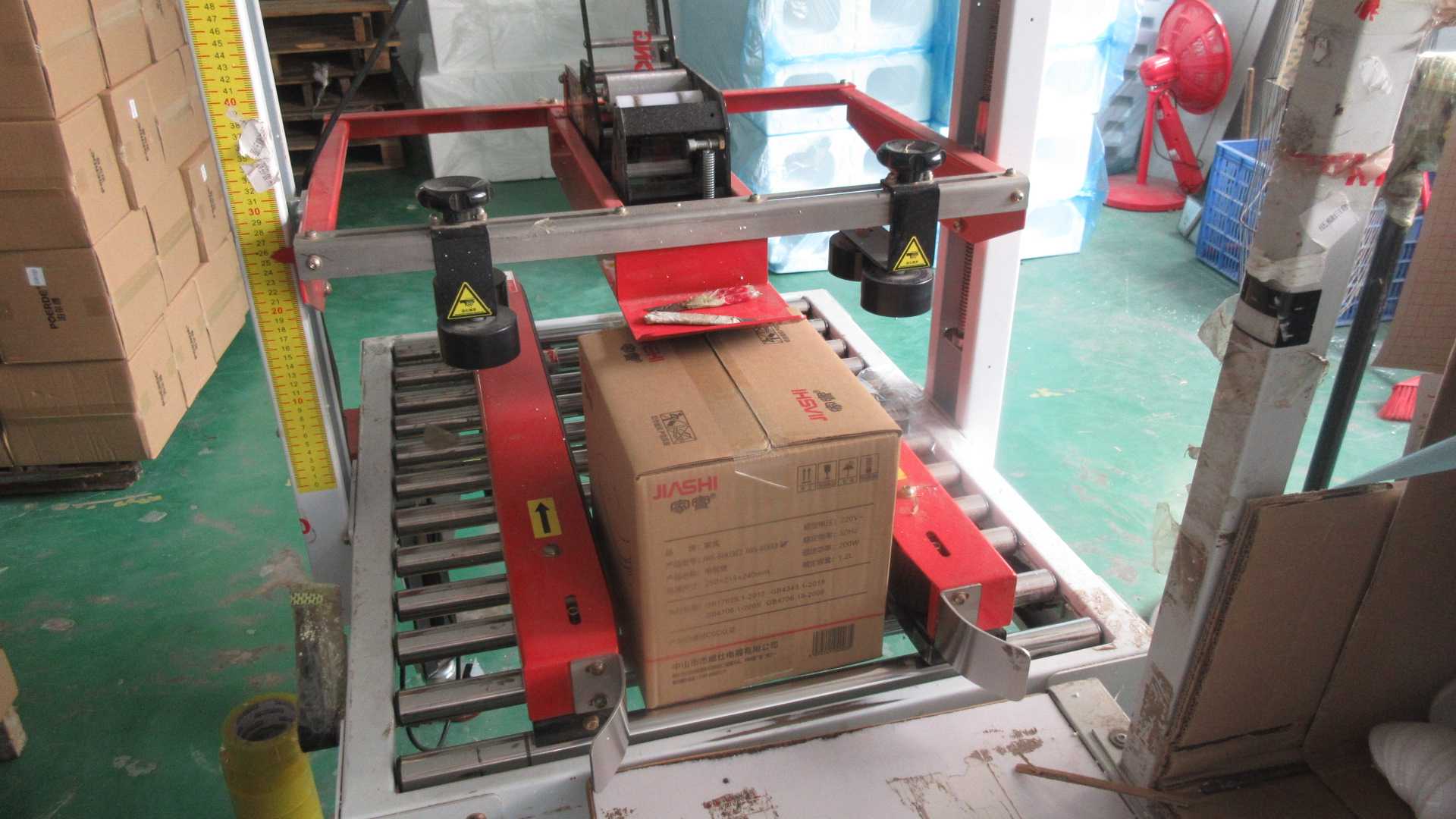
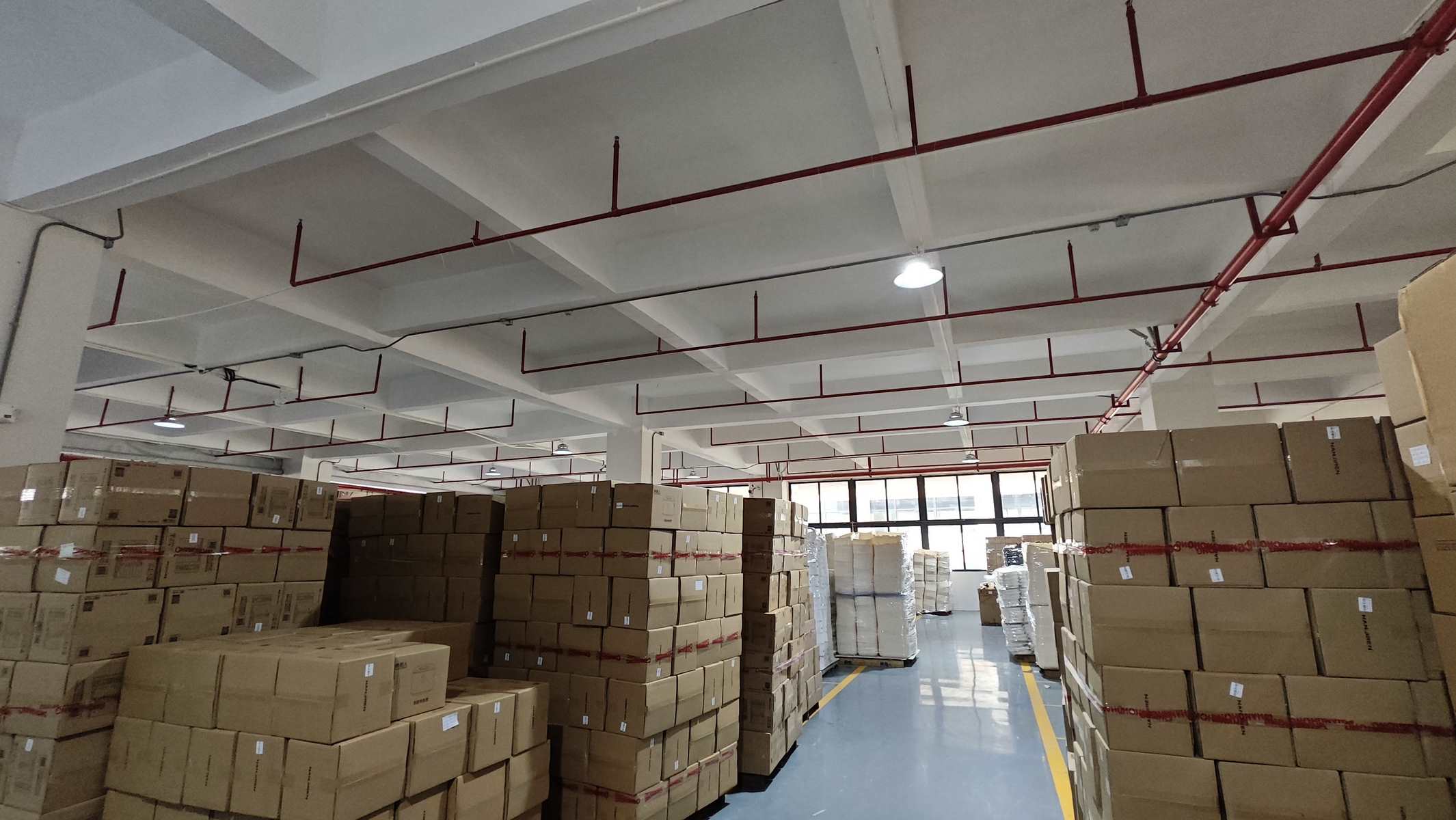
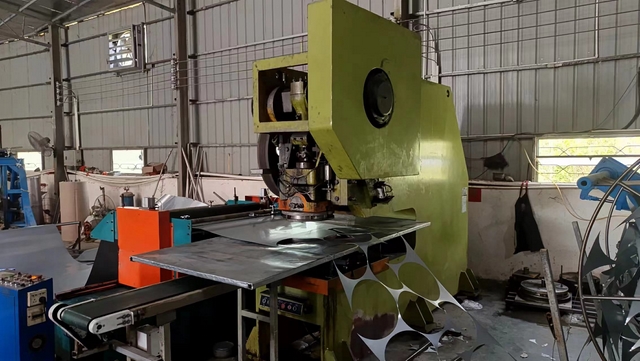
Our production facilities stretch across a modern 12,000 square meter footprint, integrated with automated production lines and high-precision quality control mechanisms. We cover the entire product lifecycle in-house—from initial structural drafting and die-casting to computerized numerical control (CNC) machining, automated tool processing, mold fabrication, laser welding, and automated surface treatment. This complete supply-chain integration allows us to achieve precise manufacturing tolerances (within ±0.05 mm), control production costs, and maintain rapid turnaround times for customized bulk manufacturing runs.
Innovation at Guangdong Picky Kitchen Co. Ltd. is led by an elite R&D team composed of metallurgy engineers, industrial designers, and system automation experts. This team actively researches and tests next-generation surface treatments, structural reinforcements (such as encapsulated steel wire rims to prevent warping under thermal load), and lightweight materials. As global markets transition toward smart kitchens and sustainable supply chains, we are driving new industry standards in clean, energy-efficient manufacturing, low-VOC coatings, and smart IoT-enabled bakeware solutions.
How engineering advancements in alloys and physical surface modifications are shaping the next generation of industrial food preparation systems.
In high-speed commercial production, thermal efficiency directly impacts bake quality. Heat transfer through sheet metal is calculated by Fourier’s Law:
q = -k × A × (dT / dx)
By engineering sheet materials using high-conductivity Aluminum Alloy 3003-H14 (thermal conductivity k ≈ 160 W/m·K), we reduce energy consumption in commercial ovens by up to 18% compared to carbon steel (k ≈ 50 W/m·K). Our research department ensures that every baking sheet features optimized thickness tolerances to balance heat dispersion and mechanical strength.
Thermal fatigue is the leading cause of premature failure in baking pans. Repeated thermal expansion and contraction causes metal sheets to twist and lose flatness, leading to uneven product thickness and automated conveyor disruptions.
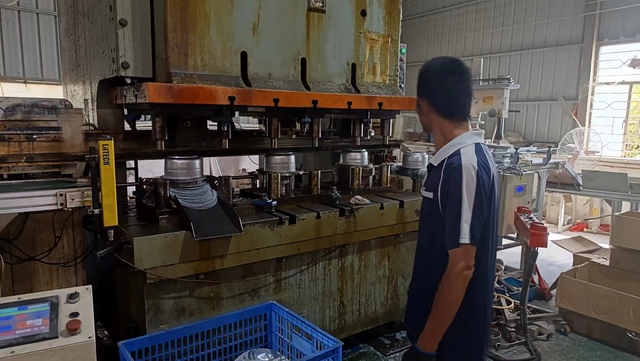
To eliminate this, our engineers utilize high-speed stamping systems to embed encapsulated structural wire rims. By inserting galvanized or stainless steel rods directly into the rolled edges of the aluminum sheets, we create structural tension that resists thermal deformation up to 260°C (500°F).
Meeting stringent food-safety protocols and handling international trade regulations with confidence.
All materials used in our baking pans are extensively tested for chemical safety and stability. We comply fully with the European Union’s LFGB Regulation (EC) No 1935/2004 and the United States' FDA 21 CFR 177.1550. This testing ensures that even under high temperatures, there is no chemical migration from the baking pans to food products.
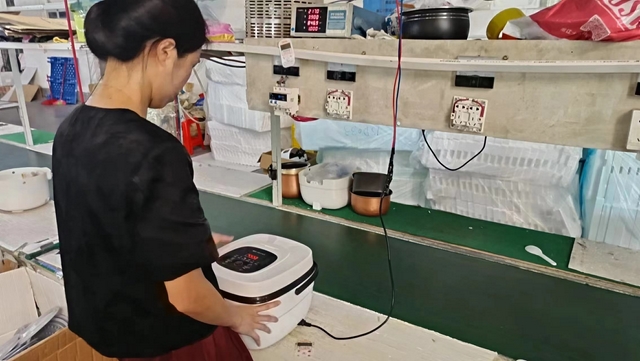
Our factory operates under an ISO 9001:2015 certified quality management framework. We run automated optoelectronic inspection systems along the assembly lines to catch and remove any products with surface defects, uneven coatings, or dimensional variances before packing.
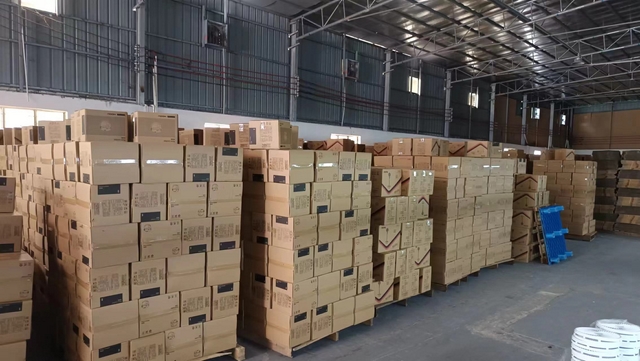
We handle high-volume B2B orders with efficient shipping protocols. We support multiple commercial terms including FOB, CIF, DDP, and EXW, and collaborate with leading logistics networks to manage ocean freight, inland distribution, and customs clearances for seamless port delivery.
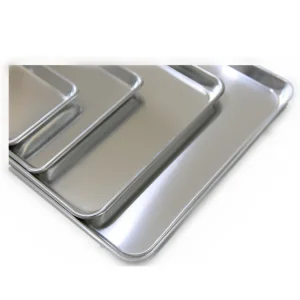
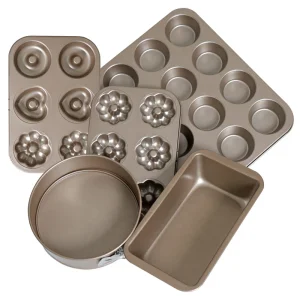
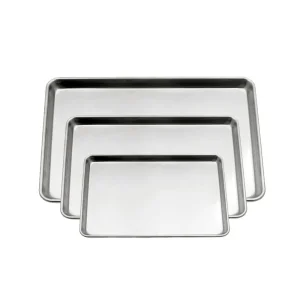
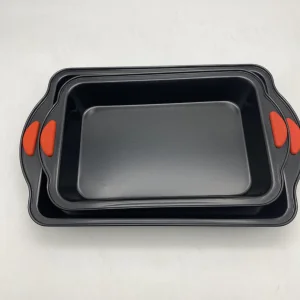
Explore our customizable heavy-duty baking surfaces, built for automated manufacturing plants and commercial food preparation operations.
Crucial considerations answered by our senior metallurgical engineers and compliance directors to help streamline your procurement process.