Picky Kitchen
Picky Kitchen
Picky Kitchen
Explore our top-tier collection of premium natural wood chunks engineered for optimal smoke density, combustion longevity, and complex flavor profiles.
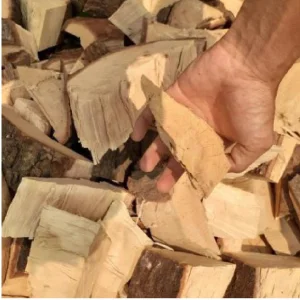
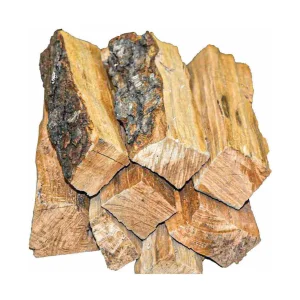
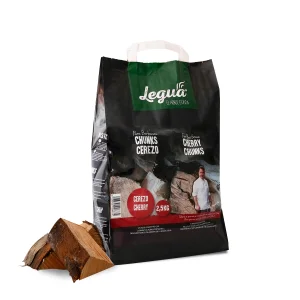
Understanding the macro shift in wood smoking fuel, thermodynamic engineering, and sustainability directives dominating today's B2B supply chain.
The global culinary and commercial smoking wood market is undergoing a structural paradigm shift. Once treated as a simple agricultural byproduct, BBQ smoking chunks have evolved into a highly engineered, regulated, and specialized global industry. According to recent trade analyses, the demand for natural hardwood smoke flavorings and wood fuels has grown at a CAGR of 6.2% over the last five years, driven by the expanding popularity of outdoor cooking, high-end barbecue chains, and commercial food smokehouses.
Today, global buyers look past basic log processing. They prioritize thermodynamic stability, moisture regulation, and botanical traceability. In response to carbon neutrality goals and environmental governance frameworks (like the EU Timber Regulation and ESG standards), the market now demands that manufacturers source exclusively from certified sustainable forestry and agricultural waste recycling. For instance, orchards that prune fruitwood trees annually (such as cherry, apple, and rumbutan) provide a circular feedstock loop, guaranteeing zero net deforestation.
Modern air-circulation kiln systems allow manufacturers to maintain consistent drying curves, ensuring each batch of wood chunks retains only the essential organic compounds needed for clean pyrolysis without mold or pest infestation.
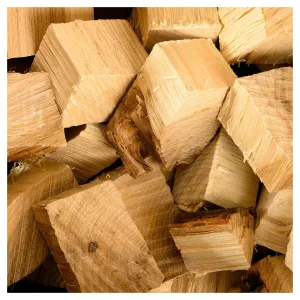
Through careful calibration of wood density, premium chunks are sorted to ensure they burn slowly and cleanly, eliminating short-lived spikes in heat that ruin slow-cooked meats.
B2B distributors rely on strict wood species categorization (such as Hickory, Apple, Cherry, and Tropical Rambutan) to provide commercial kitchen networks with predictable taste results.
For multinational retail distributors, supermarket chains, and large-scale catering conglomerates, procuring wood chunks is a rigorous compliance exercise.
B2B purchasers operate within strict risk management parameters. Importing raw organic materials across borders requires complying with international biosecurity laws. Major procurement hurdles include USDA approval (for the US), CFIA compliance (for Canada), and EU phytosanitary certification. Without high-temperature kiln drying processes (typically requiring core wood heat of 71.1°C for 75 minutes) to eradicate insects and fungi, shipments are subject to quarantine, destruction, or rejection at port of entry.
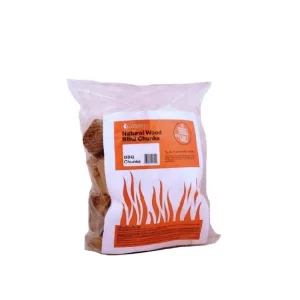
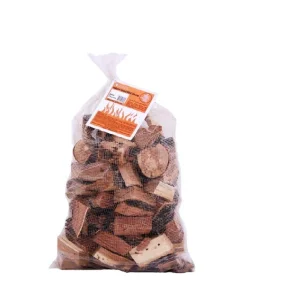
Beyond phytosanitary mandates, leading retail networks require structured packaging formats (such as resealable PE bags or eco-friendly kraft boxes), custom barcodes (UPC/EAN), and bulk palletization standards (ISPM 15 heat-treated pallets) to optimize warehouse flow. This requires a professional manufacturer equipped with systematic packaging lines and rigorous logistics capabilities.
| Procurement Standard | Technical Requirement | Compliance Benefit |
|---|---|---|
| Phytosanitary Certification | Kiln-dried core temperature > 71.1°C, certified bug-free | Seamless custom clearance worldwide, prevents quarantine delays |
| Moisture Content Regulation | Strictly controlled between 8% and 12% moisture index | Prevents mold growth during ocean transit, optimizes smoke quality |
| Traceability / Sustainability | FSC (Forest Stewardship Council) Chain of Custody | Ensures environmental compliance and enhances ESG brand equity |
| Heavy Metal / Chemical Testing | 100% bark-free or pesticide-free natural virgin wood testing | Meets global food-safe cooking fuel guidelines |
Blending heavy hardware engineering with sustainable bio-energy supply chains to deliver unparalleled reliability.
As a global leader in kitchenware and functional hardware, Guangdong Picky Kitchen Co. Ltd. (established in 2005) has integrated its advanced manufacturing infrastructure to support the production of premium outdoor smoking gear, accessories, and coordinated wood chunk sourcing. Spanning a modern production facility of 12,000 square meters, our Factory 4.0 methodology utilizes precision engineering, automated cutting, and IoT-driven quality inspections to revolutionize the food smoking sector.
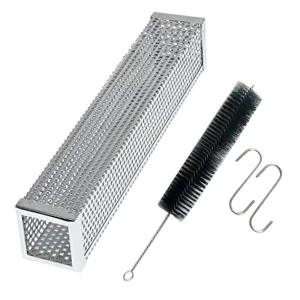
While traditional wood mills suffer from erratic yield cycles and poor packaging quality control, Guangdong Picky Kitchen Co. Ltd. applies the discipline of high-end hardware manufacturing. By leveraging our capabilities in CNC machining, precision automated processing, laser cutting, and structural design, we produce high-durability stainless steel smoker tubes, adjustable smoking boxes, and smoking guns alongside standardized, kiln-dried wood chunks. This unified supply chain offers global clients a single-source solution for both the hardware and the organic smoking fuel, reducing cost and logistics friction.
By blending eco-friendly wood processing with high-precision hardware engineering, we offer smart-sensing smoker components alongside certified premium wood packages. Our system complies with global low-carbon initiatives, utilizing low-VOC finishes and bio-based surface treatments for all manufactured hardware parts, making us the partner of choice for green, forward-thinking B2B procurement.
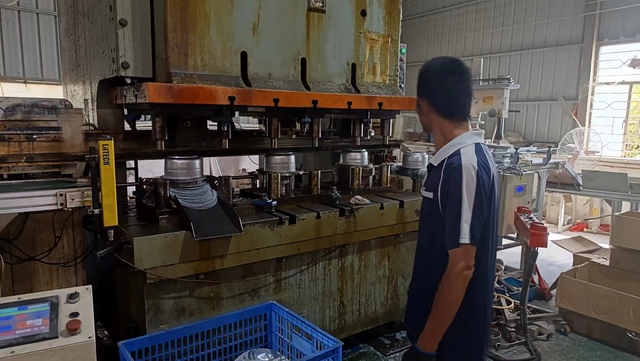
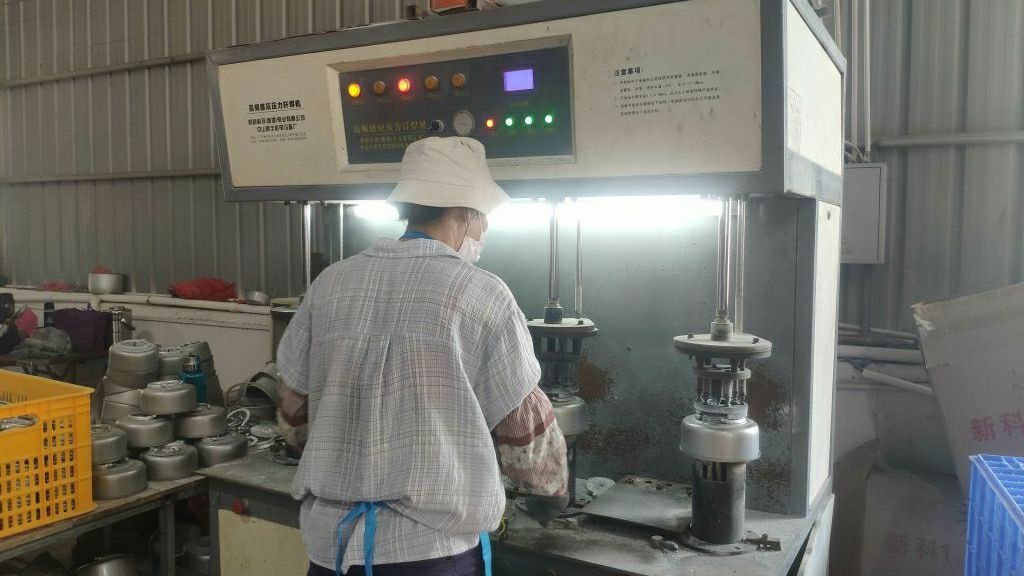
A photographic walkthrough of Guangdong Picky Kitchen's 12,000㎡ industrial footprint, quality control zones, and automated machinery.


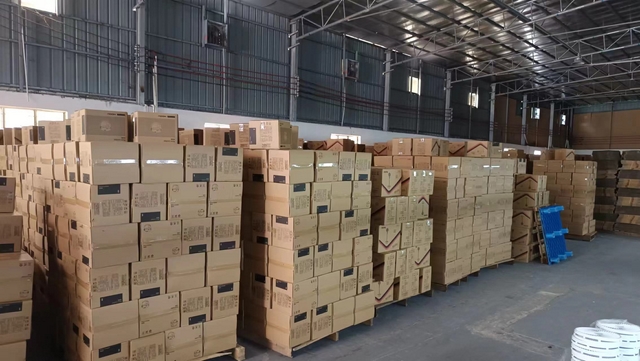
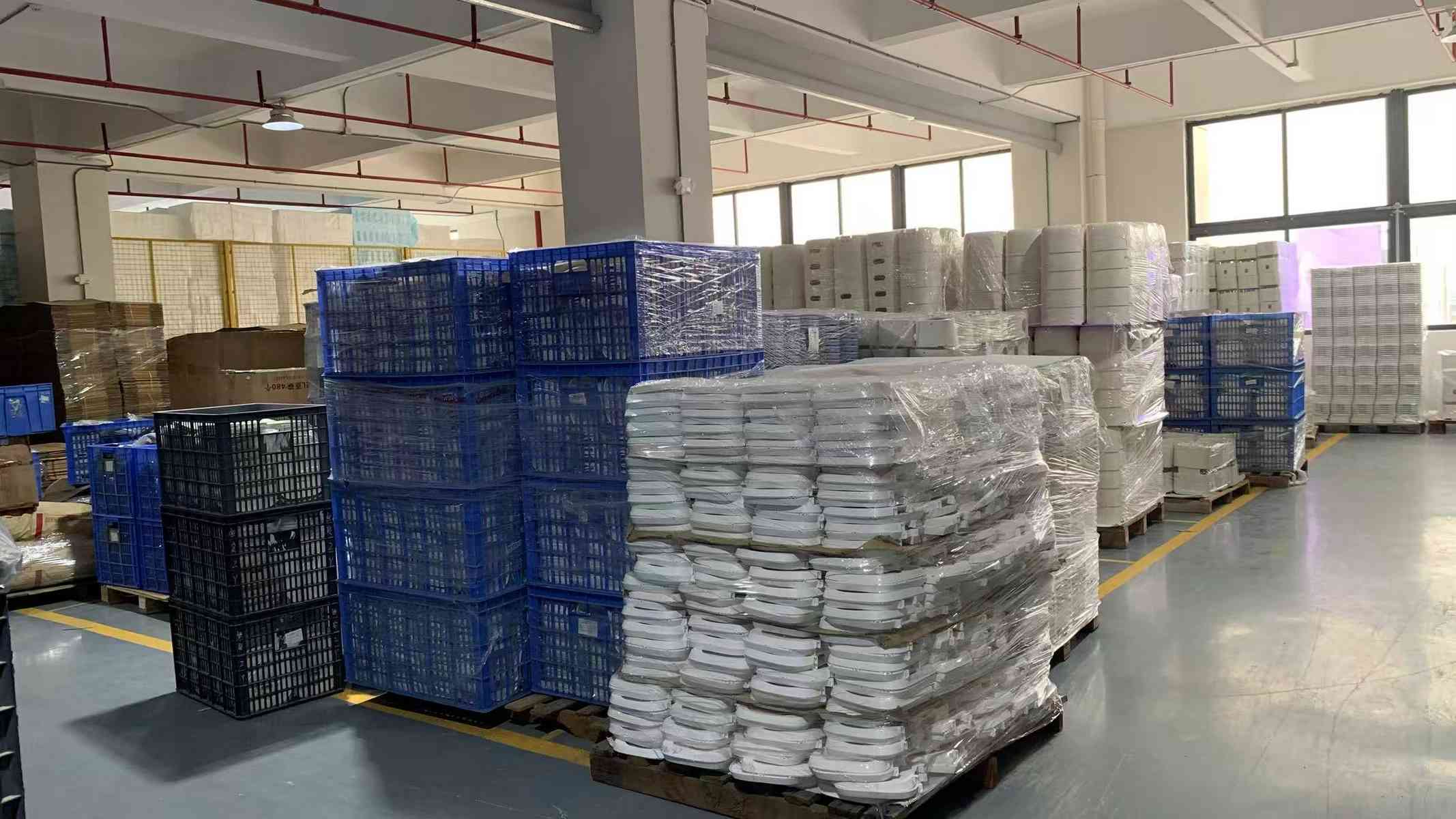
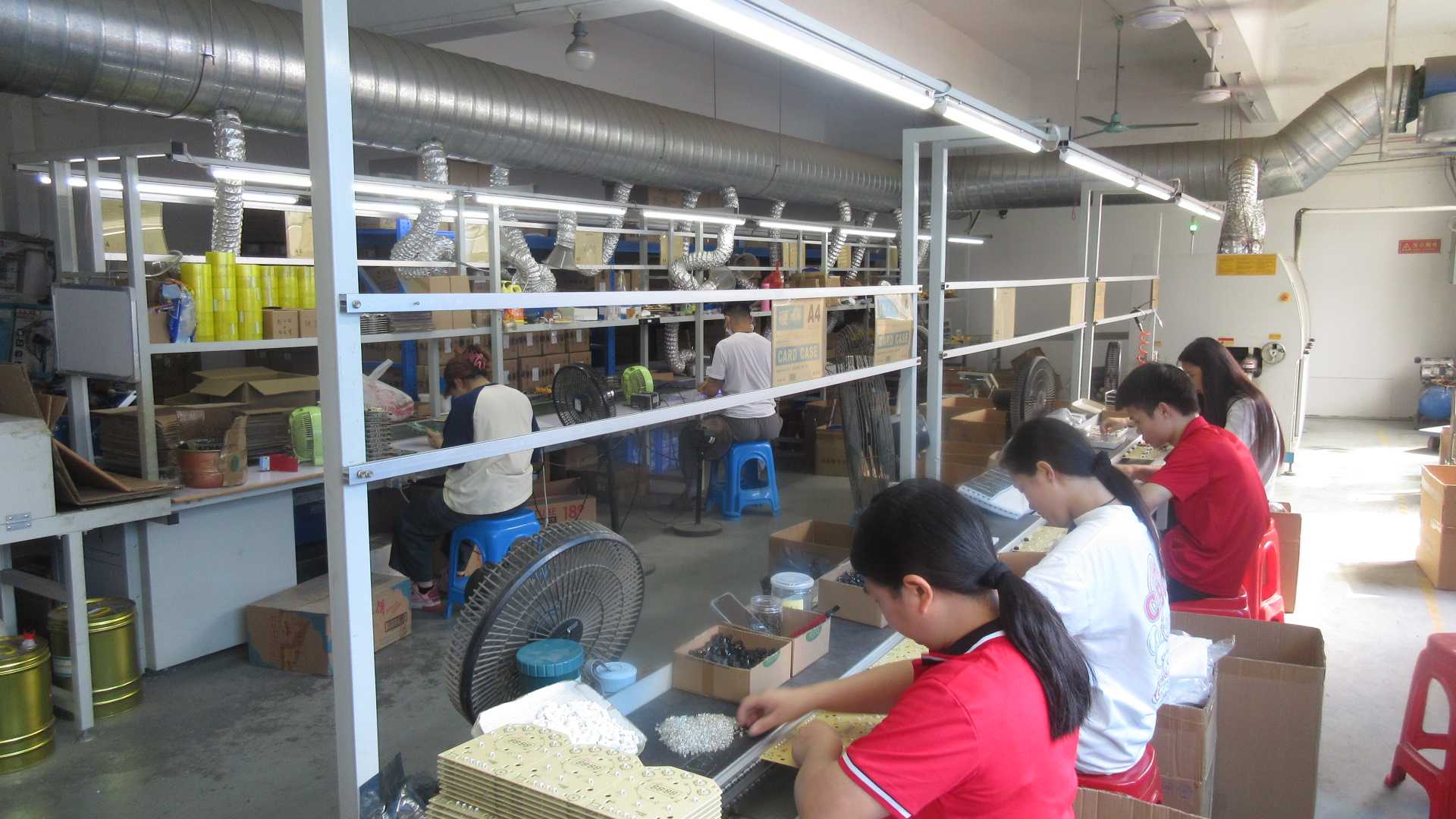


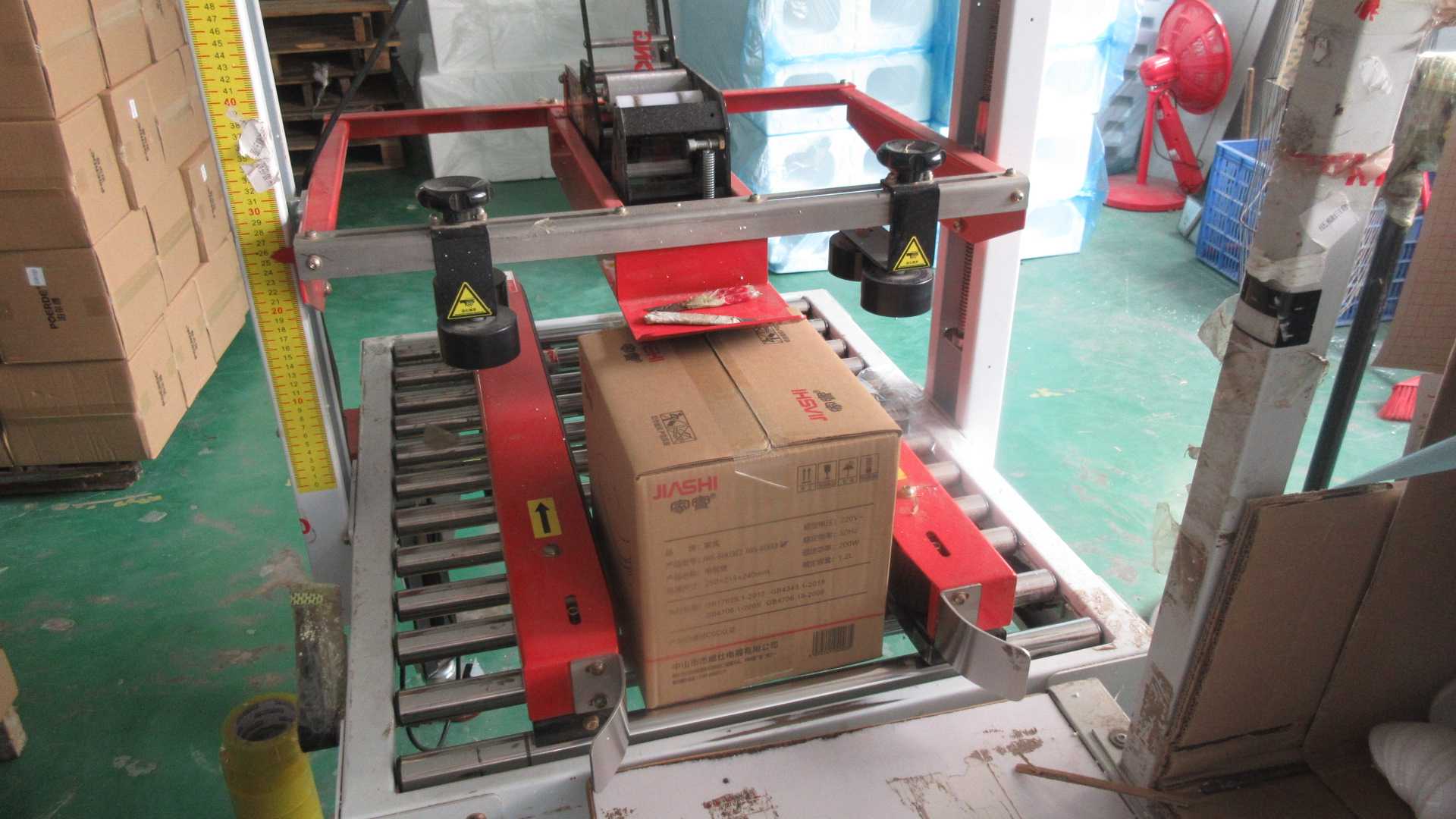
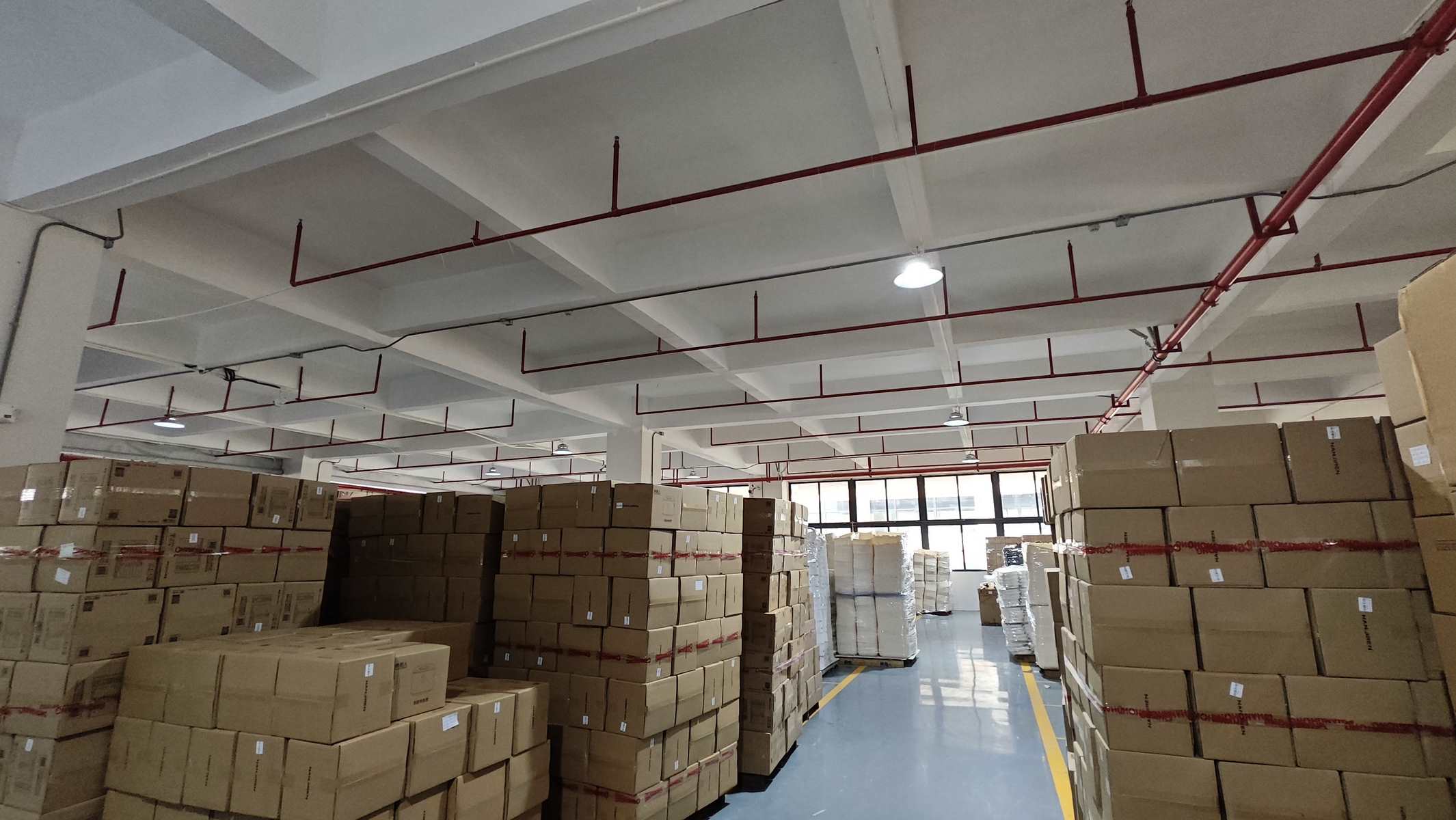
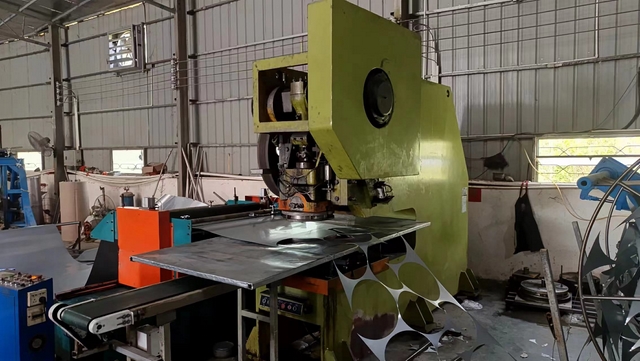
The flavor chemistry of wood smoke varies radically according to region and gastronomy. Below is our guide to matching specific wood chunks with local consumer preferences.
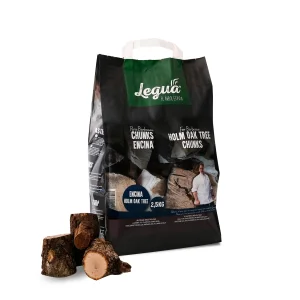
Understanding user intent in localized food industries is key to target marketing. Different regions have varying demands for smoke intensity. For example, in the North American market, strong, bold wood profiles like Hickory and Holm Oak are favored for classic Texas-style beef briskets or pork shoulders. The heavy concentration of syringol and guaiacol (the compounds that provide sweet, woodsy, and smoky aromas) in Hickory pairs perfectly with rich meats.
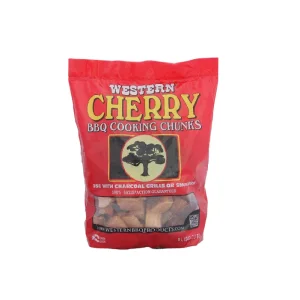
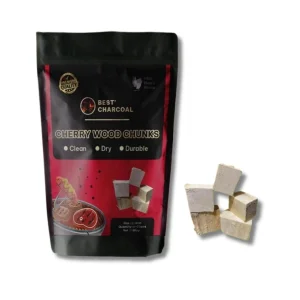
Conversely, in East Asian and Western European markets, consumers lean toward lighter, sweet smoke profiles. Apple and Cherry wood chunks are the leading choice for delicate proteins such as poultry, seafood, and artisanal cheese. Additionally, the integration of exotic varieties like Rambutan wood chunks—imported from tropical cultivation fields—offers a unique, sweet-fruity aroma that is rapidly capturing market share in high-end fusion restaurants and professional barbecue competitions worldwide.
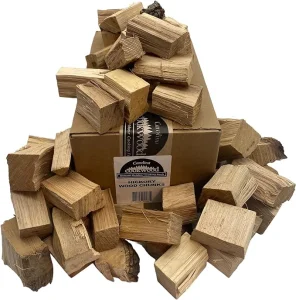
Requires uniform 10cm chunks that burn at a controlled rate to maintain a steady temperature, ensuring consistent smoke rings on meats in commercial offset smokers.
Demands premium 1kg and 500g visual retail packaging with clear flavor labeling, moisture preservation valves, and informative recipe pairing guides.
Answers to critical technical and logistical questions from global buyers and distributors.
Premium smoking woods sourced, processed, and packaged to meet strict commercial guidelines and deliver rich, authentic flavors.