Picky Kitchen
Picky Kitchen
Picky Kitchen
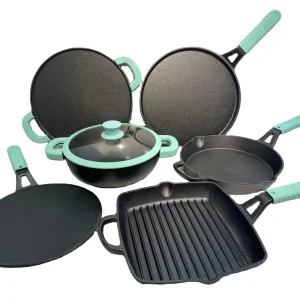
Explore our precision-manufactured cast iron product line, optimized for rapid heating, durability, and commercial compliance.
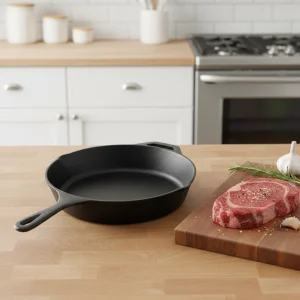
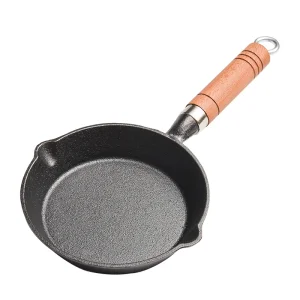
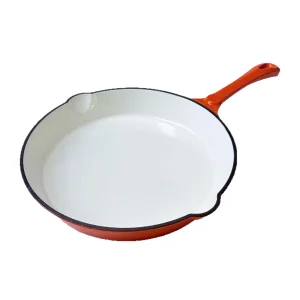
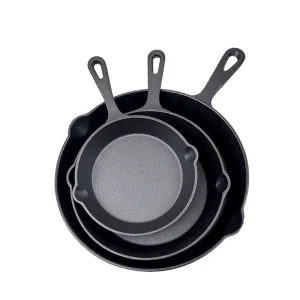
As consumer demands shift away from synthetic fluoropolymer coatings, the global culinary landscape has experienced a major shift back to cast iron metallurgy.
Today's buyers—ranging from commercial food service chains to high-end boutique home kitchen brands—prioritize chemical-free non-stick seasoning, structural thermal retention, and long-term durability. The global market size for premium cast iron cookware continues to expand at a compound annual growth rate (CAGR) of over 6.2%, driven by the health benefits of cooking on natural surfaces and the heirloom-like durability of cast iron products.
As a premier manufacturer, we observe critical regional demands: North American markets seek heavy-duty, highly textured pre-seasoned pans suitable for open flame and outdoor grilling; European markets request sleek, enameled designs matching smart induction systems; while East Asian markets favor lightweight, high-density castings capable of fast heat responsiveness for wok-style sautéing.
Guangdong Picky Kitchen Co. Ltd. represents the cutting edge of manufacturing execution and industrial structural design.
Established in 2005, Guangdong Picky Kitchen Co. Ltd. has grown into a diversified and innovation-driven enterprise specializing in kitchen hardware and functional home hardware systems. Centered on research, design, manufacturing, and global distribution, the company is dedicated to delivering high-quality, integrated kitchen hardware solutions for customers worldwide. The company firmly believes that the kitchen is not only a functional space for cooking, but also a key reflection of lifestyle quality. Guided by this philosophy, we consistently pursue the integration of functional excellence and aesthetic innovation.
Operating a modern manufacturing facility covering approximately 12,000 square meters, our facility serves as the backbone of our manufacturing capability, ensuring both efficiency and product consistency. Our production scope includes structural component design, precision stamping and die-casting, CNC machining, automated tool processing, mold development and fabrication, laser welding, assembly, and final testing. This full-chain manufacturing system enables Guangdong Picky Kitchen Co. Ltd. to provide one-stop solutions while maintaining strict control over quality and lead times, as well as responding quickly to customized client requirements.
Exposing the step-by-step metallurgical process and smart engineering behind every skillet we manufacture.
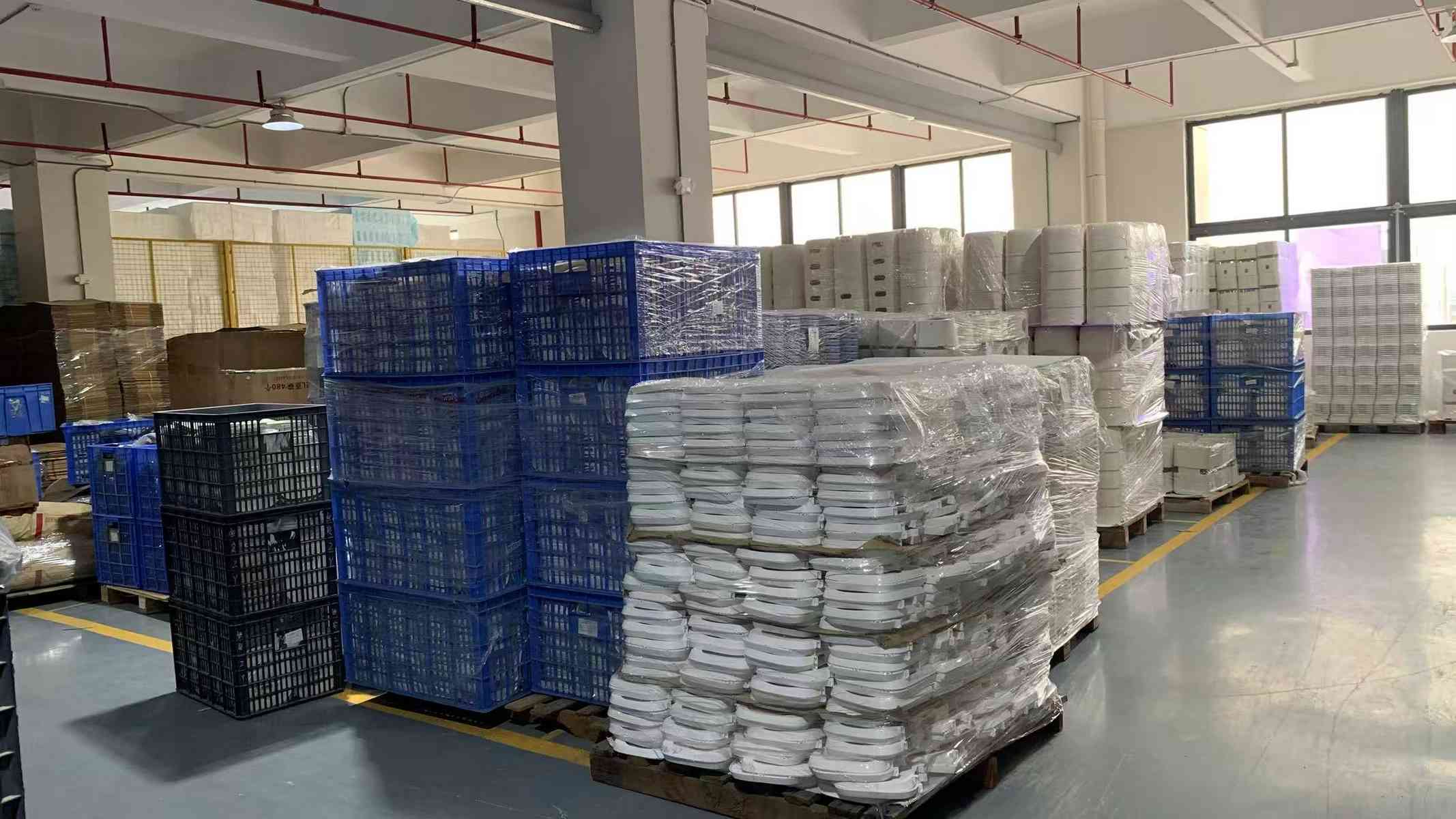
Ensuring optimal pig iron composition. We control carbon levels (3.2% - 3.5%) and silicon ratios to guarantee structural elasticity, thermal retention, and micro-porosity for seasoning adhesion.
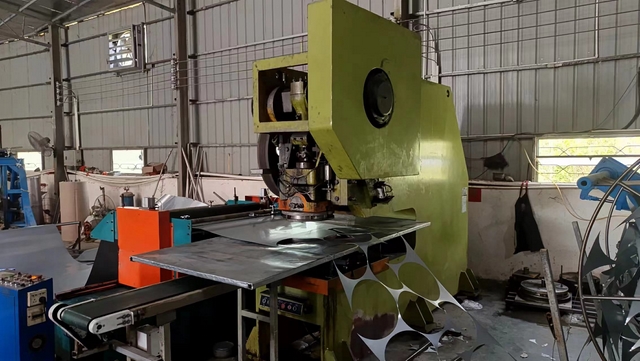
Precision raw stock cutting and feeding systems ensure consistent material weights prior to casting processes, optimizing production yield and reducing structural variations.
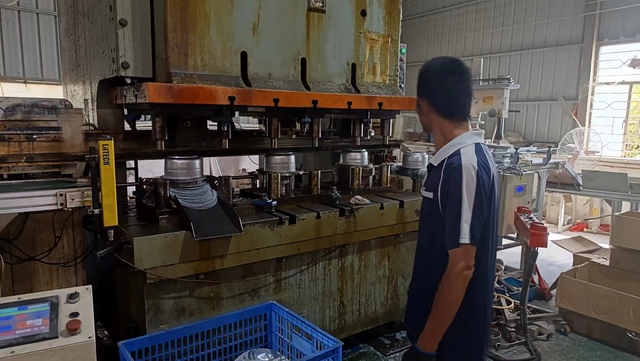
Utilizing DISA sand molding and high-pressure automated molding equipment to form the skillet shape, ensuring dimensional accuracy and uniform wall thickness.
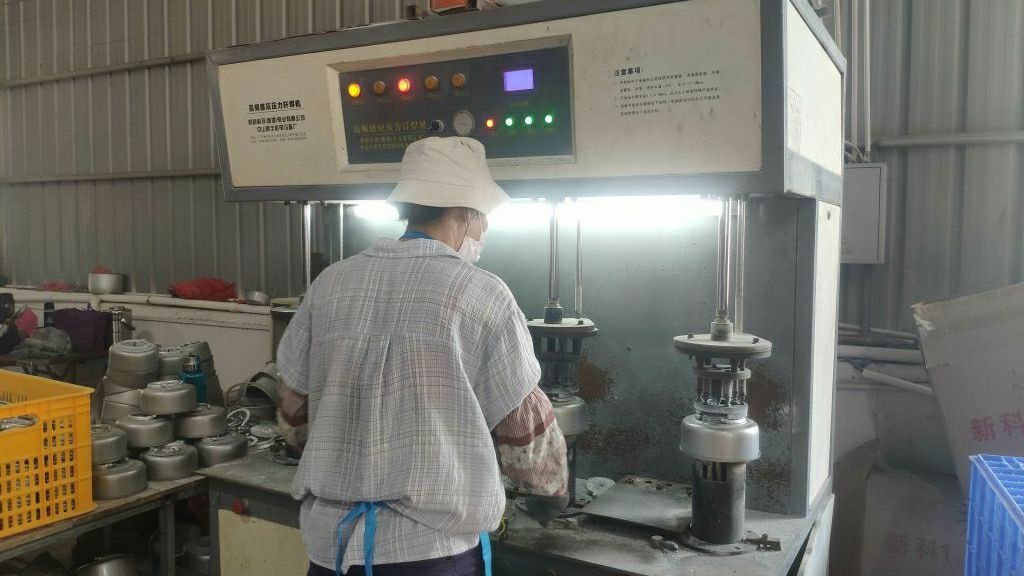
Advanced structural integration. Welding and joining processes for specialty designs like heat-insulated handles and multi-layer structural pans.
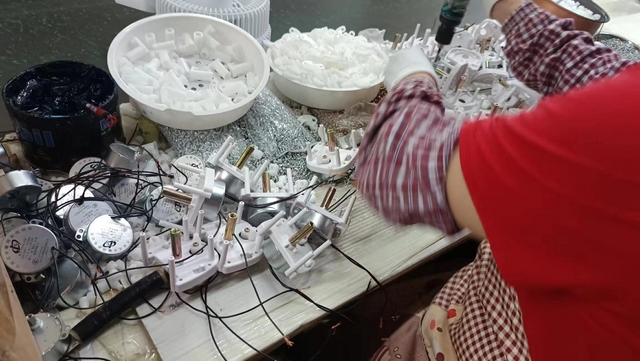
Automated tooling processes clean excess flashing and refine pan edges. Inside cooktops are precision-polished to optimize raw cast iron surfaces for smooth non-stick behavior.
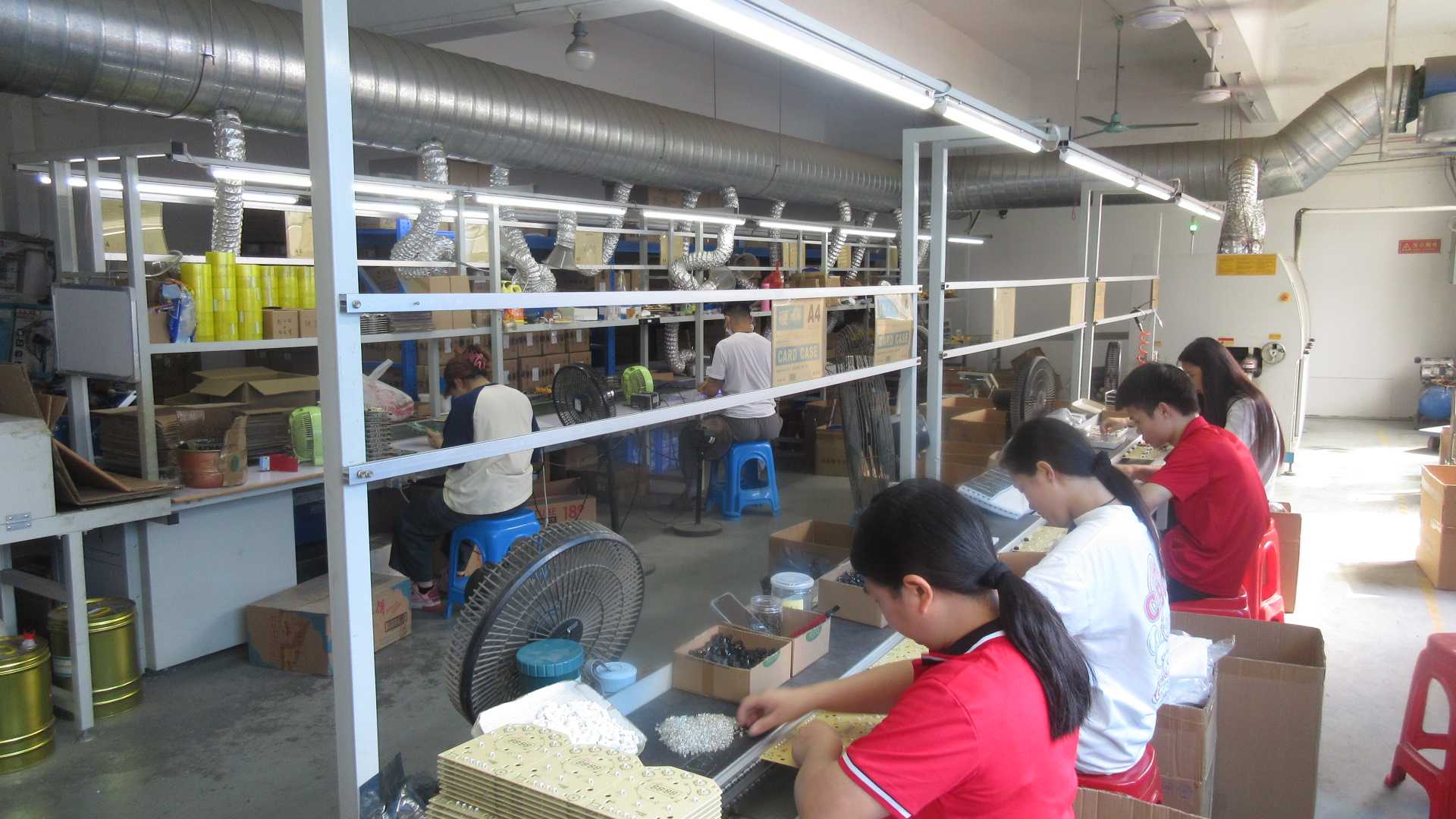
For next-gen smart kitchen systems, our facility incorporates electronic PCB assembly lines, enabling temperature-sensing features and smart integration for smart homes.
Assembly of handles (wood, silicone, stainless steel) and integration of high-temperature electrostatic organic flaxseed oil seasoning tunnels to build the base non-stick layer.
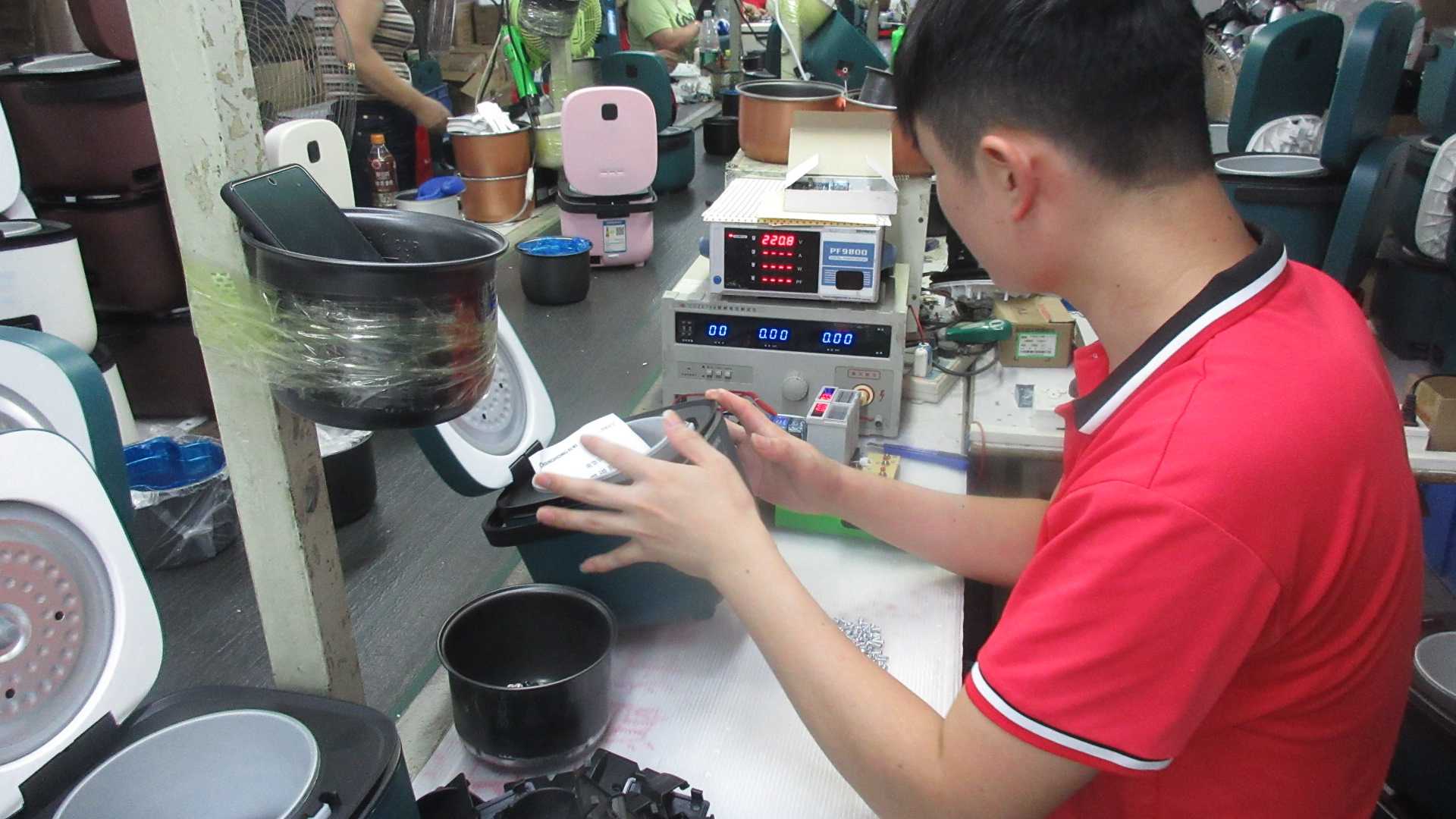
Comprehensive manual and automated verification of surface finish, coating depth, handle stability, and alignment to guarantee ZERO defect rates before packaging.
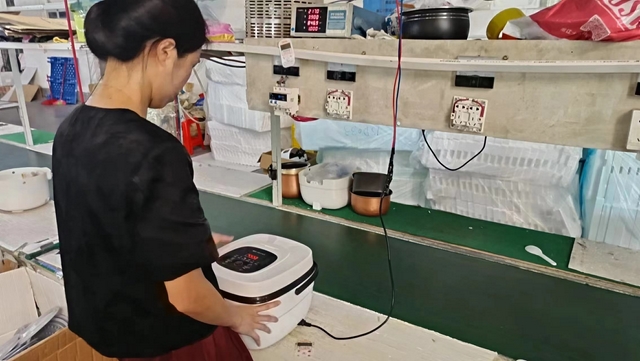
Continuous thermal shock testing, tension checks for handles, and chemical toxicity testing verify compliance with FDA, LFGB, and RoHS standards.
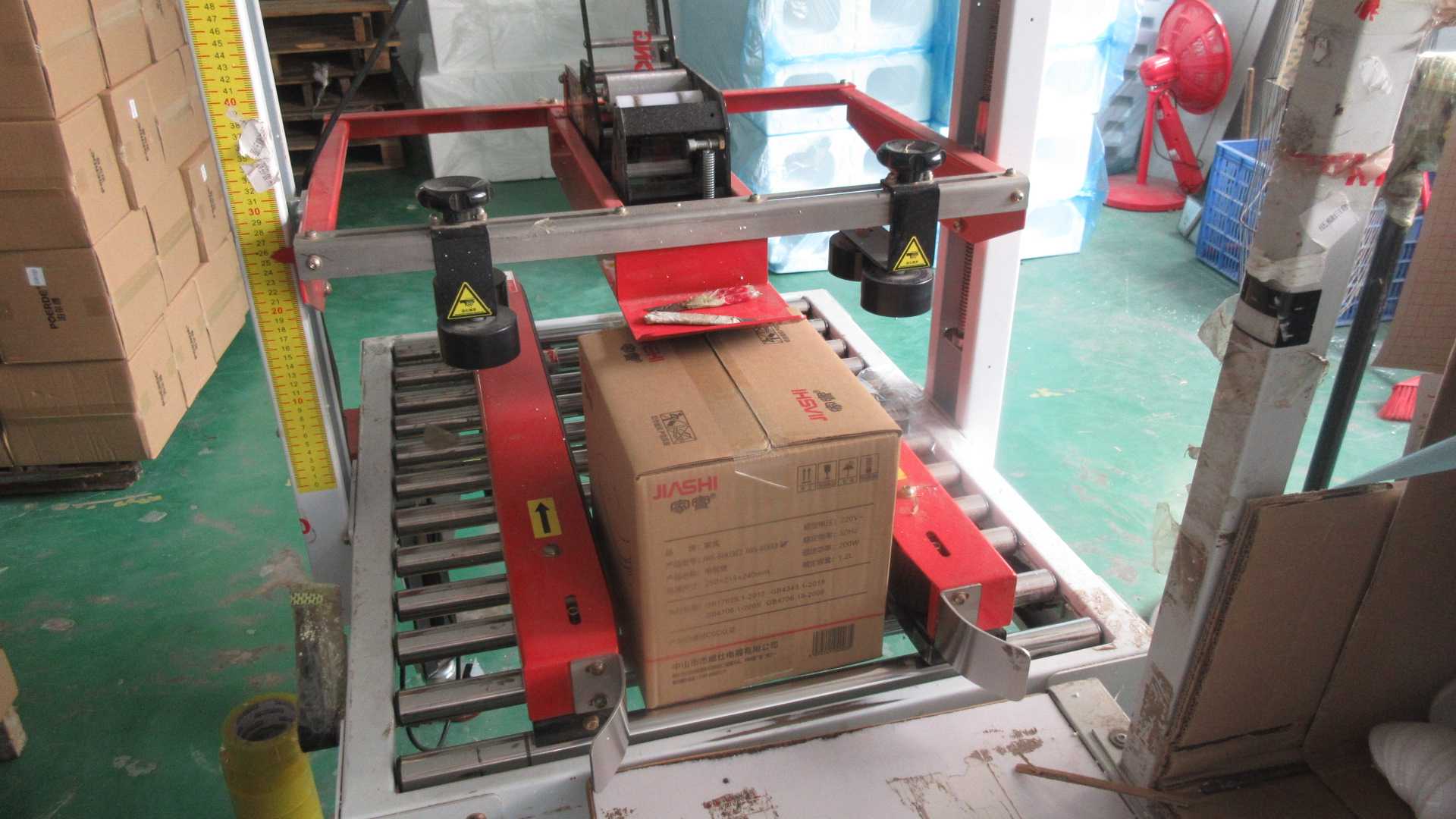
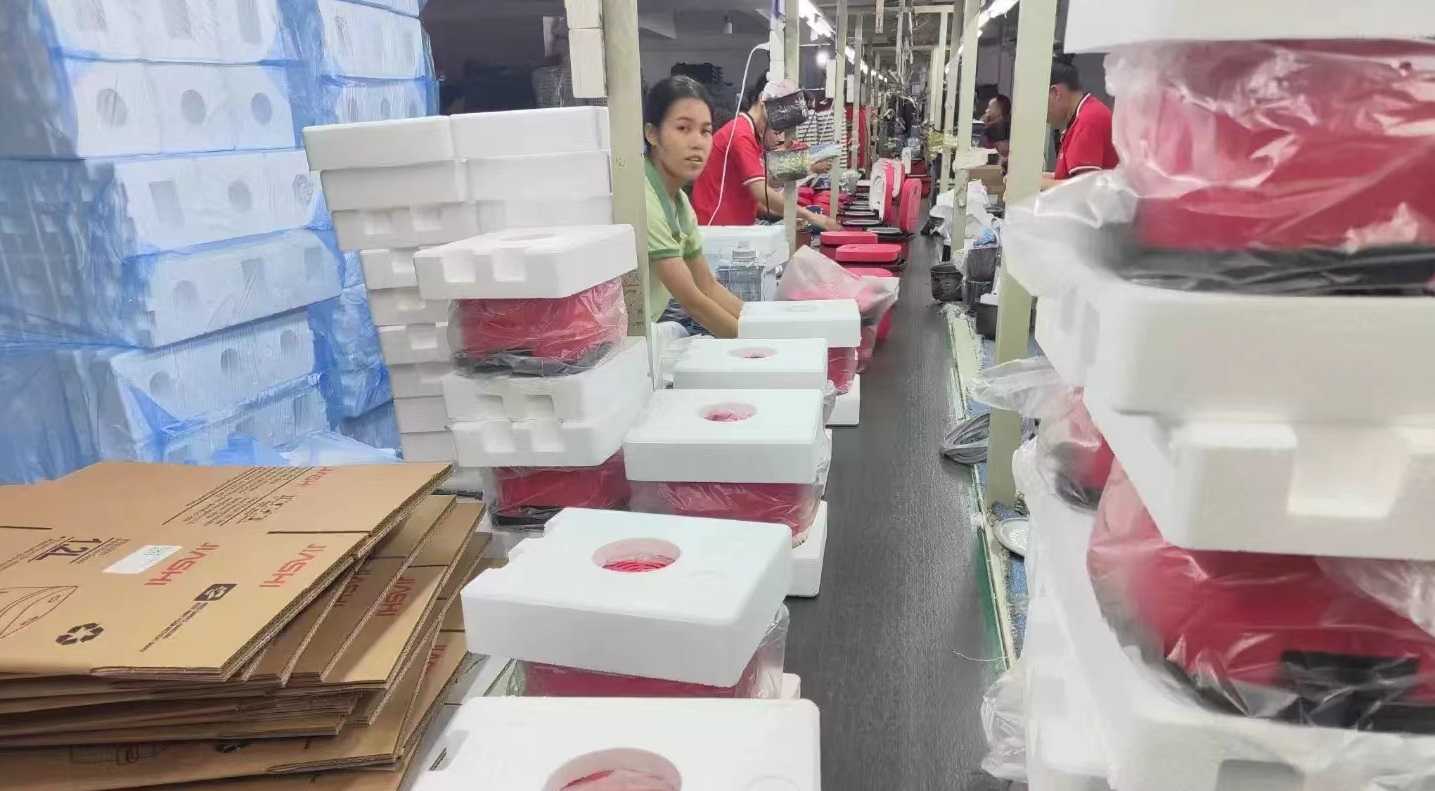
Presents your brand beautifully. Customized structural cardboard, protective materials, and eco-friendly packaging optimize freight density and prevent transit damages.
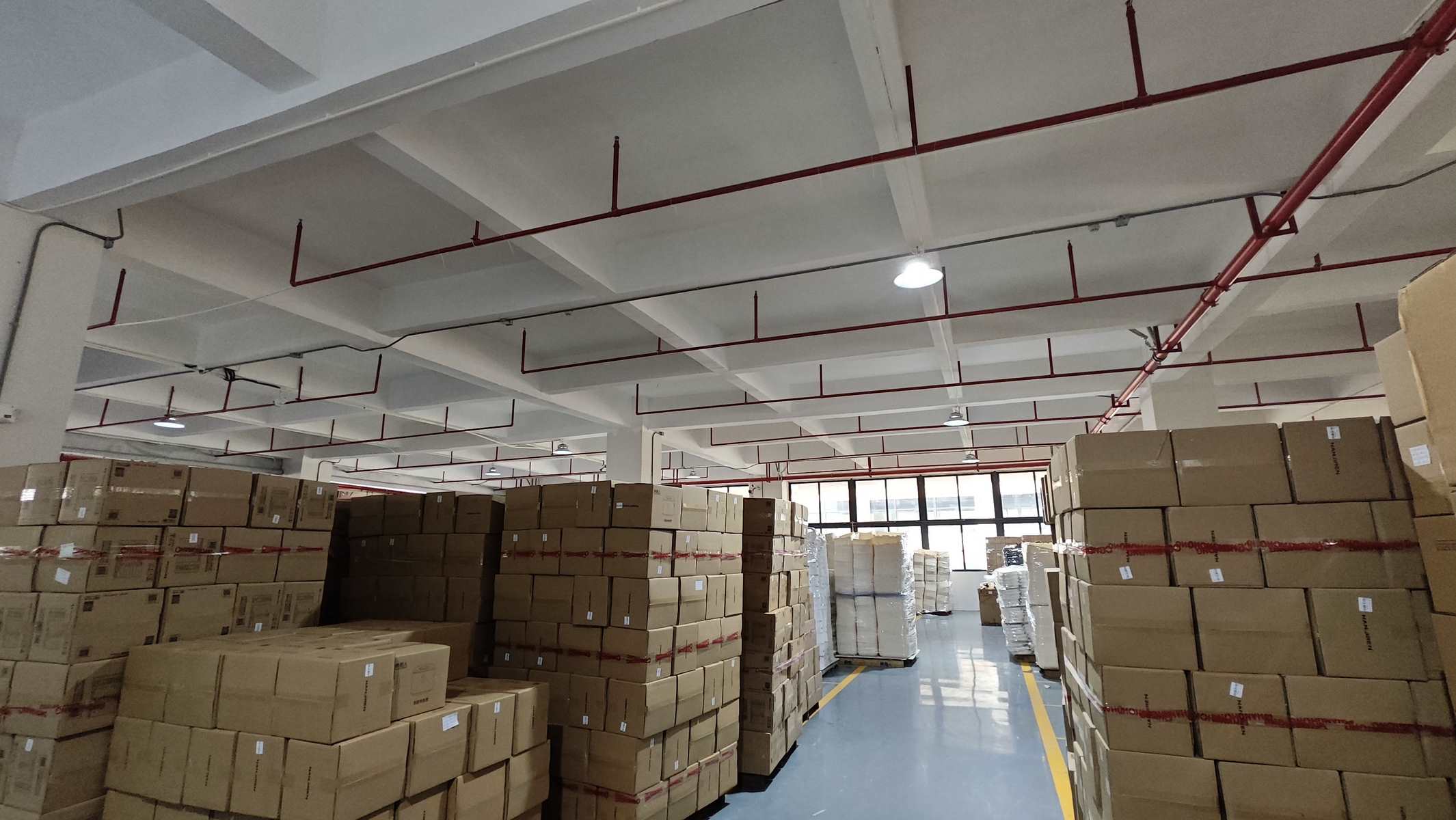
Barcoded warehouse tracking handles high-volume container shipments, ensuring exact order allocation and seamless logistical dispatch for international partners.
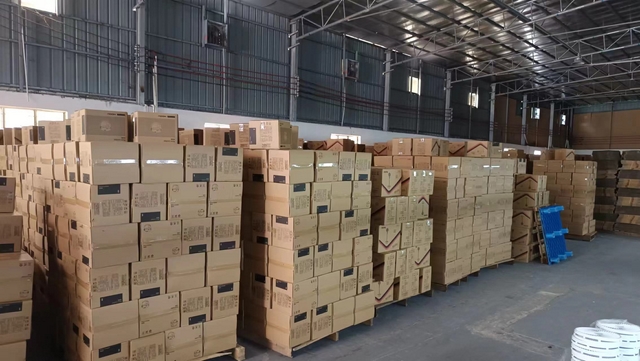
Direct export and customs clearance processing ensure door-to-door or port-to-port safety. Every cargo batch is documented for full trace-ability.
Custom-tailored supply chains designed for varying geographic markets and operational scales.
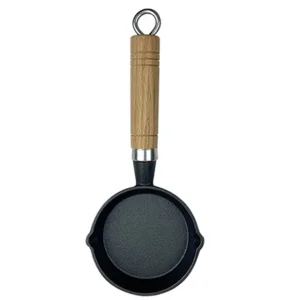
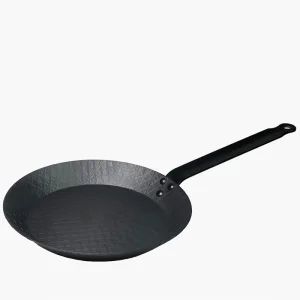
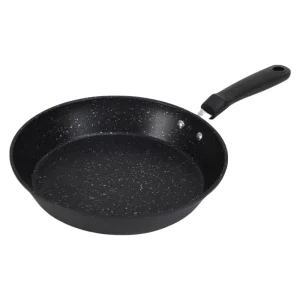
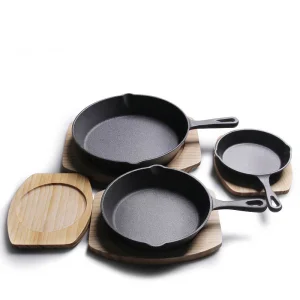
For restaurant chains, hotel kitchens, and catering businesses, reliability is the bottom line. Traditional non-stick chemical pans fail under constant commercial heat, requiring frequent replacement. Our heavy-duty cast iron sizzle plates, mini deep skillets, and seasoned frying pans withstand temperatures exceeding 500°F (260°C). They maintain high thermal mass to keep dishes serving hot directly to table seats, reducing operational food waste and replacement budgets.
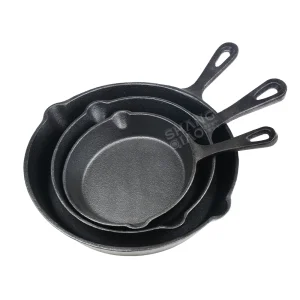
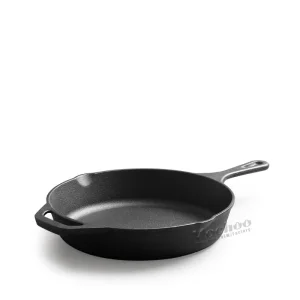
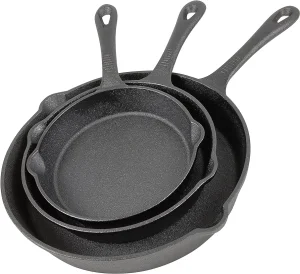
Outdoor brands require rugged cast iron skillets with teardrop handles, integrated loop side assist handles, and thick walls. These skillets withstand open campfires, coals, and portable gas grills. Our proprietary factory preseasoning process prevents corrosion during humid outdoor transport, ensuring products are ready for immediate field cooking right out of the box.
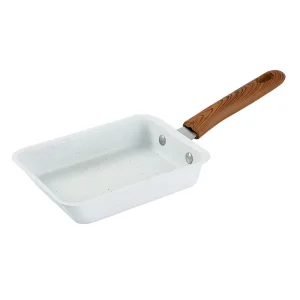
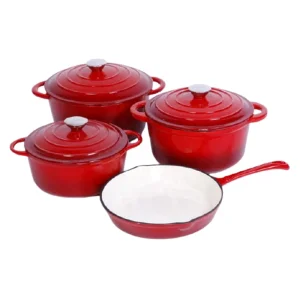
With the rise of induction cooktops, modern consumers face pan compatibility issues. Standard aluminum pans fail to trigger induction heat. Our flat-bottomed cast iron skillets and Japanese-style square pans are naturally magnetic, providing 100% compatibility with induction, gas, glass, and electric range systems. Enameled finishes protect sensitive glass surfaces from scratches while matching modern kitchen design aesthetics.
We provide complete customization, including bottom-stamped embossed logos, handle branding, custom diameters, customized seasoning recipes (e.g., organic soybean oil, canola, or flaxseed), and bespoke packaging artwork. Our engineering team assists brand managers in taking concepts from initial 3D CAD design through casting validation inside of 4-6 weeks.
Advancing cast iron manufacturing into the smart home era while minimizing ecological footprints.
Responding to the global shift toward smart homes and sustainable manufacturing, Guangdong Picky Kitchen Co. Ltd. is actively advancing three strategic directions: the adoption of eco-friendly materials such as low-VOC coatings and bio-based surface treatments; the integration of IoT and intelligent sensing technologies into kitchen hardware systems; and the development of low-carbon manufacturing practices aimed at building greener factories and more sustainable supply chains.
Traditional sand foundries have historically generated high emission levels and solid waste. We address this through sand reclamation loops, recovering up to 95% of mold sand. Additionally, our high-efficiency electric induction melting furnaces run on green grid energy, reducing carbon output compared to coke cupolas. By optimizing raw iron material sourcing and transitioning to plant-based seasoning lines, we help our global B2B clients meet strict corporate ESG (Environmental, Social, and Governance) targets.
Essential answers for product managers, procurement officers, and culinary brand managers seeking premium cast iron partners.
Our factory utilizes high-grade gray cast iron containing raw pig iron, steel scrap, and natural carbon. We avoid recycled automotive or chemical scrap iron which can carry trace toxic heavy metals. All products are tested to comply with FDA, LFGB, and California Proposition 65 food-contact standards, ensuring safety across both pre-seasoned and enameled finishes.
Consistent seasoning requires precise surface roughness. Following automated polishing, our skillets enter chemical-free clean wash chambers. They then pass through electrostatic oil mist chambers and automated baking ovens heated to 650°F (343°C). This heat range polymerizes vegetable oil molecules directly into the iron's micro-pores, forming a dark, durable, non-stick patina that resists flaking during shipping and cooking.
For standard shapes with custom packaging, the MOQ is 1,000 units per size, with a typical production cycle of 35-45 days. For custom geometries requiring new casting mold development, mold design and prototyping take 20-30 days, followed by initial casting trial run approvals before full-scale manufacturing begins.
Cast iron offers superior thermal mass, storing and distributing heat evenly across its cooking surface. It does not warp under extreme thermal shock, and its performance improves over time. For commercial kitchens, this durability minimizes pan replacement cycles, reducing long-term equipment costs.
Yes. Cast iron is naturally ferromagnetic, making it highly responsive to induction stovetops. We machine the bottoms of our induction-targeted ranges flat, ensuring maximum contact with glass cooktops to prevent heat loss and uneven cooking.
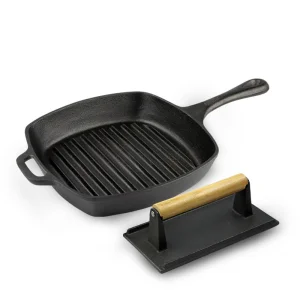
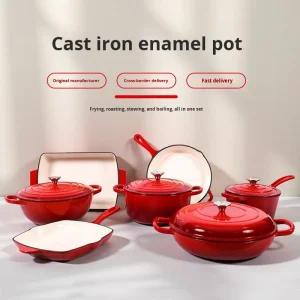
High-durability product sets, griddles, and custom square pans for global commercial kitchens.