Picky Kitchen
Picky Kitchen
Picky Kitchen
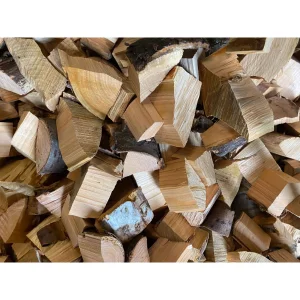
Our flagship kiln-dried hardwood options tailored to meet the strict culinary requirements and high-humidity environments of the Malaysian F&B sector.
The culinary landscape of Southeast Asia has undergone a remarkable transformation over the past decade, with Malaysia emerging as a major hub for gourmet dining and global culinary trends. Historically rooted in traditional open-flame cooking, charcoal roasting, and wood-fired grilling for local delicacies like Satay, the Malaysian market has increasingly embraced Western-style "low-and-slow" smoked barbecue. From bustling urban food concepts in the Klang Valley (Kuala Lumpur, Petaling Jaya, and Subang Jaya) to high-end smokehouses and luxury resorts in Penang, Langkawi, and Johor Bahru, the demand for premium smoked meats—ranging from beef brisket to lamb ribs and poultry—has reached unprecedented heights.
Unlike direct grilling over standard lump charcoal, modern wood-fired smoking relies heavily on the quality and thermal properties of the smoking agent: hardwood chunks. Pitmasters and commercial kitchens in Malaysia are realizing that the flavor profile, combustion temperature, and clean-burning properties of the wood are just as critical as the quality of the meat itself. However, the tropical Malaysian climate presents unique challenges. The local humidity, often exceeding 80%, makes raw, unseasoned, or poorly processed wood highly susceptible to mold infestation and moisture absorption, resulting in bitter, creosote-laden smoke. This environment has driven commercial operators and distributors to prioritize scientifically processed, kiln-dried smoking chunks from reliable industrial manufacturers.
Wood combustion occurs in three distinct phases: thermal decomposition (devolatilization), flaming combustion, and glowing smolder. For ideal flavor synthesization, wood must smolder at a controlled temperature range between 300°C and 400°C. In this range, the primary structural components of the hardwood—namely cellulose, hemicellulose, and lignin—break down to release aromatic compounds:
When the moisture content of the wood is too high, thermal energy is wasted converting water into steam rather than burning the wood cleanly. This drops the combustion temperature, resulting in incomplete devolatilization. The consequence is the production of heavy, black, soot-rich smoke filled with acrid phenols and creosote, which ruins the flavor profile of the food and poses food-safety issues.
Globally, the BBQ smoking wood market is highly fragmented. North America and Europe dominate the consumption of temperate hardwoods like Oak, Hickory, Apple, and Cherry. However, exporting these woods to Southeast Asia is traditionally associated with high logistics costs, inconsistent bulk storage facilities, and degradation during long ocean transits. Furthermore, local tropical options in Malaysia, such as Rambutan, Durian, and Rubberwood, are often harvested informally, lack standardized moisture control, and vary drastically in density and size.
For commercial distribution networks, premium hotels, and hypermarket chains across Malaysia, consistency is paramount. A commercial smokehouse cannot afford variations in smoke density, heating value, or flavor profiles between batches. Purchasing uncertified or poorly dried wood poses major operational risks:
Moist wood stored in warm, humid tropical warehouses rapidly grows mold spores, rendering it completely unusable for commercial food preparation due to safety regulations.
Poorly processed wood containing heavy bark-to-heartwood ratios yields excessive soot and ash, causing frequent blockages in industrial smoker ventilation systems.
Unevenly sized logs or hand-chopped chunks create unpredictable burn rates. Pitmasters must constantly adjust air intake dampers, increasing labor costs.
Recognizing these friction points, our manufacturing operation offers high-volume, precision-engineered solutions that bridge the gap between heavy industrial efficiency and artisan culinary requirements.
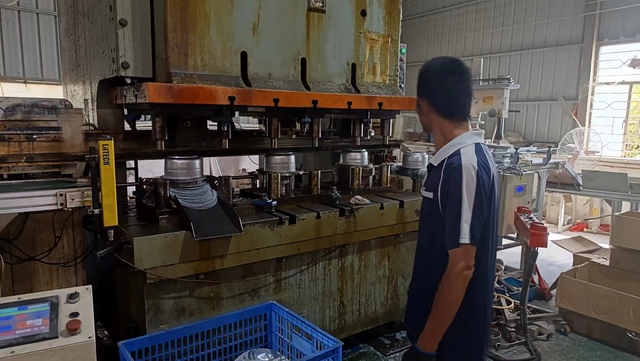
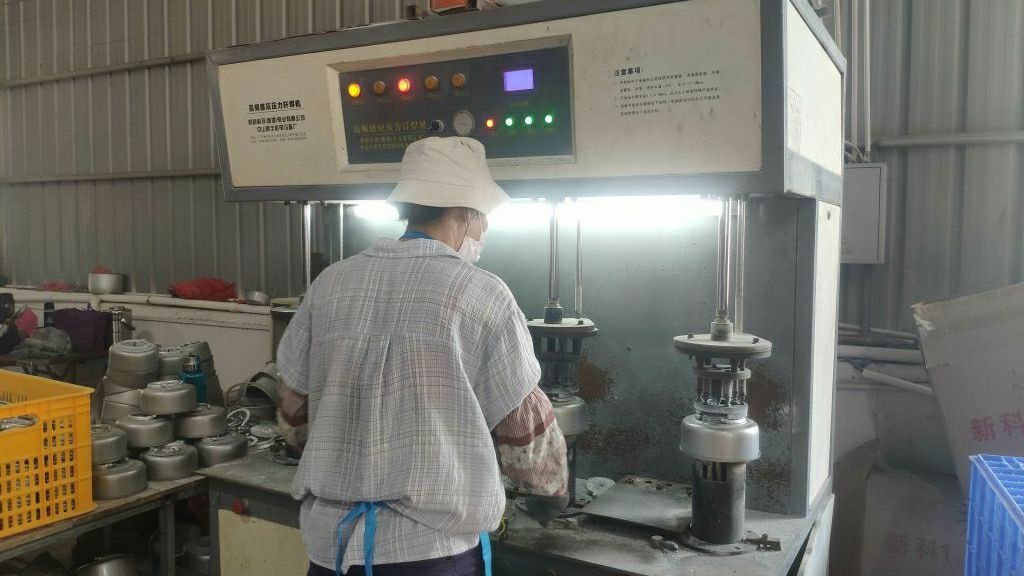
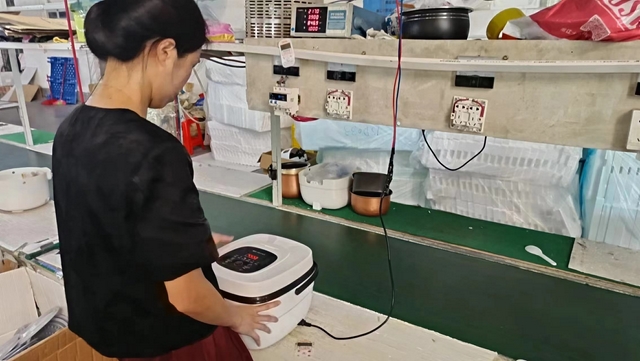
Established in 2005, Guangdong Picky Kitchen Co. Ltd. has built an international reputation as an innovation-driven enterprise specializing in precision manufacturing. Operating a state-of-the-art facility spanning approximately 12,000 square meters, our operational backbone features advanced CNC machining, automated cutting systems, precision stamping, and integrated quality control protocols. While our engineering history is rooted in high-end kitchen hardware systems, we have successfully transferred these core industrial capabilities to the production of high-performance BBQ smoking woods.
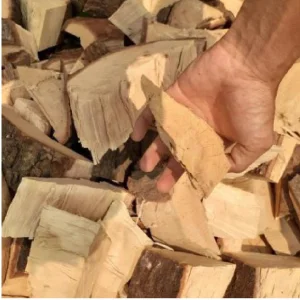
We apply the same rigorous precision engineering parameters to processing natural timber as we do to mechanical components. Utilizing automated cutting production lines, laser sizing systems, and thermodynamic kiln-drying technologies, we ensure that every single wood chunk shipped to the Malaysian market meets strict structural and chemical specifications. Our facilities maintain strict separation between wood species, preventing cross-contamination of oils and saps, while ensuring 100% natural, chemical-free processing from raw log to finalized package.

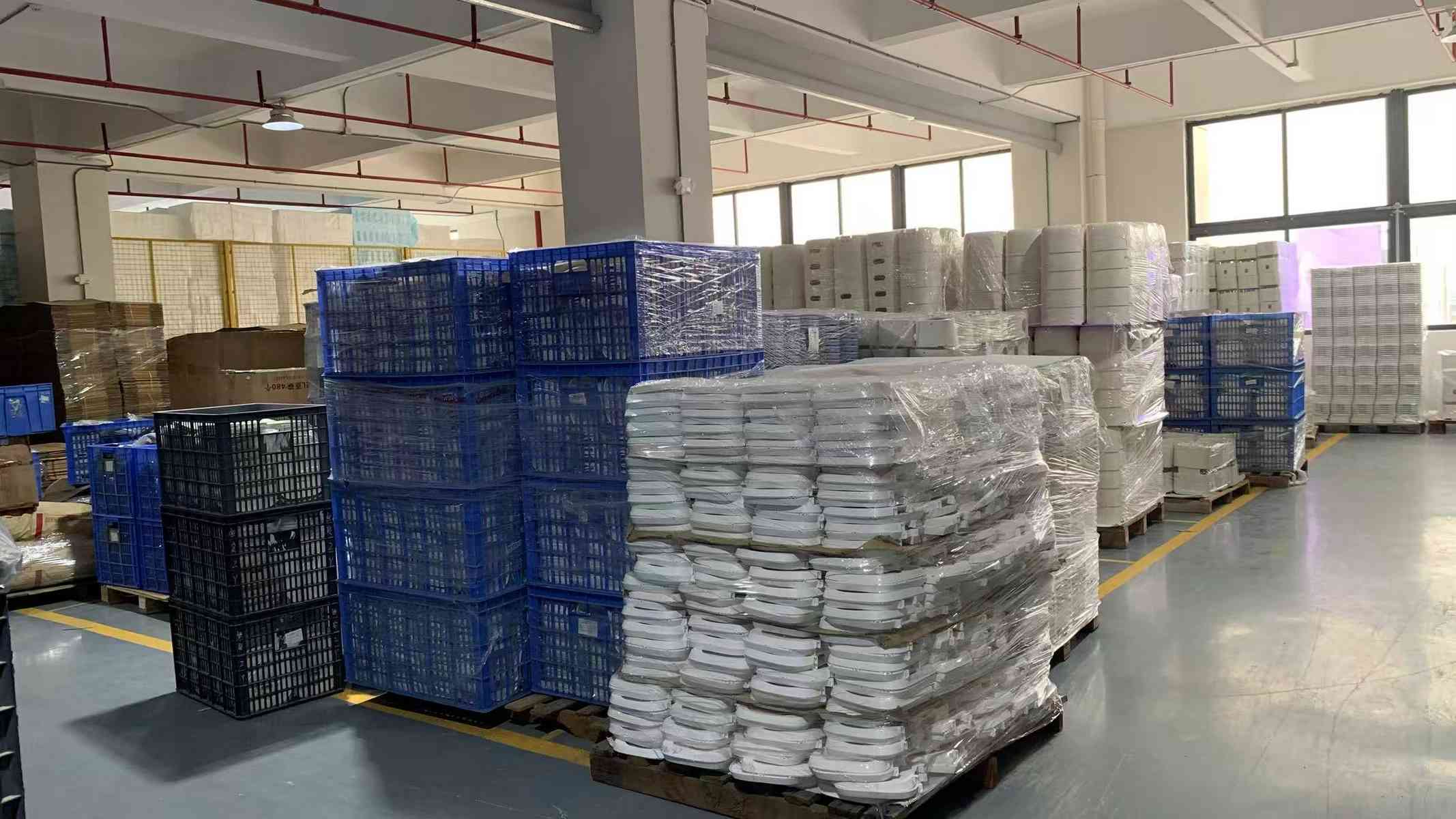
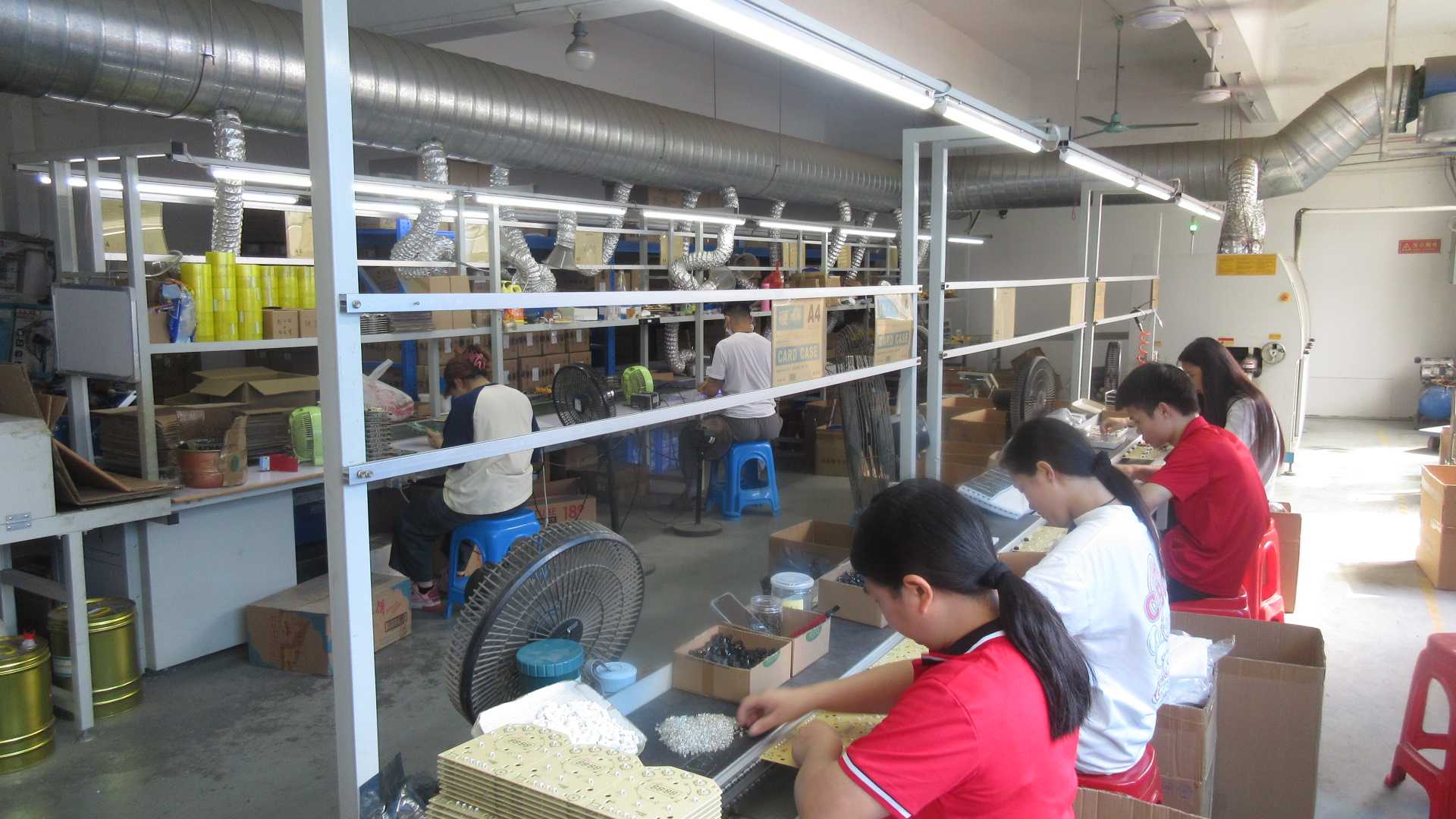

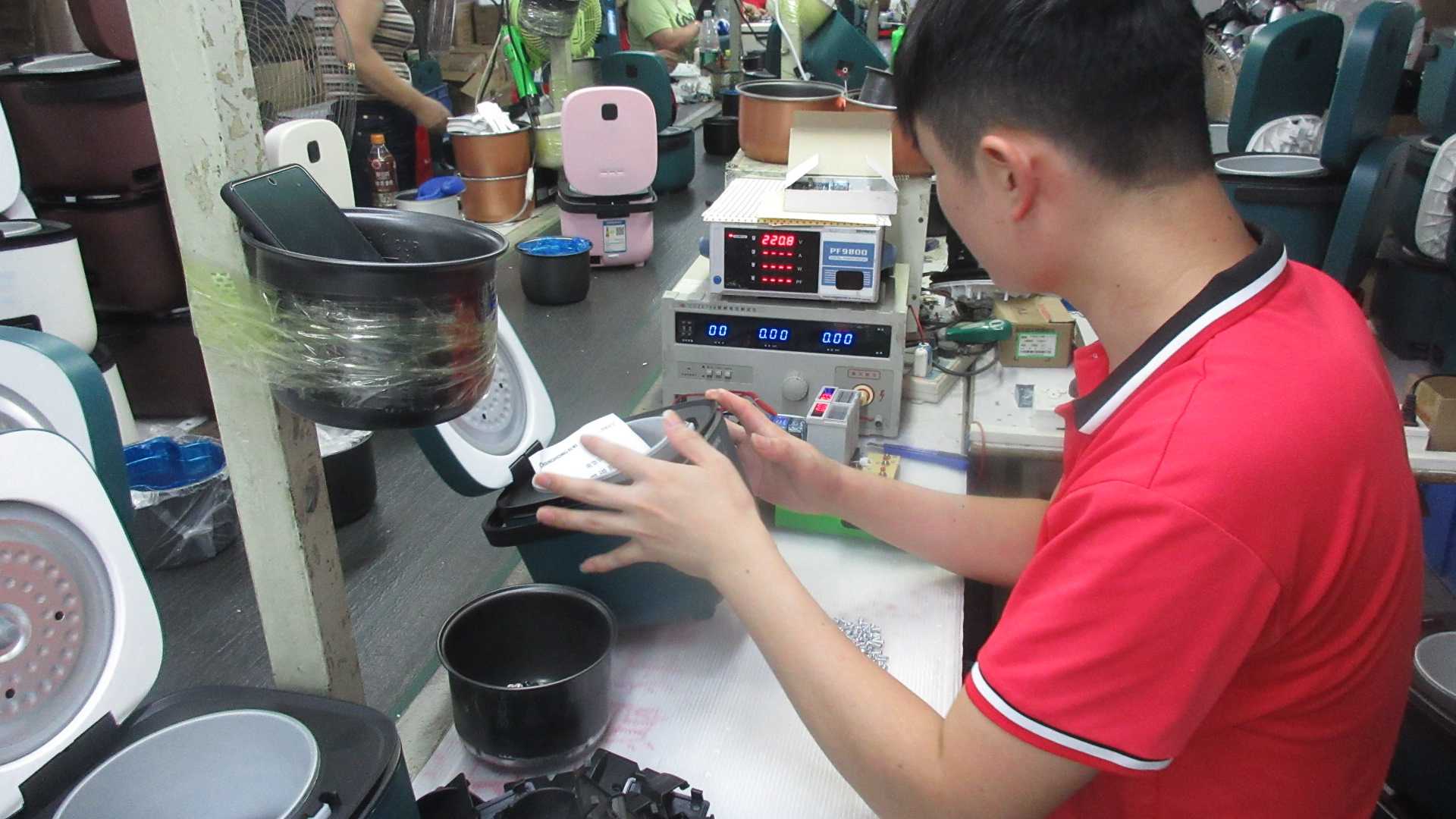
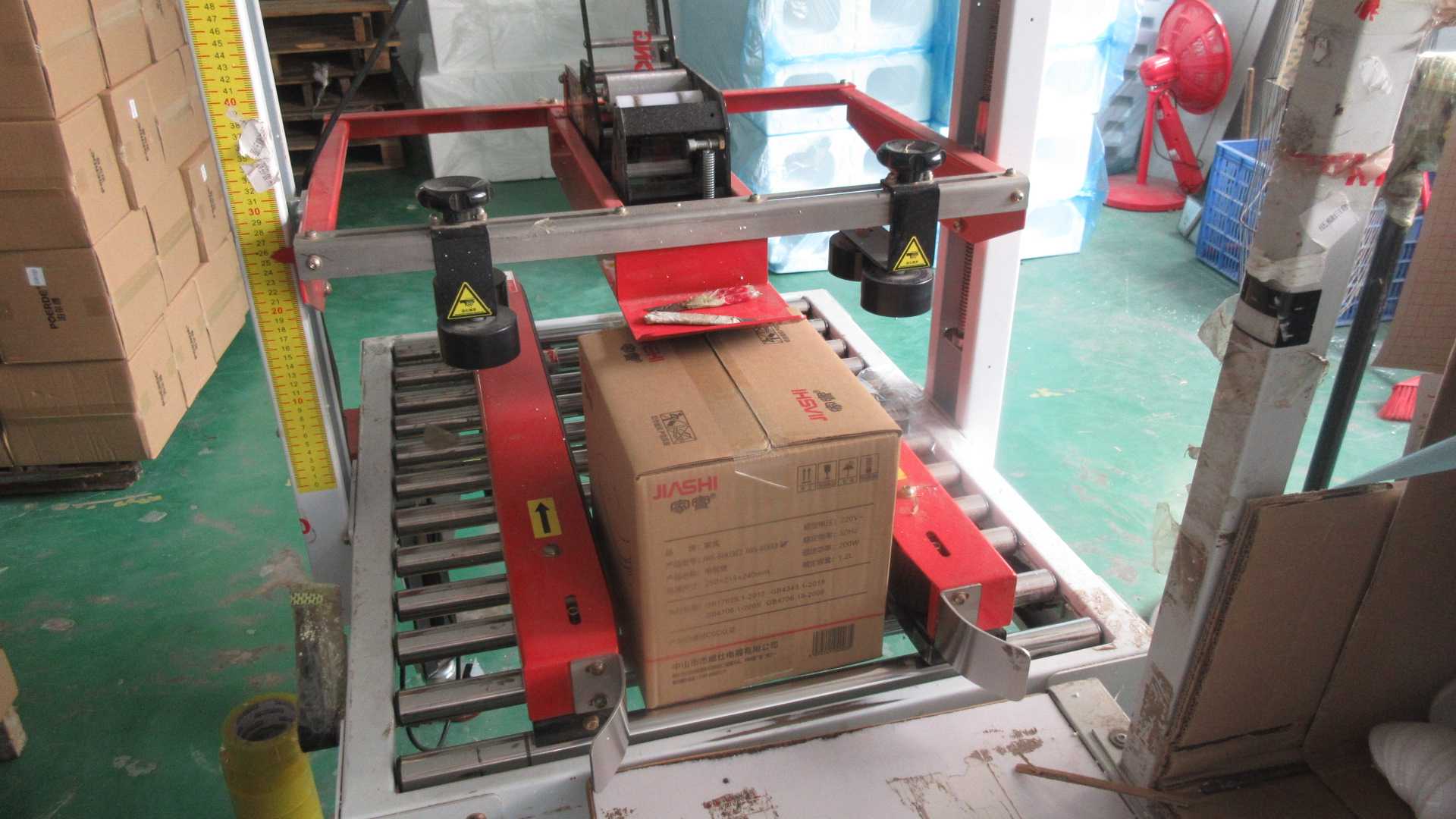
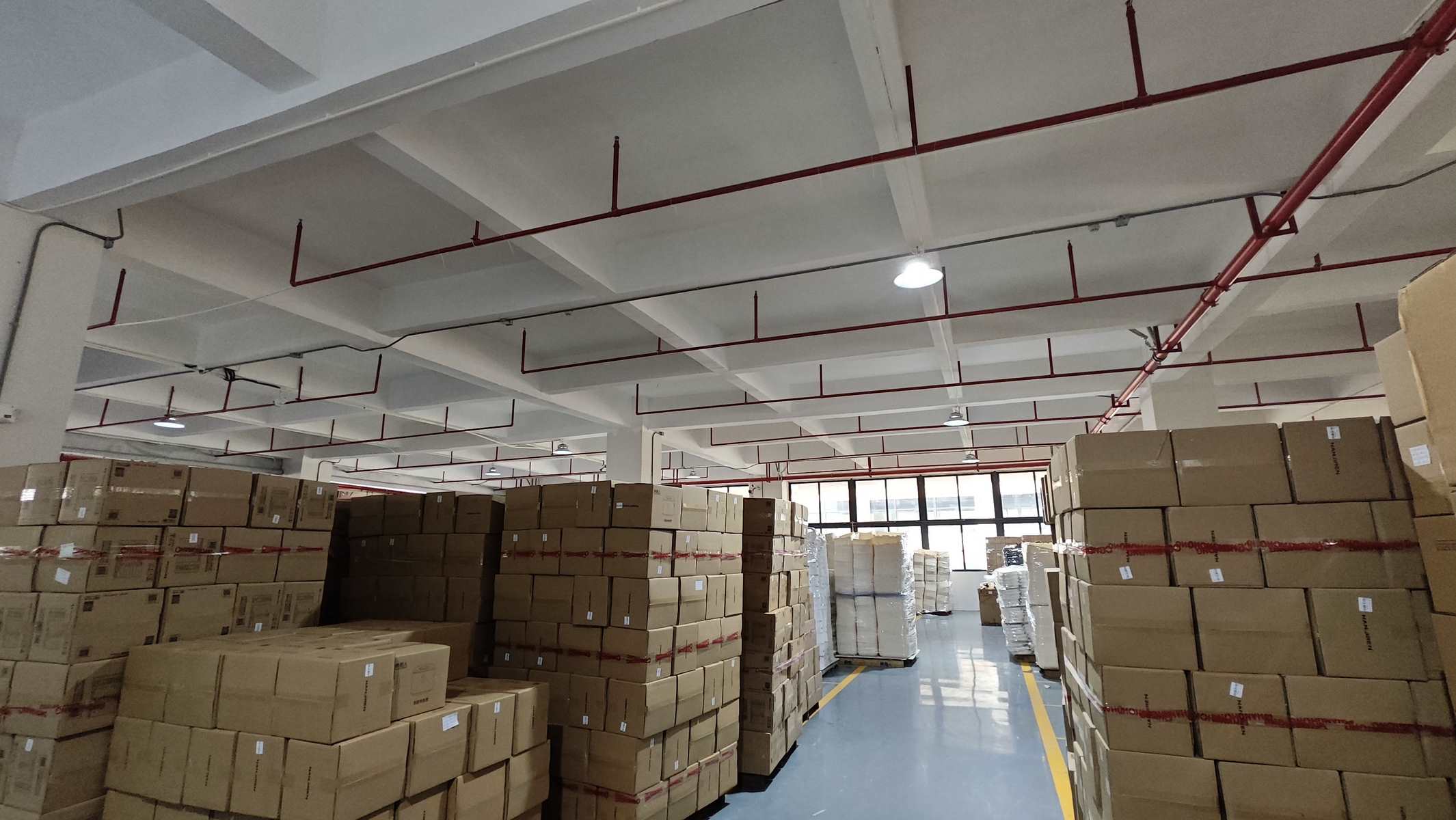
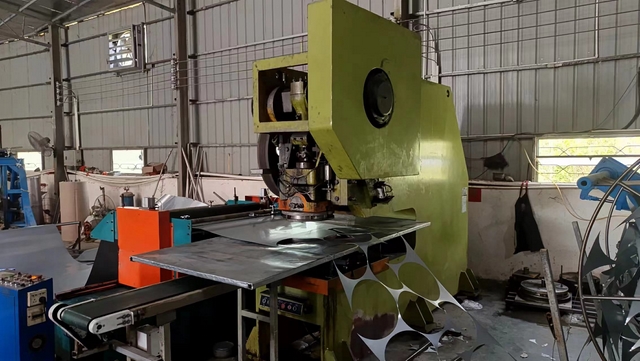
By bridging high-volume wood processing with advanced mechanical sorting, we guarantee standard physical qualities across all our shipments:
Sourcing smoking chunks directly from our Chinese manufacturing facility provides significant operational and financial advantages for Malaysian businesses, distributors, and bulk purchasers:
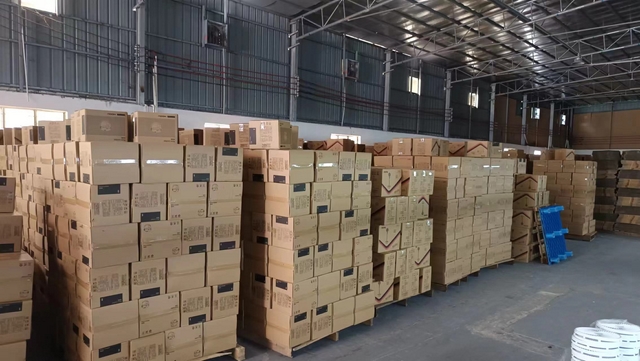
With access to vast, sustainably managed orchards and forestry networks across China, we secure consistent volume reserves of Cherry, Apple, Oak, and Hickory wood. Our 12,000 square meter factory ensures uninterrupted production capacities, enabling us to fulfill multi-container orders without delay, insulating Malaysian buyers from seasonal supply disruptions.
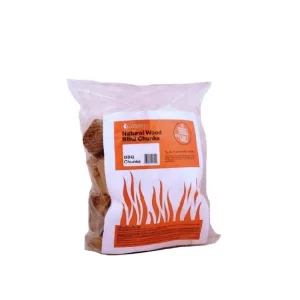
Each production run undergoes multi-stage inspections, including electronic moisture monitoring, density verification, and debris extraction. The chunks are packed in heavy-duty, moisture-barrier bags with optional desiccant packs, protecting the dry hardwood during ocean transit to Malaysia's humid ports.
Our factory is located near major maritime shipping hubs in Shenzhen, Guangzhou, and Hong Kong. This proximity enables direct, weekly sea freight connections to major Malaysian ports, including Port Klang (Selangor), Penang Port, and Pasir Gudang (Johor).
| Origin Port (China) | Destination Port (Malaysia) | Average Transit Time | Customs Clearance Processing | Ideal Moisture at Arrival |
|---|---|---|---|---|
| Shenzhen / Guangzhou | Port Klang (Kuala Lumpur) | 5 - 7 Days | 24 - 48 Hours | 10% - 12% (Stable) |
| Shenzhen / Guangzhou | Penang Port (Northern Region) | 6 - 8 Days | 24 - 48 Hours | 10% - 12% (Stable) |
| Shenzhen / Guangzhou | Pasir Gudang (Johor Bahru) | 7 - 9 Days | 24 - 48 Hours | 10% - 13% (Stable) |
Our range of wood types is engineered to suit the culinary diversity and operational setups of the Malaysian food service industry:
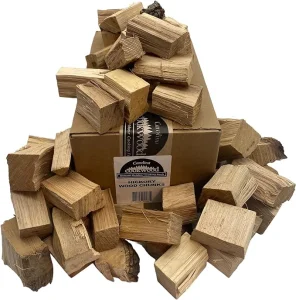
Texas-style smokehouses in Kuala Lumpur rely on Hickory and Oak Chunks to smoke beef briskets, short ribs, and mutton over long 12-to-16-hour cycles. These dense hardwoods deliver a strong, clean smoke profile and consistent heat, ensuring high-quality, melt-in-your-mouth textures. All our wood is processed without chemicals, aligning with Halal standards for clean, natural fuel sources.
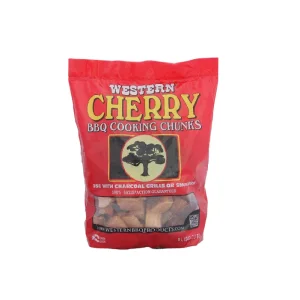
For delicate proteins like poultry, duck breast, seafood, and artisanal cheeses, Apple and Cherry Wood Chunks are the industry standard. Their mild, sweet, and fruity smoke characteristics add subtle complexity without overpowering the natural flavors of the ingredients.
Our Rambutan Wood Chunks offer a distinct regional flavor profile. Popular in fusion restaurants and high-end hotels across Penang and Kuala Lumpur, Rambutan wood burns hot and slow, producing a unique sweet smoke aroma that complements traditional local spices like lemongrass, turmeric, and ginger.
For commercial sausage manufacturers, smoked duck processors, and large-scale fish smokers in Malaysia, we supply bulk Premium Hardwood Chips and Pellets. These are sized for automatic feed hoppers, ensuring steady smoke generation and helping operators maintain consistent quality and safety standards.
Our commercial smoking wood is processed and monitored to meet strict quality and phytosanitary requirements for international trade:
| Technical Parameter | Standard Specification Range | Testing Methodology | Importance for Malaysian Imports |
|---|---|---|---|
| Moisture Content (MC) | 10% - 13% (Target: 11%) | Oven-dry method / Pinless digital resistance probe | Prevents fungal growth and rot during tropical transit and warehouse storage. |
| Dimension Sizing | 5.0cm x 5.0cm x 5.0cm (Average block profile) | Automated laser-sizer & mechanical grate sorting | Ensures consistent airflow and burn rates in commercial smokers. |
| Chemical Treatments | 0% (100% natural, untreated hardwood) | Mass spectrometry / Chromatographic certification | Guarantees clean, toxic-free smoke for food safety and Halal compliance. |
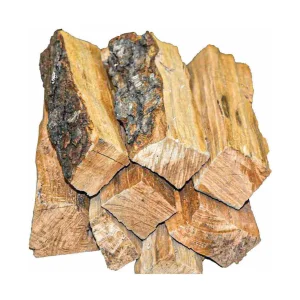
| Bark Ratio | Less than 8% by weight (De-barked options available) | Mechanical separation assessment | Reduces acrid ash, minimizing creosote buildup in ventilations. |
| Phytosanitary Certification | Fumigated / Heat Treated (HT) at 56°C for 30 mins | Government quarantine inspector approval | Required for smooth customs clearance through MAQIS (Malaysia Quarantine and Inspection Services). |
Clear answers to common questions about importing, storing, and utilizing our premium smoking chunks in Malaysia.
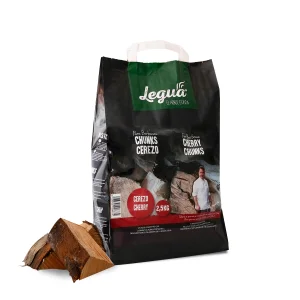
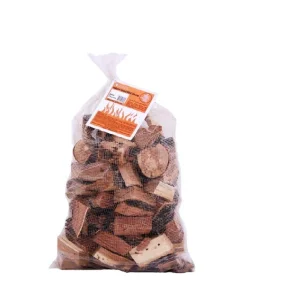
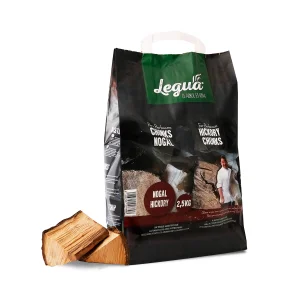
Browse our complete range of professional-grade BBQ smoking wood products, optimized for commercial and wholesale buyers in Malaysia.