Picky Kitchen
Picky Kitchen
Picky Kitchen
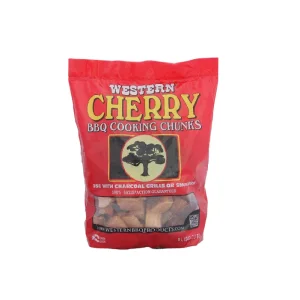
Over the past decade, Seoul's F&B sector has experienced a profound shift in consumer taste preferences. The traditional Korean BBQ scene, historically dominated by high-heat tabletop charcoal grilling (utilizing local oak charcoal or *Sut*), is rapidly converging with Western-style low-and-slow wood smoking methods. High-end dining hubs in Gangnam, Mapo-gu, and Itaewon are leading this charge, integrating European and North American wood smoke profiles into classic Korean meat preparations. This integration has triggered a surging commercial demand for imported, high-quality BBQ smoking chunks.
However, importing raw wood products into South Korea involves navigating highly strict phytosanitary regulations. The South Korean Animal and Plant Quarantine Agency (APQA) enforces rigorous standards to prevent the introduction of foreign pests and pathogens. For commercial importers and restaurant groups in the Seoul Metropolitan Area, sourcing smoking chunks that are guaranteed to pass heat treatment requirements (conforming to ISPM 15 standards) is critical. Sourcing from a factory that understands these compliance parameters ensures zero-risk customs clearance and continuous supply chains.
Every batch destined for Seoul undergoes precise HT (Heat Treatment) at 56°C core temperature for at least 30 minutes, certified by official phytosanitary documentation.
Dried to a precise 10-15% moisture range, guaranteeing clean-burning, blue-smoke pyrolysis without excessive creosote accumulation.
By bypassing multiple layers of trading intermediaries, we offer Seoul distributors competitive pricing structures and customized packaging configurations.
The global smoking wood industry has transitioned from a localized, agricultural byproduct segment to a highly standardized international supply chain. Wood types such as Oak, Hickory, Apple, Cherry, and exotic tropical options like Rambutan wood are traded across borders to satisfy the sensory demands of international consumers. The molecular composition of these woods directly impacts the volatile organic compounds (VOCs) released during combustion. Specifically, the ratios of lignin, cellulose, and hemicellulose determine whether a wood produces a sweet, fruity aroma (typical of fruitwoods like Apple and Cherry) or a heavy, pungent, phenolic flavor profile (typical of Hickory and Mesquite).
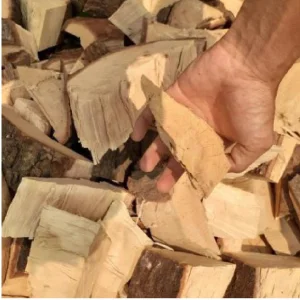
From an industrial standpoint, consistency is the key differentiator. A commercial smokehouse operating in Seoul requires wood chunks that burn at a predictable rate and release a uniform density of smoke. Variance in wood density or moisture content can alter cooking times and flavor outcomes, impacting brand consistency for franchise restaurants. This need for consistency has led global procurement departments to shift away from local, unmanaged forestry scraps to industrially processed wood chunks. These chunks are harvested from managed orchards and sustainable forests, and are processed under strict quality control standards.
"For major B2B food operations, BBQ wood chunks are no longer treated as simple fuel. They are cataloged as a critical flavor ingredient with strict parameters regarding moisture, species purity, and thermal energy output."
China's manufacturing infrastructure offers distinct structural advantages for the global production of BBQ smoking chunks, particularly when serving the East Asian market. Our factories utilize advanced raw material sourcing networks, high-capacity industrial kiln dryers, and automated cutting machinery. These resources allow us to achieve economies of scale that are difficult for smaller Western suppliers to match. This industrial capability translates directly to cost savings and reliable supply chains for importers based in Seoul.
Key processing advantages include:
The application of imported wood smoking chunks in the Korean market is highly specialized. Unlike traditional Western barbecue, which often focuses on large, singular cuts of meat (like briskets or pork shoulders), the Seoul market utilizes wood smoke in diverse ways:
1. Premium Fusion K-BBQ and Smokehouse Concepts: Modern restaurants in areas like Itaewon and Gangnam use cherry and apple wood chunks in combination with high-grade Hanwoo beef and pork belly. The sweet profile of fruitwood smoke complements the high fat content of premium Korean beef and pork, creating a distinct flavor experience.
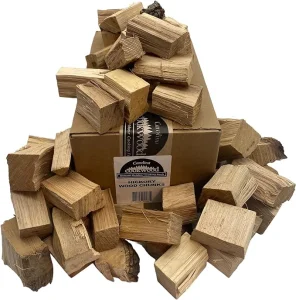
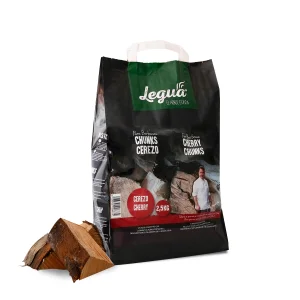
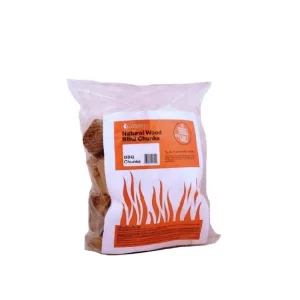
2. The Suburban Glamping and Camping Boom: Camping has become a major lifestyle trend in South Korea, especially among young families in Gyeonggi Province and the outskirts of Seoul. This trend has created strong retail demand for smaller, consumer-ready packages (such as 500g and 1kg bags) of premium wood chunks that are easy to transport and use on portable grills.
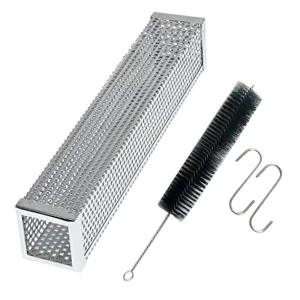
3. Commercial Gas/Charcoal Hybrid Systems: Many urban restaurants in Seoul operate in buildings with strict exhaust and smoke control systems. To comply with local environmental regulations, these businesses often use specialized smoker boxes filled with small wood chunks over gas or electric heat sources. This method allows them to infuse wood-smoke flavor while keeping exhaust emissions within regulatory limits.
Looking ahead, several key trends are shaping the future of the global and local Korean smoking wood markets:
To assist procurement managers, distributors, and logistics directors in South Korea, the following matrix outlines our standard export product parameters:
| Wood Class | Standard Size | Moisture Content | Bark Content | Primary Food Match |
|---|---|---|---|---|
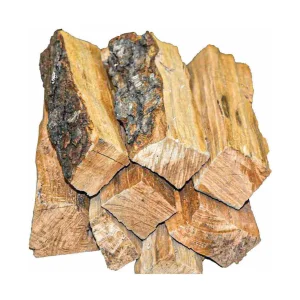
| Cherry Wood | 5 - 10 cm Chunks | 10% - 12% | < 5% (Debarked Option available) | Pork Belly, Poultry, Premium Hanwoo |
| Apple Wood | 5 - 8 cm Chunks | 11% - 13% | Bark-on (Cleaned) | Pork Ribs, Bacon, Seafood |
| Hickory Wood | 8 - 12 cm Chunks | 12% - 14% | < 8% | Beef Brisket, Short Ribs, Gammon |
| Rambutan Wood | 6 - 10 cm Chunks | 9% - 11% | Debarked | Poultry, Exotic Seafood, Fusion Lamb |
Every shipment we export to South Korea is accompanied by an official Phytosanitary Certificate issued by the Chinese entry-exit inspection and quarantine authority. This certificate verifies that the wood chunks have undergone heat treatment (HT) at a core temperature of 56°C for a minimum of 30 minutes, satisfying South Korean APQA regulations and preventing customs delays.
If wood is too wet (above 20% moisture), the energy of the fire is wasted turning water into steam. This lowers combustion temperatures and creates heavy, bitter, white smoke (soot and creosote). If wood is too dry (under 8%), it burns too quickly without producing sufficient smoke. The 10-15% range ensures clean, blue smoke and stable temperatures.
Yes. We provide complete OEM/ODM services, including custom-printed kraft paper bags, moisture-barrier polymer bags, cardboard boxes, and retail carton displays. Hang holes and Korean-language labeling/barcoding can be applied directly at our factory before shipping.
Once loaded at our port (such as Qingdao or Shanghai), transit to Incheon Port takes approximately 2 to 4 days. Customs clearance and local transport within the Seoul Metropolitan Area typically take an additional 3 to 5 business days, making the total shipping time highly efficient compared to Western suppliers.
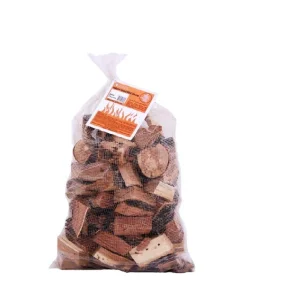
We pack our kiln-dried chunks in breathable mesh sacks or cartons lined with desiccant packs. This prevents condensation inside shipping containers, ensuring the wood arrives dry and ready to use.
Ensure product consistency, competitive pricing, and reliable shipping times to the Seoul Metropolitan Area and global markets. Contact our commercial sales team for customized quotes and phytosanitary compliance details.
Send Inquiry Now