Picky Kitchen
Picky Kitchen
Picky Kitchen
Premium components, high-precision culinary tools, and heavy-duty cooking hardware engineered for international safety standards and maximum operational lifecycle.
In the highly competitive kitchen appliance sector, selecting a premier partner among China blender manufacturers & suppliers is a strategic decision that affects product performance, supply chain security, and brand reputation. With global consumer demand pivoting towards high-torque performance, smart IoT connectivity, and unmatched durability, Chinese manufacturers have evolved from low-cost assemblers into global design hubs.
Modern food blending engineering relies on advanced motor dynamics, materials science (such as BPA-free Tritan co-polyesters and high-density SUS301 stainless steel blade assemblies), and robust thermal management systems. For enterprise buyers, understanding these technological benchmarks and manufacturing capabilities is critical to achieving a sustainable competitive advantage.
As a global growth leader in high-performance kitchen systems, Guangdong Picky Kitchen Co. Ltd. (established in 2005) operates a comprehensive 12,000 square meter facility. This infrastructure supports both the design and mass production of premium structural components and functional home hardware systems that form the foundation of high-performance blending appliances.
China’s kitchen appliance manufacturing ecosystems, centered heavily in the Pearl River Delta (particularly Guangdong), offer unmatched structural advantages that cannot easily be replicated elsewhere in the world. These core advantages are built on three primary pillars:
From copper motor winding and advanced injection molding to precision metal stamping and circuit board assembly (PCBA), the entire value chain is located within a 50-mile radius. This enables rapid sourcing of components and lowers overall logistics overhead.
Chinese blender manufacturers utilize automated CNC milling and laser-welding systems to produce premium multi-angle cutting blades. These blades maintain sharpness under long-term high-friction commercial operations without introducing heavy-metal contamination.
Using advanced CAD simulation software, structural finite element analysis (FEA), and industrial 3D printing, Chinese engineering teams can turn a concept schematic into a functional physical prototype within 15 working days. This significantly accelerates your time-to-market.
Furthermore, companies like Guangdong Picky Kitchen Co. Ltd. combine raw material design, precision stamping, tool fabrication, and automated assembly into a single workflow. This vertical approach ensures that the structural frames, bearing housings, and protective metal shells of blender platforms are built to tolerate high vibrations and heat without structural fatigue.
The global blender industry is undergoing a transition driven by smart technologies and environmental standards. Standard universal motors are increasingly being replaced by smart, energy-efficient solutions designed to operate quietly and reliably.
Traditional high-speed blenders rely on brushed AC universal motors. While cost-effective, they are prone to carbon brush wear, produce substantial high-frequency noise, and exhibit lower electrical efficiency (typically around 50-60%).
In contrast, next-generation platforms integrate Brushless DC (BLDC) motors. By utilizing electronic commutation, BLDC blenders deliver up to 85% energy efficiency, run up to 15dB quieter, and support precise digital control over rotational speed (RPM). This allows the blender to adapt to varying ingredient densities in real-time, preventing motor stall and overheating.
Smart kitchen ecosystems demand interconnected hardware. High-end ODM manufacturers in China now integrate Bluetooth, Wi-Fi, and touch-capacitive control systems into blender bases.
These blenders feature built-in load sensors, thermal monitoring probes, and digital recipes that communicate with mobile applications. This allows commercial operators (such as smoothie franchises and commercial test kitchens) to lock in precise blending cycles, ensuring consistent texture and quality across multiple locations globally.
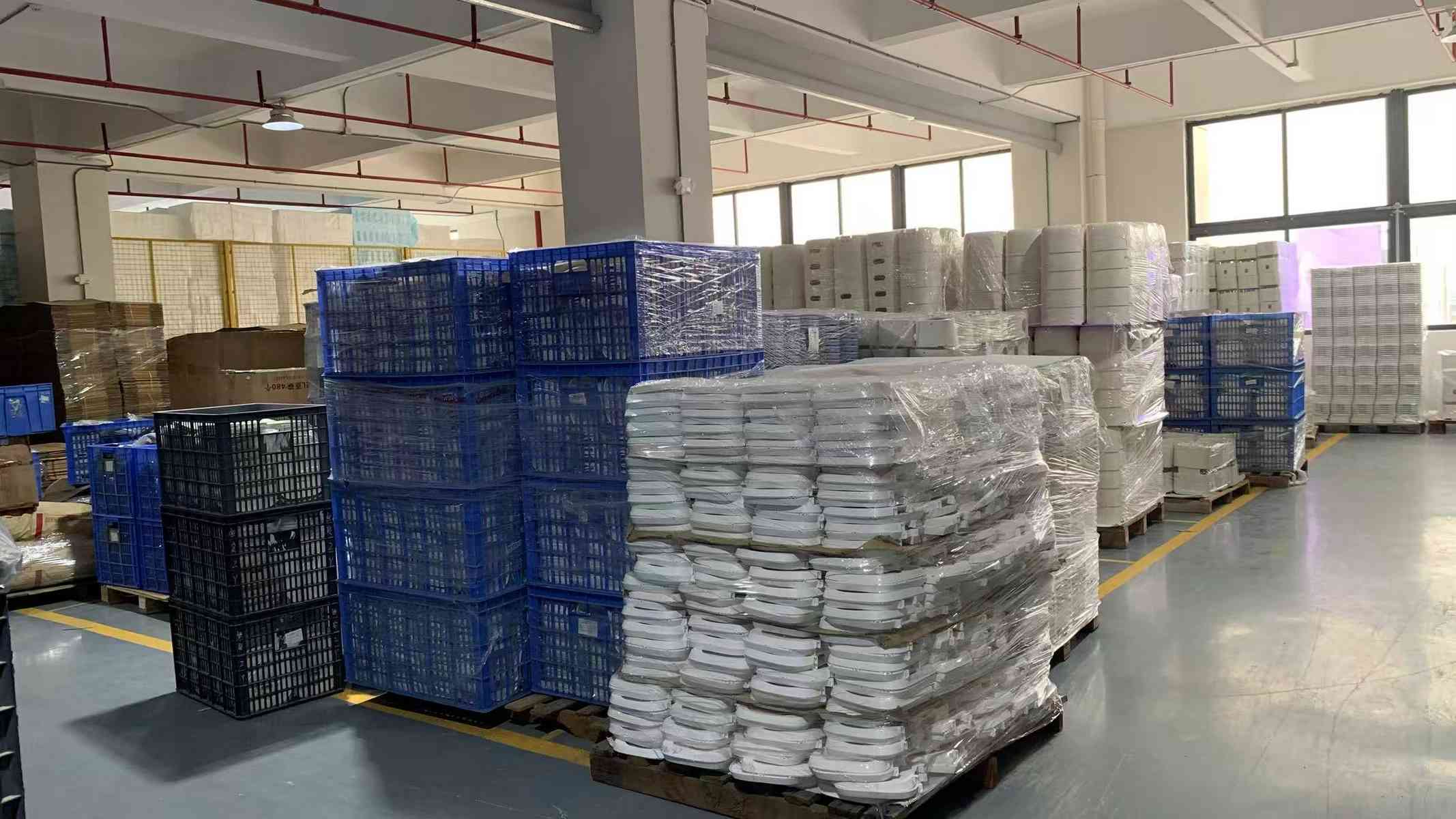
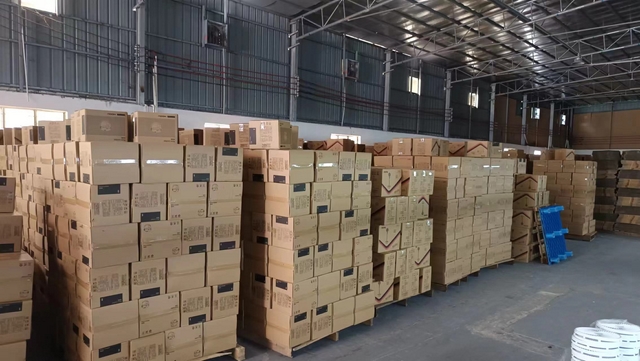
A transparent look inside our modern 12,000-square-meter facility, highlighting our rigorous process control from raw materials to final packaging.
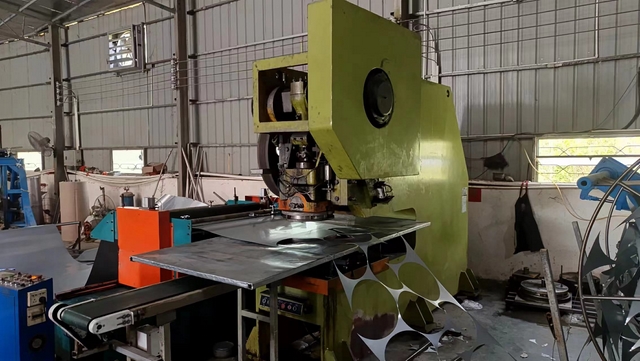
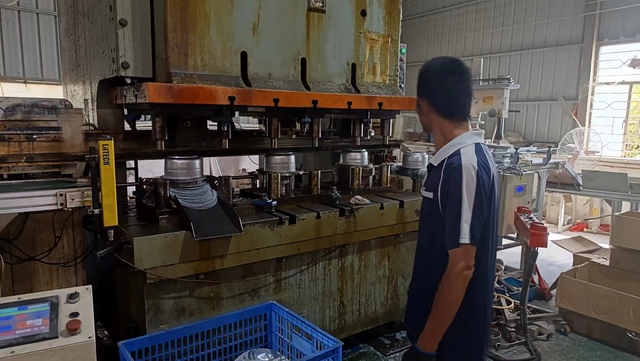
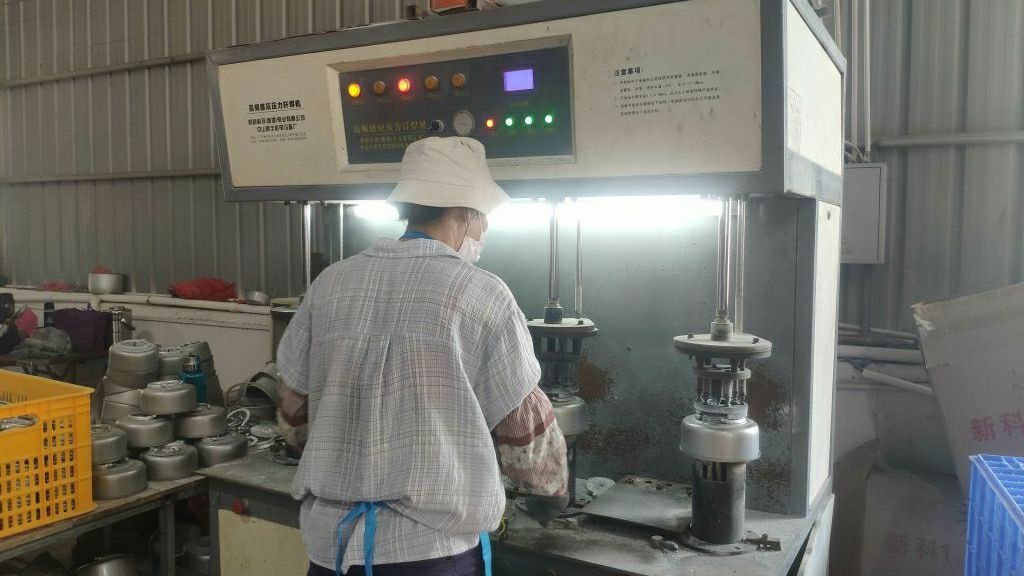

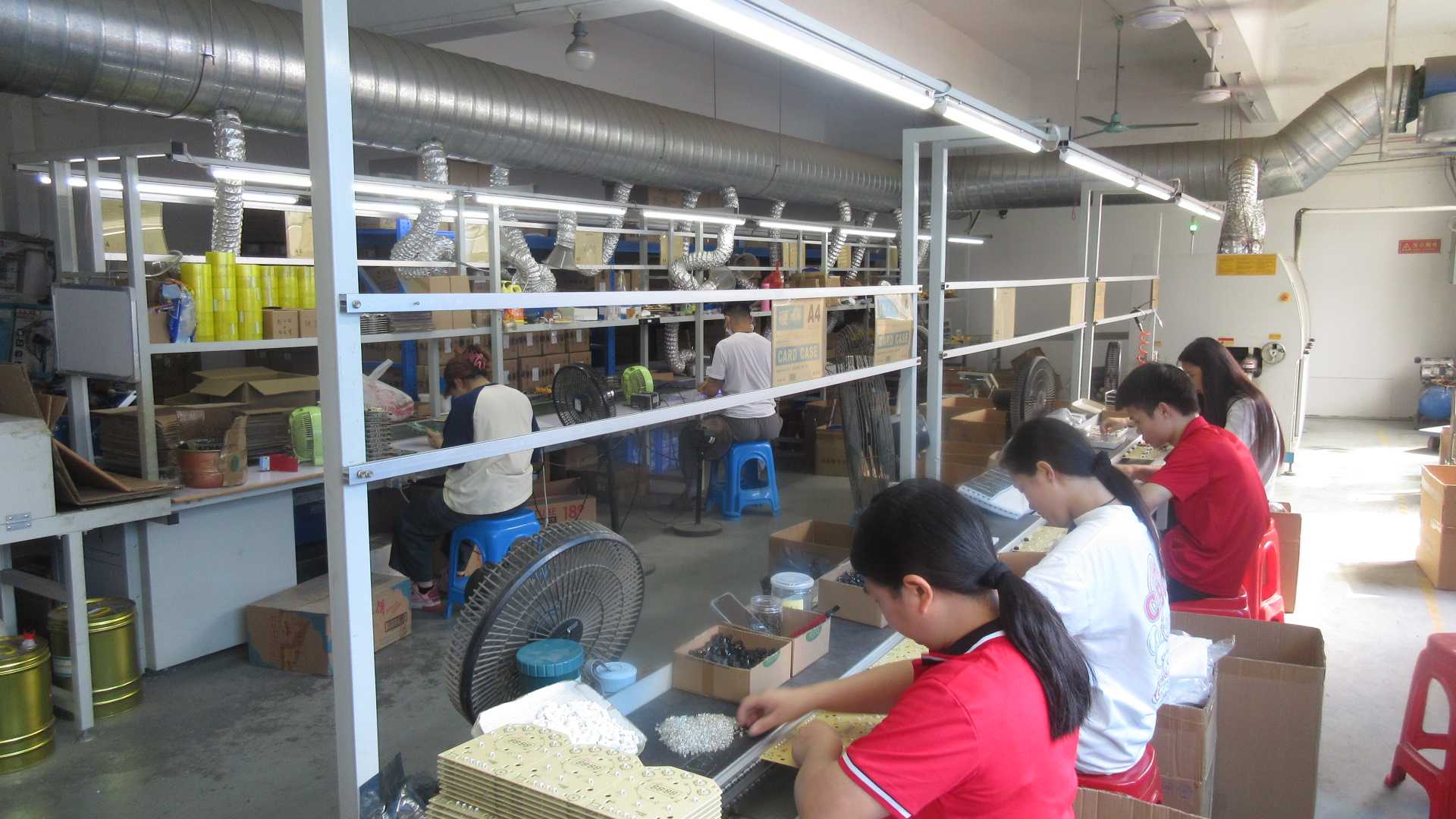

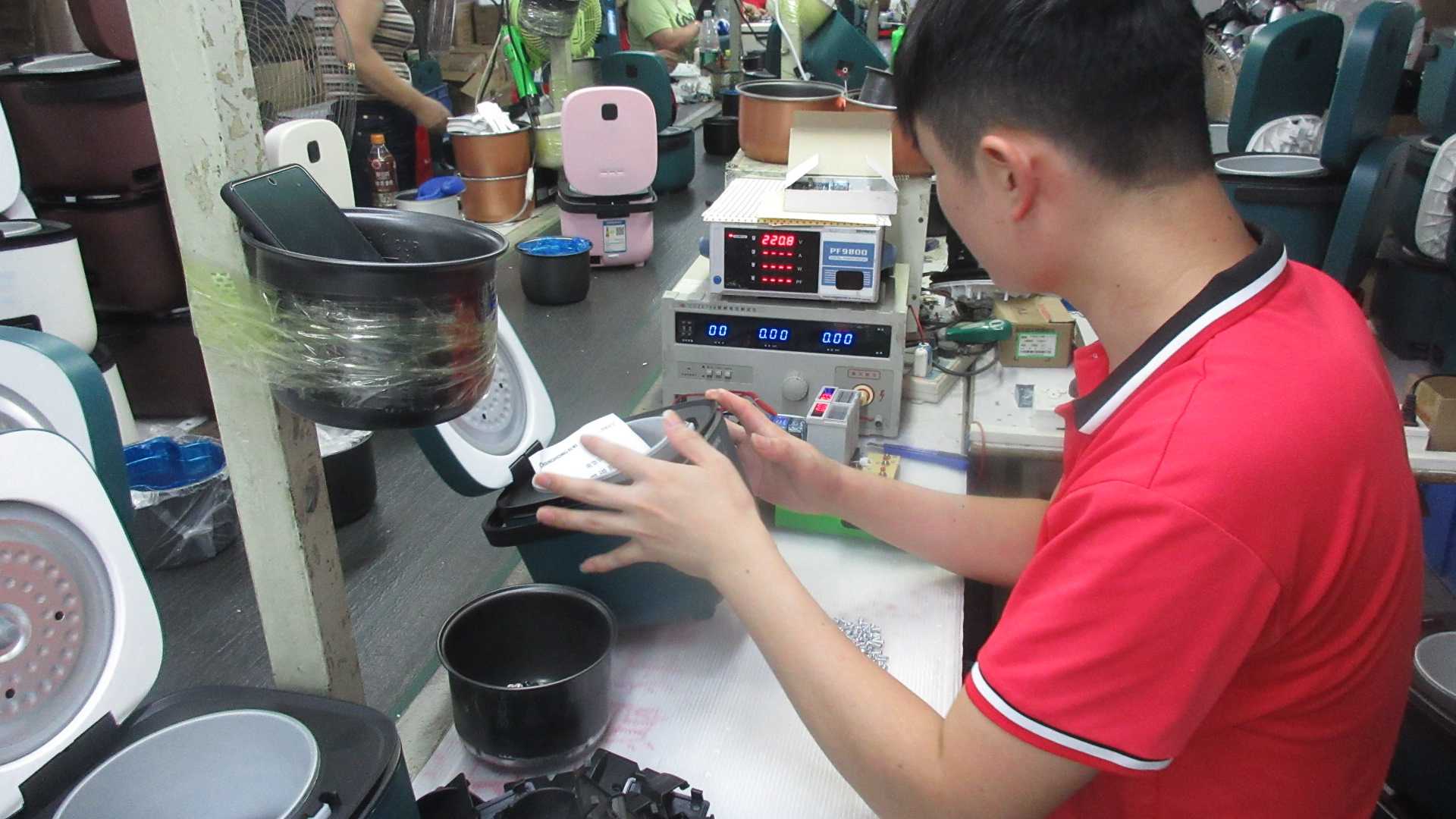
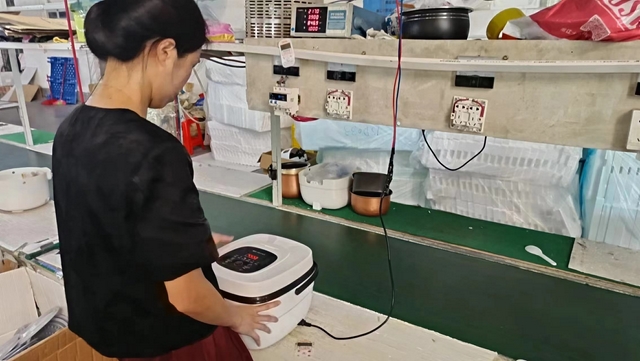
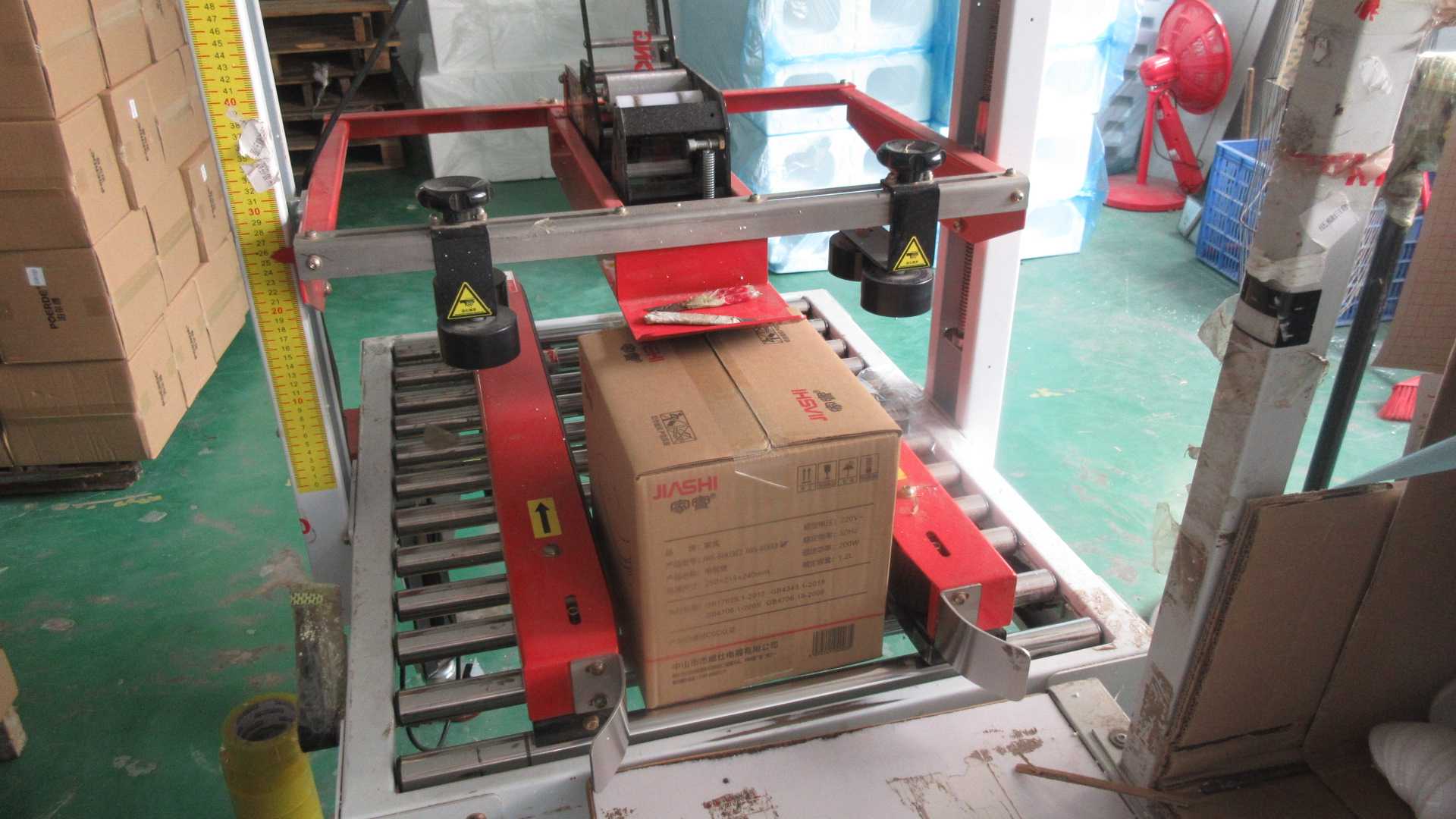
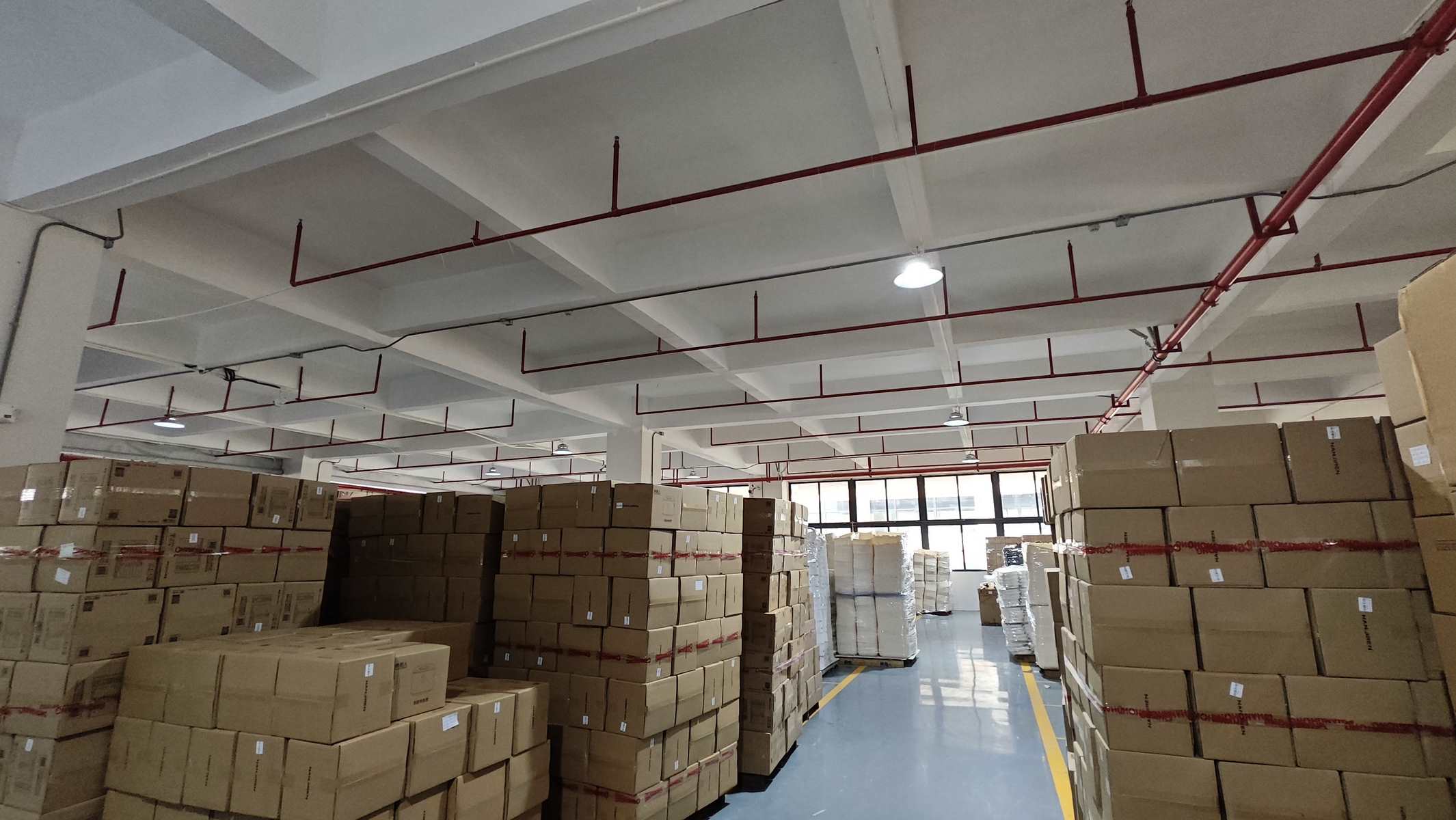
High-performance blenders must be engineered to suit specific regional culinary cultures and operational environments. A "one-size-fits-all" product configuration rarely succeeds across diverse global markets.
In commercial settings, such as juice bars, cafes, and hotels, blenders must handle continuous operations under demanding conditions. Important features include:
For consumer retail markets, the blender is a key element of the modern kitchen counter. Highlights of contemporary residential designs include:
When vetting China blender manufacturers & suppliers, global procurement directors must look beyond price per unit. Product safety, international certifications, and factory QA practices are essential for protecting your brand.
Before finalizing a supplier contract, ensure the manufacturing facility complies with relevant regional safety frameworks:
A reputable OEM partner should allow physical and third-party quality audits (such as SGS, Intertek, or TÜV Rheinland). Key inspection points should include:
Answers to common questions regarding logistics, customization options, and quality standards in blender manufacturing.
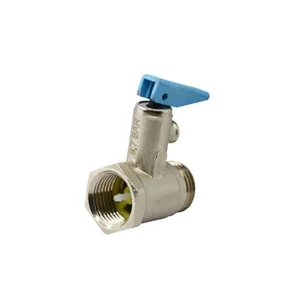
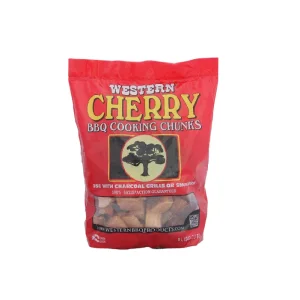
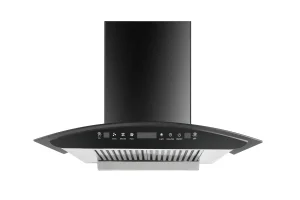
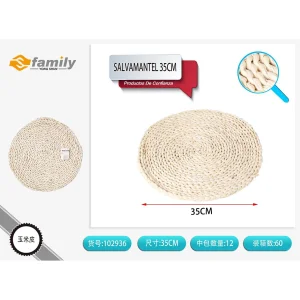
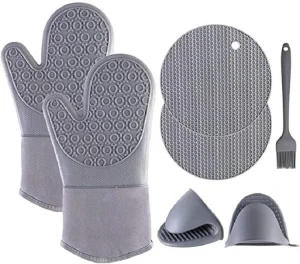
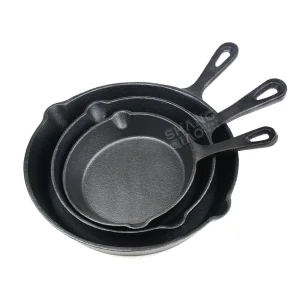
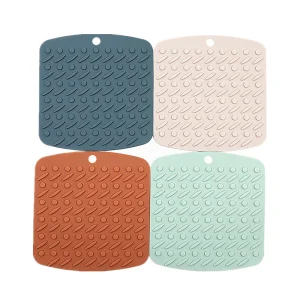
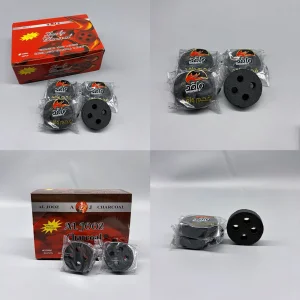
Explore our selection of kitchen, barbecue, and functional hardware components, manufactured with the same commitment to precision and performance.