Picky Kitchen
Picky Kitchen
Picky Kitchen
Explore our highly curated selection of kitchenware engineered for longevity, heat retention, and high-frequency commercial application.
In the rapidly expanding hospitality and foodservice sectors, presenting dishes in their optimal state is key to maintaining customer satisfaction and dining excellence. Chafing dishes, historically used strictly as heating units, have developed into precise heating systems that blend functional design with modern engineering. This whitepaper analyzes the landscape of global chafing dish suppliers and exporters, highlighting key manufacturing standards, energy efficiency, and material developments required by international procurement managers.
For hotels, resorts, event centers, and high-volume catering businesses, choosing a chafing dish supplier is more than finding a simple container. It requires a deep evaluation of a manufacturer's structural capabilities, material choices, safety compliance, and technological development. Guangdong Picky Kitchen Co. Ltd. stands as a prime example of this standard, offering robust fabrication processes, modern automated cutting, and comprehensive quality control.
Traditional chafing dishes relied heavily on chemical fuel gel heaters. However, modern commercial setups are transitioning to induction heating and integrated electric elements. This improves safety, provides precise temperature control, and lowers operational costs.
Modern luxury buffets utilize hydraulic glass-windowed lids. These mechanisms allow smooth, silent closing, preserving the elegant dining atmosphere while preventing hot steam accidents and keeping food visible to guests.
The standard polished stainless steel is being elevated with Physical Vapor Deposition (PVD) coatings. Suppliers now offer champagne gold, rose gold, and matte black variants, aligning with contemporary hotel aesthetics.
When evaluating suppliers, corporate procurement teams must analyze structural specifications to ensure durability under continuous commercial use. High-performance chafing dishes should use AISI 304 (18/10 or 18/8) stainless steel for food-contact zones (the insert pans) to ensure maximum corrosion resistance and sanitization compatibility. Frame assemblies can use AISI 201 or 430 stainless steel to manage costs, provided they are treated to resist atmospheric humidity and standard cleaning chemical exposure.
Additionally, thermal distribution remains a vital parameter. Low-end suppliers produce single-ply food pans that suffer from hot-spots, causing food to scorch or dry out. High-end exporters manufacture multi-ply encapsulated bases, utilizing an aluminum core sandwiched between stainless steel layers. This distributes thermal energy evenly, reducing power consumption on induction plates and extending the holding life of delicate sauces and proteins.
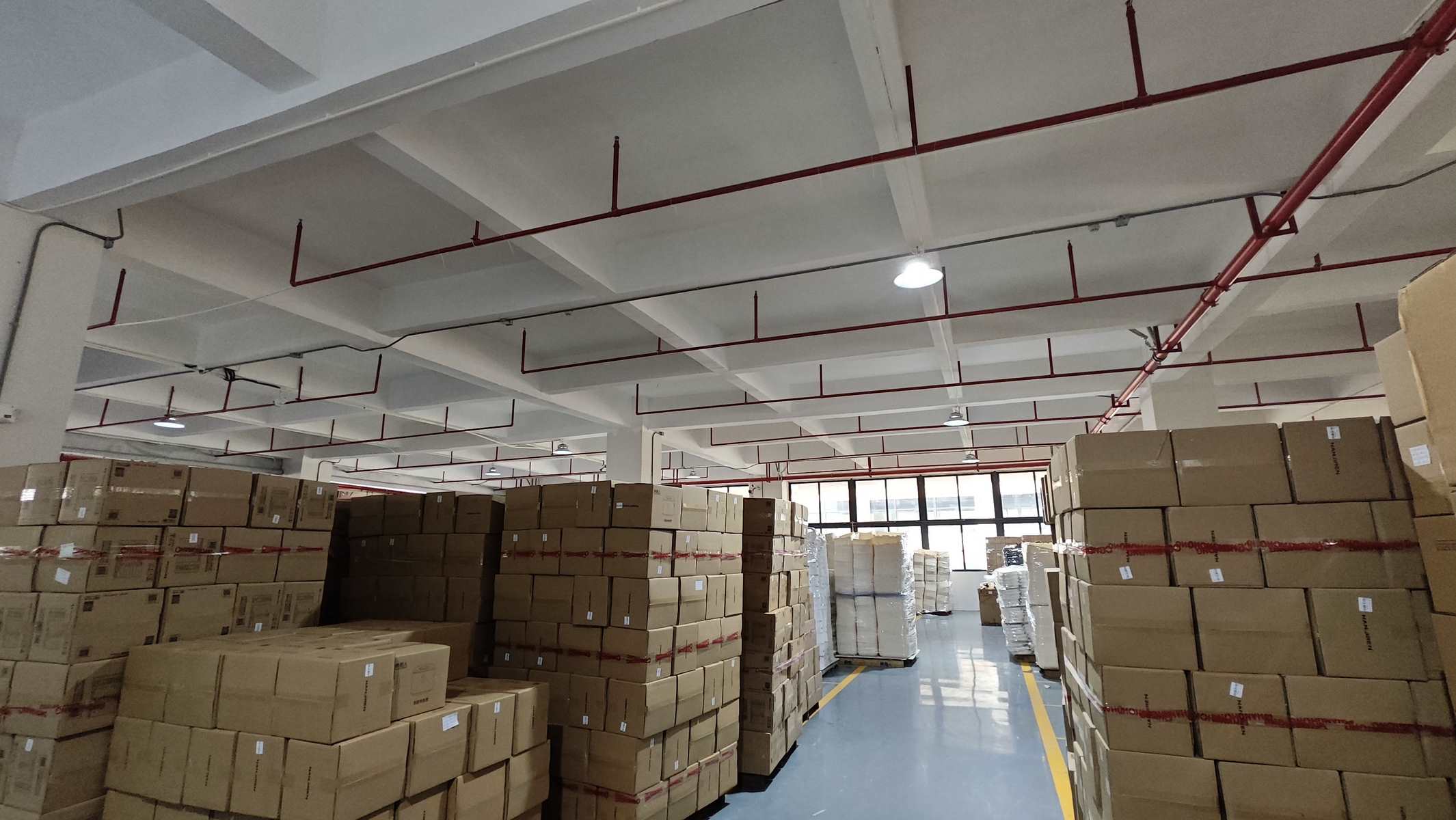
Established in 2005, Guangdong Picky Kitchen Co. Ltd. has grown into an innovation-driven enterprise specializing in kitchen hardware, food prep equipment, and functional home hardware systems. With a strong commitment to quality and aesthetics, the company integrates design, R&D, manufacturing, and global distribution. Operating from a modern 12,000 square meter facility, they control the complete manufacturing pipeline to ensure compliance with strict international quality controls.
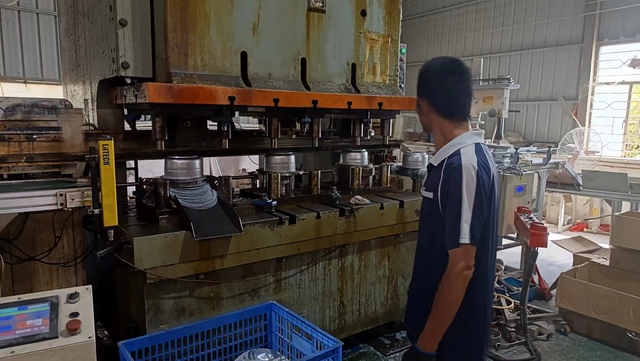
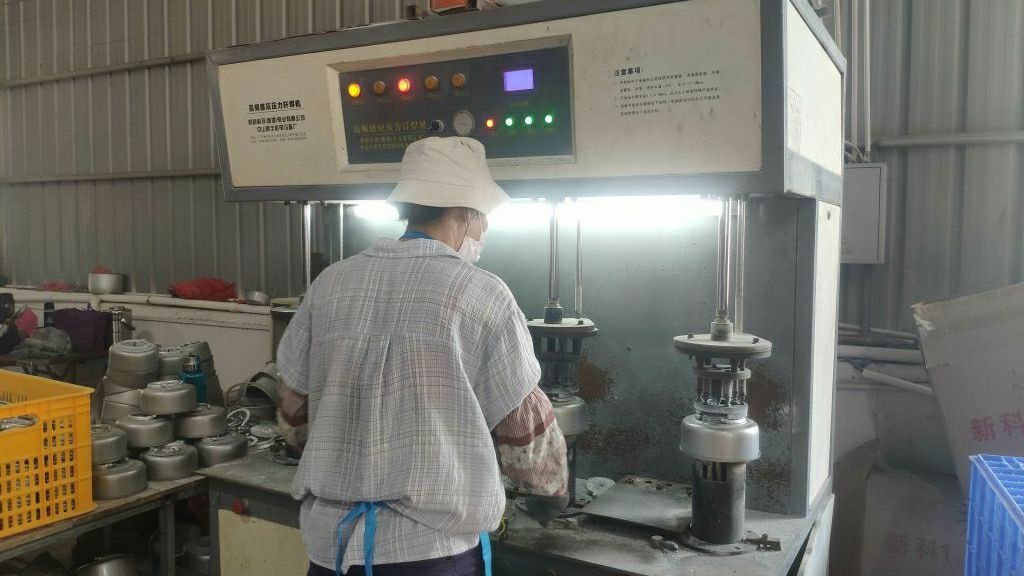
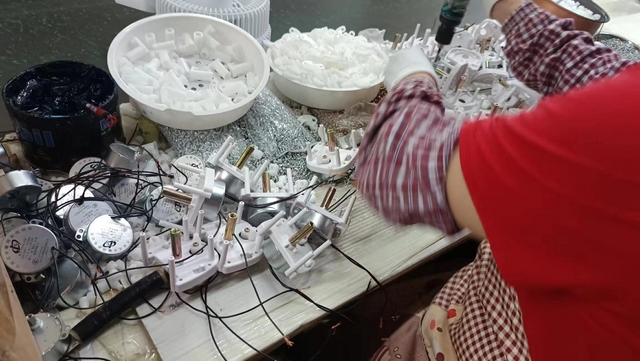
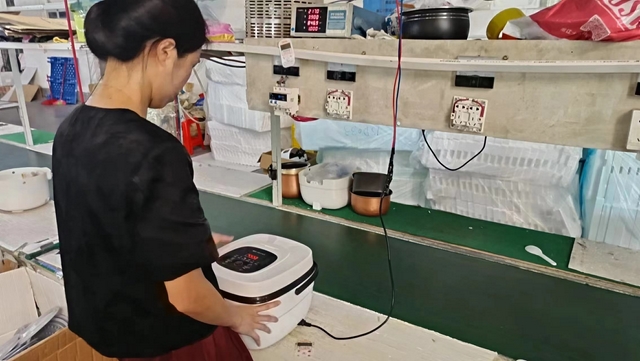
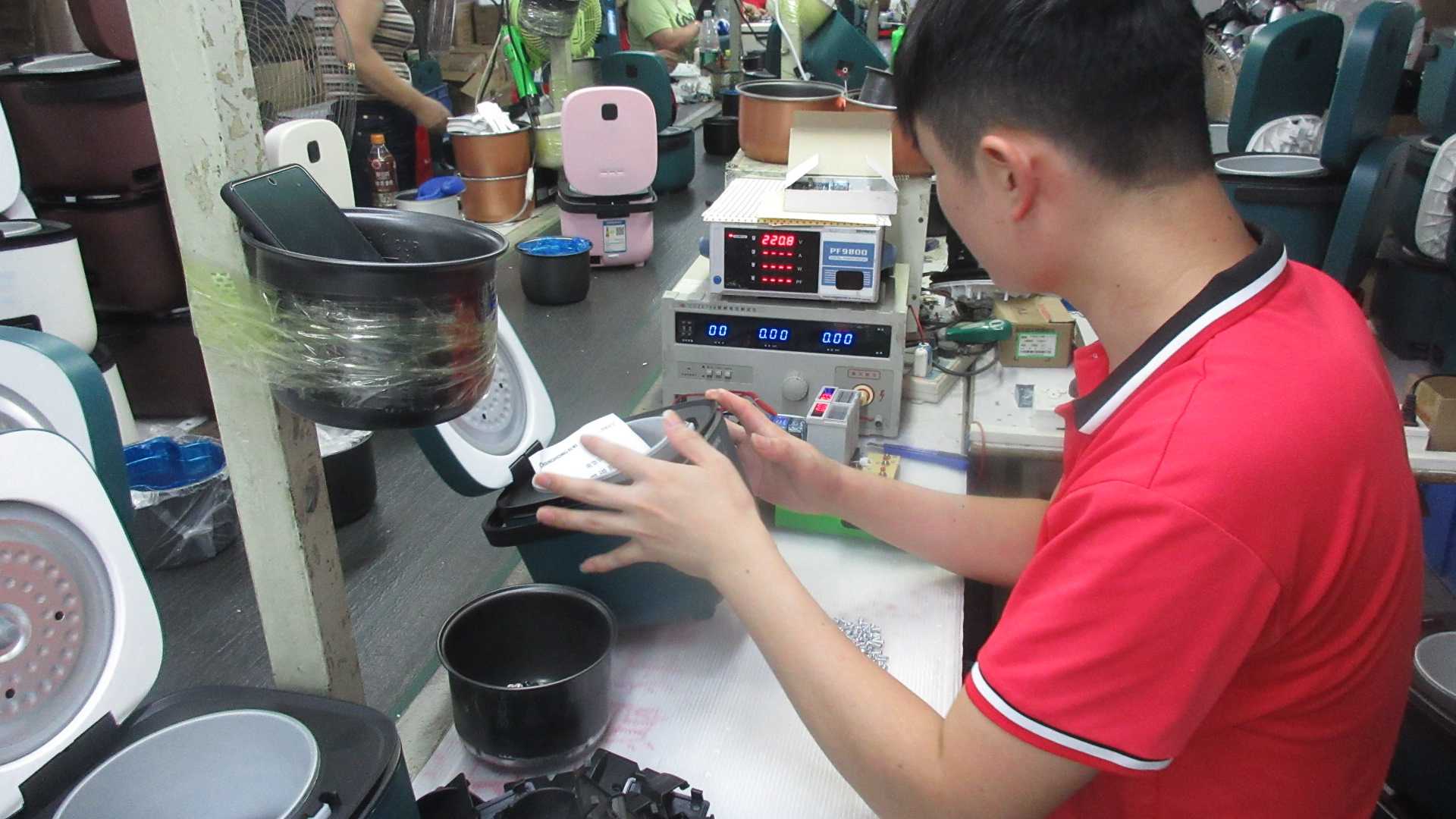
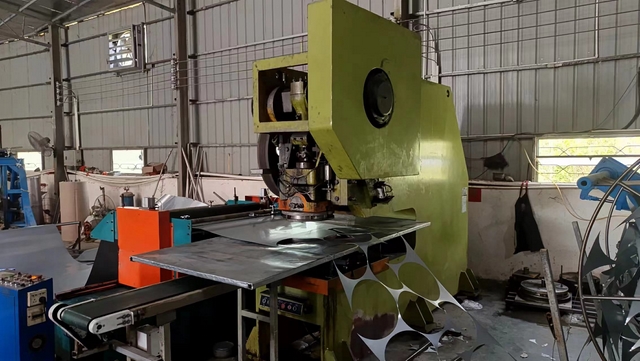
Picky Kitchen's production processes include structural component design, precision stamping, die-casting, CNC machining, automated tool processing, custom mold fabrication, laser welding, and automated product assembly. This thorough integration makes them a reliable partner for global OEM and ODM projects, helping them develop customized solutions for major hotel chains, catering brands, and appliance distributors.
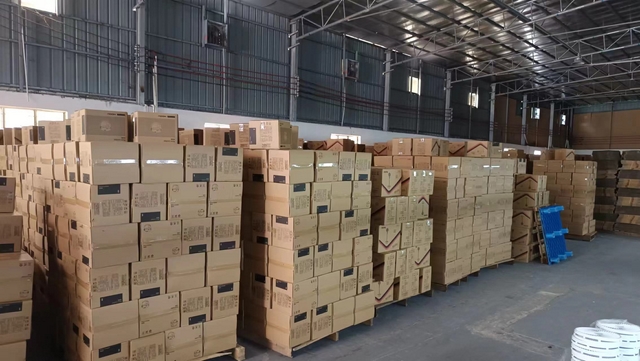
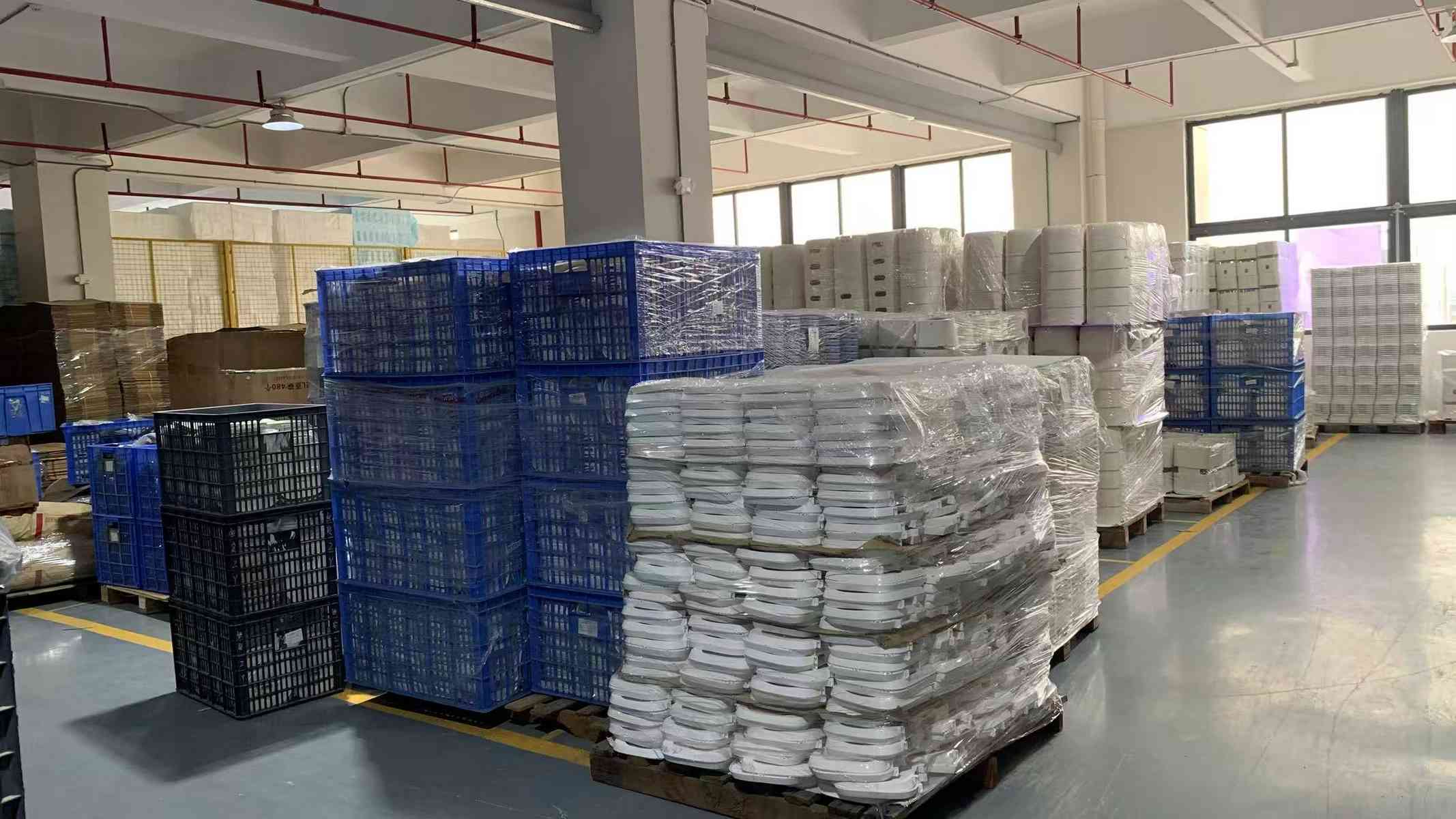
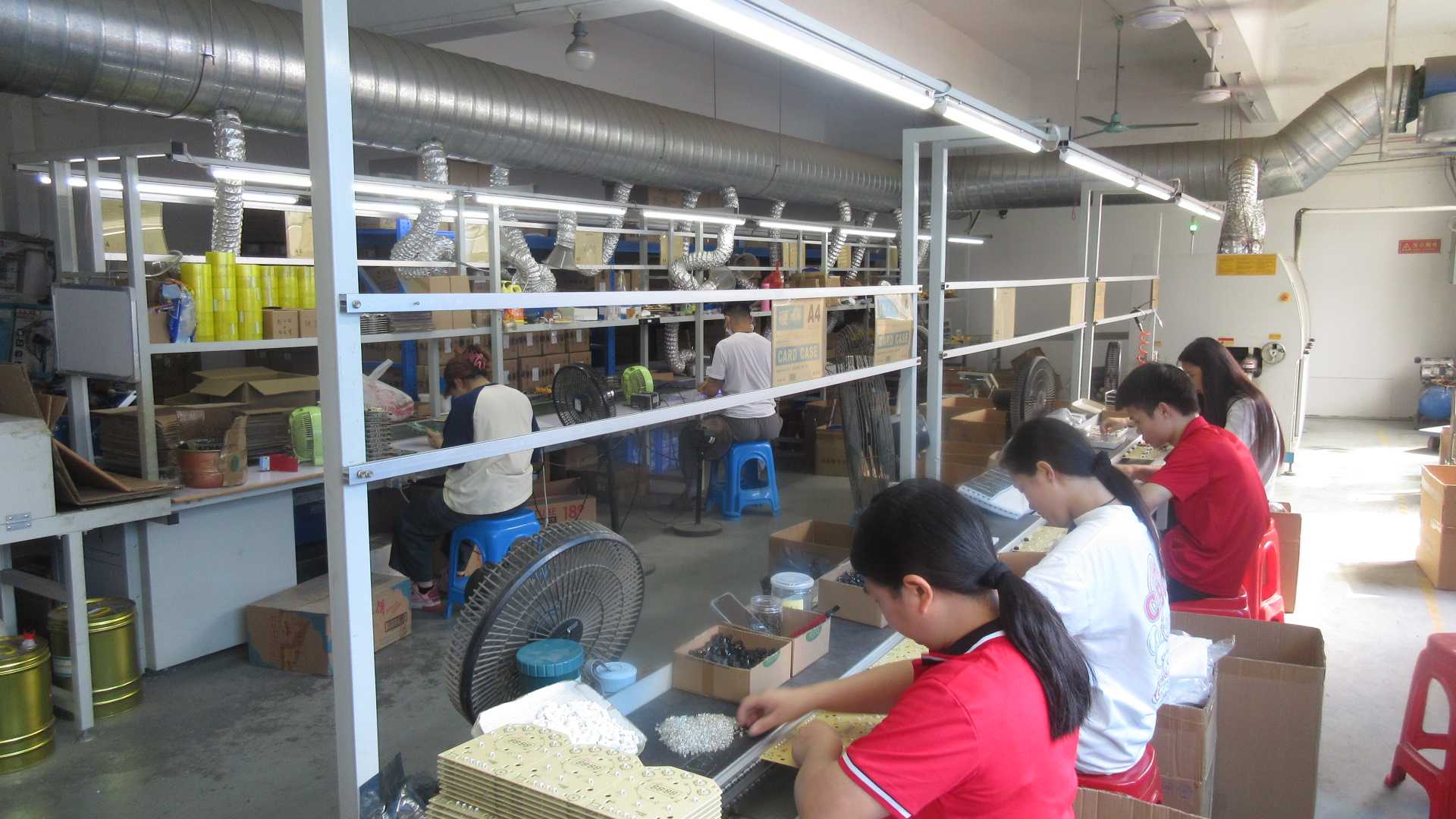
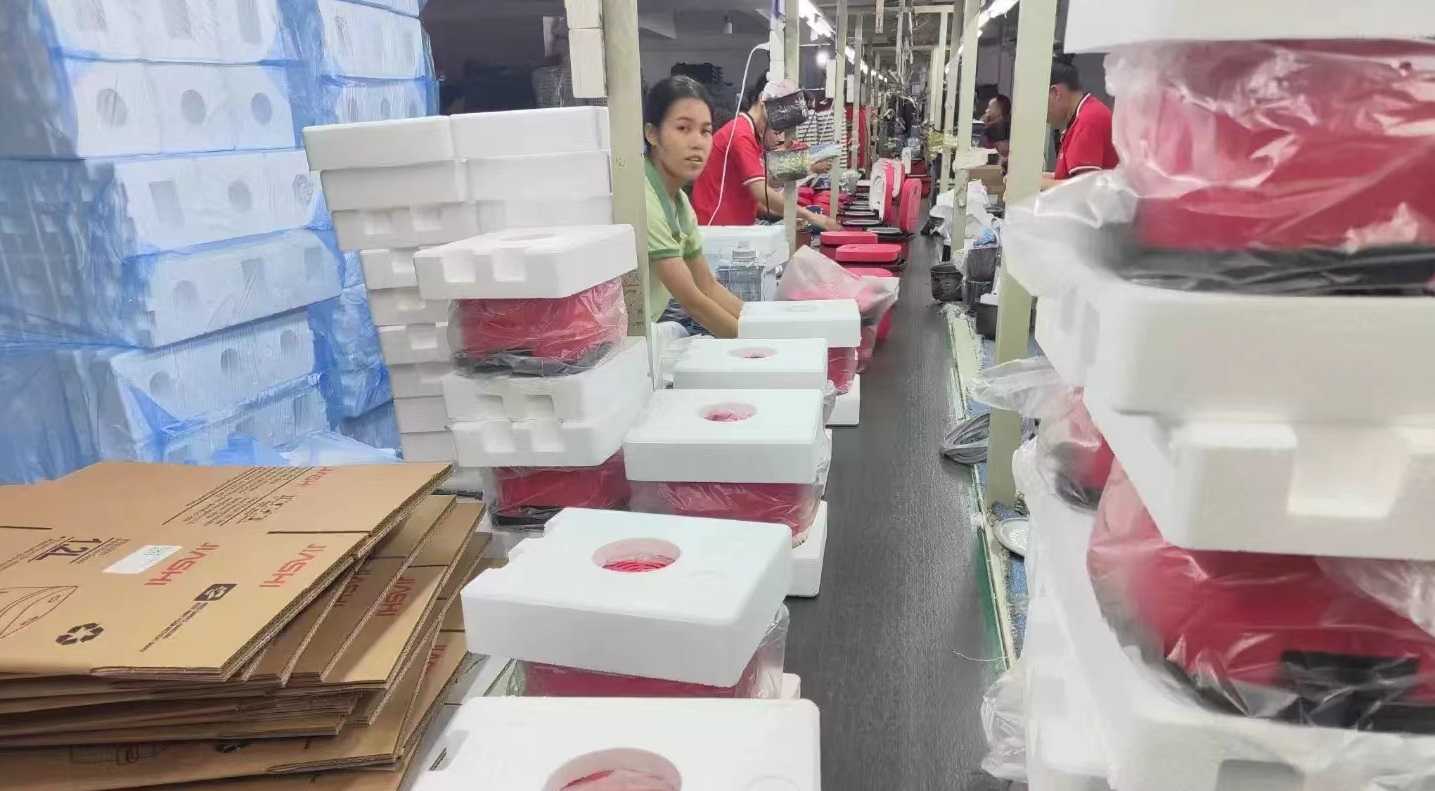
Aligning with the global shift toward smart homes, connected hotels, and sustainable industrial processes, Guangdong Picky Kitchen Co. Ltd. is focused on three strategic directions:
International hospitality buyers face complex compliance environments. Food contact equipment must pass strict safety regulations, including FDA (US Food and Drug Administration), LFGB (Germany food safety law), NSF (National Sanitation Foundation), and CE marks for electrical elements. Picky Kitchen ensures compliance by sourcing traceable metal alloys and conducting third-party tests on plastics and sealants.
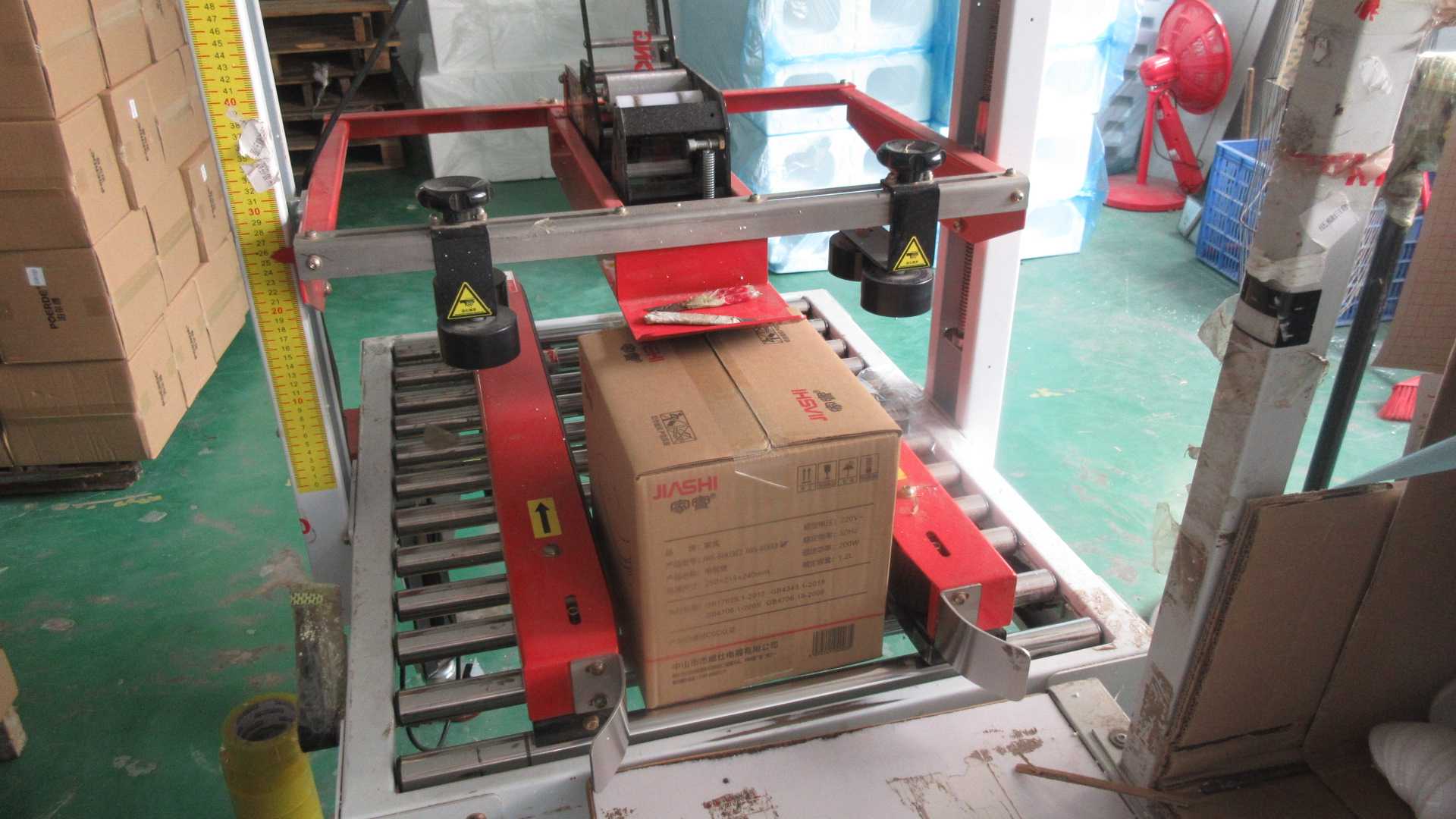
Furthermore, maintaining a reliable supply chain requires strong localized support. Picky Kitchen provides custom packaging to reduce damage during sea transport, clear customs documentation, and spare parts supply networks. This ensures long-term operational readiness for commercial buyers worldwide.
Key information regarding material grades, energy choices, shipping logistics, and custom manufacturing solutions.
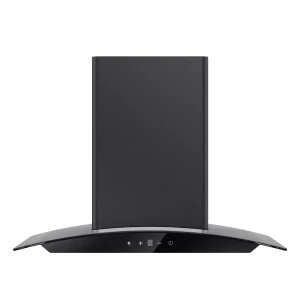
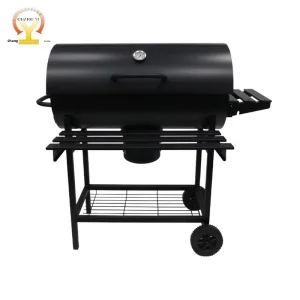
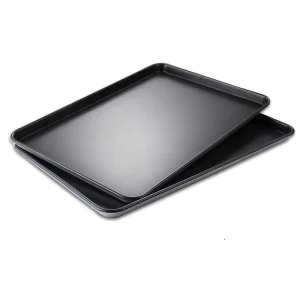
Complete your kitchen pipeline with heavy-duty commercial pans, specialized barbecue smoking systems, and ventilation hoods designed for high-output environments.