Picky Kitchen
Picky Kitchen
Picky Kitchen
In the rapidly changing global kitchenware market, selecting the right partner for commercial baking molds and precision-engineered utensils is not just about price. It is about understanding materials, technical capabilities, global compliance systems, and supply chain stability. As commercial bakeries, OEM/ODM brands, and global distributors demand increasingly high standards, manufacturers must deliver absolute performance. This comprehensive industry whitepaper breaks down the technical matrices, macro procurement landscapes, and top-tier production environments that define the premier kitchen hardware and baking molds manufacturers globally, with a specific focus on structural integrity and advanced material technology.
Discover precision-engineered baking molds, kitchenware components, and smart tools designed for commercial compliance and durability.

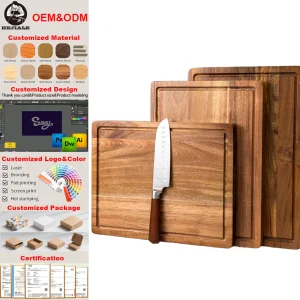
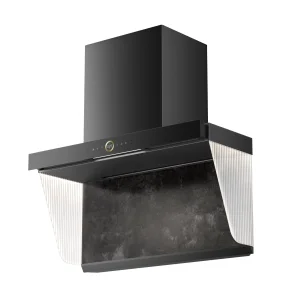
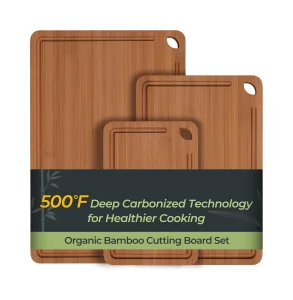

Exploring the macro-level shifts and regional demand vectors driving the advanced bakeware market.
The global industrial and retail baking molds market is undergoing an unprecedented technological evolution. Driven by growing consumer awareness regarding food safety, the rise in home-baking trends, and the explosive growth of automated, high-output industrial bakeries, the demand for premium bakeware has expanded exponentially. Recent market data projects that the global baking tools market will reach USD 6.4 Billion by 2030, maintaining a robust CAGR of 5.8%.
Regulatory tightening by the EPA, FDA, and EU REACH directives is steering the market towards organic-silicone matrix polymers and PFAS-free ceramic coatings. Buyers require zero chemical migration, absolute thermal uniformity, and extreme durability.
Operating as the engine of production, APAC region factories—specifically located in Guangdong, China—leverage integrated supply chains, automated stamping, and precise CNC machining lines to provide unparalleled manufacturing scales.
Rapid urbanization in Latin America and Southeast Asia is driving double-digit demand growth for entry-to-mid tier bakeware kits, pushing brands to balance strict cost-efficiency targets with structural durability.
To capture these opportunities, global sourcing managers must transition from simple transaction models to strategic, engineering-led co-development. The ability to customize high-performance carbon steel pans, high-tensile silicone baking mats, and advanced temperature-monitoring kitchen instruments is now the baseline differentiator between successful international brands and struggling commodity retailers.
Established in 2005, the standard-bearer for integrated kitchen hardware and precision engineering.
Guangdong Picky Kitchen Co. Ltd. was established in 2005 and has grown into a diversified and innovation-driven enterprise specializing in kitchen hardware and functional home hardware systems. Centered on research, design, manufacturing, and global distribution, the company is dedicated to delivering high-quality, integrated kitchen hardware solutions for customers worldwide. The company firmly believes that the kitchen is not only a functional space for cooking, but also a key reflection of lifestyle quality. Guided by this philosophy, it consistently pursues the integration of functional excellence and aesthetic innovation.
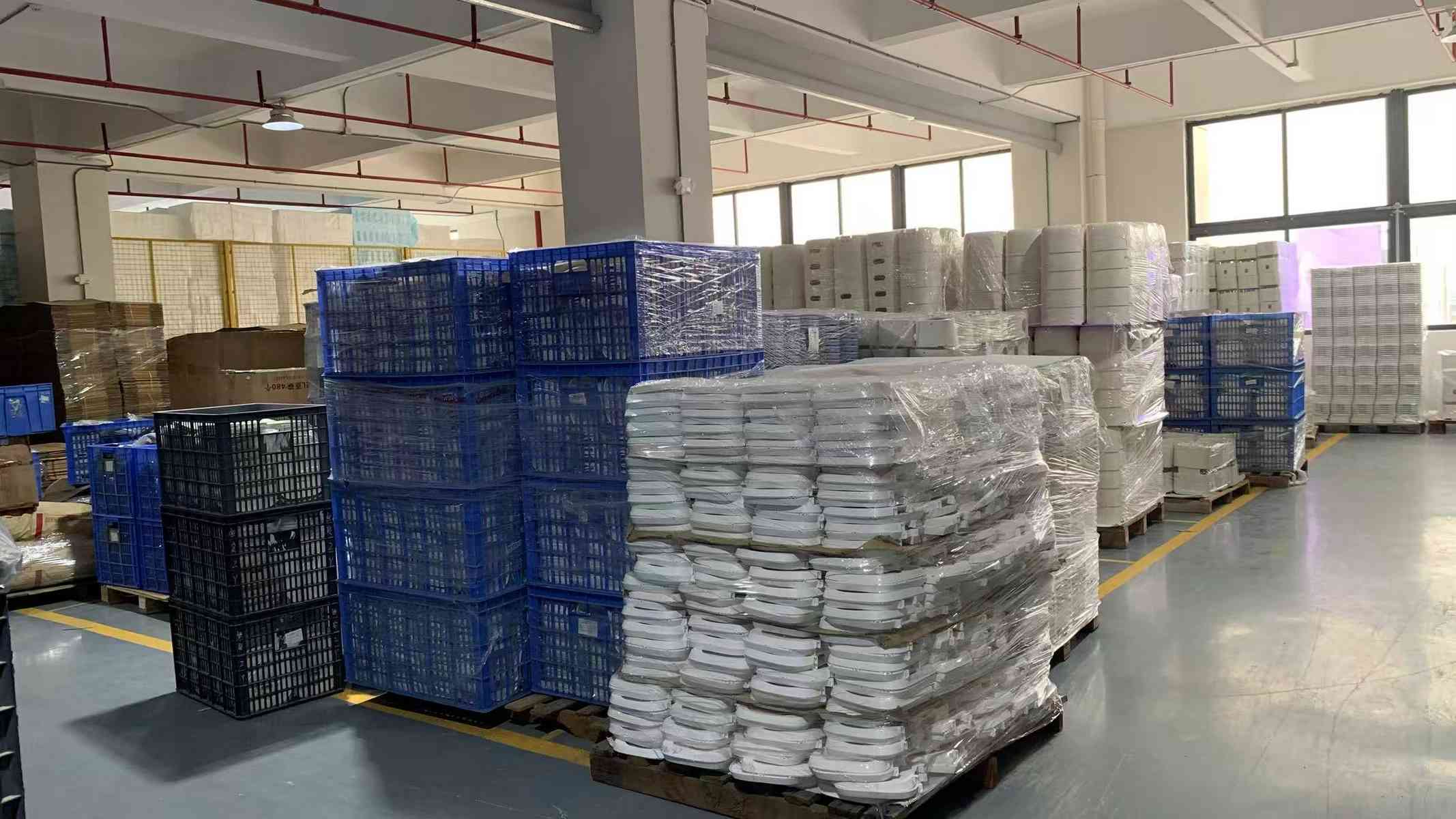
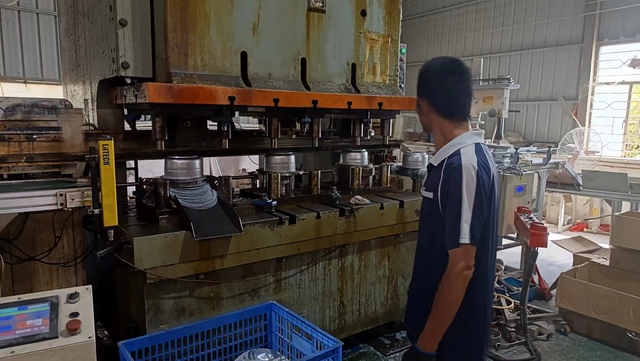
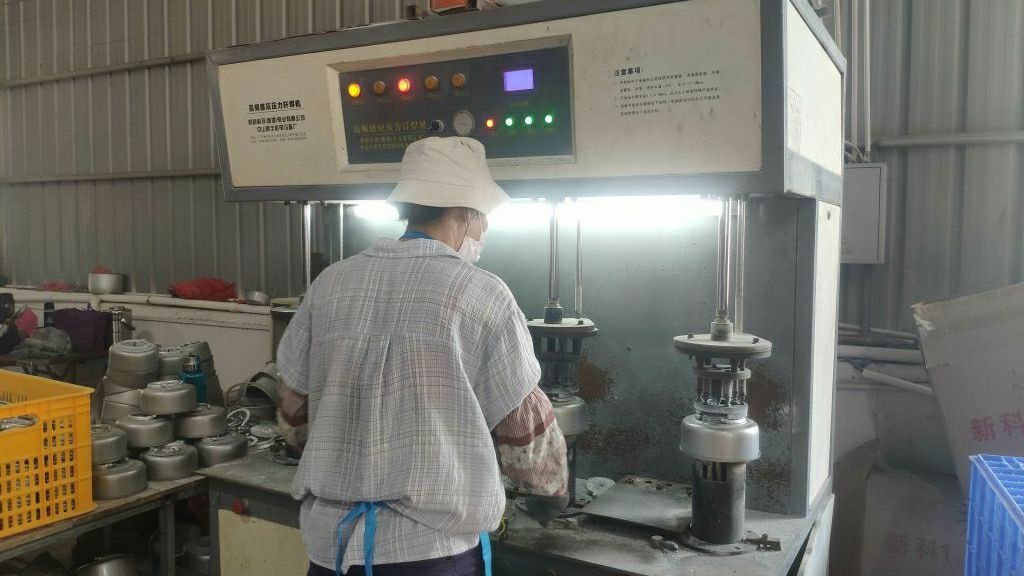
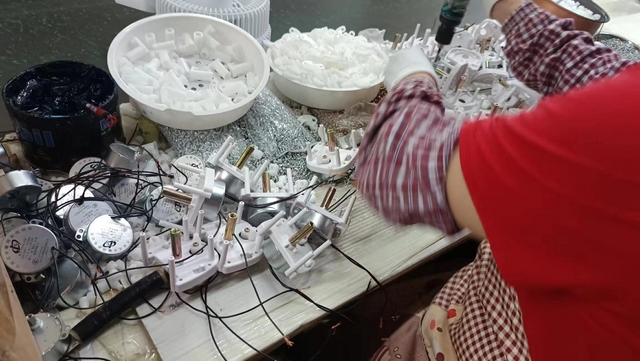
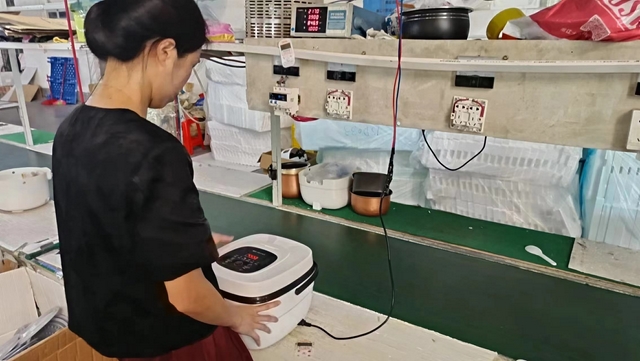
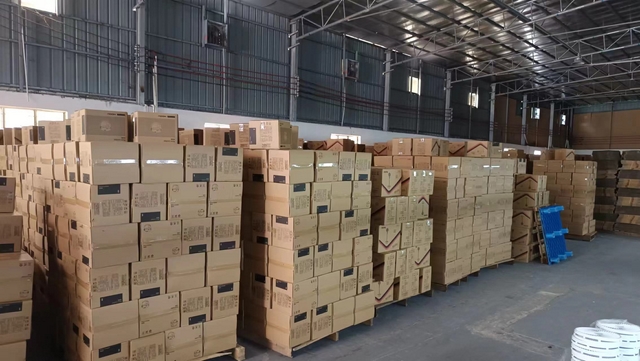
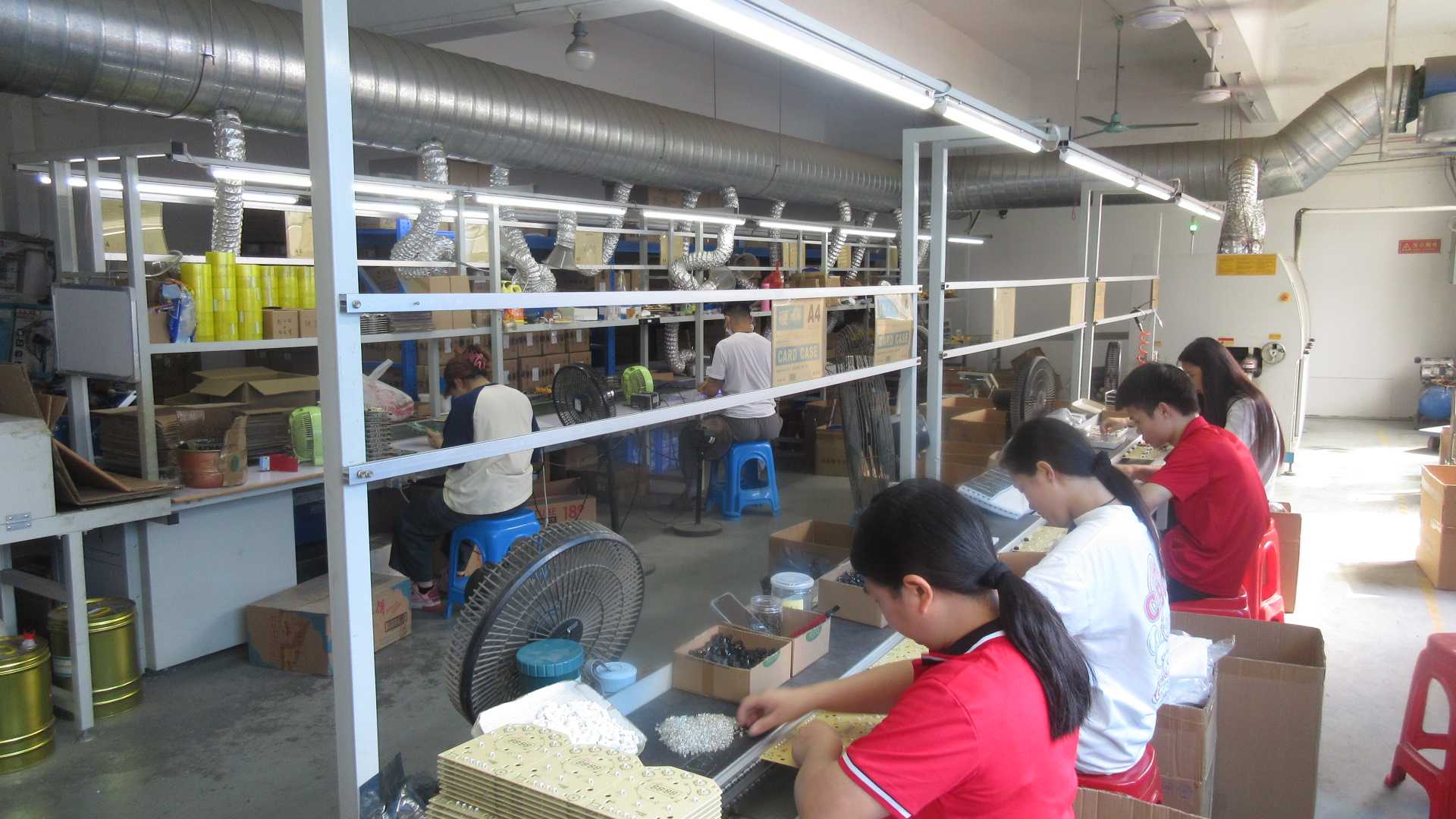
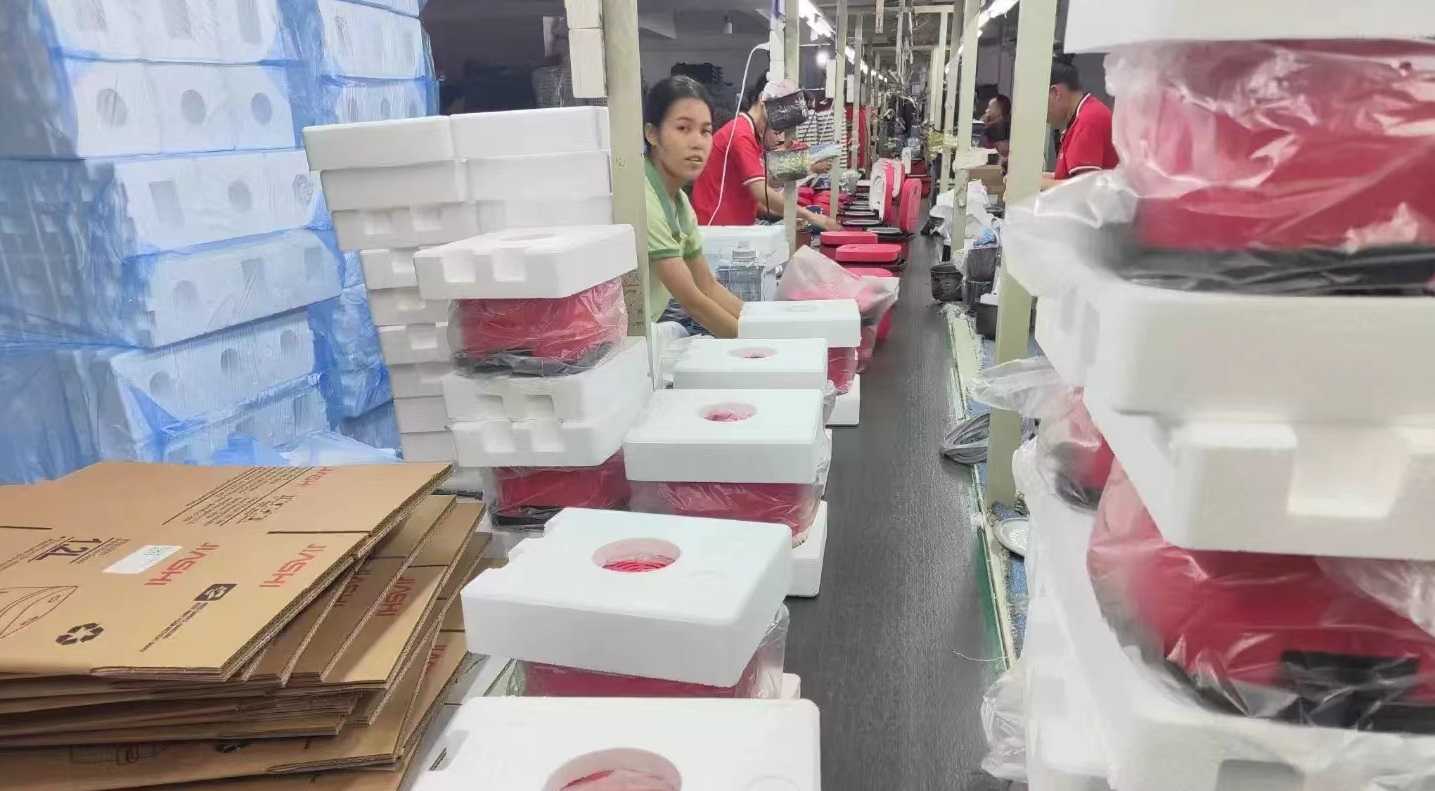
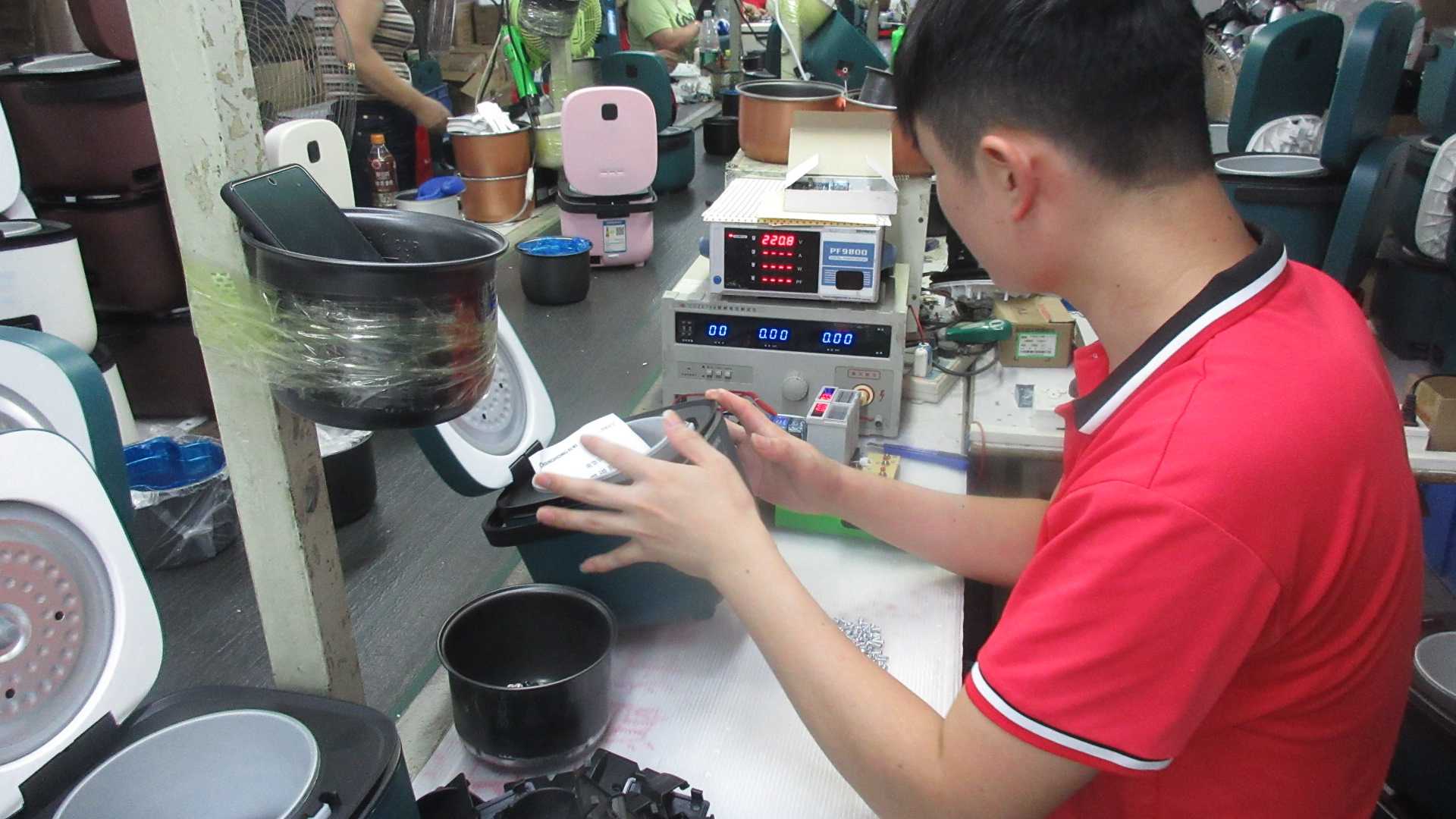
The company operates a modern manufacturing facility covering approximately 12,000 square meters, equipped with advanced production lines and comprehensive quality control systems. This facility serves as the backbone of its manufacturing capability, ensuring both efficiency and product consistency. Its production scope includes structural component design, precision stamping and die-casting, CNC machining, automated tool processing, mold development and fabrication, laser welding, assembly, and final testing. This full-chain manufacturing system enables Guangdong Picky Kitchen Co. Ltd. to provide one-stop solutions while maintaining strict control over quality and lead times, as well as responding quickly to customized client requirements.
Technological innovation is driven by a skilled and experienced R&D team composed of engineers specializing in structural design, mold development, industrial design, and automation systems. This team is responsible not only for new product development but also for continuous improvement of manufacturing processes and material applications.
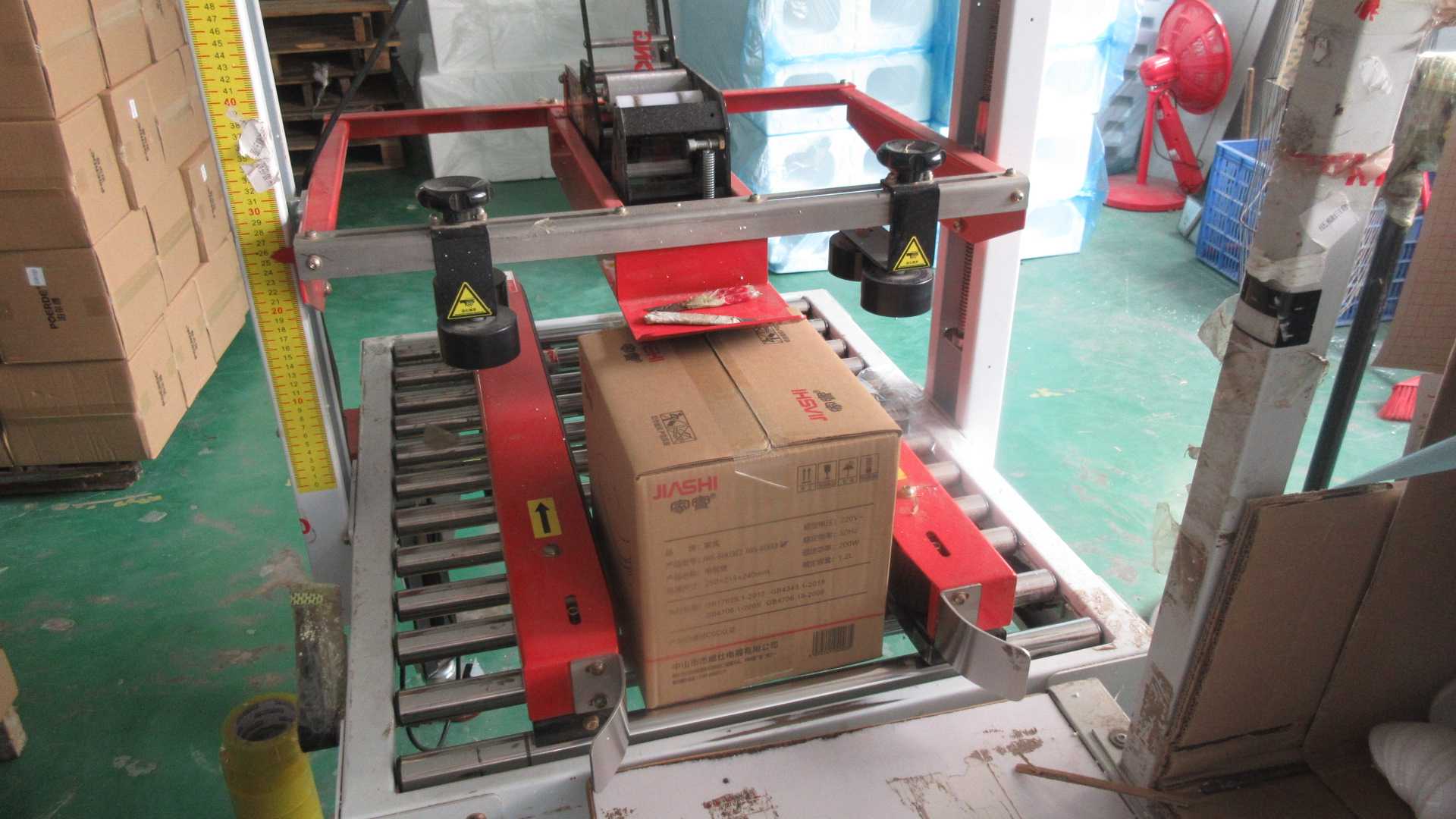
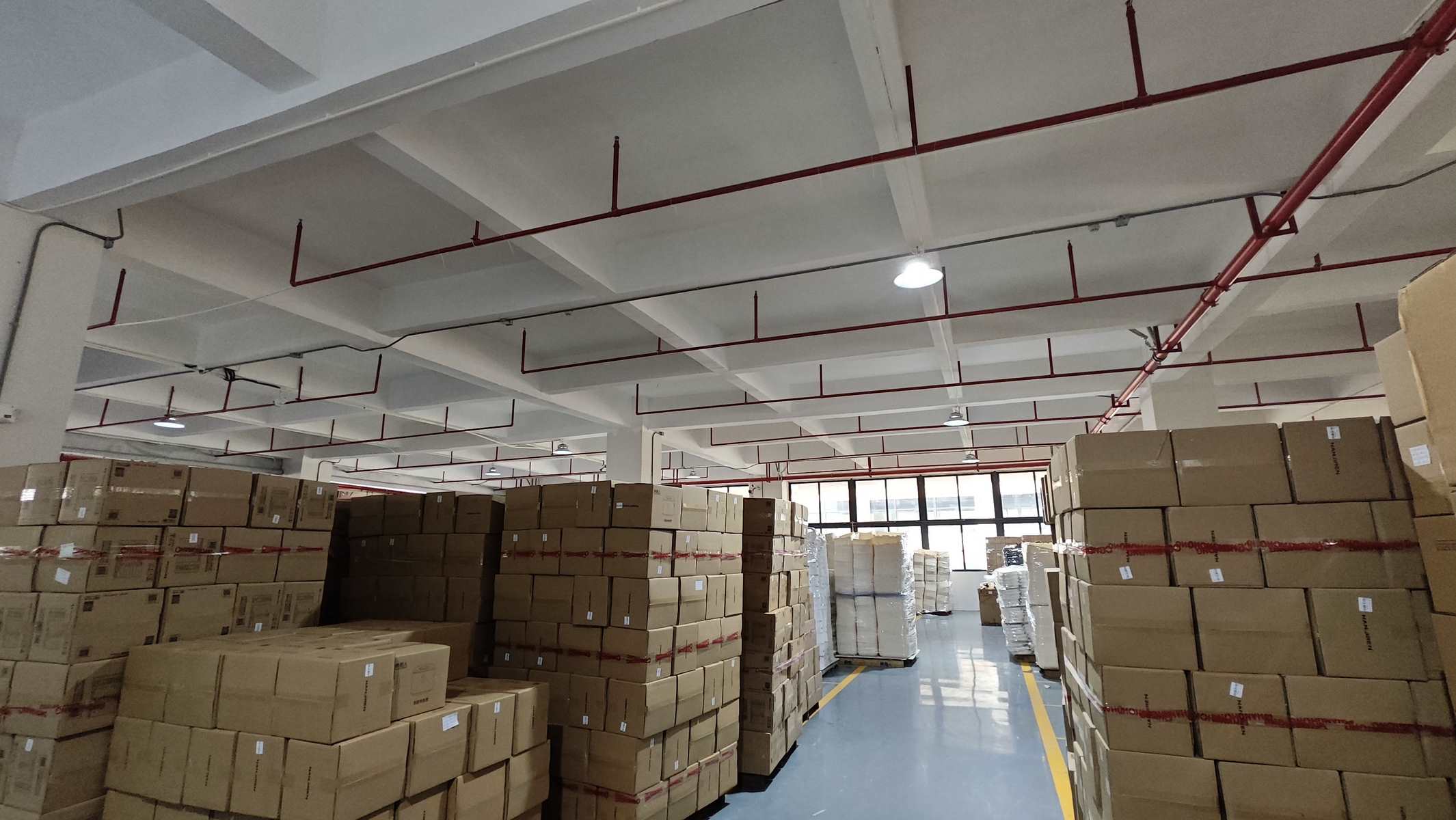
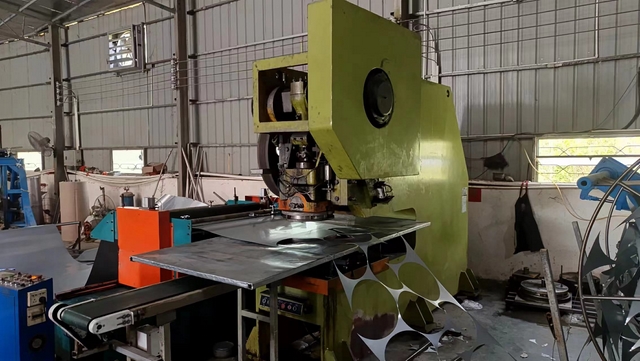
The vital pillars of E-E-A-T (Experience, Expertise, Authoritativeness, Trustworthiness) in high-volume supply contracts.
Evaluating a baking molds manufacturer requires a deep dive into engineering metrics rather than just relying on generic catalog choices. Our vetting process, in line with Google Search Quality Rater Guidelines, evaluates factories across four core dimensions: Material Purity, Engineering Competence, Automation Integrity, and Regulatory Compliance.
Top-tier factories possess in-house CNC mold development centers. Designing precision molds requires complex draft angles, thermal expansion compensation, and high-cavity configurations to optimize manufacturing output.
Ensuring high performance requires using premium silicone matrices (platinum-cured LSR) and heavy-gauge carbon steel (0.8mm–1.0mm thickness). This prevents toxic off-gassing and localized warping during high-temperature thermal cycles.
Strict prohibition of PFOA, PFOS, and heavy metals. Leading manufacturers utilize high-quality food-grade silicone glazes and organic sol-gel coatings to ensure durable release properties and consistent abrasion resistance.
Quality is maintained through systematic checks. Manufacturers must feature end-to-end traceabilities, starting from raw materials, covering PCB assembly, up to final mechanical tension testing.
Speed to market defines leadership. Utilizing 3D CAD modeling, virtual finite element analysis (FEA), and rapid 3D printing, top factories slash sample turnaround times from several weeks down to just 3-5 days.
Global retailers demand supply chains that align with ESG goals. Modern factories must reduce carbon footprints by using low-VOC coatings, adopting bio-based surface treatments, and running energy-efficient manufacturing machinery.
Deciphering the molecular advancements and metallurgical properties that prevent manufacturing failures.
The primary operational issues in commercial bakeries—including sticking, thermal shock, uneven rising, and localized hot spots—are directly linked to bakeware design. Manufacturers are addressing these challenges through key materials innovations:
| Material Class | Microstructure Benefits | Maximum Operating Temperature | Durability Cycle Life (Release Performance) | Primary Regulatory Compliance |
|---|---|---|---|---|
| LSR (Liquid Silicone Rubber) | Platinum-cured, 2-part polymer; zero peroxide byproducts, micro-textured releases. | 260°C (500°F) | 3,000+ Cycles | BfR XV, FDA 21 CFR, LFGB (Germany) |
| Aluminized Steel (Type 1) | Heavy-gauge carbon steel hot-dip coated with silicon-aluminum alloy. Excellent heat reflection. | 482°C (900°F) | 5,000+ Cycles (with re-glazing) | EU Food Contact Regulation (EC) 1935/2004 |
| Eco-Ceramic Sol-Gel | Inorganic mineral coating, zero PFOA/PFOS, extremely hard glass-like surface properties. | 450°C (842°F) | 1,200+ Cycles | California Proposition 65, REACH |
| Anodized Aluminum (Hard Coat) | Electrochemical oxide layer, scratch-resistant surface, high thermal conductivity. | 550°C (1022°F) | 10,000+ Cycles (Non-stick sprayed) | NSF International Standards |
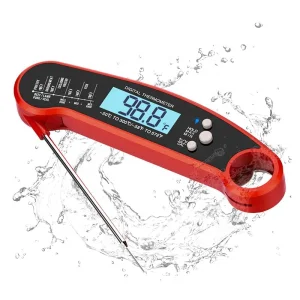
Guangdong Picky Kitchen Co. Ltd.'s technical roadmap addresses the smart integration of IoT sensors. This includes wireless digital meat thermometers and precise temperature probes embedded directly into home and professional cooking environments. By combining precision metalworking (laser cutting and stamping) with smart PCB assembly, their factory meets the rising demand for connected, precision-guided cooking systems.
Overcoming supply chain hurdles, minimizing shipping overheads, and implementing strict quality audits.
B2B procurement managers operate under tight margins and complex logistics schedules. Standard sourcing projects face common friction points: rising logistics fees, customs delays, material inconsistencies, and slow communications.
An international baking brand needed to design and manufacture 150,000 sets of customized non-stick cookie pans. Utilizing Guangdong Picky Kitchen Co. Ltd.'s integrated engineering support, the project moved from initial 3D design files to CNC tooling, physical punching, dual-coating processes, and container cargo loading within 38 days. The client achieved zero customer returns and registered an overall 14% improvement in thermal consistency during testing.
Ensuring products meet strict regional regulations and safety guidelines across global jurisdictions.
Regulatory compliance is non-negotiable for food contact products. Importing baking tools, silicone mats, or smart temperature-sensing kitchen appliances into major global regions requires meeting strict certification standards:
Must comply with FDA 21 CFR 177.2600 for rubber articles and FDA 21 CFR 175.300 for resinous/polymeric coatings. Products must pass extraction tests using water and n-hexane solvents.
Requires strict compliance with Regulation (EC) 1935/2004. Products sold in Germany and France must meet LFGB guidelines, requiring sensory and volatile organic compound (VOC) testing.
Commercial food service products require NSF certification. In California, materials must be free of harmful chemical emissions, complying with Proposition 65 requirements.
Clear, technical answers to common questions asked by B2B buyers and product managers.
High-performance tools, components, and electronic instruments for professional kitchens and commercial setups.