Picky Kitchen
Picky Kitchen
Picky Kitchen
Precision engineered components and consumer kitchen systems optimized for performance, durability, and strict global compliance.
An Analytical Overview of Structural Integrity, Material Innovation, and High-Performance Food Preparation Infrastructure.
Steam-based gastronomy represents one of the most thermo-efficient and nutrient-preserving cooking methodologies recognized globally. At the heart of industrial and domestic steaming apparatuses lies the engineering of the steamer basket. No longer characterized as simple perforated metallic or bamboo trays, modern Steamer Baskets are precision-designed instruments engineered to regulate steam distribution, control condensation drainage, and withstand corrosive culinary environments.
In the context of the global supply chain, Chinese manufacturers have transitioned from low-cost component assembly to advanced, high-tech engineering hubs. Enterprises such as Guangdong Picky Kitchen Co. Ltd. (established in 2005) have defined this paradigm shift. By investing in multi-axis CNC machinery, robotic laser welding, and automated surface treatment pipelines, these facilities satisfy the rigid requirements of commercial restaurant chains, premium cookware brands, and large-scale industrial kitchens globally.
The optimization of kitchen hardware requires deep integration across metallurgical sciences, ergonomic industrial designs, and smart cooking technologies. The modern steamer basket serves as a critical study in micro-perforation spacing, thermal-venting dynamics, and high-tensile strength resilience. Under sustained exposure to 100°C+ saturated steam cycles, material durability determines the lifespan of the equipment, underlining the importance of sourcing from premium manufacturers with verified quality management practices.
Evaluating a tier-one manufacturing facility involves examining their process automation, quality systems, and capability to provide tailored solutions. Guangdong Picky Kitchen Co. Ltd. operates a 12,000-square-meter modern facility optimized for full-chain production. By retaining control over raw material slicing, automated tool fabrication, high-precision stamping, die-casting, laser-welding, and automated inspection, the factory minimizes systemic errors, speeds up OEM/ODM turnaround, and maintains strict adherence to international safety metrics.
As global enterprise buyers look to diversify and build resilience in their procurement portfolios, Chinese manufacturing hubs provide an unrivaled concentration of sub-tier component suppliers, raw material logistics, and expert tool engineering. This white paper highlights the key dimensions of engineering, compliance, smart-manufacturing, and market integration that place Chinese steamer basket factories at the head of the global food-service equipment sector.
2005
Established
12,000㎡
Factory Area
100%
QA Inspected
Tier 1
Global Exporter
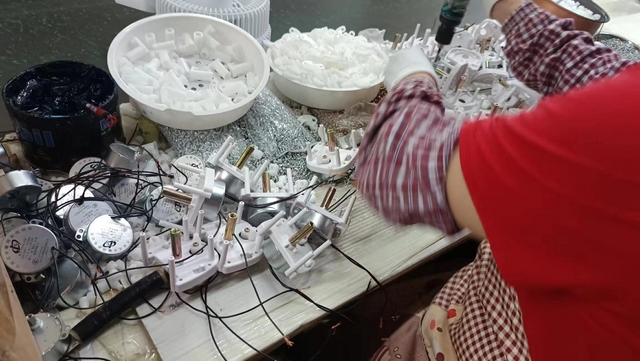
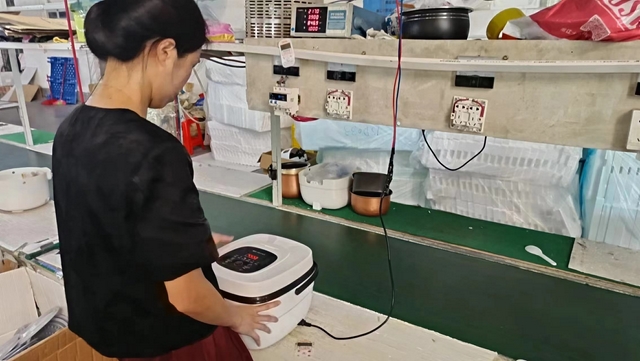
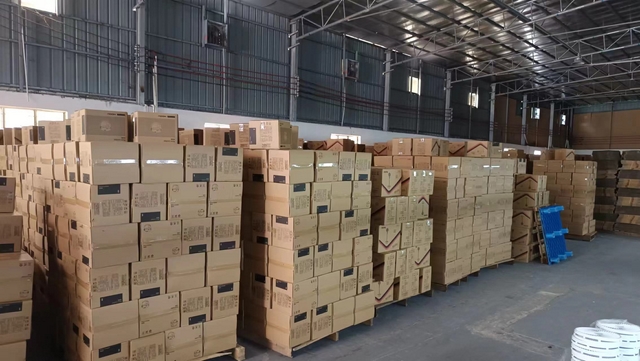
Step-by-step insight into the advanced production stages at Guangdong Picky Kitchen Co. Ltd.
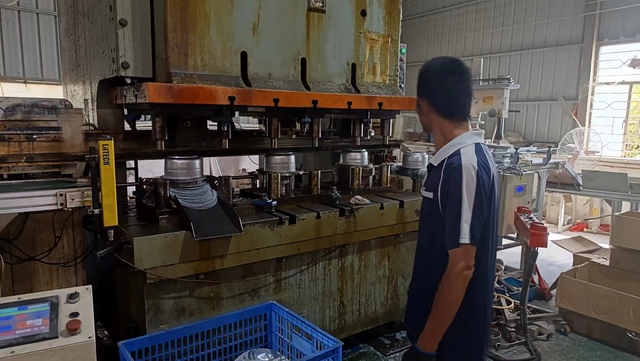
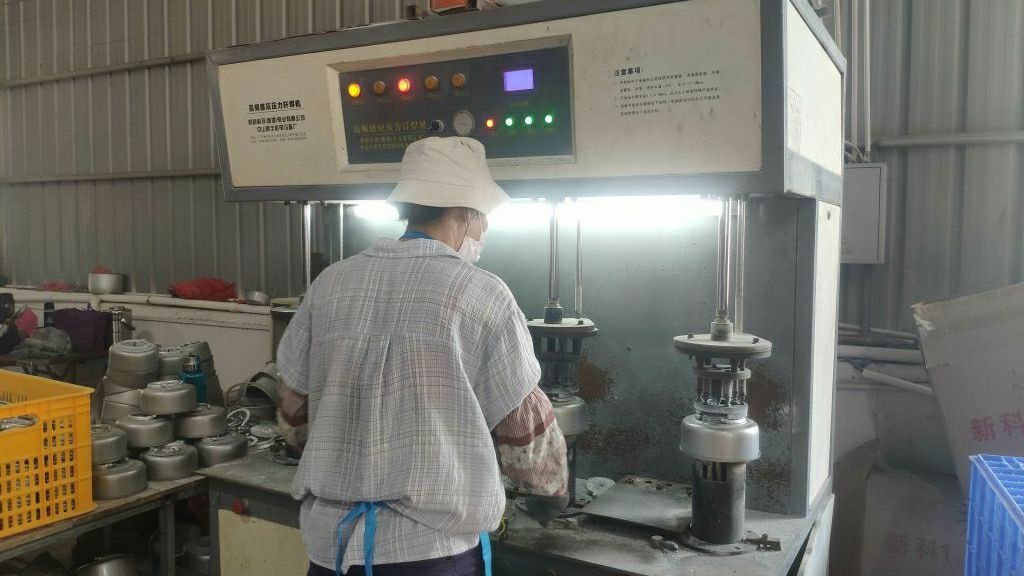
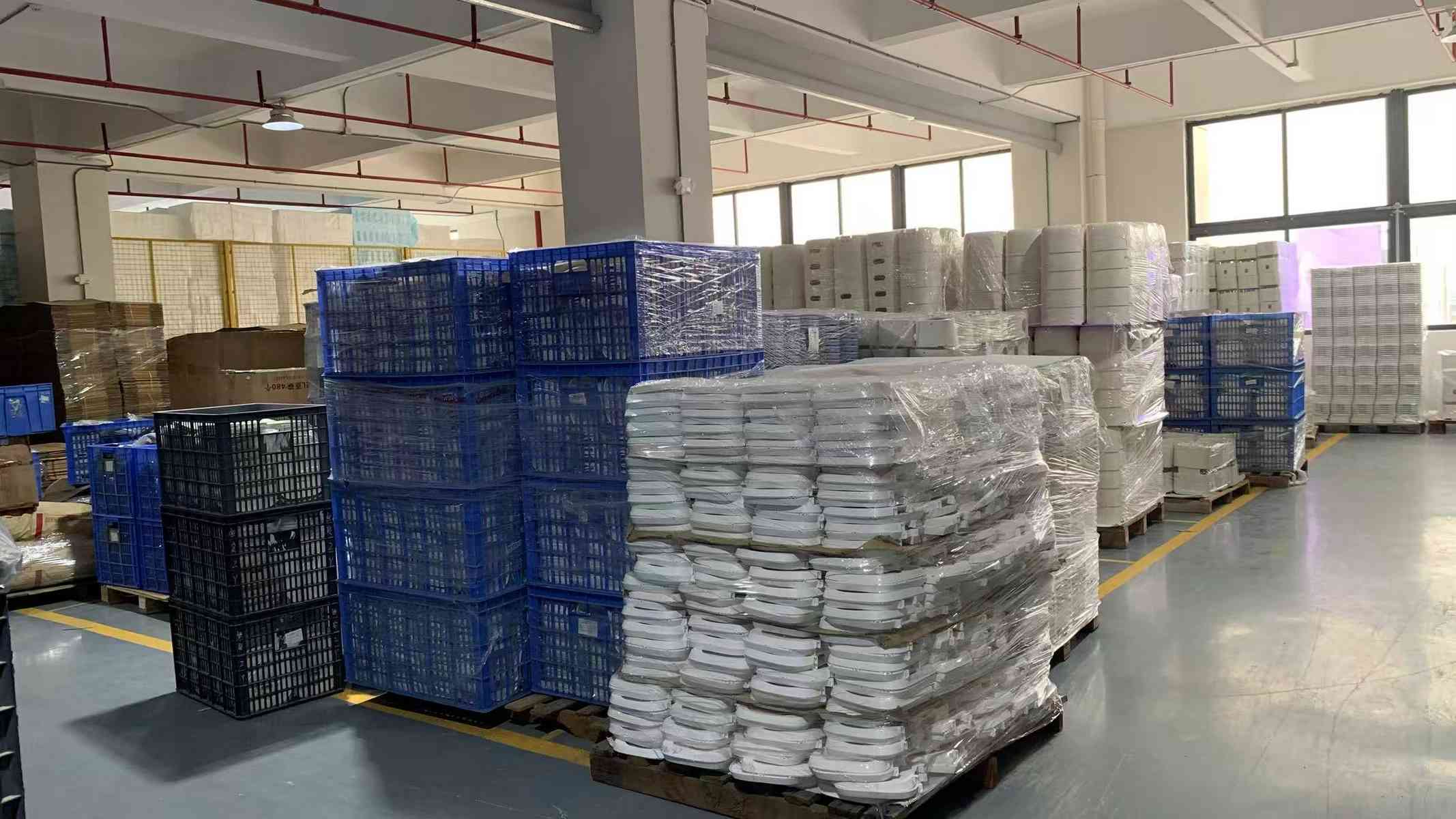
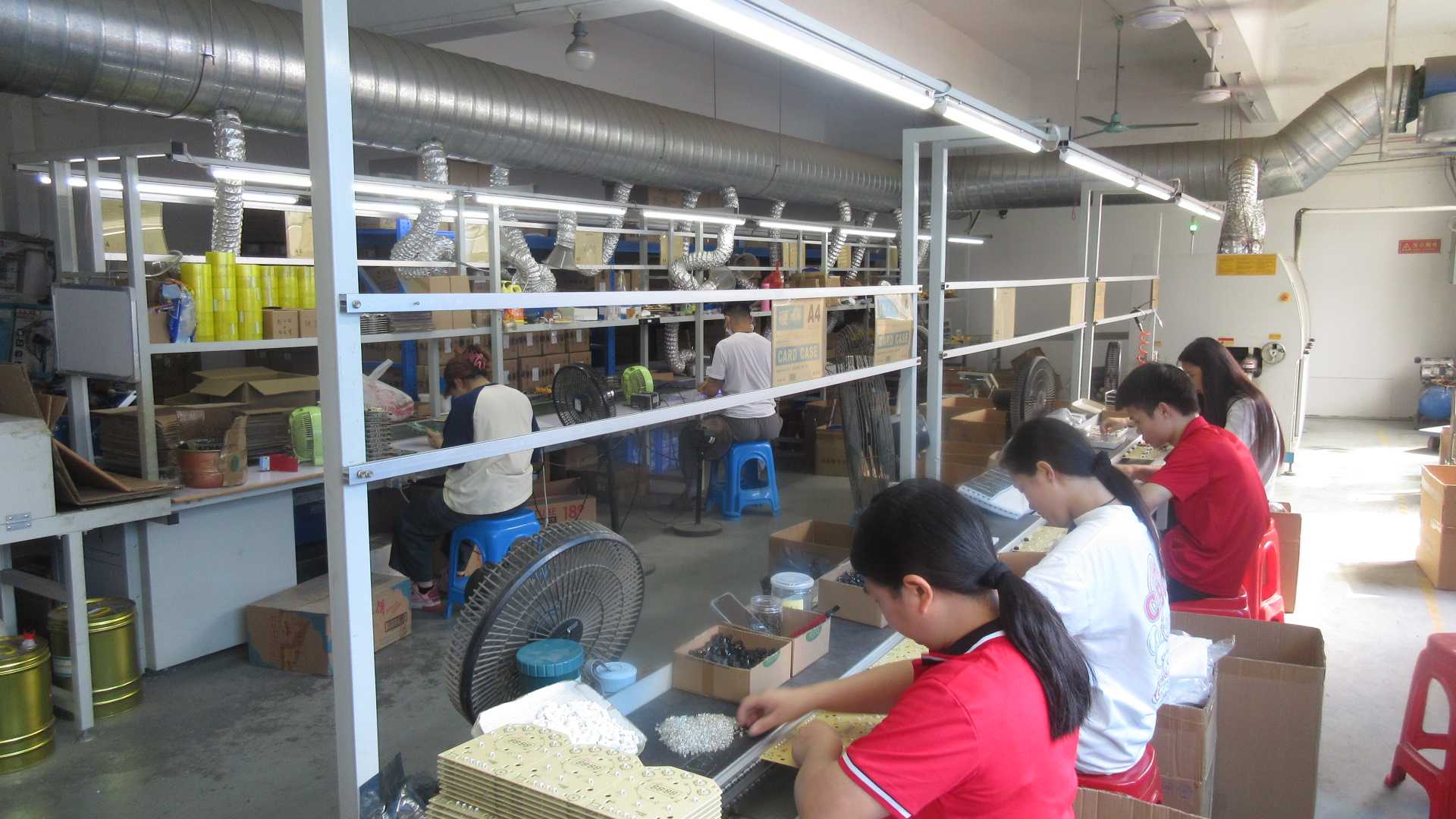
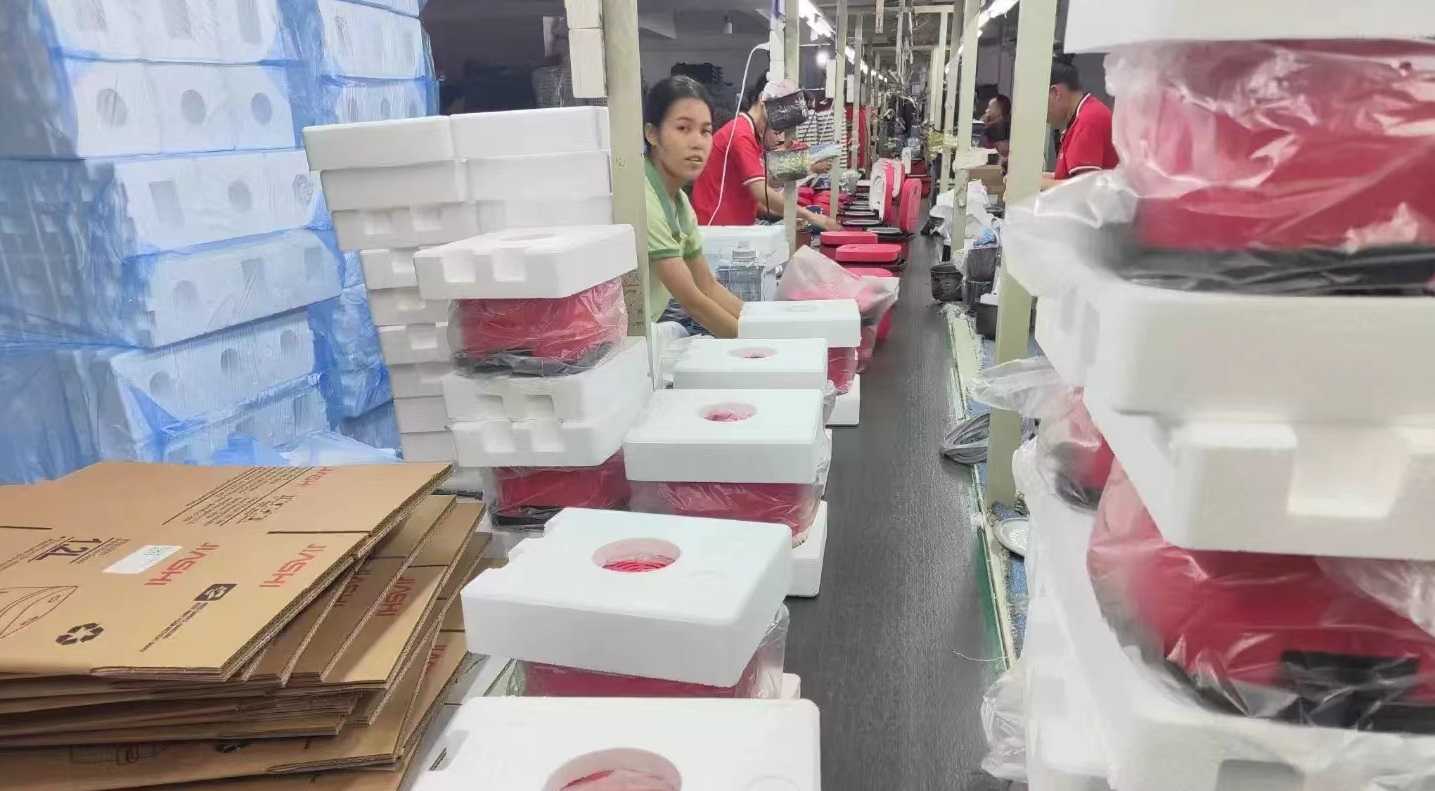
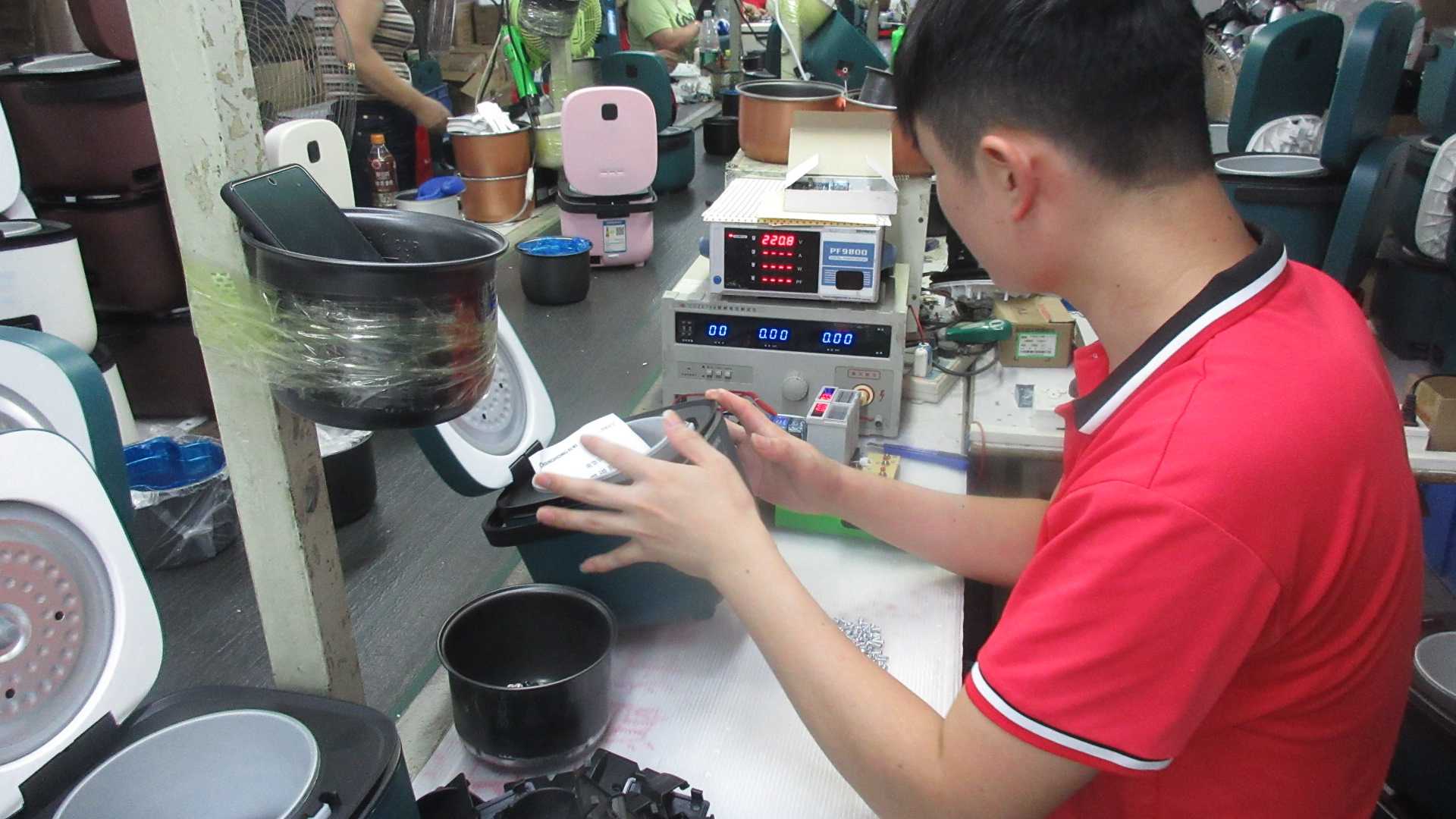
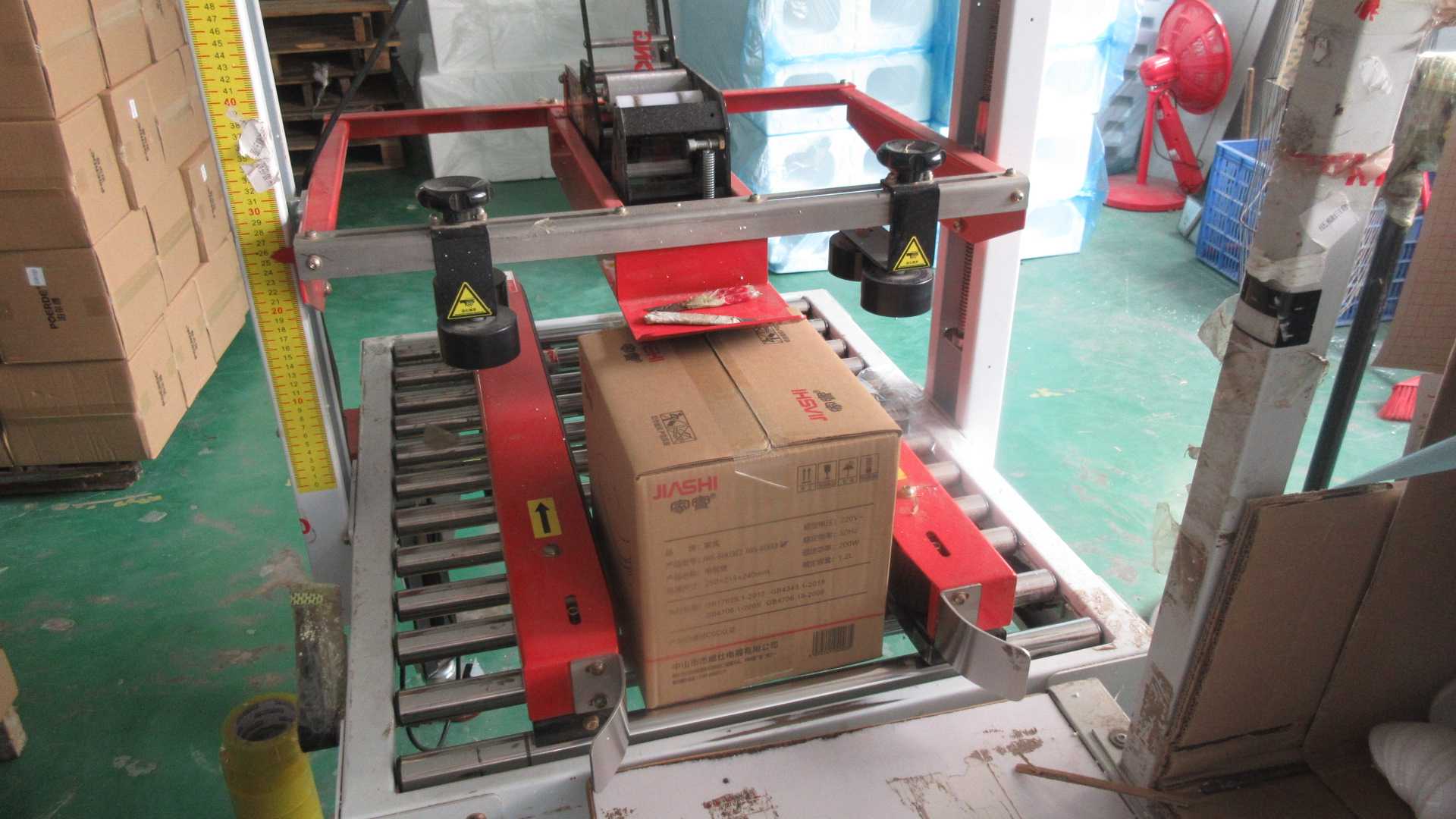
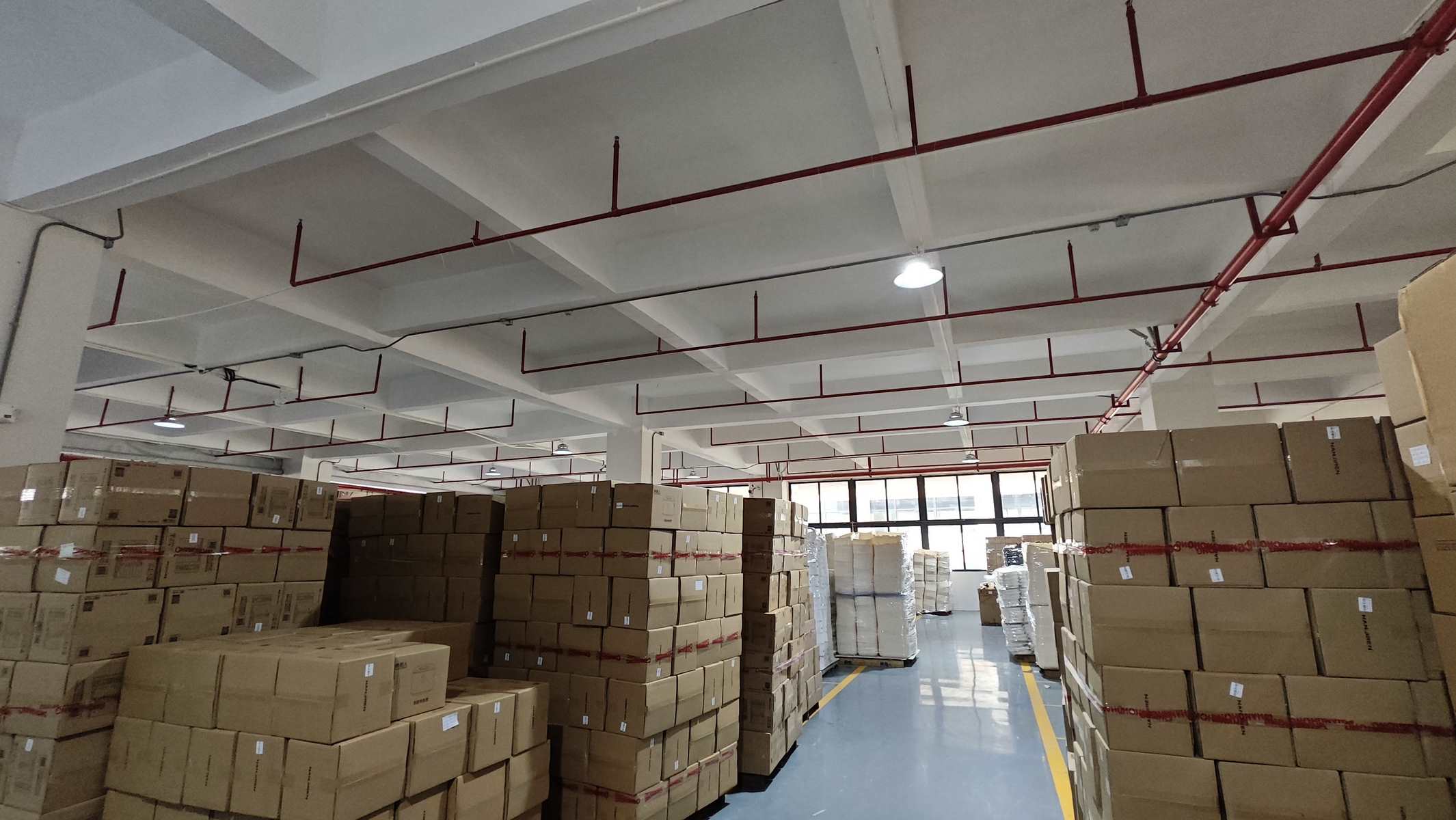
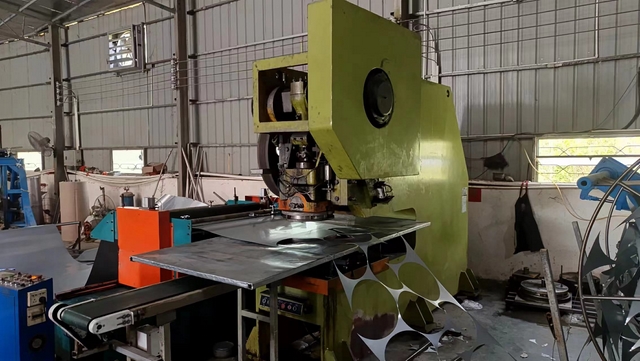
Modern manufacturing systems within the China Factory 4.0 architecture demand complete digital traceability. By utilizing advanced automated cutting production lines and mechanical stamping mechanisms, the structural tolerance of each custom steamer basket is restricted to less than 0.05 millimeters. In parallel, advanced processing techniques guarantee that edges are deburred and polished, preventing particulate traps that could harbor biological pathogens in high-humidity food services.
Moreover, our integration of electronic PCB production lines demonstrates our technological readiness. Modern high-capacity kitchen setups increasingly employ digital monitoring devices, microprocessors, and smart temperature configurations. By maintaining internal assembly lines for both metallurgical components and advanced electronics, we guarantee seamless fitment, rugged connectivity, and operational reliability for smart-steaming apparatuses worldwide.
Pioneering smart control, ecological materials, and automated production pathways.
Deploying advanced biocompatible surface coatings and non-toxic processing methods. Minimizing waste footprint via high-density nesting programs during raw material slicing.
Designing smart cookware platforms embedded with micro-sensors. These communicate thermal state data and pressure variables to cloud management portals in real time.
Migrating energy inputs toward solar integration. Implementing high-efficiency recycling processes for standard stamping drops to support sustainability milestones.
The trajectory of global kitchen hardware focuses on automation and circular sustainability. In response to carbon border adjustment mechanism (CBAM) frameworks in European and North American markets, our engineering focus encompasses both raw material tracing and process energy efficiency. By working to optimize power usage on stamping presses and laser welding machines, we aim to systematically lower the carbon load per unit.
Looking ahead, the integration of smart sensory components will alter commercial cooking workflows. Sensor systems integrated within steamer baskets will communicate with automation hubs, enabling precise modulation of steam input according to the volume, density, and nature of the raw food inputs.
Customized product structures engineered for specific commercial, retail, and hospitality channels.
Heavy-duty, stackable, food-grade stainless steel assemblies designed to withstand continuous high-pressure operations. Structured to optimize kitchen layout and throughput.
Aesthetic, consumer-ready designs bundled with customizable, eco-friendly retail packaging. Optimized dimensions designed to fit standard home cookware ranges.
Precision-tailored shapes, custom-engineered perforation sizes, and collapsible geometry profiles designed to integrate with automated commercial processing lines.
Enterprise operations demand highly specific configurations depending on their service channel. For instance, commercial catering structures focus on high-frequency sanitization protocols and physical resistance to deformation under rapid temperature shifts. Conversely, retail lines focus on space-saving storage profiles, nesting capabilities, and premium tactile surfaces.
By utilizing advanced production design capabilities, Guangdong Picky Kitchen Co. Ltd. offers comprehensive OEM and ODM support. We assist engineering projects from the initial finite element analysis (FEA) to simulated structural stress tests, ensuring the final physical geometry functions optimally in the field.
Ensuring reliable raw material traceability, structural testing, and supply chain accountability.
Quality starts with the selection of correct raw alloys. Standard commercial steamer baskets rely heavily on AISI 304 (1.4301) or AISI 316 (1.4401) stainless steel. These alloys offer high resistance to intergranular corrosion and chemical oxidation from acid-dense foods. Our factory inspects each incoming batch of raw steel coils using optical emission spectrometry (OES) to verify chromium, nickel, and molybdenum content before drawing or punching operations.
Furthermore, structural design parameters must account for mechanical pressure changes during steam cycles. Our tooling engineers design products with support ribs and reinforced rims to minimize heat distortion. This prevents structural shifting during extended thermal cycles, ensuring proper stackability over many years of operation.
Every shipment goes through systematic testing to confirm performance. Our factory floor implements standard quality gates at critical production steps. We evaluate surface roughness with digital profilometers to guarantee post-electropolishing metrics are below Ra 0.8 μm, limiting food adhesion and bacterial growth.
Our quality control protocols test mechanical strength under high thermal loads, salt spray resistance, and seal integrity for hybrid configurations. This diligent process documentation helps our global distribution partners successfully clear strict port-of-entry compliance audits.
Navigating regional standards, global safety certifications, and international logistics.
Our product configurations strictly comply with major food-contact regulations, including US FDA standards, EU LFGB guidelines, and DGCCRF guidelines for safety and performance.
We provide comprehensive container packing optimizations, export customs clearance documents, and flexible shipping options (FOB, CIF, DDP) to simplify international transport.
We offer technical assistance for tooling modifications, quality tracking, and component replacement support, protecting you from supply chain delays.
Sourcing kitchen hardware internationally requires navigating complex, market-specific safety certifications. From verifying chemical migration metrics to completing physical drop tests, our engineering department manages the validation steps required for product compliance.
Through close communication between our production planners and global logistics partners, we prevent customs bottlenecks. Providing detailed material analysis reports and certificate declarations of conformity ensures smoother import processing at your destination ports.
Professional answers to common engineering, logistics, and manufacturing questions.
For standard applications, AISI 304 (1.4301) provides reliable corrosion resistance and excellent value. In environments handling high-salt marinades or acidic liquids, we recommend AISI 316 (1.4401). This grade contains molybdenum, which helps prevent pitting and localized corrosion over extended heating cycles.
Our engineers prevent warping through intentional structural design, such as adding perimeter ribbing and structural curls to the edges. We also perform finite element analysis (FEA) to confirm proper stress distribution and heat transfer before starting volume production.
The typical timeline is 30 to 45 days. This includes 15 to 20 days for custom tooling fabrication and sample validation, followed by 15 to 25 days for automated volume stamping, robotic assembly, polishing, inspection, and packaging.
Our materials comply with FDA, LFGB, and RoHS standards. We test raw steel and coatings through accredited labs like SGS and TÜV, ensuring our shipments meet the safety requirements of North American and European markets.
We use electropolishing to level microscopic surface peaks, reducing roughness to less than Ra 0.8 μm. This smooth finish helps prevent food particles and bacteria from adhering to the surface, making cleanup faster and more reliable.
Yes, we provide custom branding using fiber laser marking or integrated logo stamps during production. Our standard production MOQ is typically 1,000 units, though we can accommodate smaller initial runs for verified custom projects.
We pack products with customized foam inserts, polybags, and heavy-duty, five-layer double-wall cartons. These carton designs undergo standard ISTA drop testing to ensure they protect the products during overseas shipping and domestic freight handling.
Each batch of raw steel is tracked with its heat code. Material certificates are recorded in our production system, allowing us to trace every finished batch back to the original coil and chemical analysis report.
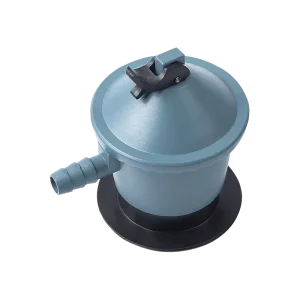
Browse our wider selection of commercial kitchen components, custom baking sheets, and pressure regulators.