Picky Kitchen
Picky Kitchen
Picky Kitchen
Streamlining supply lines with high-performance kitchenware, functional accessories, and precision-engineered parts.
Integrating metallurgical precision with structural hardware systems to power global consumer brands.
Guangdong Picky Kitchen Co. Ltd. was established in 2005 and has grown into a diversified and innovation-driven enterprise specializing in kitchen hardware and functional home hardware systems. Centered on research, design, manufacturing, and global distribution, the company is dedicated to delivering high-quality, integrated kitchen hardware solutions for customers worldwide. The company firmly believes that the kitchen is not only a functional space for cooking, but also a key reflection of lifestyle quality. Guided by this philosophy, it consistently pursues the integration of functional excellence and aesthetic innovation.
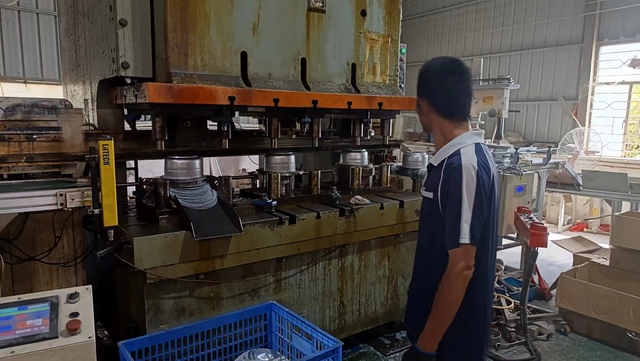
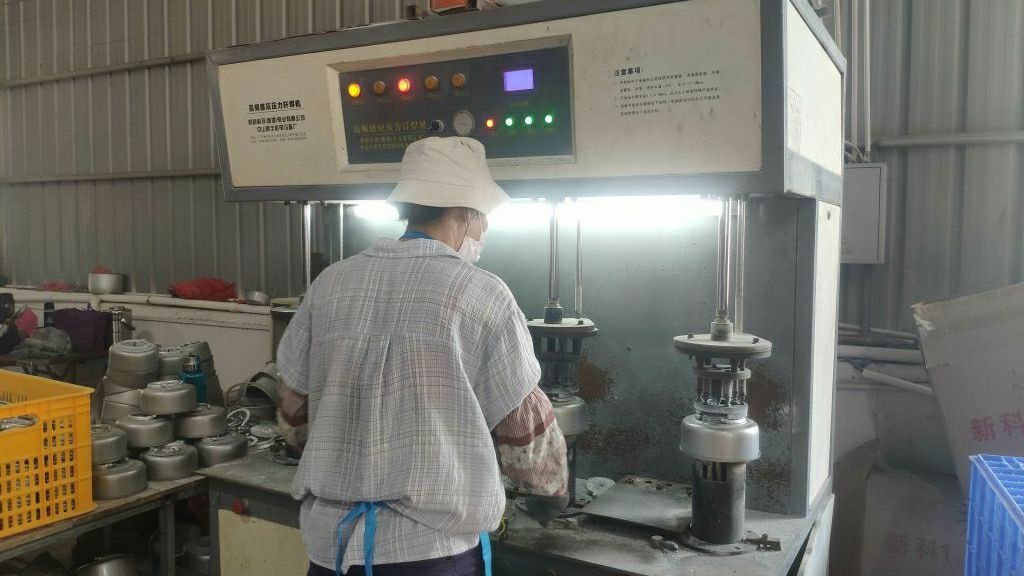
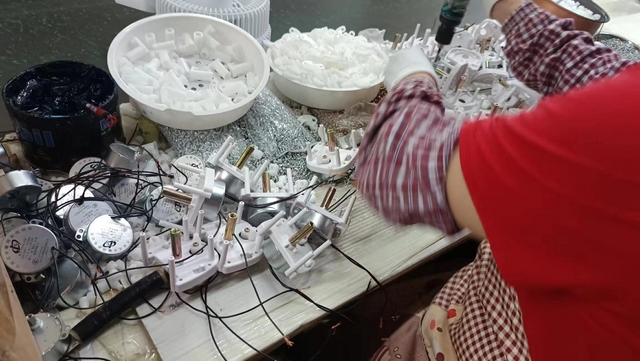
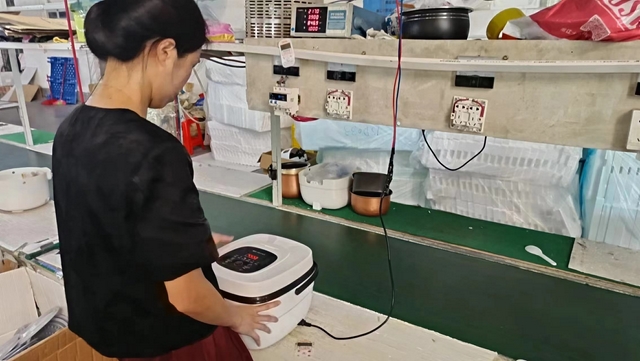
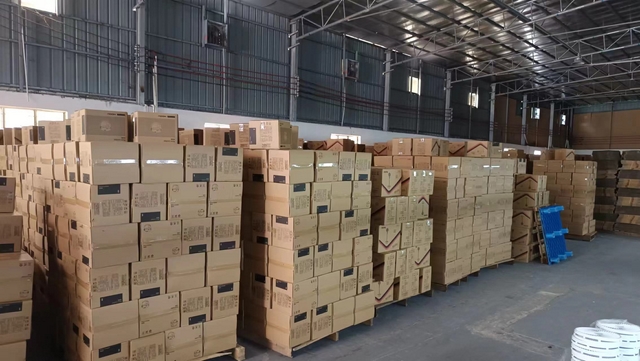
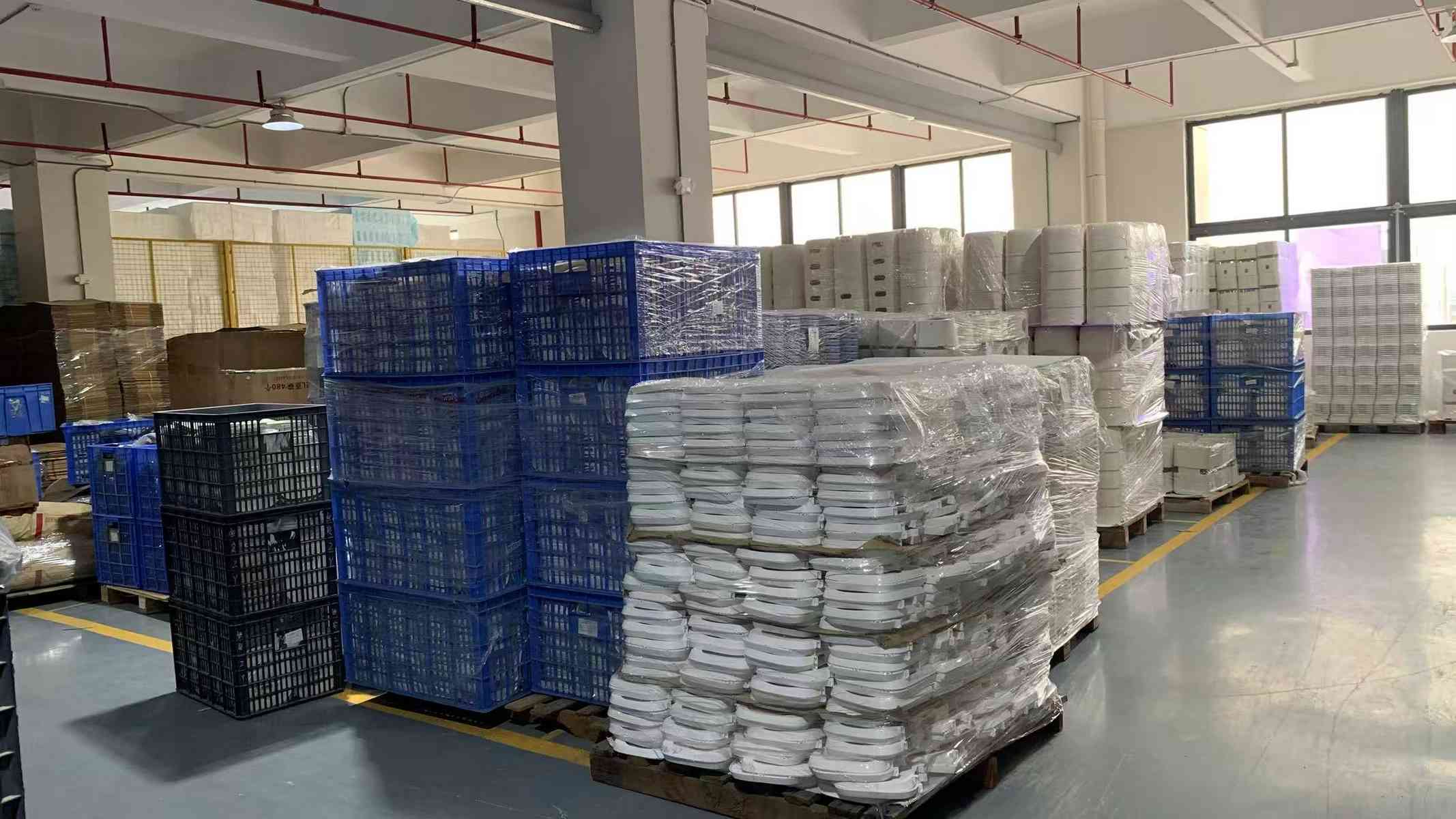
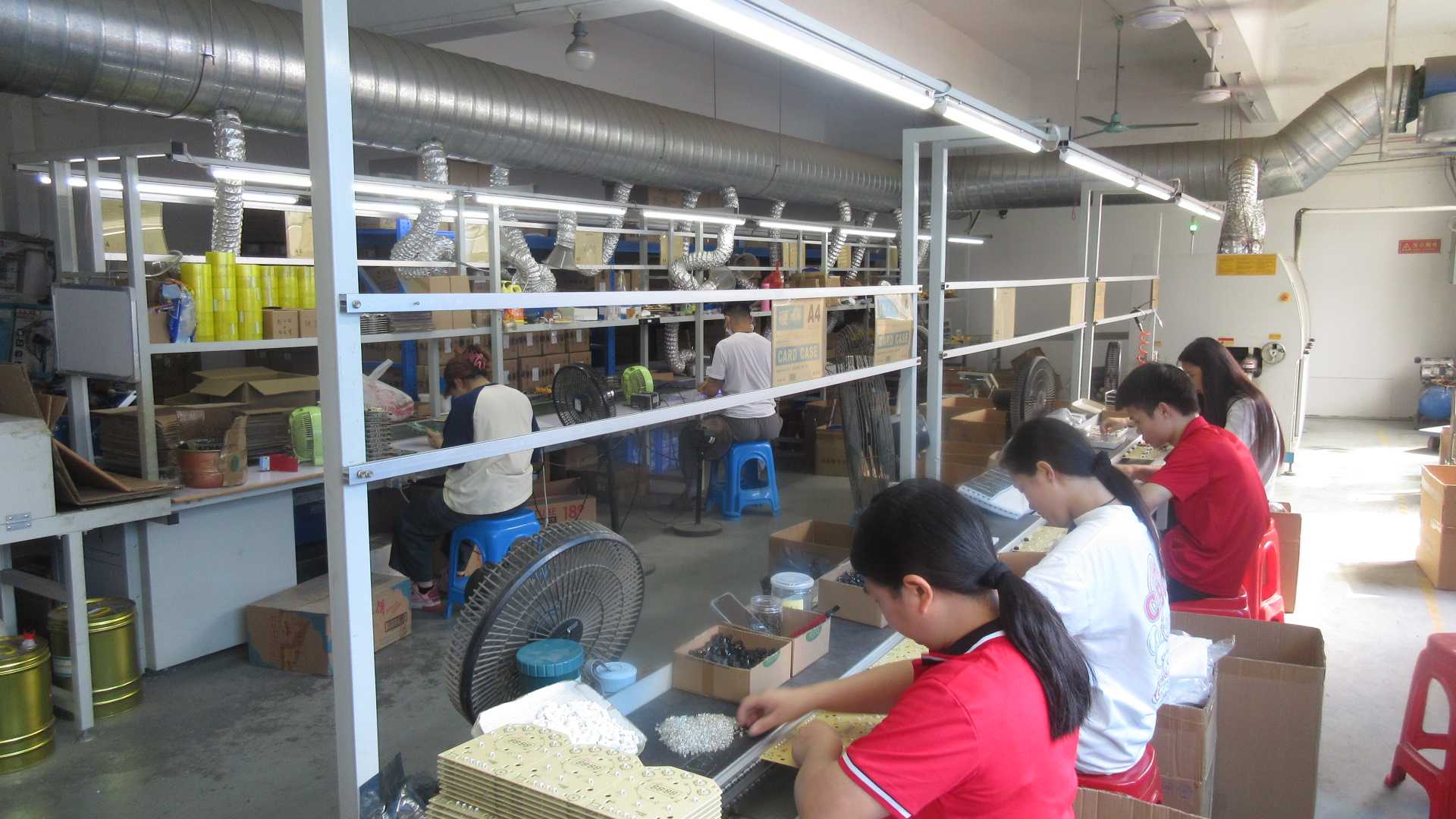
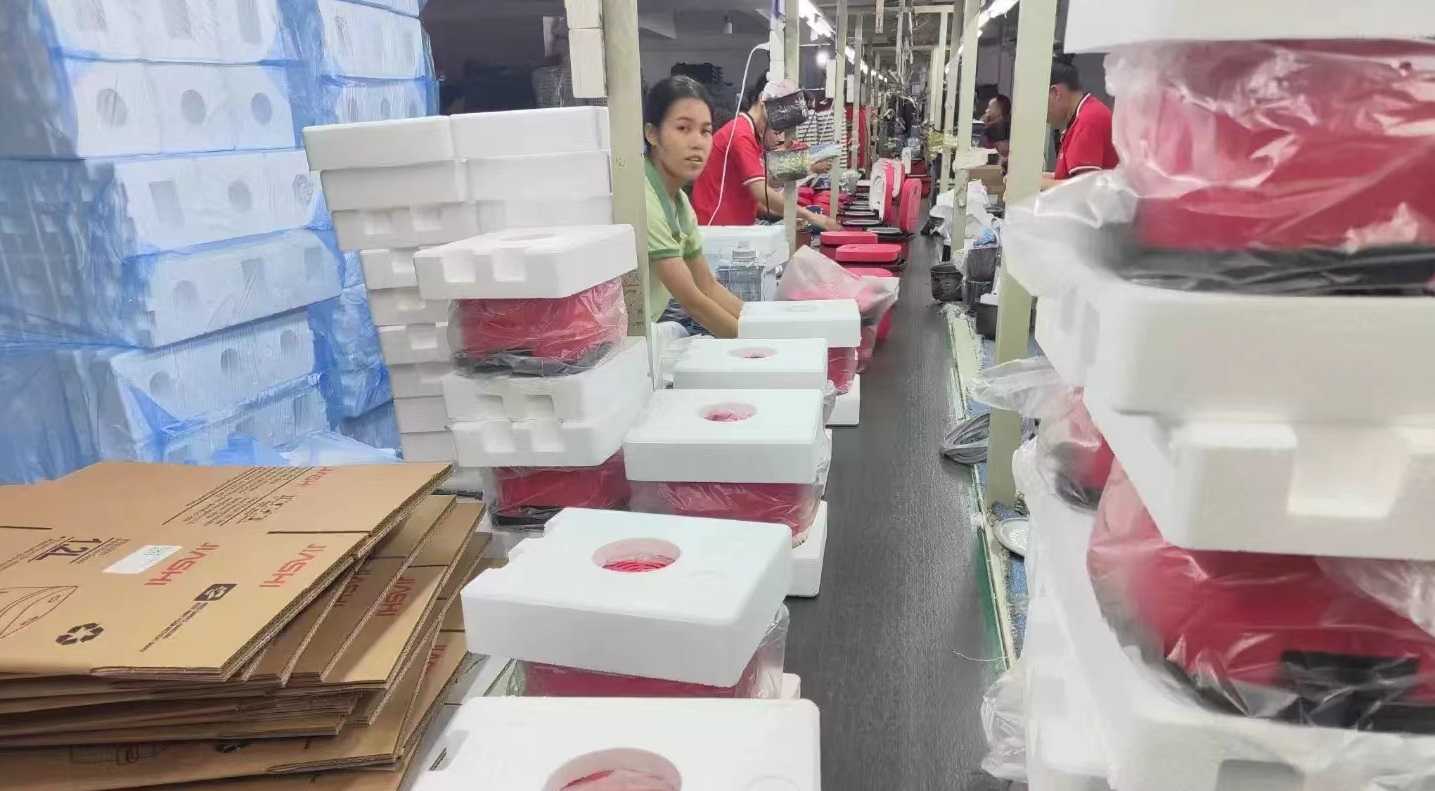
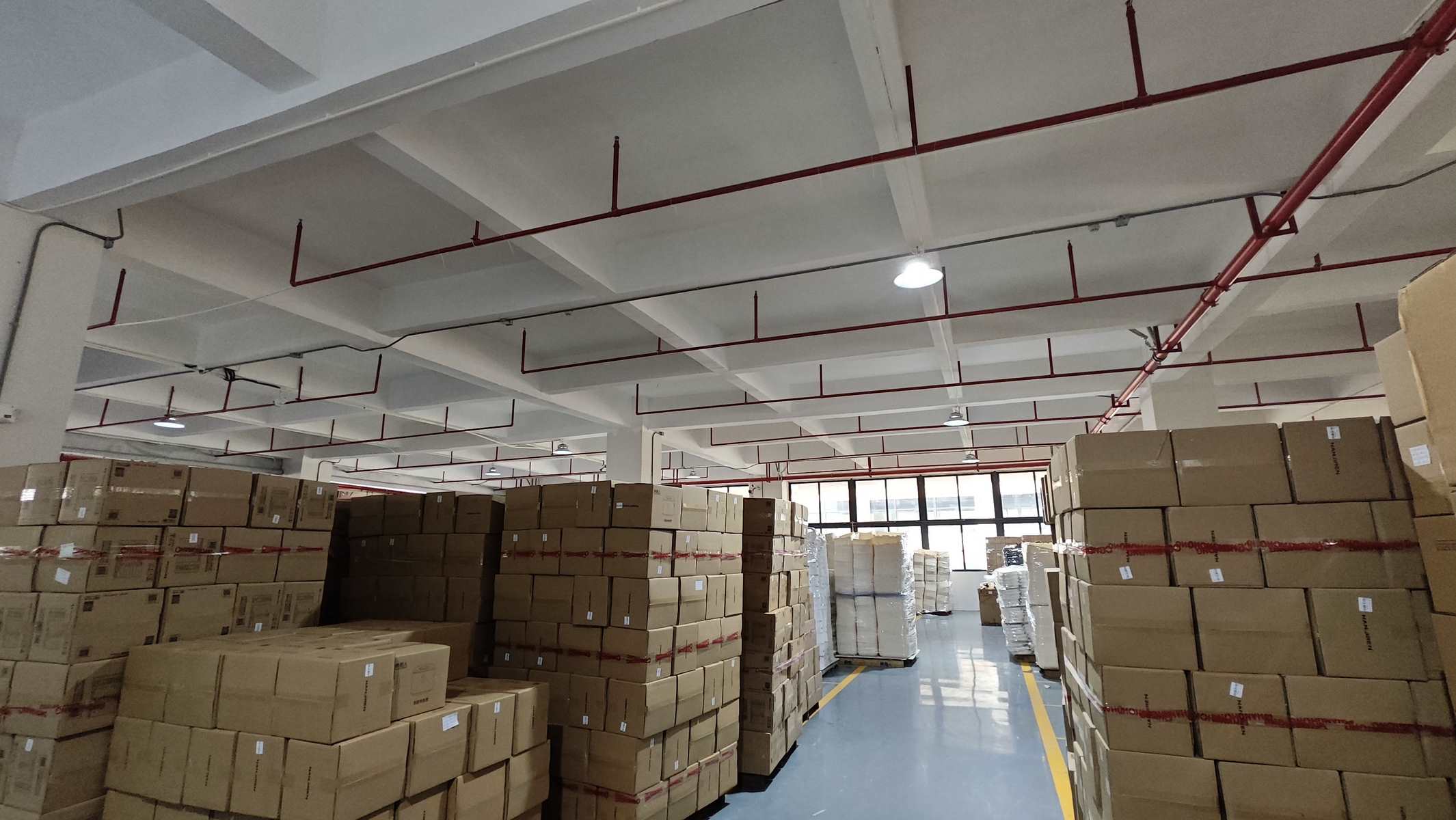
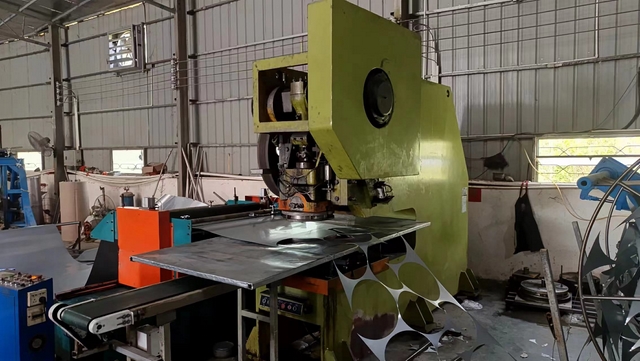
The company operates a modern manufacturing facility covering approximately 12,000 square meters, equipped with advanced production lines and comprehensive quality control systems. This facility serves as the backbone of its manufacturing capability, ensuring both efficiency and product consistency. Its production scope includes structural component design, precision stamping and die-casting, CNC machining, automated tool processing, mold development and fabrication, laser welding, assembly, and final testing. This full-chain manufacturing system enables Guangdong Picky Kitchen Co. Ltd. to provide one-stop solutions while maintaining strict control over quality and lead times, as well as responding quickly to customized client requirements.
By leveraging extensive precision metal fabrication and structural thermal dynamics, we bridge the gap between heavy-duty cast iron metallurgy and integrated smart kitchen appliances. Our cross-disciplinary engineering ensures that cast products meet precise geometric dimensions, optimized thermal distribution, and compliance requirements for high-frequency use in demanding consumer markets.
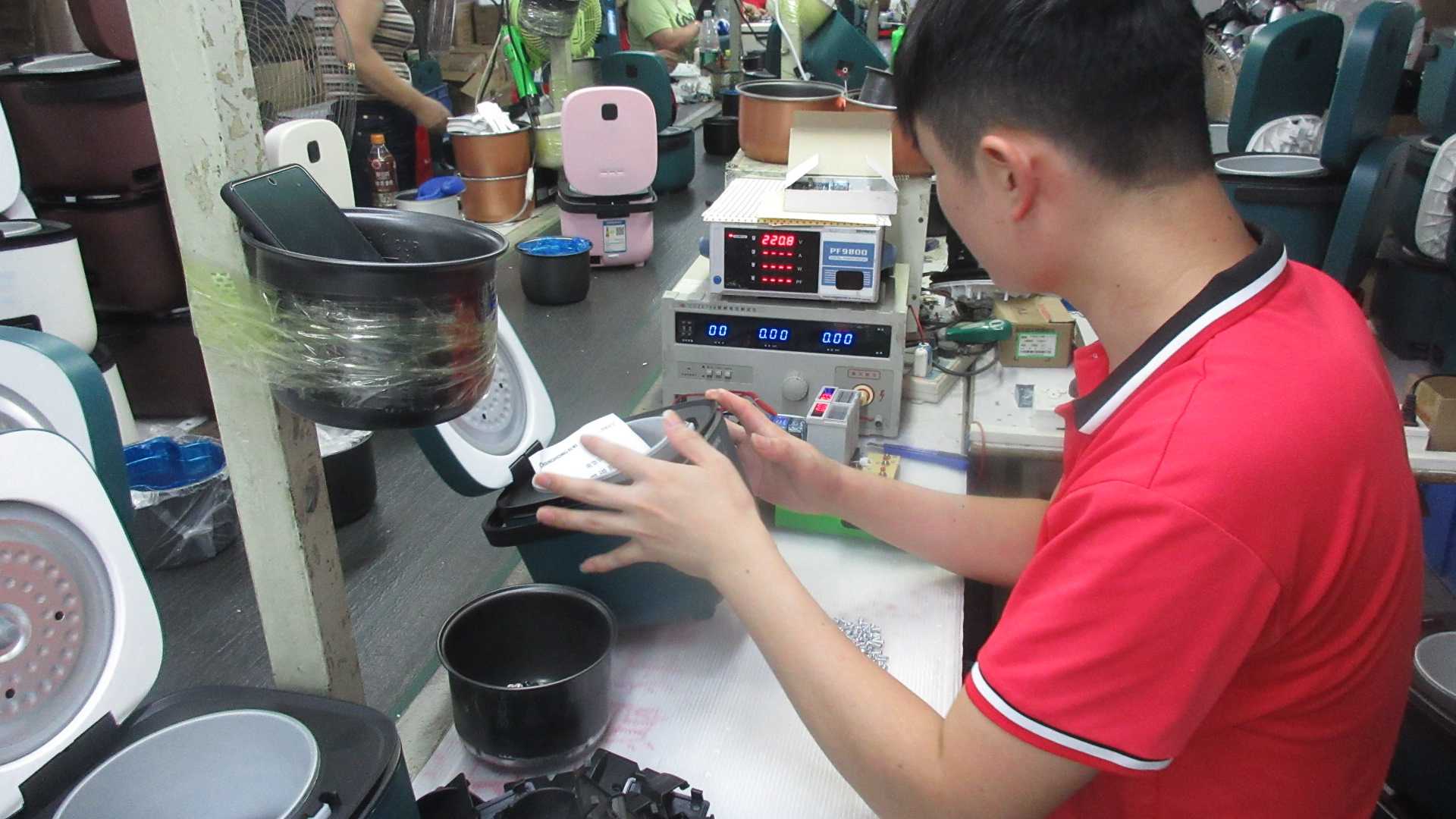
Analyzing the material science, casting automation, and thermal metrics that define our manufacturing process.
In B2B cookware supply chains, a premium cast iron skillet is defined by material stability, surface tension, heat retention dynamics, and long-term mechanical resilience. Transitioning from traditional sand casting to automated DISA line casting ensures that every single batch exhibits uniform wall thickness and precise density. Here, we outline the roadmap of modern cast iron skillet engineering.
High-grade cast iron requires an optimal balance of iron, carbon (typically 3.2% to 3.6%), and silicon (1.8% to 2.2%). Silicon acts as a graphitizer, encouraging the formation of grey iron flakes rather than brittle white iron. This micro-structural control provides the excellent thermal dampening capacity and structural resilience necessary for high-heat cooking. Every batch undergoes optical emission spectrometry (OES) analysis to verify compliance with international standards before casting begins.
Our strategic manufacturing lines employ Disamatic (DISA) vertical molding systems. Unlike traditional horizontal flasks, DISA molding utilizes high-pressure vertical sand molds, resulting in:
| Technical Characteristic | Traditional Sand Casting | DISA Automated Precision Casting | Strategic Advantage |
|---|---|---|---|
| Wall Thickness Tolerance | ±0.8 mm to ±1.5 mm | ±0.15 mm to ±0.3 mm | Eliminates hot-spots; improves thermal uniformity. |
| Surface Roughness (Ra) | Ra 12.5 - 25 μm | Ra 3.2 - 6.3 μm | Optimizes organic seasoning oil molecular bonding. |
| Tensile Strength (MPa) | 120 - 150 MPa | 180 - 220 MPa | Higher resistance to cracking under thermal shock. |
| Microstructure | Coarse, uneven pearlite | Fine pearlite matrix with Type-A graphite | Superior heat storage capacity and mechanical life. |
The seasoning process involves the thermal polymerization of lipids. Under controlled temperatures (typically exceeding 260°C / 500°F), thin layers of organic oils (such as flaxseed, canola, or soybean oil) are applied to the cast iron surface. The heat causes these fatty acids to oxidize and cross-link into a hard, plastic-like polymer layer that bonds to the micro-pores of the iron. Our multi-stage seasoning tunnels ensure that each skillet receives 3 to 5 layers of electrostatic oil seasoning, forming a durable, hydrophobic barrier right out of the box.
How ecological manufacturing, automated processes, and smart technologies are reshaping the cookware industry.
We are proactively developing bio-based surface treatments and low-VOC (volatile organic compound) coatings. Transitioning to vegetable-derived coating oils and minimizing reliance on synthetic chemicals reduces the carbon footprint and guarantees a chemical-free seasoning layer for consumer safety.
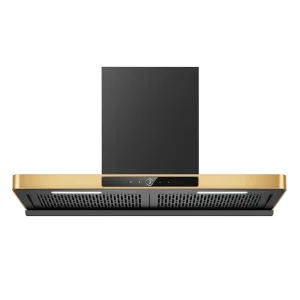
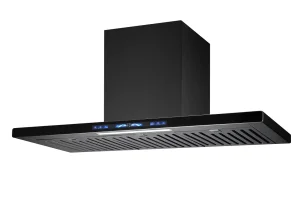
Collaborating with internal R&D groups specializing in PCB assemblies and smart kitchen hoods, we are working on embedded sensor technology. These sensors communicate real-time thermal performance to induction cooktops and hoods, paving the way for semi-automated smart home setups.
Our manufacturing facility aims to reduce emissions through waste heat recovery and electric induction furnace technology. Using clean energy sources lowers indirect emissions and provides B2B clients with green manufacturing credentials.
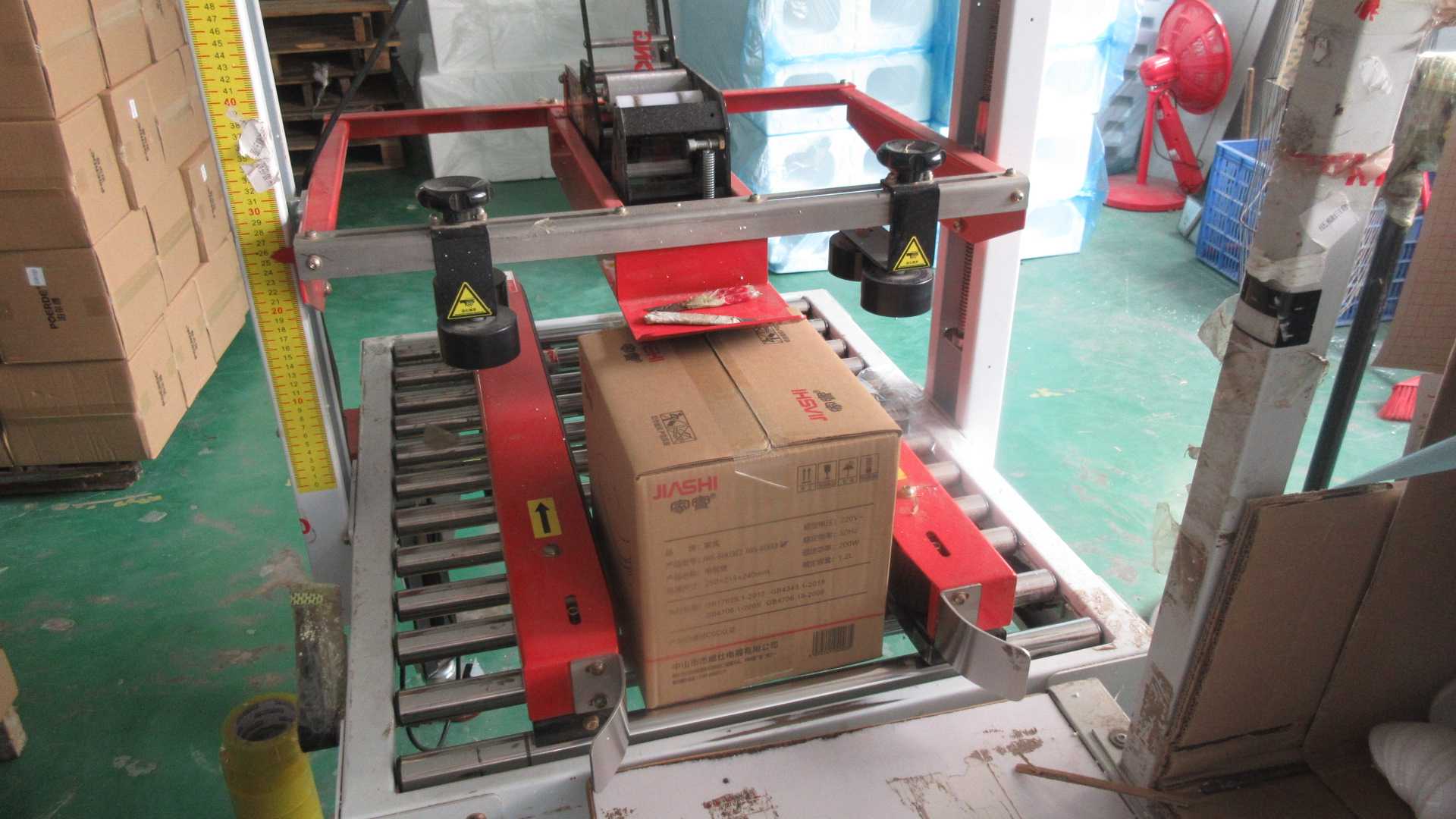
In today's fast-changing global trade landscape, buyers look for factories that offer more than just low manufacturing costs. They want supply chain resilience, transparency, and agility. Our 12,000 square meter plant houses automated cutting production lines, high-speed stamping systems, and automated testing devices under one roof. By keeping tool development, stamping, casting, surface finishing, and packaging in-house, we protect our production timelines from external delays.
This vertical integration allows us to adjust lead times from the typical industry standard of 60 days down to 45 days, while keeping custom tool development timelines under 25 days. By using advanced ERP tracking throughout the process, we provide real-time updates on production status, helping international clients plan their inventory and shipping schedules with confidence.
Helping international brands meet food-safety certifications and trade compliance standards.
Exporting cookware globally requires strict adherence to various food-contact regulations. As an established factory, we ensure all products comply with international safety rules, ensuring a smooth customs and retail launch process:
B2B partnerships succeed when logistics run smoothly. We offer full-service shipping support, including FOB, CIF, DDP, and door-to-door delivery. Working with top shipping partners, we help navigate import tariffs, custom clearance filings, and ocean freight logistics. Additionally, we provide custom retail packaging design, drop-test certified shipping boxes, and direct-to-warehouse labeling (FBA-compliant) to keep the supply chain moving efficiently from the factory floor to the end consumer.
Answers to technical questions about metallurgy, custom molds, and supply chain logistics.
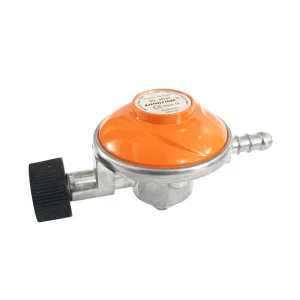
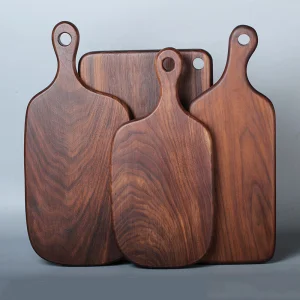
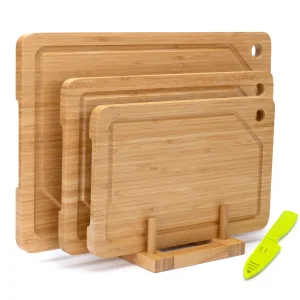
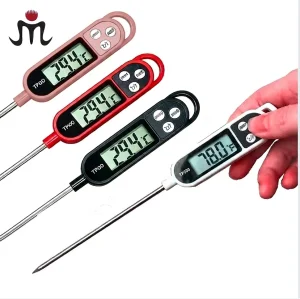
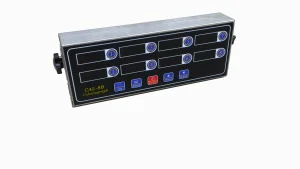
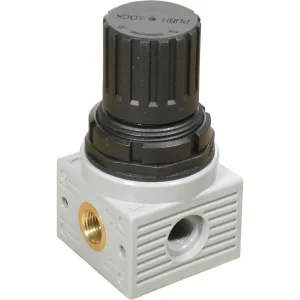
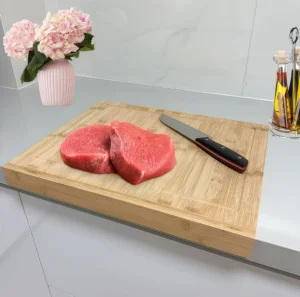
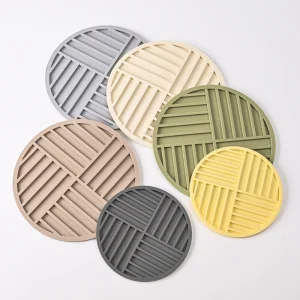
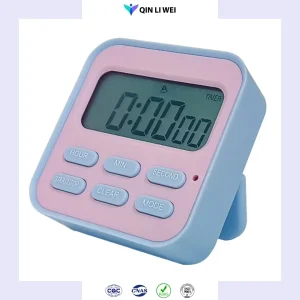
Explore our range of precision timers, pressure regulators, and wood accessories designed for commercial kitchen spaces.