Picky Kitchen
Picky Kitchen
Picky Kitchen
Explore our highly integrated product suite designed for smart cooking setups, dynamic kitchen monitoring, and professional food preparation systems.
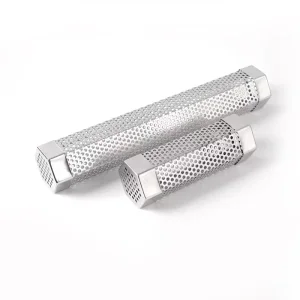


In the modern culinary landscape, the CE Certified Instant Pot (Multi-Functional Electric Pressure Cooker) has transitioned from a niche home appliance into an indispensable cornerstone of smart kitchens worldwide. As global consumer demand shifts toward energy-efficient, time-saving, and safety-validated appliances, the responsibility on OEMs, factories, and exporters has intensified. Meeting this demand requires more than simple assembly; it demands a deep alignment of metallurgical precision, PCB microprocessor integration, and absolute adherence to strict safety standards such as the EU's Conformité Européenne (CE) mark.
Our operational framework at Guangdong Picky Kitchen Co. Ltd. is built upon this precise intersection of design innovation and engineering rigor. Since our inception in 2005, we have committed ourselves to advancing smart heating mechanics, structural design, and IoT-driven culinary solutions. This comprehensive guide covers the critical factors of China's factory advantages, industrial smart cooking trends, regulatory compliances, and custom manufacturing capabilities that drive global procurement success.
Importing pressure cookers into high-regulation zones (such as the EEA) involves extensive liability considerations. CE Certification acts as an essential declaration that the product complies with the Low Voltage Directive (LVD 2014/35/EU), Electromagnetic Compatibility Directive (EMC 2014/30/EU), and RoHS. Without these verified safety measures—such as independent pressure relief mechanisms and micro-gap switch cutoffs—importers risk severe customs delays, fines, and liability issues. Selecting a factory with proven, integrated compliance protocols safeguards your supply chain and brand reputation.
The technological forces shaping the future of multi-functional cooking appliances and industrial food prep systems.
Modern instant pots integrate advanced micro-sensors and Wi-Fi/Bluetooth modules. Utilizing NTC thermistors, the system monitors temperature gradients in real-time, executing PID algorithms to dynamically adjust power inputs and pressure curves.
Double-walled vacuum insulation and optimized heating element geometry minimize thermal loss. This reduces overall energy consumption by up to 40% compared to traditional stove-top and electric boiling pots.
Modern designs require redundant protection: primary steam release valves, lid-locking pin sensors, high-temperature thermal cut-offs, and dynamic pressure-adaptive structural seals that safely release pressure in overload conditions.
Why sourcing from Southern China's premium kitchen hardware clusters delivers unparalleled cost efficiency and manufacturing reliability.
Southern China—specifically the industrial clusters of Guangdong—remains the global hub for premium kitchen hardware production. This region features a highly concentrated ecosystem of raw material refineries, PCB development facilities, mold engineers, and automated assembly operations. This concentration minimizes supply chain friction, allows rapid prototyping, and significantly reduces lead times.
At Guangdong Picky Kitchen Co. Ltd., we utilize this geographic and ecosystem advantage to offer a fully integrated OEM/ODM workflow. By managing everything from raw materials to final packaging in-house, we eliminate third-party delays and maintain a consistent standard of quality across every production run.
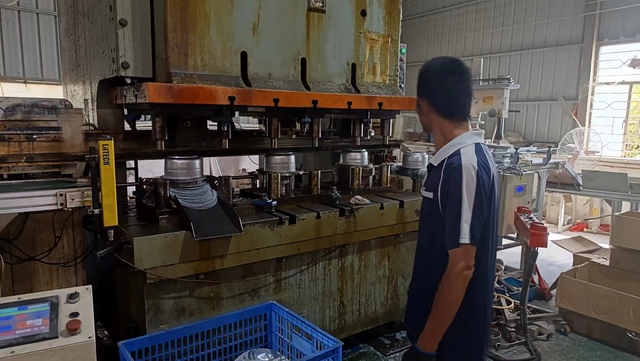
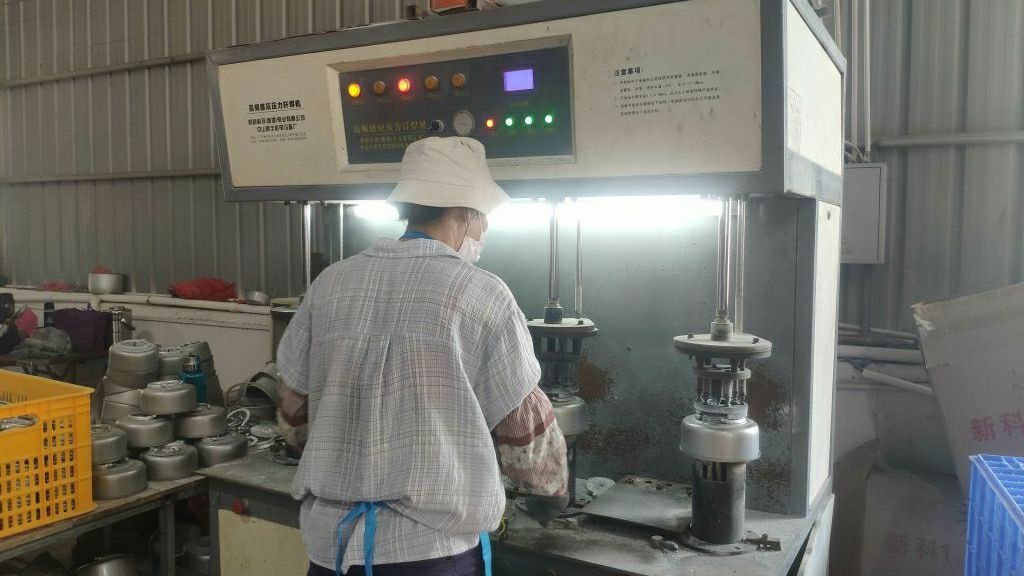
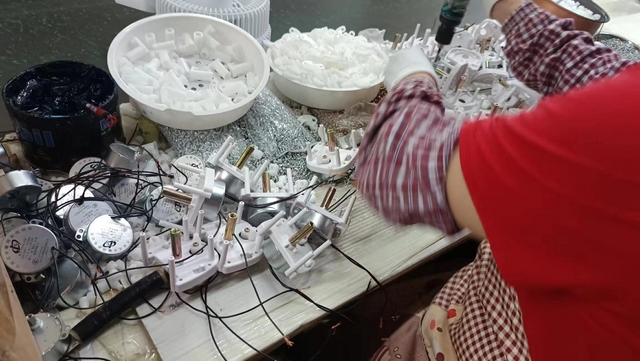
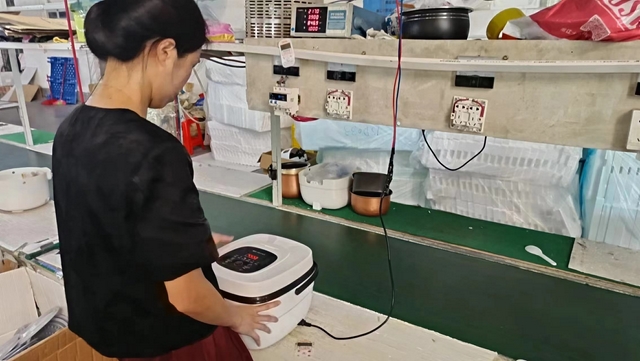
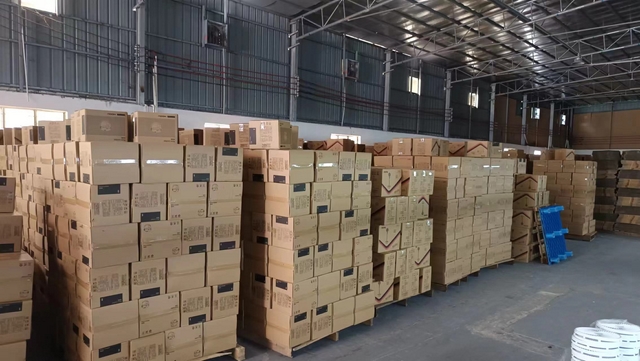
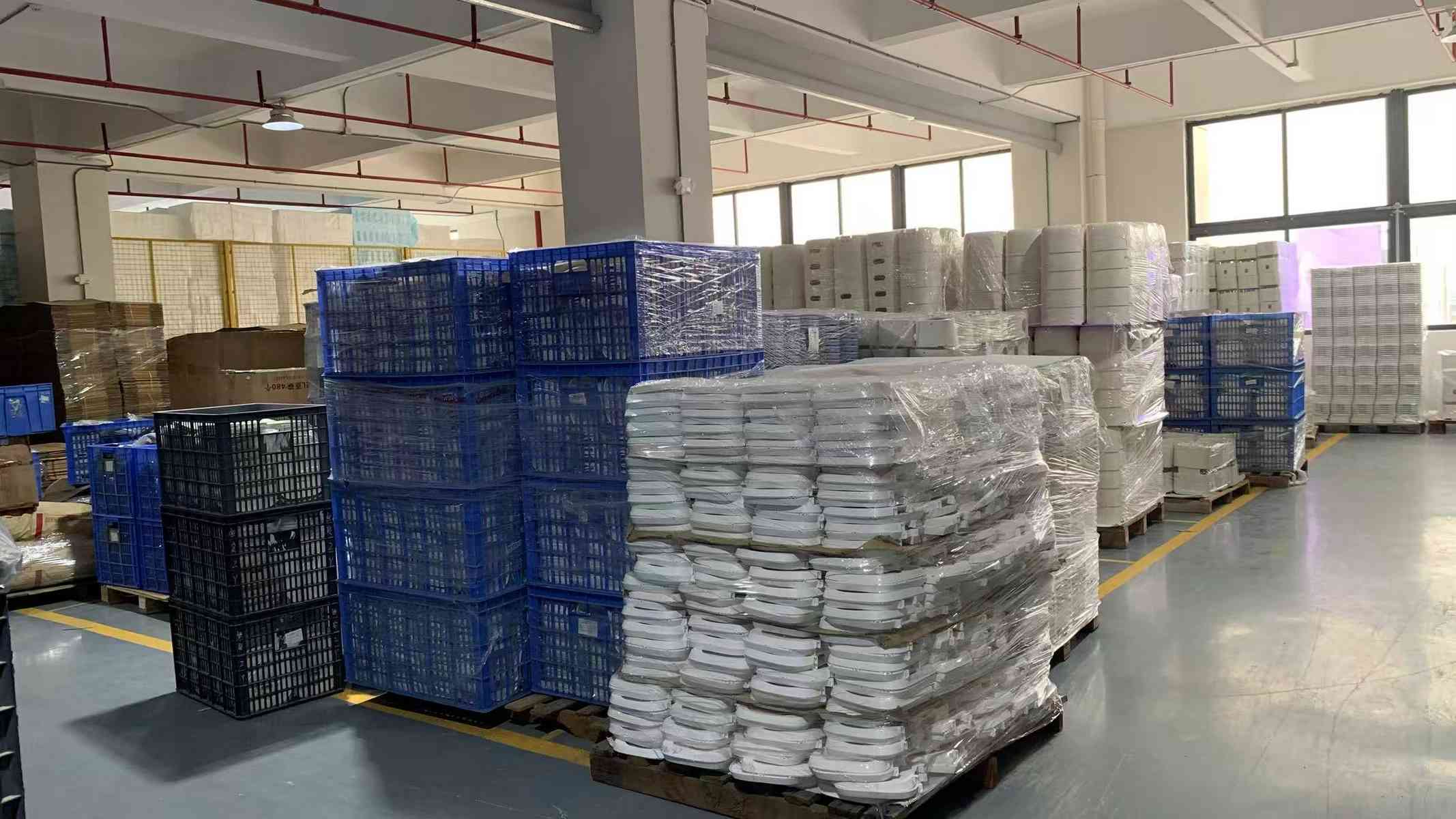
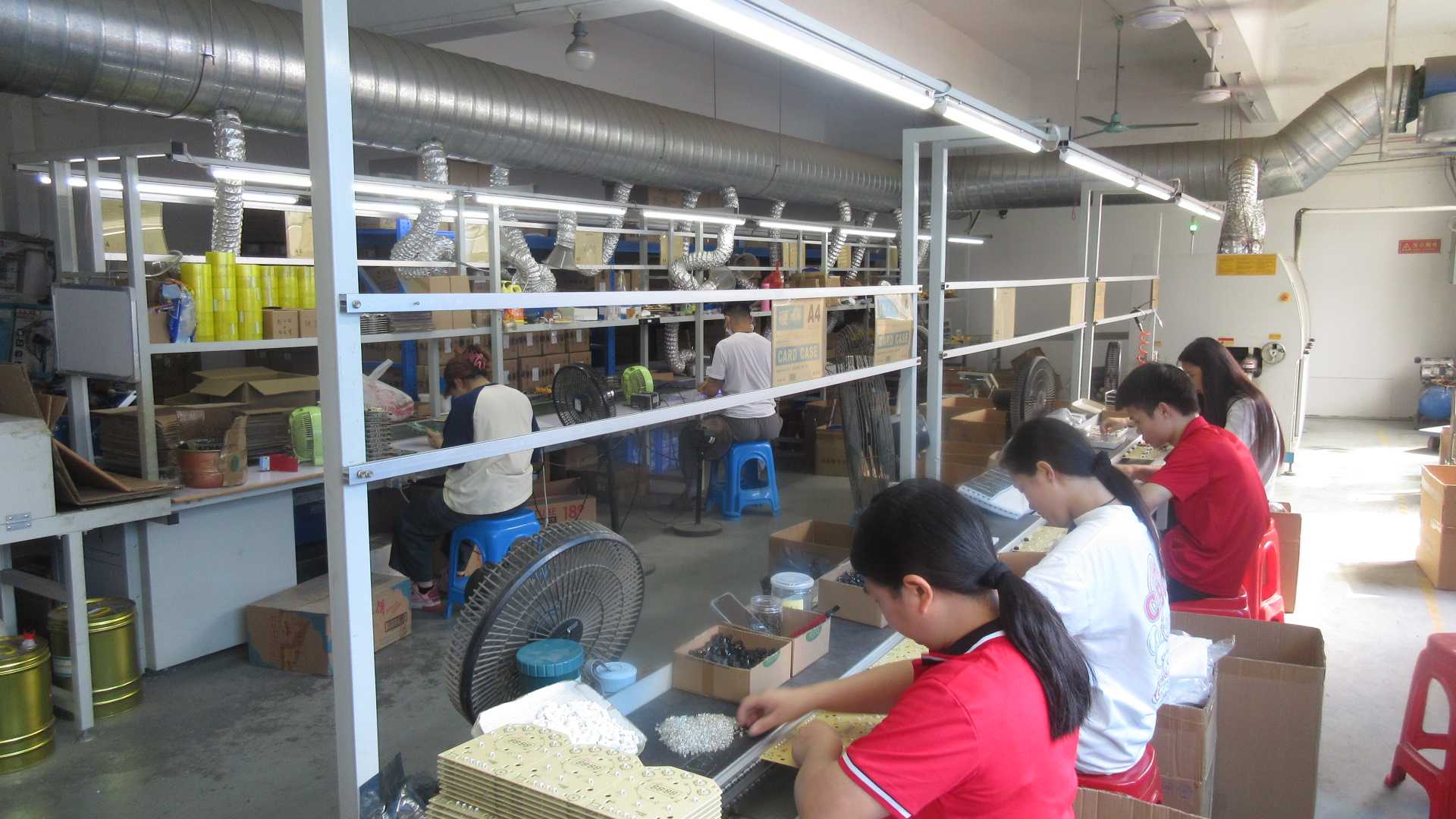
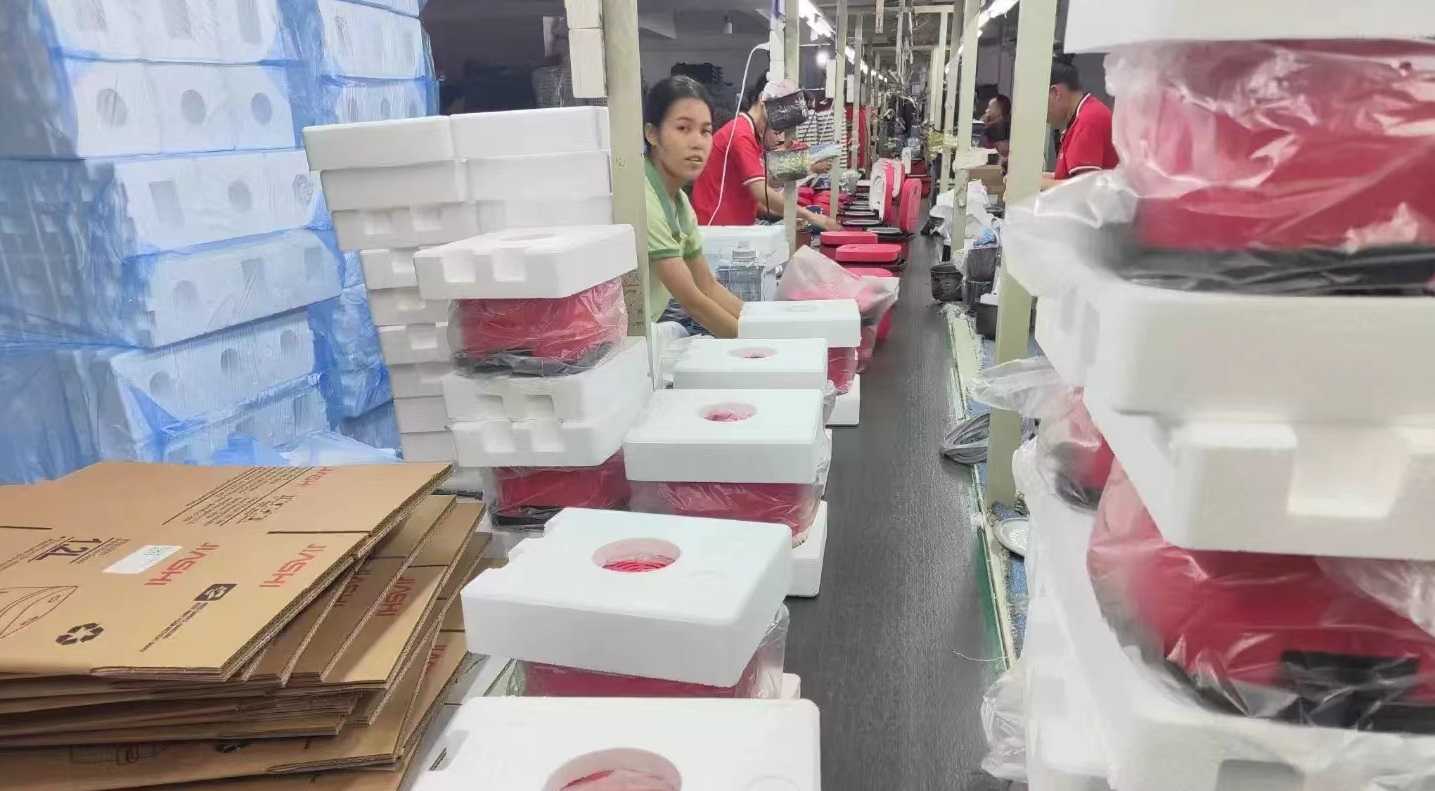
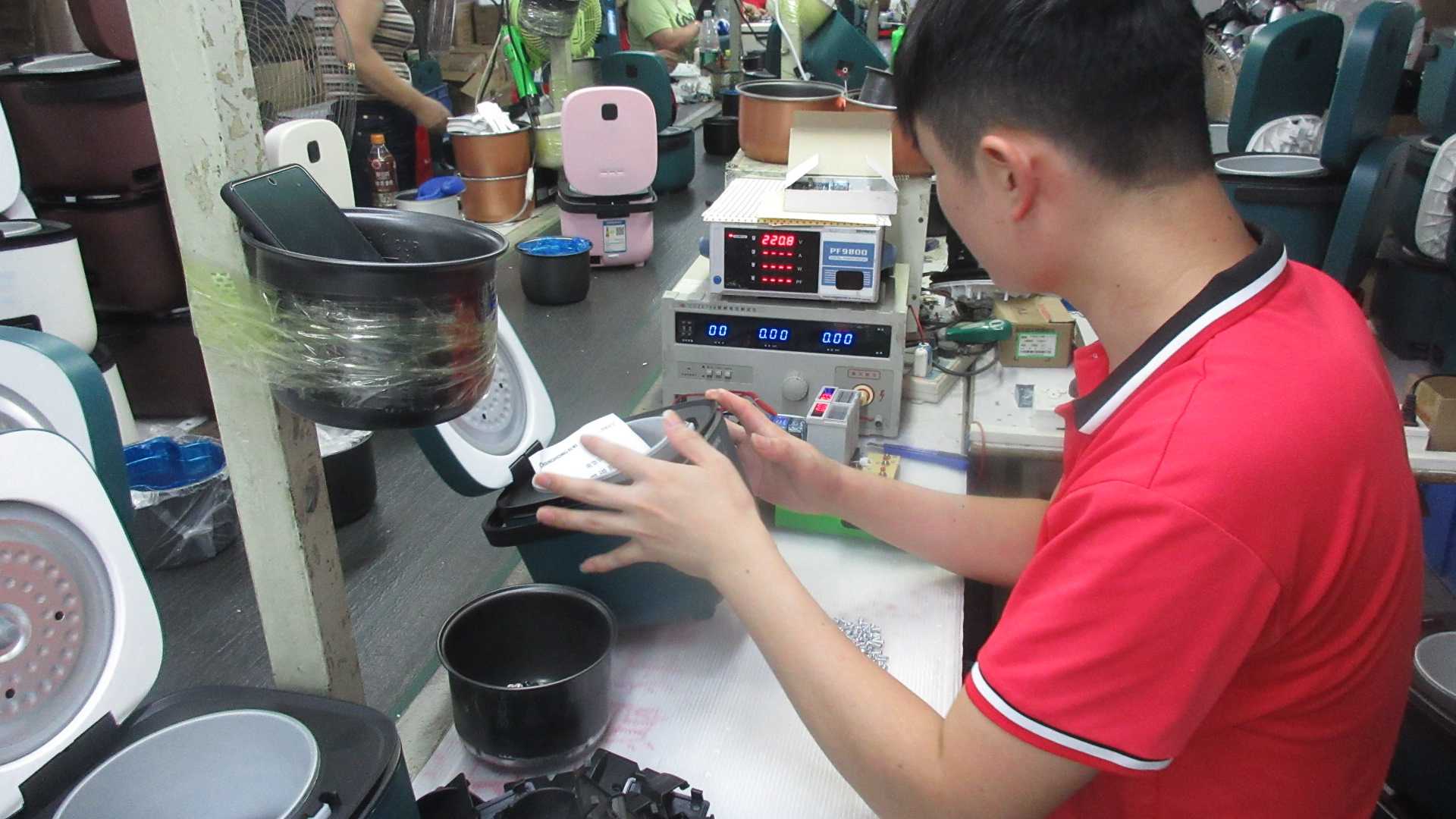
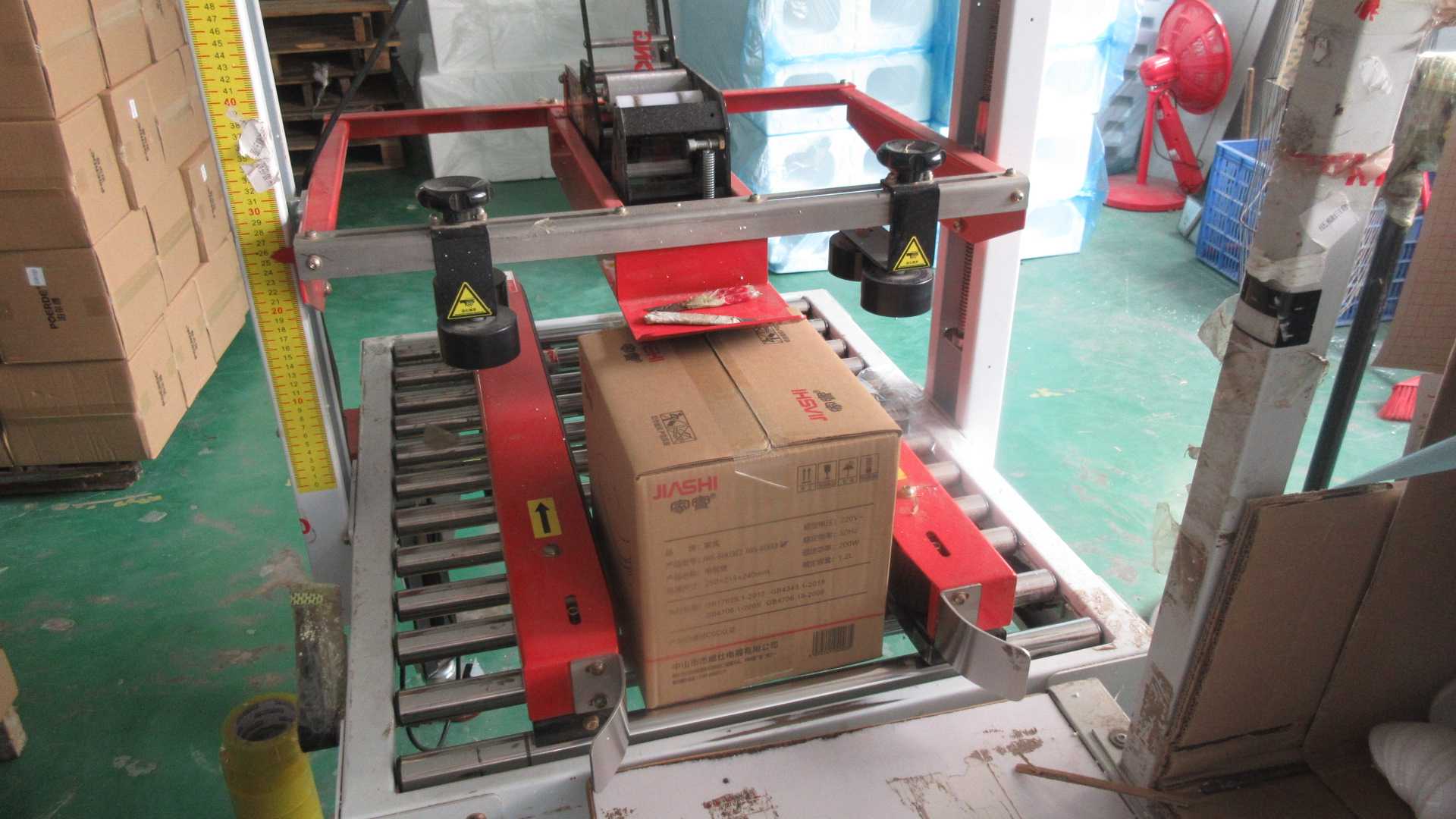
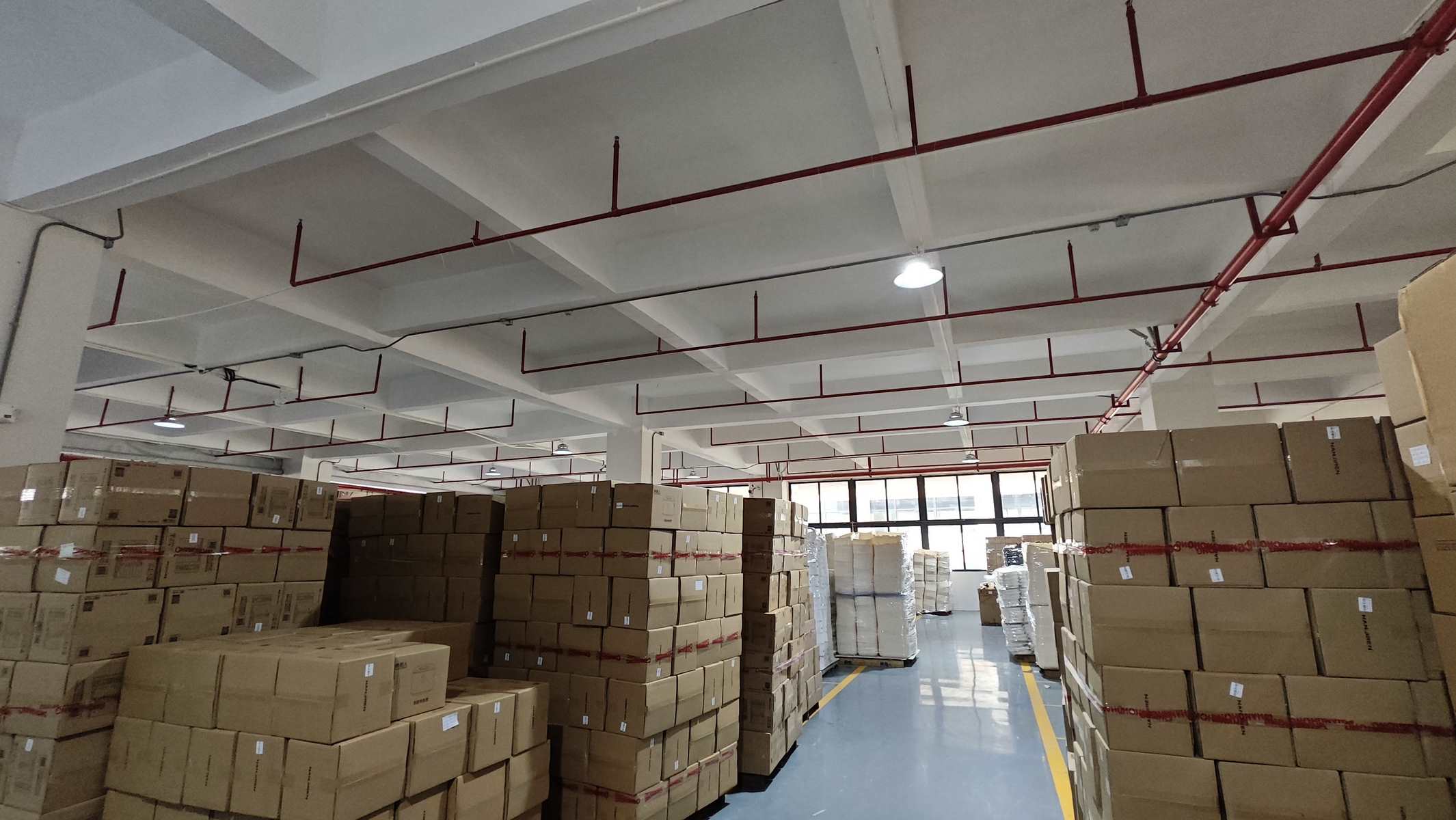
Guangdong Picky Kitchen Co. Ltd. was established in 2005 and has grown into a diversified and innovation-driven enterprise specializing in kitchen hardware and functional home hardware systems. Centered on research, design, manufacturing, and global distribution, the company is dedicated to delivering high-quality, integrated kitchen hardware solutions for customers worldwide. The company firmly believes that the kitchen is not only a functional space for cooking, but also a key reflection of lifestyle quality. Guided by this philosophy, it consistently pursues the integration of functional excellence and aesthetic innovation.
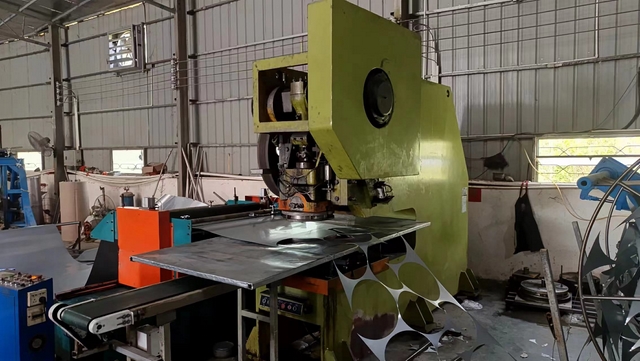
The company operates a modern manufacturing facility covering approximately 12,000 square meters, equipped with advanced production lines and comprehensive quality control systems. This facility serves as the backbone of its manufacturing capability, ensuring both efficiency and product consistency. Its production scope includes structural component design, precision stamping and die-casting, CNC machining, automated tool processing, mold development and fabrication, laser welding, assembly, and final testing. This full-chain manufacturing system enables Guangdong Picky Kitchen Co. Ltd. to provide one-stop solutions while maintaining strict control over quality and lead times, as well as responding quickly to customized client requirements.
Technological innovation is driven by a skilled and experienced R&D team composed of engineers specializing in structural design, mold development, industrial design, and automation systems. This team is responsible not only for new product development but also for continuous improvement of manufacturing processes and material applications. Through ongoing innovation, the company ensures its products deliver superior durability, smooth operation, structural stability, and design refinement, keeping pace with global kitchen hardware trends.
Responding to the global shift toward smart homes and sustainable manufacturing, Guangdong Picky Kitchen Co. Ltd. is actively advancing three strategic directions: the adoption of eco-friendly materials such as low-VOC coatings and bio-based surface treatments; the integration of IoT and intelligent sensing technologies into kitchen hardware systems; and the development of low-carbon manufacturing practices aimed at building greener factories and more sustainable supply chains.
Looking ahead, Guangdong Picky Kitchen Co. Ltd. remains committed to its core values of precision craftsmanship and innovation-driven growth. The company will continue working with global partners to create smarter, more efficient, and more environmentally responsible kitchen hardware solutions, contributing to the advancement of the global kitchen and home hardware industry.
Aligning advanced engineering with localized user behaviors and macro-level logistics management.
From pressure-stewing tough cuts of meat in cold climates to fast white rice preparation in tropical countries, electric pressure cookers must adapt to local environments. Our engineering supports wide voltage stabilization (110V-240V, 50/60Hz) to prevent performance drops during local power variations. Additionally, UI custom panels are designed to accommodate local culinary programs, including specific presets like slow-cooking, pressure-canning, sautéing, or yogurt-making.
B2B procurement managers require reliable logistics partners. We offer comprehensive solutions, including DDP/FOB shipping terms, optimized pallet packing to reduce container damage, and automated customs documentation. Every unit features unique batch coding for complete traceability, ensuring swift resolutions in the event of quality queries.
Important manufacturing and procurement questions addressed by our technical team.
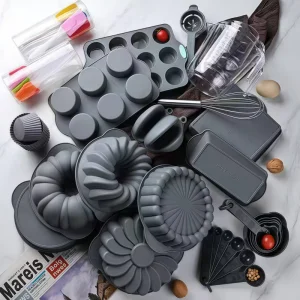
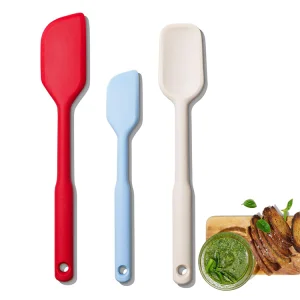
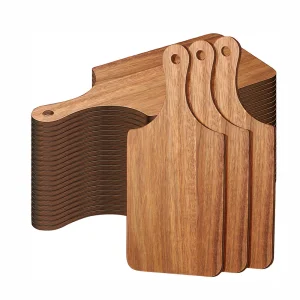
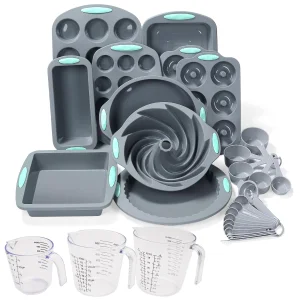
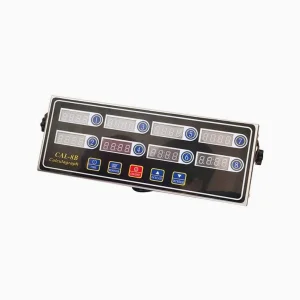
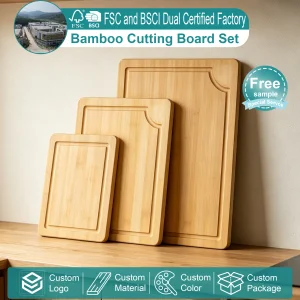
Explore our technical kitchen items, baking molds, thermal tracking instruments, and customized wood-processing systems.