Picky Kitchen
Picky Kitchen
Picky Kitchen
Explore our premium grade product portfolio engineered to strict regulatory standards, ensuring commercial durability and thermal efficiency.
In the contemporary global foodservice and culinary hardware sectors, the demand for high-performance, CE-certified griddle pans has reached unprecedented levels. Modern commercial kitchens, casual dining chains, and premium consumer cookware brands require products that guarantee absolute compliance with structural safety, material integrity, and thermodynamic efficiency. European compliance structures (such as CE marking under Directive 2001/95/EC and regulations governing food contact materials like EC 1935/2004) mandate that all cookware deployed in commercial kitchens must meet strict chemical safety parameters, specifically relating to PFOA, lead, and cadmium migration.
Understanding these rigorous market entry thresholds is essential for global buyers. Our manufacturing protocols integrate premium materials—such as high-grade die-cast aluminum, heavy-gauge carbon steel, and cast iron—with multi-layered, reinforced non-stick matrices. By prioritizing thermodynamic uniformity and mechanical resilience, we ensure that our griddle pans prevent hot spots, mitigate energy loss, and withstand the abrasive cleaning protocols common in industrial foodservice operations.
Our griddle pans conform fully to European Standards EN 12983-1 for cookware performance, verifying heat resistance, handle torque safety, and base stability.
A diversified, innovation-driven enterprise specializing in kitchen hardware and functional home systems. Centered on research, design, manufacturing, and global distribution, the company is dedicated to delivering high-quality, integrated kitchen hardware solutions for customers worldwide.
Established in 2005, Guangdong Picky Kitchen Co. Ltd. operates under the core belief that the kitchen is not only a functional space for cooking but also a key reflection of lifestyle quality. Guided by this philosophy, the company consistently pursues the integration of functional excellence and aesthetic innovation. Operating a modern manufacturing facility covering approximately 12,000 square meters, the plant is equipped with advanced production lines and comprehensive quality control systems. This facility serves as the backbone of our manufacturing capability, ensuring both efficiency and product consistency.
Our comprehensive production scope includes structural component design, precision stamping and die-casting, CNC machining, automated tool processing, mold development and fabrication, laser welding, assembly, and final testing. This full-chain manufacturing system enables Guangdong Picky Kitchen Co. Ltd. to provide one-stop solutions while maintaining strict control over quality and lead times, as well as responding quickly to customized client requirements.
Technological innovation is driven by a skilled and experienced R&D team composed of engineers specializing in structural design, mold development, industrial design, and automation systems. This team is responsible not only for new product development but also for continuous improvement of manufacturing processes and material applications. Through ongoing innovation, the company ensures its products deliver superior durability, smooth operation, structural stability, and design refinement, keeping pace with global kitchen hardware trends.
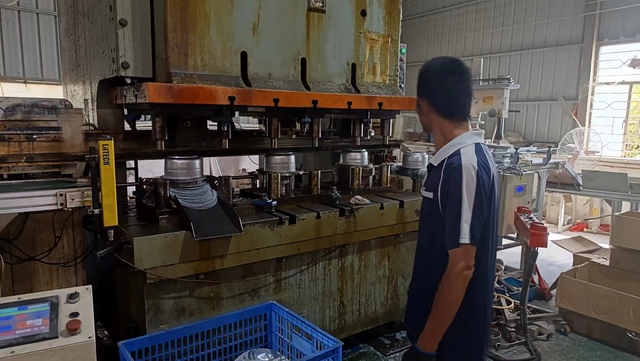
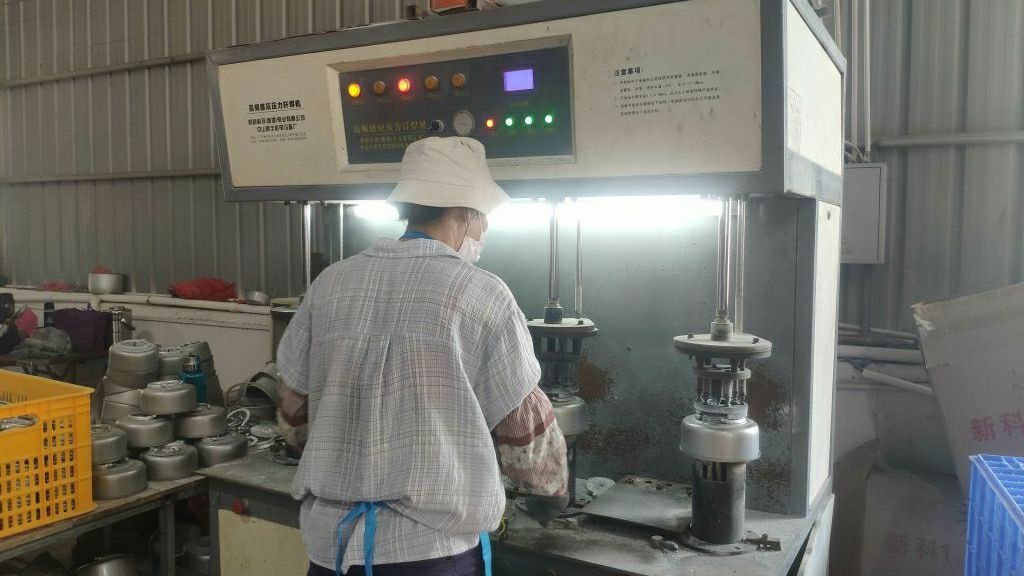
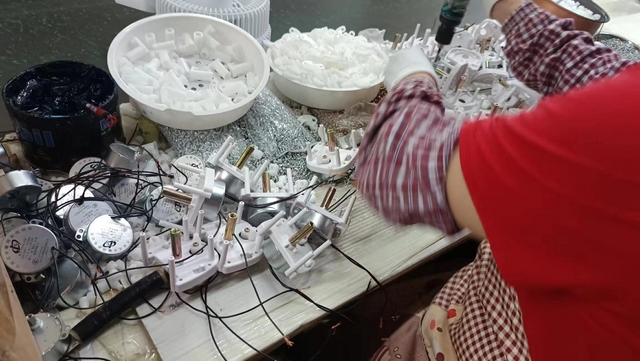
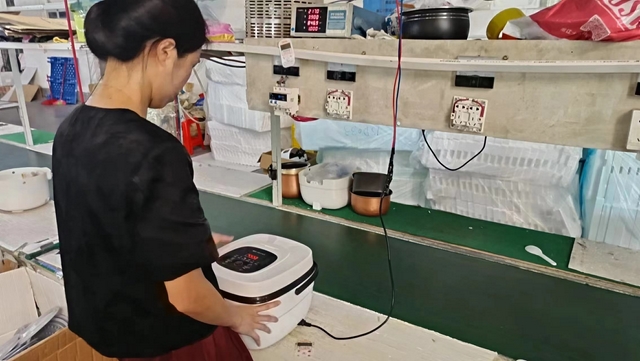
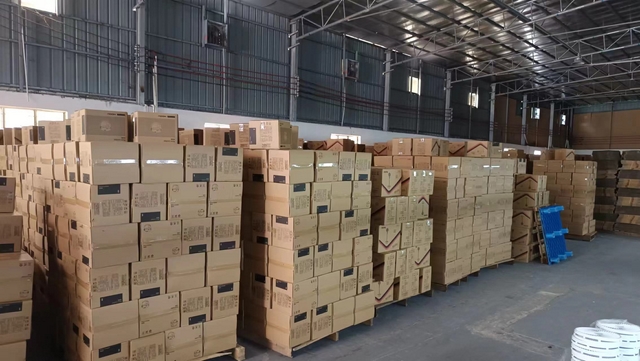
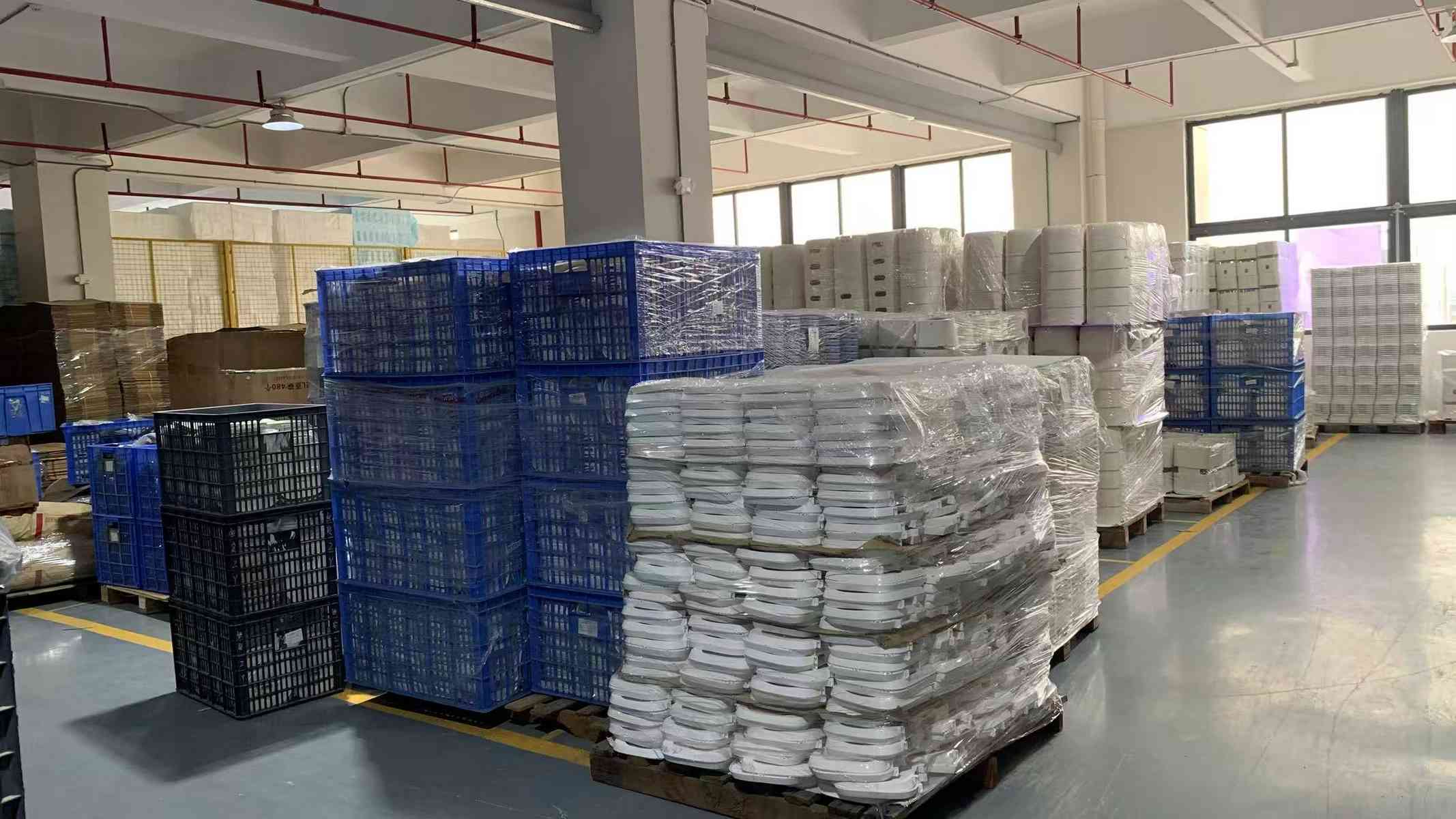
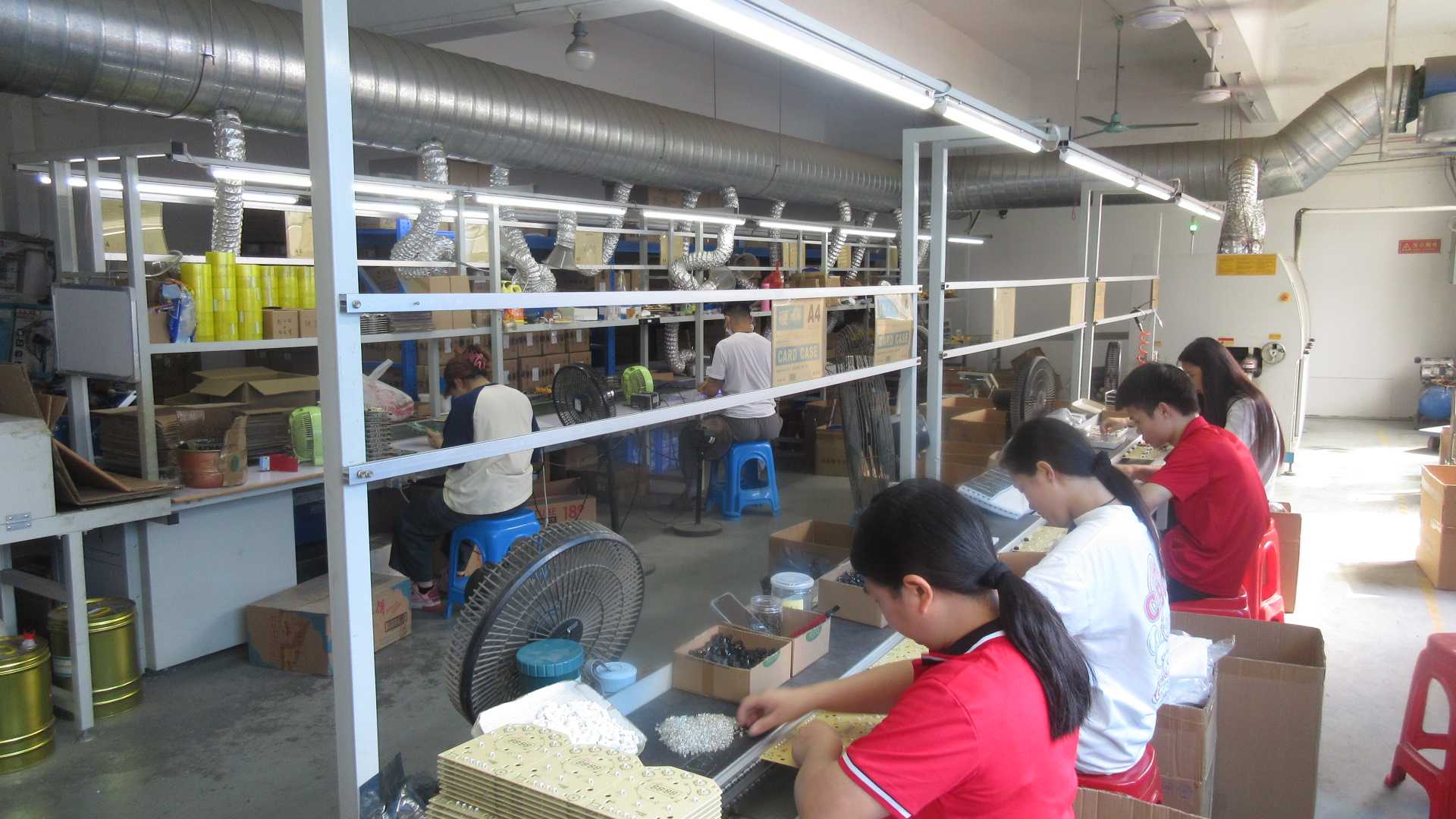
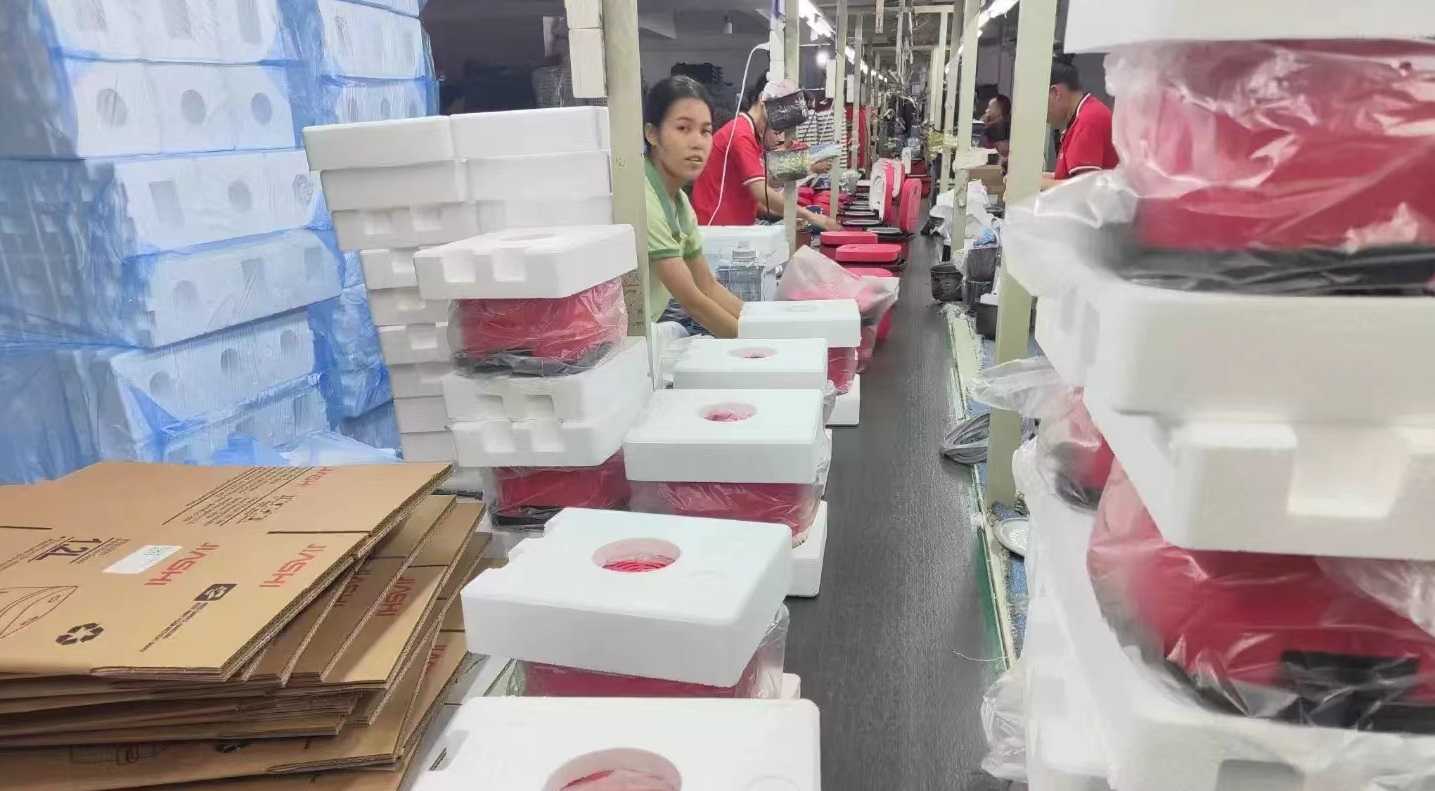
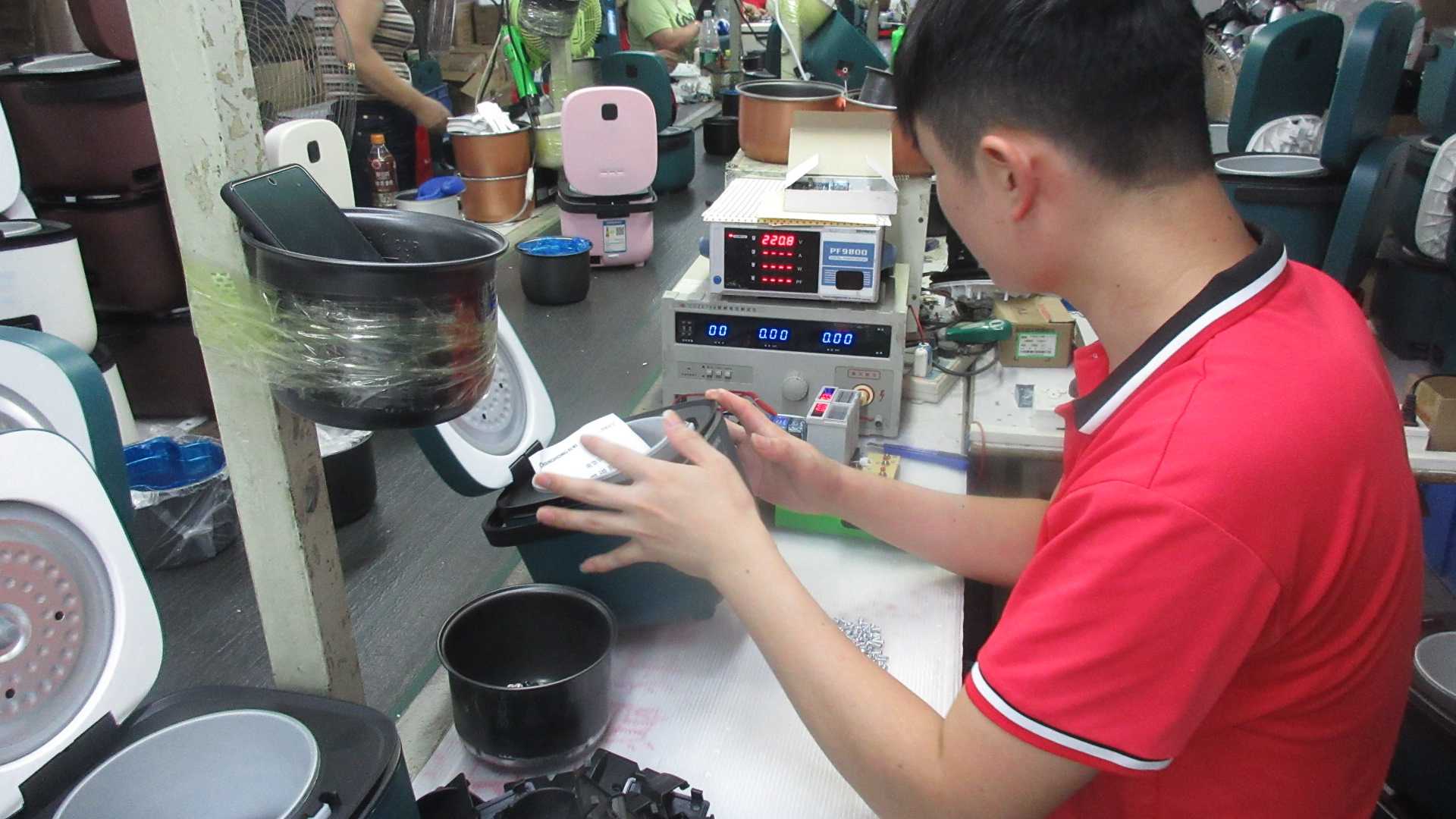
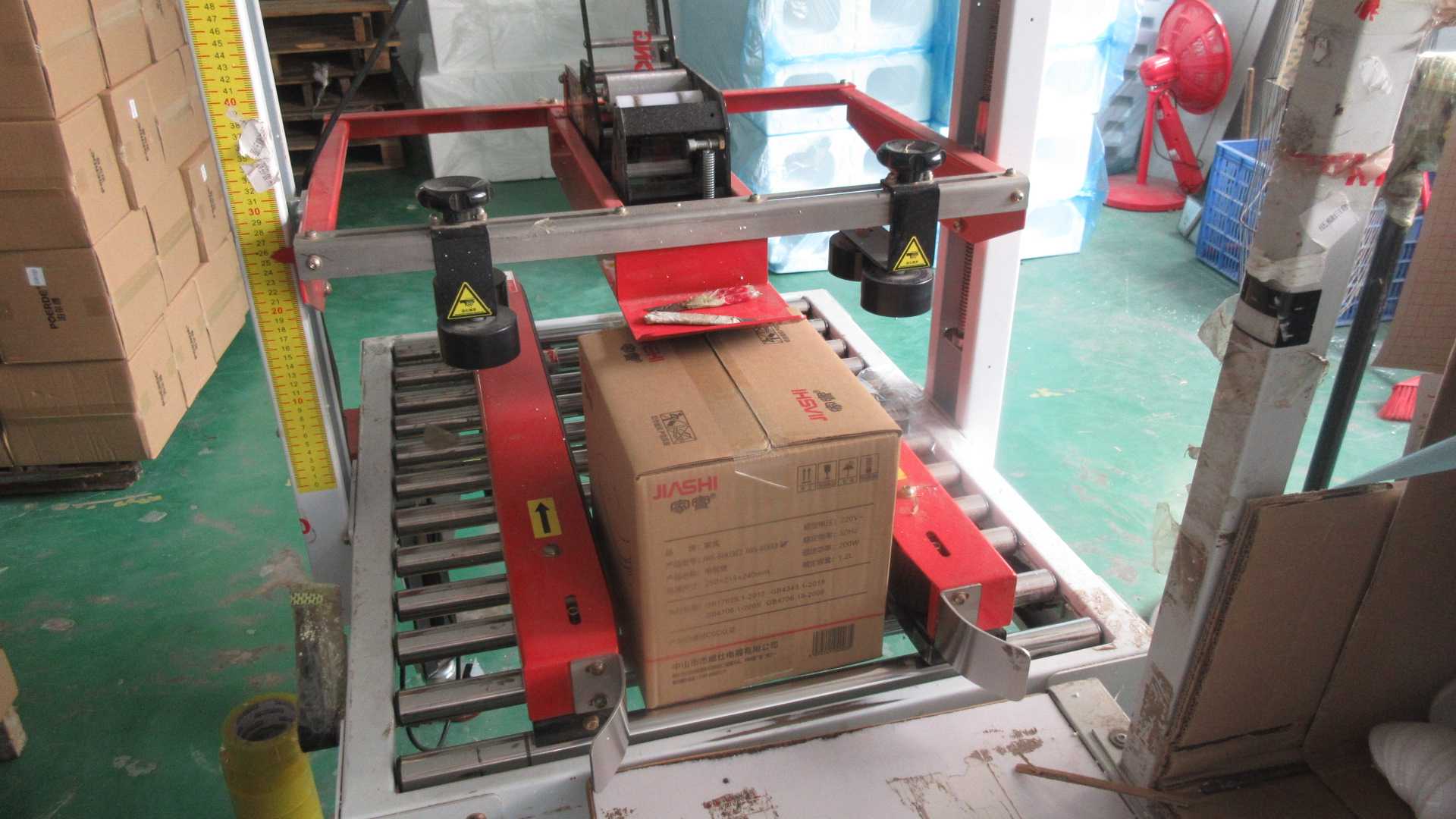
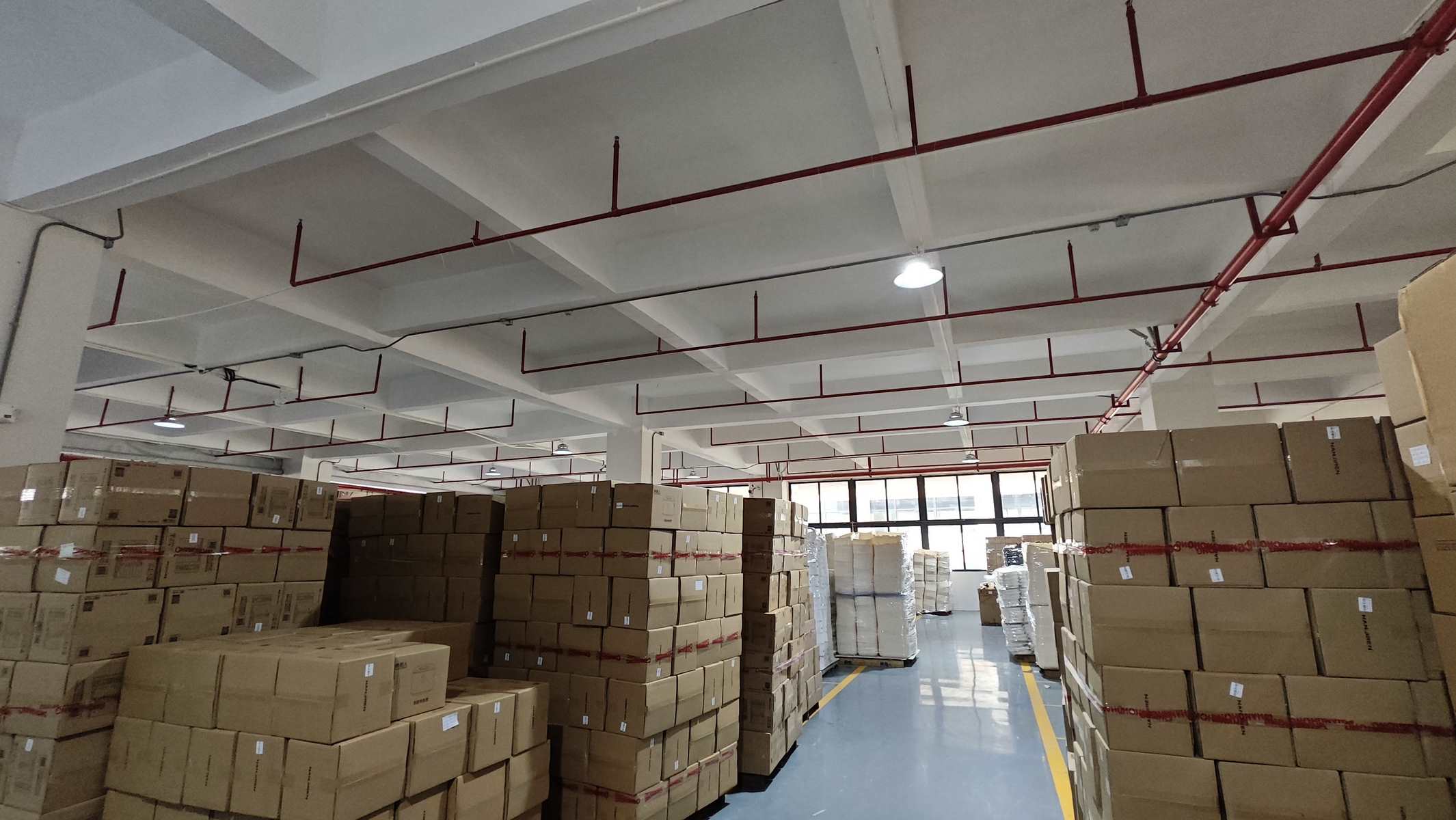
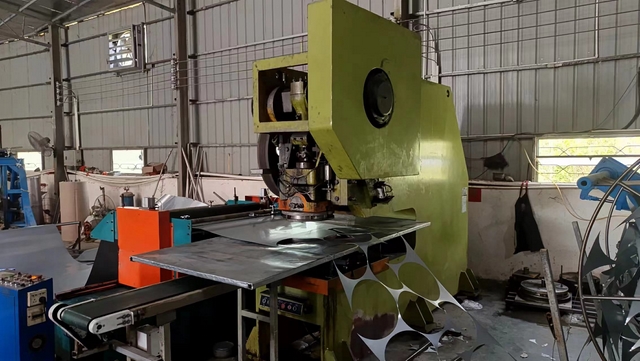
Strategic geographic clustering, raw material access, and advanced automated robotics ensure unparalleled precision and cost-effectiveness for global importers.
Guangdong's industrial hardware cluster allows us to source high-grade aluminum and steel within a 50km radius. This localized infrastructure reduces domestic logistical delays, decreases carbon footprints, and secures raw material pricing stability during global market fluctuations.
Utilizing high-end CNC machining and automated tool processing, we can construct custom griddle pan molds with tolerances under ±0.05mm. This enables us to turn client designs into physical samples within 15–20 days, speeding up time-to-market compared to Western foundries.
Every product batch undergoes non-stick durability verification (mechanical scrub tests), heat cycle checks (rapid cooling from 250°C to 20°C), and coating cross-hatch adhesion tests. This ensures our griddle pans perform reliably under standard restaurant and commercial use cases.
Responding to the global shift toward smart homes and sustainable manufacturing, Guangdong Picky Kitchen Co. Ltd. is actively advancing three strategic directions:
Depending on the regional focus of your enterprise, the performance metrics required for commercial griddle pans vary significantly. For instance, in North America, B2B buyers emphasize structural resistance to thermal warping on high-BTU commercial gas burners, requiring heavy-gauge aluminum or traditional cast iron constructions. Conversely, the European Market prioritizes induction-compatible magnetic bases (typically constructed with SUS430 steel induction plates bonded to the bottom of the pan) to align with commercial induction ranges common in modern kitchens.
Additionally, the non-stick coating choice is a critical purchasing criteria. Foodservice buyers in educational and health environments increasingly request completely PFOA, PFOS, and PFAS-free ceramic coatings to satisfy evolving consumer safety standards. Our manufacturing lines adapt to these criteria, providing customized options to align with regional consumer safety and material preferences.
Our OEM services extend beyond typical griddle pans to offer custom cookware dimensions, double-sided designs (ribbed griddle on one side, smooth flat top on the other), and integrated drip channels to collect excess oils and fat runoff, ensuring clean operations in commercial contexts.
Get direct, engineering-focused answers to common manufacturing, material compliance, and logistical inquiries.
To fulfill the CE marking requirements (specifically for European standards under EN 12983-1), our griddle pans undergo rigorous testing protocols including: thermal resistance testing (heating to 250°C without handle degradation), mechanical handle fatigue testing (subjected to 15,000 lifting cycles with a simulated internal load), impact and torsion testing, base stability testing to prevent slipping, and chemical compliance tests to verify food contact safety (LFGB/EC 1935/2004).
Die-Cast aluminum offers superior heat conductivity and thermal distribution, which prevents cold areas and reduces energy consumption in commercial kitchens. It is also lightweight and corrosion-resistant. Carbon steel griddles are preferred for heavy-duty, high-heat operations because they can withstand metal utensils and exhibit high structural rigidity, though they require seasoning to maintain rust resistance.
Upon receiving 3D CAD models or sample specifications from our B2B clients, our engineering team utilizes CAD/CAM software to analyze mold structures and heat flow properties. Molds are manufactured in-house using precise CNC tooling. The tooling process takes 25 to 30 days, followed by sample runs which are completed in 7 to 10 days for client validation. Mass production begins shortly after design approval.
We offer three main non-stick technologies depending on performance requirements: traditional multi-layer PTFE coatings (PFOA-free), premium ceramic sol-gel coatings (100% PFAS-free), and mineral-reinforced granite finishes. All materials are sourced from verified global suppliers (such as Whitford or Chemours) and undergo regular testing for compliance with FDA and EU food contact regulations.
Engineered for high-volume supply chains and demanding commercial operations. Click on individual products to view specifications.