Picky Kitchen
Picky Kitchen
Picky Kitchen
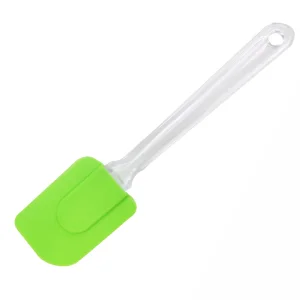
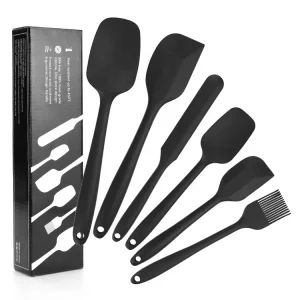
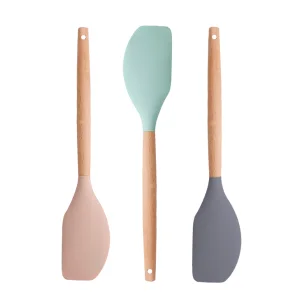
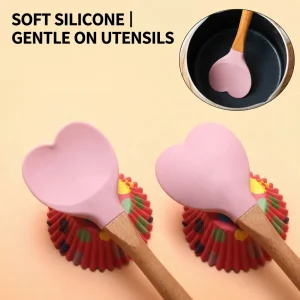
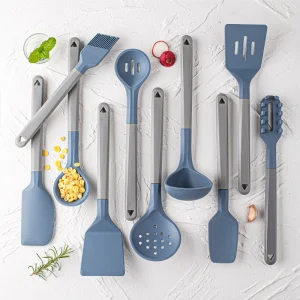
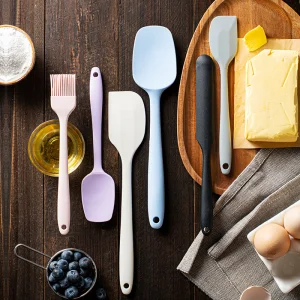
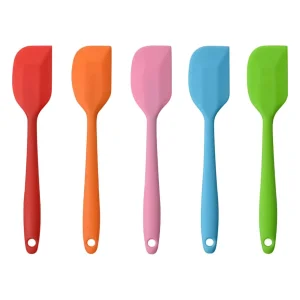
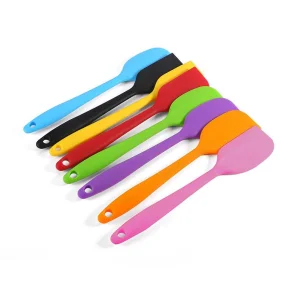
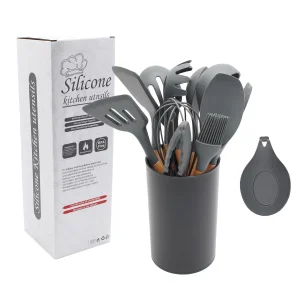
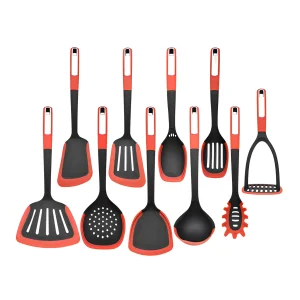
Explore our highly-requested silicone spatulas configured for professional kitchens, retail distribution, and industrial food processing lines across key Brazilian industrial hubs.
Brazil represents the largest consumer market in Latin America, and its housewares sector is undergoing a profound structural transition. Traditional wooden and low-grade plastics, which long dominated domestic kitchens across São Paulo, Rio de Janeiro, and Belo Horizonte, are rapidly being replaced by high-performance polymers. This structural movement is fueled by two primary forces: the growth of local gastronomy networks and strict public health updates by ANVISA (Agência Nacional de Vigilância Sanitária) regarding surface contamination in commercial food preparation.
Currently, the Brazilian food service industry is seeing double-digit growth in demand for silicone products. Heavy usage of corrosive fats and high-sugar recipes in traditional Brazilian baking (such as brigadeiro and bolo de rolo) demands utensils that can resist intense thermal loads without structural degradation. In contrast to low-melting-point nylon alternatives, premium silicone spatulas offer heat resistance up to 230°C (450°F) while remaining chemical-inert, satisfying both safety mandates and durability expectations.
Continuous Heat Rating
BPA-Free Food Grade
RDC Compliance Ready
Toxicity & Phthalates
Furthermore, Brazil's retail sector, led by major digital channels like Mercado Livre Brasil, Americanas, and Amazon Brasil, has experienced an influx of high-volume kitchen sets. Consumer search trends show a significant rise in queries targeting "utensílios de silicone de alta temperatura," presenting an immense growth opportunity for local brands, retail chains, and commercial importers who procure directly from high-capacity manufacturing operations overseas.
For large-scale retail buyers and brand owners operating in Brazil, setting up an efficient procurement network is critical. Importing directly from specialized manufacturing centers like Guangdong, China, guarantees access to economies of scale that cannot be replicated locally. Local Brazilian manufacturers often face high domestic tax burdens (known as "Custo Brasil") and high raw material costs for silicone monomer compounds, making direct imports the standard path for competitive retail positioning.
Guangdong Picky Kitchen Co. Ltd. sits at the center of this global supply chain. By using vertically integrated production systems, we eliminate intermediary markups, giving our partners consistent quality and cost control. Modern high-volume procurement is not just about unit price; it requires robust R&D expertise, custom mold engineering, and rigorous material certification.
High-quality kitchen spatulas may look simple, but they represent highly engineered tools requiring advanced polymer processing. In our production lines, we focus on several key engineering standards:
Our raw materials consist of high-purity, food-grade organosilicon polymers. We offer two vulcanization pathways: peroxide-curing (cost-effective, durable) and platinum-curing (high clarity, zero byproduct migration, optimized for strict European LFGB testing standards). For premium Brazilian labels, we recommend platinum-cured silicone to guarantee compliance with international food contact guidelines.
A major failure point in cheap silicone utensils is structural flexibility—the spatula head bends too easily under load, rendering it useless for heavy-duty mixing. We solve this by embedding a rigid, structural core made of 304 stainless steel or glass-reinforced nylon. This internal core is securely positioned inside the mold before liquid silicone injection, ensuring the tool remains firm while keeping its outer edge flexible enough to clean bowl surfaces.
Traditional multi-piece spatulas feature detachable heads where water, bacteria, and food debris accumulate. Our design engineering prioritizes one-piece monolithic overmolding. The silicone completely covers the internal core, leaving no seams or gaps. This design prevents bacterial growth, meets sanitary requirements, and makes the spatula dishwasher safe.
Navigating the importing process into Brazil requires a clear understanding of regulatory and customs procedures. The Brazilian Customs Authority (Receita Federal) and ANVISA enforce strict checks at ports of entry like Porto de Santos and Porto de Paranaguá.
Guangdong Picky Kitchen Co. Ltd. was established in 2005 and has grown into a diversified and innovation-driven enterprise specializing in kitchen hardware and functional home hardware systems. Centered on research, design, manufacturing, and global distribution, the company is dedicated to delivering high-quality, integrated kitchen hardware solutions for customers worldwide. The company firmly believes that the kitchen is not only a functional space for cooking, but also a key reflection of lifestyle quality. Guided by this philosophy, it consistently pursues the integration of functional excellence and aesthetic innovation.
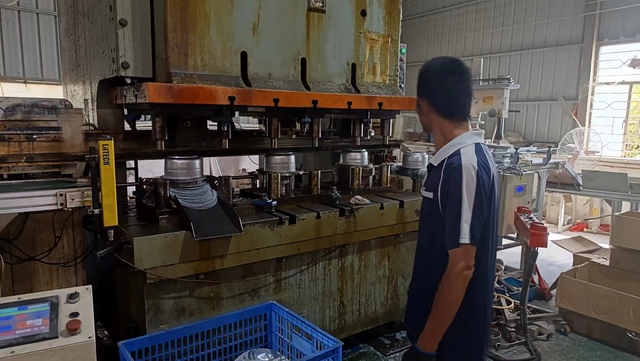
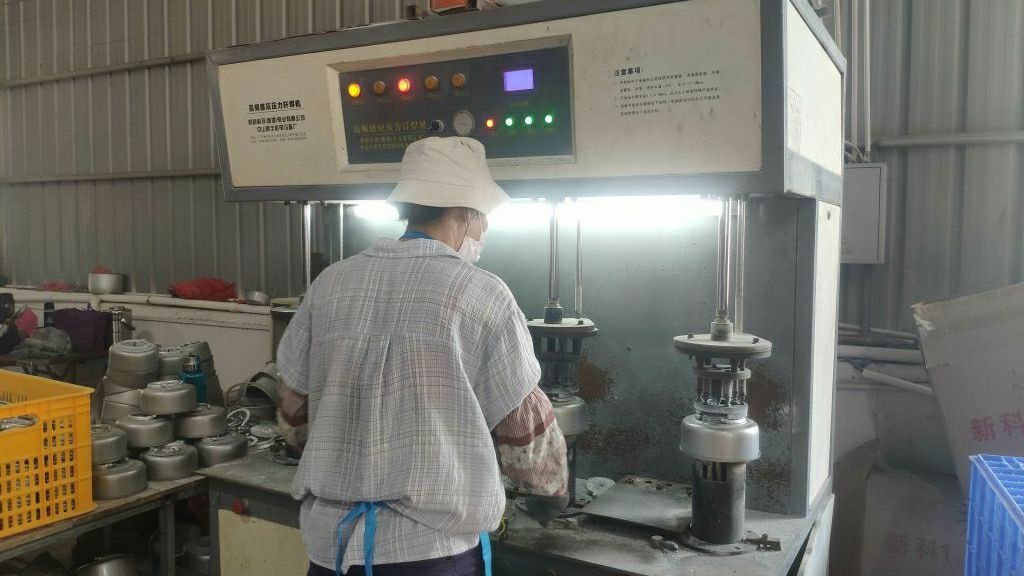
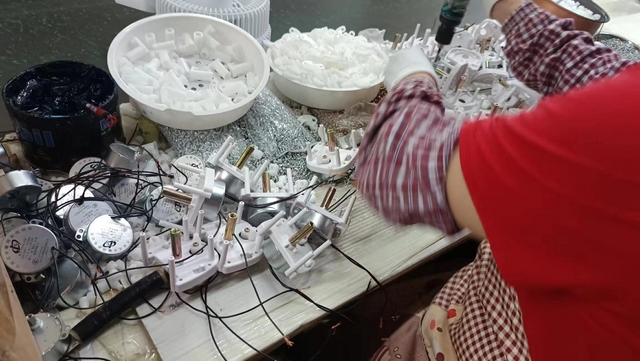
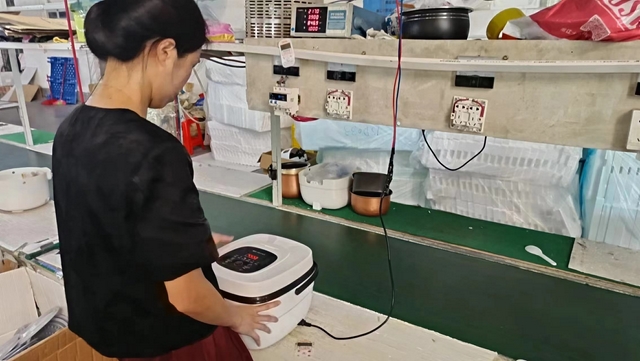
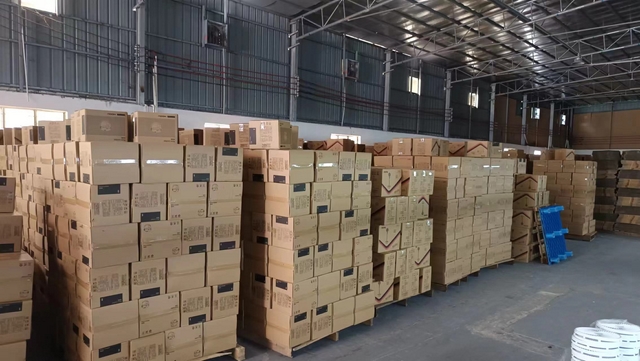
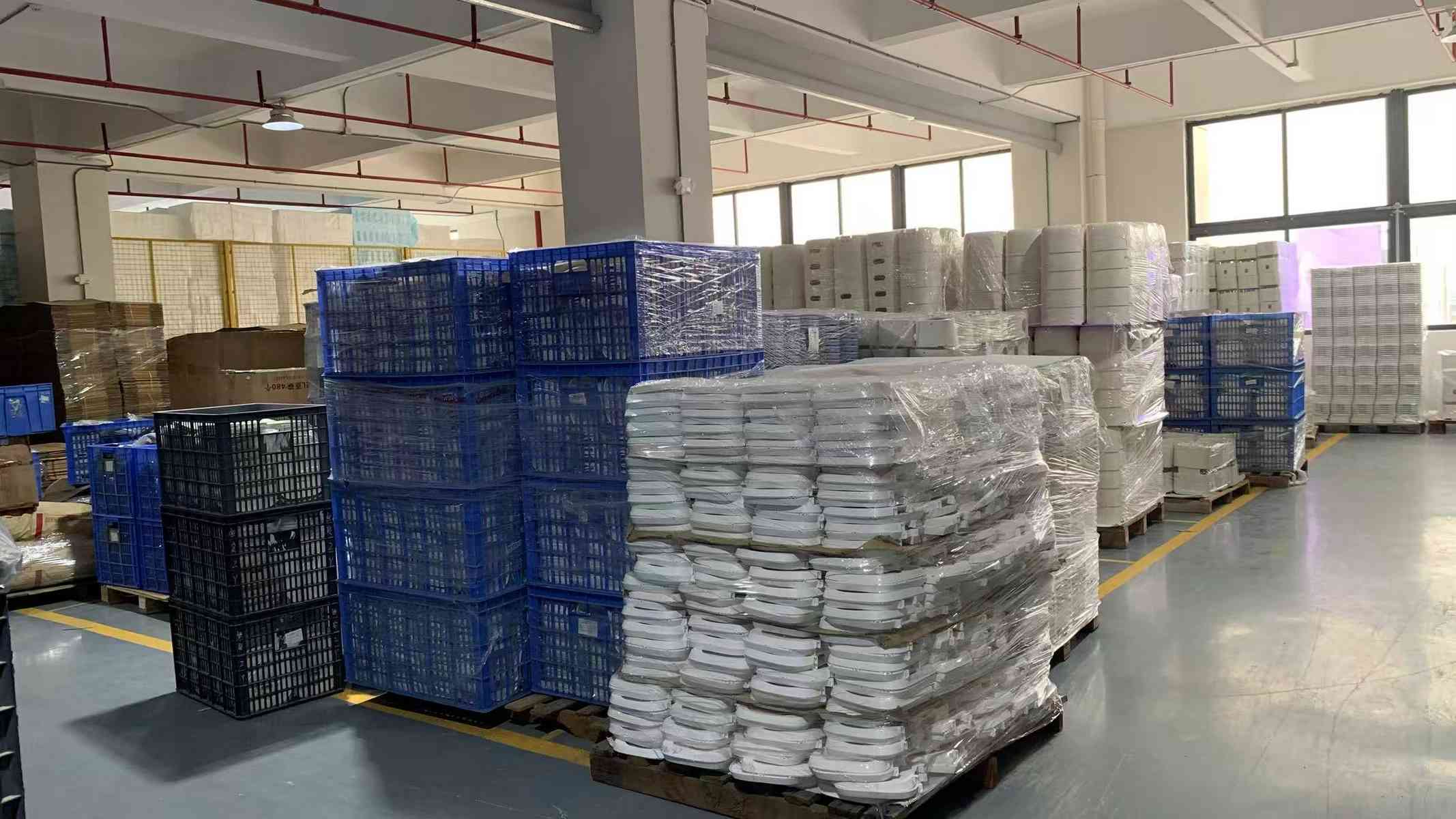
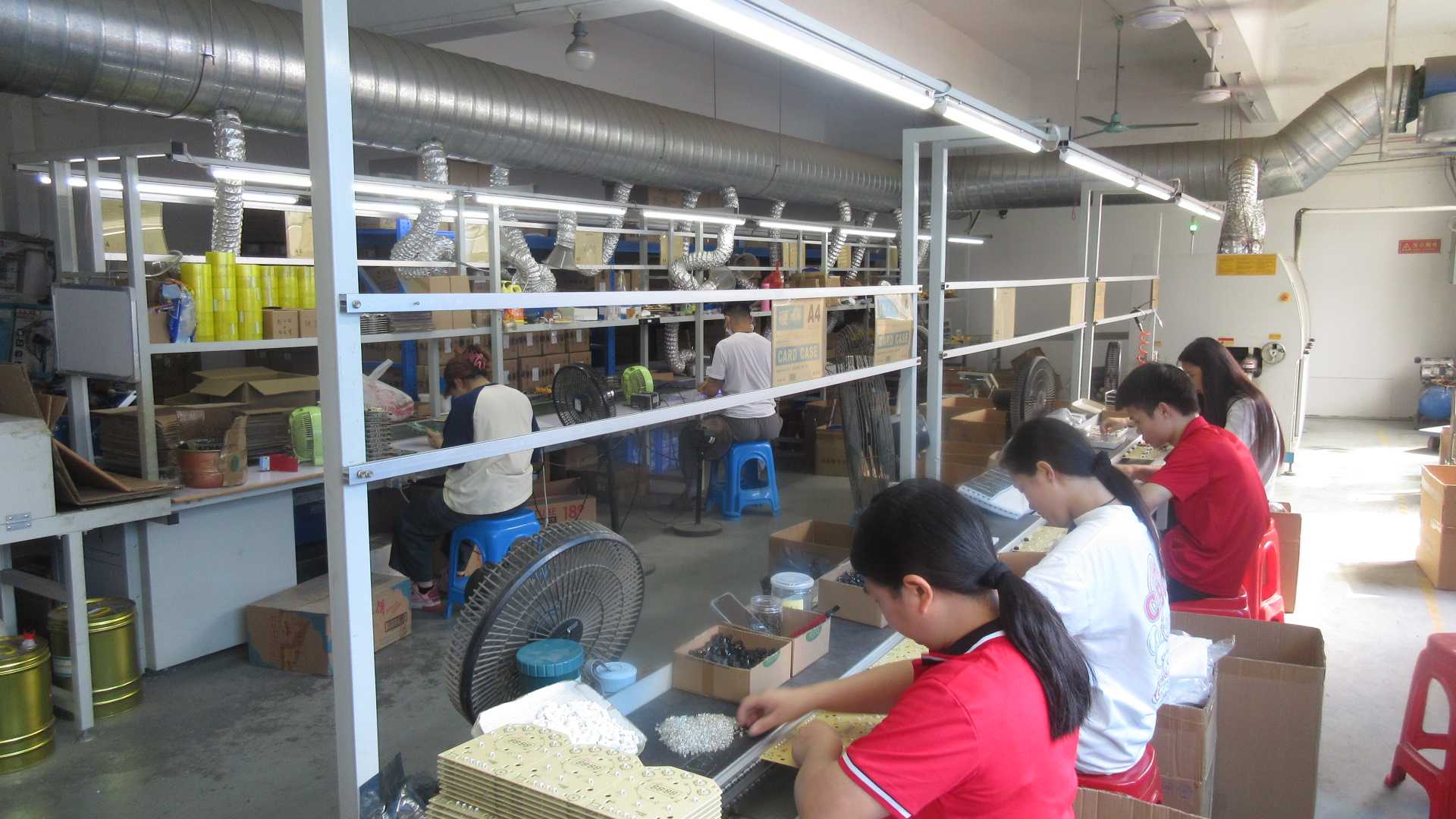
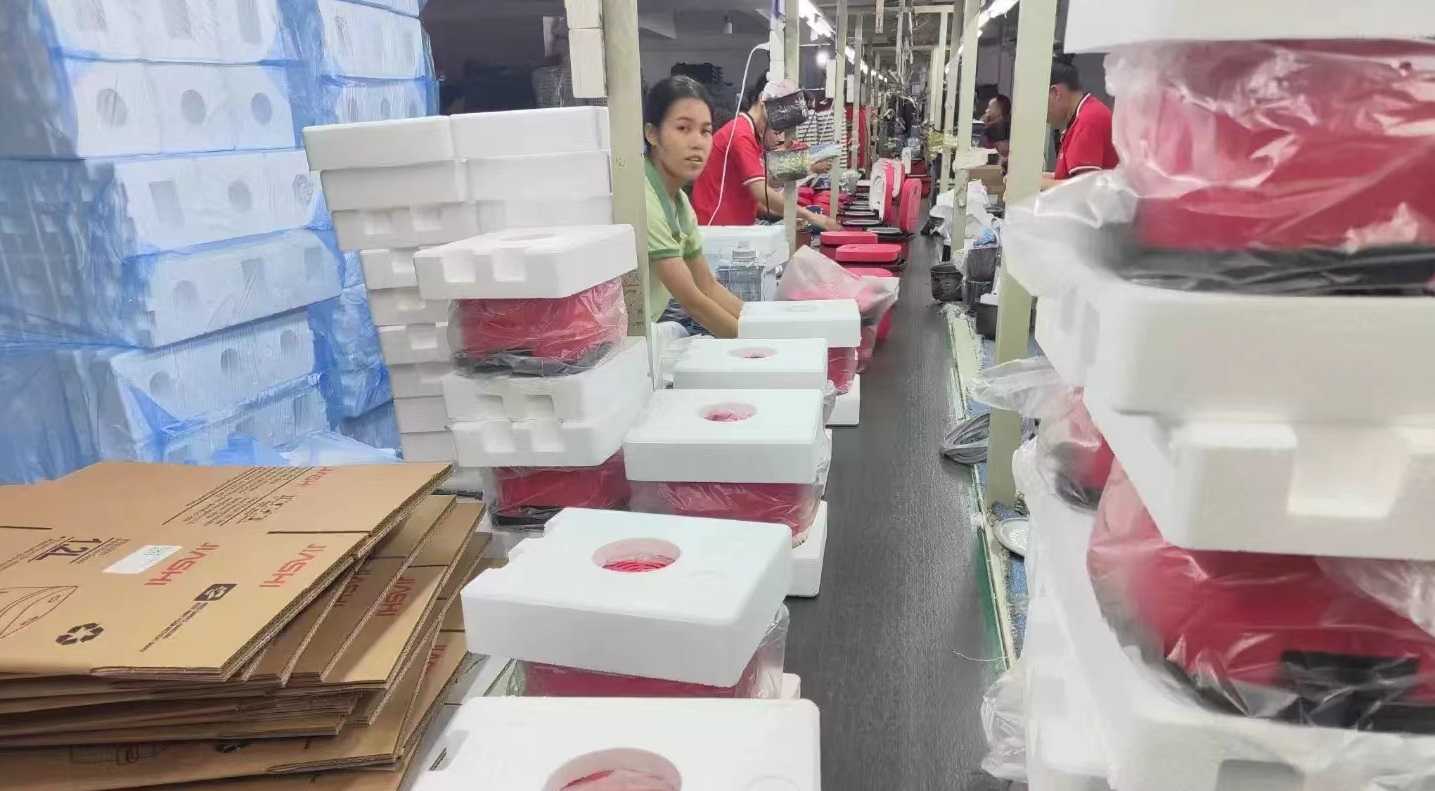
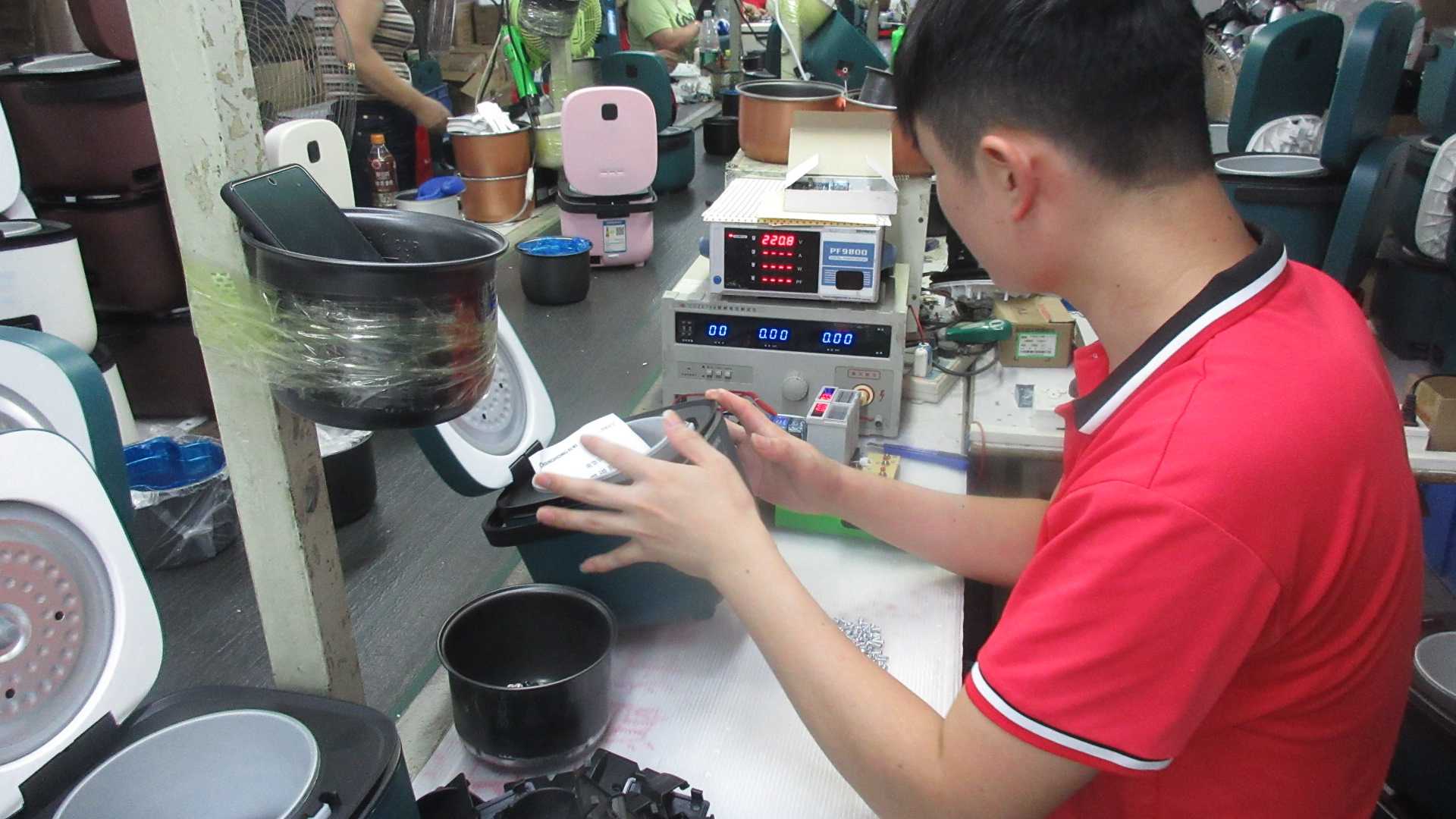
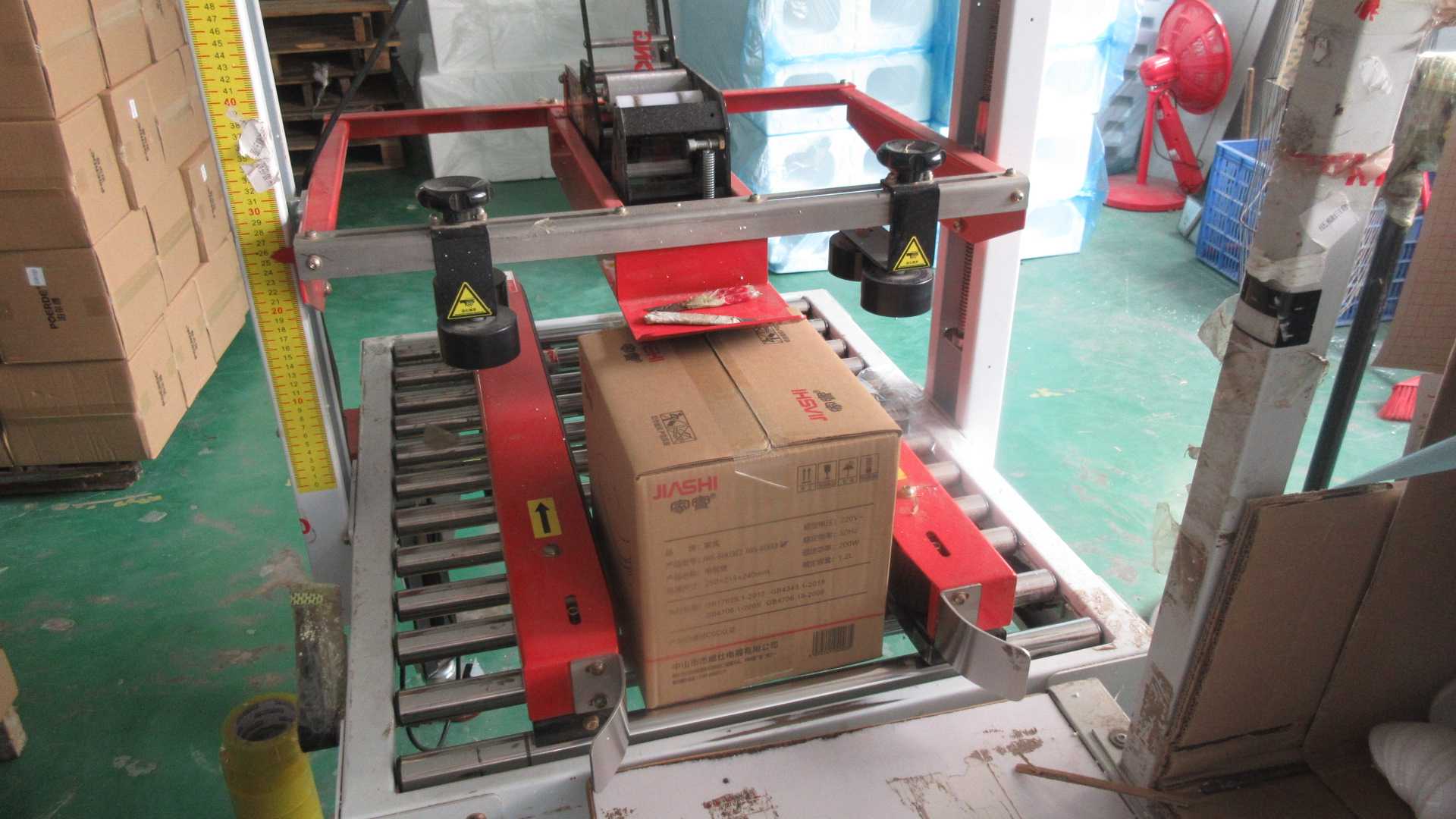
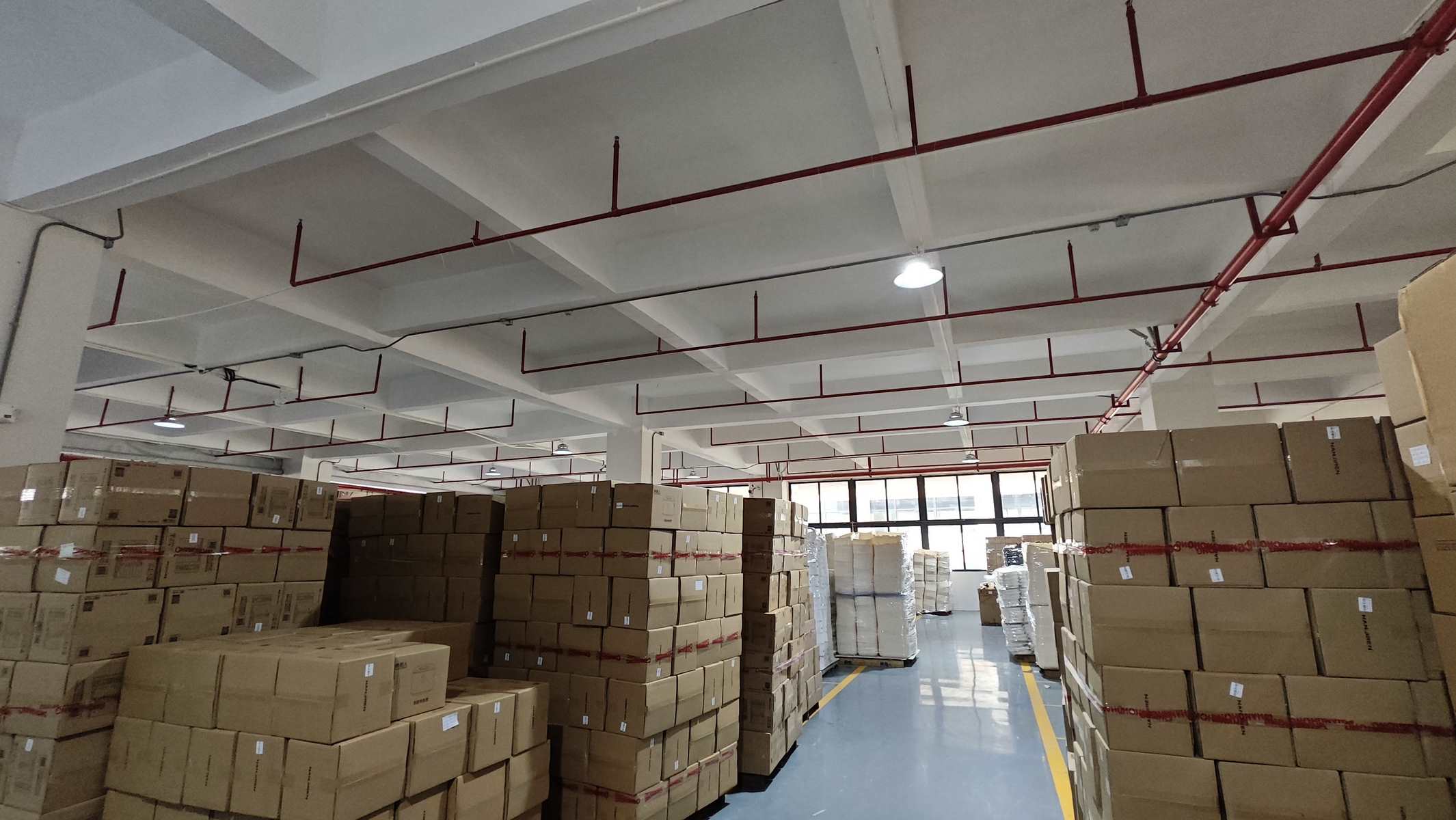
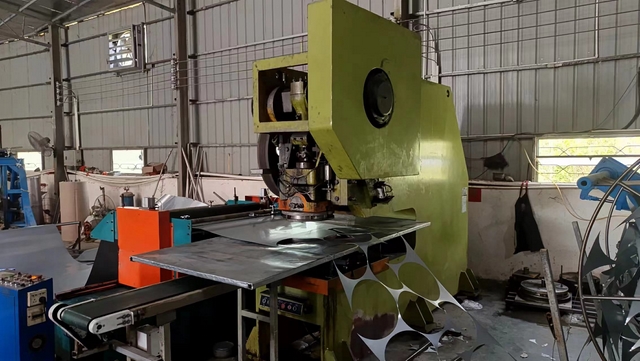
The company operates a modern manufacturing facility covering approximately 12,000 square meters, equipped with advanced production lines and comprehensive quality control systems. This facility serves as the backbone of its manufacturing capability, ensuring both efficiency and product consistency. Its production scope includes structural component design, precision stamping and die-casting, CNC machining, automated tool processing, mold development and fabrication, laser welding, assembly, and final testing. This full-chain manufacturing system enables Guangdong Picky Kitchen Co. Ltd. to provide one-stop solutions while maintaining strict control over quality and lead times, as well as responding quickly to customized client requirements.
Technological innovation is driven by a skilled and experienced R&D team composed of engineers specializing in structural design, mold development, industrial design, and automation systems. This team is responsible not only for new product development but also for continuous improvement of manufacturing processes and material applications. Through ongoing innovation, the company ensures its products deliver superior durability, smooth operation, structural stability, and design refinement, keeping pace with global kitchen hardware trends.
Responding to the global shift toward smart homes and sustainable manufacturing, Guangdong Picky Kitchen Co. Ltd. is actively advancing three strategic directions: the adoption of eco-friendly materials such as low-VOC coatings and bio-based surface treatments; the integration of IoT and intelligent sensing technologies into kitchen hardware systems; and the development of low-carbon manufacturing practices aimed at building greener factories and more sustainable supply chains.
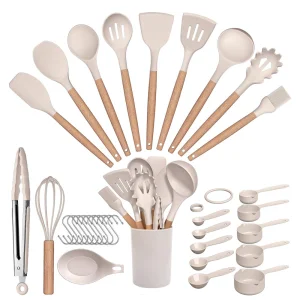
Select from our extended catalog of silicone utensils. All items are optimized for volume manufacturing, bulk packaging, and global export markets.