Picky Kitchen
Picky Kitchen
Picky Kitchen
Engineered specifically for the high humidity, regulatory requirements, and modern design ethics of New Zealand residences. Featuring architectural silhouettes, efficient extraction matrices, and silent multi-speed control modules.
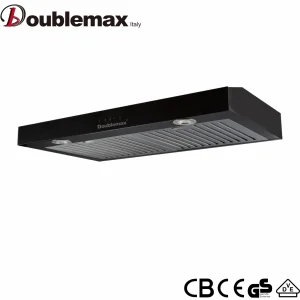
The kitchen ventilation landscape in New Zealand has undergone major transformations due to changes in regulatory directives from the Ministry of Business, Innovation and Employment (MBIE). The revised G4/AS1 (Acceptable Solution for Ventilation) and the Healthy Homes Standards for rental properties have placed critical emphasis on mechanical extraction requirements.
For new builds and substantial renovations, range hoods must discharge extracted air directly to the outside environment. Recirculating configurations are no longer standard practice under the updated G4 framework unless integrated within specialized balanced mechanical ventilation systems. Extractor performance is tightly regulated, requiring a minimum extraction rate of 50 Litres per second (180 m³/h) for cooktops to ensure efficient grease, moisture, and VOC removal.
Furthermore, New Zealand's unique coastal geography exposes structural materials to extreme salt spray and moisture, necessitating premium corrosion-resistant materials. Whether dealing with the coastal breeze of Auckland or the damp, cold winters of Dunedin, range hoods must feature heavy-duty, marine-grade corrosion countermeasures to guarantee structural longevity and structural safety.
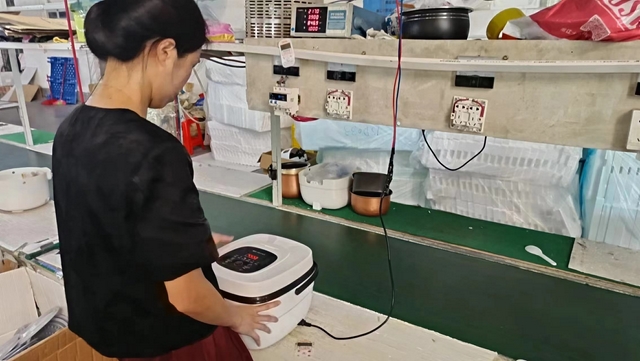
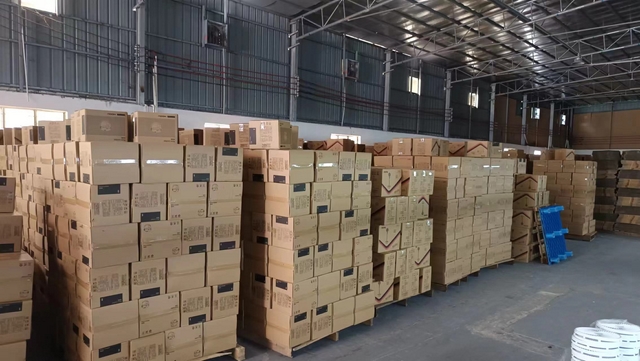
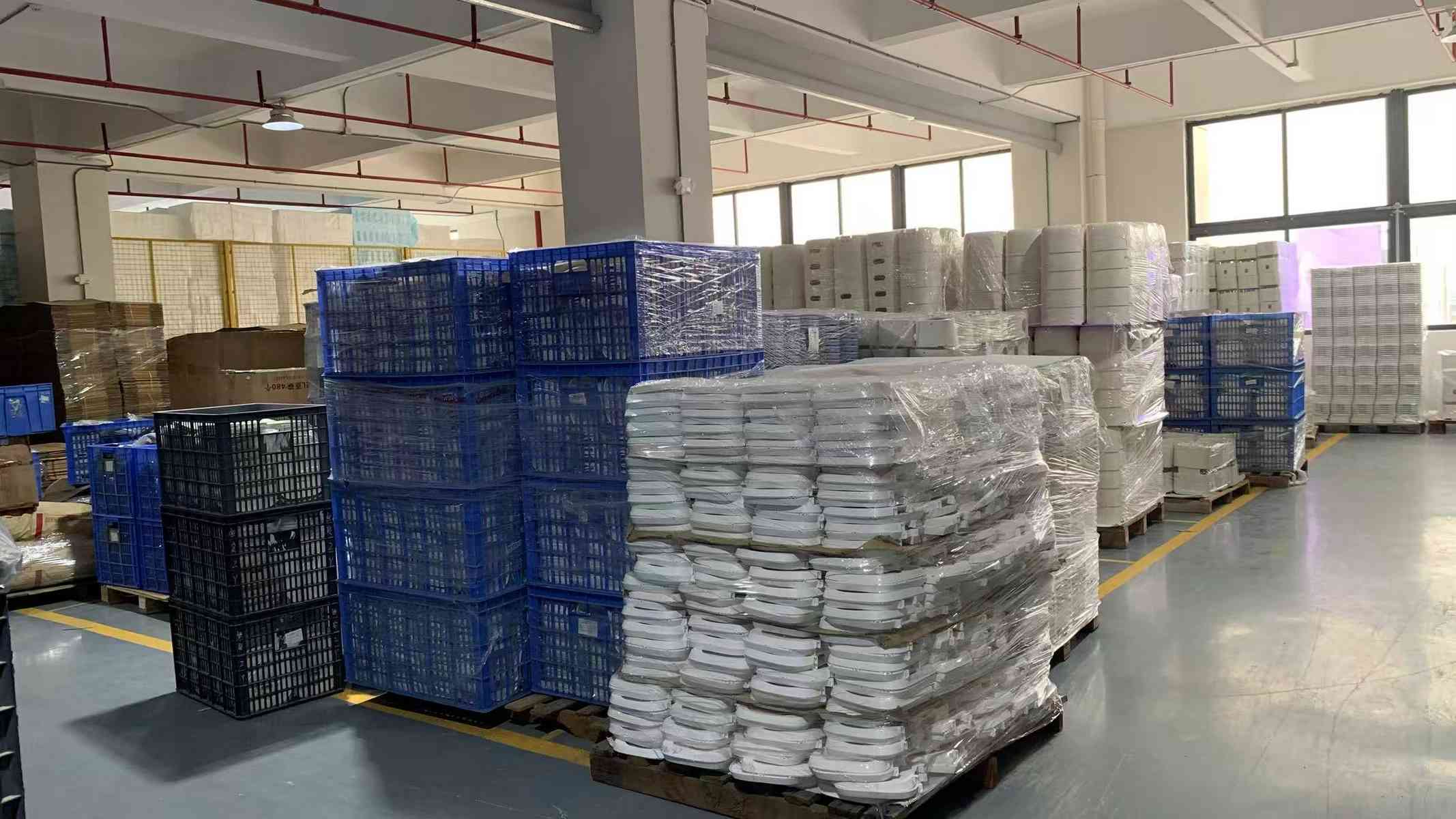
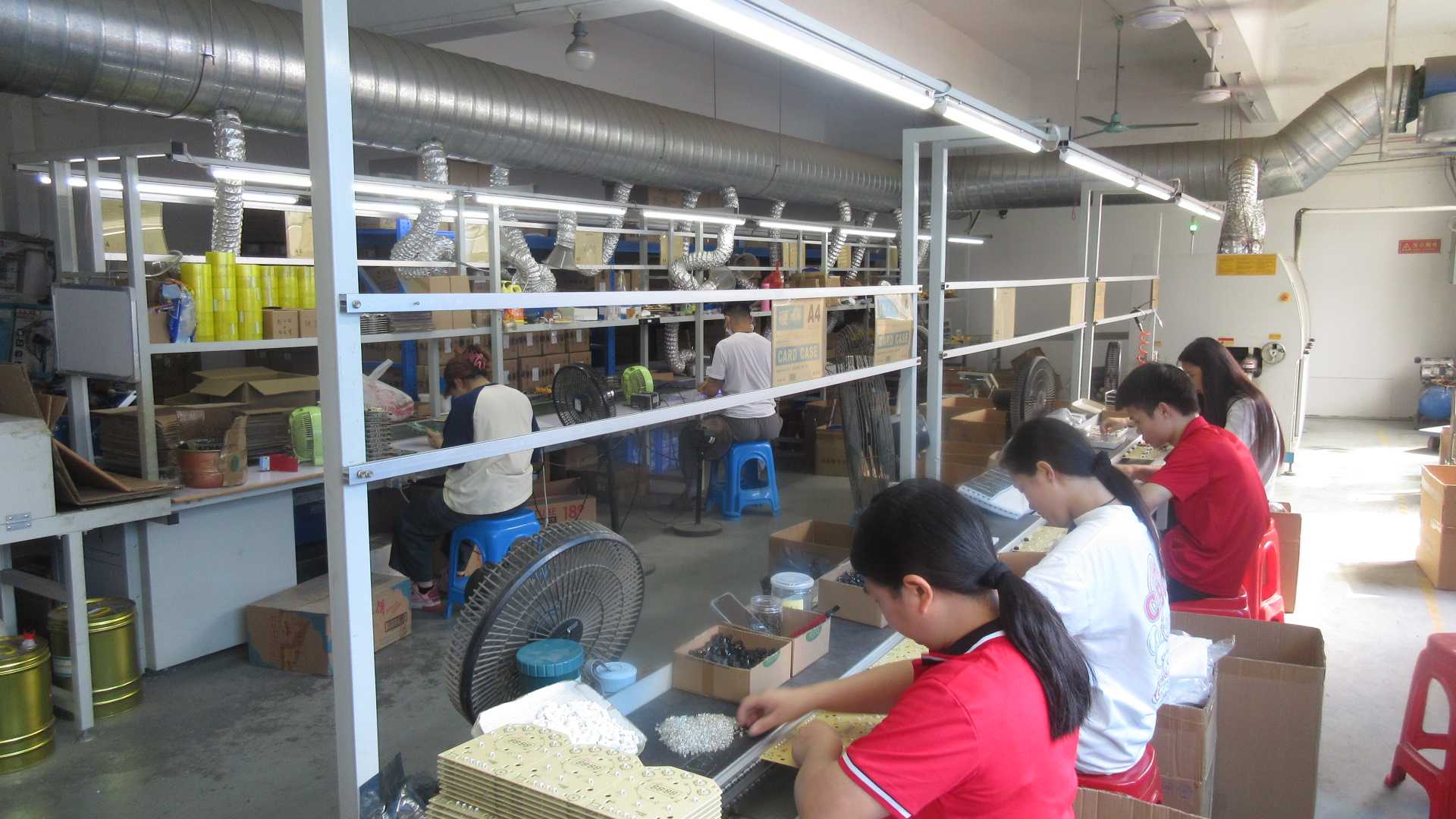
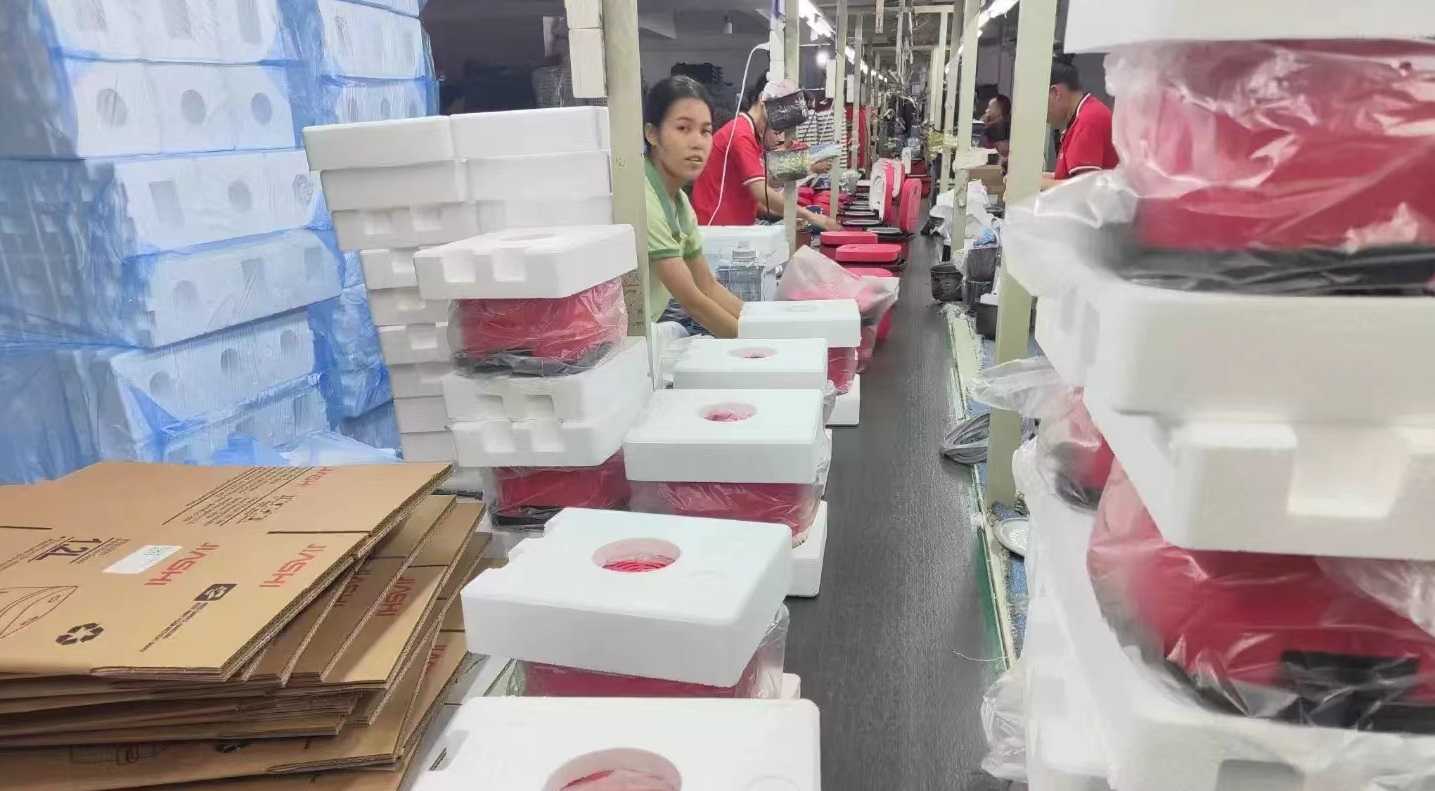
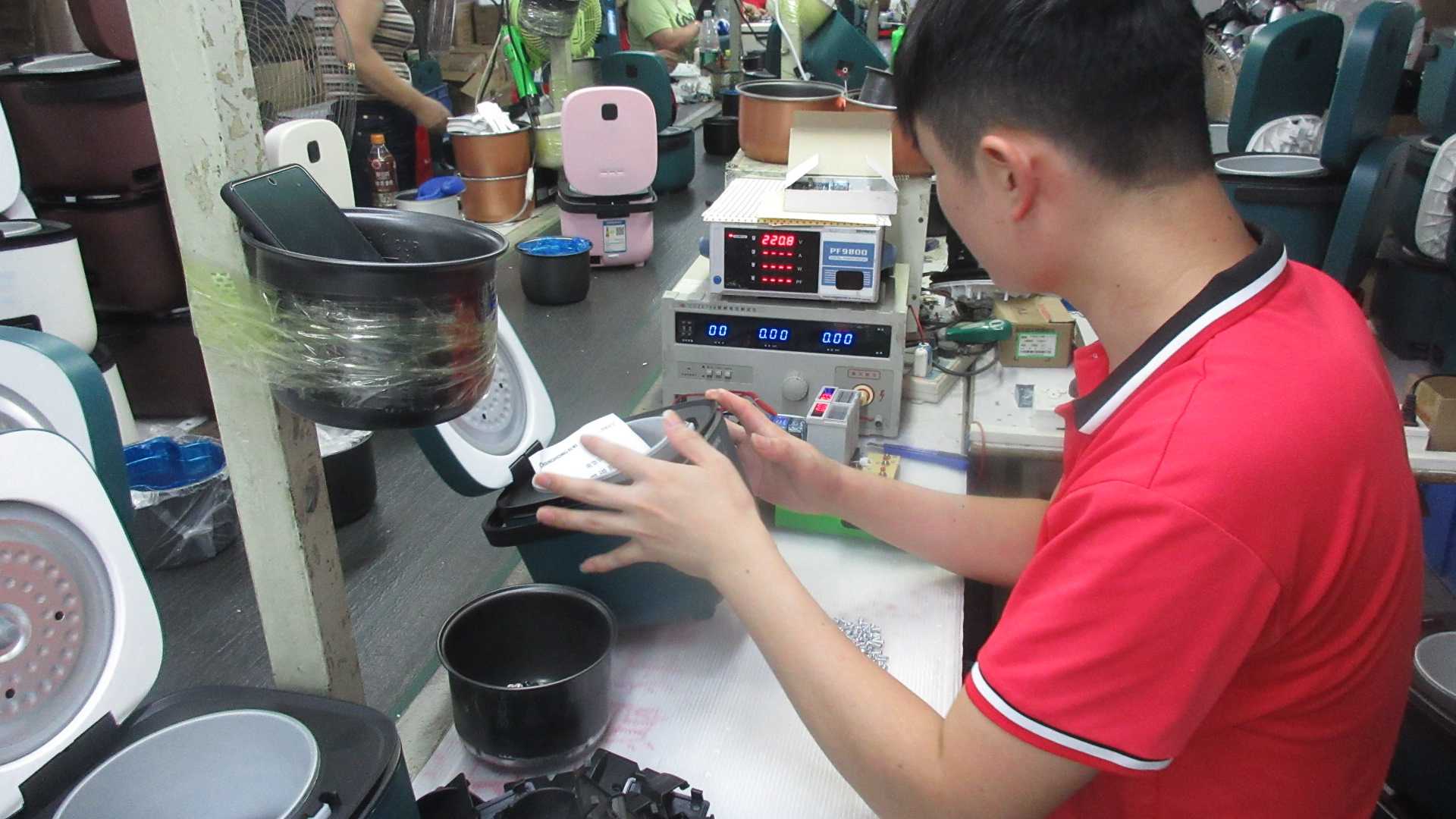
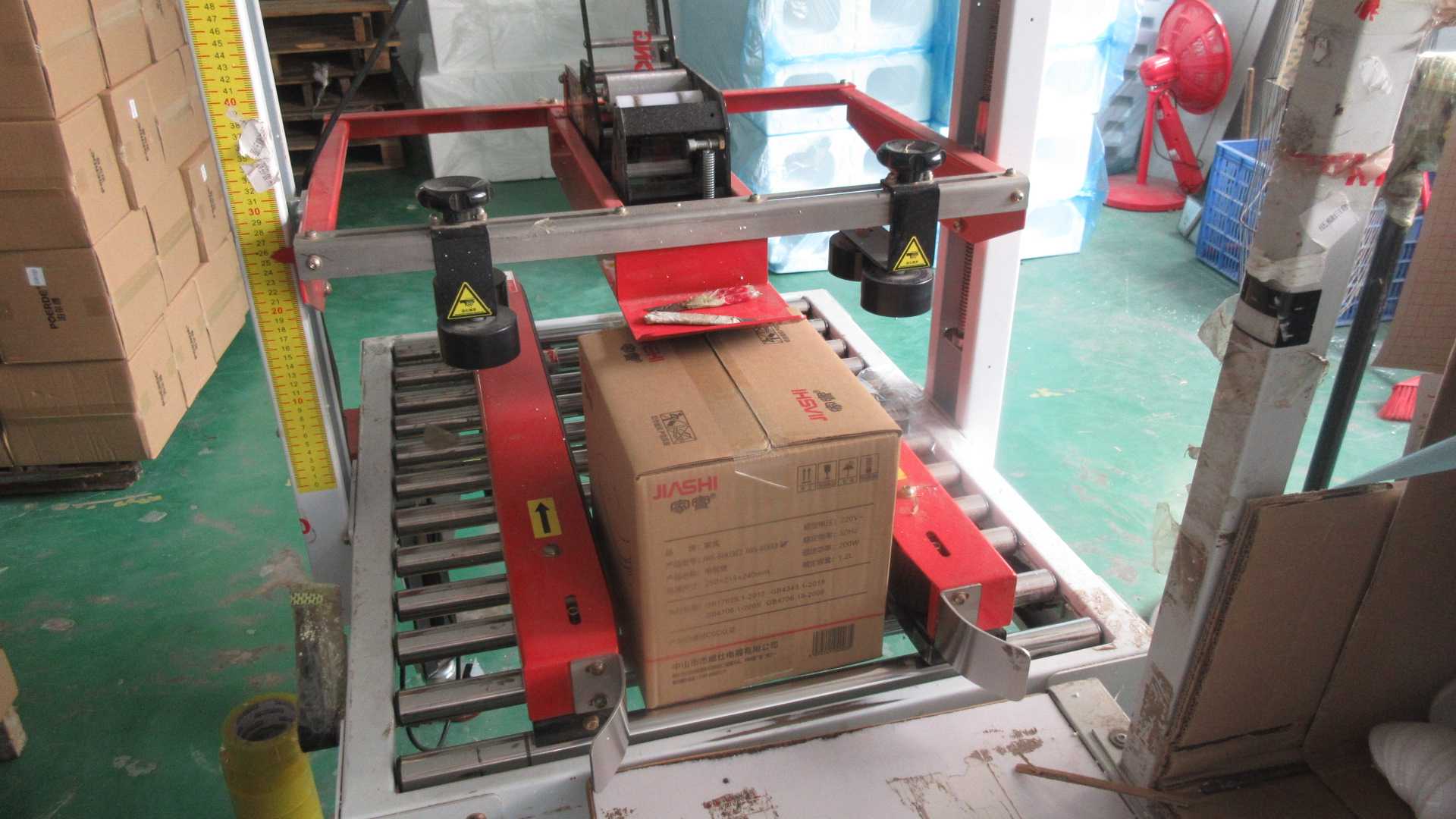
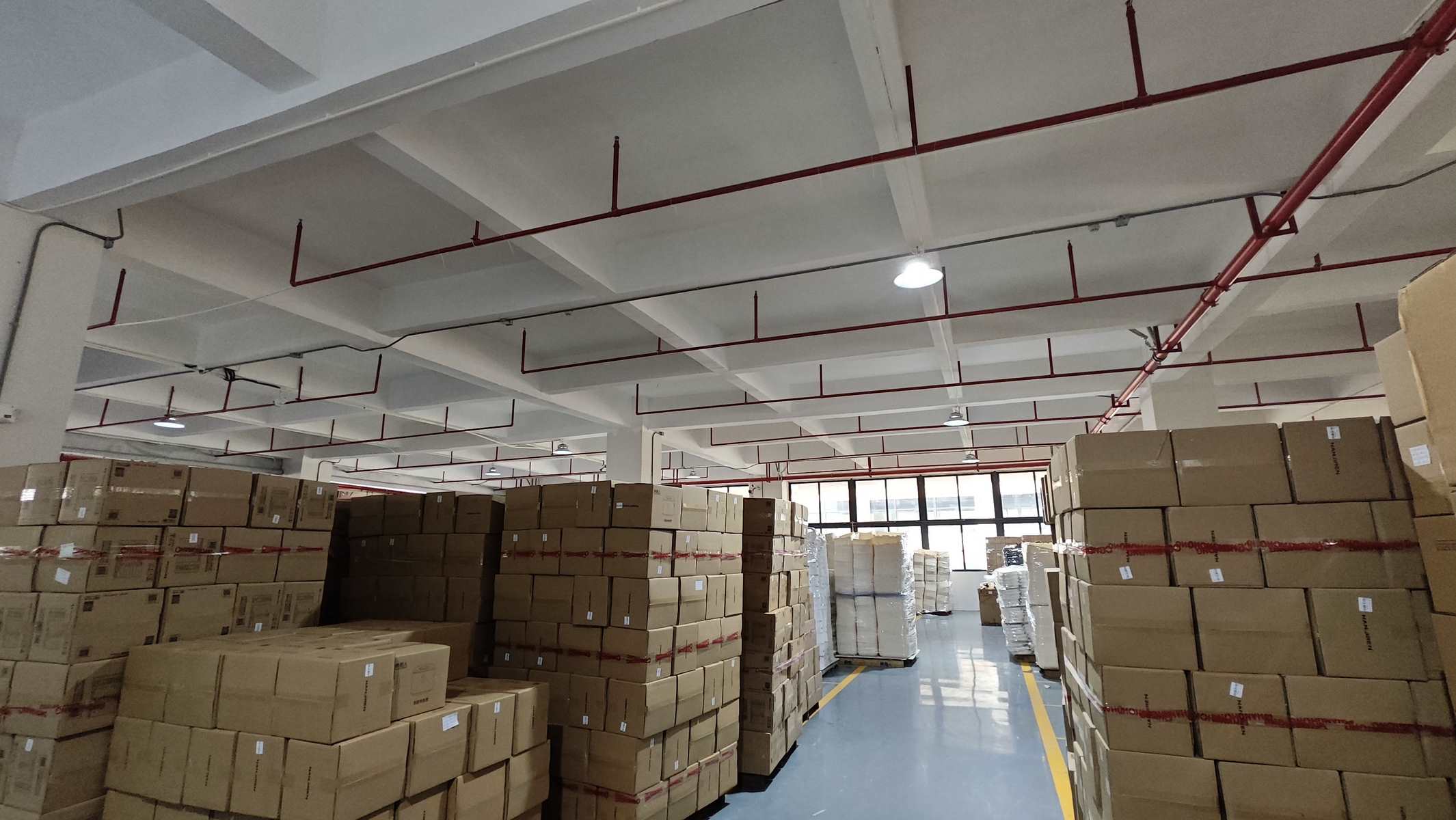
Guangdong Picky Kitchen Co. Ltd. (established in 2005) operates a state-of-the-art 12,000 square meter production center designed for precision engineering and high-efficiency volume processing. Our integration of vertical manufacturing pipelines guarantees that every range hood meets global export benchmarks and strict AS/NZS compliance metrics.
Every step of our production workflow is monitored and calibrated to reduce defect rates, optimize energy efficiency, and produce highly robust structural housings that endure long-distance maritime transit to New Zealand ports.
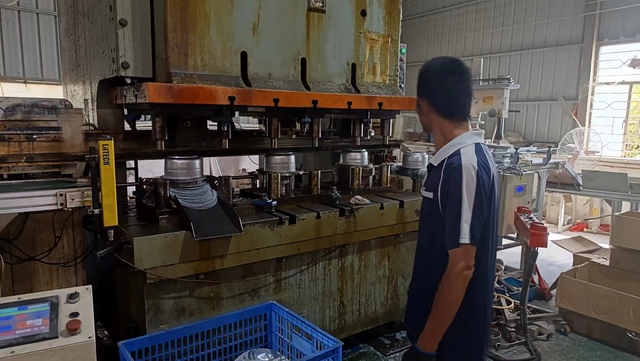
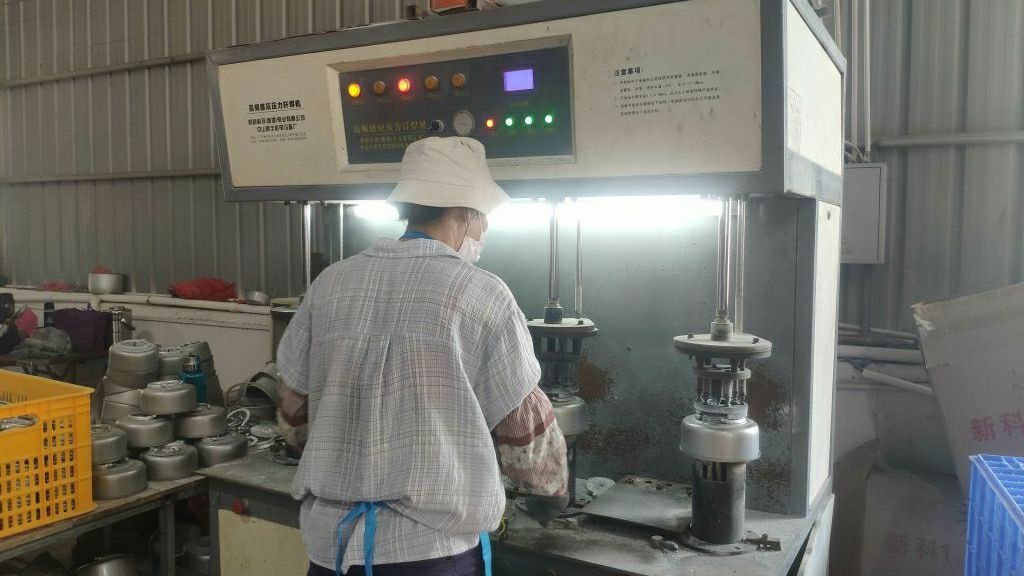
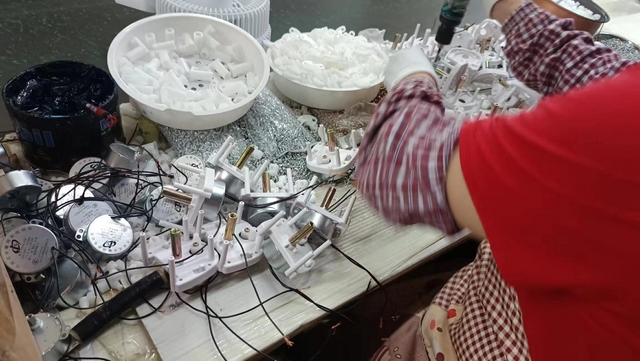
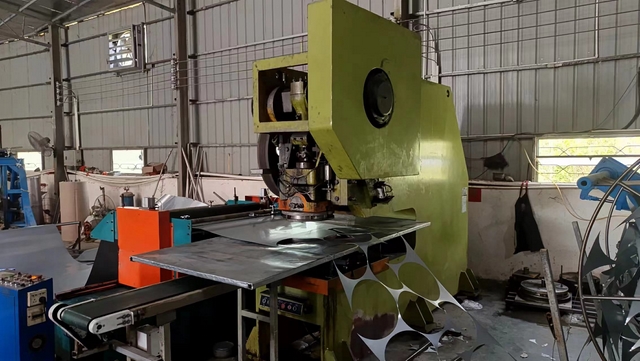
Our commitment to continuous technological evolution drives our R&D efforts across three primary engineering spheres:
As global building trends shift towards carbon neutrality and highly energy-efficient dwellings, Guangdong Picky Kitchen Co. Ltd. is actively aligning its engineering directives to meet tomorrow's challenges. Our future outlook focuses on environmental manufacturing stewardship and intelligent IoT hardware integration.
We are phasing in the use of low-VOC powder coatings and chrome-free surface treatment processes to minimize the chemical footprint of our range hoods. On the technology side, we are developing Wi-Fi enabled controller platforms that allow range hoods to communicate with local heat recovery ventilation (HRV) systems. This ensures that when the hood activates, the home's mechanical heat recovery ventilation scales up or down, preventing negative pressure environments and ensuring air quality stability.
By investing in automated tooling systems and low-carbon metallurgical partners, we ensure our high-volume output remains highly cost-competitive while respecting green manufacturing requirements worldwide.
In the modern building appliance market, supply chain flexibility separates market leaders from distributors plagued by inventory shortages. We offer end-to-end design, prototyping, compliance testing, and container logistics to ensure New Zealand retailers, property developers, and appliance brands receive premium products under their proprietary labels.
We modify existing motor designs, chassis dimensions, and panel controls to fit the exact specifications of the New Zealand market. Whether you require push-button simplicity or touchless gesture controls, our engineering team can adapt any product profile to match local consumer preferences.
New Zealand and Australian markets operate under stringent safety structures. We manage the testing processes for AS/NZS compliance, obtaining the mandatory RCM (Regulatory Compliance Mark) approvals so that importers can bring our kitchen extractors to market without regulatory delays.
With consolidated container packing and optimized packaging dimensions, we maximize cubic capacity per container. This significantly reduces ocean freight costs per unit from Chinese ports directly to New Zealand hubs like Auckland, Tauranga, and Lyttelton.
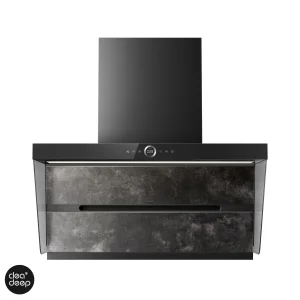
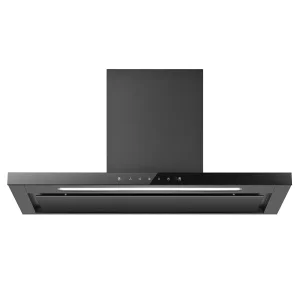
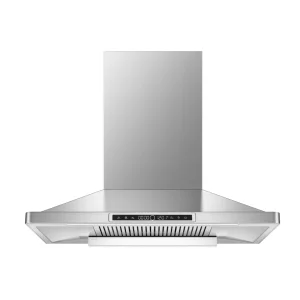
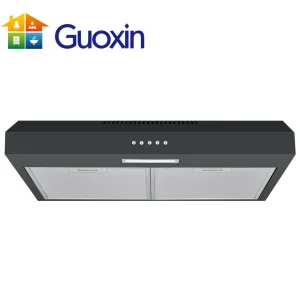
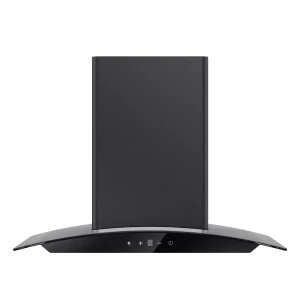
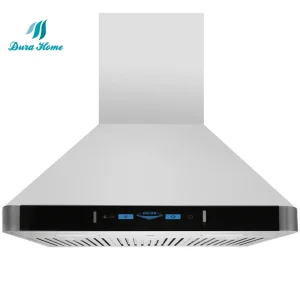
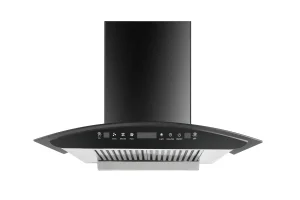
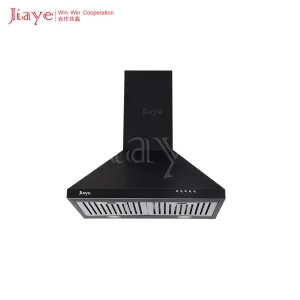
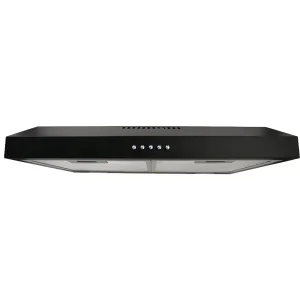
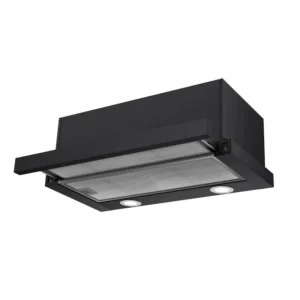
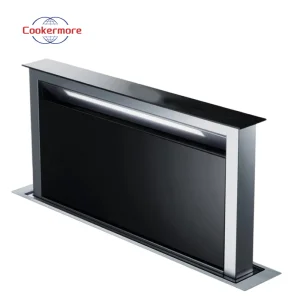
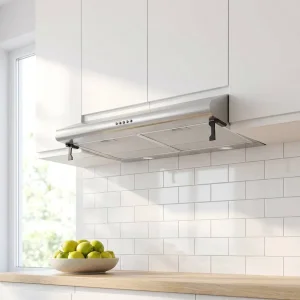
High-efficiency domestic and commercial kitchen extractors configured for immediate export. Select models feature automatic cleaning functions, variable speed blowers, and high-tensile steel bodies.
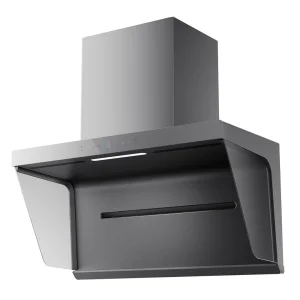
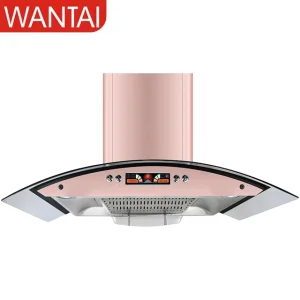
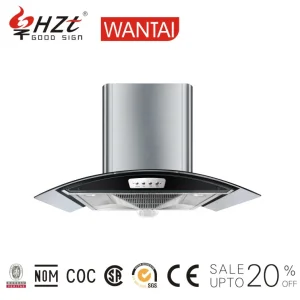
For architectural firms, MEP engineers, and commercial importers, understanding the internal thermodynamics of range hoods is essential. The extraction efficiency of a modern range hood is not purely defined by its motor power (Watts) or its free-flow airflow rating (expressed in cubic meters per hour). Instead, it depends heavily on **static pressure resistance** and the air volume rate when coupled to ducted systems.
In standard New Zealand home layouts, range hoods are ducted through flexible or semi-rigid aluminum piping out through an exterior wall or the roof space. Each bend, transition, and vent cowl increases static resistance. Standard range hoods with low static pressure (below 250 Pa) experience a significant drop in actual extraction efficiency when attached to a 3-meter ducting line with a 90-degree bend.
Our premium series range hoods are engineered with high-torque centrifugal impellers capable of maintaining high static pressure (up to 400 Pa). This design keeps real-world extraction rates high even under complex ducting routes, ensuring moisture is removed from the kitchen and preventing structural mold growth within structural framing walls.
We supply two core filter designs depending on application requirements:
Importing commercial goods across global maritime networks requires careful risk mitigation. At Guangdong Picky Kitchen Co. Ltd., our export division ensures that all range hood shipments to New Zealand ports undergo strict quality gates before loading.
Every unit undergoes high-voltage electrical safety checks, motor temperature-rise tests, and noise decibel verification in our acoustic chambers. Furthermore, we wrap our glass and stainless steel components in peelable protective film and pack them in high-density, double-walled corrugated cartons with molded EPS foam shock-absorbers. This protective packaging helps prevent cosmetic defects from container vibrations during transport.
We support our partners in the New Zealand market through a structured business framework:
Technical and logistical answers for distributors, real estate developers, and commercial buyers sourcing range hoods for New Zealand projects.
Looking to procure compliance-certified kitchen exhaust systems for New Zealand projects?