Picky Kitchen
Picky Kitchen
Picky Kitchen
Direct supply line of precision timing components customized for Australian electrical standards, commercial kitchens, and industrial environments.
Commercial Kitchen, Industrial Manufacturing, and Residential Smart Appliance Outlook.
The demand for high-reliability kitchen timing mechanisms in Australia is driven by two prominent factors: a sophisticated culinary/hospitality landscape and strict safety regulations governed by Food Standards Australia New Zealand (FSANZ). In high-pressure environments, such as Quick Service Restaurants (QSRs) in Sydney, Melbourne, Brisbane, and Adelaide, timing is a critical component of both food safety protocols (HACCP) and service efficiency.
Moreover, the Australian commercial kitchen equipment landscape has shifted toward advanced automation. With the rising cost of labor, commercial kitchens cannot afford operational slip-ups caused by imprecise manual timing. Importers, wholesalers, and equipment manufacturers (OEMs) require timers that offer extreme durability under high humidity and high-temperature conditions common to local catering services.
In the residential market, the Australian consumer increasingly seeks smart-home compatibility and high-aesthetic designs. Kitchen timers are no longer viewed as cheap standalone gadgets, but as integrated functional systems built directly into premium range hoods, smart ovens, and domestic countertops. This transition has pushed Australian sourcing managers to prioritize suppliers who offer sophisticated R&D capabilities, multi-channel capabilities, and complete electromagnetic compatibility (EMC) alignment.
Where timing hardware meets artificial intelligence and smart home automation.
The current technological trajectory of kitchen timers centers heavily on wireless protocol integration. Modern commercial kitchens rely on Bluetooth Low Energy (BLE) and Wi-Fi-enabled timers that sync directly with central Kitchen Display Systems (KDS) and POS setups. This allows multi-station synchronization where a master system coordinates cooking times across grill, fryer, and prep stations to ensure food arrives hot and cooked precisely according to recipe cards.
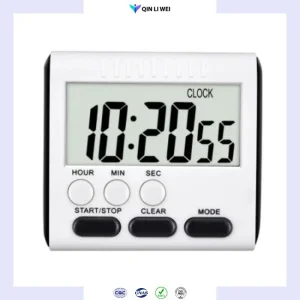
Legacy mechanical timers are being supplemented or replaced by highly customizable digital microcontrollers. Advanced units now support multi-phase timer configurations, enabling a chef to program complex recipes such as "Bake at 180°C for 20 minutes, then brown at 220°C for 5 minutes," sending electronic trigger signals directly to the heating elements. The internal circuit architecture must be engineered to withstand constant temperature fluctuations without drifting in clock frequency.
Aligning with Australia's national packaging targets and circular economy goals, modern factories are transitioning toward bio-based polymers and highly recyclable mechanical components. Using lead-free solder pastes (in compliance with RoHS directives) and low-VOC surface treatments ensures that the entire life cycle of the timer minimizes its carbon footprint without compromising on structural robustness.
Tailored timing solutions built for diverse high-demand operational sectors.
Timing solutions must be adapted for specific industrial contexts rather than using a one-size-fits-all approach. Below is how our manufacturing setups tackle key sectors:
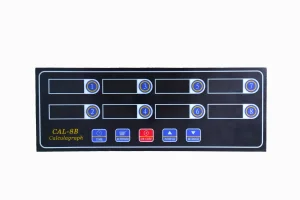
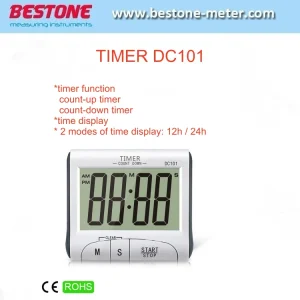
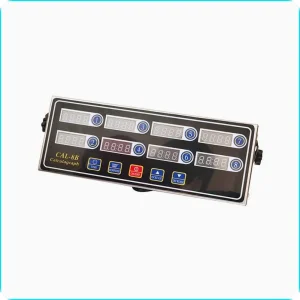
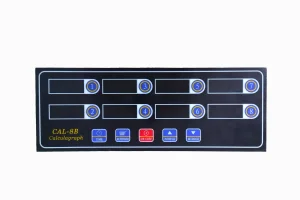
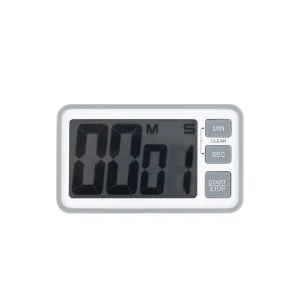
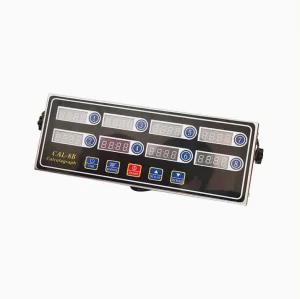
For quick-service chains, timing accuracy directly dictates throughput speed and consistency. Standardized 8-channel or 4-channel timers with high-decibel alarms (up to 95dB to cut through kitchen noise) and bright LED flashers are essential. These timers require membrane-key overlays that are grease-proof, waterproof, and easy to sanitize during daily wipe-downs.
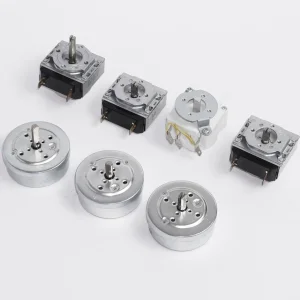
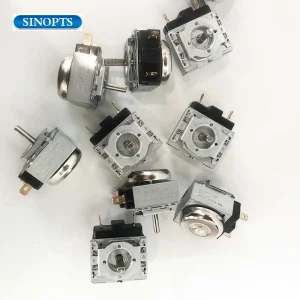
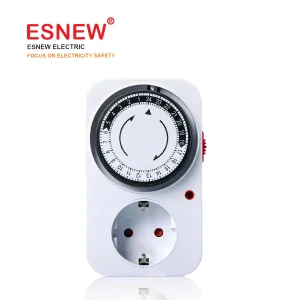
For kitchen appliance manufacturers making combi-ovens, commercial deep fryers, and pizza ovens, the timer is an embedded component. We supply high-temperature rated mechanical timers (such as our DKJ-Y series) capable of functioning smoothly at ambient oven-body temperatures up to 125°C. These timers are integrated with mechanical bell rings that operate entirely without external electrical power, maintaining functionality even during power dropouts.
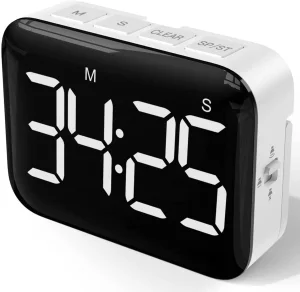
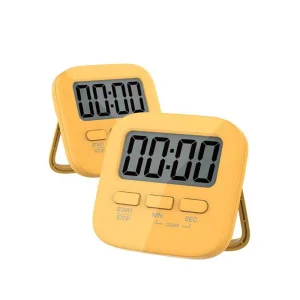
Educational institutions and research laboratories across Victoria and New South Wales require silent timing solutions. Our classroom range features magnetic, mute-capable countdown timers that use visual LED indicators instead of high-pitch buzzers. This serves environments where focus is paramount, yet precise tracking of chemical reactions or examination periods is needed.
Aligning with rigorous Australian and international electrical safety frameworks.
Entering the Australian market demands strict compliance with national safety codes. When sourcing electronics and timing controllers, global procurement officers must verify that the components hold valid regulatory approvals. Our supply chain guarantees:
12,000 Square Meters of Advanced Manufacturing Infrastructure and End-to-End Quality Controls.
Established in 2005, Guangdong Picky Kitchen Co. Ltd. has grown into a diversified and innovation-driven enterprise specializing in kitchen hardware and functional home hardware systems. Centered on research, design, manufacturing, and global distribution, the company is dedicated to delivering high-quality, integrated kitchen hardware solutions for customers worldwide. The company firmly believes that the kitchen is not only a functional space for cooking, but also a key reflection of lifestyle quality. Guided by this philosophy, it consistently pursues the integration of functional excellence and aesthetic innovation.
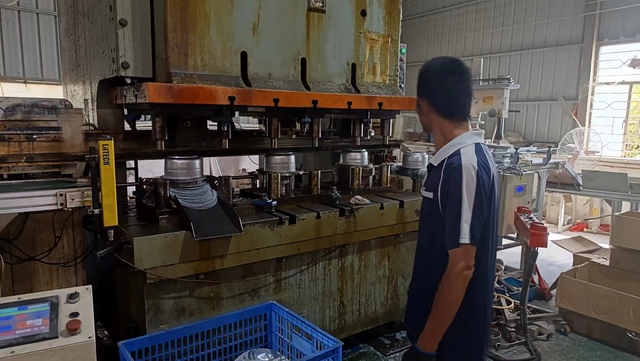
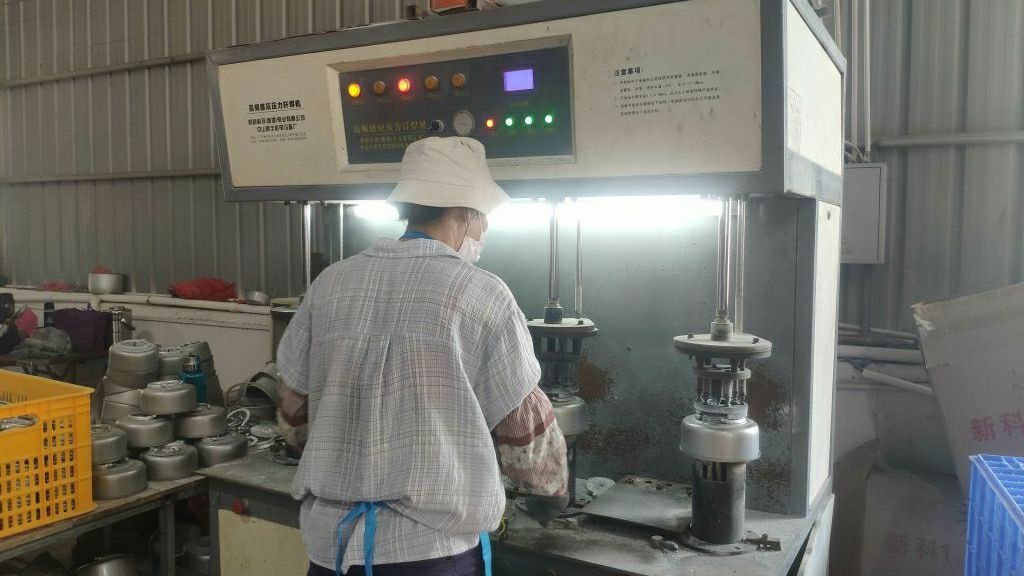
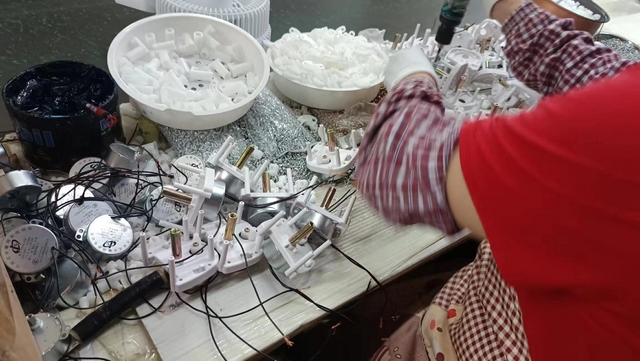
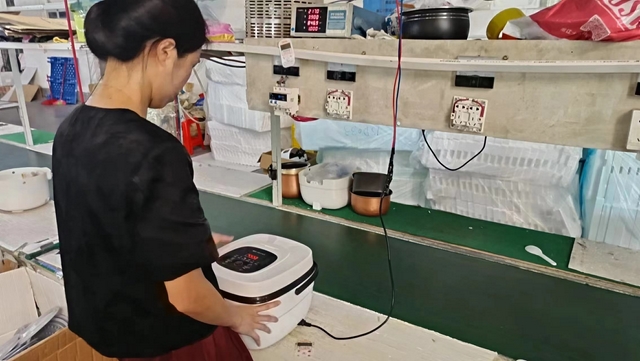
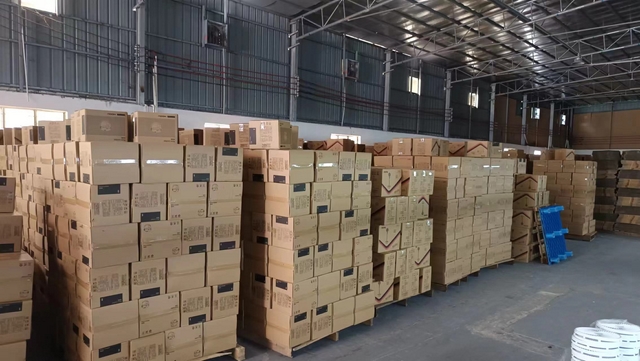
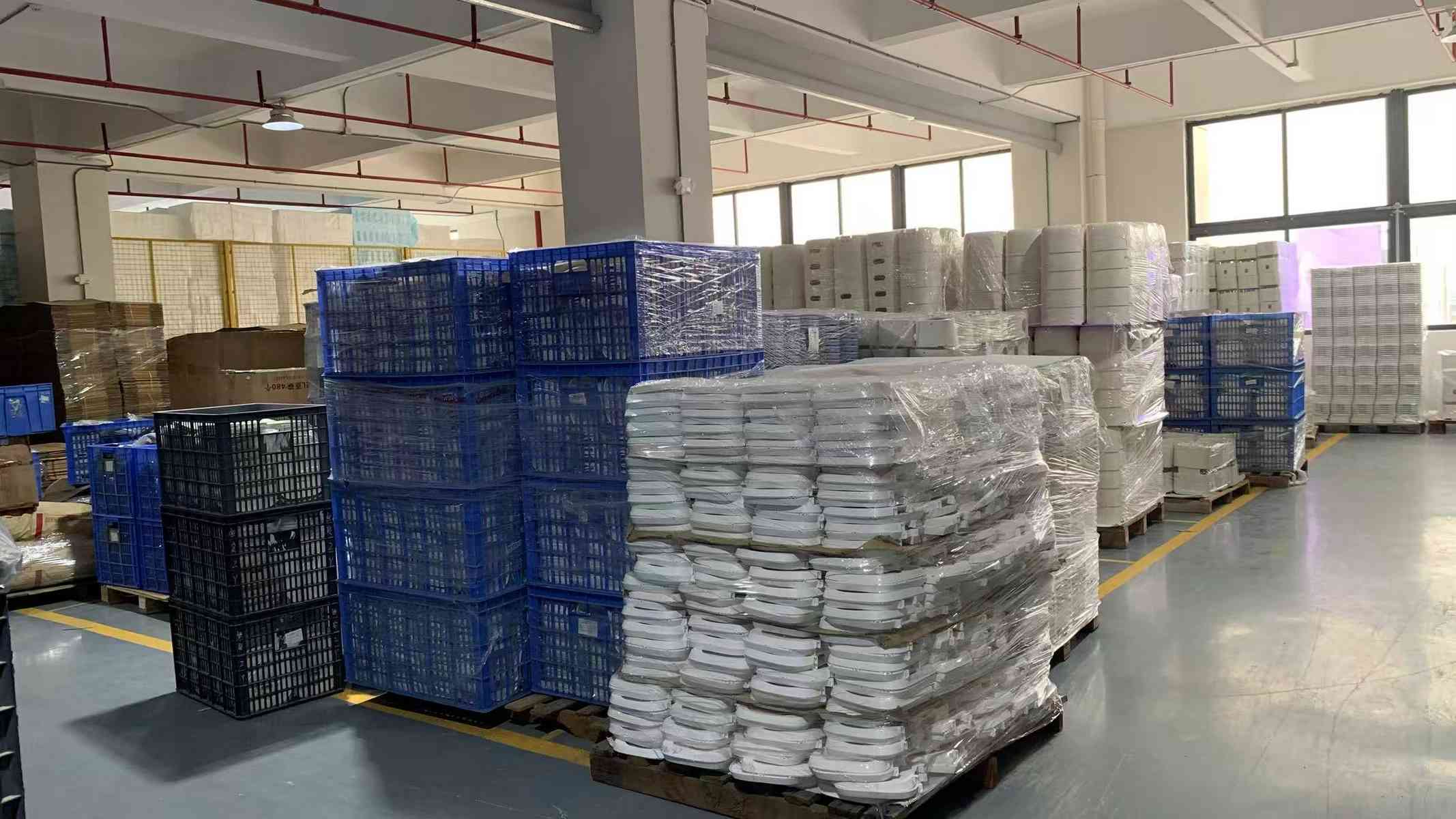
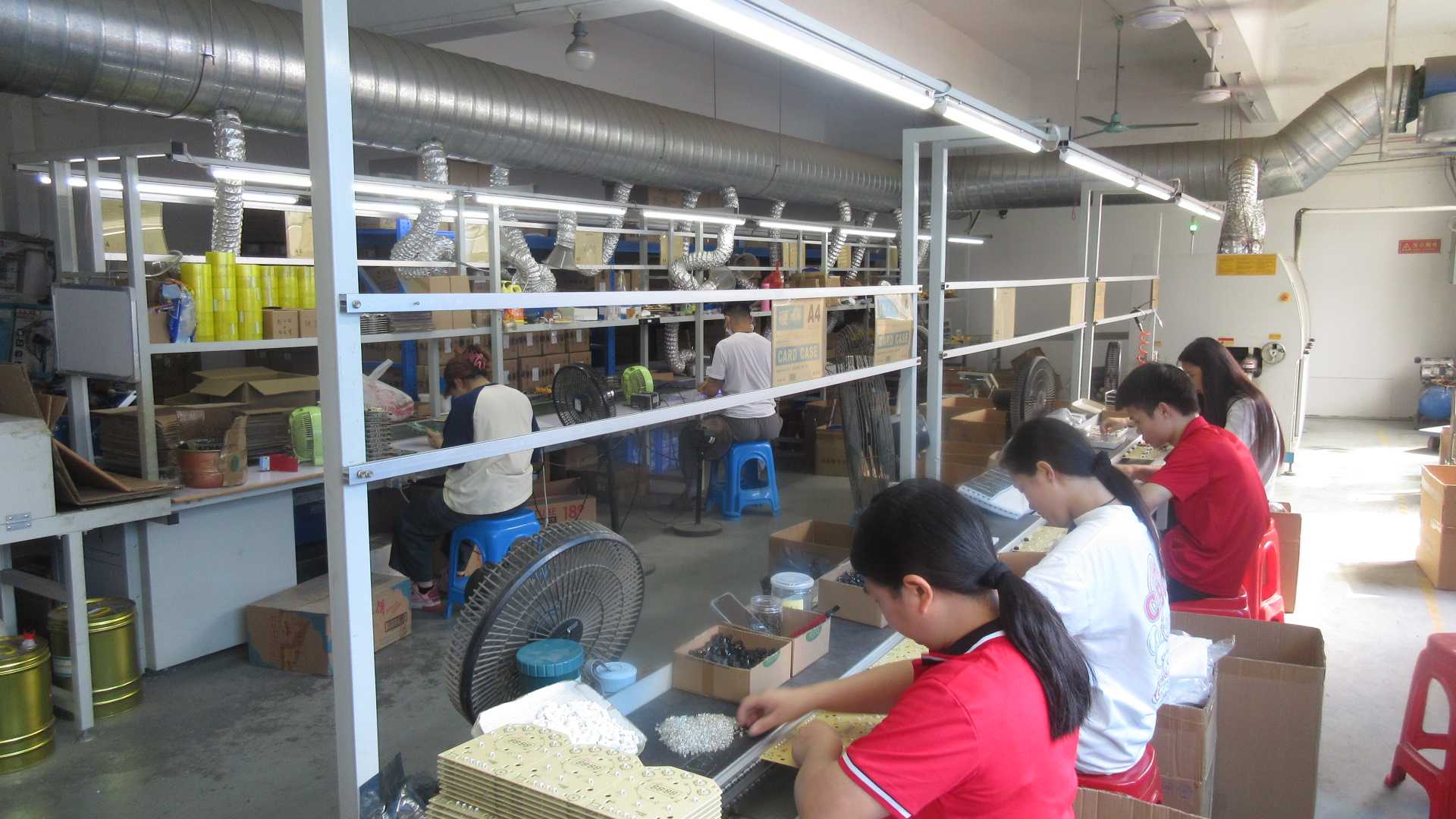
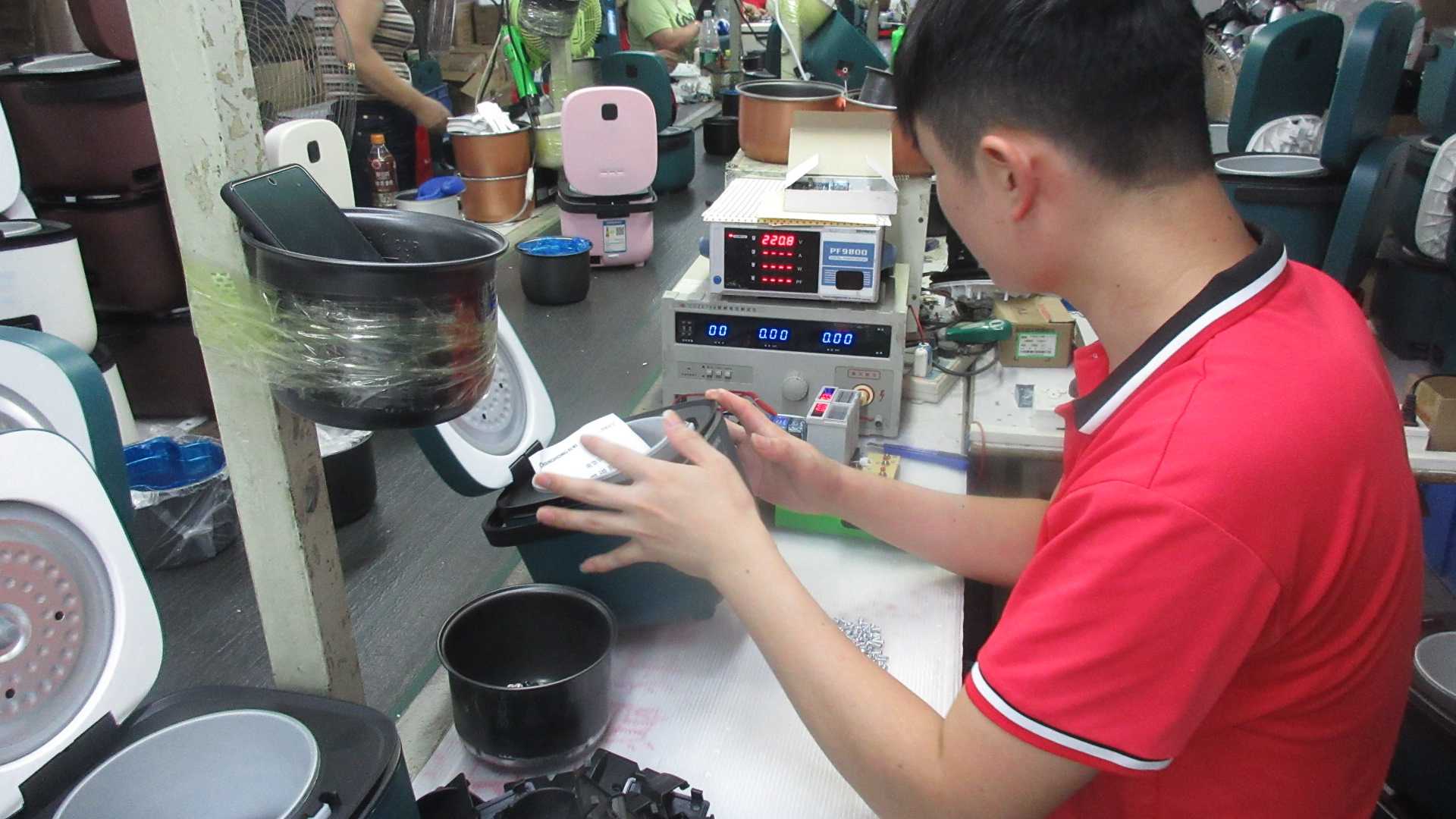
Our modern manufacturing facility covers approximately 12,000 square meters, equipped with advanced production lines and comprehensive quality control systems. This facility serves as the backbone of our manufacturing capability, ensuring both efficiency and product consistency. Our production scope includes structural component design, precision stamping and die-casting, CNC machining, automated tool processing, mold development and fabrication, laser welding, assembly, and final testing. This full-chain manufacturing system enables Guangdong Picky Kitchen Co. Ltd. to provide one-stop solutions while maintaining strict control over quality and lead times, as well as responding quickly to customized client requirements.
Technological innovation is driven by a skilled and experienced R&D team composed of engineers specializing in structural design, mold development, industrial design, and automation systems. This team is responsible not only for new product development but also for continuous improvement of manufacturing processes and material applications. Through ongoing innovation, the company ensures its products deliver superior durability, smooth operation, structural stability, and design refinement, keeping pace with global kitchen hardware trends.
Responding to the global shift toward smart homes and sustainable manufacturing, Guangdong Picky Kitchen Co. Ltd. is actively advancing three strategic directions: the adoption of eco-friendly materials such as low-VOC coatings and bio-based surface treatments; the integration of IoT and intelligent sensing technologies into kitchen hardware systems; and the development of low-carbon manufacturing practices aimed at building greener factories and more sustainable supply chains.

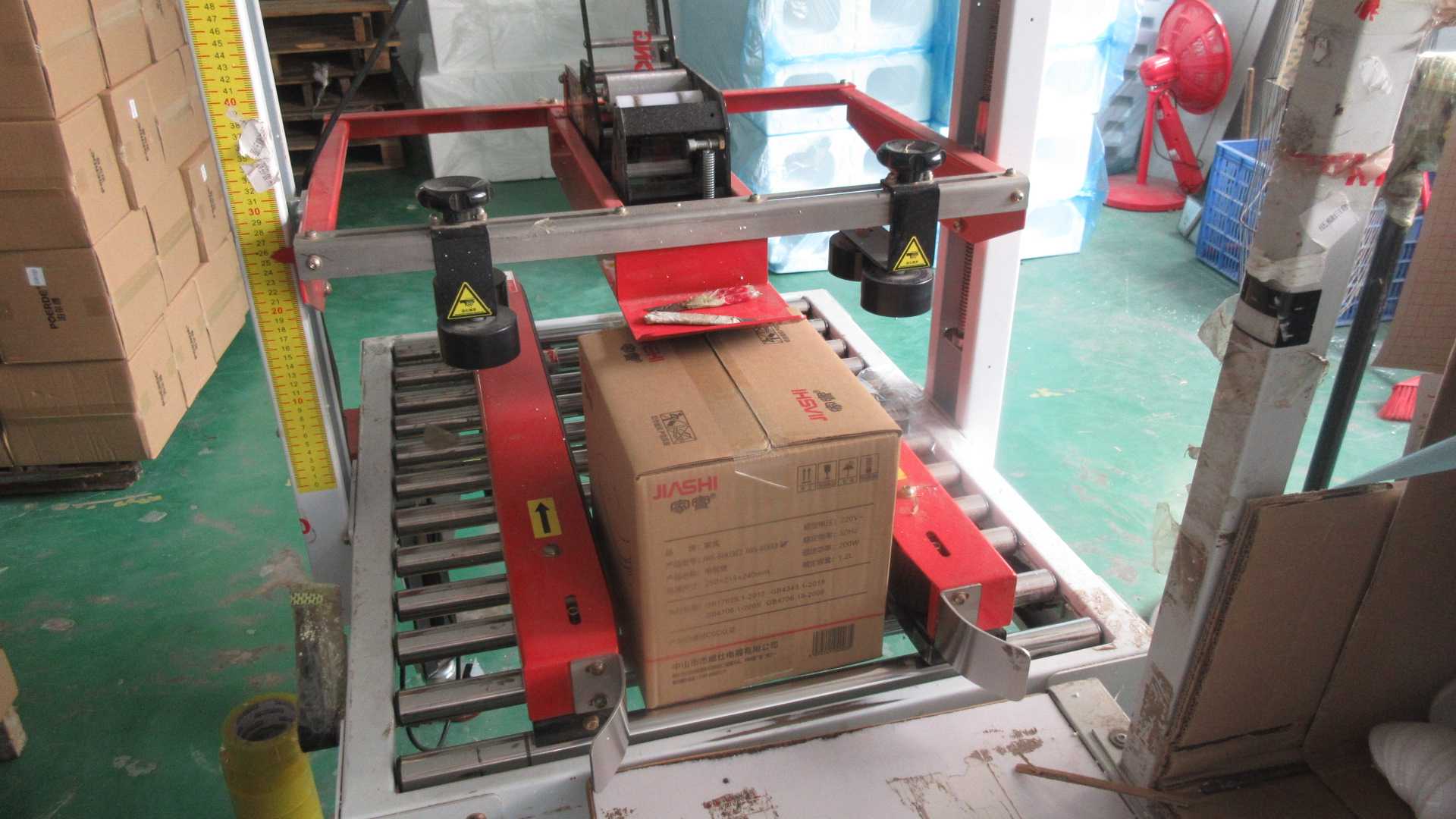
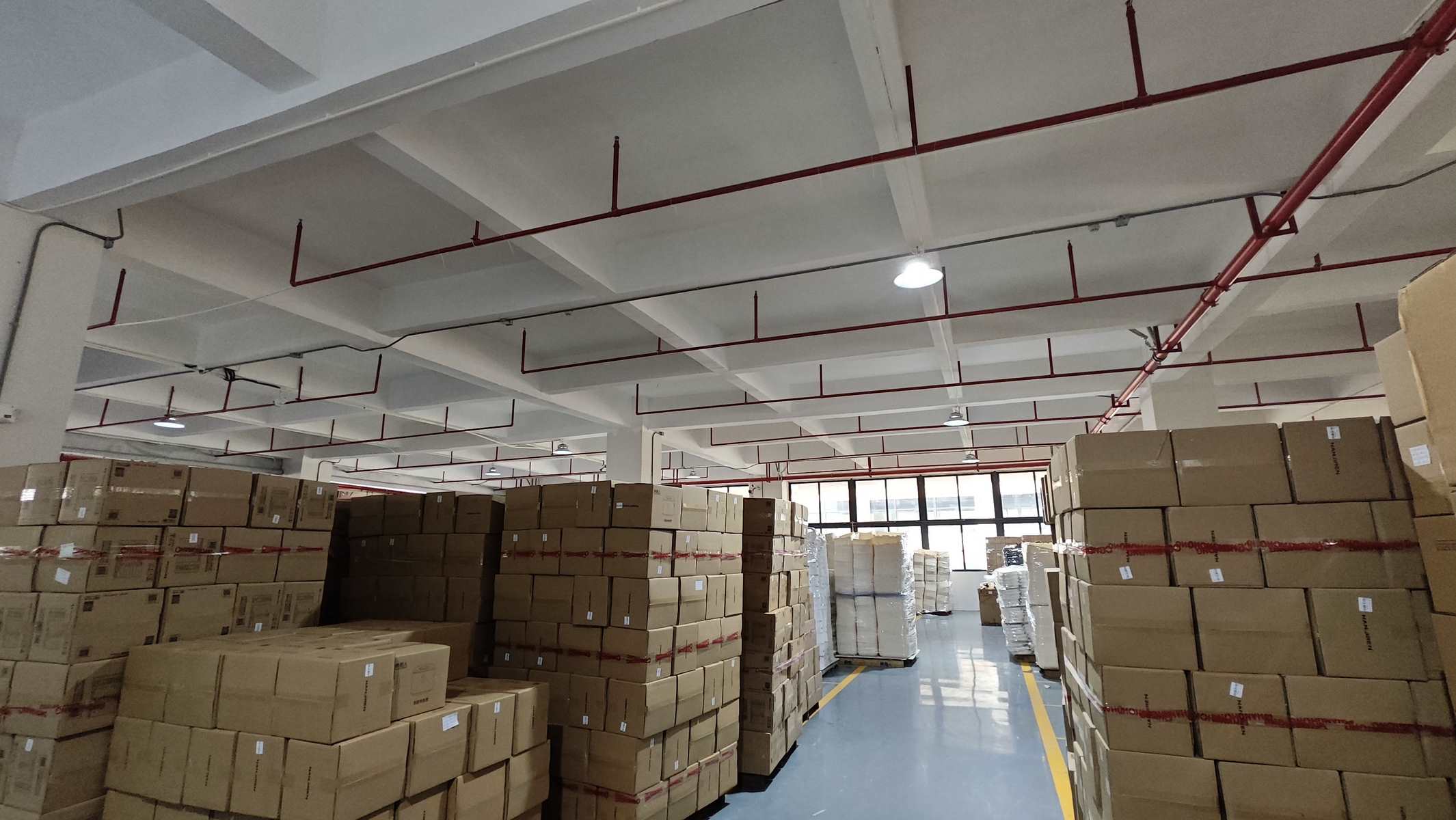
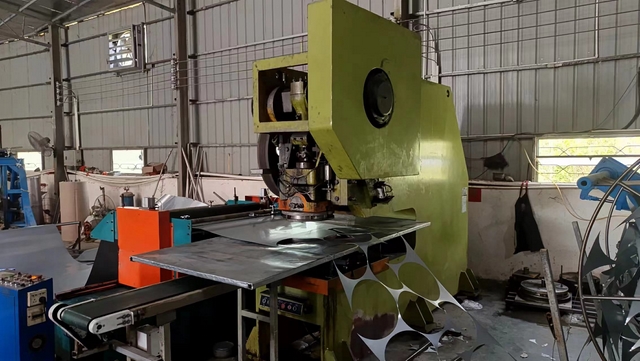
Streamlined OEM/ODM operations, flexible MOQ matrices, and resilient trans-Pacific shipping logistics.
For procurement officers in major Australian trade cities—such as Sydney, Melbourne, Brisbane, and Perth—partnering with a vertically integrated manufacturer in Southern China bridges the gap between cost efficiency and high product standards. To build a highly resilient supply chain, global enterprises should verify three key pillars during their vendor auditing phases:
Importers should ensure the factory operates in-house SMT (Surface Mount Technology) lines. Outsourced electronics manufacturing often results in component-level variance, leading to timing drifting and product failures. In-house PCB assembly ensures strict quality controls from component placement to wave soldering, guaranteeing high reliability across years of use.
A capable factory must offer comprehensive customization: from mold modifications for housing shells to custom microprocessor programming for specialized cooking intervals. Our engineering department works directly with your hardware teams, supplying 3D CAD mockups and swift rapid prototyping to significantly shorten product time-to-market.
Quality checks must occur throughout the entire production lifecycle. We implement multi-phase inspection steps, including component sorting, raw material verification, circuit board testing, final function calibration, and secure drop testing. This ensures that every kitchen timer arriving at Australian ports meets strict commercial standards.
Explore our full range of mechanical, digital, programmable, and commercial-grade timer components.
Technical answers to common questions regarding Australia-bound commercial kitchen timing hardware imports.