Picky Kitchen
Picky Kitchen
Picky Kitchen
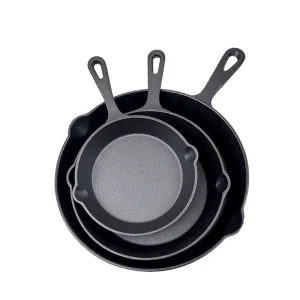
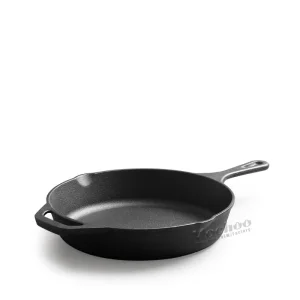
Explore our top-tier selection of cast iron skillets customized to withstand the intense thermal profiles of Anatolian culinary practices and heavy commercial HORECA applications.
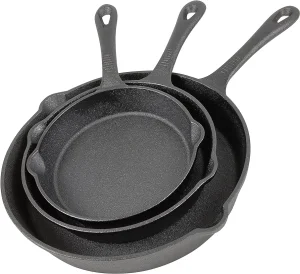
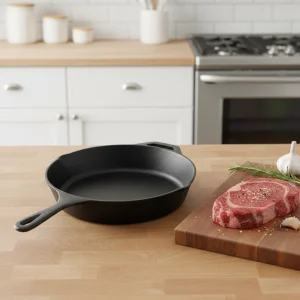
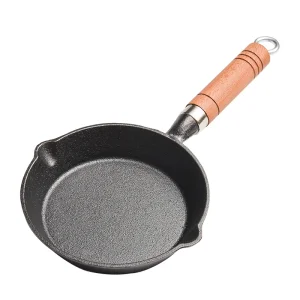
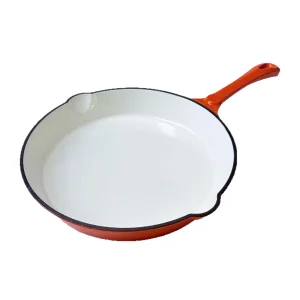
The culinary landscape of Turkey is undergoing a profound transformation. While traditional copper pots (bakır) and clay bakers (güveç) have historically defined regional cooking, modern Turkish HORECA (Hotel, Restaurant, Café) establishments and residential home chefs are rapidly transitioning to high-grade cast iron cookware. The thermal properties of heavy cast iron skillet lines offer unmatched advantages for Turkish gastronomy, particularly in lock-in moisture cooking, high-heat searing, and consistent heat dispersal.
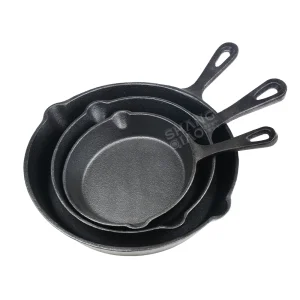
Key localized applications include preparing traditional Turkish breakfasts like Menemen (scrambled eggs with tomatoes and peppers), where heat retention keeps the dish hot during table service. Additionally, premium Turkish steakhouses and grillers in metropolitan centers such as Istanbul, Ankara, and Izmir depend heavily on cast iron sizzle plates to present smoking hot kebabs and meat dishes directly to customers. The rise of outdoor camping culture along the Aegean and Mediterranean coastlines has further driven consumer retail demand for rugged, pre-seasoned cast iron skillets with teardrop handles.
From an import perspective, Turkey's strategic position at the crossroads of Europe and Asia requires suppliers to satisfy rigorous food contact testing guidelines. We engineer all products in strict compliance with Turkish Standards Institution (TSE) guidelines, LFGB food-grade mandates, and EU REACH regulations, ensuring zero toxic leaching and absolute structural resilience under industrial loads.
A high-performance cast iron skillet is not merely cast metal; it is a precisely engineered carbon-iron-silicon alloy. To achieve structural stability, outstanding thermal resistance, and optimal heat capacity, our foundry utilizes Grade 20/25 Gray Iron (GG20/GG25). This configuration yields an ideal balance of thermal conductivity and fracture toughness, which prevents warping under high thermal shocks.
Our raw material undergoes melting in medium-frequency induction furnaces at temperatures exceeding 1,500°C. Automatic spectral analysis ensures that critical elements remain within strict tolerances: Carbon (3.25% - 3.60%), Silicon (1.80% - 2.30%), and Manganese (0.50% - 0.80%). Lower sulfur and phosphorus contents prevent casting defects and micro-cracking during cool-down.
After casting via high-pressure sand-molding lines, every skillet is shot-blasted to remove residual sand, and polished to a controlled surface roughness. This precise topography is critical: too smooth, and the polymer oil seasoning will not adhere; too rough, and food will stick. We then apply pure vegetable oils (typically flaxseed or soybean) via an electrostatic sprayer system and bake the cookware at 400°C to cross-link the triglycerides into a tough, natural non-stick polymer layer.
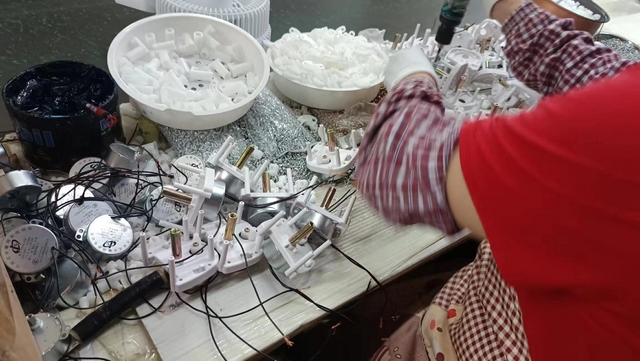
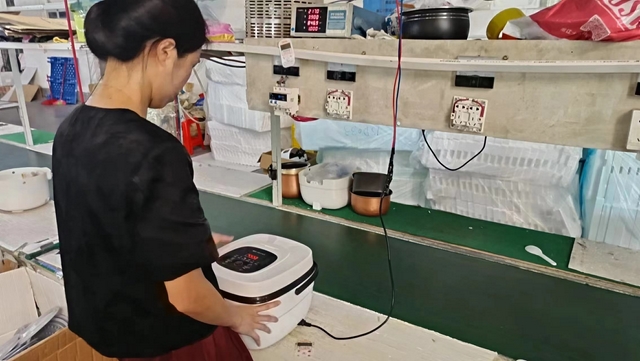
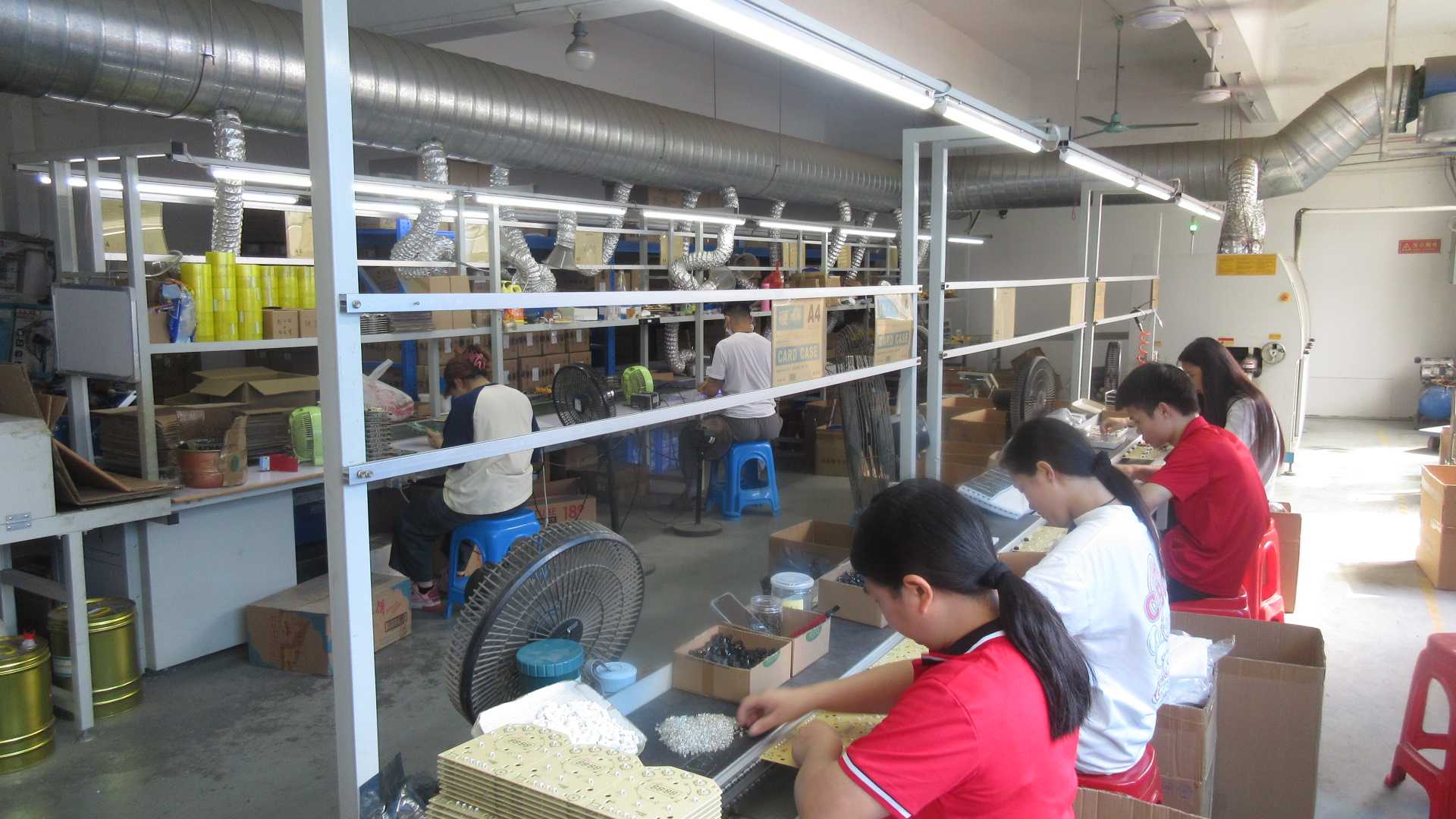
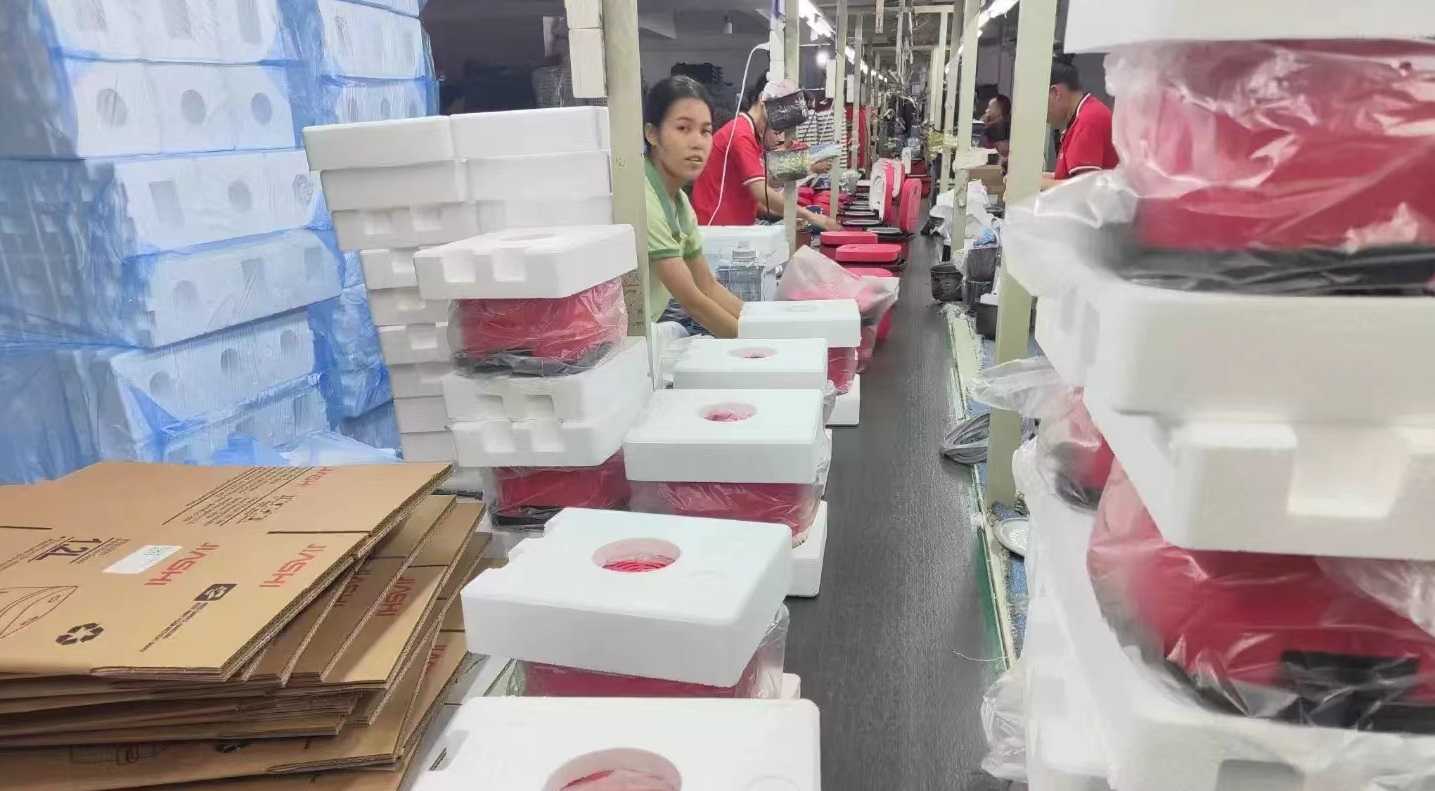
We operate a fully integrated 12,000 square meter factory ensuring seamless QA checks from melting to dispatch. Review our core production stages below:
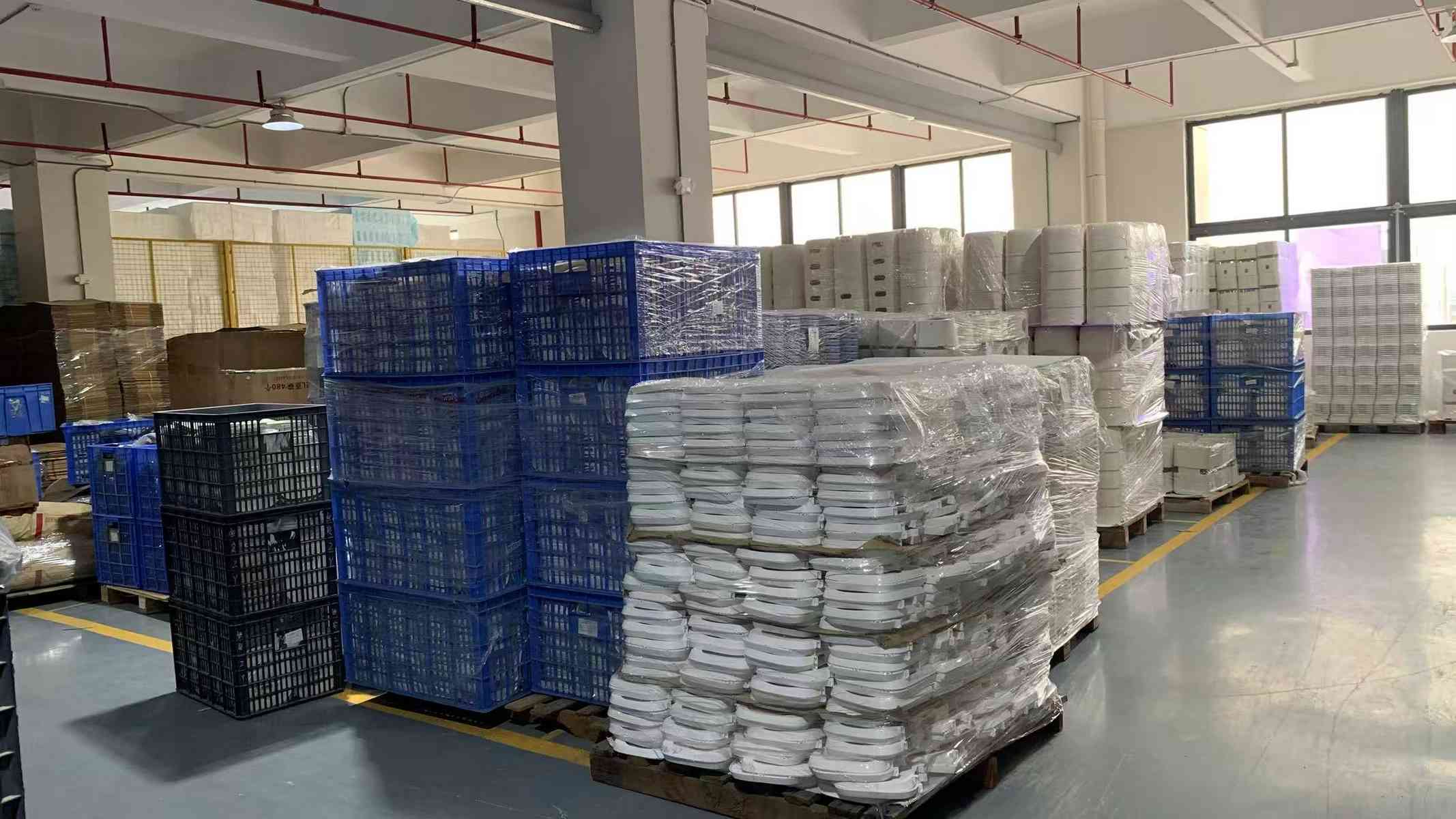
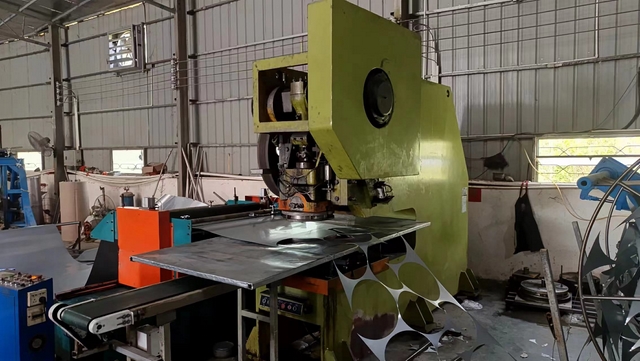
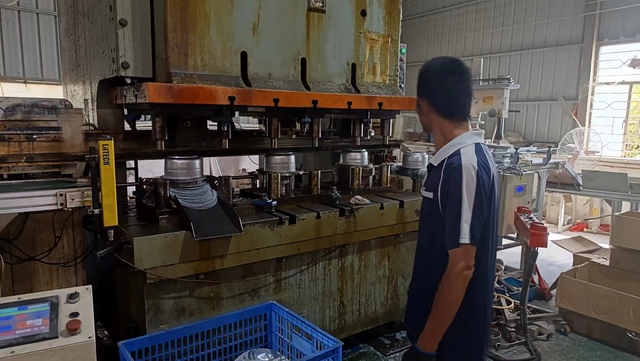
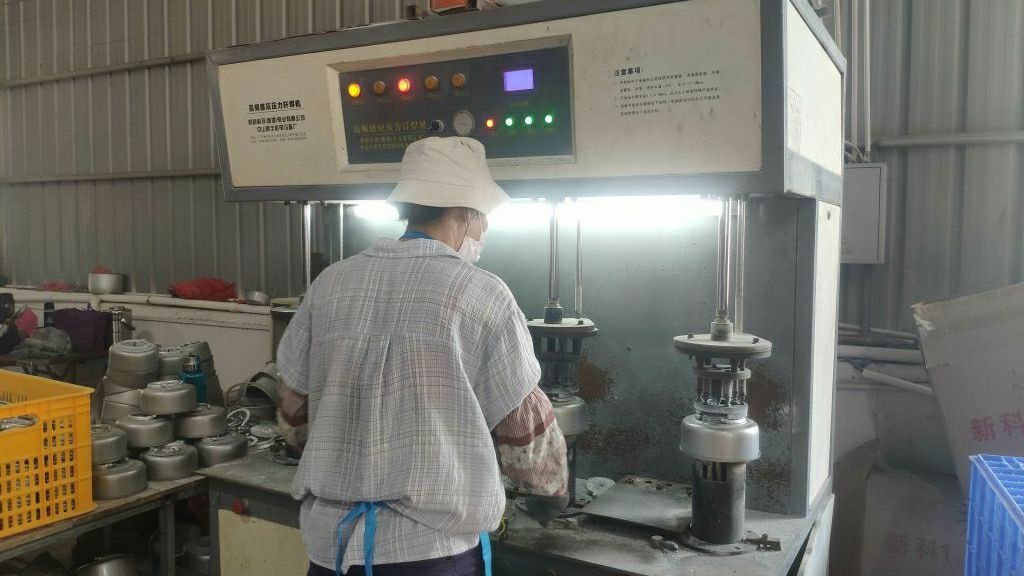
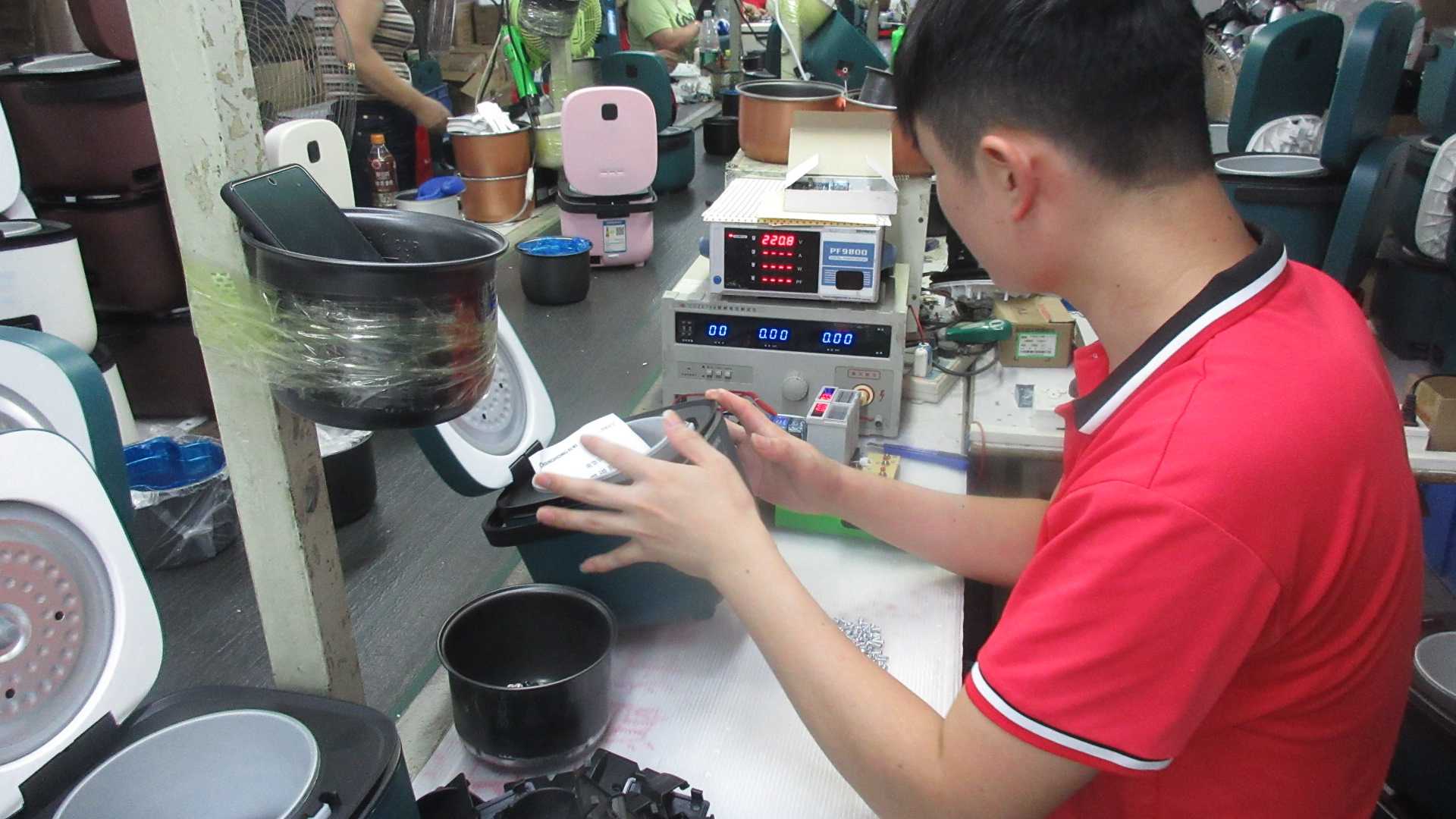
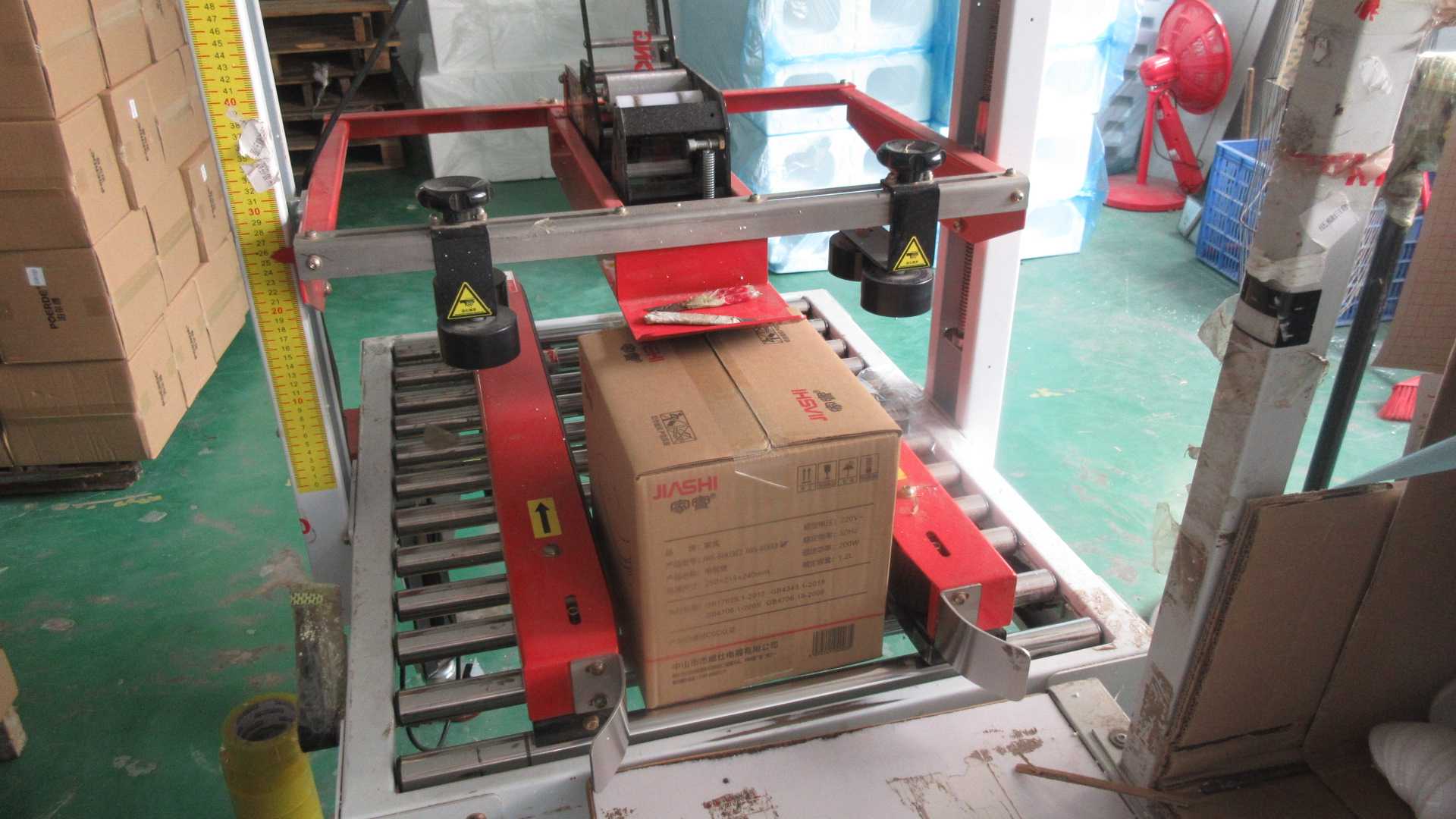
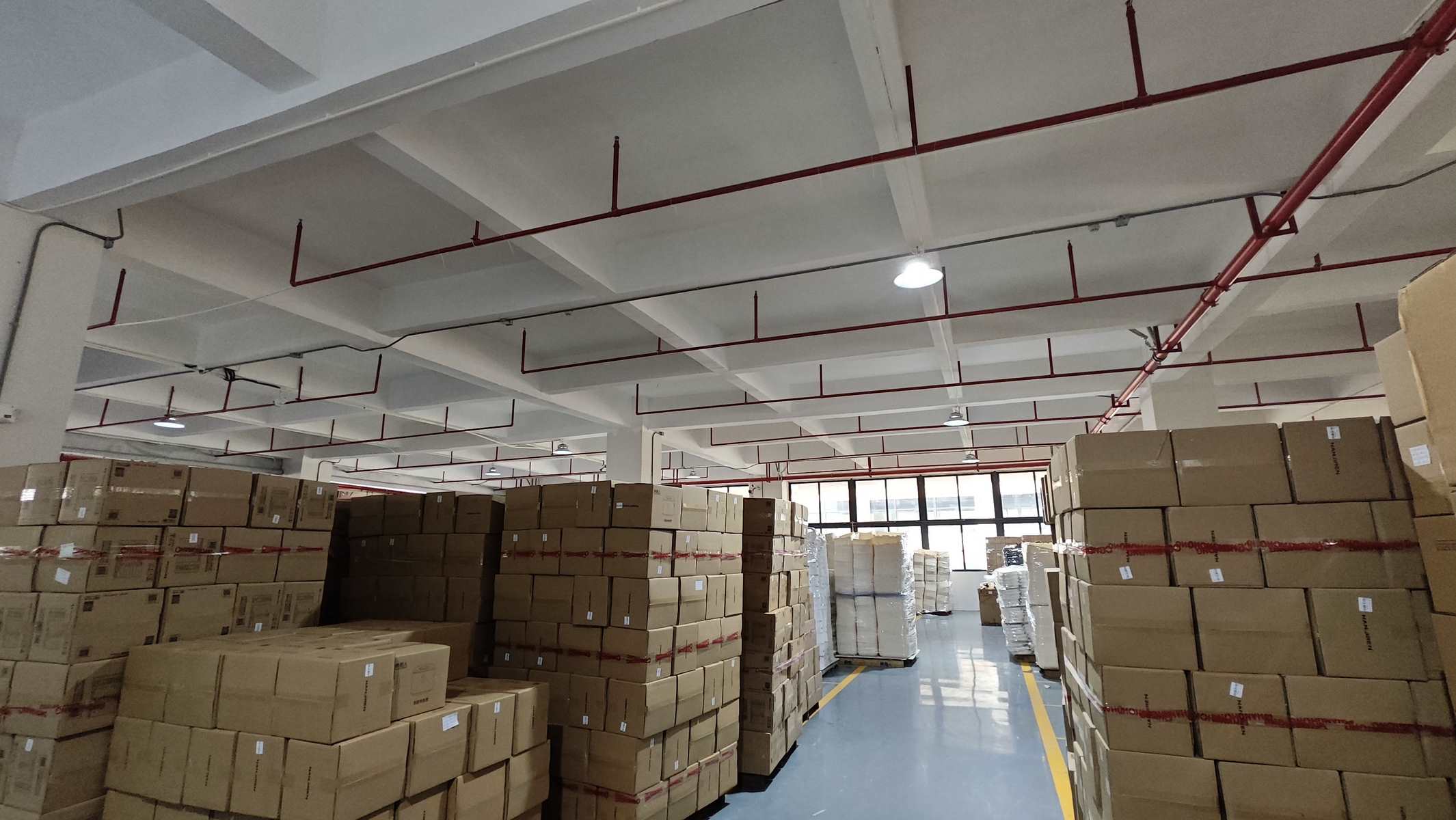
Global supply chain efficiency is a vital metric for Turkish B2B buyers, distributors, and kitchenware retailers. By integrating raw material sourcing, mold-making, high-output melting casting, automatic grinding, and surface coating under one manufacturing facility in Guangdong, Guangdong Picky Kitchen Co. Ltd. offers significant lead-time and unit-cost advantages over regional alternatives.
We offer diverse cargo logistics to Turkey. Consignments are packed at our automated warehouse facility and dispatched via major Southern China ports (Shenzhen/Guangzhou). Sea routes to critical Turkish ports including Istanbul (Ambarli), Izmir (Alsancak), and Mersin typical run 22 to 28 days transit times, providing a cost-effective option for large bulk FCL orders.
As an experienced global exporter, we understand Turkey's specific Customs Union requirements. We provide full documentation support, including A.TR Movement Certificates, Certificates of Origin, Bill of Ladings, and customs clearance paperwork, avoiding transit delays and minimizing import tariff overheads.
From custom embossed logos on the base of cast iron skillets to premium color packaging designs tailored to the Turkish language, our graphics and engineering teams deliver turnkey B2B solutions. We support small B2B starting test runs to high-volume container shipments.
Talk to our export engineering division today for bespoke quotations, lead times, and customized branding opportunities.
Send Inquiry NowAs the kitchenware industry transitions toward sustainable manufacturing and health-centric features, we are proactively upgrading our products across three core dimensions:
Detailed information and metallurgical insights for distributors, sourcing managers, and kitchen brands importing to Turkey.
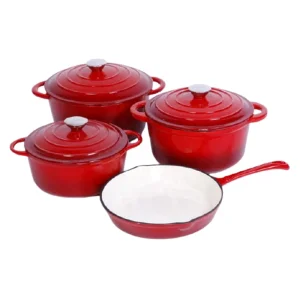
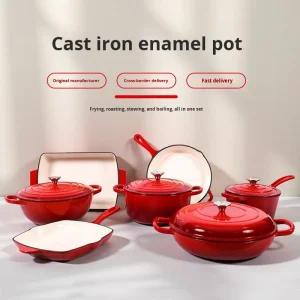
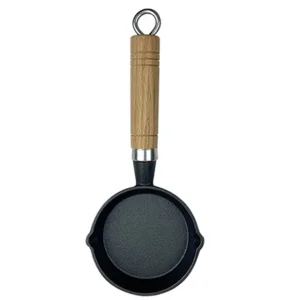
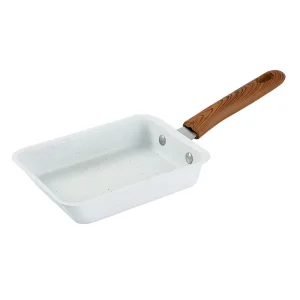
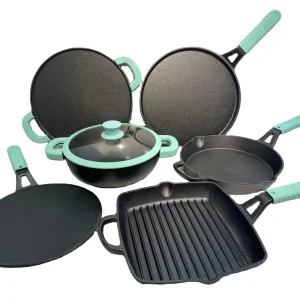
Browse our extensive selection of specialized Dutch ovens, griddle plates, multi-piece sets, and mini skillets developed for diverse retail and culinary setups across Turkey.