Picky Kitchen
Picky Kitchen
Picky Kitchen
High-demand kitchen essentials engineered for modern commercial kitchens and retail distribution across Dublin, Cork, and Belfast.
The consumer cookware and professional catering landscape in the Republic of Ireland and Northern Ireland is undergoing a significant transition. Driven by structural shifts in energy efficiency mandates, a deep-seated cultural appreciation for authentic culinary practices, and rising health-conscious consumer profiles, heavy-duty cast iron skillets have moved from a niche traditional choice to a mainstream kitchen staple. For major European distribution hubs, department store buyers, and professional catering groups based in Dublin, Cork, and Galway, identifying the right manufacturing partner is a critical step in building a reliable, highly profitable supply chain.
This whitepaper analyzes the metallurgical standards, manufacturing technologies, regulatory frameworks, and logistics channels that define the B2B imports of premium cast iron skillets into the Irish market. As a leading manufacturer with deep roots in kitchen hardware innovation, Guangdong Picky Kitchen Co. Ltd. delivers custom OEM/ODM solutions engineered to survive the most rigorous performance testing while satisfying the strict food contact standards mandated by Irish and European regulatory authorities.
With energy prices fluctuating across Europe, the heat storage capacity of cast iron is a key selling point. Cast iron exhibits a high specific heat capacity and thermal emissivity, allowing it to retain heat far longer than aluminum or stainless steel. On modern glass-ceramic induction hobs, which are now standard in new residential developments across Ireland, high-density cast iron skillets distribute heat evenly, preventing localized thermal stress and energy wastage.
Ireland’s culinary market presents a unique blend of heritage cooking styles and hyper-modern, international food trends. The demand for cast iron is split into two primary segments:
The Domestic Market (B2C): Modern Irish homes increasingly prioritize non-toxic, PFOA-free, and PFAS-free cooking solutions. Conventional non-stick coatings with synthetic polymers are falling out of favor in comparison to organic, vegetable oil-seasoned cast iron or high-grade enameled surfaces. In addition, the widespread integration of induction cooktops in urban apartments in Dublin and Cork means cookware must possess high magnetic permeability. Cookware lacking a perfectly flat magnetic base can cause high-frequency vibrations and uneven heating on induction elements.
The Commercial Catering Market (B2B): Ireland's thriving hospitality and gastro-pub industry demands heavy-duty cookware capable of withstanding rapid thermal changes. The "oven-to-table" presentation has become a standard requirement in Irish restaurants serving traditional stews, seared locally-sourced steaks, and artisanal breads. Cast iron's natural ability to hold heat and resist scratching under metal utensil use makes it the ideal material for high-turnover professional kitchens.
At a macro level, the global cast iron cookware manufacturing industry has evolved from manual, small-scale sand mold casting to highly automated, high-pressure vertical molding lines (such as DISA molding technology). High-pressure molding systems compact the green sand mold around the pattern with extreme uniformity. This ensures that the cast skillet has consistent wall thicknesses, reducing overall weight by up to 15% without sacrificing mechanical strength.
Consistent wall thickness is critical for B2B buyers because it directly affects the heating characteristics of the skillet. Variations in thickness cause cold spots in the pan, which can lead to food sticking and uneven cooking. Furthermore, automated sand reclamation systems reduce environmental waste by recycling over 98% of the molding sand, aligning Chinese manufacturers with the eco-friendly manufacturing expectations of European supply chain directors.
Established in 2005, Guangdong Picky Kitchen Co. Ltd. operates a modern manufacturing facility covering approximately 12,000 square meters. The facility serves as the backbone of its high-volume production, ensuring process consistency and prompt global distribution. Its production scope includes structural component design, precision stamping and die-casting, CNC machining, automated tool processing, mold development, laser welding, and strict product assembly.
To ensure that each cast iron skillet destined for the Irish market meets our rigorous standards, Picky Kitchen utilizes a multi-stage manufacturing workflow. Below is an overview of our core factory operations and automated cutting production lines:
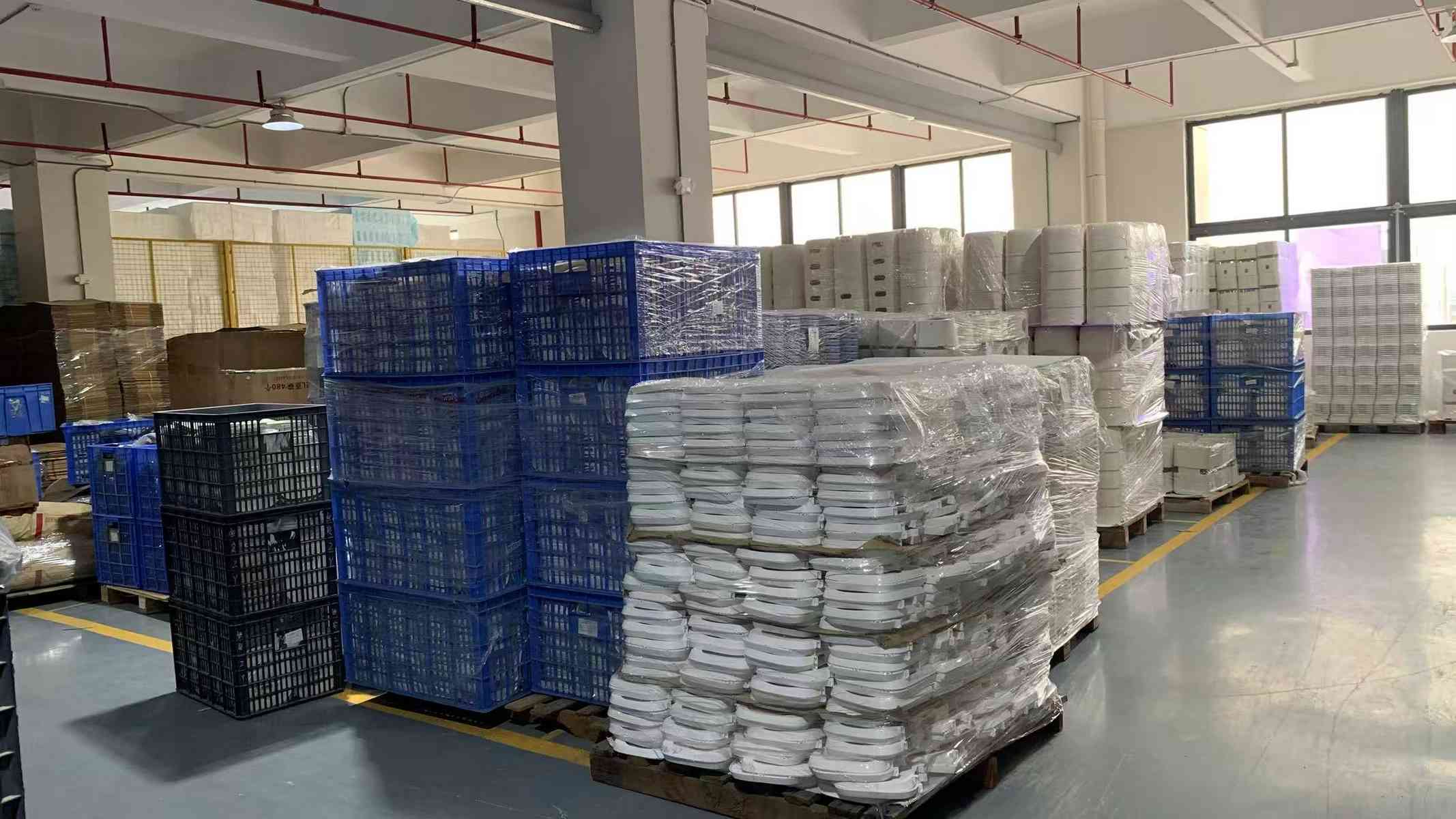
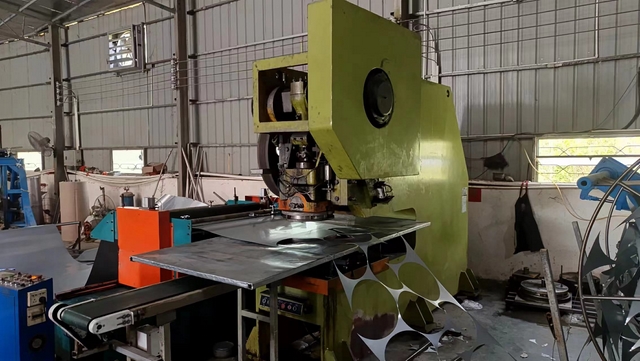
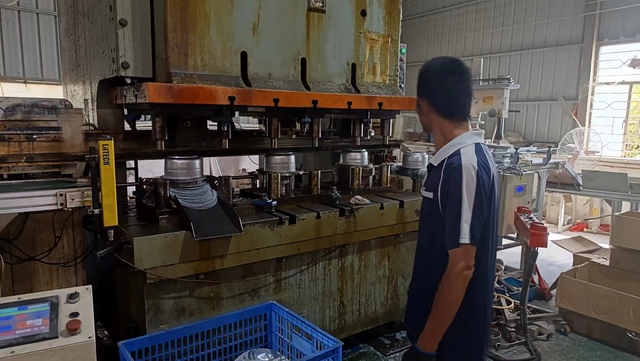
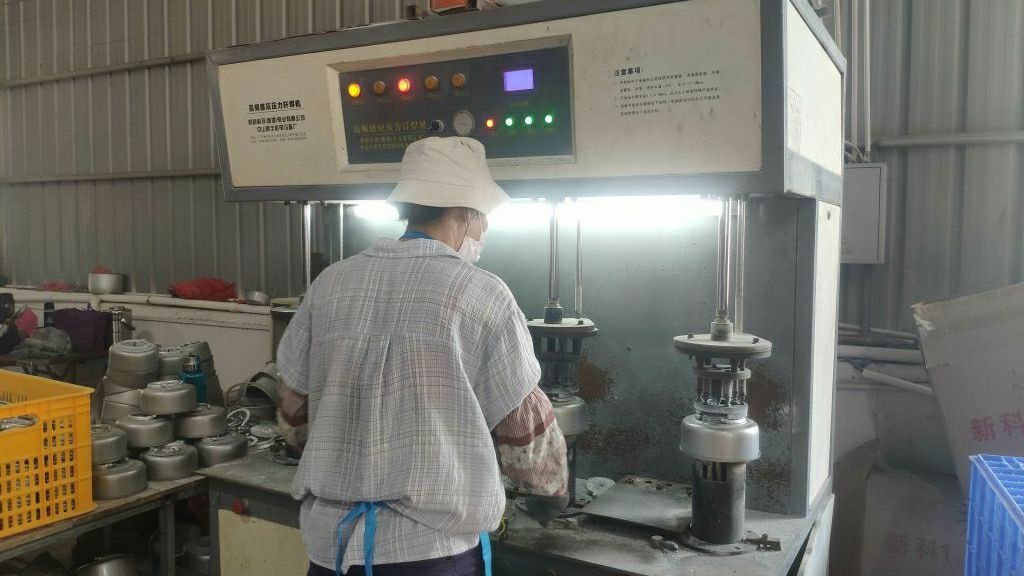
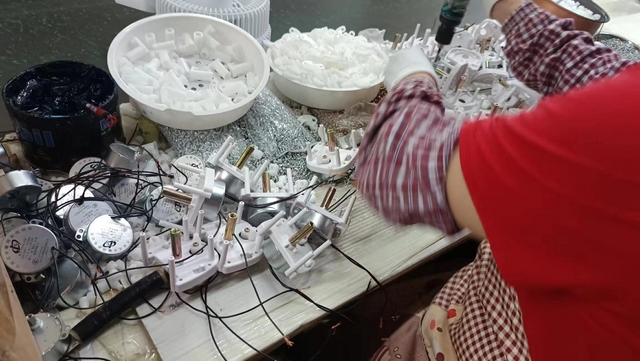
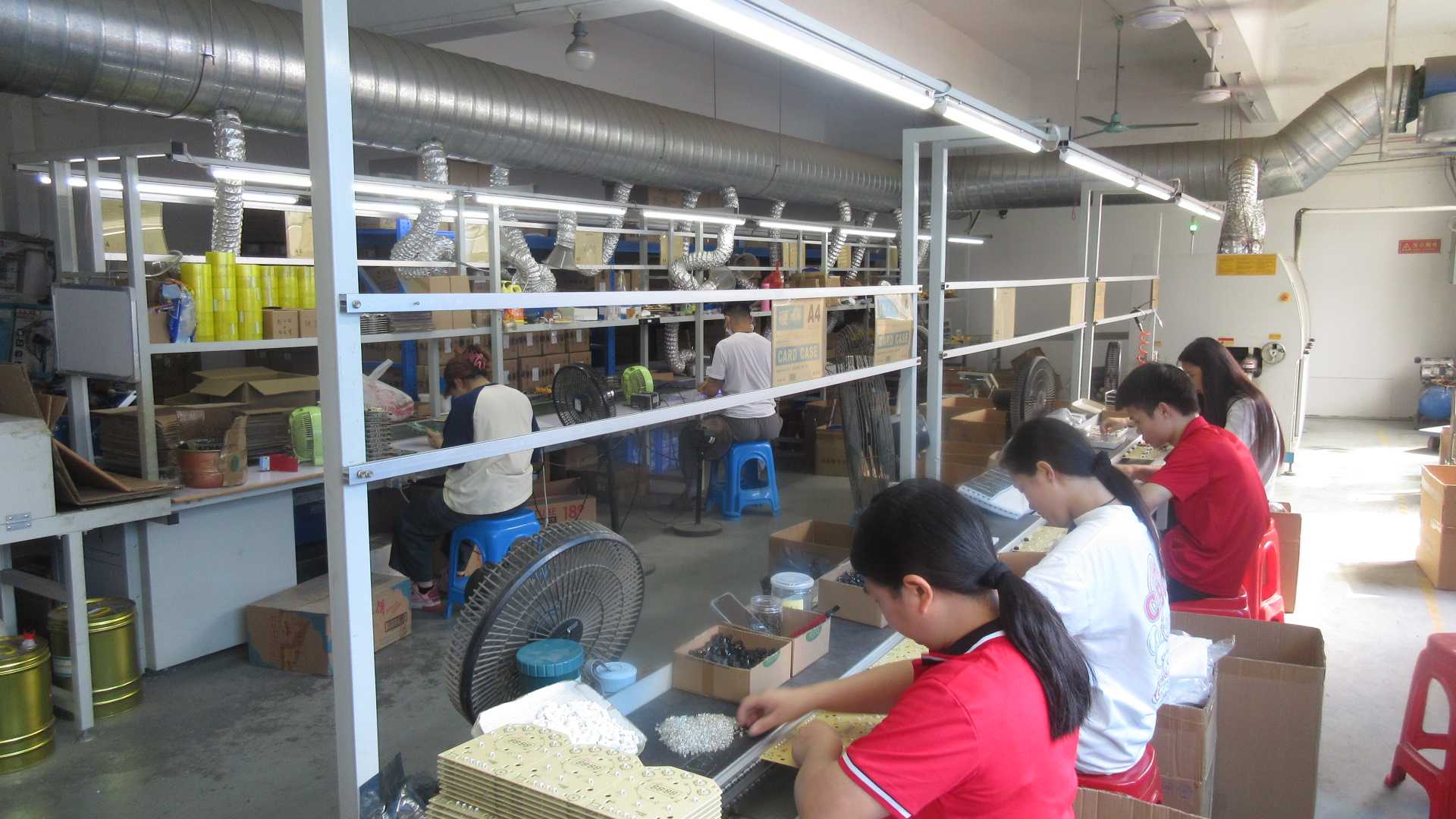
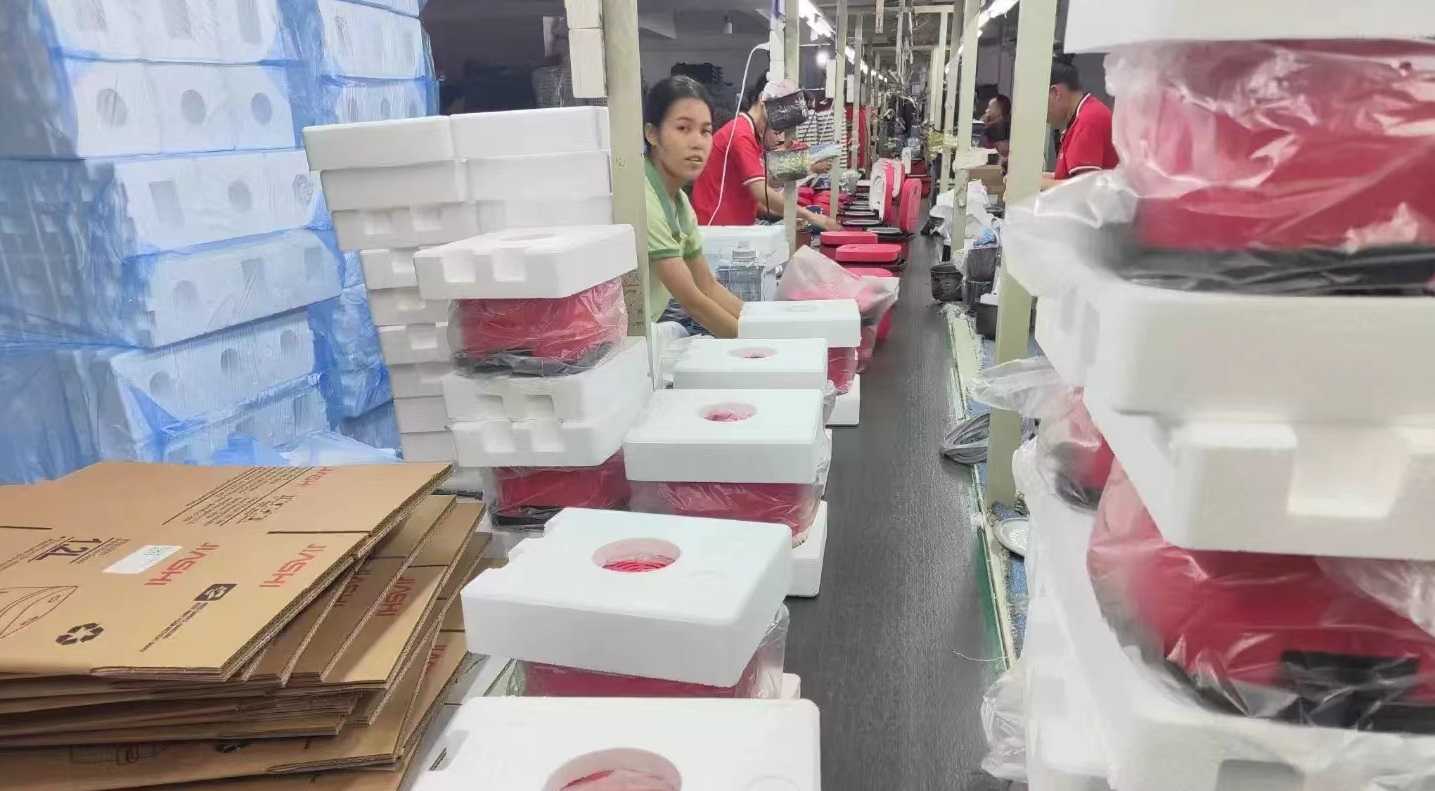
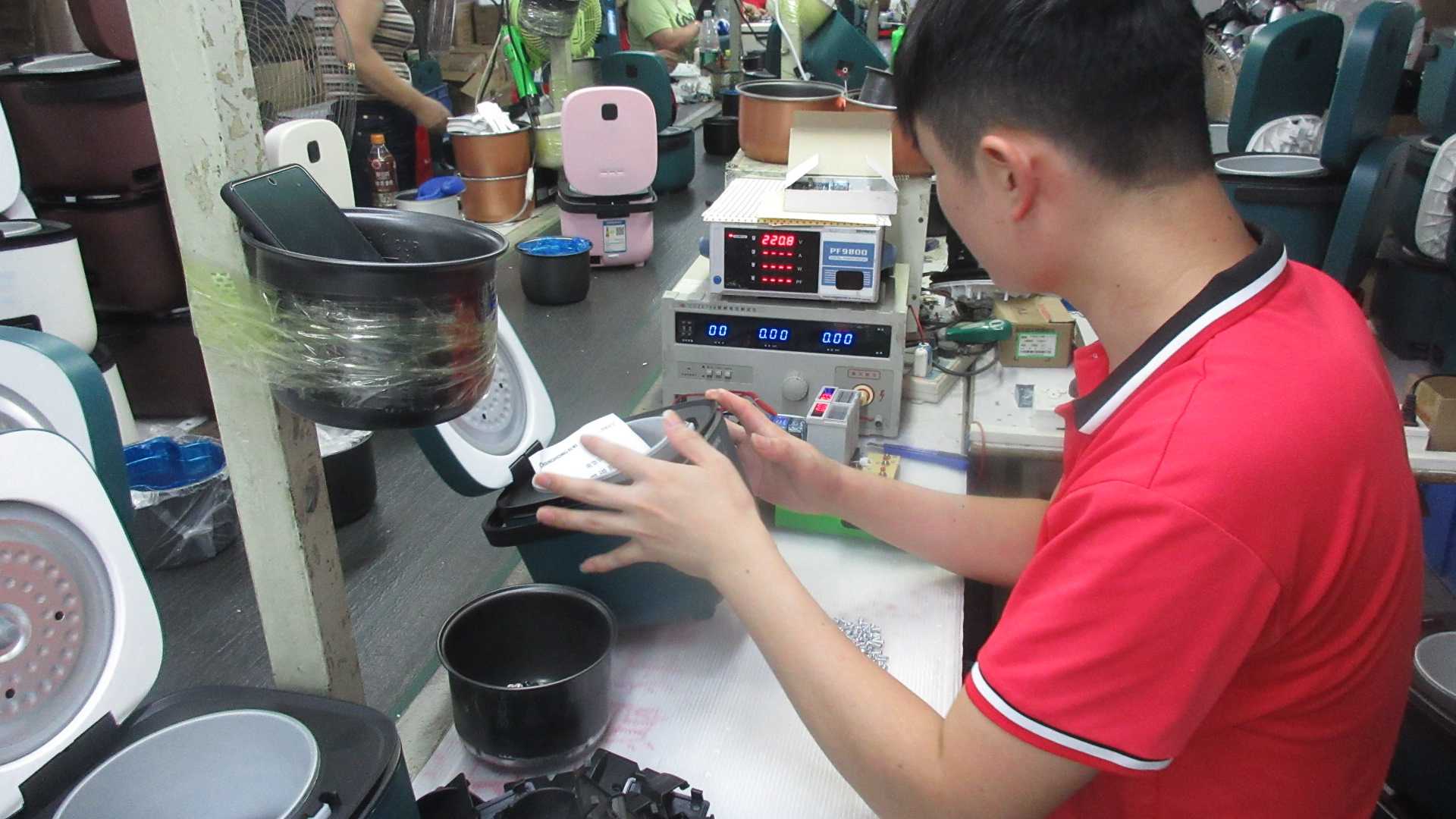
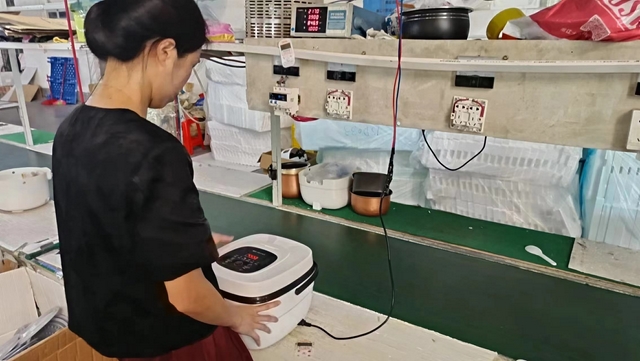
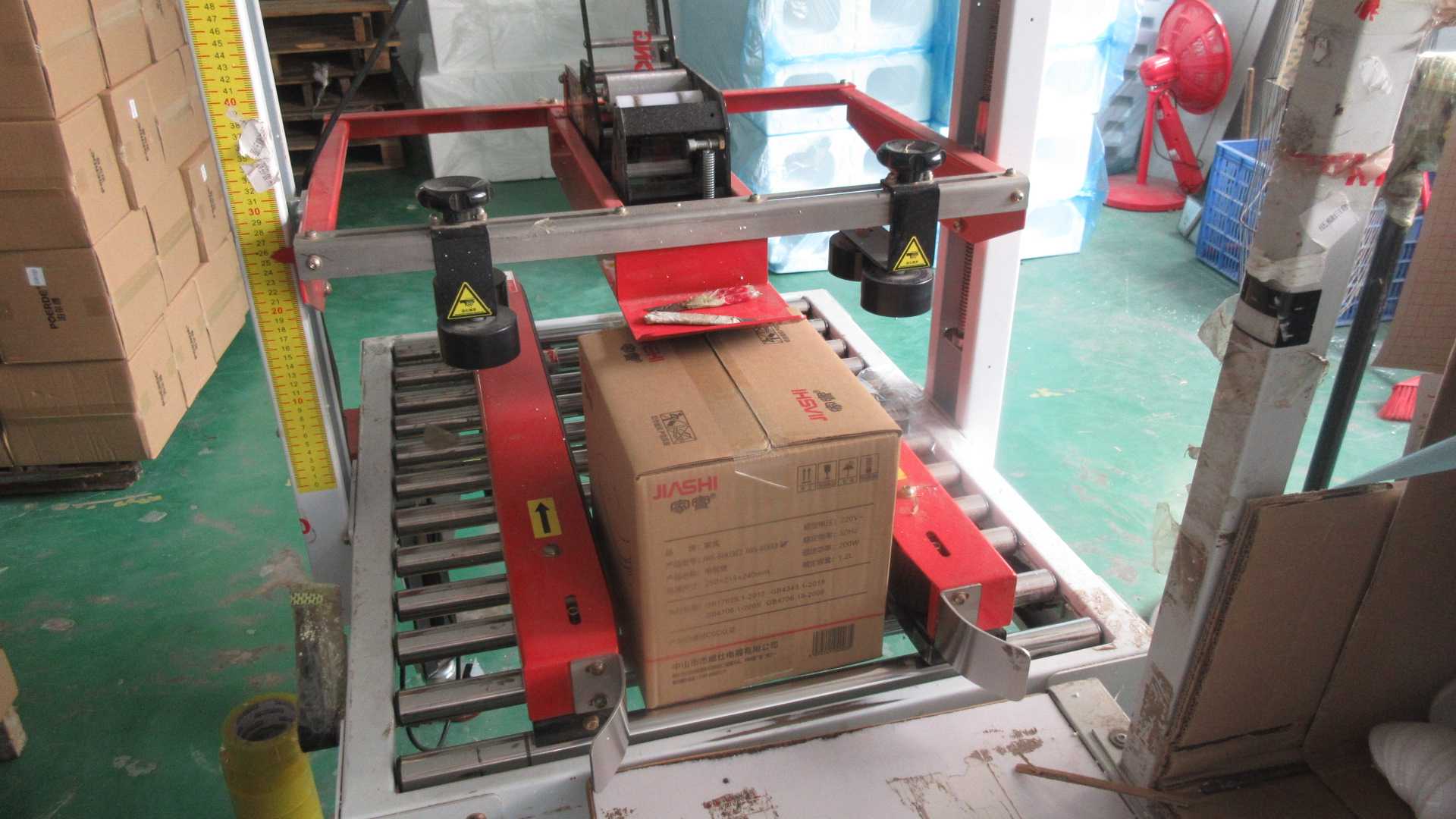
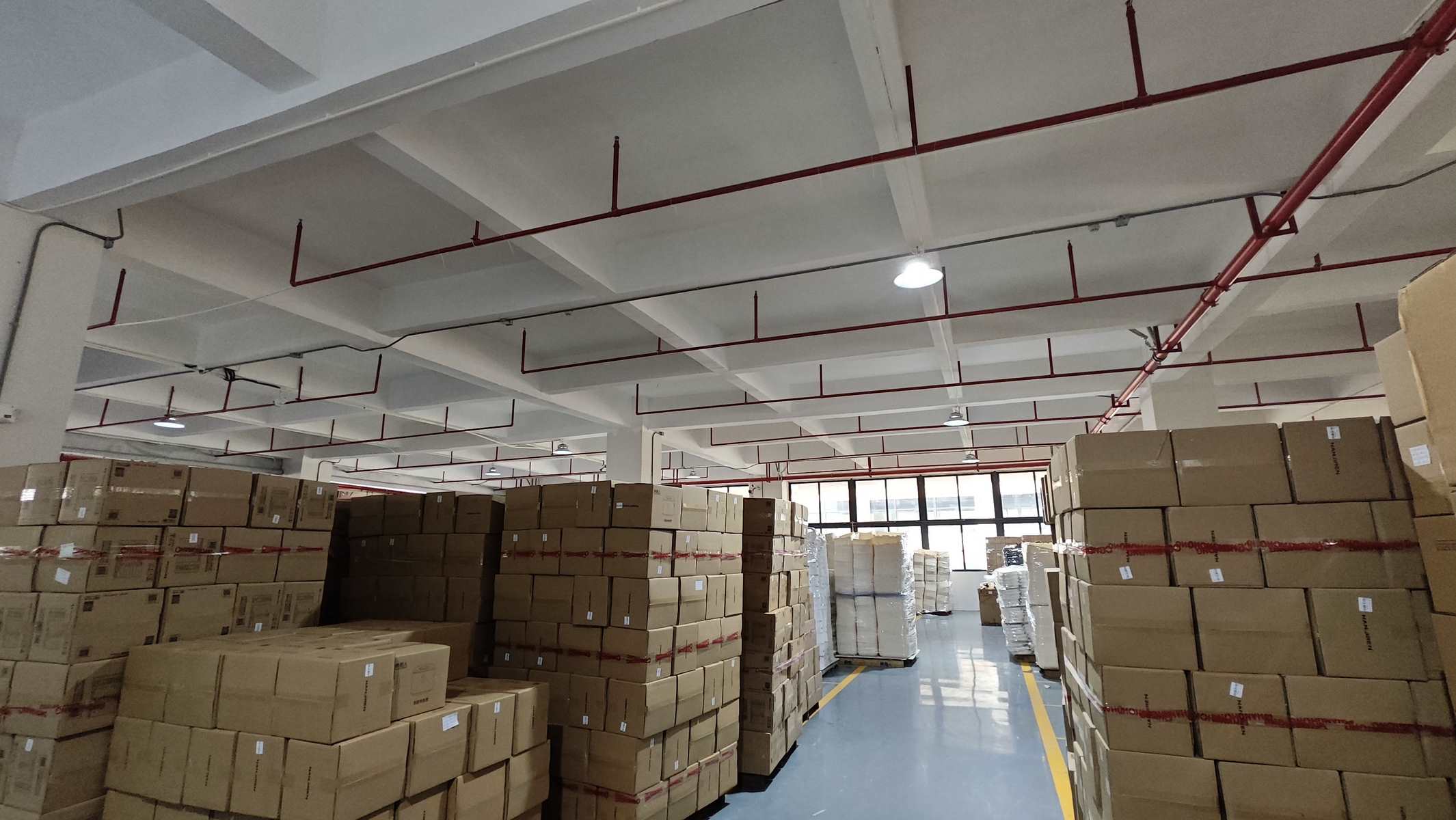
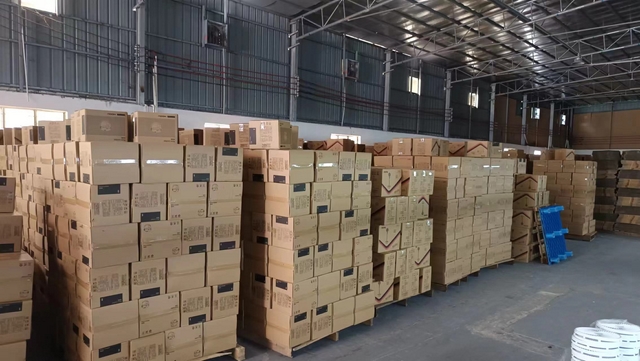
Guangdong Picky Kitchen’s dedication to technology allows for the seamless scaling of B2B production lines, meeting strict timeframes required by international shipping routes to Ireland. Through continuous refinement of casting procedures, we ensure the structural stability and long-term durability of each skillet shipped to our distribution partners.
Contact our B2B export team today to receive a comprehensive catalog, customizable branding options, and volume pricing directly to Dublin, Cork, or Belfast Ports.
Send Inquiry NowFor Irish retailers and brand owners, importing cookware from outside the European Union requires strict compliance with food contact safety standards. Picky Kitchen ensures all cast iron skillets exported to Ireland satisfy the following regulatory structures:
EU Food Contact Regulation (EC) No 1935/2004: This framework guarantees that materials used in cookware do not transfer their constituents to food in quantities that could endanger human health, bring about an unacceptable change in the composition of the food, or deteriorate its organoleptic characteristics. Our iron castings undergo rigorous testing to ensure zero heavy metal leaching.
German LFGB (Food and Feed Code) & French DGCCRF Standards: As the leading food-safety standards in Europe, compliance with LFGB and DGCCRF is required for selling cookware in major retail chains throughout Ireland. Our enameled coatings and pre-seasoned oils are fully verified by third-party testing agencies (such as SGS and TÜV) to confirm the complete absence of lead, cadmium, and lithium.
BS EN 12983-1 Compliance: This standard specifies the safety and performance requirements for domestic cookware used on top of stoves, hobs, or hotplates. It regulates handle thermal properties, mechanical strength, and impact resistance. Picky Kitchen’s signature teardrop handles and silicone protective grips are engineered to pass these stress tests easily, preventing handle detachment and minimizing burn risks for users.
Our production runs undergo regular Inductively Coupled Plasma Mass Spectrometry (ICP-MS) tests to screen for heavy metals. This guarantees that under prolonged contact with acidic ingredients common in Irish dishes (such as vinegar, tomatoes, and regional stews), the iron retains its structural integrity without releasing trace heavy metals.
Cast iron’s material attributes align naturally with traditional Irish cooking methods. Key application profiles where our pans excel include:
As we look towards the next decade of culinary manufacturing, Picky Kitchen is actively developing and integrating several technological advancements:
Organic Bio-Based Seasoning: We are transitioning our standard seasoning processes to cold-pressed organic oils (such as flaxseed and high-oleic rapeseed oil) which polymerize at lower temperatures. This creates a harder, slicker natural non-stick surface without releasing harmful emissions during the baking phase, offering an eco-friendly product narrative for Irish eco-conscious retailers.
Smart Kitchen Sensor Integration: Responding to the global shift towards smart homes and sustainable manufacturing, Picky Kitchen is developing IoT-enabled kitchen hardware. By embedding micro-thermal sensors into the thickened bases of our heavy-duty skillet lines, users can monitor core pan temperatures via smartphone applications, preventing food burning and optimizing heat input.
Carbon-Neutral Casting Initiatives: Our long-term technical roadmap includes transitioning our primary induction furnaces to 100% renewable electrical energy grids. This initiative will substantially lower the embodied carbon footprint of our cast iron products, helping European B2B buyers meet their scope-3 environmental reporting objectives.
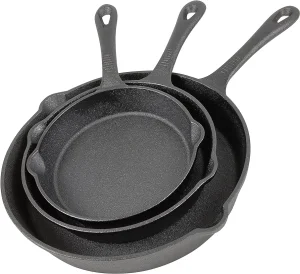
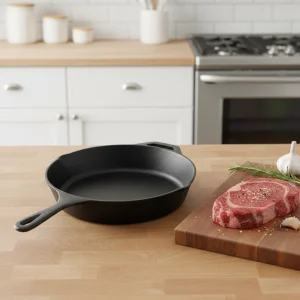
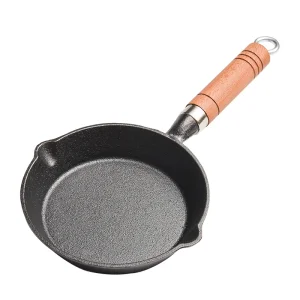
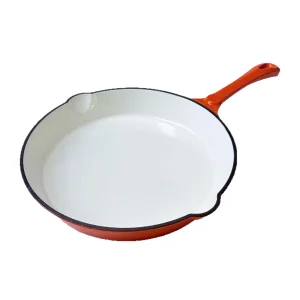
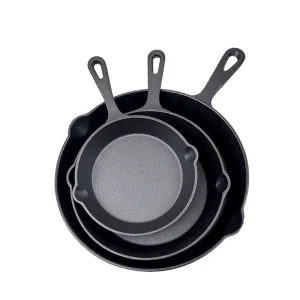
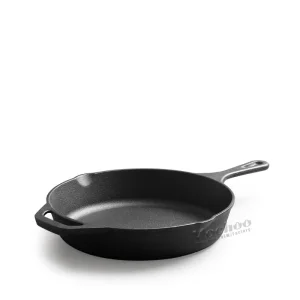
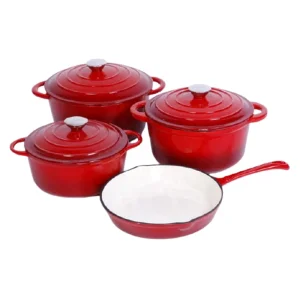
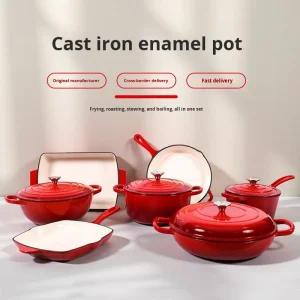
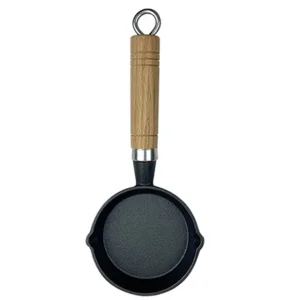
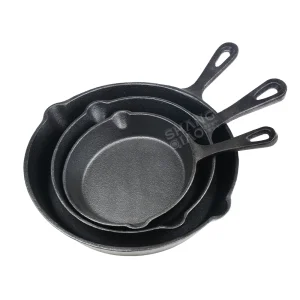
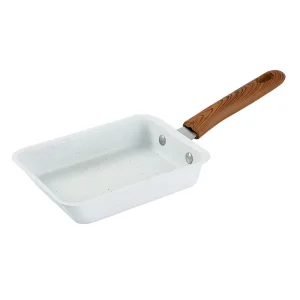
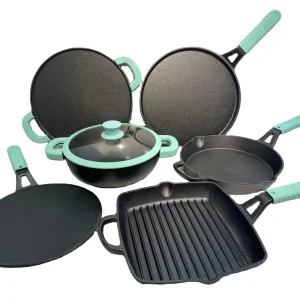
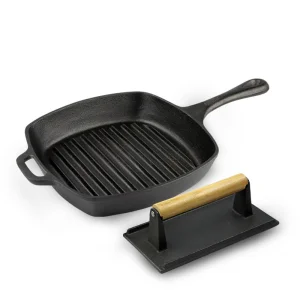
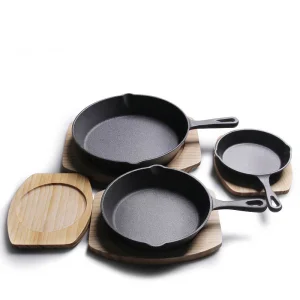
A comprehensive range of high-performance skillets, griddles, and enameled cookware sets optimized for the European and Irish culinary markets.
Partner with Guangdong Picky Kitchen Co. Ltd. to introduce highly durable, fully compliant cast iron cookware lines to your retail or commercial catalog in Ireland.
Send Inquiry Now