Picky Kitchen
Picky Kitchen
Picky Kitchen
Explore our top-engineered serving dishes, baking systems, and food preparation tools manufactured to international compliance standards.
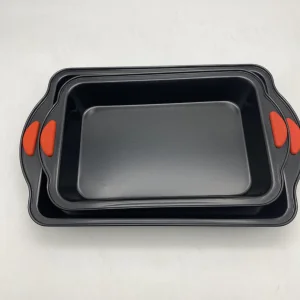

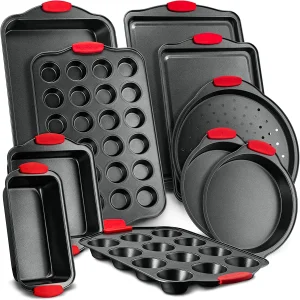
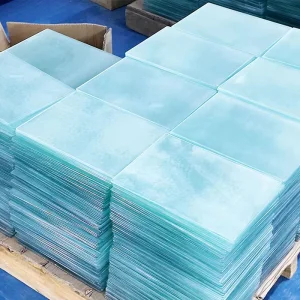
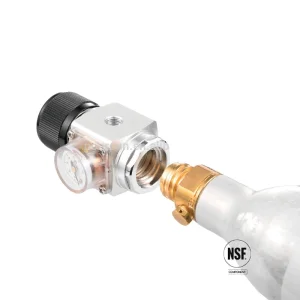
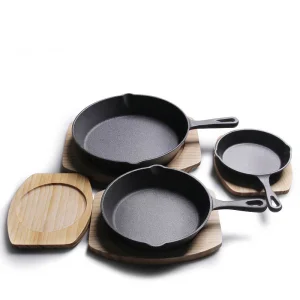
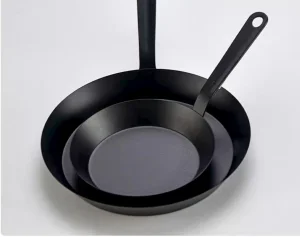
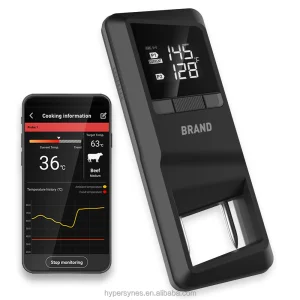
In the contemporary B2B culinary and hospitality ecosystem, the demand for high-caliber, food-grade serving vessels has shifted from simple utilitarian storage to highly sophisticated, ergonomically engineered presentation units. Commercial salad bowls and related kitchenware are now central to the operational efficiency of global hotel chains, large-scale catering conglomerates, corporate culinary centers, and retail home goods brands. According to recent macroeconomic consumer trends, the rapid expansion of health-centric eating establishments and quick-service restaurant (QSR) models focusing on organic salads has driven an unprecedented surge in demand for specialized serving solutions.
This evolving market paradigm places stringent expectations on manufacturing partners. An exceptional salad bowl must possess high thermal resilience, physical shock protection, chemical stability under acidic food interactions (such as vinegar-heavy vinaigrettes), and seamless integration with modern dishwasher sanitation cycles. As a leading manufacturer and exporter, Guangdong Picky Kitchen Co. Ltd. acts at the nexus of material engineering and structural design to deliver comprehensive kitchen solutions that transcend basic aesthetics to yield measurable operational durability.
Global procurement offices of enterprise hotels and homeware chains now operate under strict corporate social responsibility directives. The procurement of dinnerware, salad bowls, and cutting boards demands verification of sustainably harvested timbers (FSC certification) and bio-based, non-toxic coatings that comply with strict consumer safety standards.
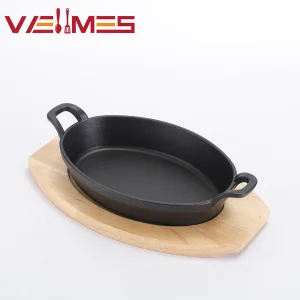
Importers require flexible custom tooling and mold fabrication to launch signature product collections that align with their distinct brand identities. Manufacturers must offer quick prototyping, precise color matching (via food-safe powder coatings or anodized treatments), and multi-material integration (such as wood-silicone composites or cast iron-wood pairings) with short lead times.
Rather than merely evaluating initial acquisition unit costs, sophisticated purchasers assess the long-term lifecycle metrics of kitchenware, focusing on fracture resistance, chemical degradation defense, and thermal fatigue endurance. Investing in premium base materials and advanced surface treatments directly reduces ongoing replacement costs for corporate clients.
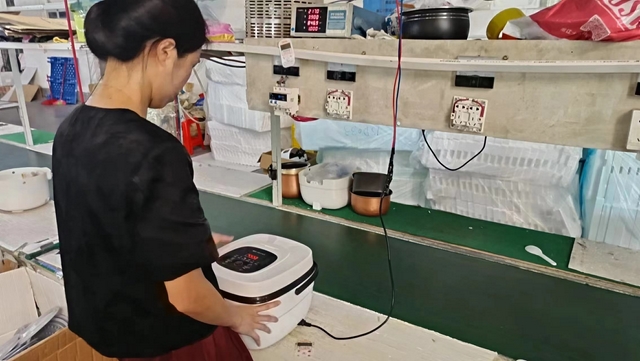
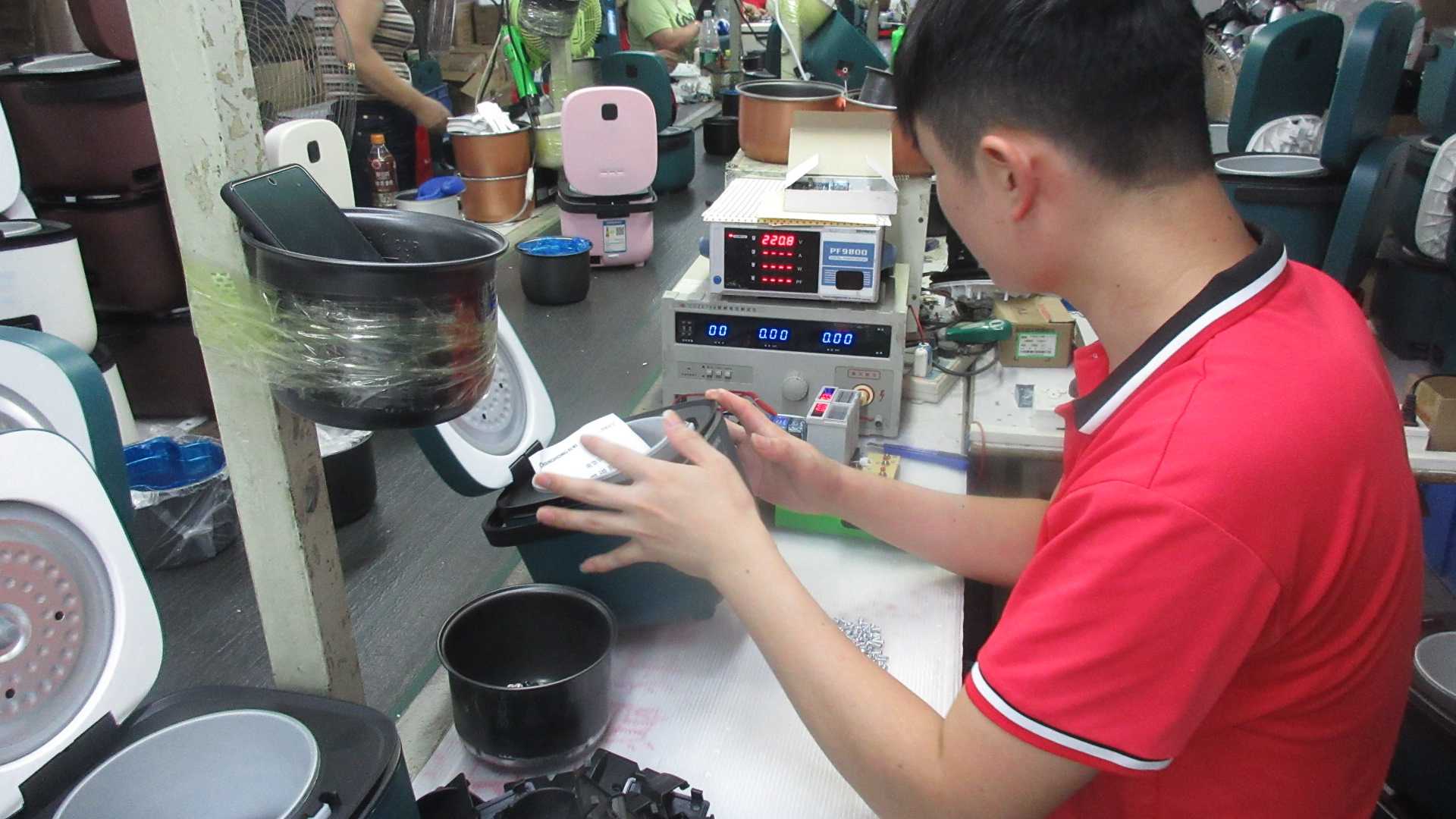
Established in 2005, Guangdong Picky Kitchen Co. Ltd. has evolved into a diversified, innovation-driven enterprise specializing in structural components, functional kitchenware systems, and premium homeware designs. With an expansive production footprint of approximately 12,000 square meters, our facility integrates heavy-duty tooling with computerized machinery to handle massive global export orders. Our vertically integrated production chain includes structural engineering design, precision sheet metal stamping, state-of-the-art die-casting, complex CNC machining, automated tool processing, laser welding, and automated product assembly lines. This complete production control allows us to ensure unmatched quality, minimize Lead Times, and offer comprehensive customization options to meet specific commercial partner requirements.
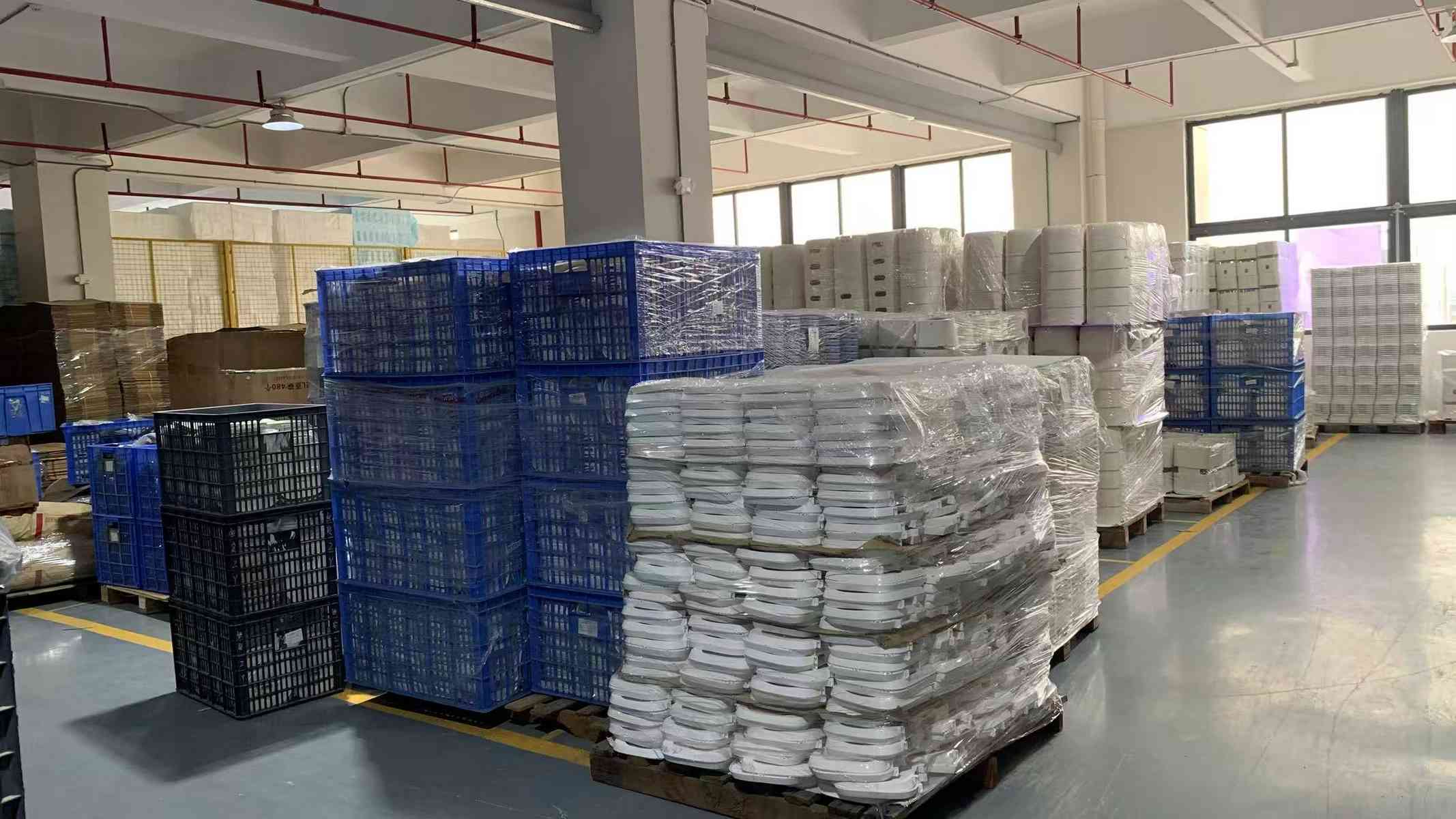
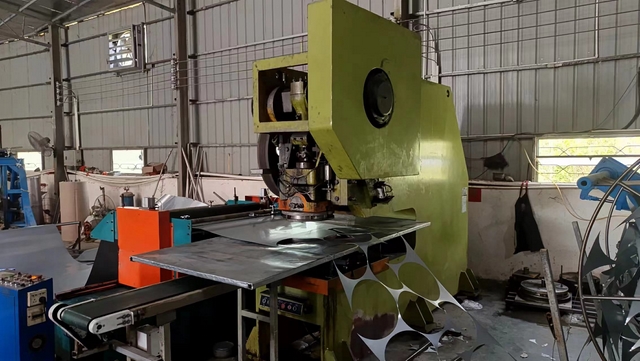
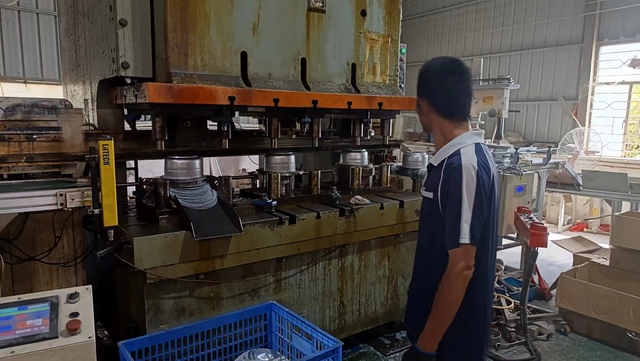
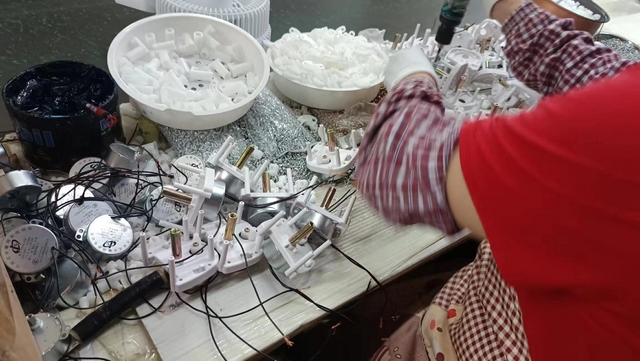
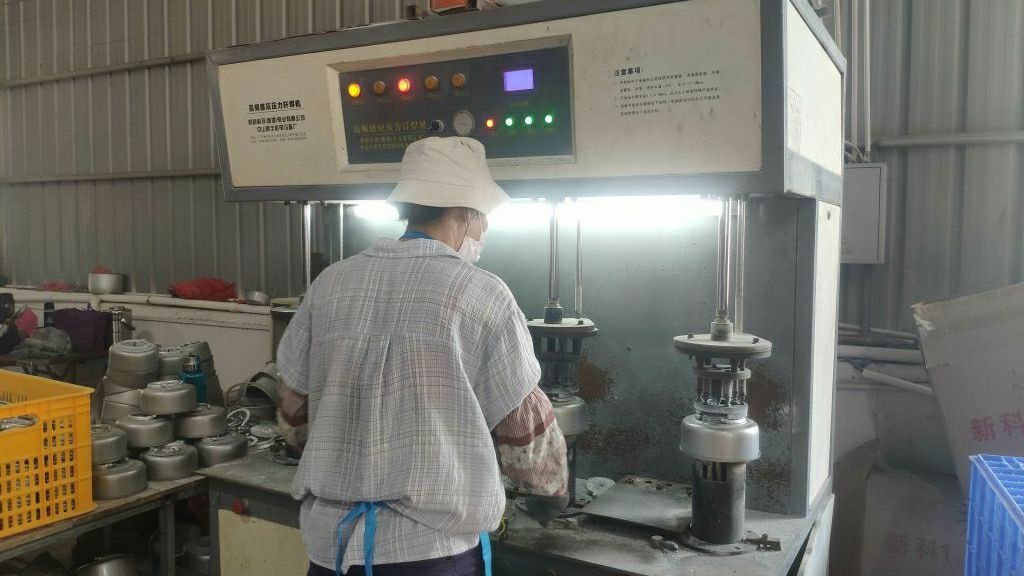
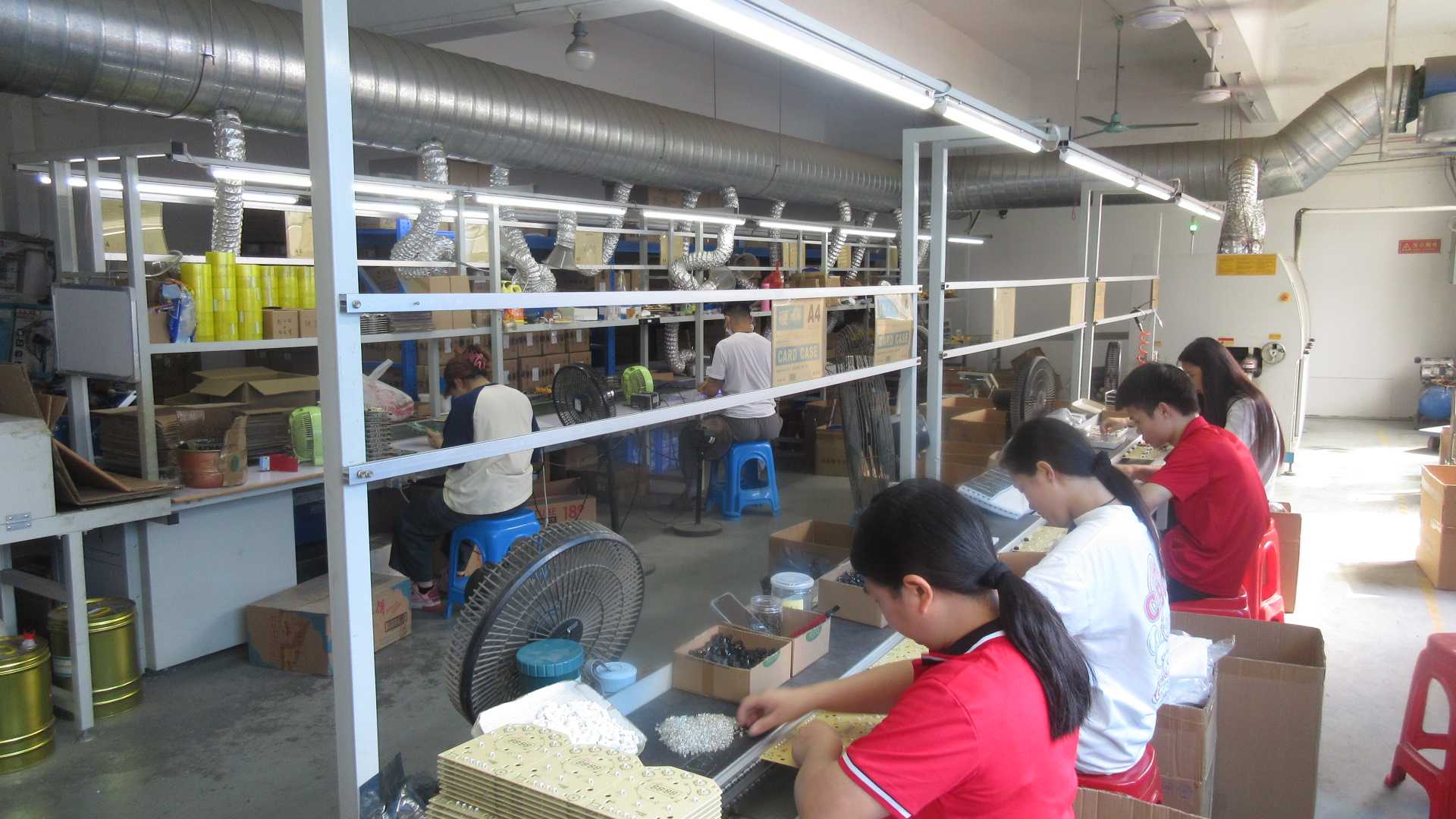
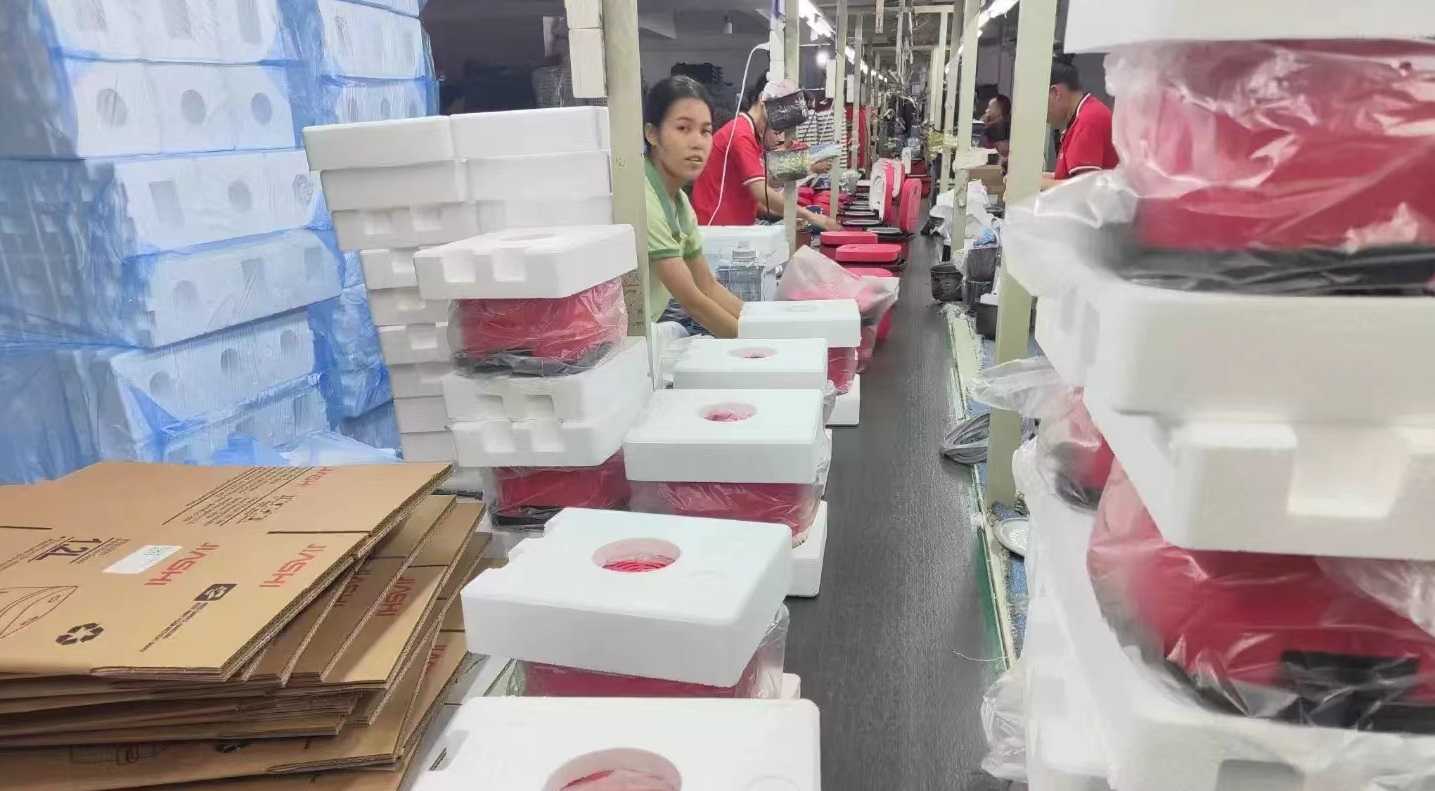
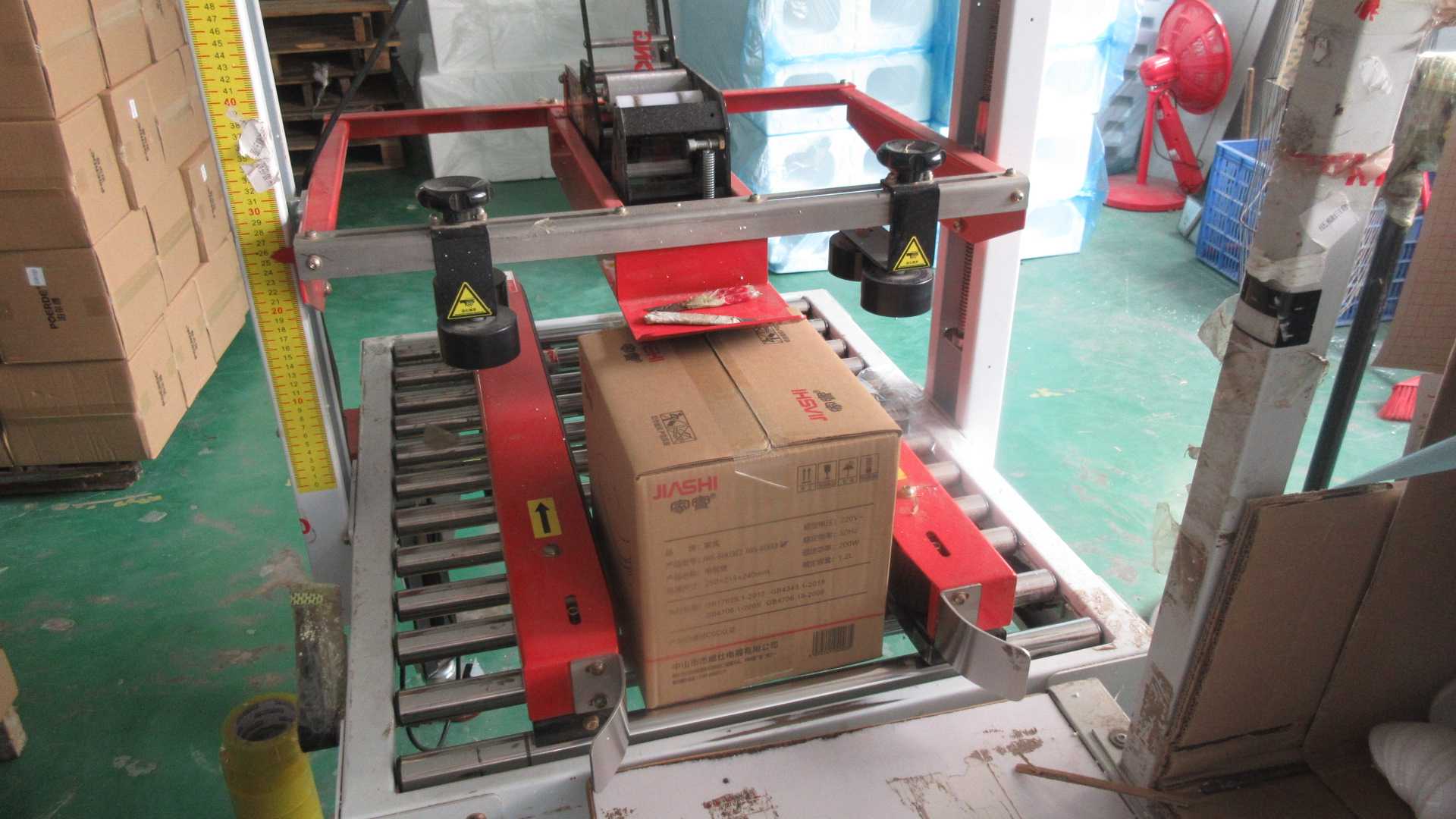
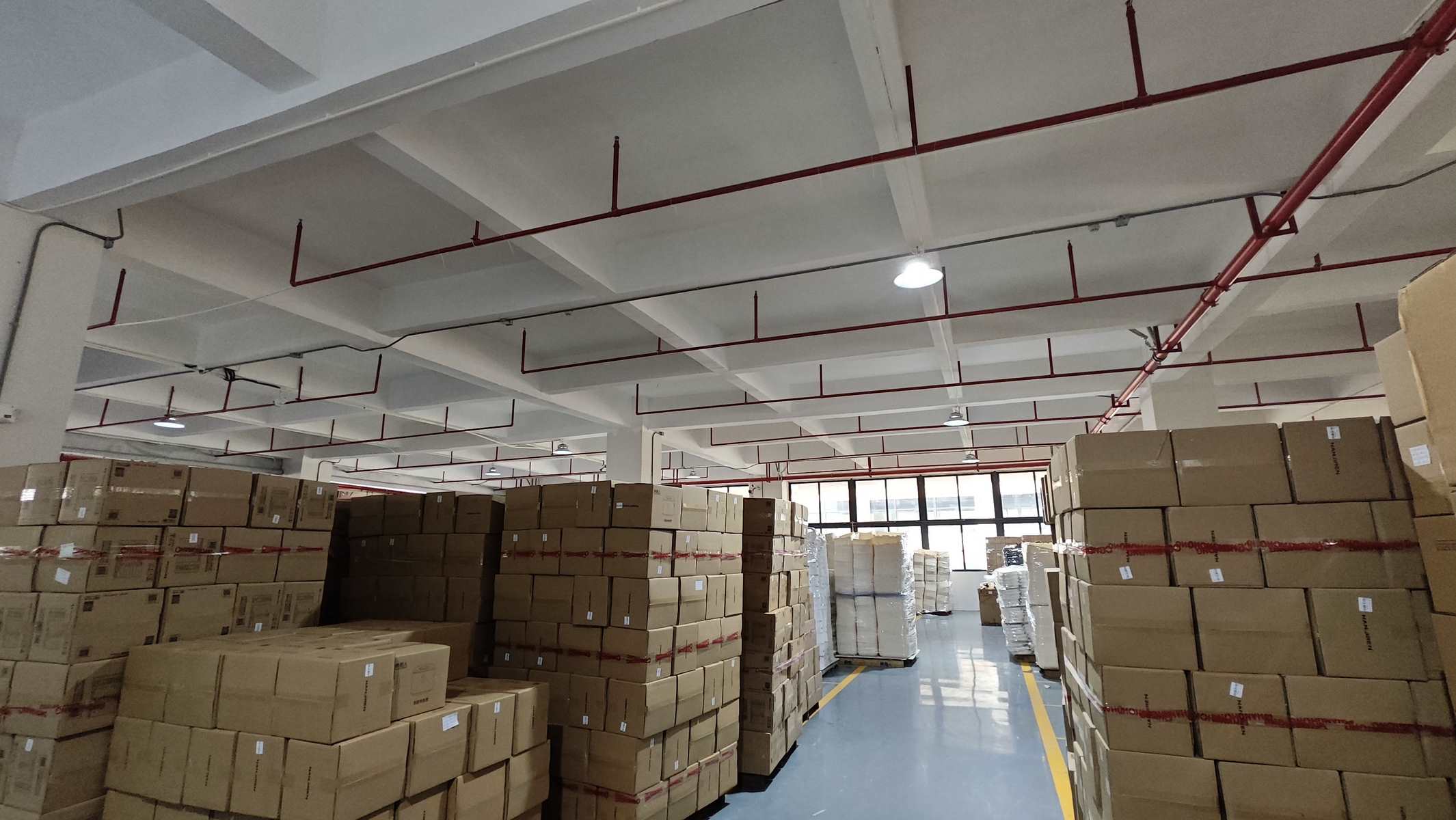
At Guangdong Picky Kitchen Co. Ltd., our dedicated R&D department—composed of mechanical engineers, industrial designers, and food-grade material specialists—continually explores innovative manufacturing solutions. Our core technology development roadmap focuses on addressing the fundamental challenges of modern kitchen ecosystems: structural longevity, environmental responsibility, and smart home integration.
By blending traditional craftsmanship with high-precision manufacturing, we guarantee that our wooden serving accessories, silicone protective elements, and carbon steel baking sheets meet the evolving expectations of professional culinary spaces and home environments alike.
Every wooden board, silicone grip, and metal alloy coating we produce undergoes strict chemical testing to ensure zero chemical migration. Our products comply with European (LFGB) and North American (FDA) food safety standards, guaranteeing safe food contact under all conditions.
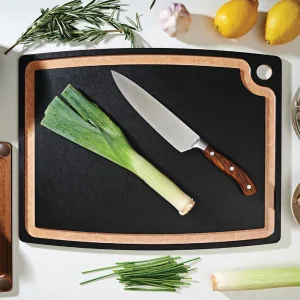
Our raw material supply chain ensures that all bamboo, pine wood, and exotic hardwoods are sourced from responsibly managed forests. The Forest Stewardship Council (FSC) tracking code provides clear documentation of environmental responsibility, crucial for today's market requirements.
We work with international logistics providers to manage all customs clearance processes, shipping documentation, import compliance, and localized distribution. This ensures reliable DDP, CIF, or FOB delivery to global ports, minimizing delays and ensuring predictable transit times.
We apply a multi-phase dehydration and kiln-drying protocol to achieve a stable equilibrium moisture content (EMC) of 8% to 12%. Following structural shaping, the wood is treated with mineral oils and natural resin sealants to create a protective barrier against moisture entry and food stains, preventing mold development and structural deformation.
For custom-designed products, the sample mold and prototyping phase takes 10 to 15 business days. Once the sample is approved, raw material preparation and mass production take approximately 30 to 45 days, depending on order size and complexity. We utilize automated production processes to optimize output and ensure consistent quality.
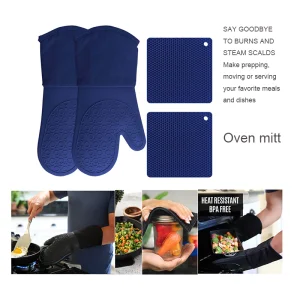
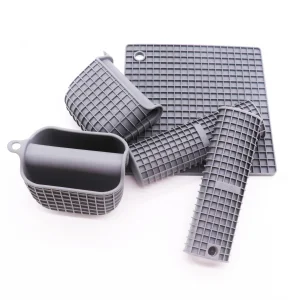
Yes, our silicone components are produced using high-purity, platinum-cured, BPA-free silicone polymers. They are certified to meet both FDA (USA) and LFGB (Germany) contact regulations, withstanding continuous temperatures from -40°C up to 240°C without losing flexibility or releasing gas.
Our facility operates under an ISO 9001 certified quality management system. QC inspections occur at multiple stages: incoming material testing (spectrography for metals, moisture checks for woods), mid-process validation after stamping and welding, and a final inspection of all finished goods prior to packaging. This thorough testing keeps our defect rate below 0.1%.
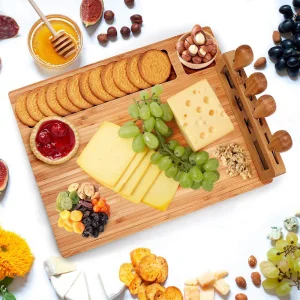
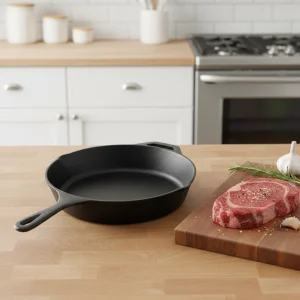
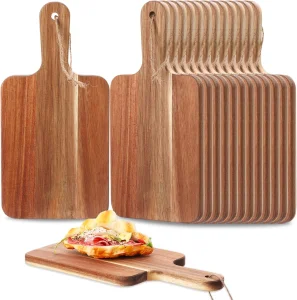
Select culinary tools and durable cookware manufactured using cast iron, natural bamboo wood, and high-performance food-grade silicone.