Picky Kitchen
Picky Kitchen
Picky Kitchen
Premium commercial-grade products engineered for professional hospitality, retail catalog expansions, and robust supply chain procurement.


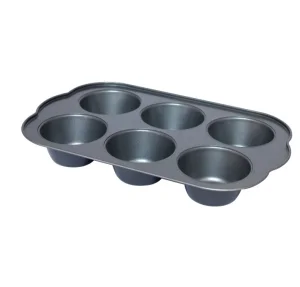

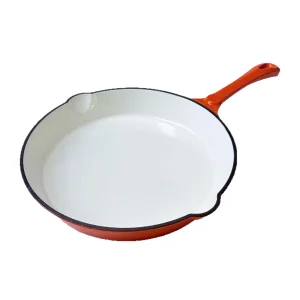


Exploring structural shifts, material innovation, and consumer safety demands reshaping the global cookware supply chain.
The global fry pan and skillet market is witnessing a profound transformation driven by changing consumer lifestyles, dietary awareness, and rigorous industrial quality benchmarks. Once regarded as simple mechanical tools for thermal food processing, modern fry pans are now highly engineered devices designed to optimize heat distribution, guarantee chemical inertness, and endure thousands of heating cycles in high-intensity commercial kitchens. The demand has expanded from residential home use to heavy-duty culinary operations, catering companies, and hospitality giants, all of whom seek consistent batch-to-batch structural integrity from OEM/ODM suppliers.
A crucial factor in this evolution is the paradigm shift toward food-safe, high-durability surfaces. The historical reliance on traditional fluoropolymer non-stick coatings has transitioned to advanced ceramic non-stick, hard-anodized aluminum, and multi-ply clad stainless steel structures. Sourcing partners globally are prioritising manufacturers that can provide clear material traceability certificates ensuring the complete absence of PFOA, PFOS, Lead, and Cadmium. Furthermore, the global rise in induction stovetop installations requires fry pan bases with optimal electromagnetic performance, making multi-layer bonded metal designs standard for high-end international distribution.
How advanced industrial hubs in Guangdong leverage automation, integrated fabrication, and rapid prototyping to lead the global supply chain.
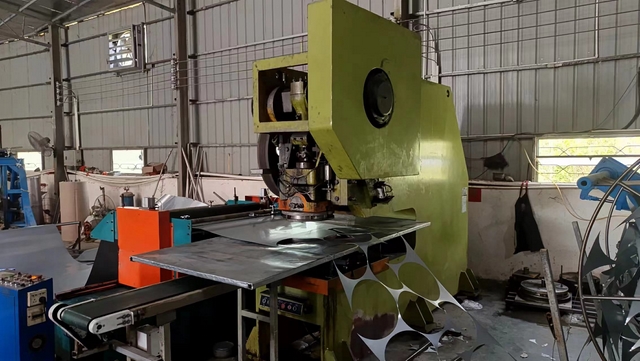
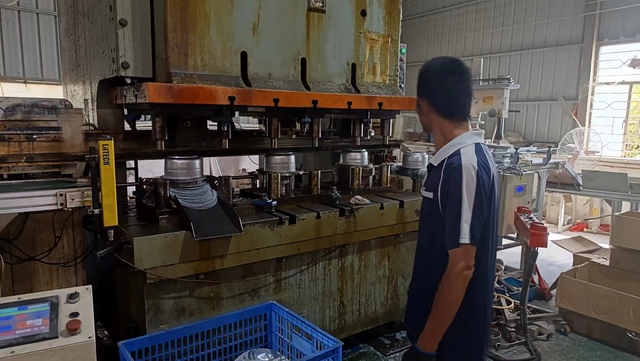
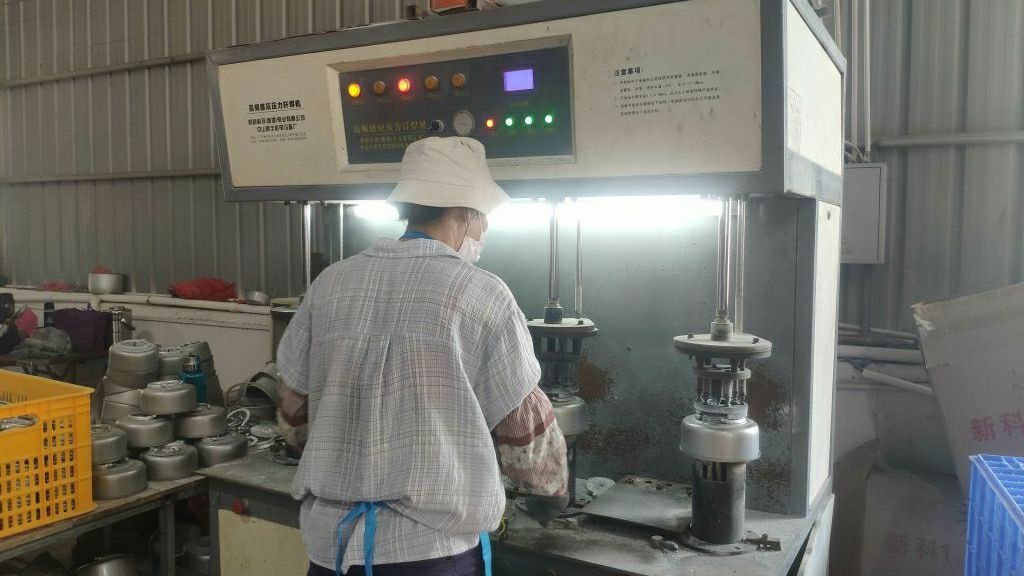
From raw alloy sheet cutting and hydraulic deep-drawing to robotic welding, surface finishing, and packaging—all processes occur within a single integrated facility to minimize logistics delays and quality variance.
Experienced engineers specializing in structural design, mold development, industrial aesthetics, and automated production. We transform custom mechanical blueprints into optimized market-ready physical components quickly.
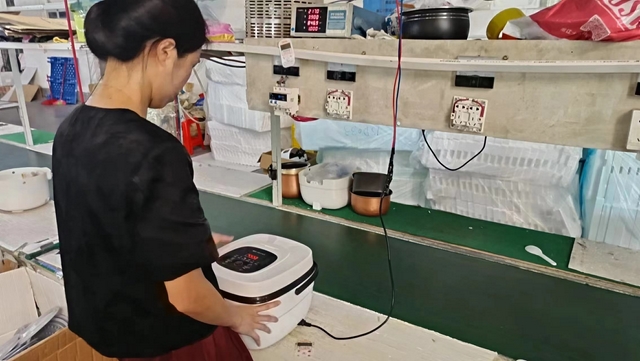
Implementing systematic inspection protocols spanning raw material verification, geometric tolerances, thermal expansion stability, coating adhesion tests, and final product pressure performance checks.
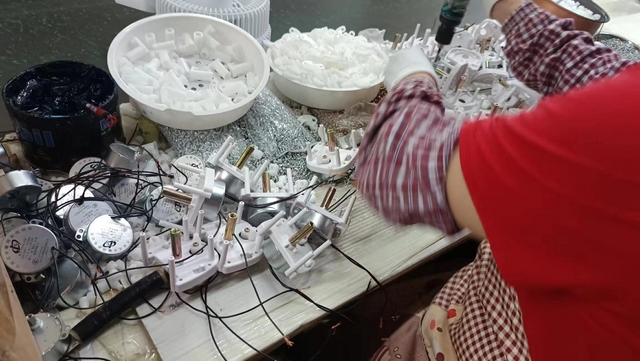
At the center of this highly efficient manufacturing grid is Guangdong Picky Kitchen Co. Ltd. Established in 2005, the company has transitioned from a specialized hardware shop into a diversified, innovation-driven manufacturer of commercial kitchen systems. Spanning a modern manufacturing footprint of approximately 12,000 square meters, the facility serves as a benchmark for high-volume cookware production. The factory runs specialized assembly lines integrating structural design, precision hydraulic stamping, die-casting, high-precision CNC machining, laser welding, and automated surface treatment systems.
By streamlining operations from raw coils to finished retail items, Guangdong Picky Kitchen Co. Ltd. eliminates typical third-party margins, yielding considerable cost benefits for global buyers. Their internal R&D division is continuously optimizing tooling mechanisms to decrease lead times for custom product molds down to 21 business days, facilitating fast market-entry cycles for major cookware brands.
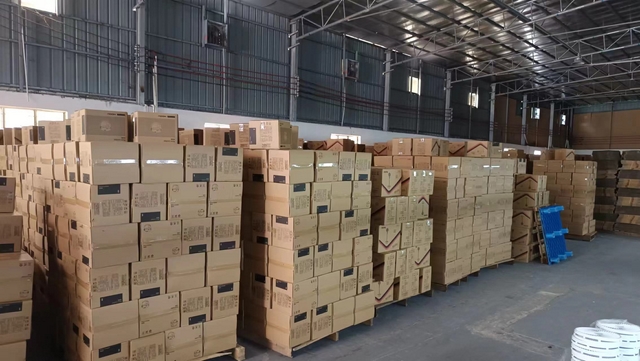
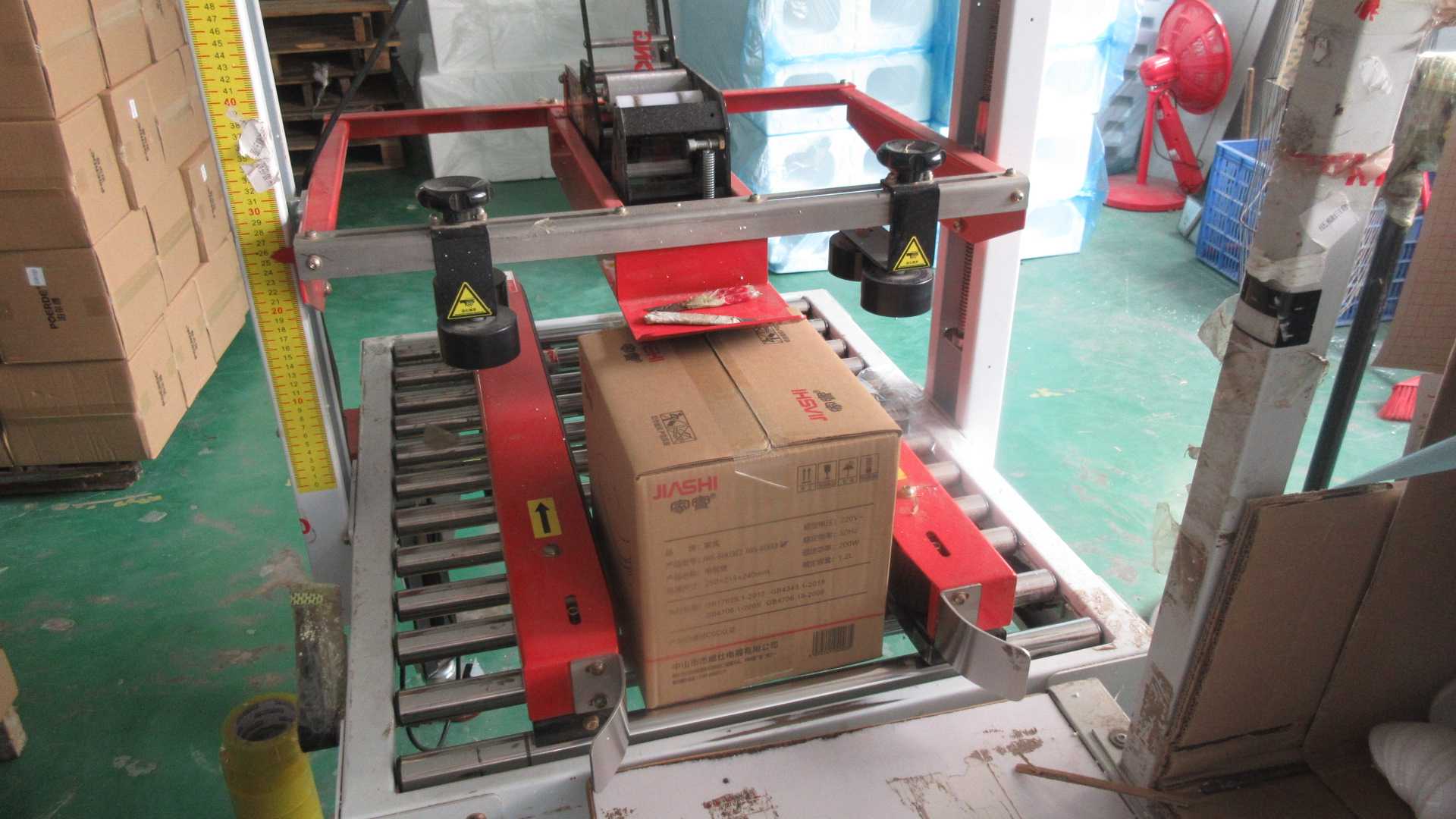
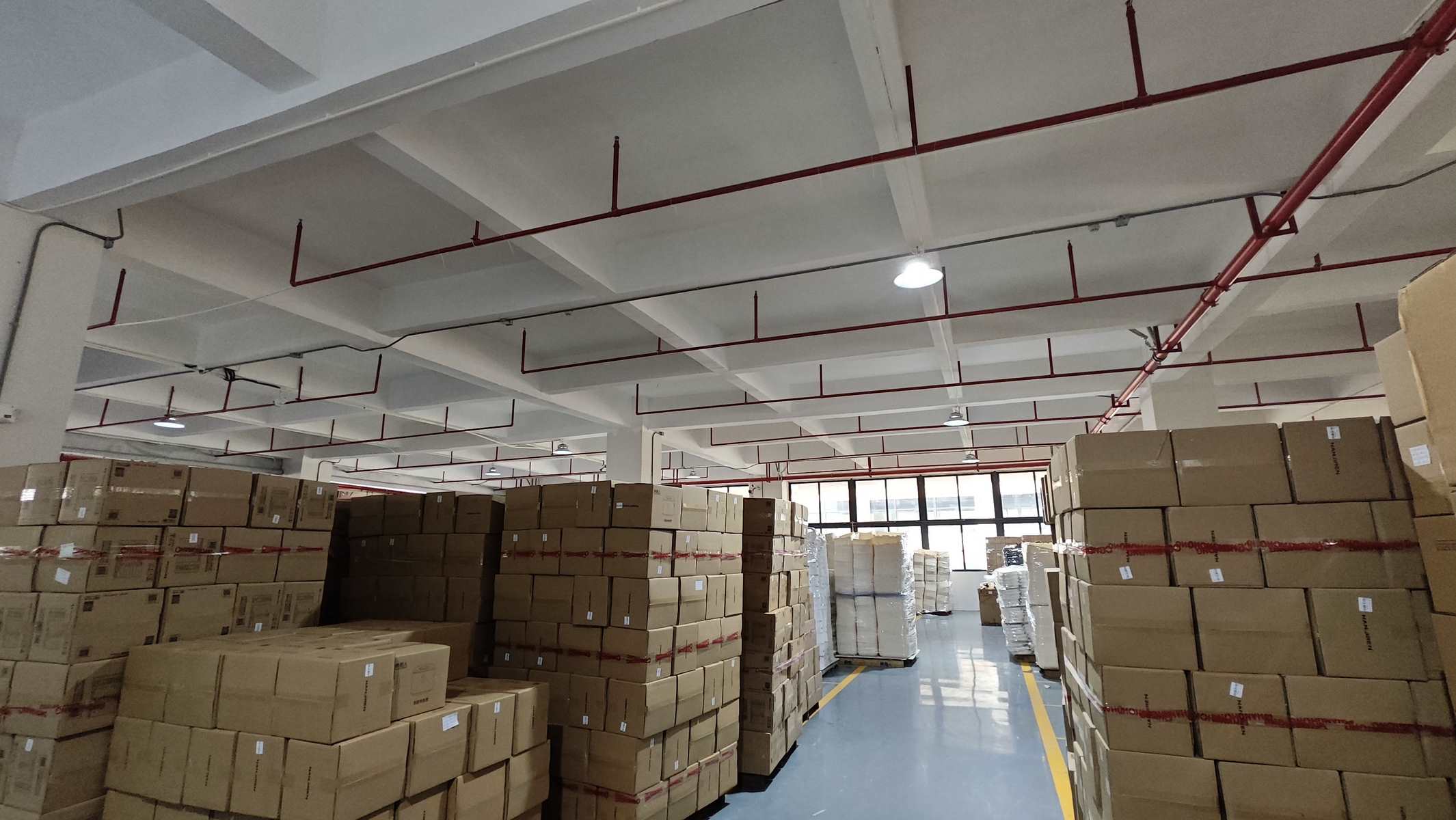
Transparent insight into the core manufacturing stages of Guangdong Picky Kitchen Co. Ltd. highlighting automation, precision fabrication, and systematic quality assurance.
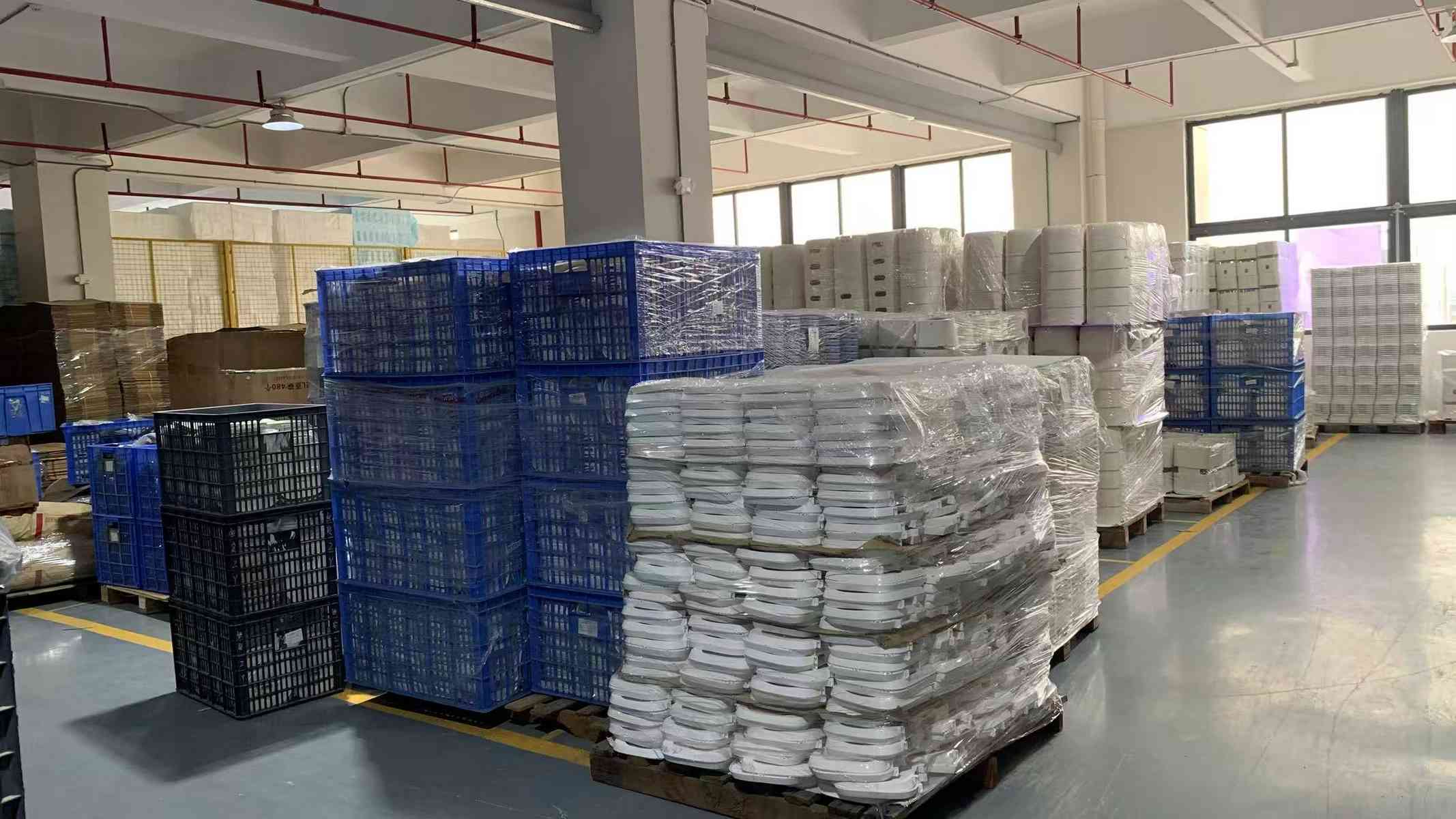
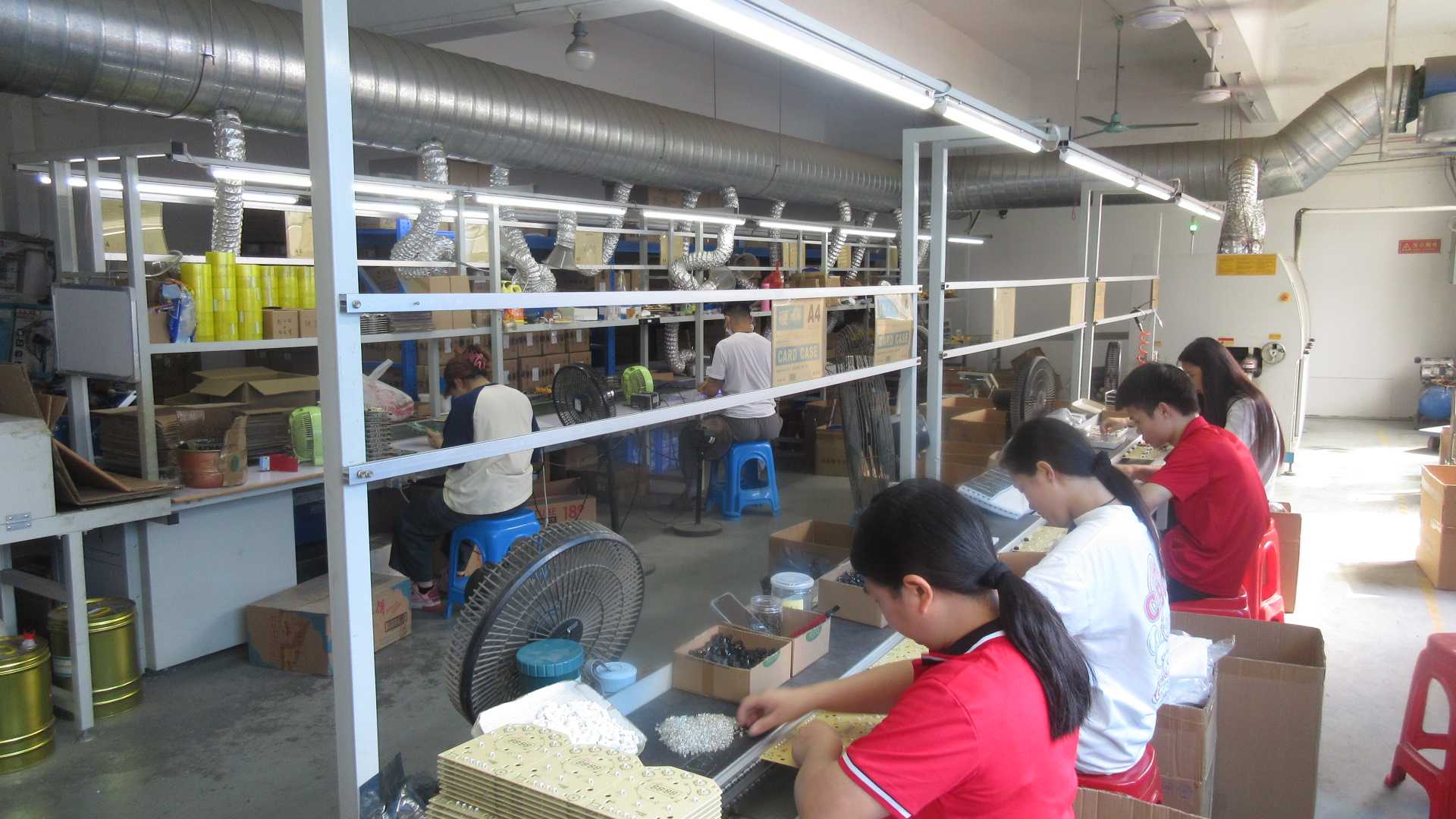
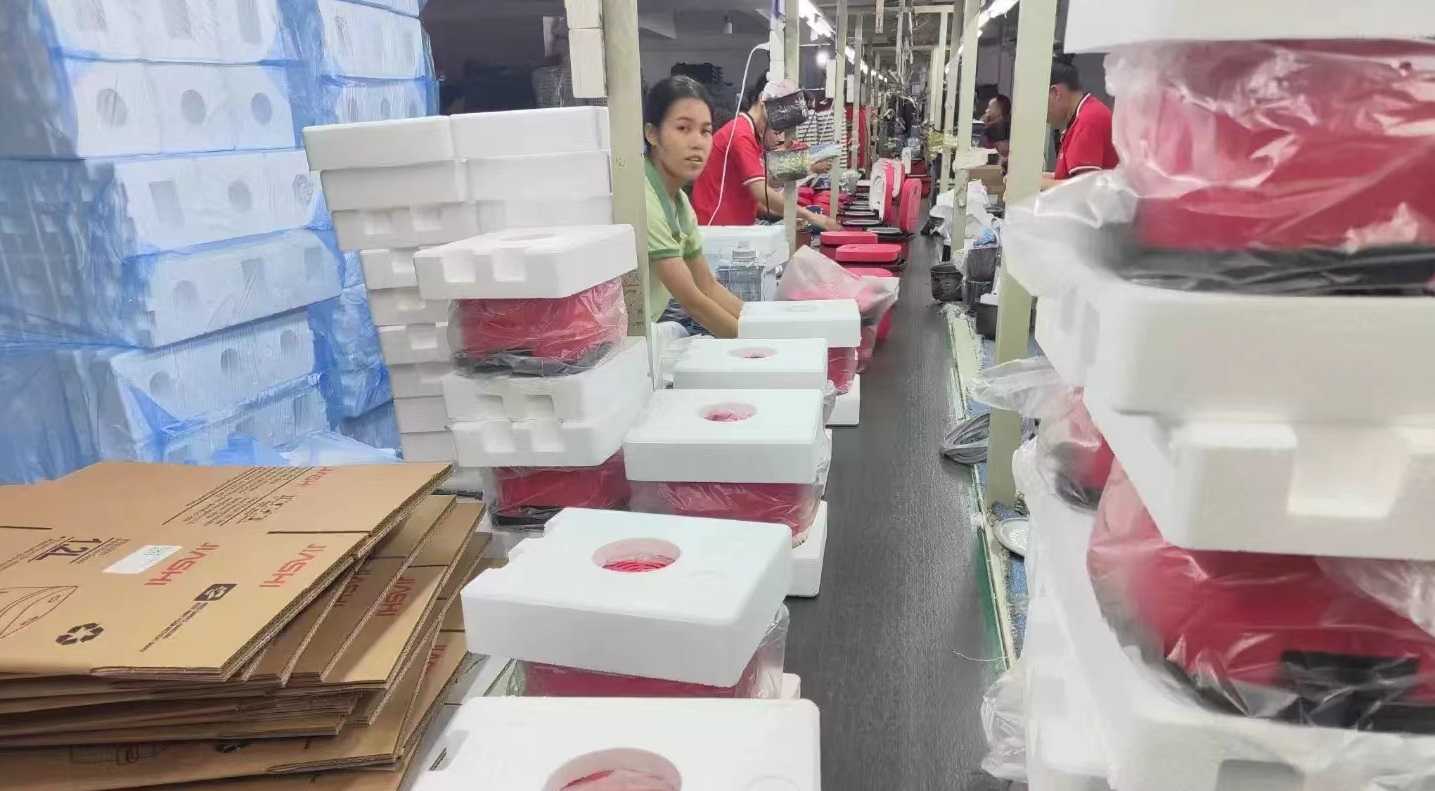
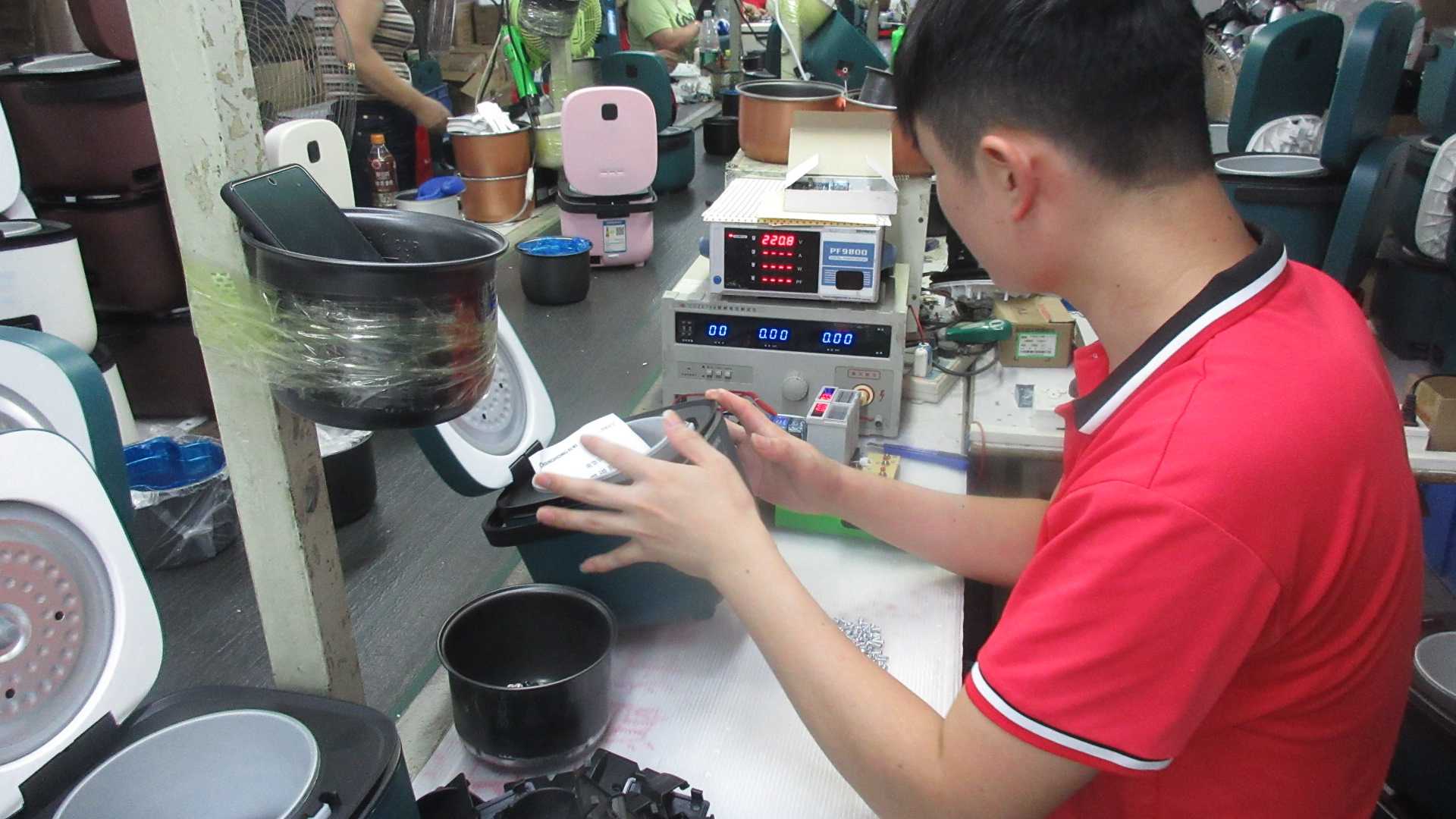
Adapting design parameters to suit various global culinary requirements, heat sources, and regional preferences.
A global cookery brand cannot rely on a one-size-fits-all product catalog. Cookware must match local culinary behaviors, culinary habits, and kitchen appliance specifications. For example, North American consumers prioritize broad-rimmed fry pans capable of accommodating large protein slabs, requiring thick cast aluminum construction to support elevated oven temperatures up to 500°F. In contrast, East Asian markets show strong interest in deep, light-weight stir-fry skillets designed with dual handles for easy maneuvering on high-intensity gas burners.
In Northern and Western European markets, the demand is shaped by the widespread use of flat glass-ceramic and induction cooktops. Cookware for these regions requires ultra-flat, multi-layer magnetic bases that prevent warp deformations under rapid temperature fluctuations. Guangdong Picky Kitchen Co. Ltd. works closely with commercial product managers to adapt handle compositions, thermal base layers, and non-stick tolerances to meet localized compliance codes and cooking styles.
Bridging the gap between technological hardware innovation and sustainable manufacturing practices.
The culinary hardware sector is undergoing a technology-driven evolution. The integration of IoT technology into domestic and commercial cooking represents the next major market milestone. Future cookware lines are beginning to incorporate smart thermal monitoring, integrated sensor pathways, and precision temperature modules, allowing real-time thermal readings to interface directly with mobile devices and smart stoves. Our advanced PCB Assembly lines allow us to assist pioneering brands in developing integrated sensor pockets, insulated battery compartments, and smart digital interfaces directly within kitchenware handles.
Alongside smart systems, sustainable manufacturing processes are essential for global market access. Brands operating in Europe and the Americas are facing strict ESG reporting requirements, making green supply chains a strategic asset. Clean initiatives implemented by forward-thinking factories include:
Best practices for international supply chain managers targeting maximum compliance and logistics predictability.
For B2B sourcing agents and procurement managers, managing quality risks across borders requires robust verification protocols. A successful supply chain relies on strict material standard compliance, capacity verification, and structured logistics schedules. When sourcing fry pans and associated kitchen tools, international buyers should follow this comprehensive verification framework:
Addressing technical concerns, MOQ limitations, customization processes, and shipping questions for global sourcing professionals.
Explore our extended range of high-efficiency kitchen tools, premium prep accessories, and custom range installations.