Picky Kitchen
Picky Kitchen
Picky Kitchen
Explore our top-tier export catalog, engineering kitchen safety and efficiency for commercial buyers worldwide.

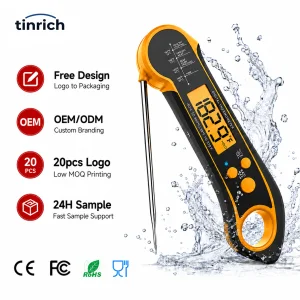
In the modern culinary landscapes of both commercial food services and domestic gourmet environments, cooking thermometers have undergone a dramatic technological metamorphosis. Historically regarded as simple mechanical instruments relying on thermal expansion of bimetal coils, contemporary temperature measurement instruments are now highly sophisticated, digitalized, and interconnected IoT edge devices. This progression is driven by three macro-environmental forces: rising global standards for food safety regulation (such as Hazard Analysis Critical Control Point or HACCP systems), the rapid consumer adoption of smart home ecosystems, and the pursuit of precise thermodynamic consistency in high-end cuisine.
From a technology perspective, the market has transitioned from slow-response analog dials to rapid-response NTC (Negative Temperature Coefficient) thermistors, RTD (Resistance Temperature Detectors) sensors, and high-precision type-K thermocouples. These advanced components yield measurement latency of under two seconds and accuracy thresholds down to ±0.5°C (±0.9°F). Modern professional kitchens demand not just point-in-time metrics, but continuous, real-time logging. Consequently, wireless smart meat probes utilizing Bluetooth Low Energy (BLE 5.2/5.3), sub-GHz RF transmission, and cloud-integrated Wi-Fi gateways have emerged as the industry baseline for tier-one exporters and hospitality brands worldwide.
"The incorporation of machine-learning predictive algorithms within connected cooking applications marks the transition from simple temperature logging to active culinary automation."
These smart systems calculate exact resting thermal shifts by analyzing ambient convective temperatures against internal core readings, ensuring optimal culinary outcomes while conforming strictly to food sanitation profiles (USDA/FDA guidelines). As a premier global cooking thermometers supplier, we integrate these software capabilities and hardware advancements to guarantee that our global distribution partners remain ahead of the curve.
Integration of ultra-low power Bluetooth 5.3 chips and sub-1GHz radio frequencies, allowing steel-enclosed ovens and thick-walled smokers to transmit data seamlessly up to 100 meters without connection drops.
Dual and quad-sensor micro-probes measuring both the internal core temperature of meat and external ambient oven/pit temperature simultaneously, maximizing cooking precision and predictive safety.
Constructed utilizing medical-grade SUS316/SUS304 stainless steel and high-temperature technical ceramics (PEEK/Zirconia) rated for continuous exposure to 300°C (572°F) and extreme thermal shock.
For procurement officers, category managers, and wholesale distributors in North America, Europe, and Asia-Pacific, selecting a competent manufacturing partner involves far more than simply comparing Unit Cost. Sourcing criteria are structured around three fundamental pillars: Regulatory Compliance, Supply Chain Resilience, and Technical Customization (OEM/ODM) capabilities.
In highly regulated markets, digital food thermometers must satisfy strict standards to obtain custom clearance and permit legal commercialization. In the United States, devices intended for direct food contact must comply with food grade regulations and meet FCC requirements for RF devices. In the European Union, CE marking, RoHS directives, and REACH chemical limits must be documented alongside Food Contact Materials regulations. Consequently, sourcing executives require manufacturers who operate standard laboratories, perform inline calibration traceabilities, and possess comprehensive compliance documentation.
Additionally, modern supply chain risk management favors suppliers who manage key stages of production in-house. From mold engineering and automated metal processing to PCB assembly and final testing, high vertical integration reduces production lead times and guarantees consistent quality control across large manufacturing runs. This ensures that global distributors can secure consistent inventory flows even during periods of high seasonal demand.
Established in 2005, we deliver advanced engineering, precision manufacturing, and complete global compliance across 12,000 square meters of state-of-the-art facilities.
Guangdong Picky Kitchen Co. Ltd. has grown into a diversified and innovation-driven enterprise specializing in kitchen hardware and functional home hardware systems. Centered on research, design, manufacturing, and global distribution, the company is dedicated to delivering high-quality, integrated kitchen hardware solutions for customers worldwide. The company firmly believes that the kitchen is not only a functional space for cooking, but also a key reflection of lifestyle quality. Guided by this philosophy, it consistently pursues the integration of functional excellence and aesthetic innovation.
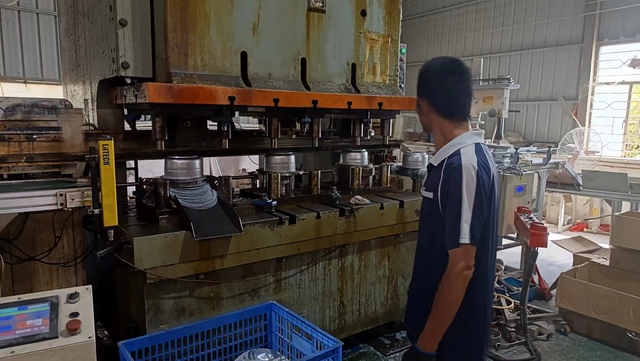
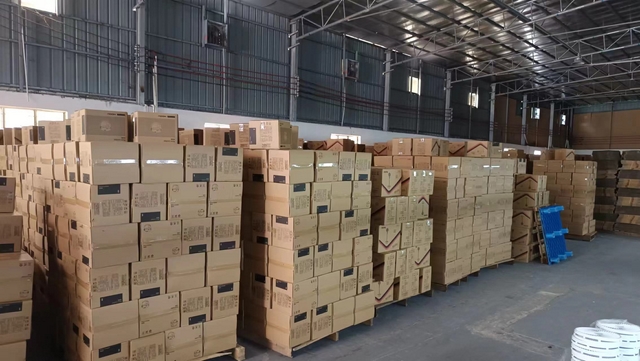
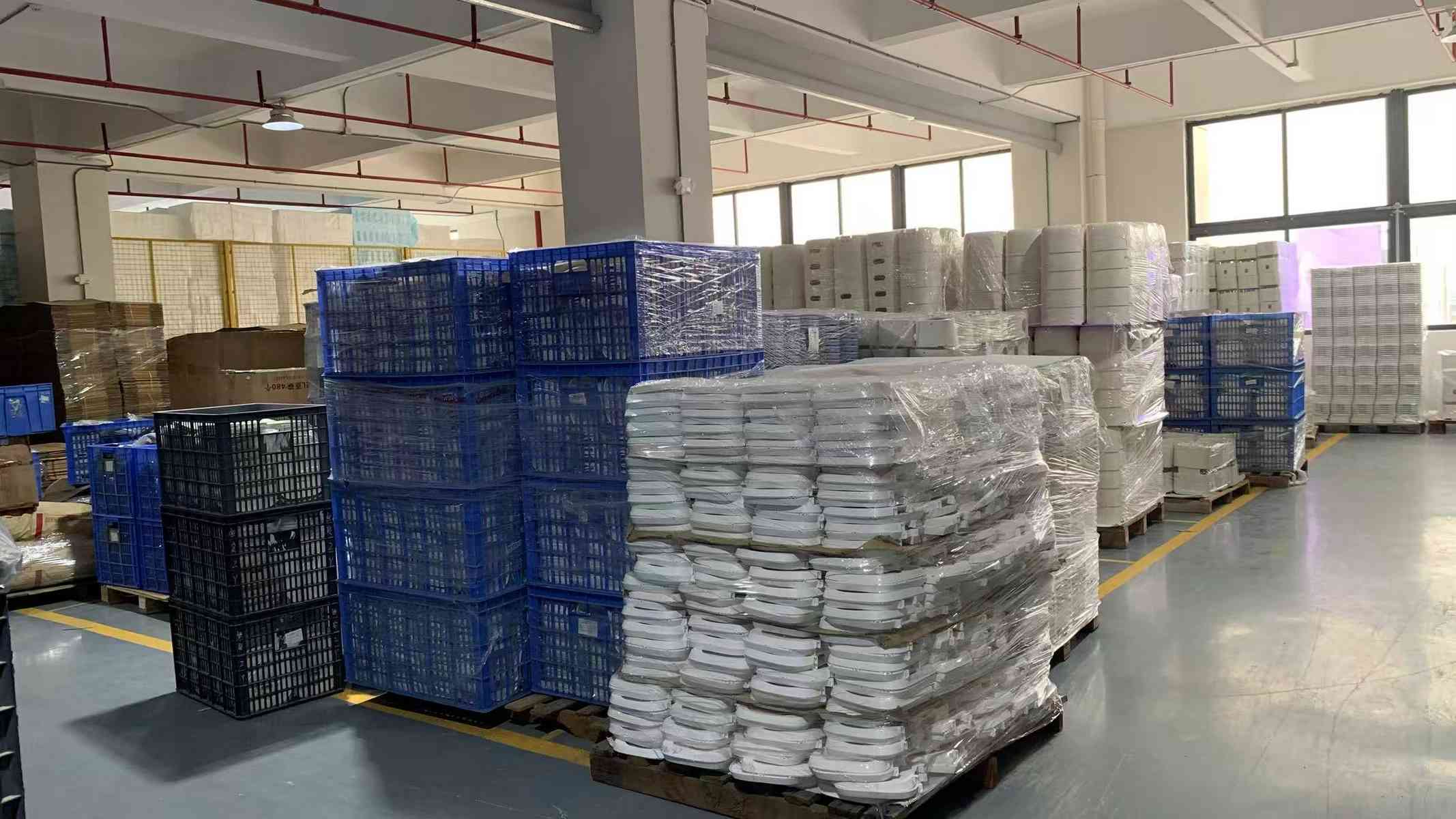
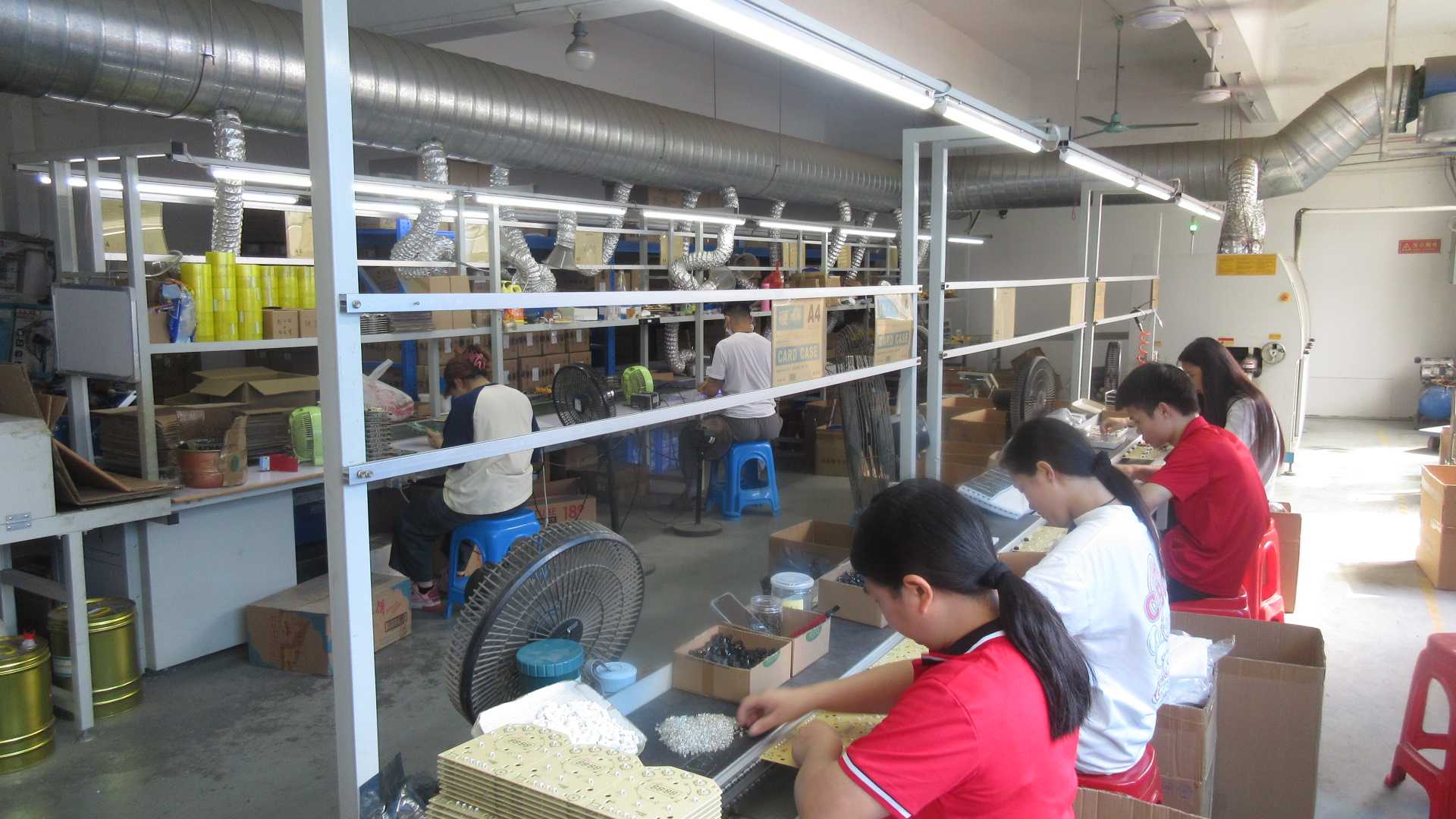
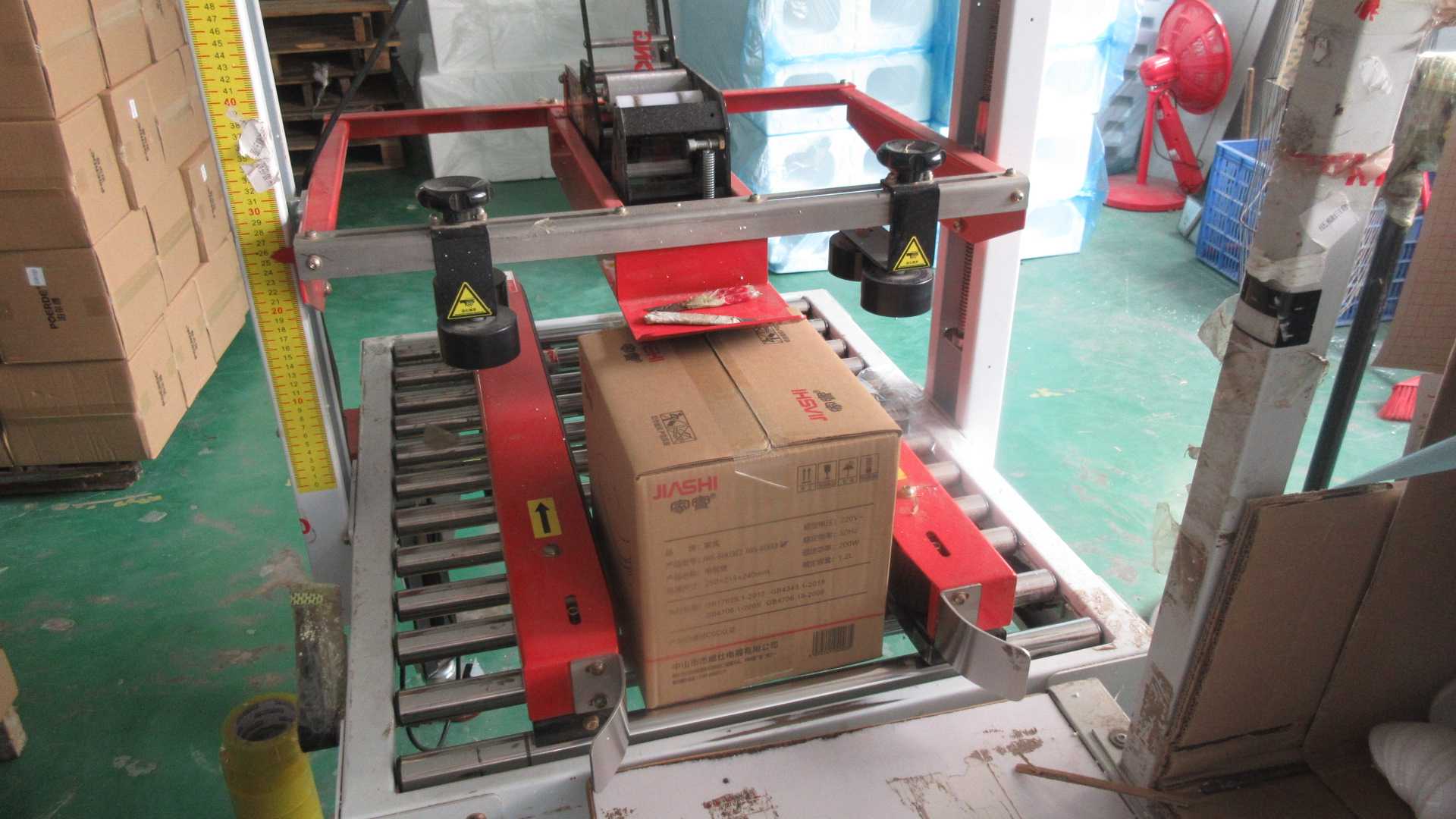
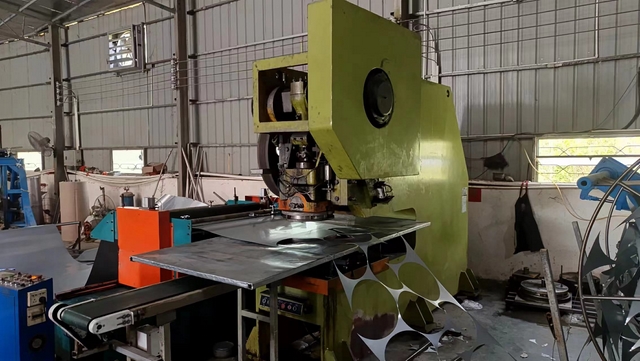
The company operates a modern manufacturing facility covering approximately 12,000 square meters, equipped with advanced production lines and comprehensive quality control systems. This facility serves as the backbone of its manufacturing capability, ensuring both efficiency and product consistency. Its production scope includes structural component design, precision stamping and die-casting, CNC machining, automated tool processing, mold development and fabrication, laser welding, assembly, and final testing. This full-chain manufacturing system enables Guangdong Picky Kitchen Co. Ltd. to provide one-stop solutions while maintaining strict control over quality and lead times, as well as responding quickly to customized client requirements.
Technological innovation is driven by a skilled and experienced R&D team composed of engineers specializing in structural design, mold development, industrial design, and automation systems. This team is responsible not only for new product development but also for continuous improvement of manufacturing processes and material applications. Through ongoing innovation, the company ensures its products deliver superior durability, smooth operation, structural stability, and design refinement, keeping pace with global kitchen hardware trends.
Responding to the global shift toward smart homes and sustainable manufacturing, Guangdong Picky Kitchen Co. Ltd. is actively advancing three strategic directions: the adoption of eco-friendly materials such as low-VOC coatings and bio-based surface treatments; the integration of IoT and intelligent sensing technologies into kitchen hardware systems; and the development of low-carbon manufacturing practices aimed at building greener factories and more sustainable supply chains.
Looking ahead, Guangdong Picky Kitchen Co. Ltd. remains committed to its core values of precision craftsmanship and innovation-driven growth. The company will continue working with global partners to create smarter, more efficient, and more environmentally responsible kitchen hardware solutions, contributing to the advancement of the global kitchen and home hardware industry.
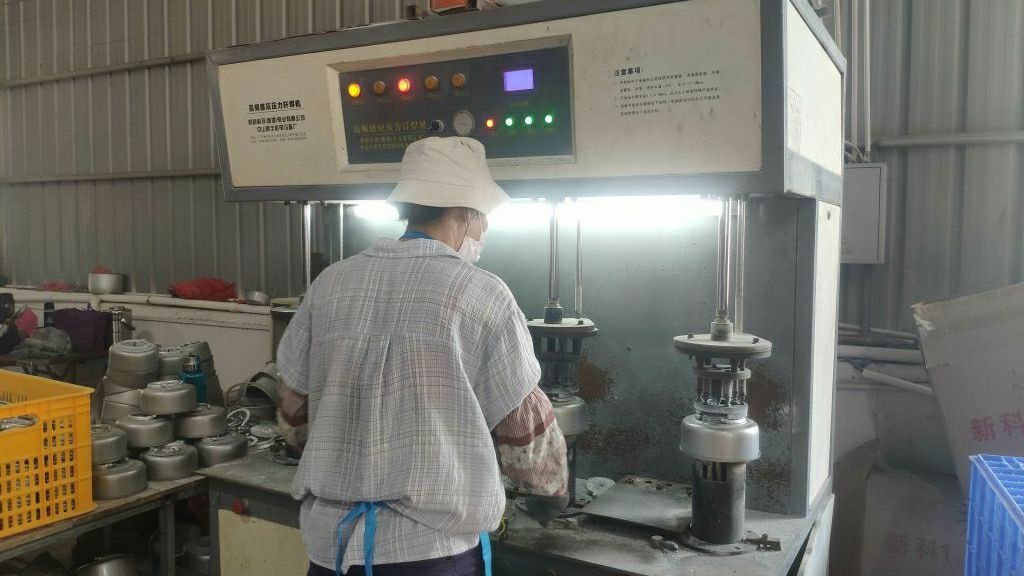

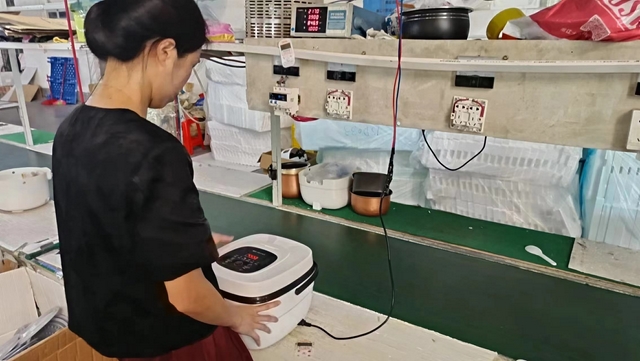

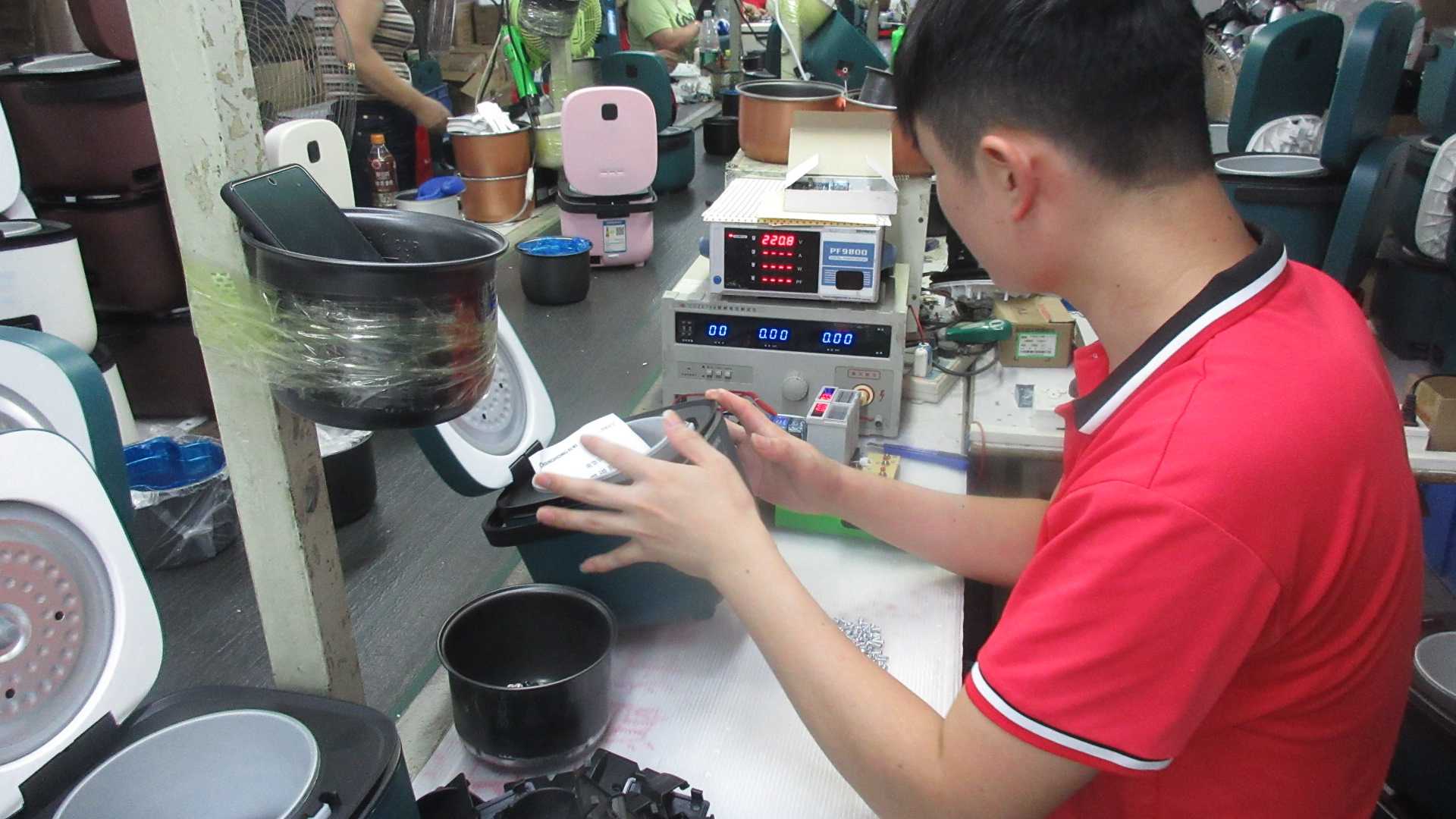
A cooking thermometer's value depends on its accuracy. To maintain quality across production, Picky Kitchen utilizes multi-point temperature calibration chambers. Each digital probe is subjected to a minimum 3-point calibration process against reference standards traceable to national laboratories. Our automated testing jigs record individual sensor offsets across standard thresholds (0°C, 100°C, and 200°C), storing data for quality auditing. This process maintains accuracy tolerances within ±0.5°C in the core cooking range (50°C to 120°C).
Global standards for food contact surfaces have become increasingly stringent. Our cooking thermometer probes are built with 304 or 316 medical-grade stainless steel to ensure corrosion resistance when exposed to salt, acids, and high temperatures. We source our plastics, silicones, and ceramic materials in strict compliance with FDA food contact regulations, ensuring they remain free of toxic heavy metals, lead, and BPA.
Smart thermometers require reliable wireless performance. For Bluetooth and Wi-Fi models, we design circuits to prevent EMI (electromagnetic interference) and maximize signal efficiency. Our wireless modules carry complete FCC (Federal Communications Commission) and CE-RED approvals, confirming safe transmission power, RF output levels, and electrical safety.
Our engineering roadmap focuses on three key design priorities:
Answers to common B2B technical queries regarding commercial cooking thermometer design, procurement, and certification.
NTC thermistors offer high accuracy (±0.5°C) and are cost-effective, but have a slightly slower response time (approx. 3-4 seconds) and a narrower temp range. Thermocouple sensors (typically Type K) provide rapid response times (under 2 seconds) and measure extreme temperatures up to 300°C+; they are preferred for professional instant-read kitchen devices.
We utilize customized RF tuning and premium Bluetooth 5.3 chips paired with internal antenna amplification. The charging dock serves as an intermediate repeater, receiving the sub-1GHz or BLE signals from inside the closed metal cooker and boosting the signal via Bluetooth or Wi-Fi to the user's mobile device.
Yes. All materials that contact food—including SUS304/SUS316 stainless steel probes, high-temperature silicones, and ceramic housings—undergo regular compliance testing to meet food contact safety standards in the United States and the European Union.
Yes. With our in-house engineering and mold fabrication workshop, we provide complete OEM/ODM solutions. We offer custom logo printing, custom housing colors, specialized packaging, and app-level SDK integration for corporate partners.
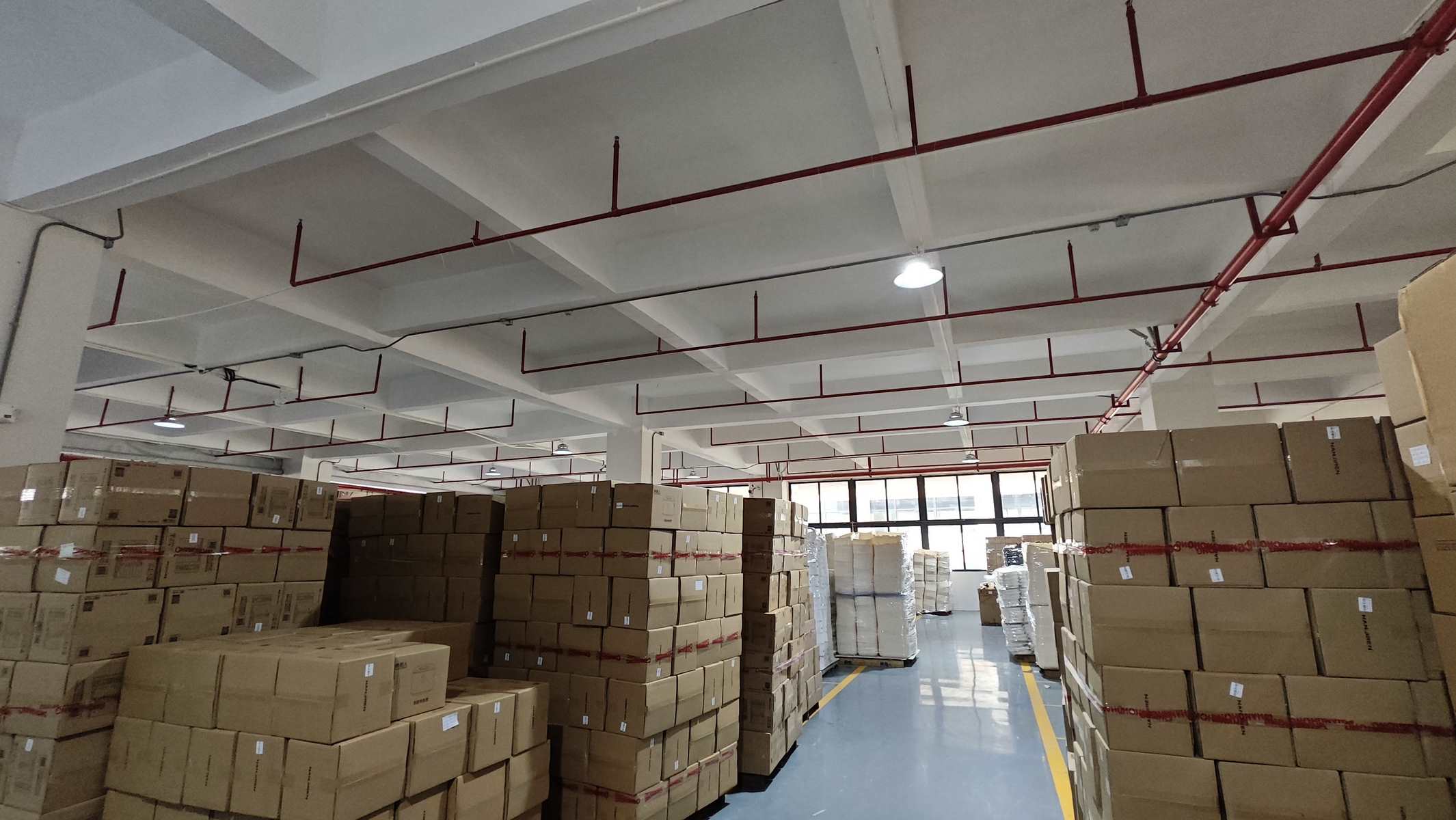
Operating a 12,000-square-meter facility with automated assembly lines, our monthly production capacity exceeds 300,000 units. Typical production lead times range from 30 to 45 days, depending on custom requirements and order volume.
Every thermometer undergoes automated inline testing. Calibration certificates can be provided with shipment manifests to verify that each device operates within defined temperature tolerances.
Premium instruments and smart accessories designed to meet international distribution standards.