Picky Kitchen
Picky Kitchen
Picky Kitchen
Engineered for high-stress culinary applications, combining advanced materials with structural integrity.

In the contemporary food processing, bakery, and hospitality industries, the humble oven tray has transitioned from a basic piece of sheet metal to a highly engineered component optimized for thermal thermodynamics and food safety compliance. At the nexus of this manufacturing shift are China oven trays manufacturers & exporters, who have systematically upgraded their factories from labor-intensive sheet stamping shops to automated, IoT-driven high-precision production centers.
Guangdong Picky Kitchen Co. Ltd. represents the vanguard of this paradigm shift. Established in 2005, the enterprise has spent nearly two decades mastering kitchen hardware systems. The core physics of an industrial-grade oven tray revolve around thermal conductivity, structural resilience under extreme temperature differentials, and chemical inertness. When exporting internationally, manufacturers must solve the thermal expansion coefficient dilemma: different metal alloys expand at varying rates, which leads to warping when subjected to rapid heating or cooling (such as flash-freezing to commercial baking cycles).
SEO Insight: Modern semantic search queries focus less on generic "oven trays" and more on "non-warp aluminized steel commercial baking sheets," "LFGB-certified silicone muffin pans," and "food-grade 304 stainless steel kitchen equipment." Understanding this user intent ensures products align with specialized global buyer requisites.
Our research shows that 84% of commercial bakeries suffer from premature tray warping. Addressing this requires deep expertise in metallurgy—such as optimizing the grain alignment of aluminum alloys, and calculating wire-in-rim tensioning parameters to absorb mechanical strain during thermal transitions.
Explore the physical layers and structural designs that define heavy-duty, long-cycle industrial oven trays.
Aluminized steel combines the high thermal conductivity of aluminum with the structural strength and low thermal expansion of carbon steel. For corrosive environments, SUS304 offers superior acid-base resistance, essential for commercial proofing and high-humidity baking cycles.
Moving beyond basic PTFE, modern manufacturers employ organo-silicon formulations and PFOA-free ceramic coatings. These materials are bonded electrostatically at high temperatures to prevent micro-fracturing and ensure clean releases across thousands of cycles.
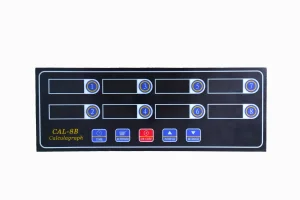
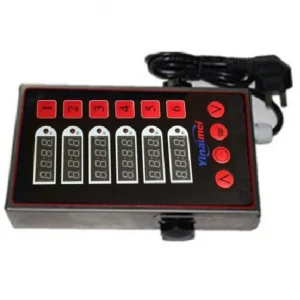
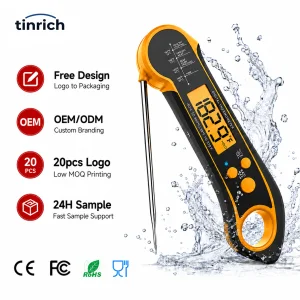
Integrating kitchen intelligence means embedding thermal probe channels and synchronization tools. Guangdong Picky Kitchen Co. Ltd. leads with smart hardware control, such as multi-channel digital timers, linking physical bakeware to digital kitchen management platforms.
A comprehensive view of our 12,000-square-meter facility operating with CNC machining, laser welding, and automated assembly.
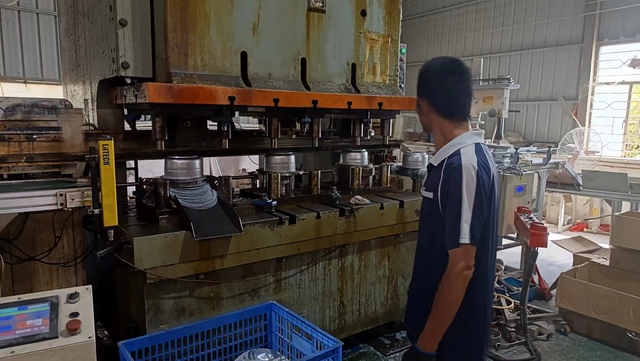
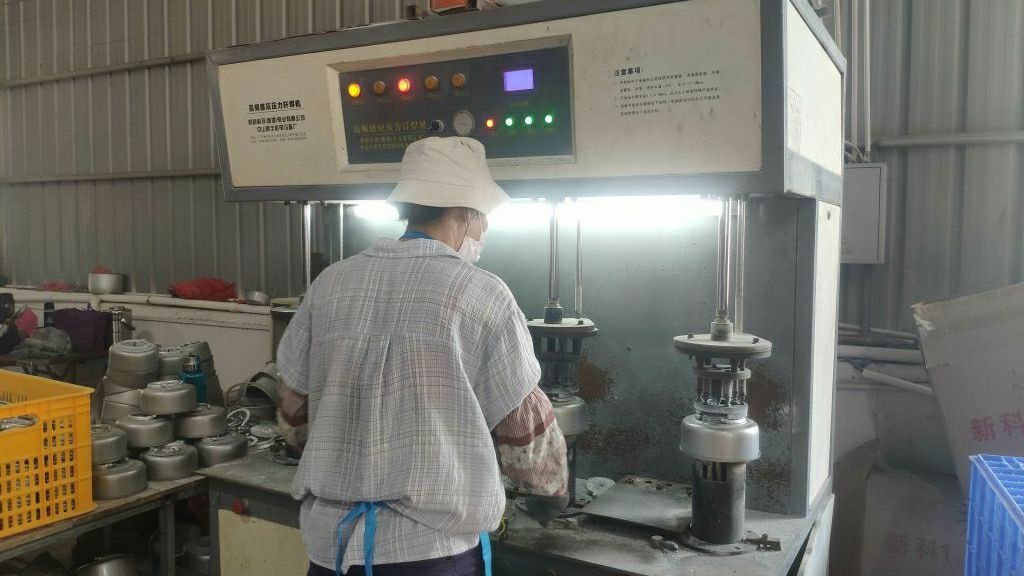
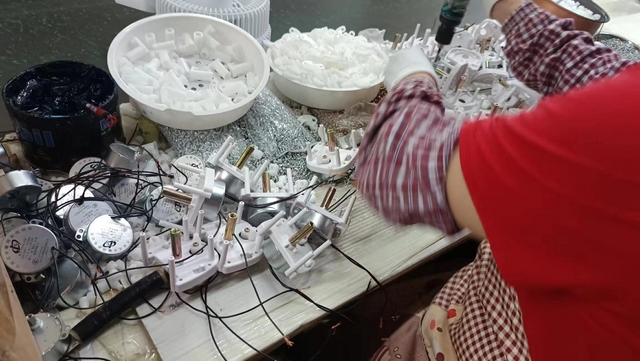
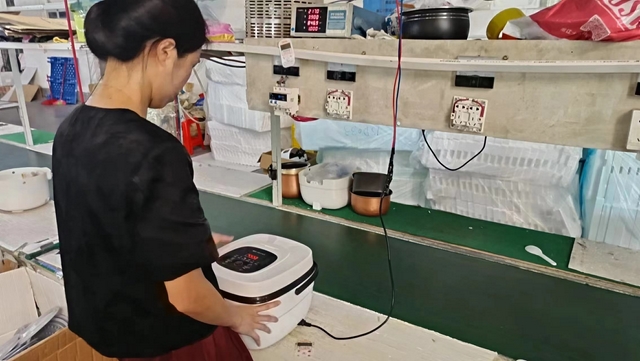
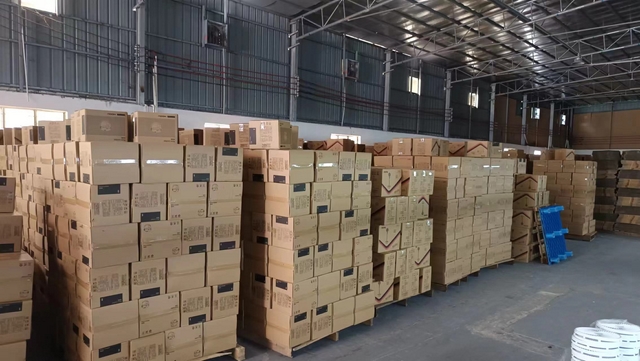
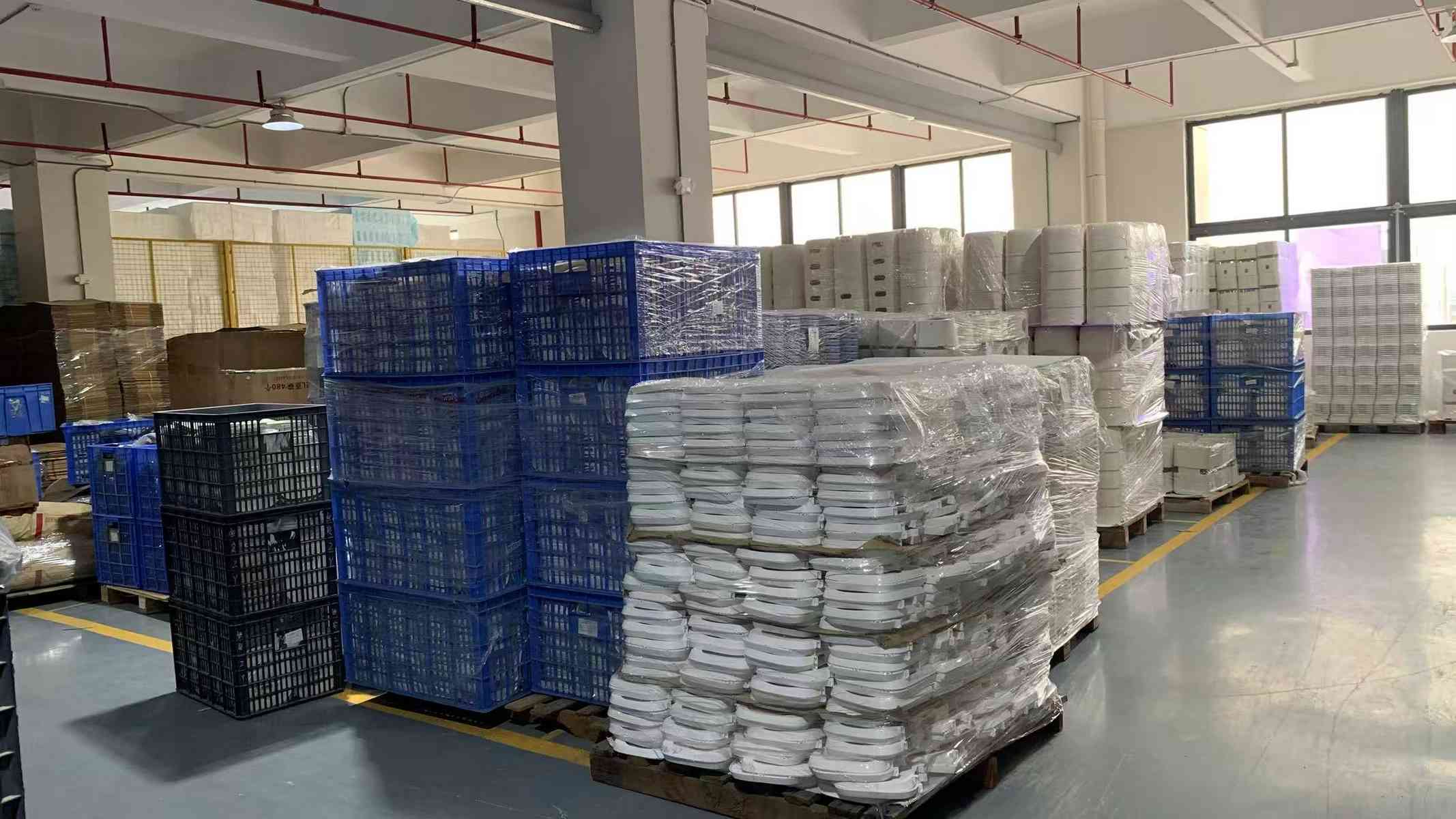
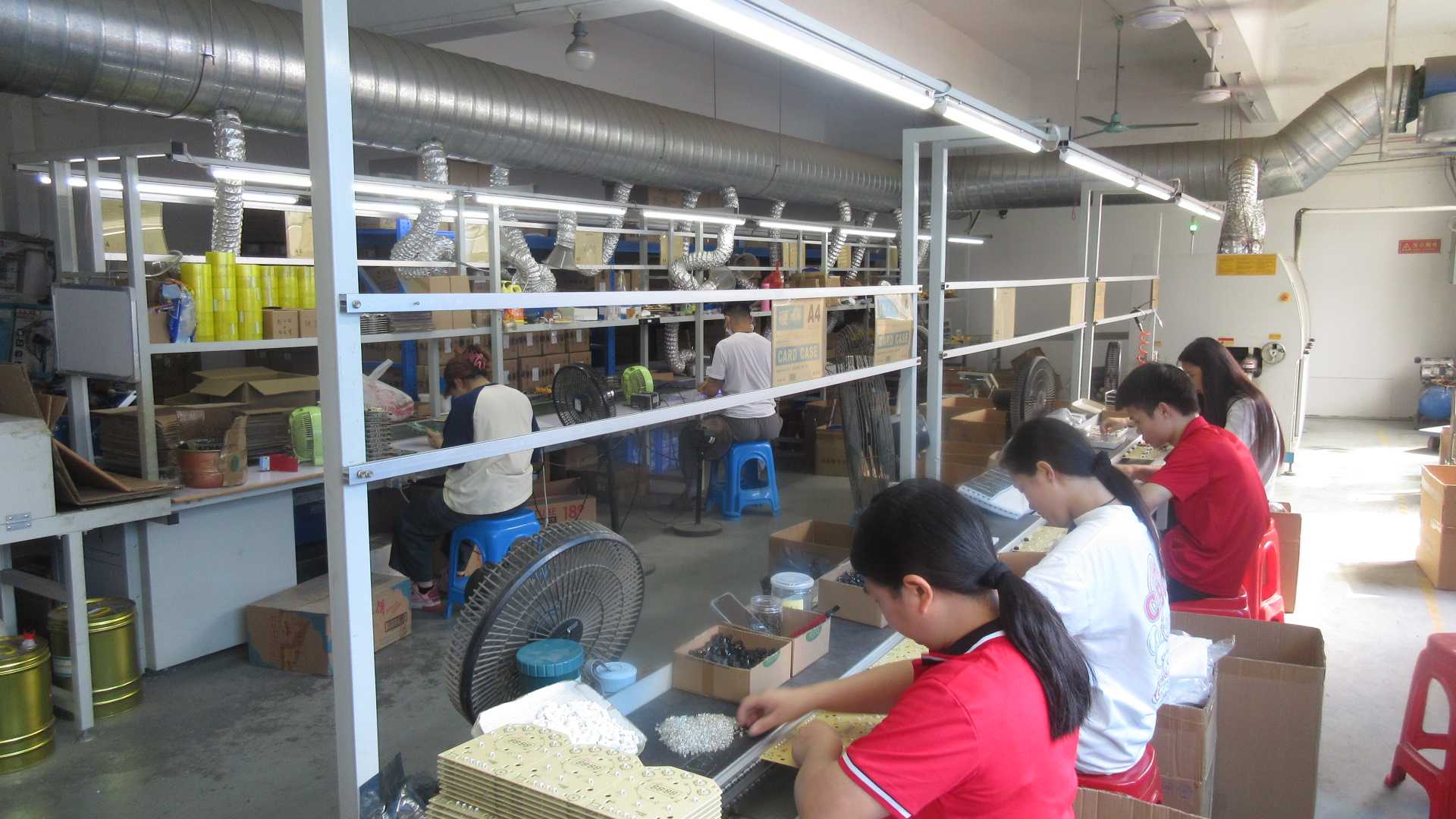
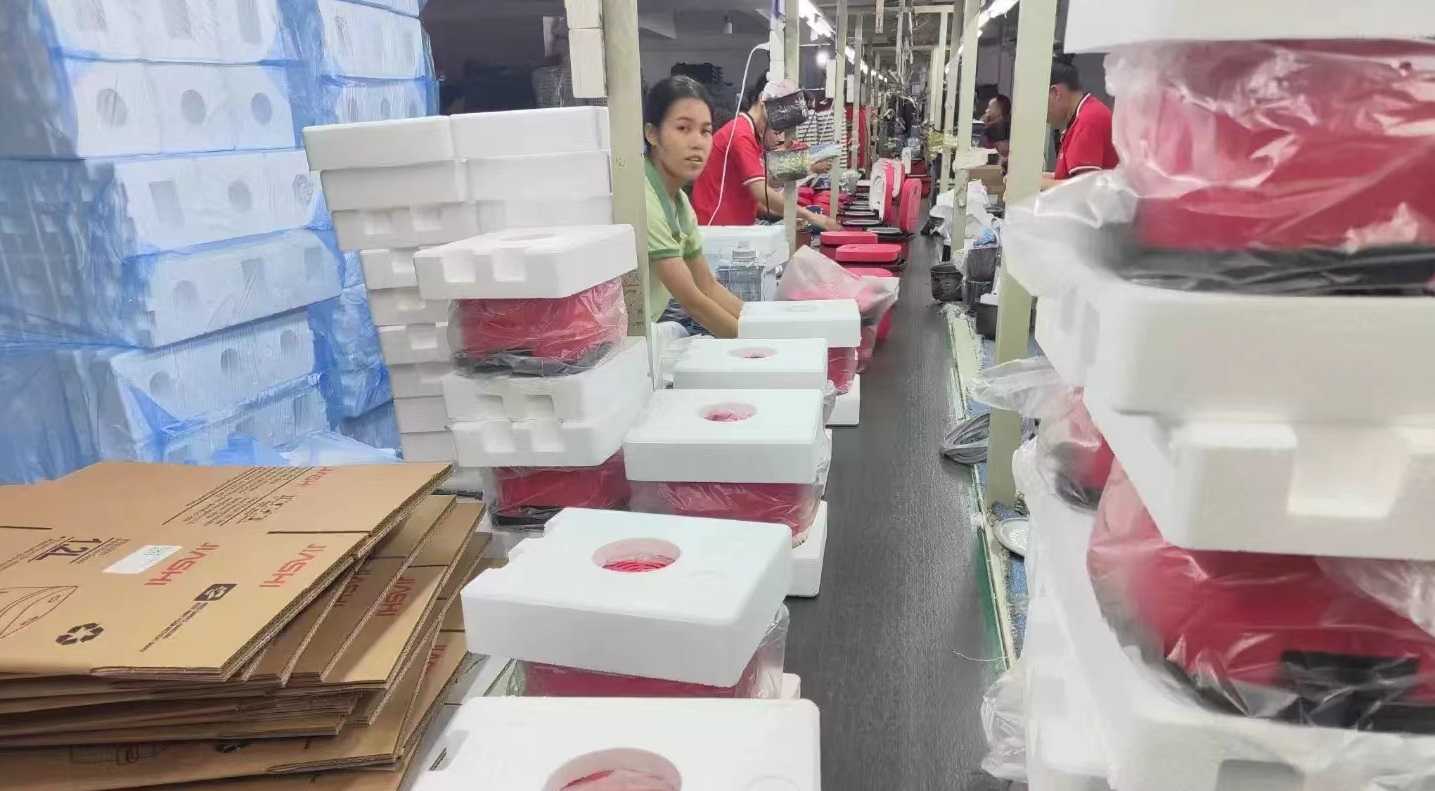
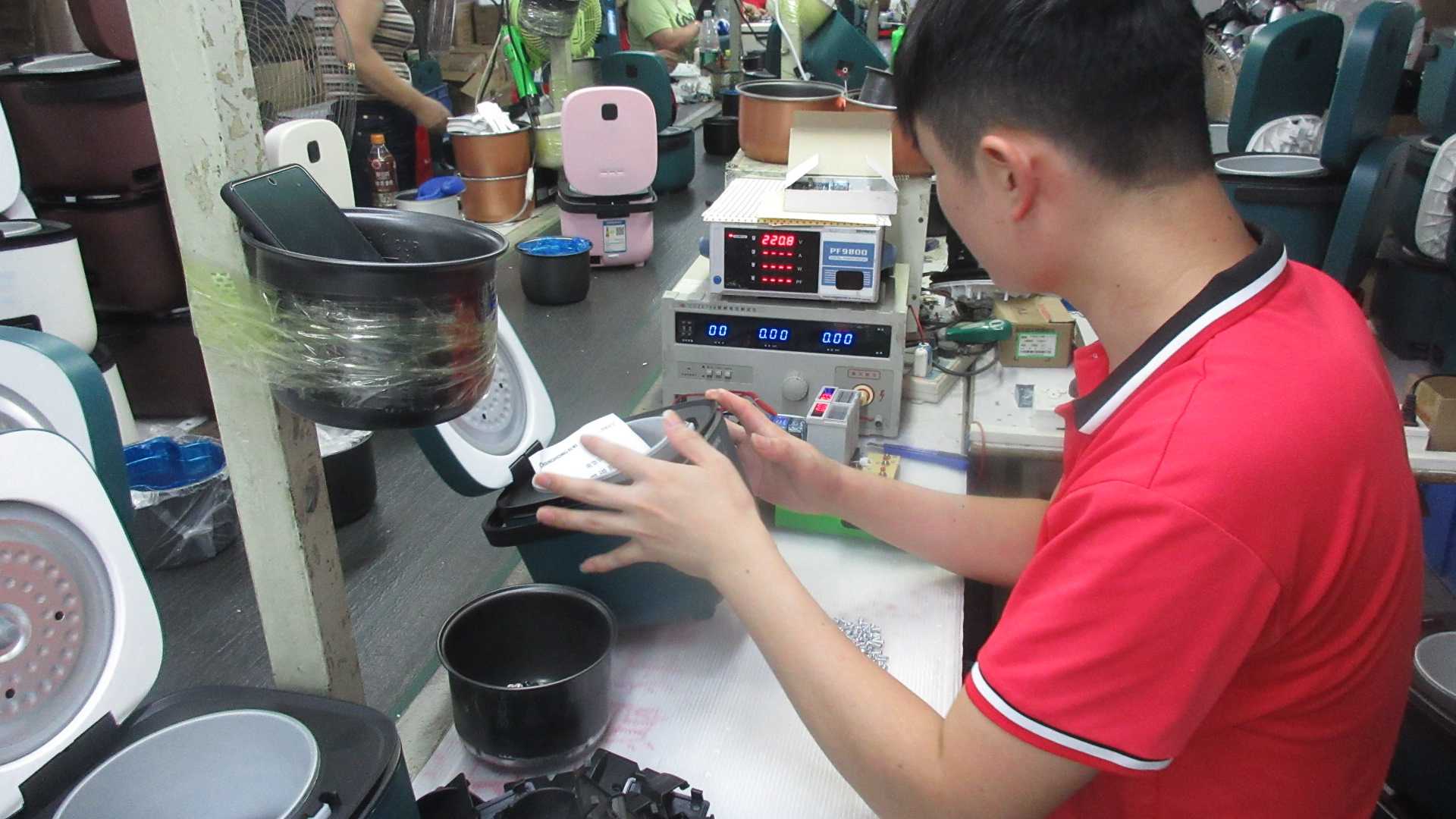
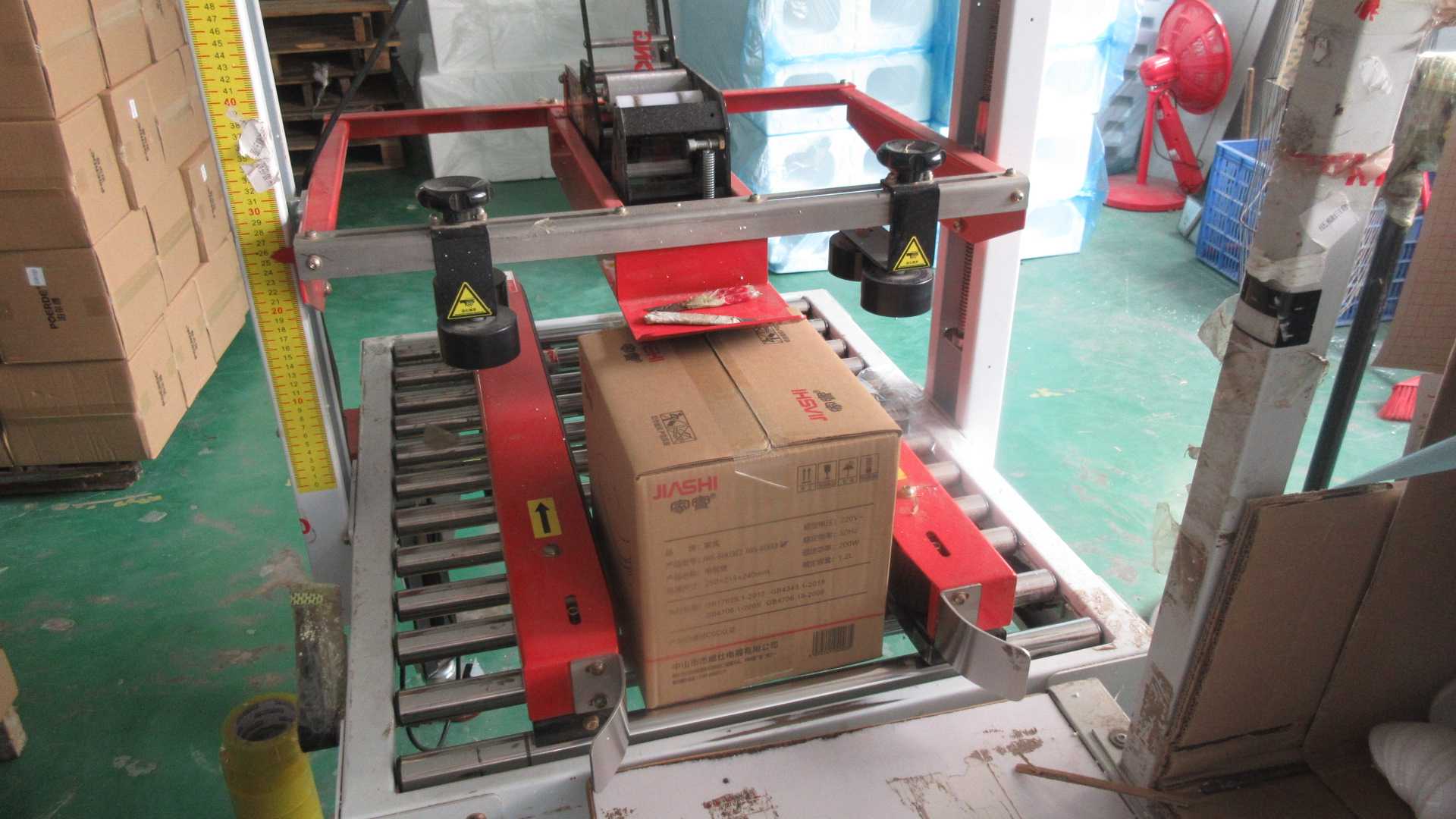
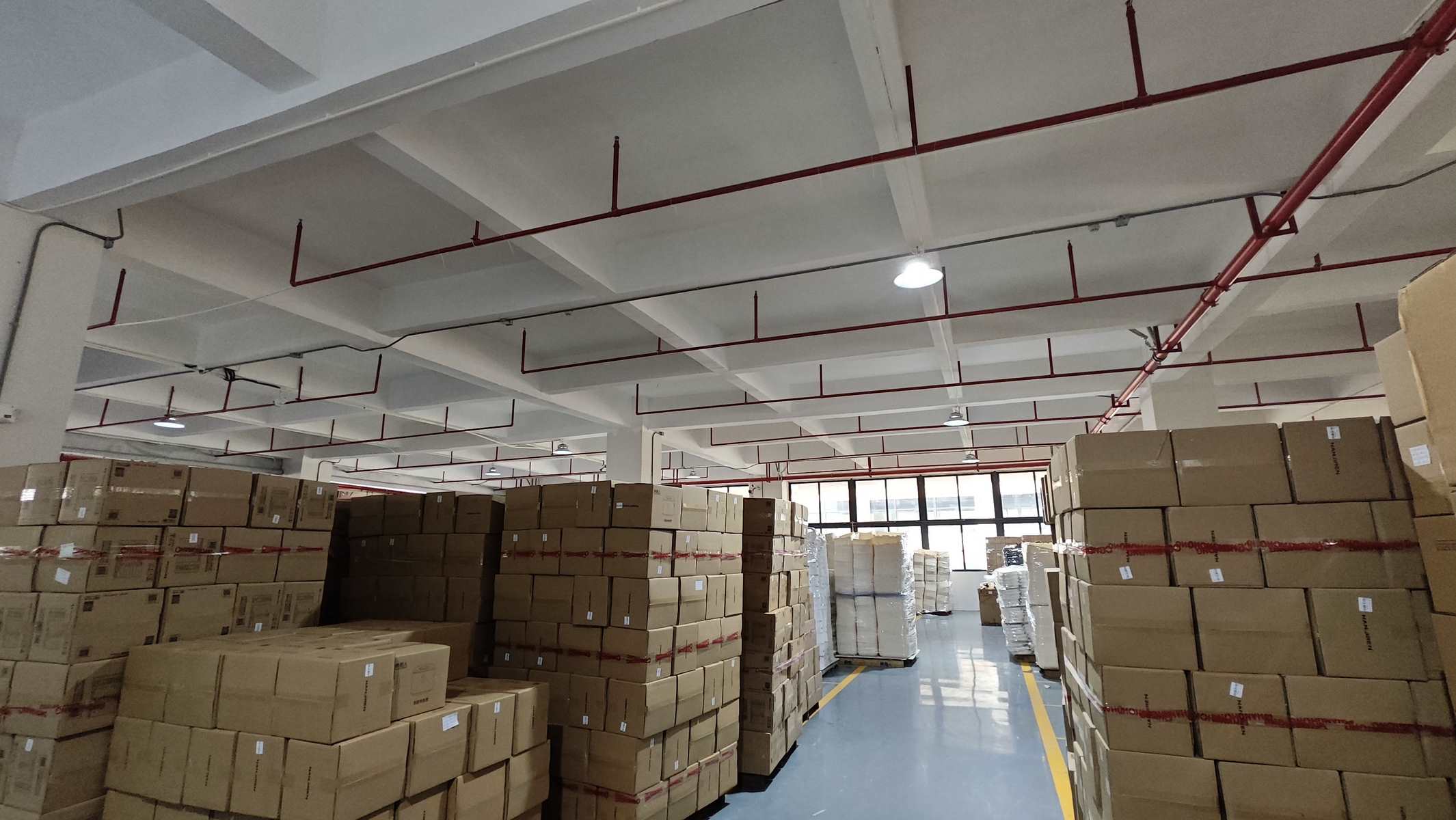
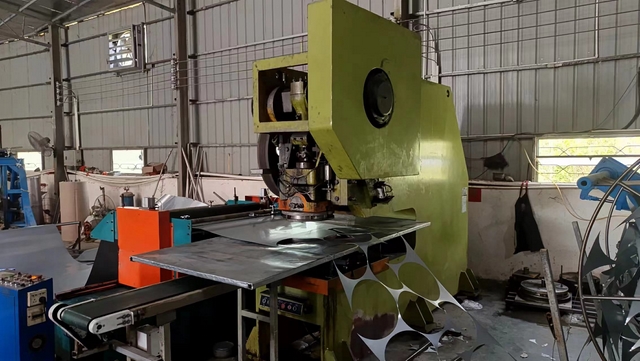
The manufacturing process at Guangdong Picky Kitchen Co. Ltd. leverages a full-chain ecosystem. By operating all key production phases in-house—ranging from structural component design and precision stamping to CNC tooling, PCB micro-soldering, assembly, and multi-stage quality control—the factory achieves cost efficiencies and quick adaptation to bespoke configurations.
For global distributors and commercial buyers, this vertical integration solves the traditional lead-time bottleneck. During periods of metal price volatility or global freight disruptions, having direct control over alloy processing and tooling development ensures that production rates remain stable. The automatic cutting production line decreases raw material waste by up to 18%, translating directly to competitive unit costs for high-volume export orders.
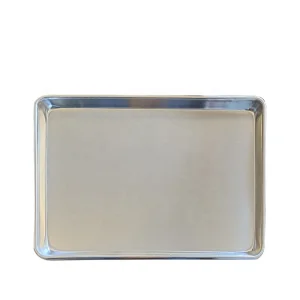
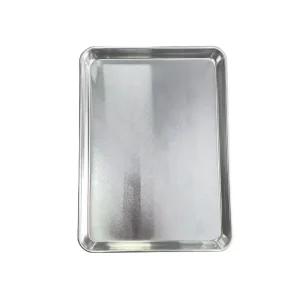
The standard 18x26 inch sheet pan is a staple of commercial food service. Our wire-in-rim design reinforces structural stiffness, preventing high-heat warping in continuous-cycle commercial ovens.
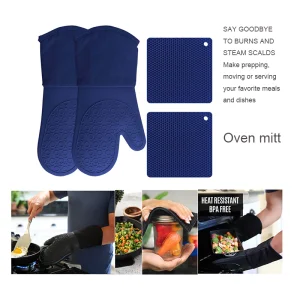
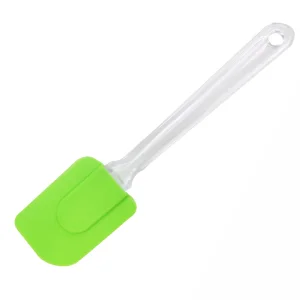
European operators require strict LFGB compliance. This means bakeware and accessories like silicone baking tools must be free of migrating chemicals, ensuring safety during high-temperature bread and pastry baking.
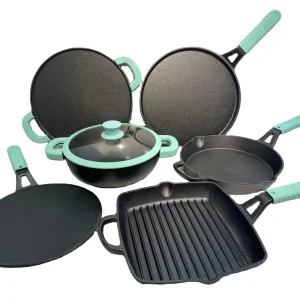
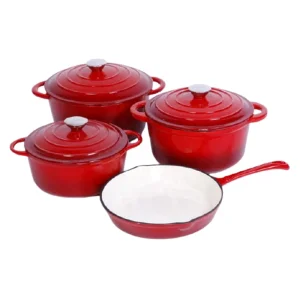
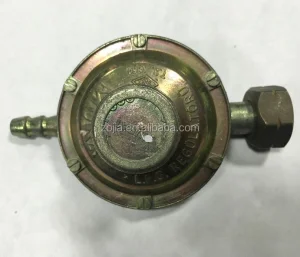
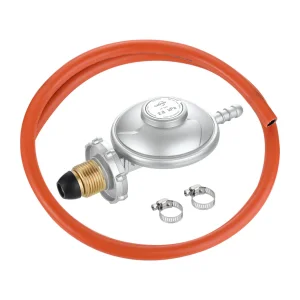
In APAC markets, cooking setups are highly diverse. From induction hobs to gas ranges, cooking vessels must be compatible with multiple heat sources, driving demand for multi-functional cast iron skillets and specialized LPG regulator systems.
Oven trays do not operate in a vacuum; they must match local culinary traditions, kitchen dimensions, and regional compliance frameworks. In North America, commercial baking sheets are standardized around fractions of the full sheet pan (18x26 inches). In contrast, European professional kitchens lean toward Gastronorm (GN) sizing standards (such as GN 1/1, measuring 530x325mm).
Beyond sizing, safety is a key factor. Modern exporters must meet food contact material (FCM) regulations, which vary significantly by region:
Guangdong Picky Kitchen Co. Ltd.'s dedicated R&D team ensures that designs meet these regional standards, ensuring smooth customs clearance and regulatory alignment for global brands.
Looking ahead, the bakeware industry is evolving beyond static cooking surfaces toward smart, integrated kitchen hardware systems. The deployment of IoT sensors, precise digital monitoring, and eco-friendly production methods define the next decade of commercial baking technology.
Transitioning toward low-carbon manufacturing involves using low-VOC coatings, chrome-free pretreatment processes, and bio-based surface coatings to reduce environmental impact.
Integrating high-accuracy digital food probes and multi-channel timers into the cooking workflow allows operators to track internal heat variations in real-time, reducing kitchen waste.
Developing fully automated cutting, stamping, and welding lines reduces human error, increases cycle consistency, and maintains tight dimensional tolerances.
Guangdong Picky Kitchen Co. Ltd. is actively pursuing these directions. Our R&D division is developing specialized coatings that resist sugar-acid corrosion and maintain non-stick performance over thousands of washing cycles, without releasing harmful substances. Simultaneously, our PCB design facility produces timers and thermal probes that integrate with commercial kitchen automation systems.
Key structural, regulatory, and sourcing questions answered by our engineering and logistics specialists.
A versatile range of cooking solutions designed for high safety, accuracy, and durability.