Picky Kitchen
Picky Kitchen
Picky Kitchen

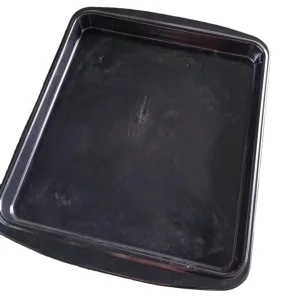
For global procurement heads, brand managers, and commercial kitchen suppliers, sourcing high-performance baking sheets from China has evolved far beyond finding the lowest per-unit cost. Modern baking sheets are subject to intense thermodynamic stress, stringent international chemical food contact safety standards (FDA, LFGB, GB), and shifting consumer expectations around sustainability (such as PFAS-free/PFOA-free coatings).
Understanding the micro-details of metallurgy, automated stamping precision, and the chemical properties of non-stick surface coatings is critical to identifying a tier-one manufacturing partner. China remains the epicenter of bakeware manufacturing infrastructure, providing unmatched vertical integration, structural mold customization, and supply chain resilience.
A baking sheet's life expectancy depends heavily on how its core metal interacts with its non-stick barrier. Premium carbon steel combined with professional-grade silicone-resin coatings prevents the thermal micro-warping that ruins heat distribution and destroys the structural durability of the pan under rapid cooling cycles.
Commercial baking demands high structural integrity. Standard household baking sheets warp or twist under temperatures exceeding 220°C (428°F) due to thermal shock and uneven expansion. Advanced OEM factories prevent this by utilizing precise material ratios and reinforced mechanical structures.
Offers superior thermal conductivity and tensile strength compared to pure aluminum. Ensures rapid, uniform heat distribution across the surface, reducing baking time and preventing localized hotspots.
By folding the edges over a thick steel wire during the stamping process, the pan's frame remains locked in dimension. This allows the metal to expand under heat without bowing or buckling.
Eco-friendly, food-grade coatings applied electrostatically. Offering low coefficients of friction and high wear resistance, they withstand up to 5,000+ release cycles without losing non-stick performance.
When specifying custom orders for global markets, understanding the metallurgical properties of core materials is essential. Below is a comparison table outlining performance characteristics:
| Material | Thermal Conductivity | Warp Resistance | Cost Efficiency | Primary Market Use Cases |
|---|---|---|---|---|
| Heavy-Gauge Carbon Steel | Excellent (Steady) | Highest | Optimal | Retail consumer bakeware, premium private label brands. |
| Aluminized Steel | Very High | High | Moderate | Commercial industrial bakeries, heavy-duty production runs. |
| Standard Aluminum | Immediate / Fast | Low-Medium | Low Cost | Budget retail, fast-casual food prep stations. |
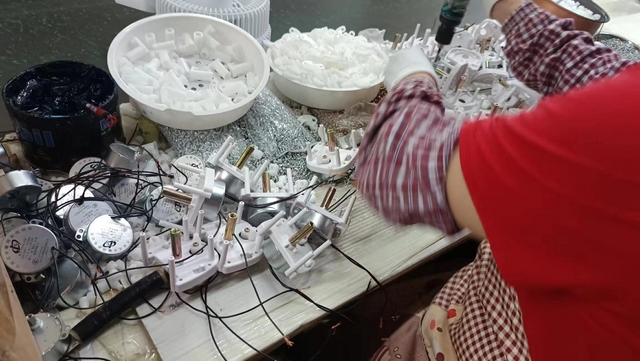
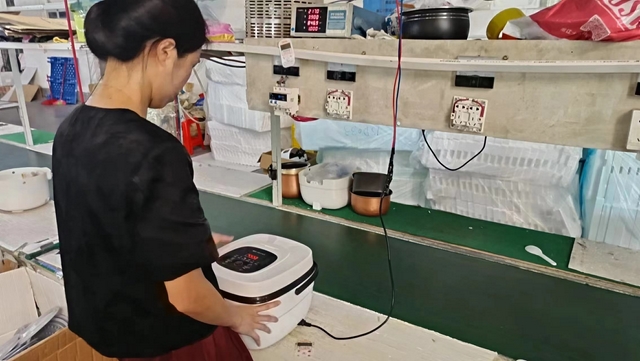
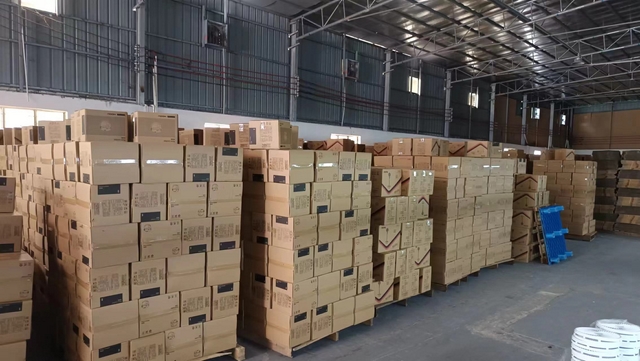
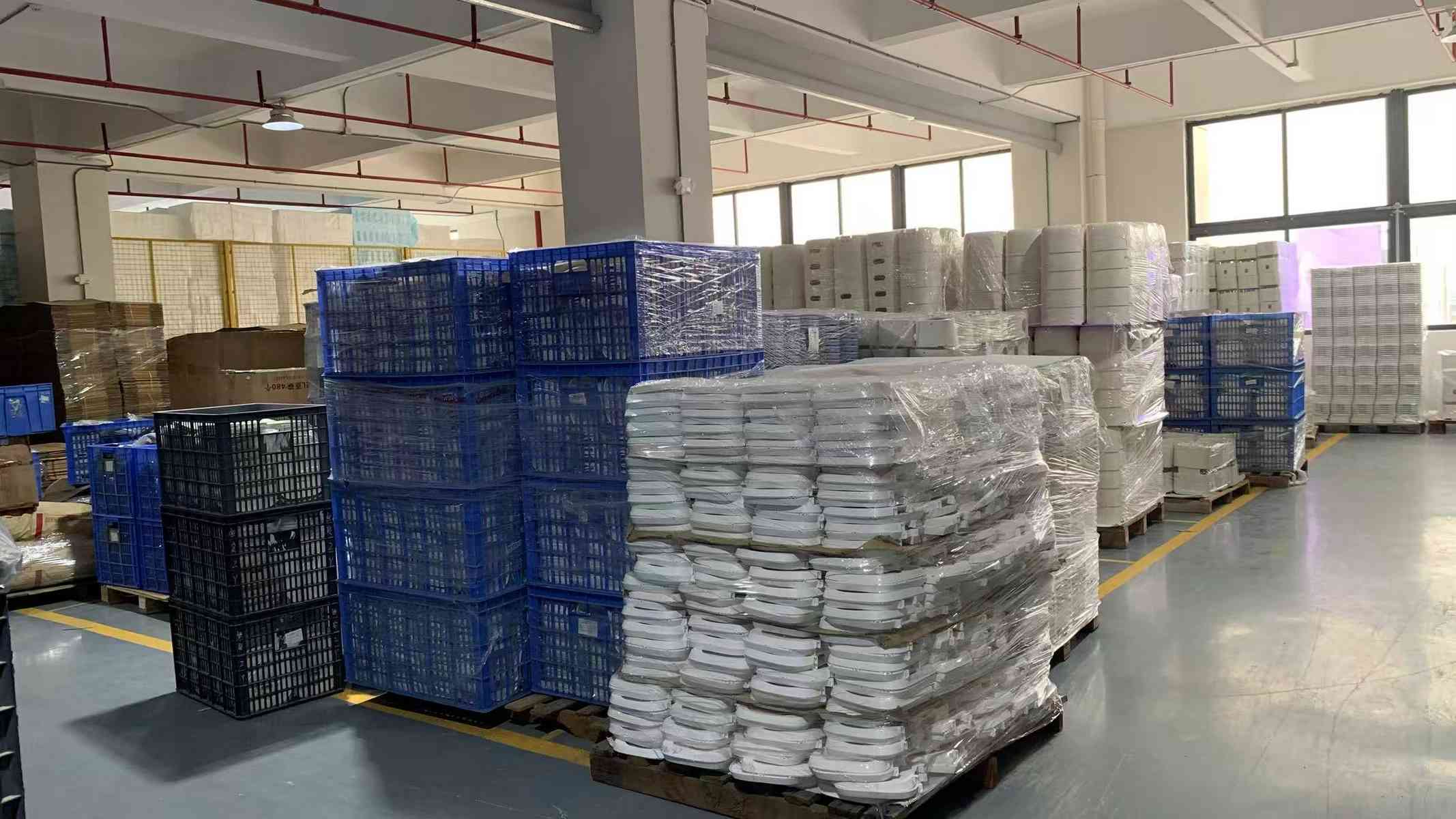
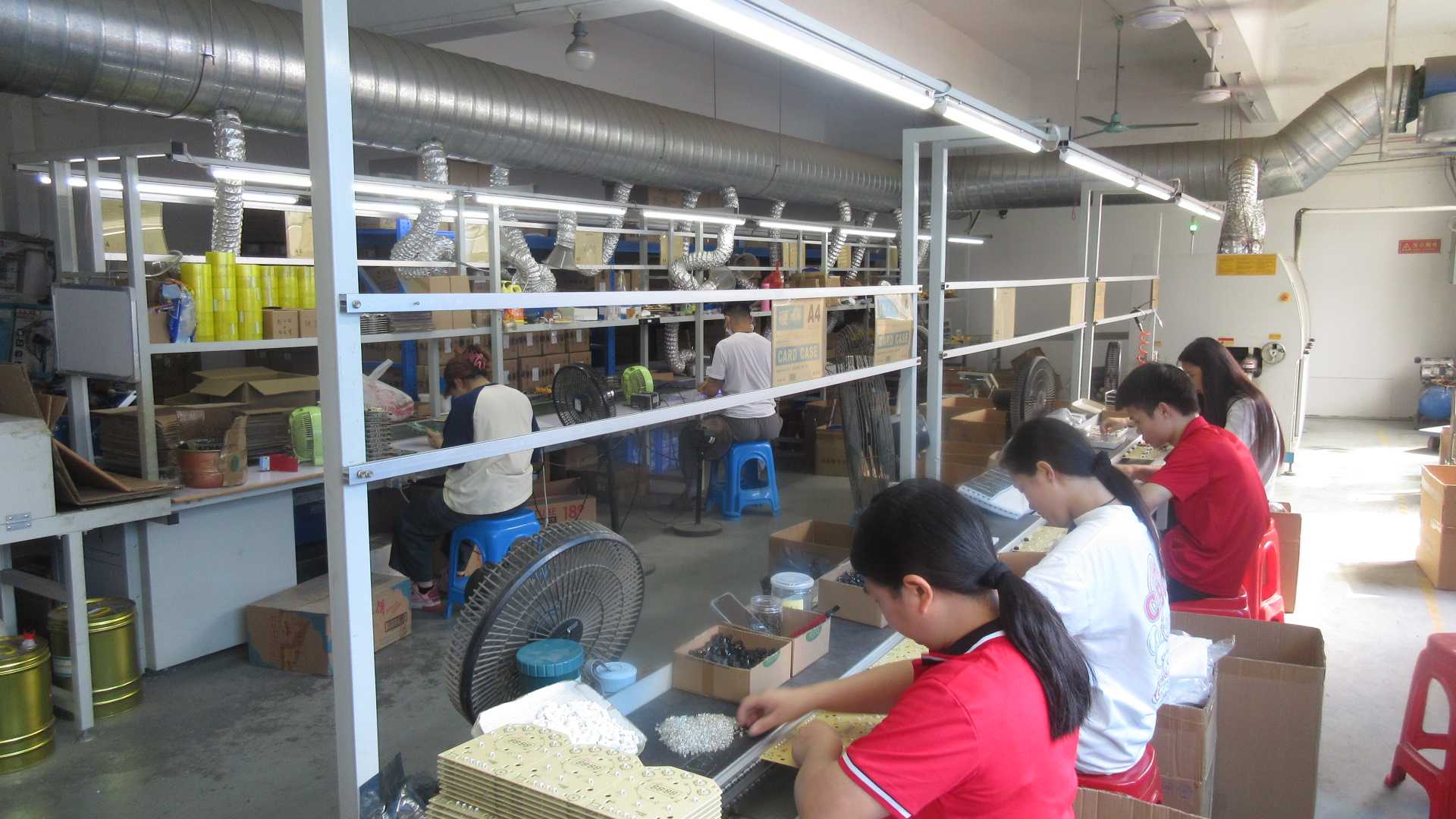
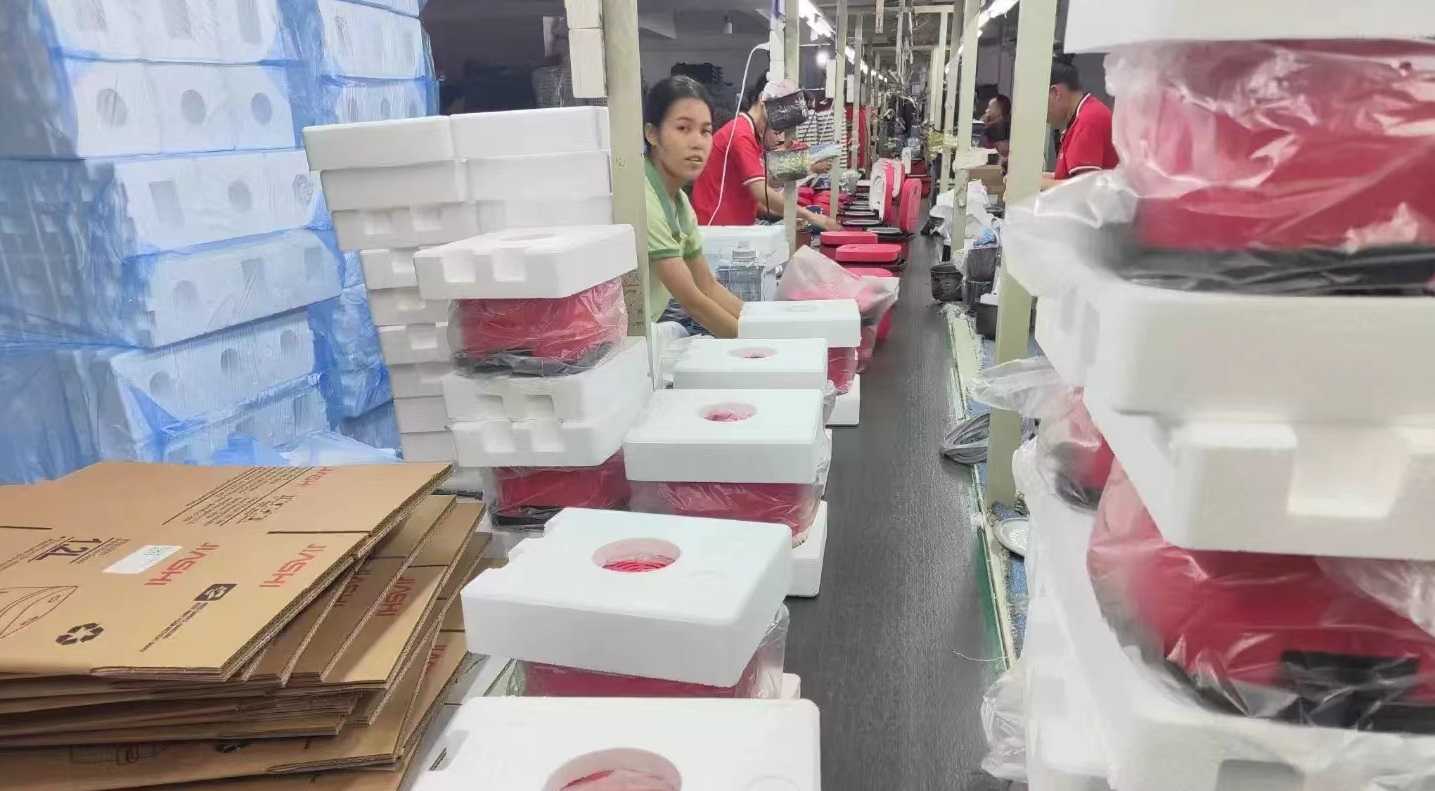
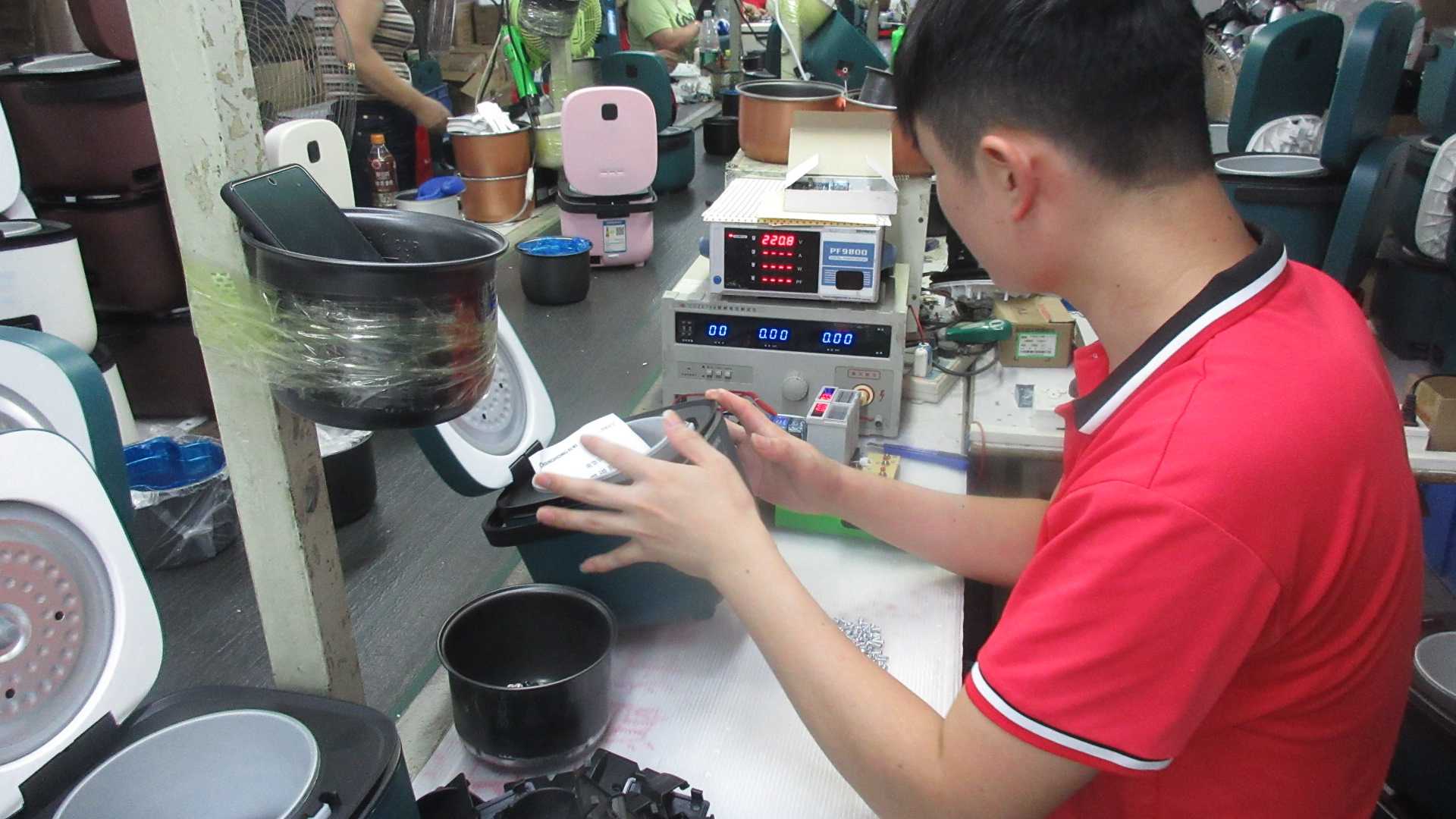
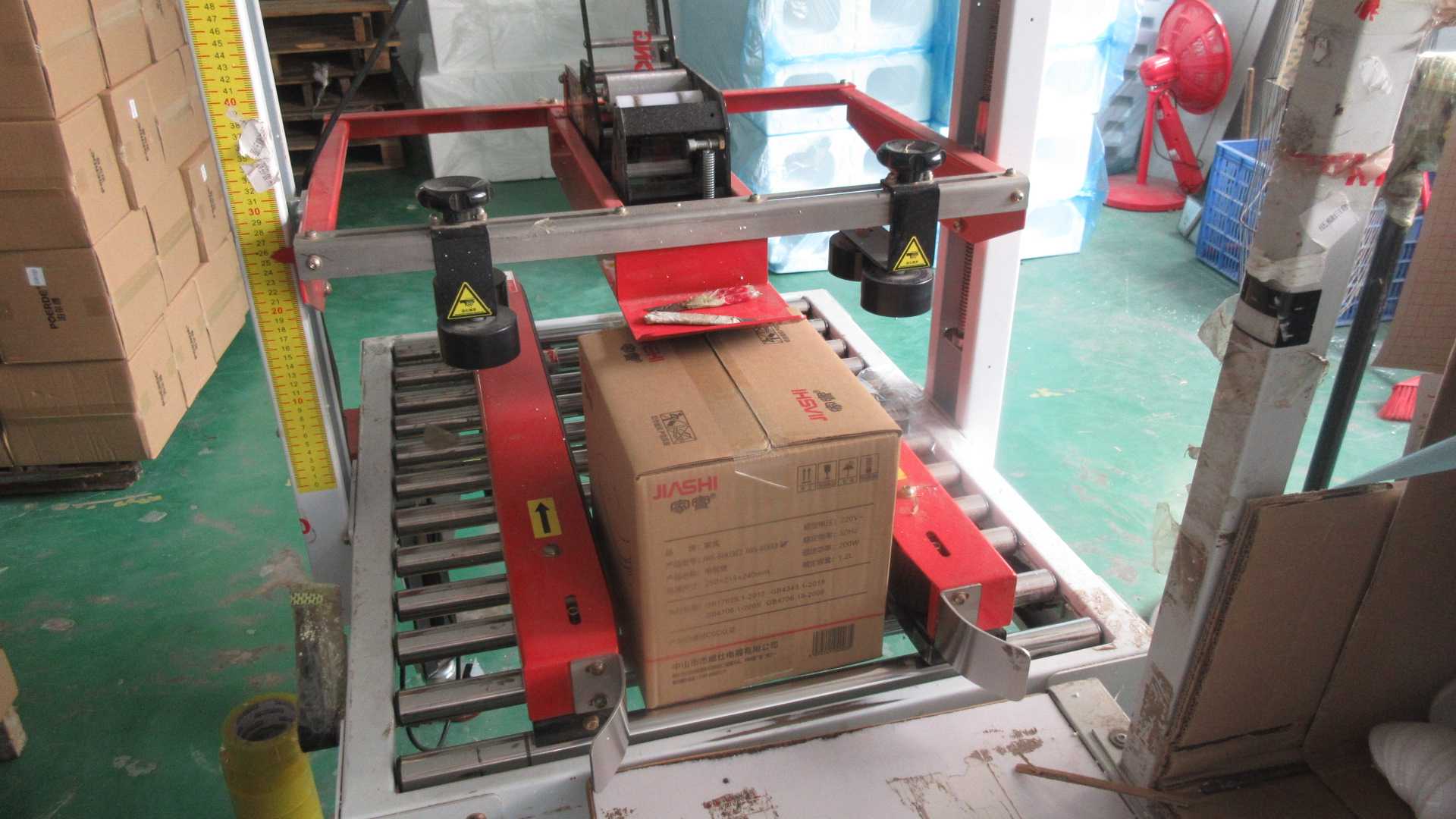
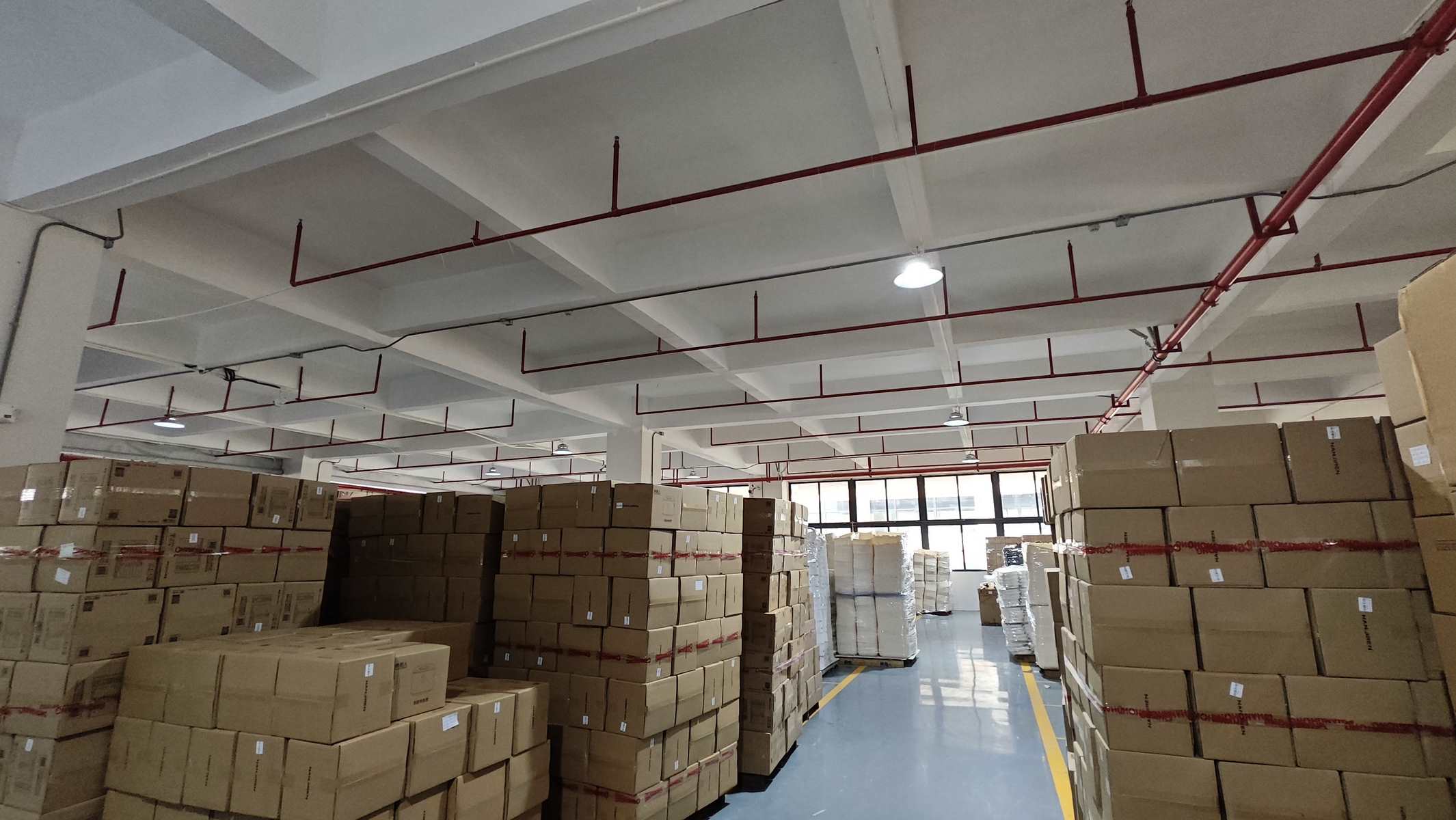
Established in 2005, Guangdong Picky Kitchen Co. Ltd. exemplifies modern Chinese kitchenware and functional hardware engineering. Spanning a modern manufacturing footprint of approximately 12,000 square meters, the company manages a comprehensive production ecosystem. From structural component design to final packaging, they operate under strict quality management processes designed for international export markets.
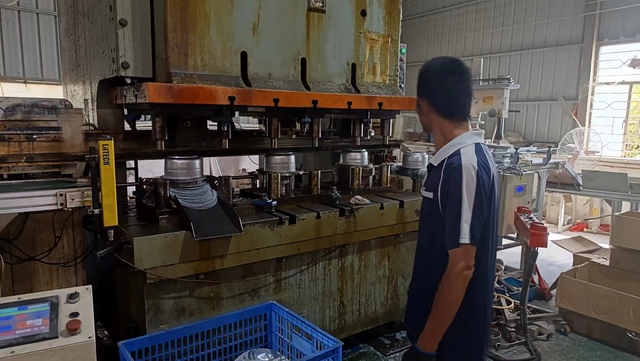
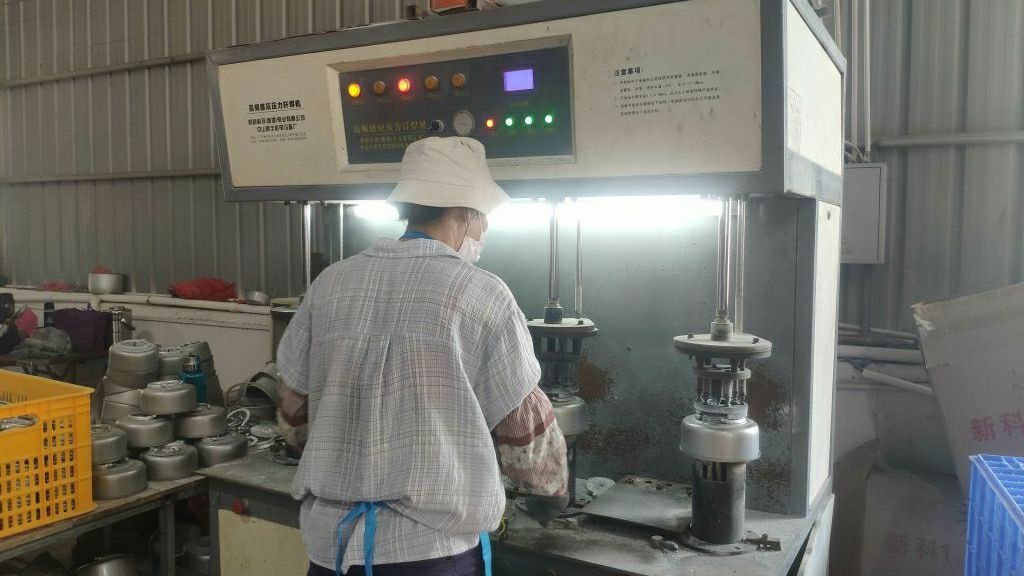
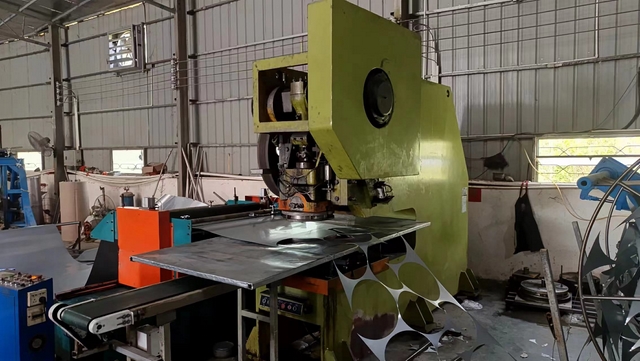
Their fully integrated production capabilities include precision metal stamping, CNC machining, advanced mold development and fabrication, laser welding, and automated tool processing. By maintaining strict control over the entire supply chain, Picky Kitchen ensures consistent quality, optimized cost control, and rapid response to complex OEM/ODM projects.
B2B buyers face several pain points when importing large volumes of bakeware. Understanding how a manufacturer mitigates these challenges is key to maintaining a resilient supply chain:
Different regions enforce varying regulatory frameworks. While North America adheres to strict FDA regulations, the European Union utilizes LFGB standards, which mandate testing for sensory release, heavy metals, and volatile organic compounds (VOCs). Selecting a factory that consistently source certified, lab-tested raw materials is essential to preventing costly border rejections.
Environmental policies are driving a shift away from traditional chemical coatings. Major retail buyers in the EU and NA now prioritize bio-based surface treatments and PFAS-free ceramic materials. Advanced production facilities are actively reducing energy footprints by utilizing high-efficiency baking furnaces during the coating curing process and optimizing scrap metal recycling ratios.
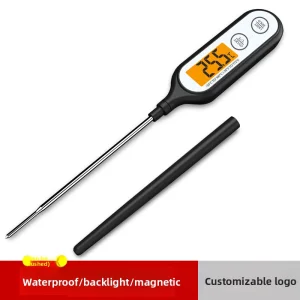
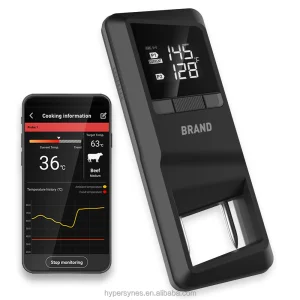
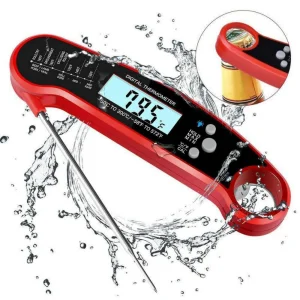
The shift toward smart homes is driving the integration of IoT technology into kitchenware. Modern baking and roasting workflows leverage wireless probe thermometers (such as Bluetooth and Wi-Fi enabled kitchen probes) to monitor internal food temperatures and automate cooking processes. The convergence of physical bakeware and digital monitoring systems is reshaping consumer expectations, creating opportunities for forward-looking brands.
By linking advanced metallurgy, sustainable coatings, and digital cooking systems, modern kitchenware brands can achieve higher price premiums and stronger customer retention. Partnerships with vertically integrated factories like Guangdong Picky Kitchen facilitate this product expansion.