Picky Kitchen
Picky Kitchen
Picky Kitchen
In the high-stakes world of commercial kitchenware and retail distribution, the humble kitchen tong has evolved into a masterpiece of ergonomic engineering and material science. This report serves as a strategic roadmap for B2B buyers, supply chain managers, and global retailers looking to identify the Top 10 Tongs Manufacturers and Suppliers. We delve beyond simple contact lists to explore the underlying technologies—from high-grade SUS304 stainless steel alloys to advanced heat-resistant silicone polymers—that define the modern kitchen tool.
Today's market is no longer just about price. It is about E-E-A-T (Experience, Expertise, Authoritativeness, and Trustworthiness). Suppliers who command the highest market share are those who integrate precision stamping, automated tool processing, and eco-friendly manufacturing. As we navigate through 2024, the "Semantic Search" of procurement professionals has shifted from "cheap tongs" to "food-grade, high-durability kitchen utensils with sustainable supply chains."
Established in 2005, Guangdong Picky Kitchen Co. Ltd. has grown into a diversified and innovation-driven enterprise specializing in kitchen hardware and functional home hardware systems. Centered on research, design, manufacturing, and global distribution, the company is dedicated to delivering high-quality, integrated kitchen hardware solutions for customers worldwide.
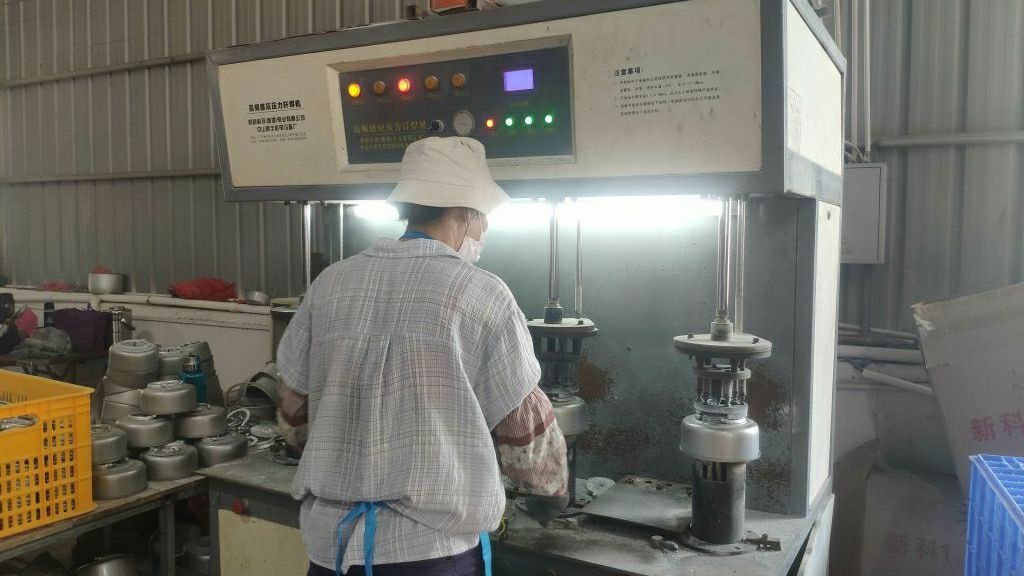
The company firmly believes that the kitchen is not only a functional space for cooking, but also a key reflection of lifestyle quality. Guided by this philosophy, it consistently pursues the integration of functional excellence and aesthetic innovation. Operating from a modern 12,000 square meter facility, they utilize advanced production lines including CNC machining, automated tool processing, and laser welding.
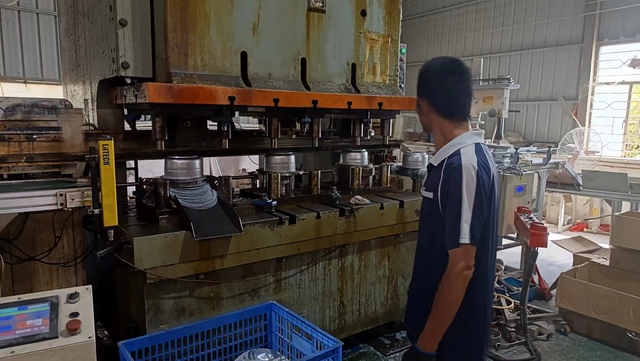
Utilizing high-tonnage presses for consistent thickness and structural integrity in every tong handle.
Adoption of eco-friendly materials such as low-VOC coatings and bio-based surface treatments.
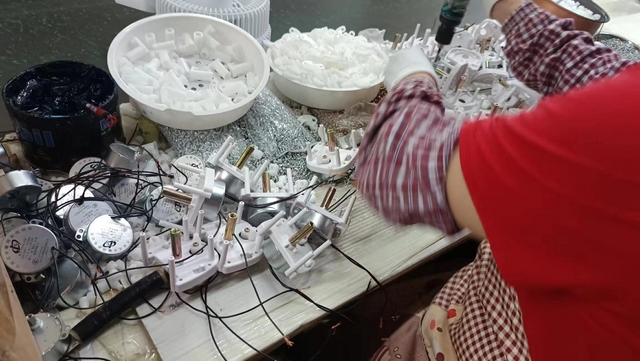
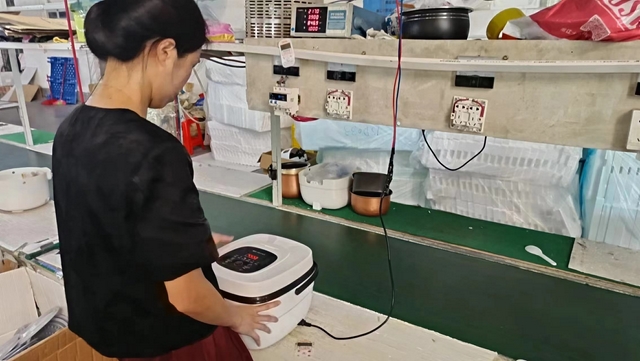
Full-chain manufacturing system ensuring strict control over quality and lead times.
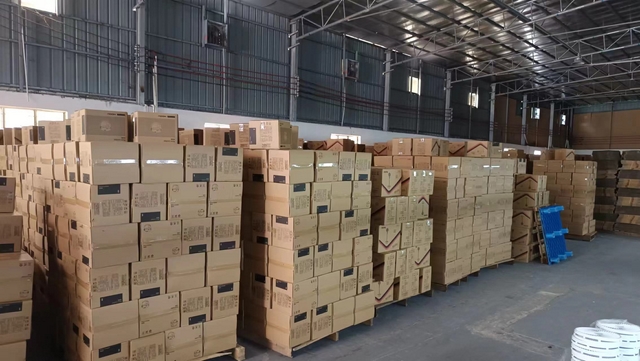
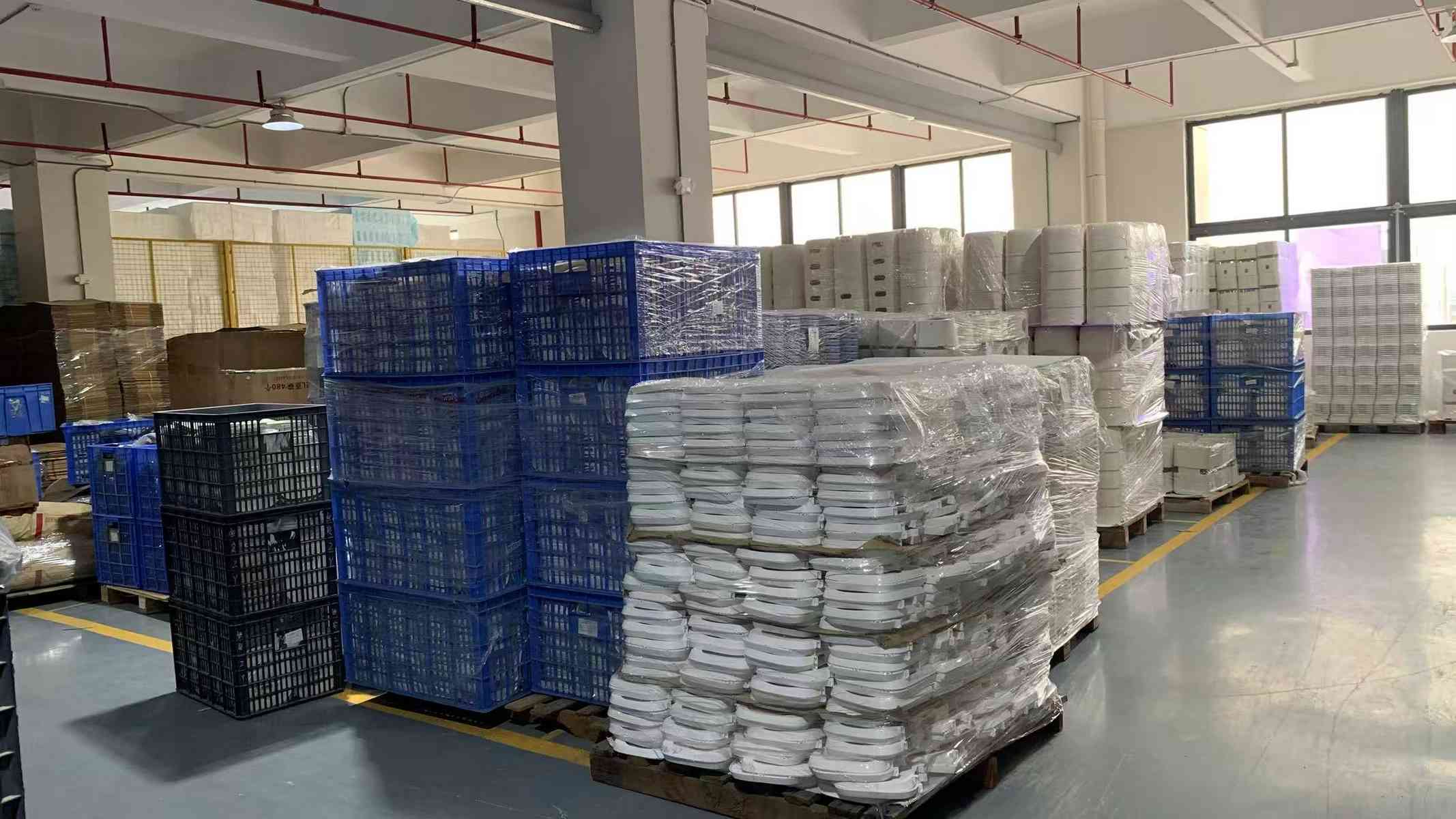
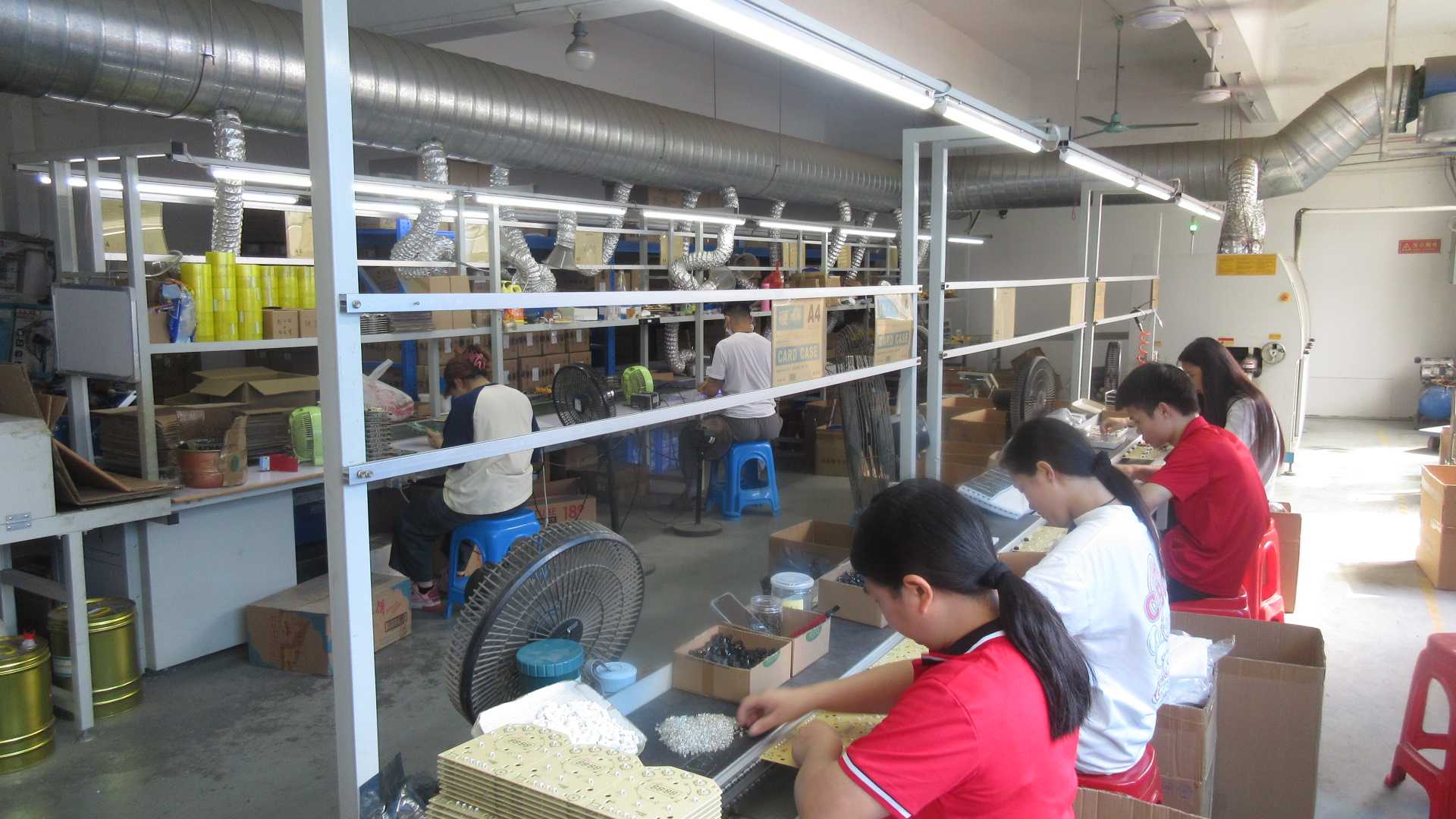
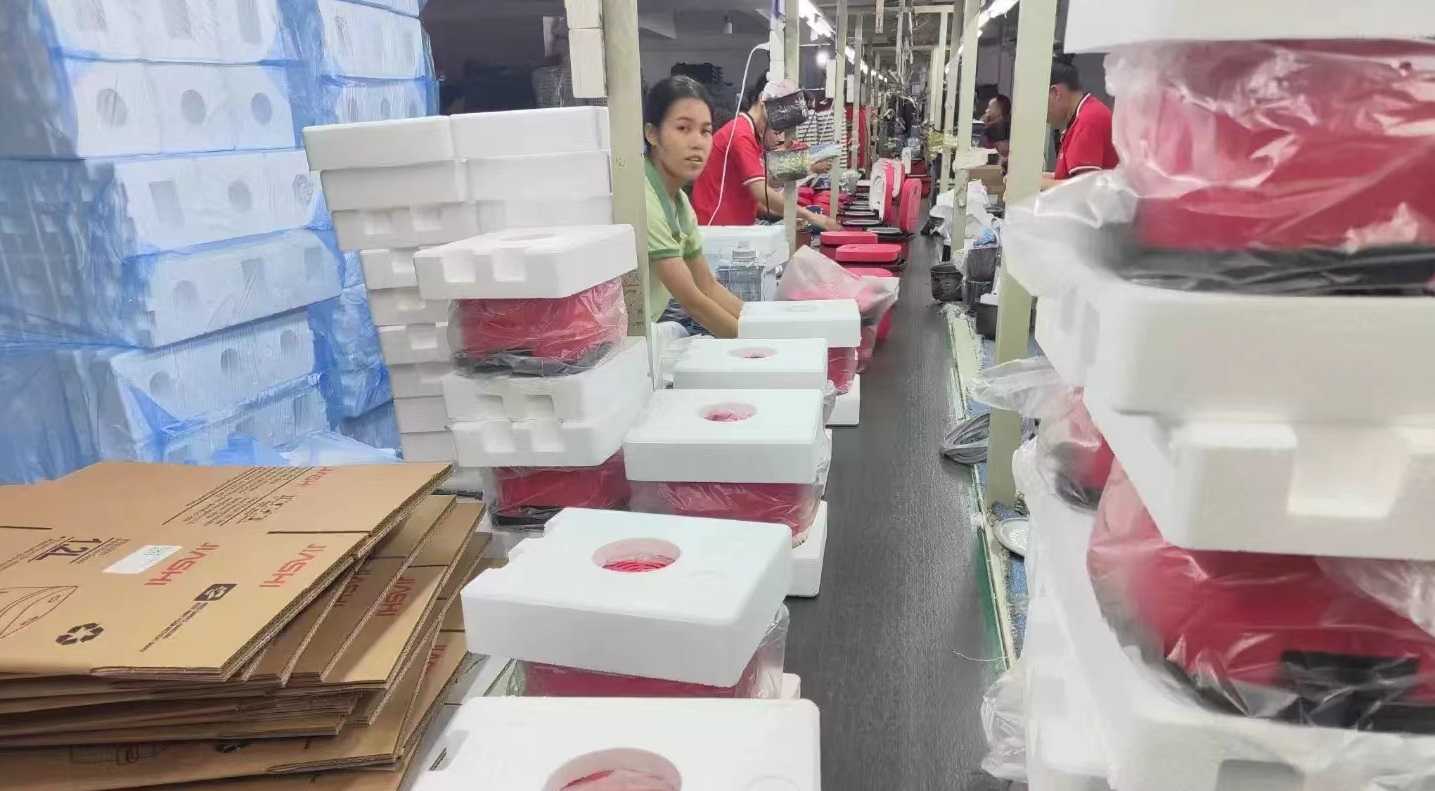
The "China Advantage" in kitchenware manufacturing is not just about labor costs; it's about Industrial Cluster Efficiency. Guangdong province, particularly the Foshan and Yangjiang regions, houses the most complete supply chain for stainless steel products in the world.
From raw steel coils to silicone injection molding and automatic packaging, the proximity of suppliers reduces lead times by 30-40%.
Chinese manufacturers like Picky Kitchen can move from CAD design to physical mold prototyping in under 15 days.
Modern factories are shifting toward low-carbon practices, solar-powered facilities, and water-recycling systems.
Global procurement teams from IKEA, Walmart, and specialized restaurant supply groups look for more than just a product; they look for a solutions partner. The macro-trends driving tong development include:
Heavy-duty 16-inch extra-long tongs designed for high-heat charcoal environments. Requires superior grip strength and heat shields.
Fine-tip tweezers-style tongs for plating delicate sashimi and micro-greens. Requires precision-ground tips and balanced weight distribution.
Wide-head silicone tongs that won't pierce or damage delicate pastries. Focus on non-stick properties and easy-clean joints.