Picky Kitchen
Picky Kitchen
Picky Kitchen
Explore our highly-engineered kitchen hardware, cooking appliances, and premium textiles curated for global supply chains.
How Modern Material Engineering and Lean Manufacturing are Redefining Professional and Retail Kitchen Textiles
In the highly competitive commercial and consumer kitchenware sector, the tea towel (or glass towel) has evolved from a basic utility item to a key touchpoint for brand identity, operational hygiene, and ecological compliance. For global sourcing directors, hospitality procurement specialists, and retail brand owners, partnering with the right manufacturer is a critical decision that impacts downstream brand reputation, supply chain stability, and overall product performance.
The performance of professional kitchen textiles relies heavily on raw material selection, yarn spinning technologies, and weave architectures. Sourcing managers must evaluate three main physical properties when auditing manufacturers:
An engineering comparison of performance profiles across commercial textiles.
| Material Classification | Common GSM Range | Absorbency Rating | Lint Profile | Tensile Durability | Best Use Cases |
|---|---|---|---|---|---|
| 100% Ring-Spun Cotton | 200 - 350 GSM | Excellent | Low-Medium | High (Increases when wet) | General hospitality, catering, everyday kitchen drying. |
| Pure Linen (Flax) | 150 - 220 GSM | Rapid (Dries fast) | Virtually Zero | Extremely High (Durable) | Crystal glassware polishing, fine dining setups. |
| Cotton-Linen Blend (55/45) | 180 - 280 GSM | High | Very Low | High | Premium retail, boutique home decor, gourmet delis. |
| Recycled Cotton / Eco-Polyester | 200 - 300 GSM | Good | Medium | Standard | Eco-conscious retail lines, promotional campaigns. |
| Engineered Microfiber | 250 - 400 GSM | Superb (Capillary) | Zero | Excellent | Industrial cleaning, commercial food processing prep. |
Unifying Advanced Hardware Manufacturing and Complete Kitchen Utility Systems Since 2005
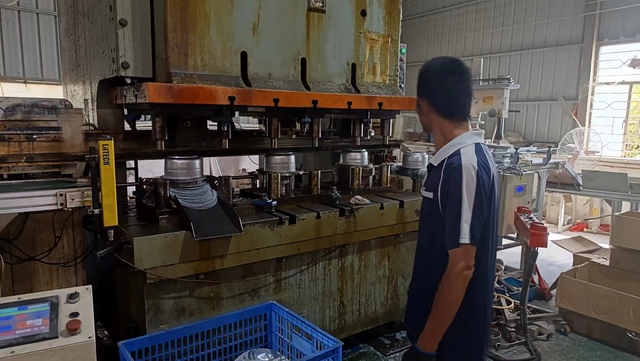
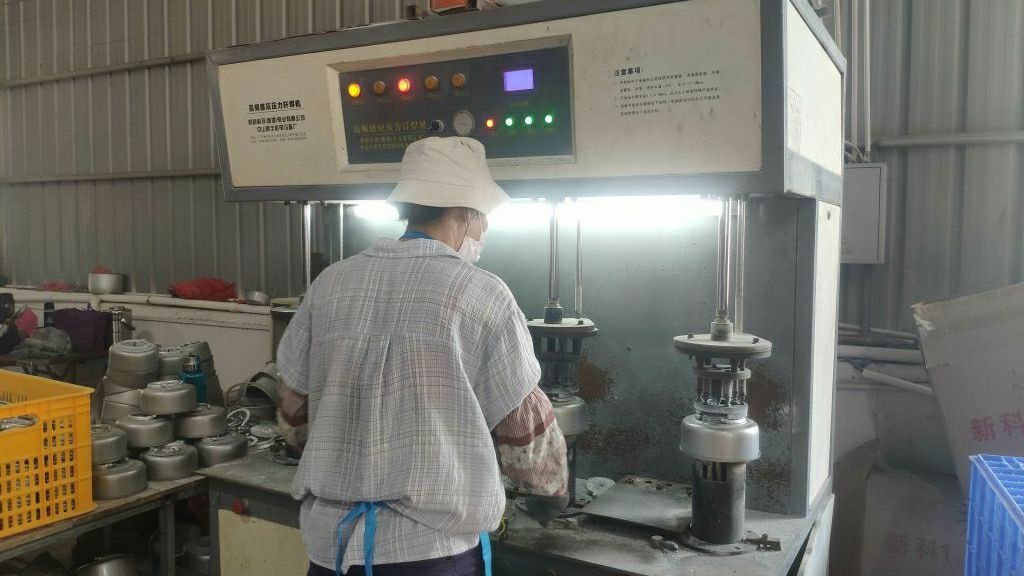
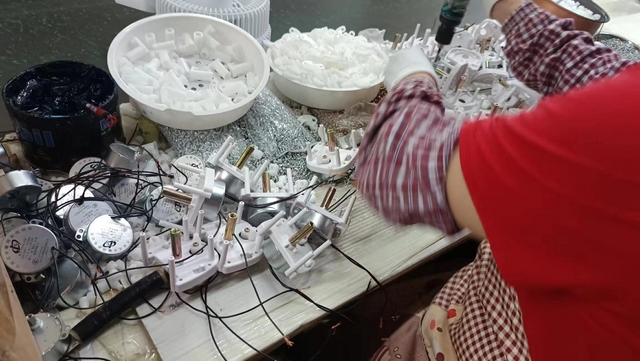
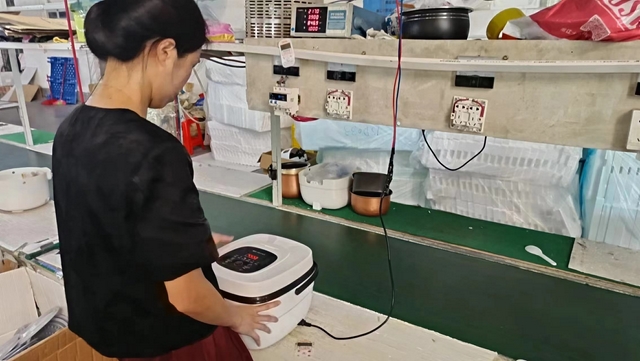
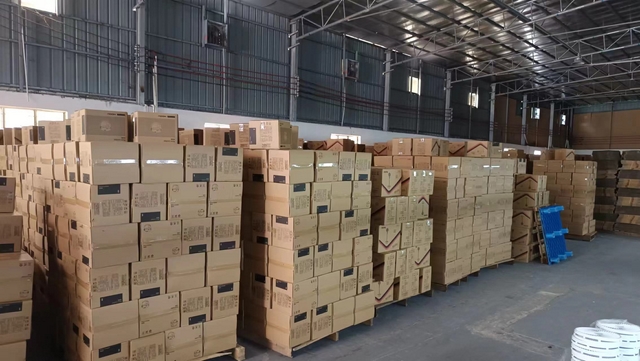
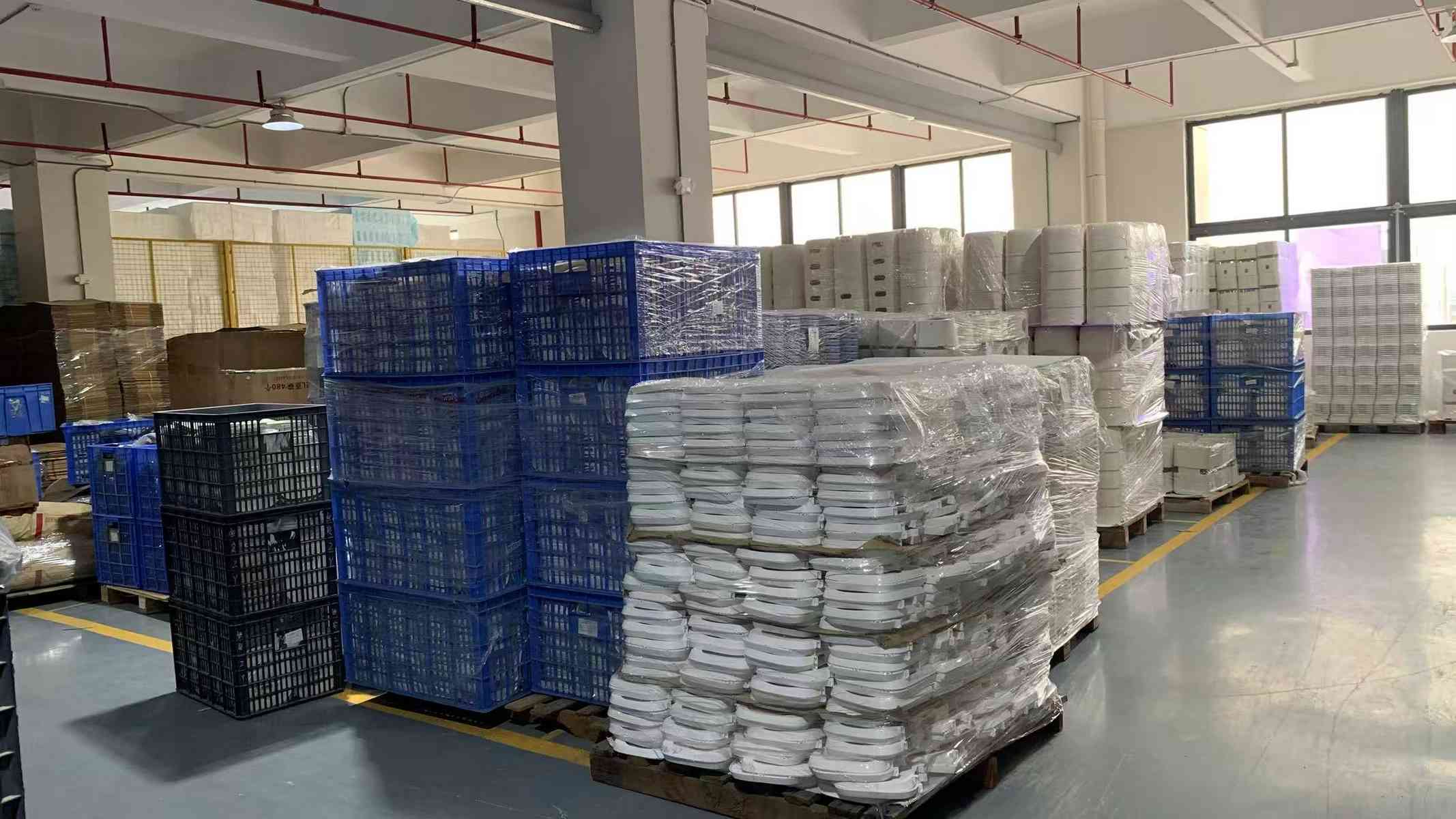
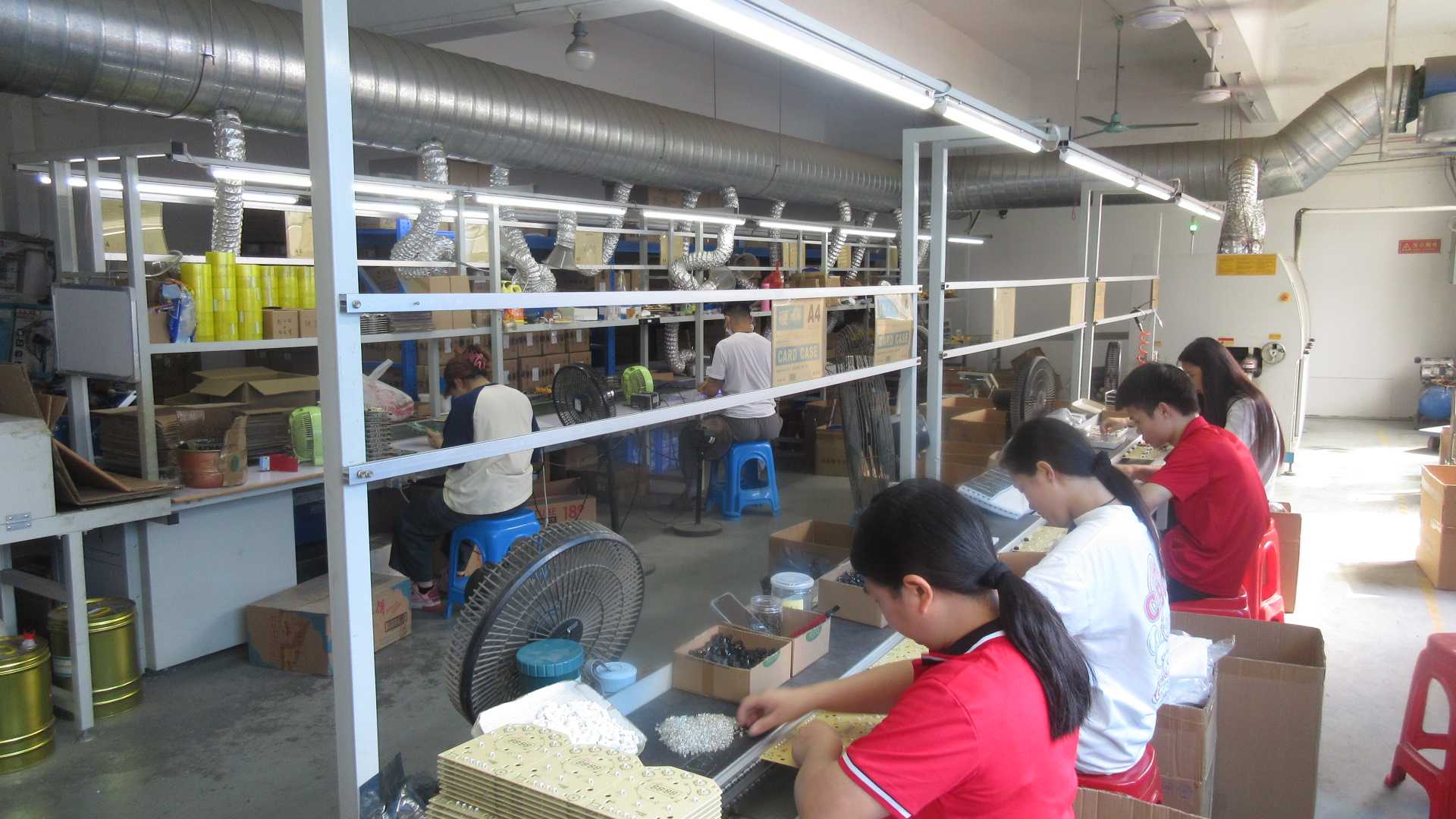
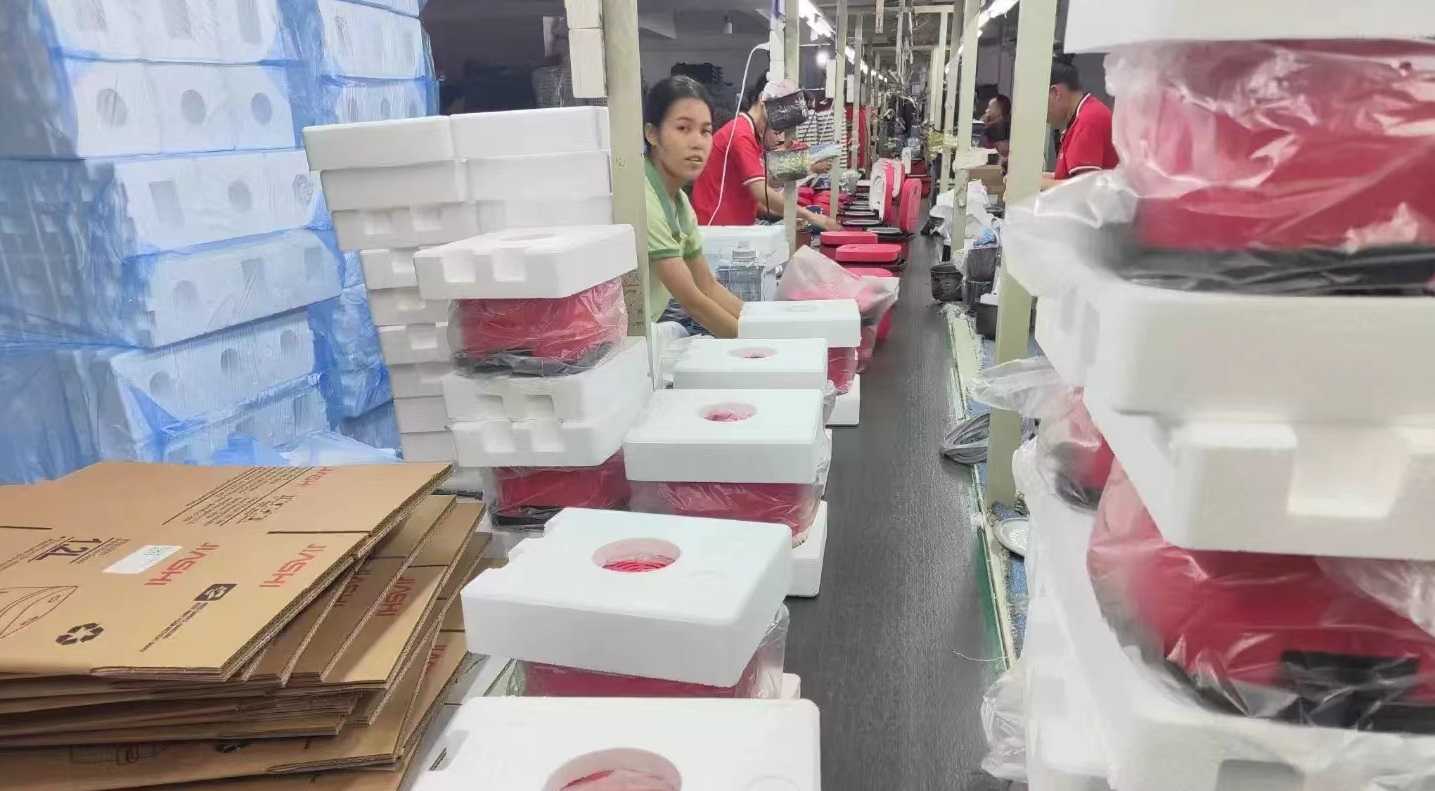
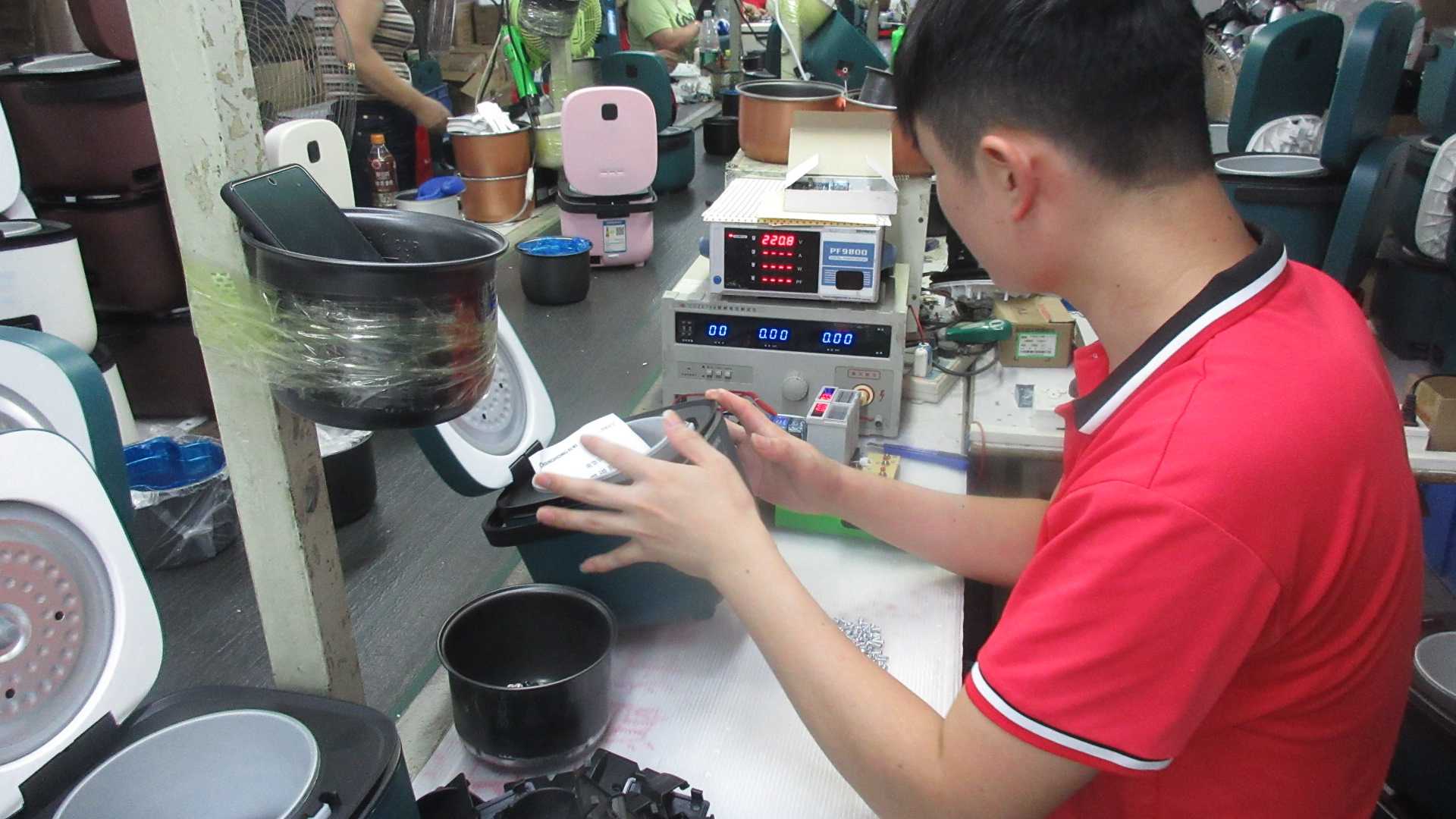
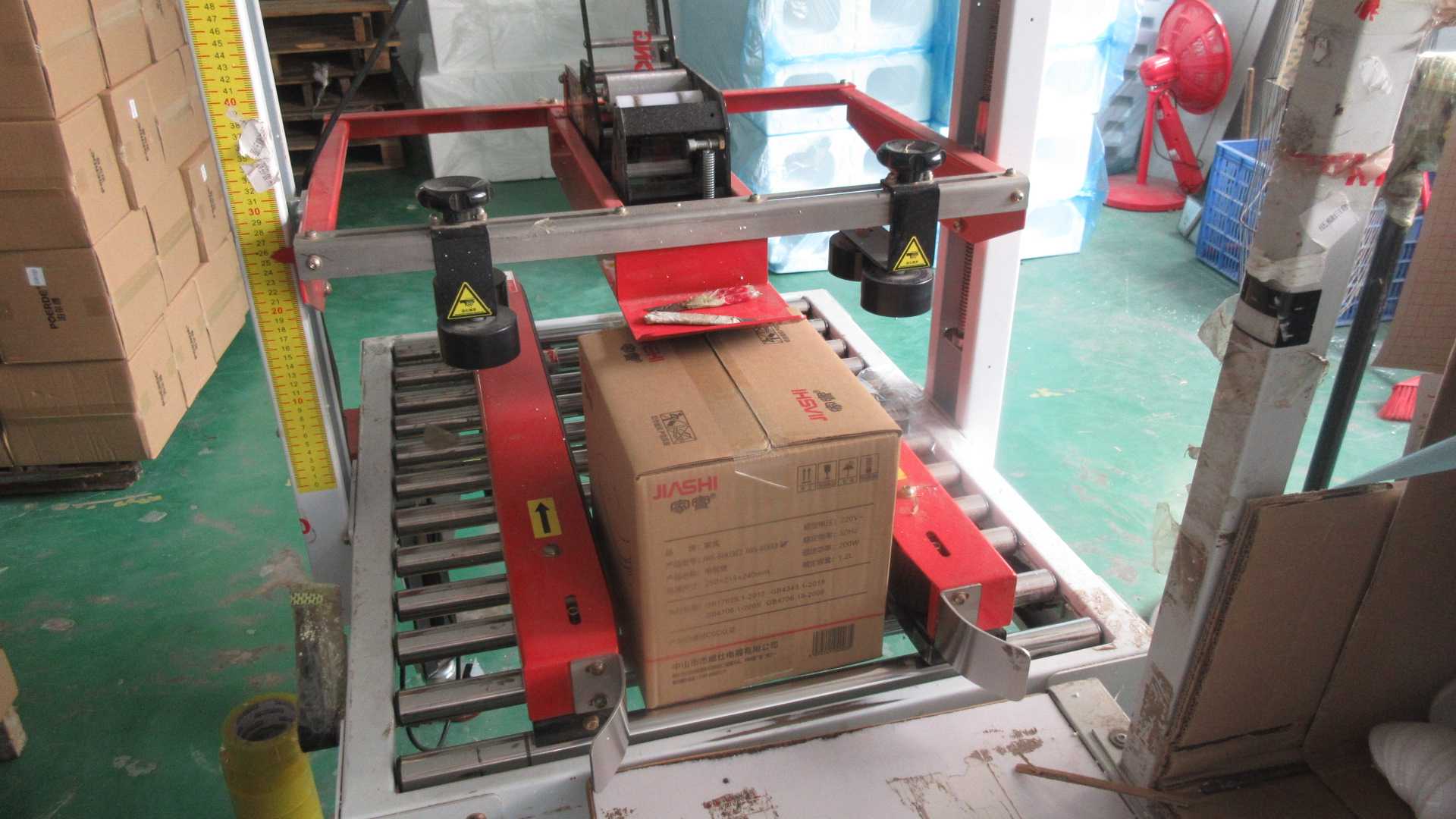
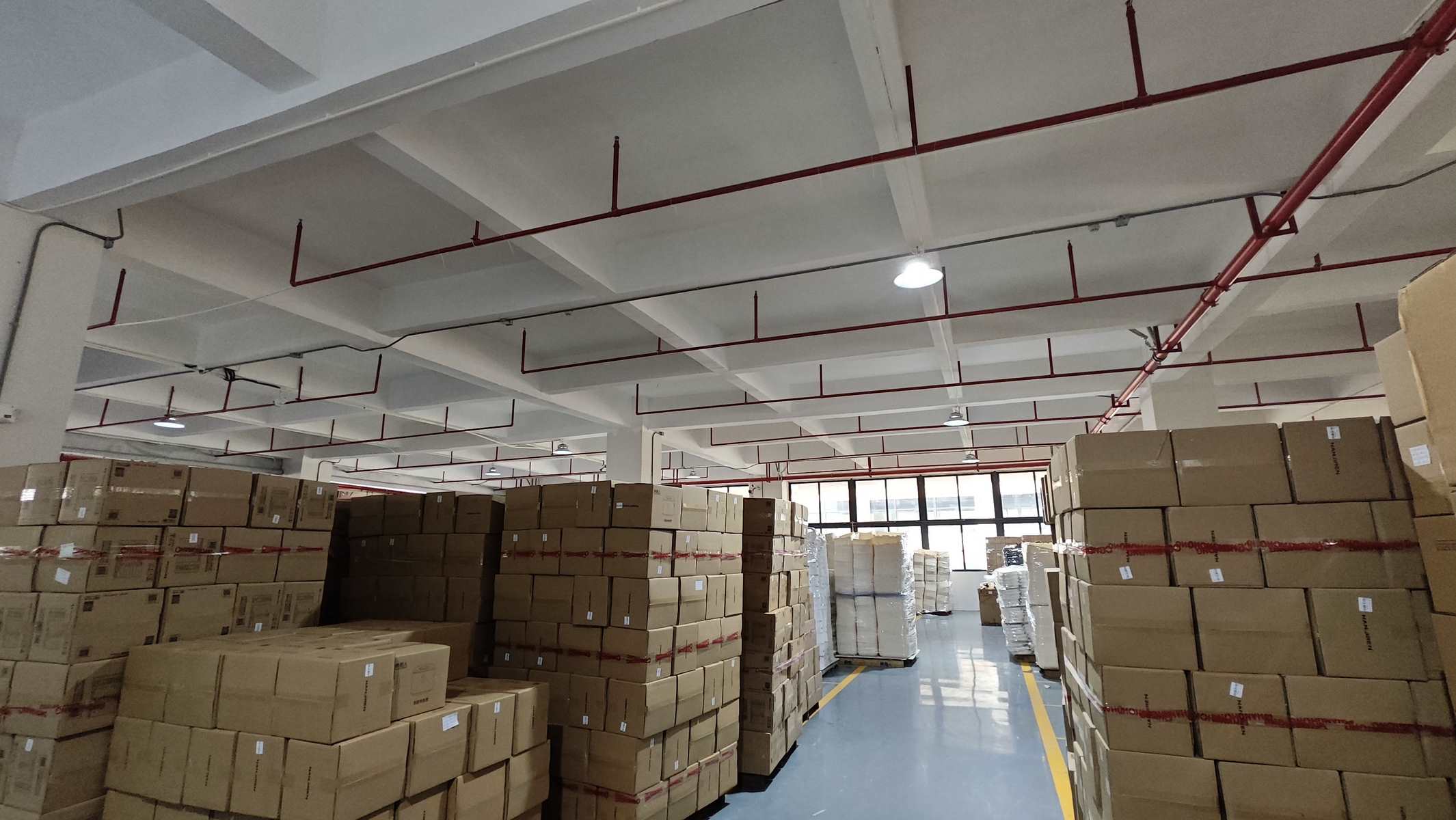
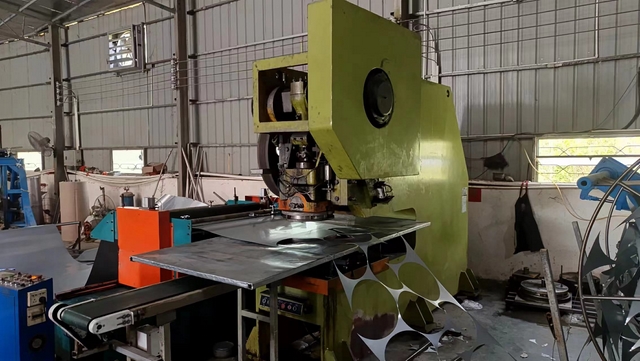
The company operates a modern manufacturing facility covering approximately 12,000 square meters, equipped with advanced production lines and comprehensive quality control systems. This facility serves as the backbone of its manufacturing capability, ensuring both efficiency and product consistency. Its production scope includes structural component design, precision stamping and die-casting, CNC machining, automated tool processing, mold development and fabrication, laser welding, assembly, and final testing. This full-chain manufacturing system enables Guangdong Picky Kitchen Co. Ltd. to provide one-stop solutions while maintaining strict control over quality and lead times, as well as responding quickly to customized client requirements.
Technological innovation is driven by a skilled and experienced R&D team composed of engineers specializing in structural design, mold development, industrial design, and automation systems. This team is responsible not only for new product development but also for continuous improvement of manufacturing processes and material applications. Through ongoing innovation, the company ensures its products deliver superior durability, smooth operation, structural stability, and design refinement, keeping pace with global kitchen hardware trends.
Responding to the global shift toward smart homes and sustainable manufacturing, Guangdong Picky Kitchen Co. Ltd. is actively advancing three strategic directions: the adoption of eco-friendly materials such as low-VOC coatings and bio-based surface treatments; the integration of IoT and intelligent sensing technologies into kitchen hardware systems; and the development of low-carbon manufacturing practices aimed at building greener factories and more sustainable supply chains. Looking ahead, Guangdong Picky Kitchen Co. Ltd. remains committed to its core values of precision craftsmanship and innovation-driven growth. The company will continue working with global partners to create smarter, more efficient, and more environmentally responsible kitchen hardware solutions, contributing to the advancement of the global kitchen and home hardware industry.
Scale, Technological Integration, and Vertical Supply Chain Optimization
China's textile manufacturing powerhouse regions, particularly in Guangdong, Zhejiang, and Jiangsu, offer unparalleled ecosystem advantages. Vertical integration means that yarn spinning, shuttleless loom weaving, dyeing, print processing, cutting, sewing, and final packaging all happen within a tight geographic radius. This minimizes logistics friction, speeds up sampling, and dramatically shortens overall lead times.
Modern Chinese factories run computer-guided cutting and automated hemming lines that guarantee dimensional stability with strict tolerance limits (+/- 1cm). Advanced multi-color screen printing and direct-to-garment digital pigment systems produce complex brand logos with high washing fastness (Rating 4+ under ISO 105-C06 testing protocols).
With direct access to high-quality domestic long-staple cotton and cost-effective recycled fiber networks, Chinese manufacturers offer competitive pricing without sacrificing material density or safety. This structural advantage helps buyers manage healthy margins even under tight retail price targets.
Equipped with state-of-the-art high-speed rapier looms and air-jet weaving machinery, top-tier factories can transition from digital patterns to physical samples in under 3 days, and easily scale to produce millions of units per month for peak seasonal orders.
Aligning Fabric Technology with Retail Expectations and Operational Realities
B2B buyers face distinct challenges depending on their specific end-use sector. Ensuring your supplier can tailor parameters like fiber chemistry and edge stitching is key to optimizing your return on investment.
Requires extreme durability, chlorine bleach resistance, and industrial laundry stability. Double-stitched hems are critical to prevent unravelling through hundreds of commercial wash cycles.
Demands high-end packaging (such as belly bands, custom hang tags, and barcode integration), premium fabric handfeel, trendy colors (Pantone matching), and strict lint-free compliance.
Prioritizes cost-efficiency, reliable large-scale print areas, and rapid delivery windows. Low-GSM cotton/polyester blends are frequently selected to balance budget and aesthetic appeal.
Mitigating Risk Through Certified Verification and Ecological Responsibility
All production processes meet international food-contact safety and environmental chemical guidelines.
When importing textiles, crossing borders smoothly requires strict adherence to international regulatory frameworks. Top-tier tea towel manufacturers must provide verified certifications, including:
How Innovation, Sustainable Raw Materials, and Smart Finishes are Reshaping the Market
The demand for organic cotton, premium flax linen, and recycled fibers (such as rPET and pre-consumer cotton scraps) is growing rapidly. Global retailers are phasing out virgin synthetics to meet corporate sustainability goals and connect with eco-conscious shoppers.
Integrating safe, silver-ion or plant-based antimicrobial treatments during the dyeing phase helps suppress bacterial growth in damp kitchen settings. This extends the product life cycle and keeps the fabric smelling fresher for longer.
Hybrid weave structures are becoming highly popular—such as combining a flat-weave face for clean graphic prints with a waffle or terry back for superior water absorption.
Traditional water-intensive vat dyeing is increasingly being replaced by high-speed waterless digital pigment printing. This technology reduces wastewater by up to 90%, enables photorealistic detail, and supports smaller batch production runs.
Essential insights for B2B procurement, compliance, and material design.
For standard specifications, sample development takes 3–5 days, and bulk production ranges from 25–35 days, depending on fabric availability and production capacity scheduling.
GSM measures the weight and density of the fabric. Lower GSM (150–200) is cost-effective, thin, and dries quickly, making it ideal for glass polishing. Higher GSM (300–400) is thicker, highly absorbent, and commands a higher price because it uses more raw fiber per square meter.
Reactive printing provides the highest wash fastness (Grade 4–5) as the ink chemically bonds with the cotton fibers. For complex designs and multi-color logos in smaller batches, digital pigment printing is highly recommended.
Yes, our manufacturing partners hold ISO 9001 quality management certificates, and we provide third-party verified BSCI, OEKO-TEX Standard 100, and SGS test reports to ensure seamless customs clearance.
Absolutely. We offer complete OEM packaging options, including branded paper bands, cardboard hangers, organic cotton ties, woven private labels, and barcode stickers ready for retail distribution.
Complete your sourcing portfolio with our premium, highly durable product lines.