Picky Kitchen
Picky Kitchen
Picky Kitchen
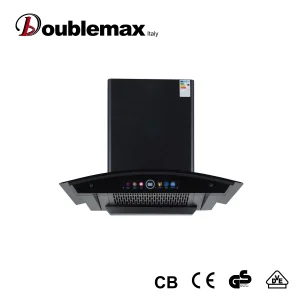
Explore high-performance range hoods, cast iron cookware, and precision gas safety regulators engineered for global distribution.
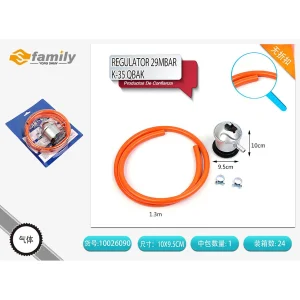
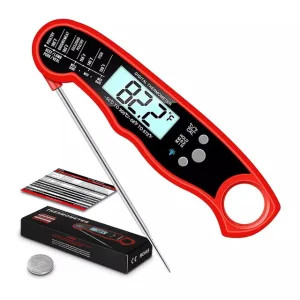
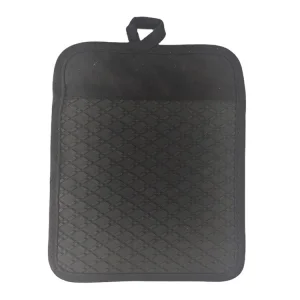
Across the global food processing and domestic culinary sectors, pressure canning stands as a crucial pillar for food preservation, safety, and shelf-life extension. Distinct from traditional water-bath canning, which only reaches the boiling point of water (100°C / 212°F), pressure canning harnesses saturated steam under pressure to reach temperatures of at least 116°C to 121°C (240°F to 250°F). This elevated thermal threshold is mandatory for processing low-acid foods (with a pH value greater than 4.6), such as vegetables, meats, poultry, seafood, and dairy products.
The primary hazard in low-acid canning is the propagation of Clostridium botulinum spores, which produce lethal neurotoxins in anaerobic environments. Because these spores can survive boiling temperatures indefinitely, precise pressure regulation and consistent thermal distribution are the only scientifically validated methods to guarantee complete inactivation. Modern industrial and commercial suppliers are now tasked with engineering pressure canning systems and component hardware (such as gas safety valves, micro-control PCBs, and digital thermal probes) that operate within razor-thin margins of error.
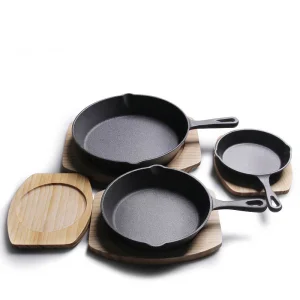
In recent years, the market has witnessed a convergence of smart domestic culinary tech and industrial-grade security. As agricultural self-sufficiency and high-density long-term food preservation gain traction in North America and Europe, pressure canner manufacturers must source resilient materials and precision components. This includes high-conductivity cast iron structures, ultra-reliable low-pressure gas regulators (e.g., LPG regulators calibrated to 29mbar), and responsive digital thermometers to assure users that internal processing conditions align with rigorous federal food safety guidelines.
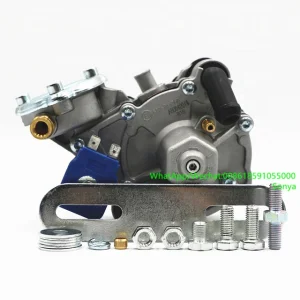
The core safety barrier relies on weighted-gauge or dial-gauge assemblies. Regulators must be calibrated precisely to 5, 10, or 15 PSI limits to match atmospheric elevations. Components such as the LPG cylinder gas regulator must ensure steady gas input to cooktops, eliminating sudden thermal spikes that threaten vessel integrity.
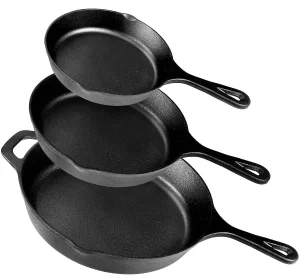
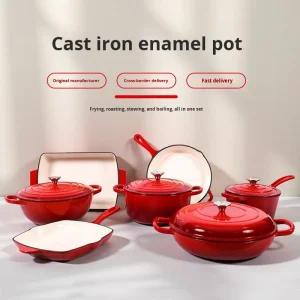
Quality canners utilize heavy-gauge warp-resistant aluminum or multi-clad 304/316 stainless steel. The construction must endure repeated pressure expansion cycles. Sourcing thick, high-pressure pre-seasoned cast iron sets and high-quality structural components ensures long service lives without micro-fracturing under tension.
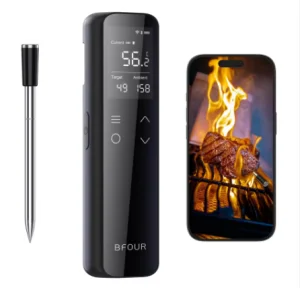
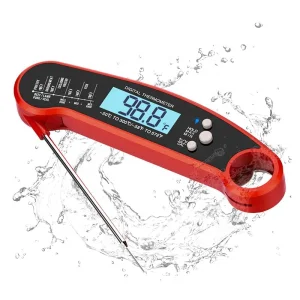
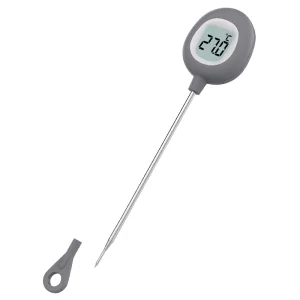
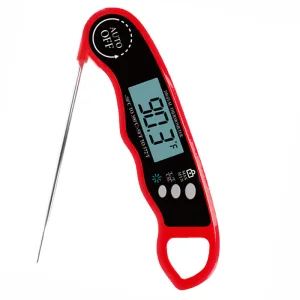
Contemporary solutions rely on precise telemetry. Wireless digital thermometers utilizing dual-ended and multi-sensor probes enable real-time tracking of the internal core temperature of the food containers, sending data to smart control units to ensure the F0 sterilization value is fully achieved.
| Canning Standard Type | Typical Pressure Range | Target Temperature | Primary Target Foods | Compliance Reference |
|---|---|---|---|---|
| High-Altitude Residential | 10 - 15 PSI (68 - 103 kPa) | 115.6°C - 121.1°C | Home-preserved meats, root crops | USDA Complete Guide to Home Canning |
| Commercial Batch Retort | 15 - 25 PSI (103 - 172 kPa) | 121°C - 126°C | Canned soups, ready meals, pet foods | FDA 21 CFR Part 113 / ASME Section VIII |
| Smart-Assisted Electronic | 9 - 12 PSI (Dynamic) | 115°C - 118°C | Stews, stocks, legumes | UL 136 / IEC 60335-2-15 |
A global compilation of primary manufacturers and strategic component providers driving the thermal preservation sector.
Established in 2005, Guangdong Picky Kitchen Co. Ltd. stands as a premier global manufacturer of kitchen hardware and precision safety systems. While widely recognized for heavy-duty metal structures and cooking apparatuses, their crucial contribution to the pressure canning ecosystem lies in the manufacture of high-precision LPG regulators, electronic digital thermal probes, and custom cooktop safety valves. Operating out of a state-of-the-art 12,000 square meter factory, they provide structural component design, PCB assemblies for smart kitchen interfaces, and precision-engineered temperature control tools essential for maintaining critical pressure sterilization baselines.
A household name in North American food preservation, Presto has defined the consumer-grade pressure canner market for decades. Known for their lightweight yet highly durable aluminum bodies and dial-gauge models, Presto is a major volume exporter to markets looking for accessible home-canning vessels that comply with strict USDA guidelines.
All American is synonymous with commercial-grade durability. Their legendary "metal-to-metal" sealing system eliminates the need for rubber gaskets, making them a preferred choice for professional homesteaders and small-scale laboratories. Operating from Wisconsin, their cast aluminum canners are exported globally to remote regions where gasket replacements are difficult to source.
Mirro pressure canners, managed under the umbrella of Groupe SEB, focus on safety and simplicity. Utilizing weighted-control valves that whistle when pressure target levels are hit, their products are widely exported to South America and Europe, targeting home preservers who value straightforward, long-term durability.
Hawkins is a dominant force in South Asia and the Middle East. Specializing in inner-fitting lids that cannot be opened until internal pressure drops to safe levels, they manufacture thick-gauge cookers and canning vessels that excel on gas, electric, and traditional biomass cooktops common in developing markets.
Prestige excels in hybrid multi-canner systems that serve both as high-capacity pressure cookers and medium-capacity canning units. Their engineering emphasizes triple-safety mechanisms, including over-pressure release valves and gaskets that slide out to relieve pressure in critical situations.
As a leader in premium European cookware, Kuhn Rikon produces spring-loaded valve pressure systems. Renowned for their ultra-quiet operation and multi-layered impact-bonded superthermic bases, they represent the pinnacle of European safety engineering and energy-efficient induction compatibility.
Specializing in multi-ply stainless steel cladding technology, Buffalo Cookware provides high-end thermal options for high-acid and low-acid canning operations. Their food-grade stainless steel avoids the pitting problems of aluminum, making them highly desirable for vinegar-heavy pickling applications.
Fissler offers meticulously engineered pressure cookers and processing units that are sold extensively in Europe and Asia. Built to meet rigorous CE standards, Fissler units utilize advanced visual indicators that show the system's exact pressure level, making them ideal for precision culinary preparation.
Part of the global Groupe SEB portfolio, T-fal excels in integrating smart app-controlled features into modern pressure cookware. Their focus on digital user guidance, smart timers, and pressure sensors mirrors the evolving technological trends of modern culinary hardware.
A detailed view inside our 12,000 square meter facility, showcasing vertically integrated production, automated machining, and strict quality assurance protocols.
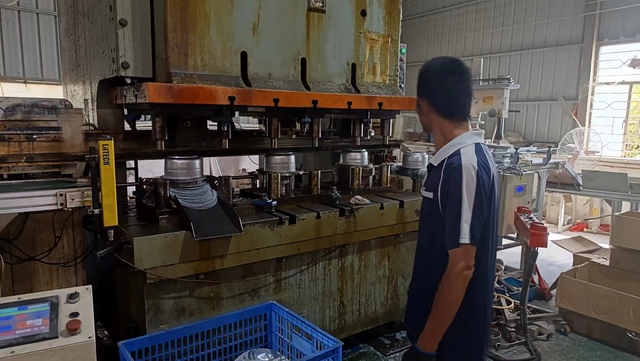
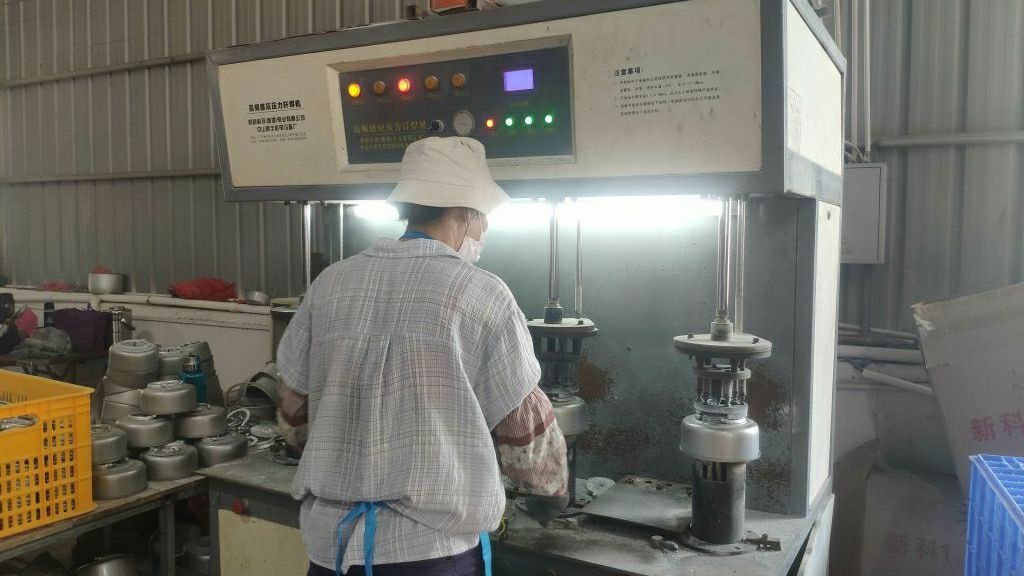
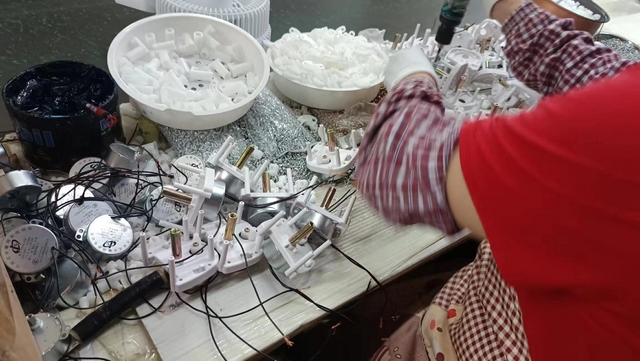
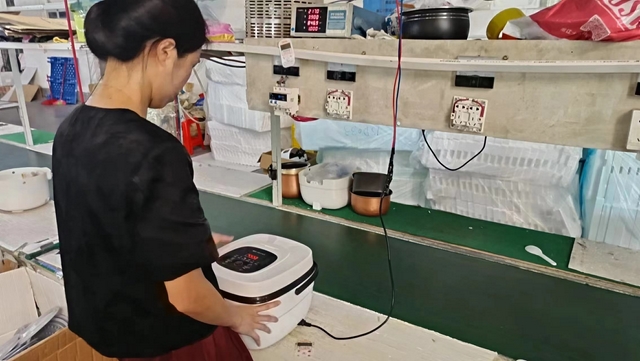
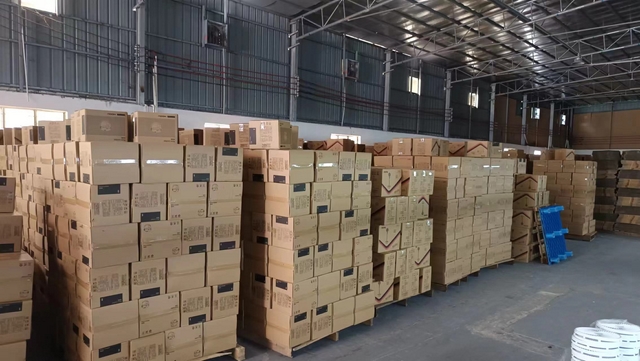
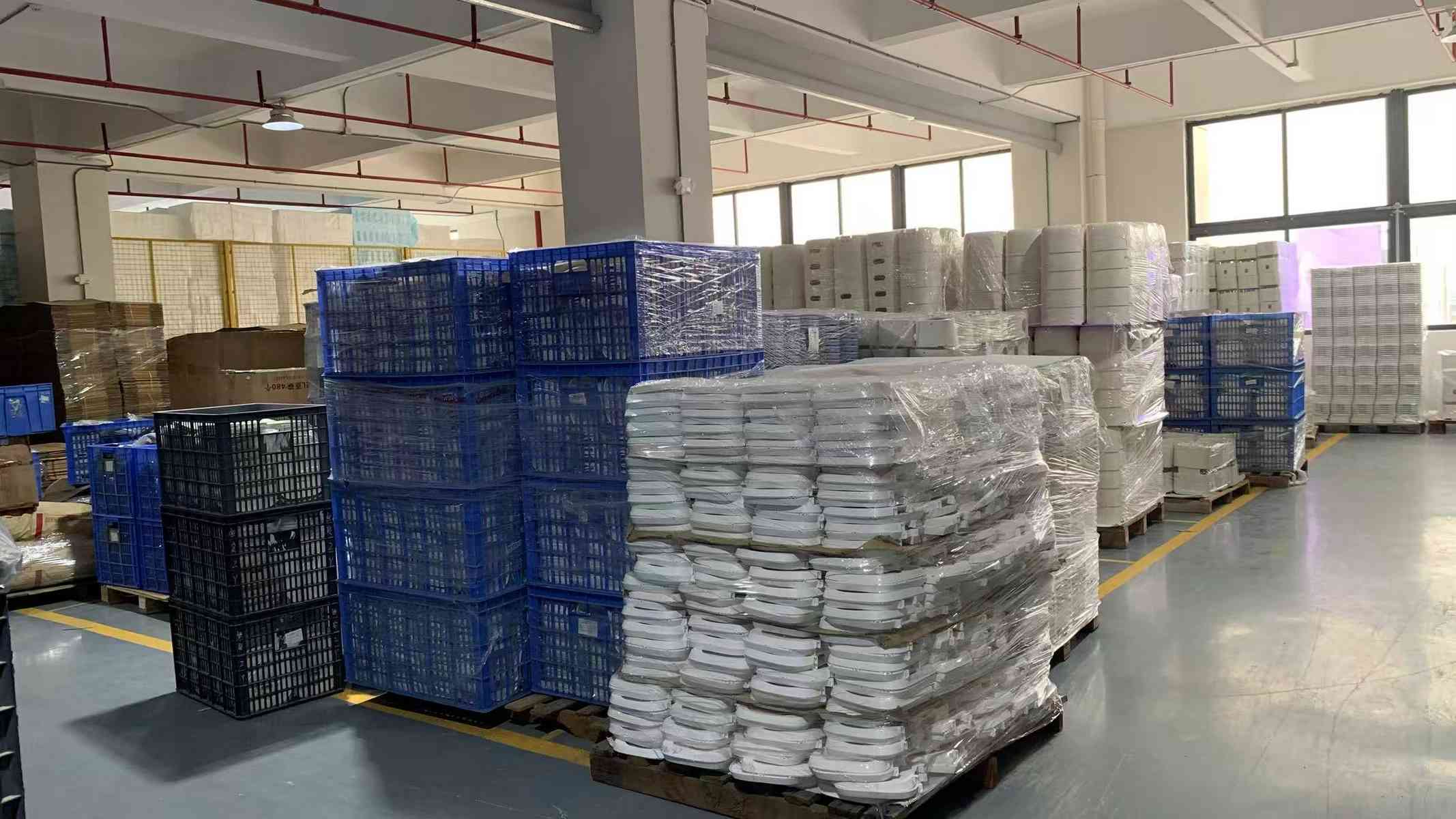
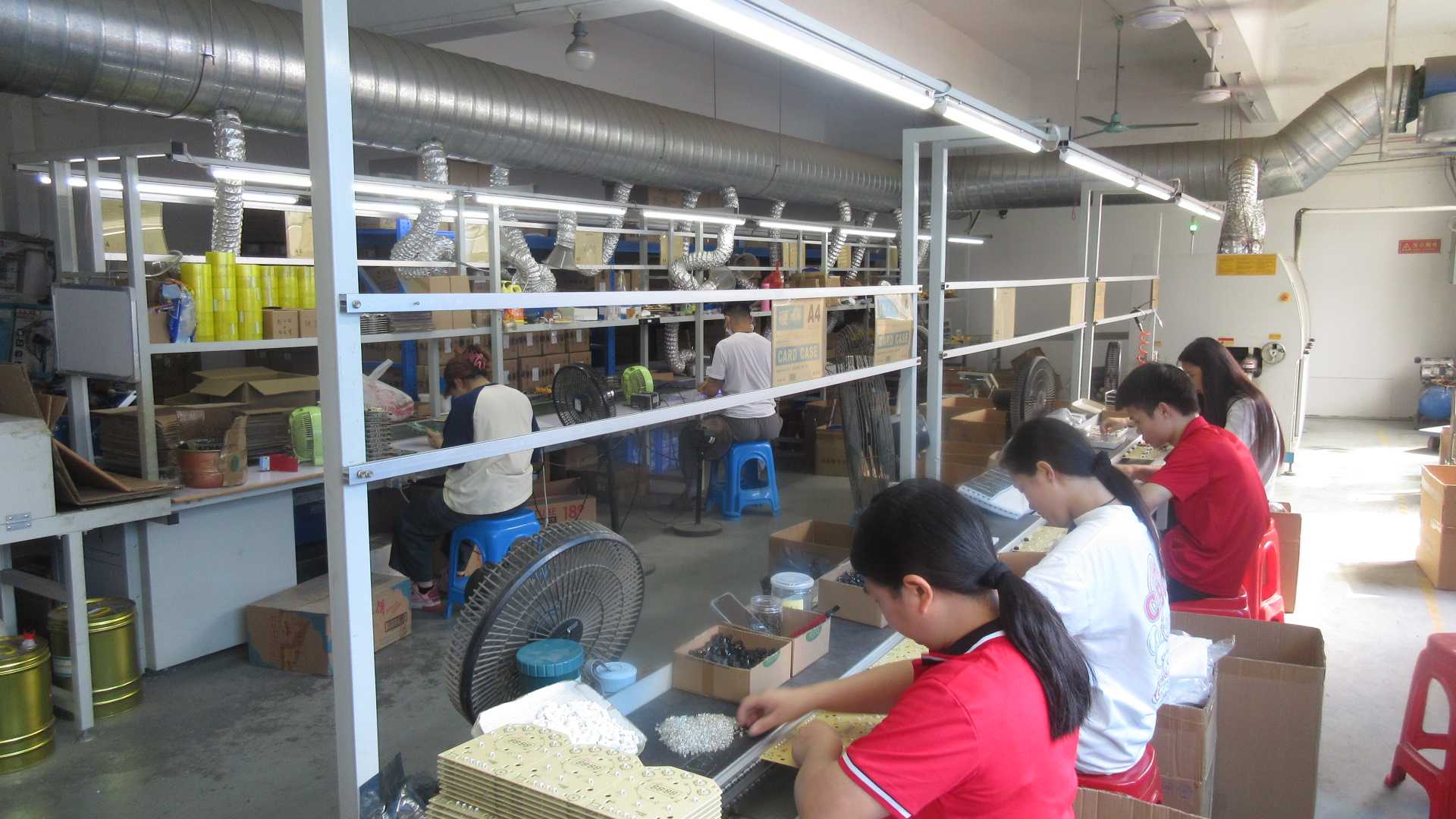
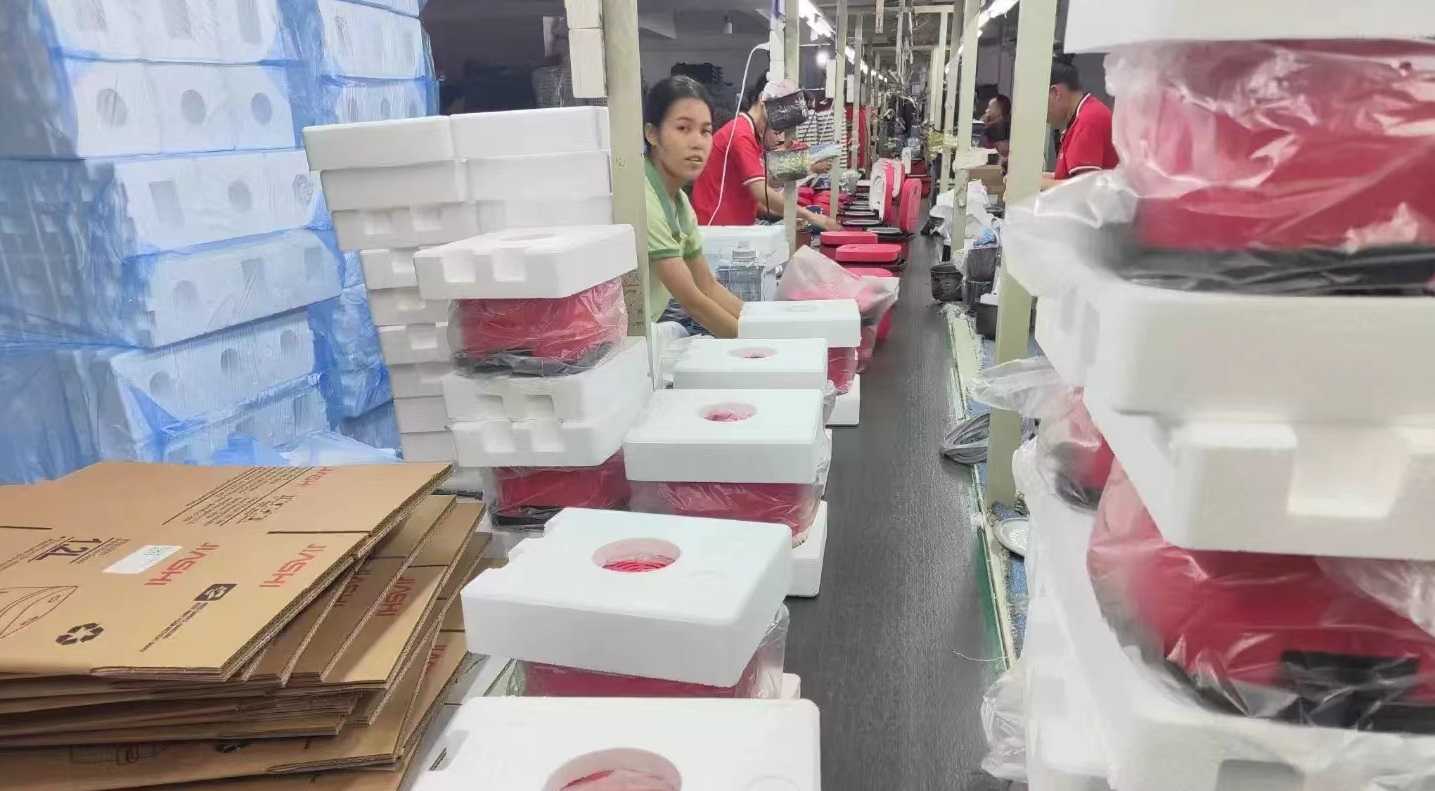
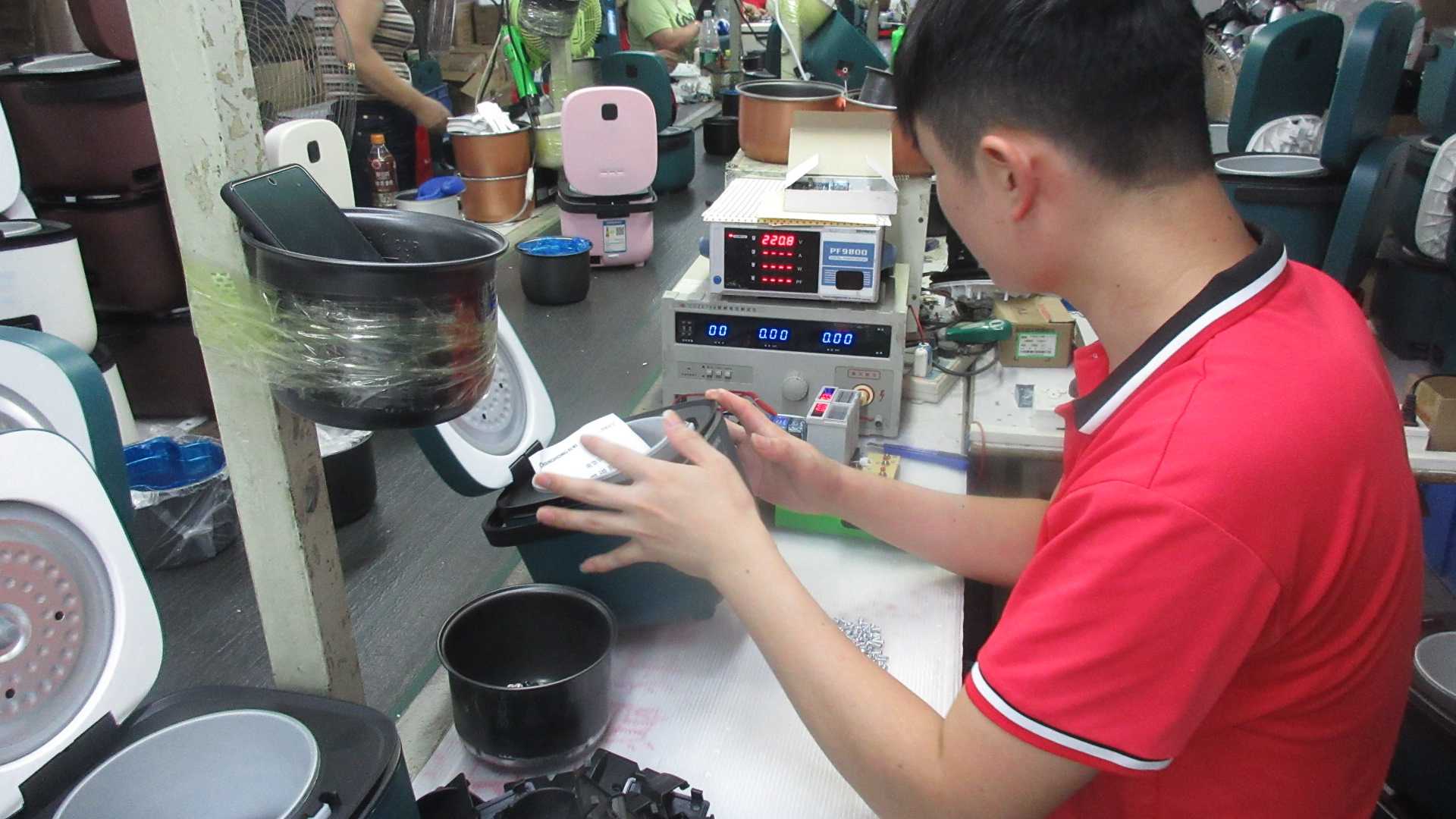
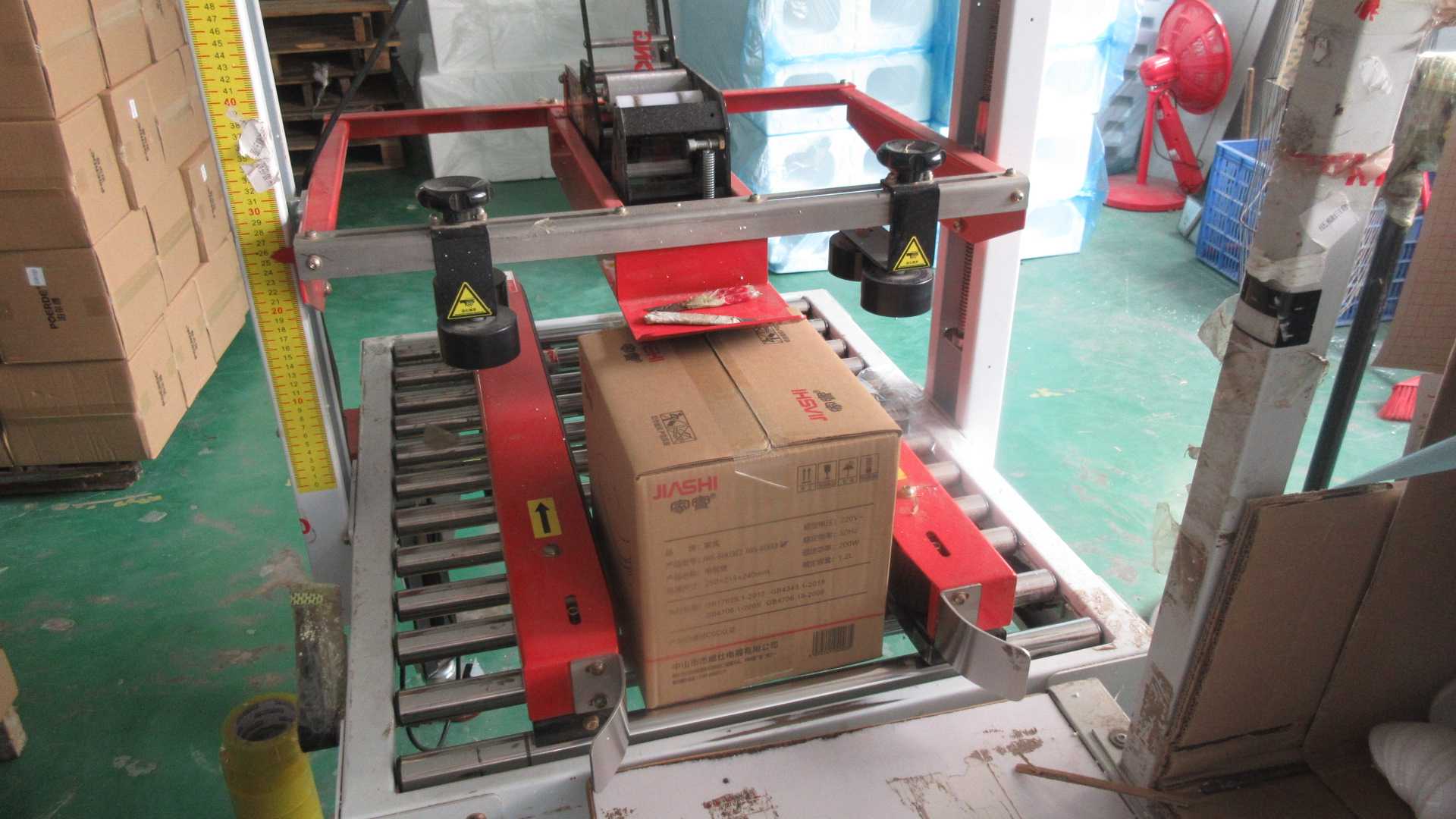
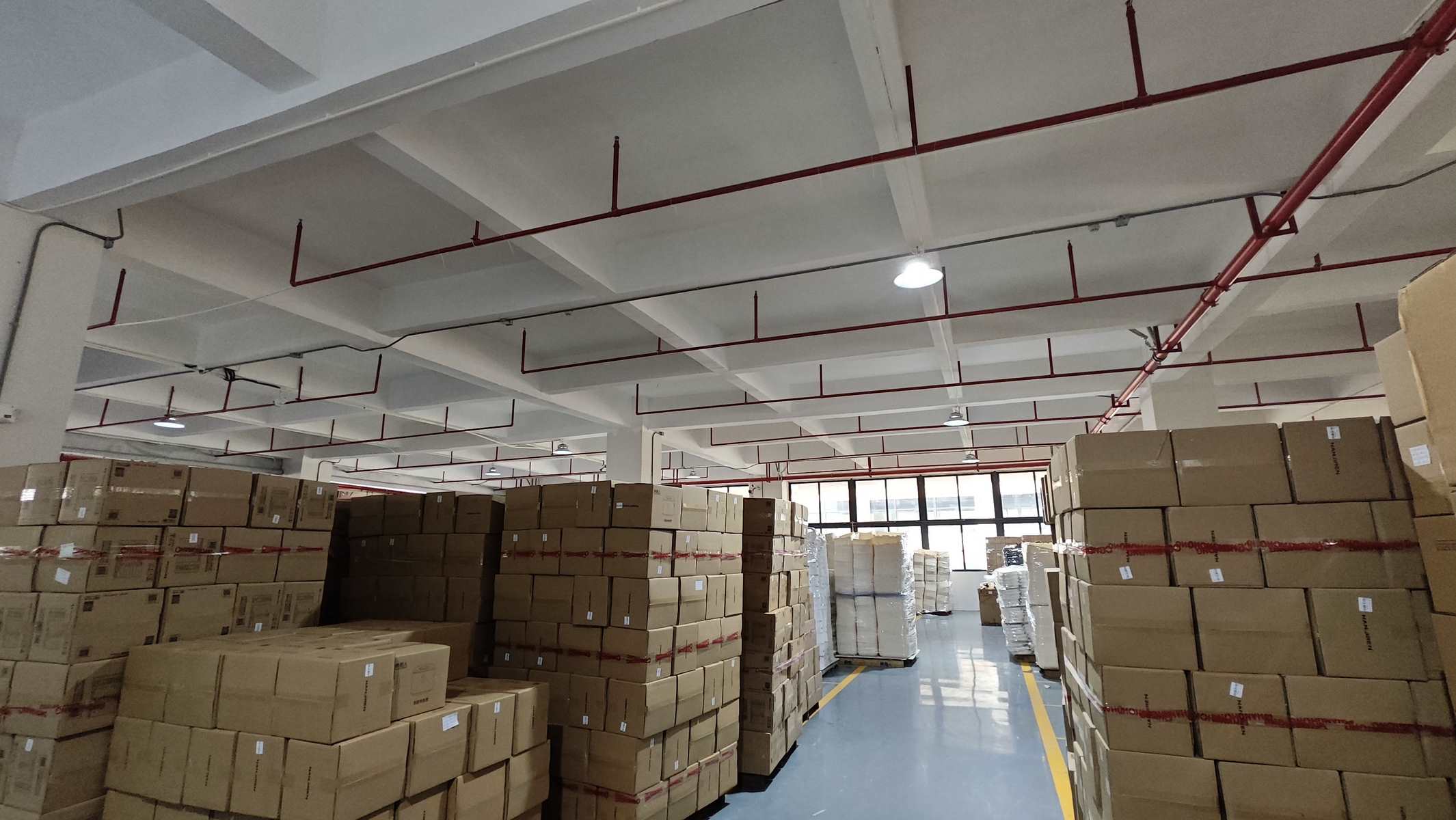
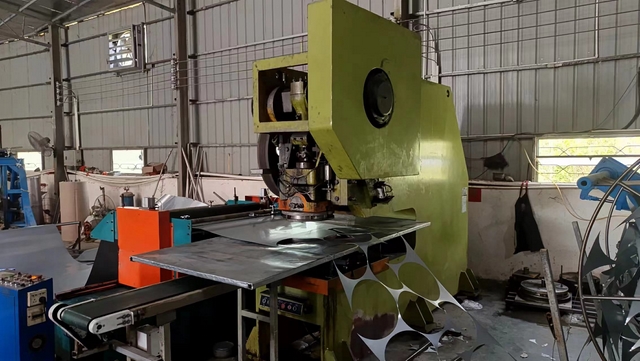
Pressure canning requirements differ dramatically based on regional food diets, geographical altitudes, and local utility infrastructures. Sourcing partners must understand these localized parameters to deliver products that meet regional compliance standards.
The future of thermal food preservation lies at the intersection of material science and electronic connectivity. Guangdong Picky Kitchen Co. Ltd. is actively guiding its production systems toward three key technical benchmarks:
1. Advanced IoT and Intelligent Pressure Telemetry: By integrating low-power Bluetooth and WiFi-enabled multi-sensor temperature probes directly into pressure lid systems, users can monitor core food temperatures from smart devices. This ensures that the minimum temperature threshold for neutralizing botulinum spores is tracked, recorded, and achieved.
2. Eco-Friendly Surfaces and Clean Metallurgy: In response to international environmental regulations, research and development is moving toward lead-free casting, low-VOC surface coatings, and clean-energy casting processes.
3. Low-Carbon Smart Factory Manufacturing: By implementing automated CNC processing, laser welding, and high-efficiency PCB assembly lines, factories are dramatically reducing energy footprints while ensuring components meet global safety certifications.
Essential insights for sourcing professionals, industrial importers, and technical food preservation buyers.
Low-acid foods (pH > 4.6) contain ideal conditions for Clostridium botulinum spores to propagate in anaerobic environments. Because these spores survive boiling water (100°C), the system must reach at least 116°C to 121°C under pressure (typically 10-15 PSI) to render the food shelf-stable and safe for consumption.
A constant, controllable heat source is vital. A high-quality LPG regulator (such as a 29mbar regulator) ensures consistent gas flow to the cooktop burner, avoiding pressure drops or sudden heat spikes that can lead to rapid boiling fluctuations and liquid loss within glass canning jars.
They provide real-time core thermal monitoring of the food within the vessel, bypassing the guesswork of relying solely on pressure gauges. This gives commercial operators documented proof that sterilization parameters have been met.
Gasketed models offer quick, airtight seals but require regular replacement. Gasket-free systems (like metal-to-metal seals) eliminate long-term parts replacement and reduce downtime in remote areas, though they require precise clamping torque.
Explore high-end cookware sets, multi-sensor Bluetooth thermal devices, and kitchen timing hardware for residential and commercial use.