Picky Kitchen
Picky Kitchen
Picky Kitchen
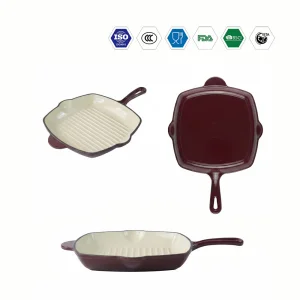
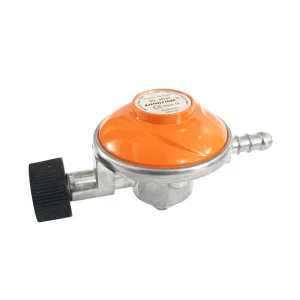
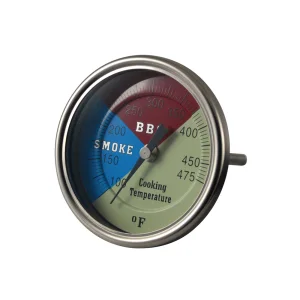
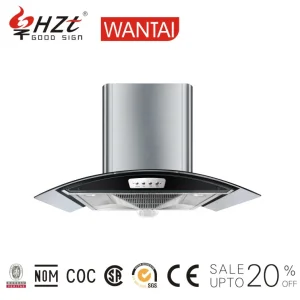
The global outdoor cooking and commercial foodservice sectors have witnessed a structural shift in food preparation surfaces. As thermal engineering advances, non-stick, high-temperature grill mats have evolved from simple backyard accessories to essential commercial culinary interfaces. The global grill mats market is driven by expanding consumer interest in healthy, fat-reduced cooking methods, the containment of carcinogenic flare-ups on public grills, and the requirement for rapid cleanup procedures in commercial kitchens.
Exporters in this sector operate within a highly competitive landscape where raw material purity, thermal threshold compliance, and international safety certifications determine market access. Typically fabricated from woven fiberglass cloth coated with polytetrafluoroethylene (PTFE) or heavy-duty food-grade silicone, these mats must survive repeated thermal cycling up to 500°F (260°C) or more without releasing volatile organic compounds (VOCs) or toxic degradation byproducts.
From a geographical standpoint, North America and Europe remain the largest importers of commercial and residential grill mats, fueled by a deeply rooted outdoor barbecue culture and stringent food safety protocols. Concurrently, the Asia-Pacific region, spearheaded by precision manufacturers and hardware exporters like Guangdong Picky Kitchen Co. Ltd., has established itself as the global manufacturing hub, driving technological breakthroughs in substrate strength and coating durability.
Identifying the leading exporters of grill mats requires evaluating criteria beyond transaction volume. Industry leading exporters prioritize quality assurance, supply chain integration, and regulatory compliance. The "Top 10" framework is built upon four fundamental metrics:
Strict adherence to FDA, LFGB, EU 10/2011, and REACH specifications. Top exporters employ third-party certification bodies (such as SGS or TÜV) to verify that no heavy metals or toxic off-gassings occur during high-temperature operations.
Utilizing high-tensile fiberglass substrates (e.g., E-glass fibers) coated with premium PTFE dispersion liquid. The thickness ratio dictates whether a mat is optimized for rapid thermal conduction or long-term structural integrity.
Superior grill mats must survive hundreds of rapid heating and cooling cycles. The adhesion between the PTFE coating and the glass fiber substrate must prevent delamination, peeling, or cracking under stress.
Global distributors and institutional buyers evaluate these manufacturers using strict audit protocols. Modern factories are expected to implement automated cutting lines, inline quality inspection systems, and dust-free packaging zones to ensure that no micro-impurities compromise the thermal capability of the non-stick surface.
The core of a grill mat's functionality lies in the physics of thermal transfer and polymer chemistry. Standard grill mats utilize a composite structure that balances mechanical strength and non-stick behavior.
| Material Class | Common Core Thickness | Max Temp Range | Ideal Application Environment | Primary Technical Advantage |
|---|---|---|---|---|
| PTFE Coated E-Glass | 0.20mm – 0.40mm | 260°C / 500°F | Standard charcoal & gas grills | Exceptional non-stick, chemical resistance, grease proofing |
| Food-Grade Heavy Silicone | 0.40mm – 0.80mm | 230°C / 446°F | Baking sheets, electric griddles | Enhanced flexibility, high tactile friction, dishwasher safe |
| Aluminized High-Silica Fabric | 0.60mm – 1.20mm | 550°C / 1022°F | Under-grill deck protection pads | Extreme heat reflection, protection against embers and ash |
| Ceramic-Infused Composites | 0.15mm – 0.30mm | 300°C / 572°F | High-temperature commercial ovens | Accelerated thermal conduction, enhanced scratch resistance |
As the industry advances towards ecological responsibility, top exporters are transitioning away from conventional surfactants and fluorochemicals that involve PFOA or PFOS during synthesization. The latest technical roadmap emphasizes water-based PTFE dispersion coatings, which eliminate hazardous solvents from the production line. Additionally, reinforcing the glass fiber substrate via multi-axial weaving configurations prevents the mat from warping, bubbling, or tearing when exposed to uneven direct heat sources from charcoal burners or infrared grates.
Established in 2005, Guangdong Picky Kitchen Co. Ltd. has grown into a diversified and innovation-driven enterprise specializing in kitchen hardware and functional home hardware systems. Centered on research, design, manufacturing, and global distribution, the company is dedicated to delivering high-quality, integrated kitchen hardware solutions for customers worldwide. The company firmly believes that the kitchen is not only a functional space for cooking, but also a key reflection of lifestyle quality. Guided by this philosophy, it consistently pursues the integration of functional excellence and aesthetic innovation.
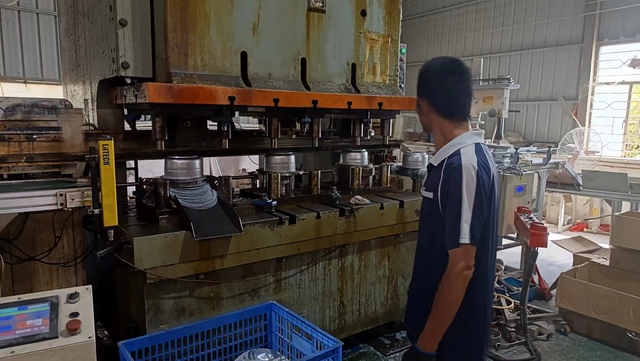
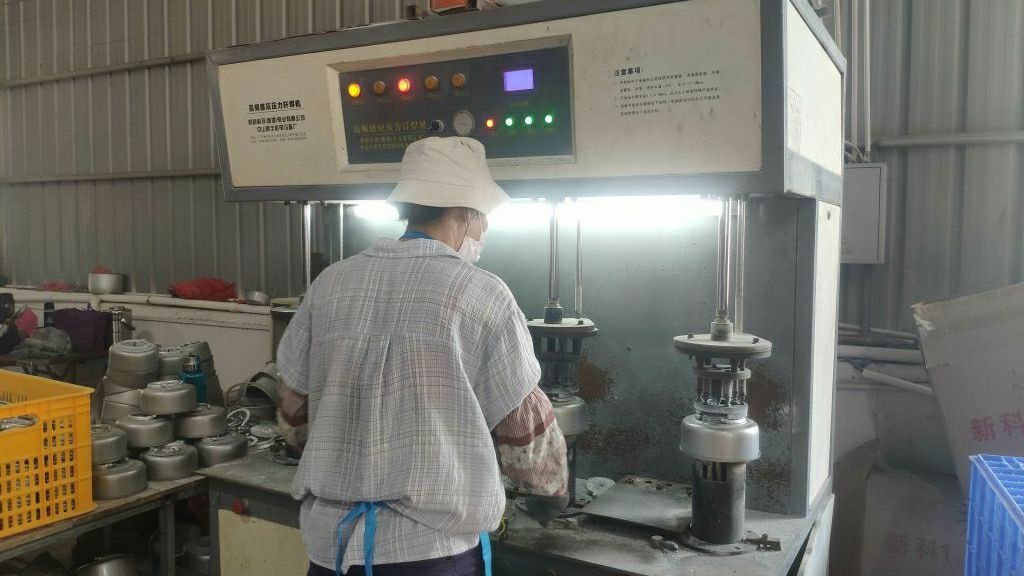
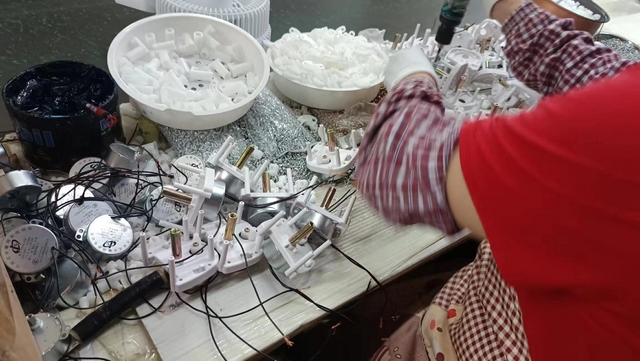
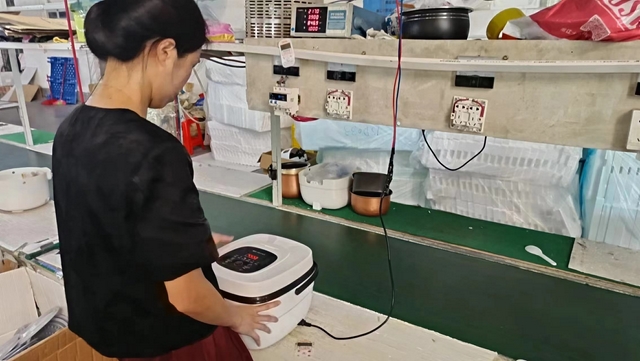
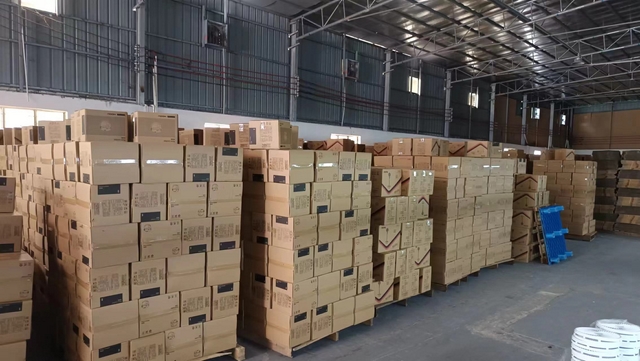
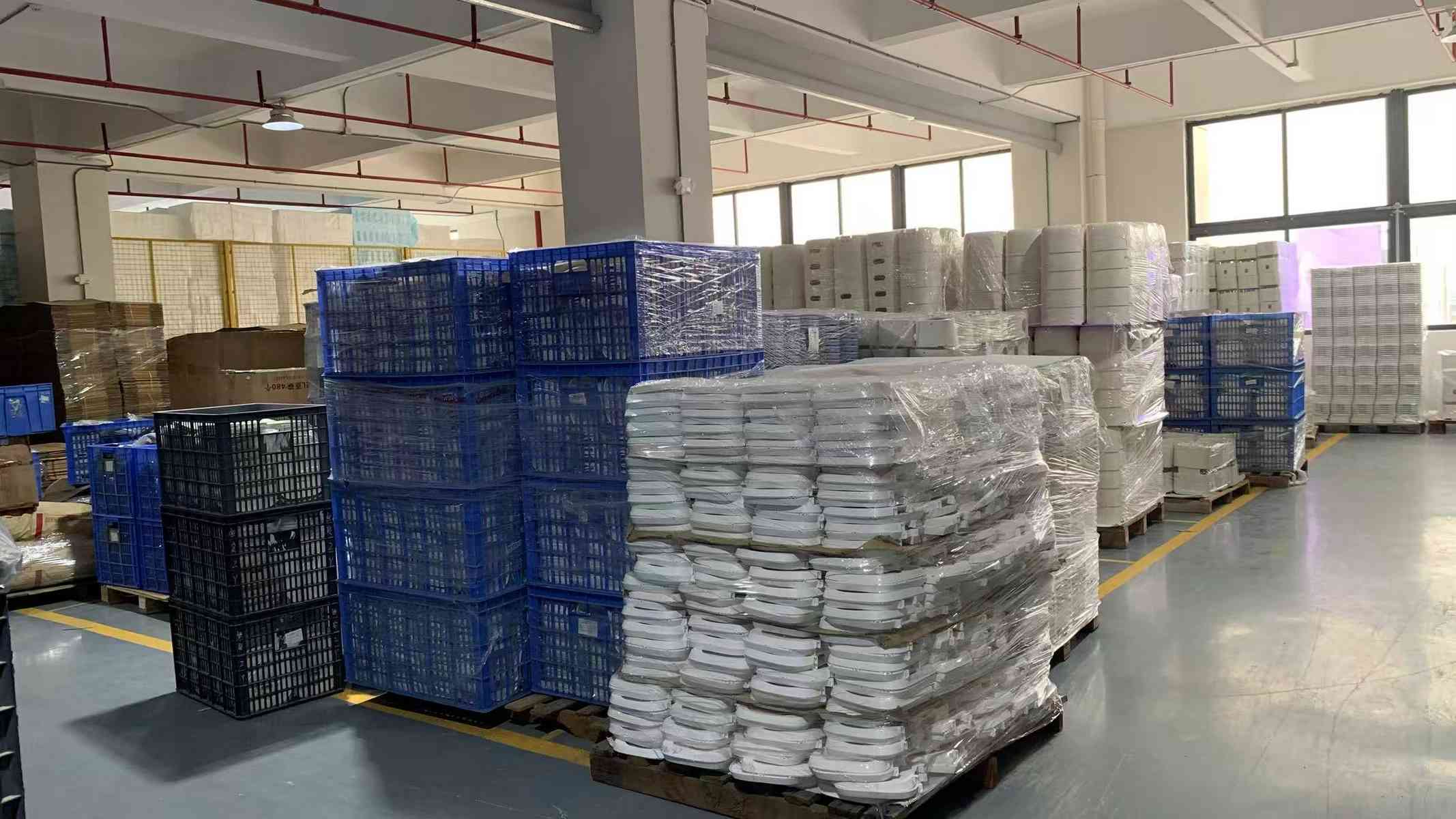
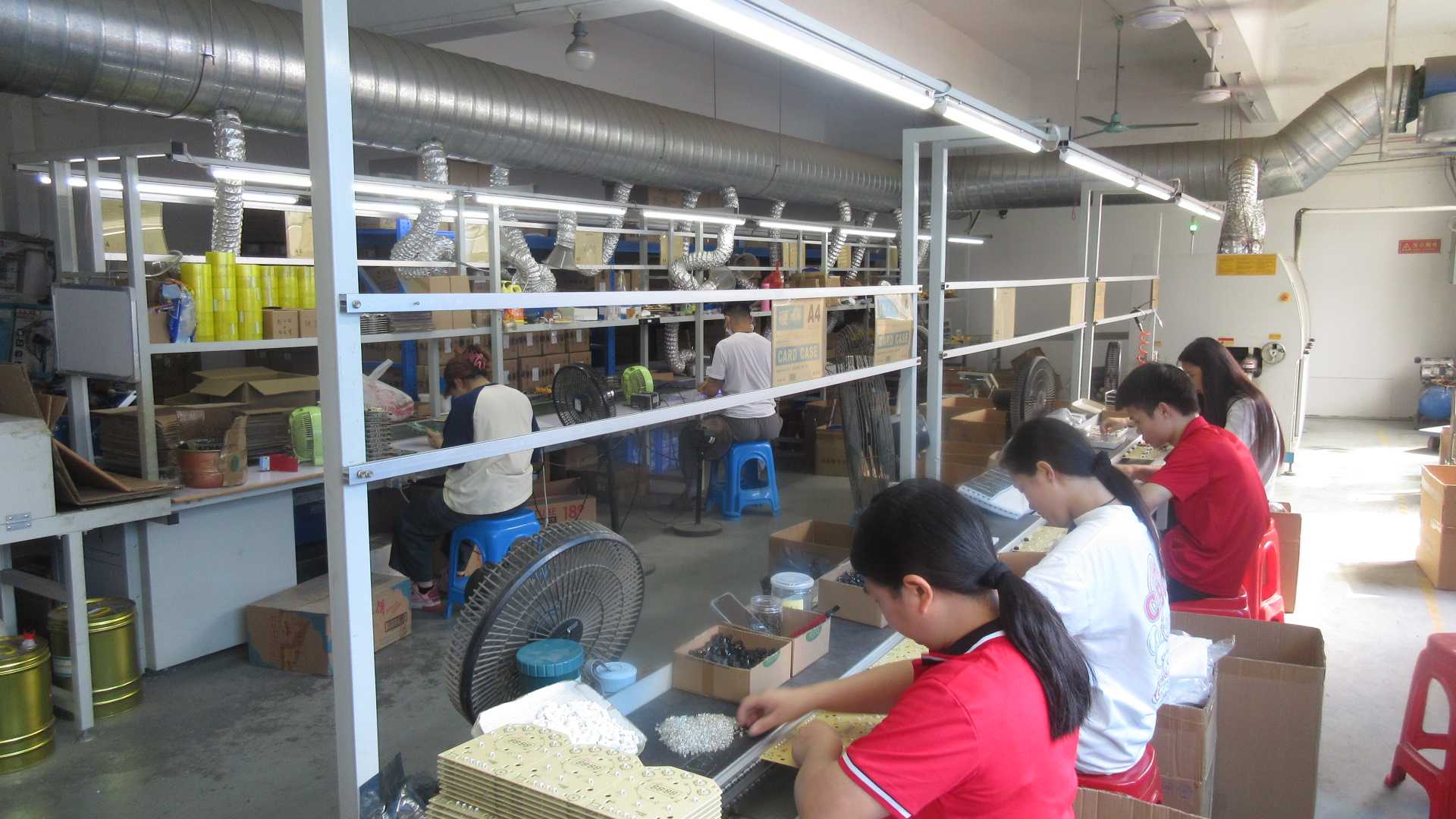
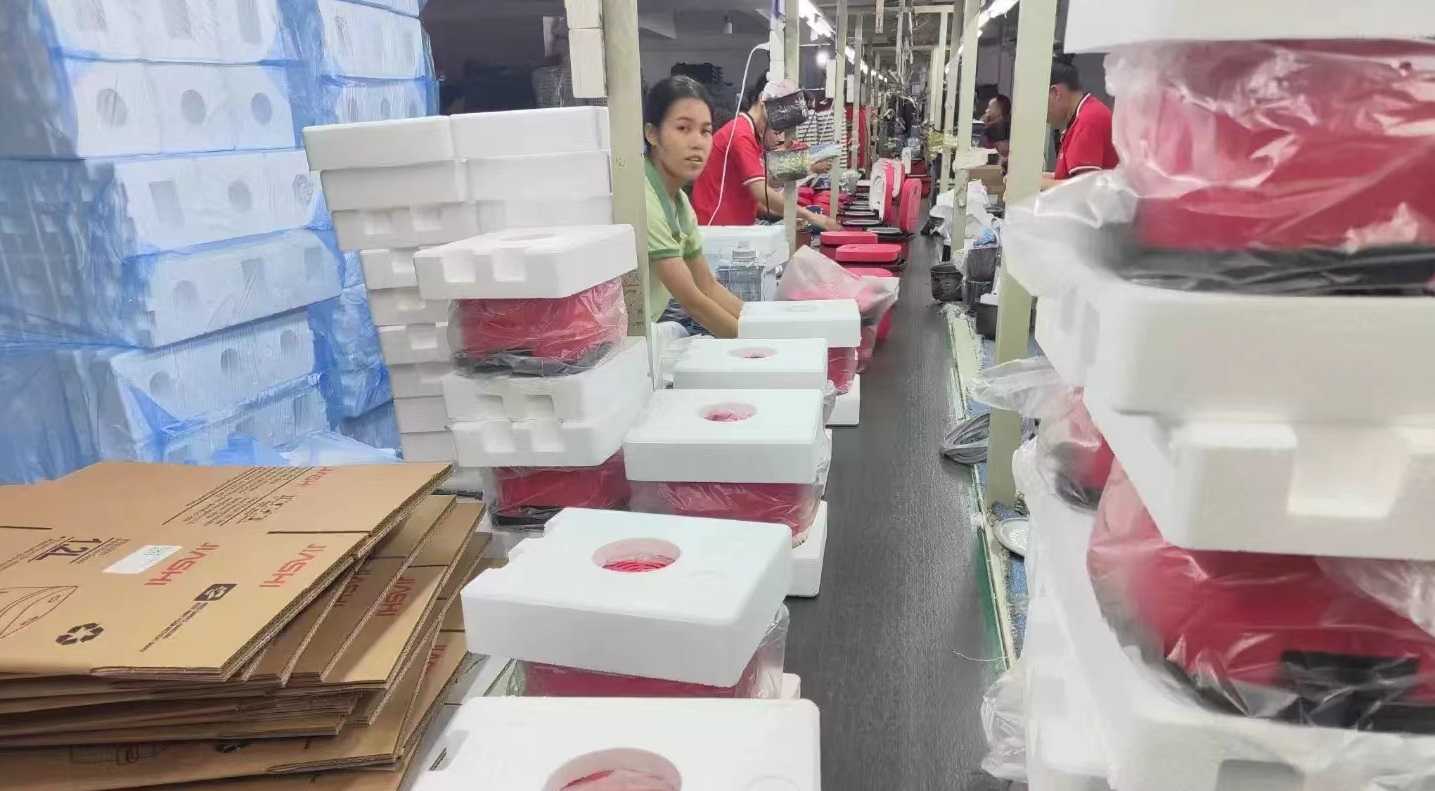
Operating a modern manufacturing facility covering approximately 12,000 square meters, equipped with advanced production lines and comprehensive quality control systems, the facility serves as the backbone of its manufacturing capability. This ensures both efficiency and product consistency. Its production scope includes structural component design, precision stamping and die-casting, CNC machining, automated tool processing, mold development and fabrication, laser welding, assembly, and final testing. This full-chain manufacturing system enables Guangdong Picky Kitchen Co. Ltd. to provide one-stop solutions while maintaining strict control over quality and lead times, as well as responding quickly to customized client requirements.
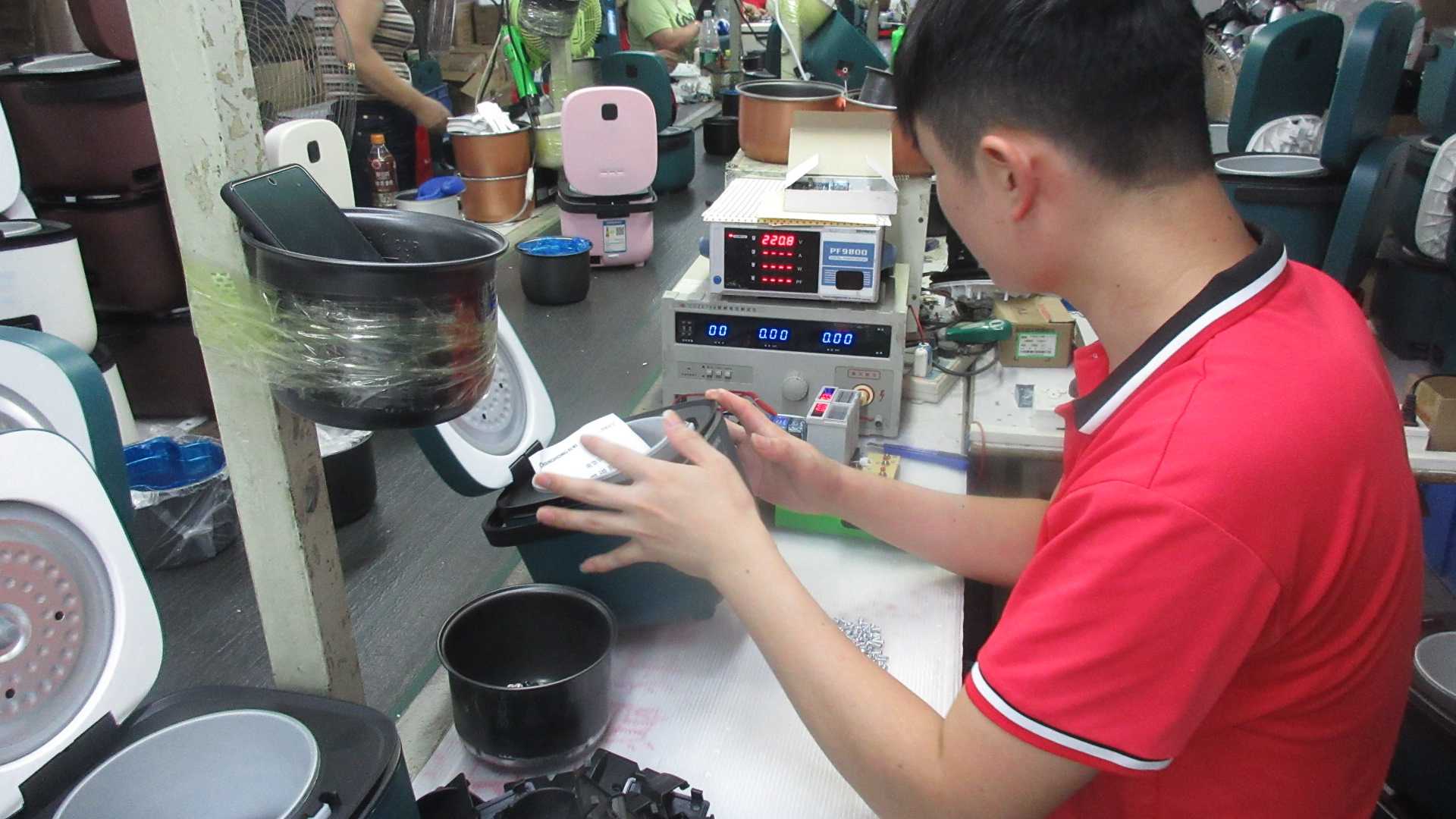
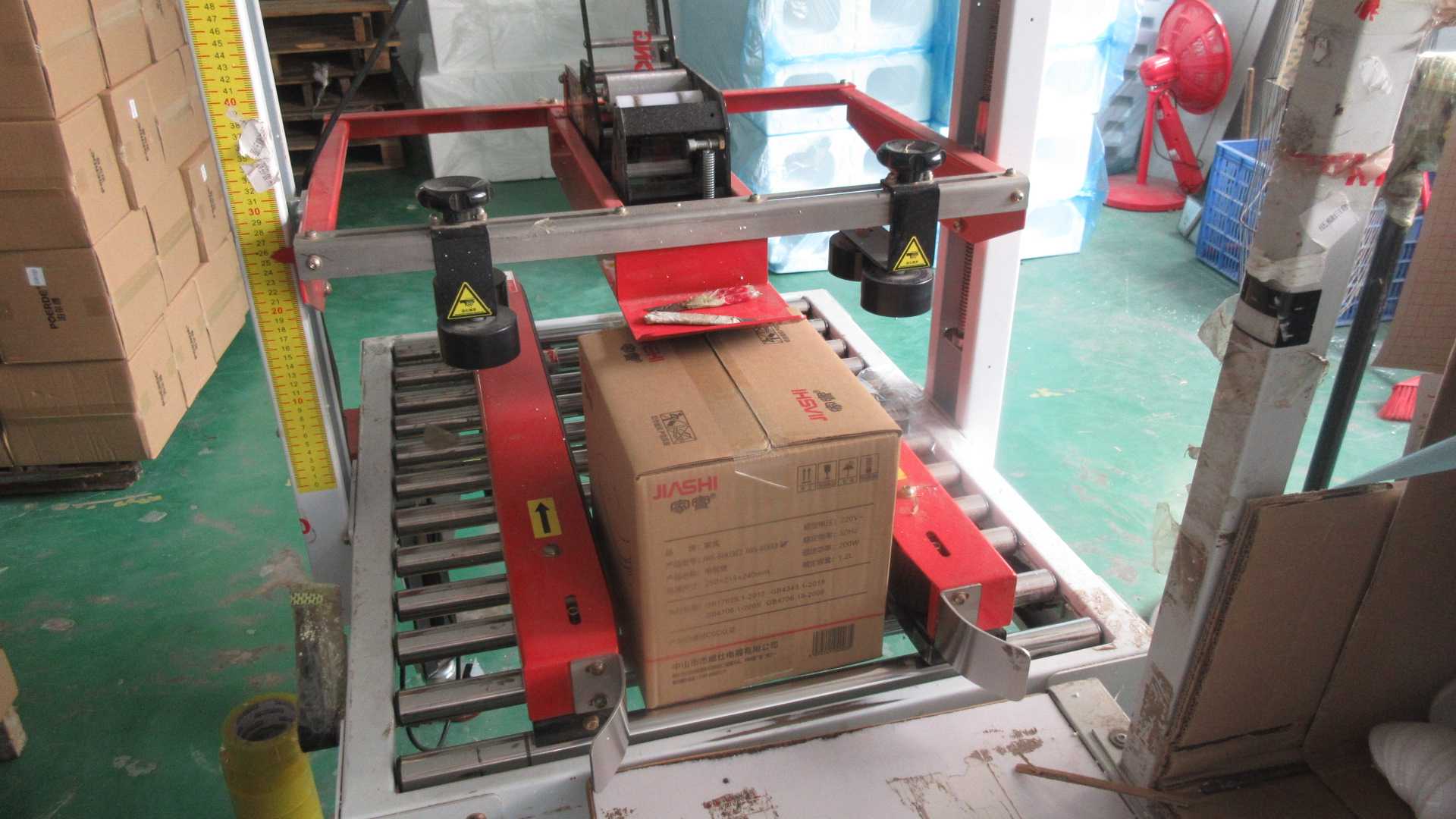
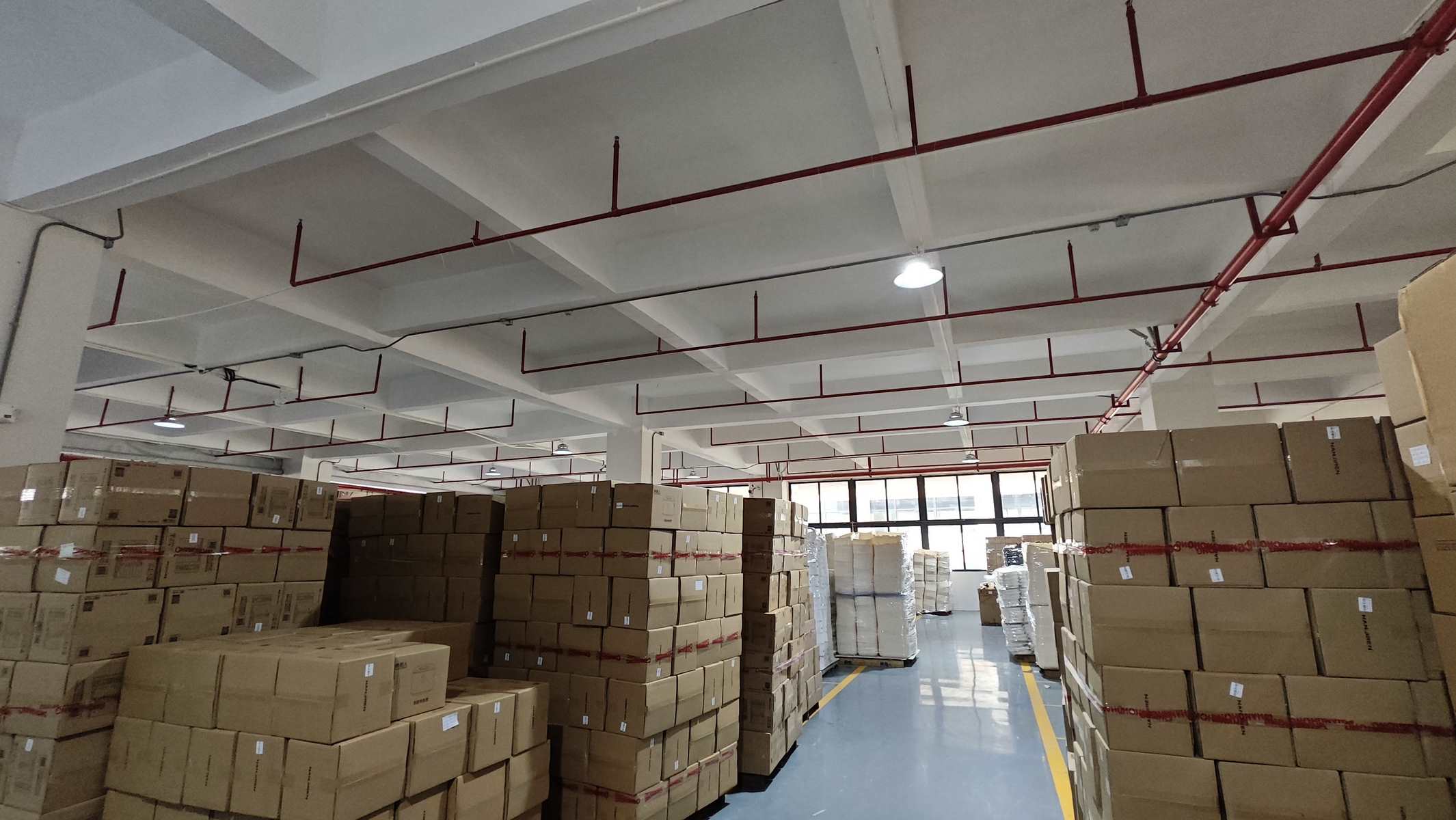
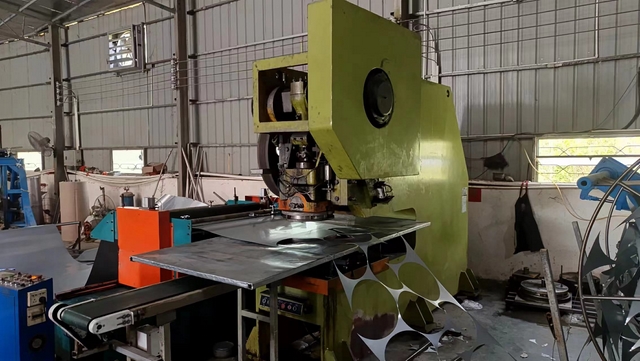
Grill mats and high-performance cooking liners serve diverse needs based on local culinary habits and regulatory environments. Leading manufacturers customize their chemical and physical profiles to suit regional markets.
Requires large, heavy-duty PTFE liners (typically 0.3mm+ thickness) designed to prevent high-sugar sauces and oils from dripping into charcoal grates. This setup minimizes smoke production and flare-ups.
Strict LFGB standards require food-grade silicone mesh mats. These support consistent heat distribution and allow steam extraction, creating crisp textures on artisan breads and pastries.
Focuses on high-temperature resistance and grease drainage. Slim, high-conduction PTFE mats allow grill marks to transfer to meats while preventing sticky marinades from burning onto the iron plate.
On a macro scale, commercial food facilities combine these high-temperature protective systems with grease collection traps and professional kitchen exhaust ventilation systems. This integration reduces general wear on industrial hardware, limits fire hazards from grease buildup, and decreases cleaning detergent use, supporting commercial kitchen sustainability efforts.
This section addresses common quality, compliance, and application concerns raised by international procurement managers and distributors.