Picky Kitchen
Picky Kitchen
Picky Kitchen


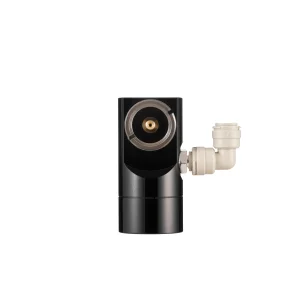
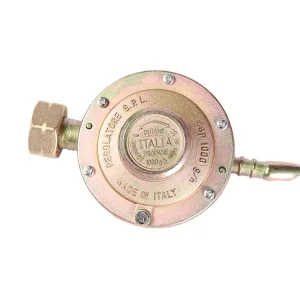
The global demand for high-reliability gas cooktop regulators has seen steady growth, driven by tightening kitchen appliance safety standards, expanding gas pipelines, and the universal shift towards LPG (Liquefied Petroleum Gas) and Natural Gas in both residential developments and high-density commercial kitchens. A gas regulator is not merely a fitting; it is the fundamental heart of safety and flame control in any cooking system. It serves to reduce volatile tank or line pressures to a precise, stable output level, ensuring clean combustion and preventing dangerous thermal spikes or gas leaks.
In the modern OEM and ODM landscape, selecting the right partner from the *Top 10 Gas Cooktop Regulators Suppliers & Exporters* represents a crucial choice for appliance manufacturers worldwide. Global distribution channels require products that are certified to regional regulations, including CE, CSA, AGA, and JIS standards. Reliable regulators must operate flawlessly across varied environments—from extreme winter temperatures in northern regions to humid, high-temperature climates in tropical areas—all while preserving high pressure control linearity and long structural lifetimes.
Established in 2005, Guangdong Picky Kitchen Co. Ltd. has grown into a diversified and innovation-driven enterprise specializing in kitchen hardware and functional home hardware systems. Centered on research, design, manufacturing, and global distribution, the company is dedicated to delivering high-quality, integrated kitchen hardware solutions for customers worldwide.
Our skilled R&D team consists of veteran structural design engineers and mold development specialists pushing the boundary of eco-friendly materials, smart home integration, and structural longevity.
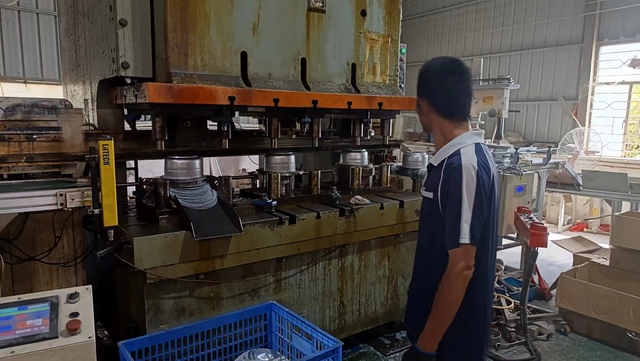
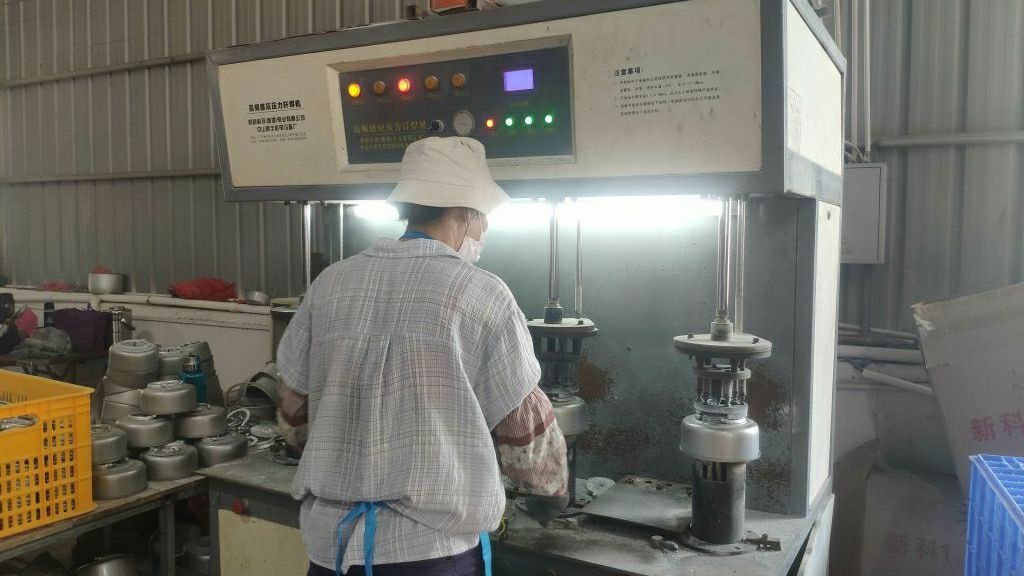
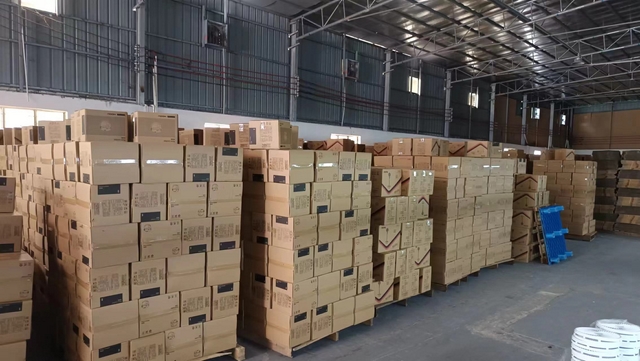
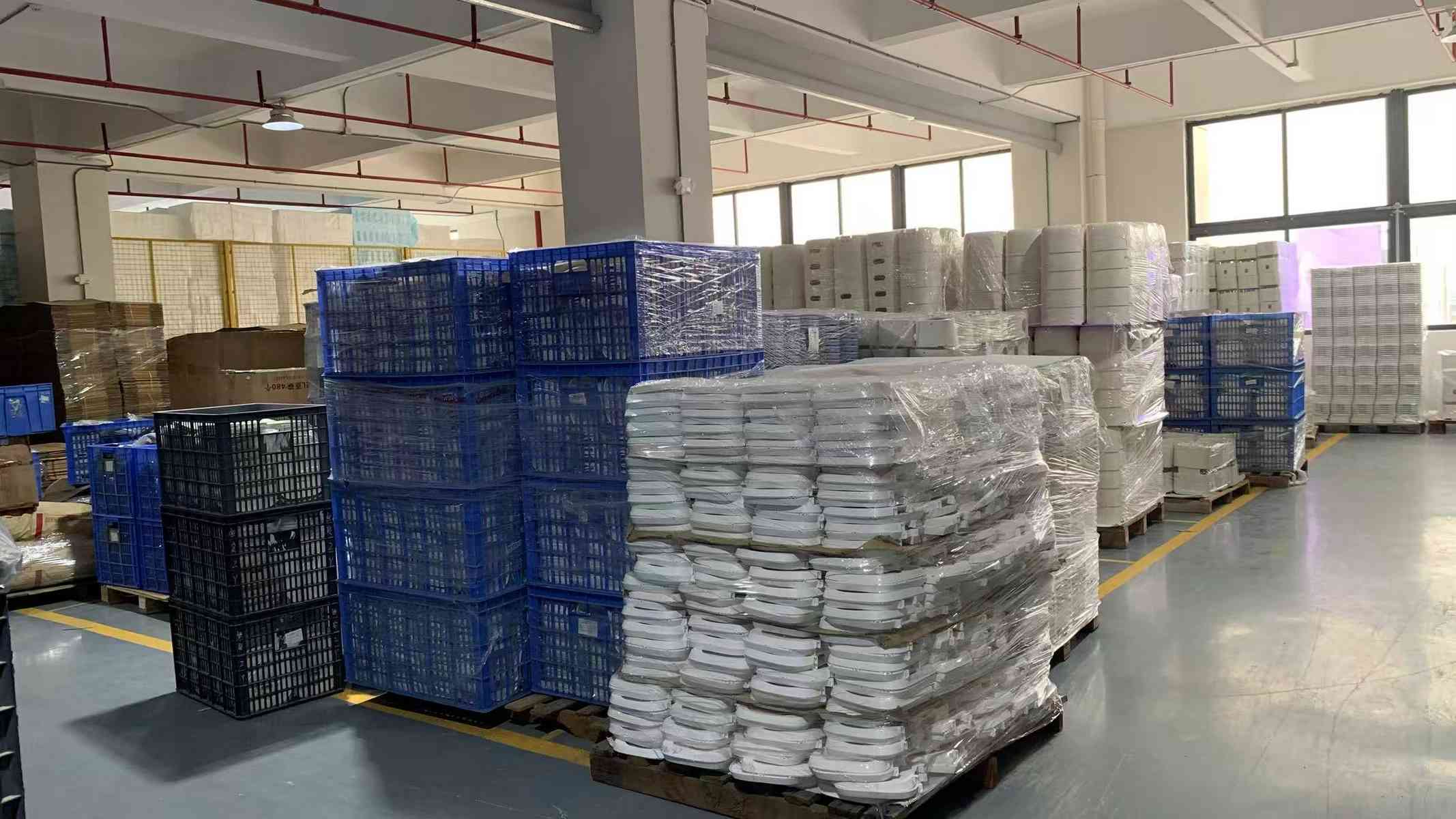
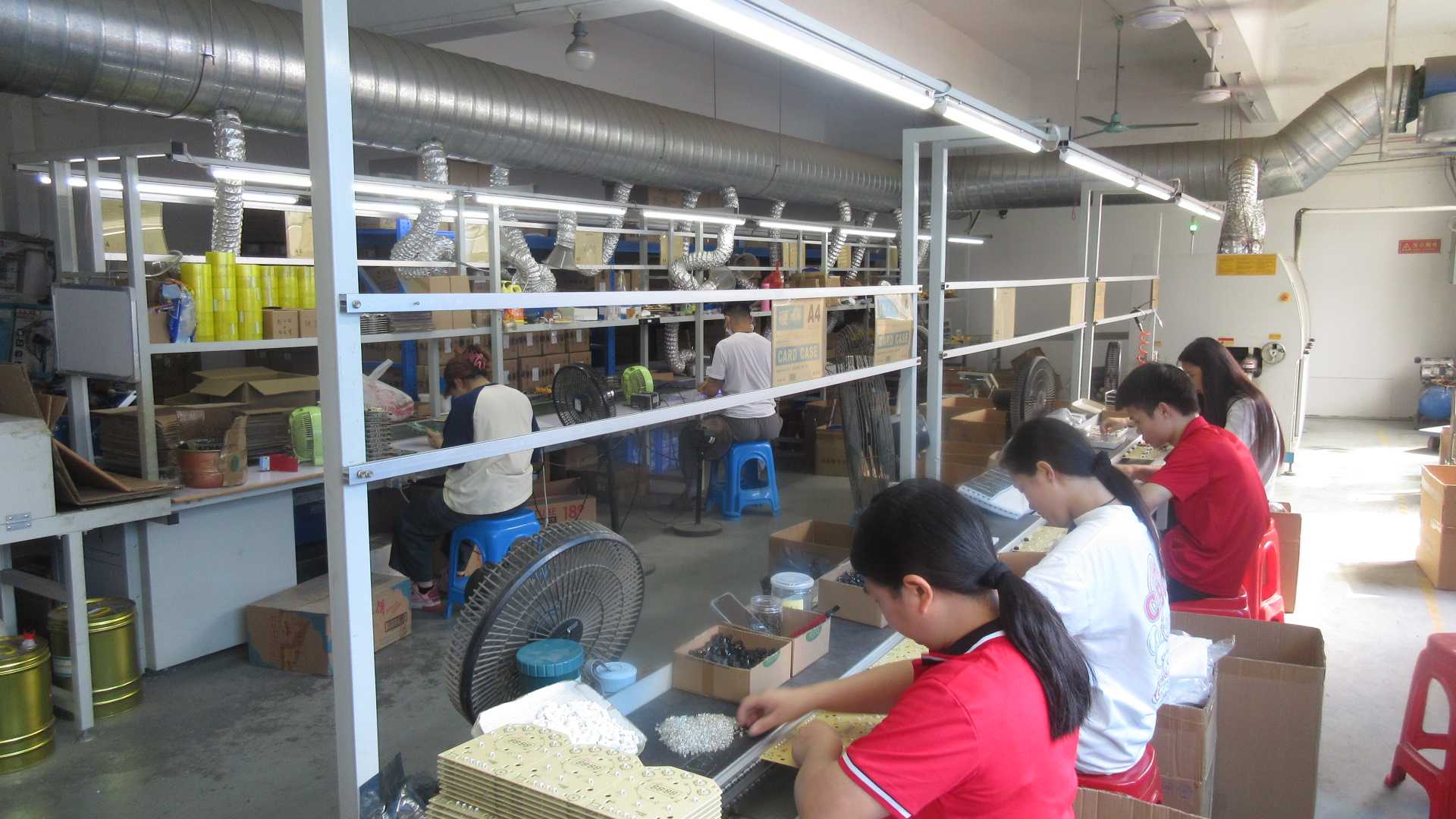
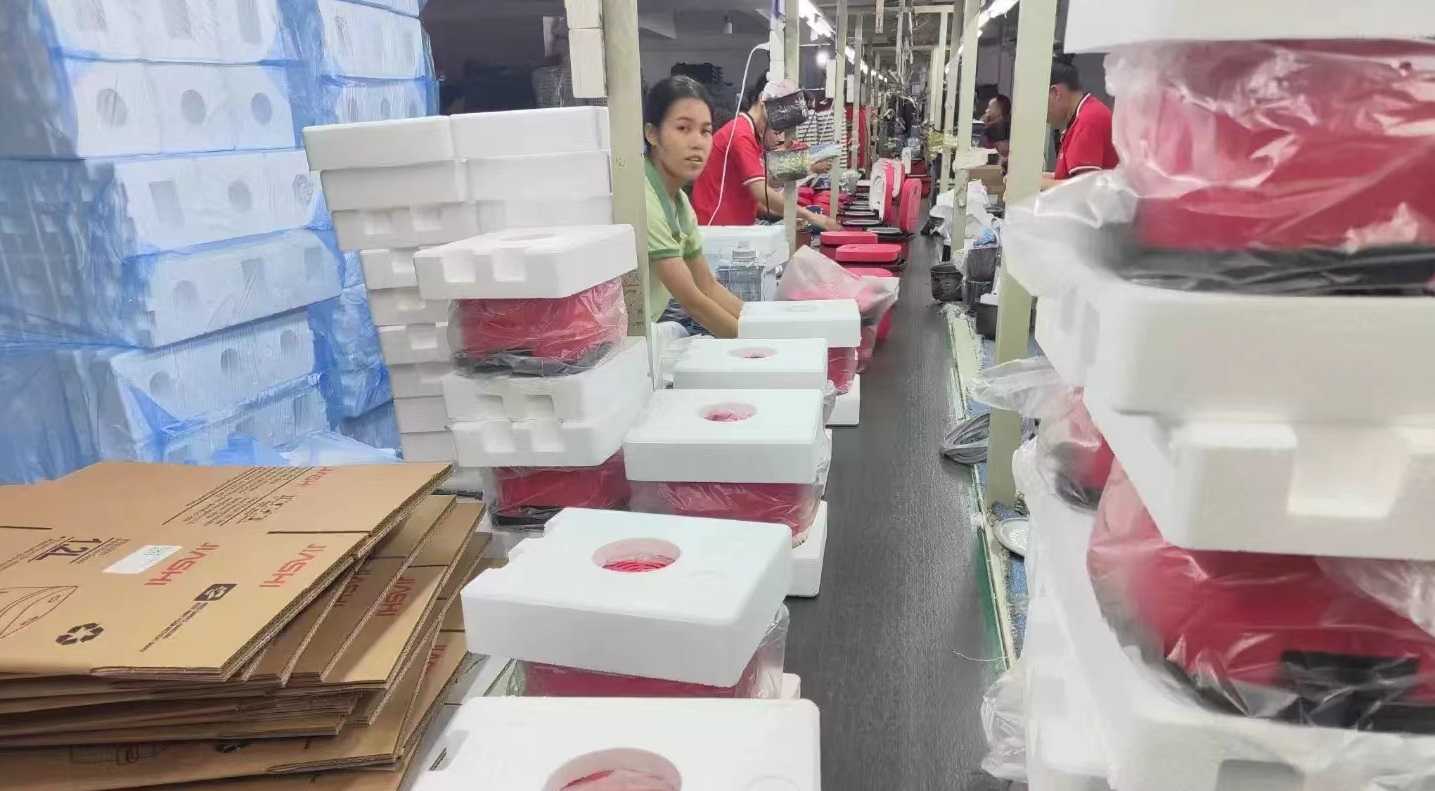
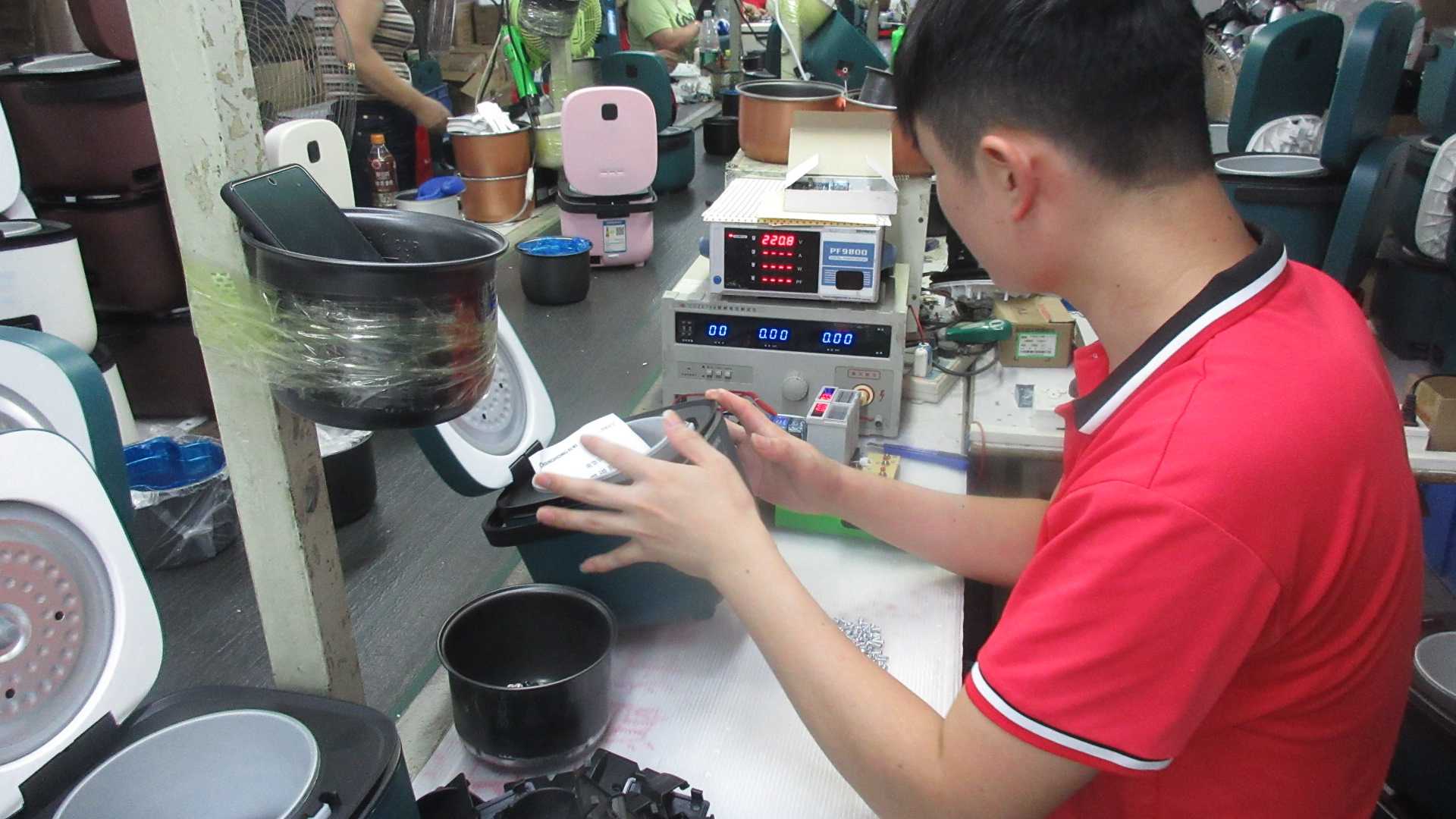
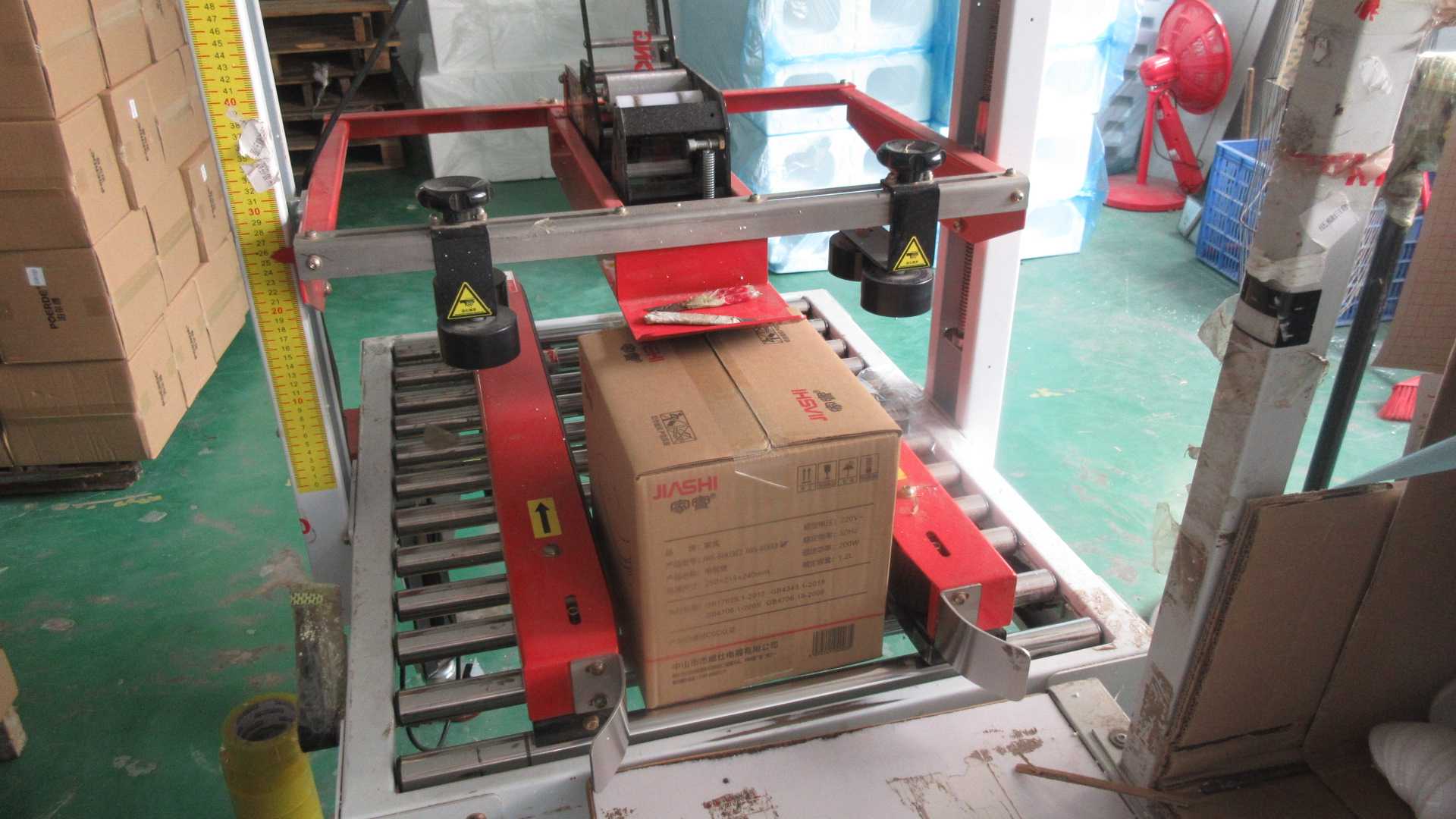
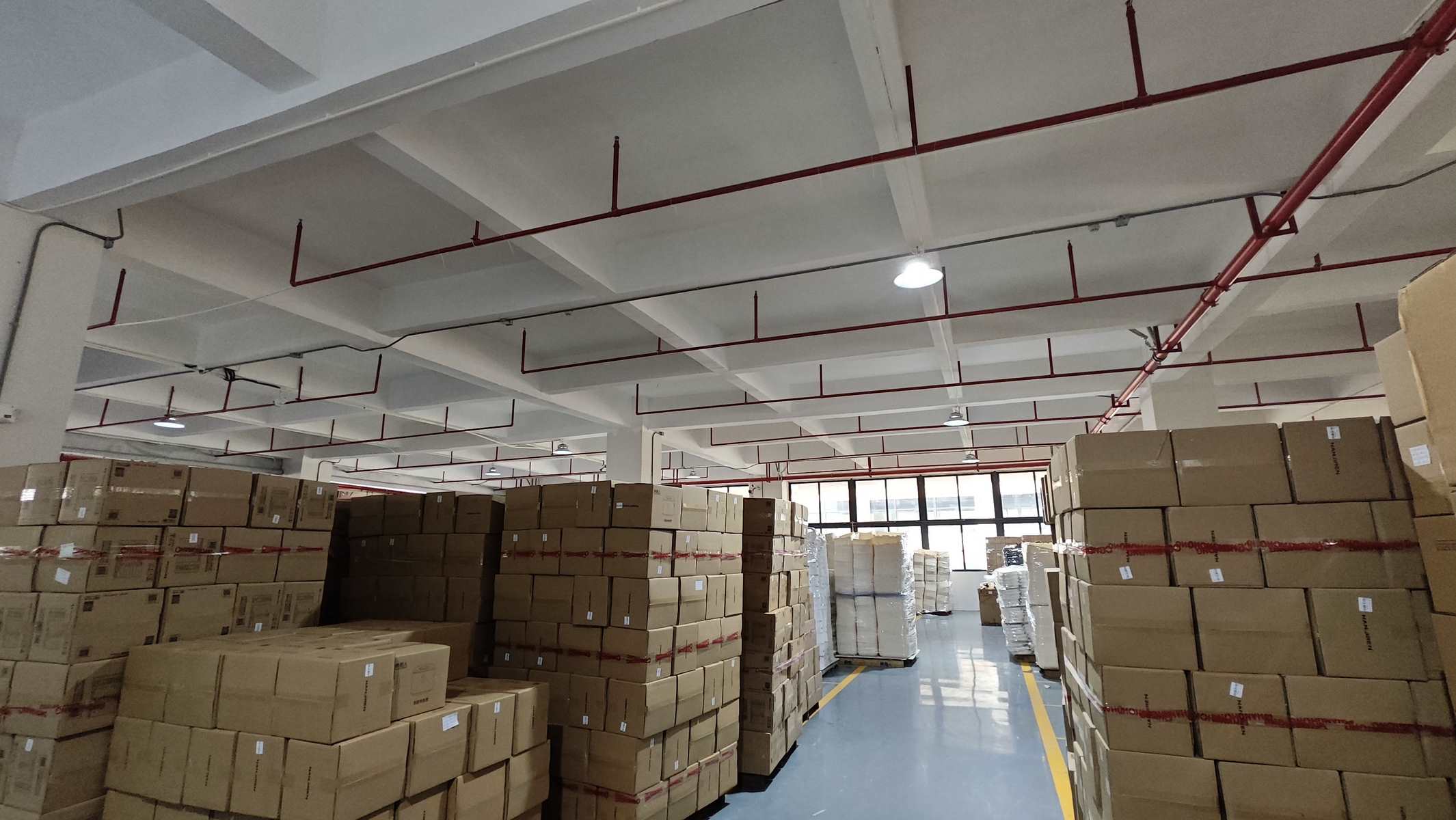
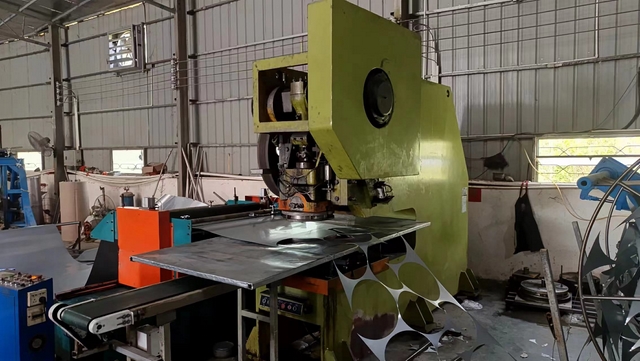
Operating an advanced 12,000㎡ manufacturing facility, we control the entire chain: precision stamping, CNC machining, automated tool processing, laser welding, and thorough multi-stage inspection.
Responding to the global shift towards green tech, we prioritize low-VOC coatings, low-carbon manufacturing lines, and the integration of smart sensing technologies into hardware systems.
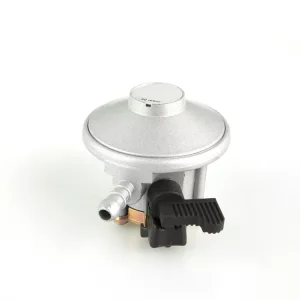
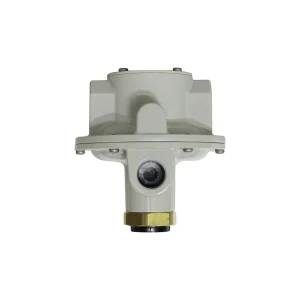
To ensure stability in residential and commercial cooking settings, gas cooktop regulators act as mechanical force-balancing systems. The incoming gas pressure fluctuates based on tank temperature, pipeline loads, and altitude. The regulator uses an internal flexible diaphragm connected to a spring-loaded stem to modulate the orifice clearance. When downstream pressure drops (as burners are lit), the spring forces the valve open to increase gas flow. Conversely, when downstream pressure rises, the diaphragm moves against the spring to restrict flow, maintaining a constant outlet pressure (typically measured in Inches of Water Column - "W.C." or millibars).
A crucial challenge for global appliance designers is the pressure and density difference between LPG (Propane/Butane mixes) and Natural Gas (Methane). LPG operates at a higher chemical density and requires an outlet pressure of approximately 11" W.C. (2.75 kPa). Natural Gas systems require a lower outlet pressure, usually around 4" to 5" W.C. (1.0 to 1.25 kPa). High-quality suppliers provide convertible regulators equipped with reversible adjustment caps or dual-spring channels, allowing technicians to switch field applications safely without needing to replace the entire valve assembly.
Top-tier gas regulators are manufactured using precision die-cast aluminum alloys (e.g., ADC12) or forged brass bodies. Aluminum keeps weight down while offering high tensile strength. For high-humidity coastal regions or commercial marine kitchens, suppliers apply electrophoretic coatings or high-durability anodizing. Diaphragms must use advanced NBR (Nitrile Butadiene Rubber) or HNBR (Hydrogenated Nitrile) composites to resist degradation from chemical trace elements, LPG additives, and temperature fluctuations ranging from -20°C to 60°C.
Navigating international import-export markets requires compliance with local standards. Products destined for North America must meet ANSI Z21.18 / CSA 6.3 for gas appliance pressure regulators. For European Union distribution, components must carry the CE mark and comply with the Gas Appliances Regulation (GAR) under EN 88-1. In Japan, products must align with JIA standards, and in Australia, under AS 4629. Buying from a supplier that provides verified test certifications prevents clearance holdups and reduces liability for the end product.
Integration of micro-sensors and Bluetooth/LoRa transceivers inside the regulator body. These sensors track gas flow rate, input pressure stability, and temperature, notifying commercial operators of minor system leaks before they pose safety risks.
As municipalities shift towards cleaner energy, infrastructure pipelines are beginning to blend up to 20% hydrogen into natural gas networks. Future regulators are engineered with specific synthetic elastomer diaphragms and modified flow geometry to prevent hydrogen embrittlement.
Integrating mechanical Over-Pressure (OPSO) and Under-Pressure (UPSO) shut-off valves directly into standard kitchen regulators. This step minimizes dependence on auxiliary safety lines, lowering the overall cost of appliance production.