Picky Kitchen
Picky Kitchen
Picky Kitchen


In the global hospitality, dining, and premium retail sectors, flatware is no longer treated as a simple commodity. It functions as a core structural element of consumer experience, brand presentation, and operational durability.
Modern procurement directors face a highly volatile landscape characterized by fluctuating material prices (AISI 304, 316, and 430 stainless steel grades), evolving food-contact compliance guidelines (FDA, LFGB, EU Framework Regulation 1935/2004), and the rising market imperative for verifiable sustainable practices. Navigating these requirements demands partnership with high-capacity factories capable of providing complete structural component design, precise mold development, and automated finishing.
This whitepaper offers a comprehensive, engineering-focused evaluation of flatware and metal kitchenware production, focusing on standard manufacturing processes, China’s industrial cluster advantages, and how progressive makers like Guangdong Picky Kitchen Co. Ltd. are addressing shifts in automated processing, smart home technology integrations, and green manufacturing.
Behind the precision engineering of every flatware piece is a complex industrial footprint engineered to optimize material efficiency, quality control, and global logisitical delivery.
Analysing the structural cluster economies, material supply lines, and deep processing tooling ecosystems of Chinese manufacturing hubs.
From local raw steel cold-rolling plants to gas and induction-safe treatment facilities, China's Guangdong region contains an integrated supply network that minimizes transit times and material waste.
High-precision tooling allows for rapid prototyping and deployment of customized geometries, maintaining sub-millimeter tolerances across production volumes exceeding millions of units annually.
Advanced manufacturers consistently design and execute production lines meeting stringent global standards, ensuring seamless shipping documentation and trouble-free import customs processing.
Operating a facility of 12,000 square meters, the company implements strict design, metalworking, assembly, and testing workflows to ensure durability, mechanical consistency, and surface purity.
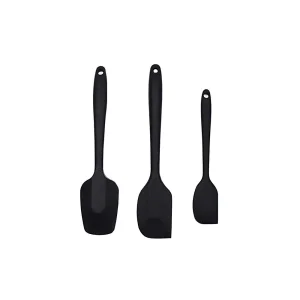
Raw metal sheet, food-grade silicone, and polymer material analysis to verify purity and resistance levels.
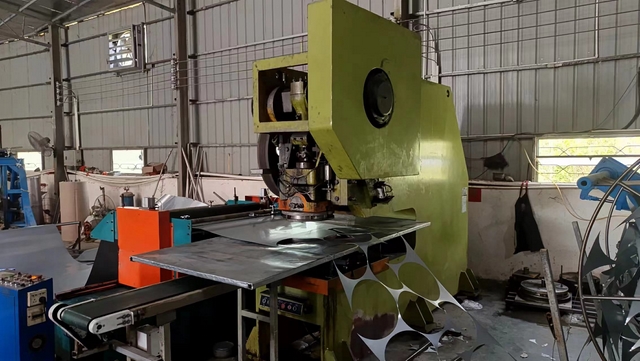
High-precision laser and mechanical shearing lines establish precise shape profiles before shaping.
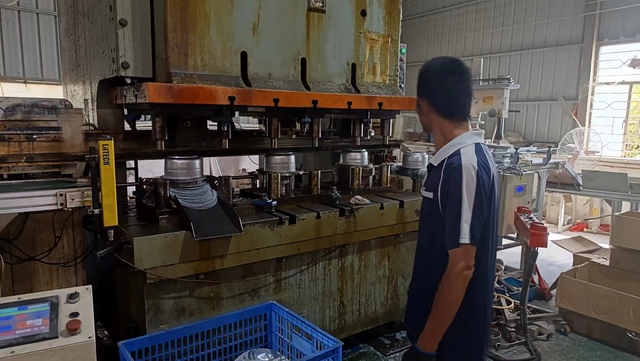
Heavy stamping and blanking tooling forms the primary dimensional features of the kitchen hardware.
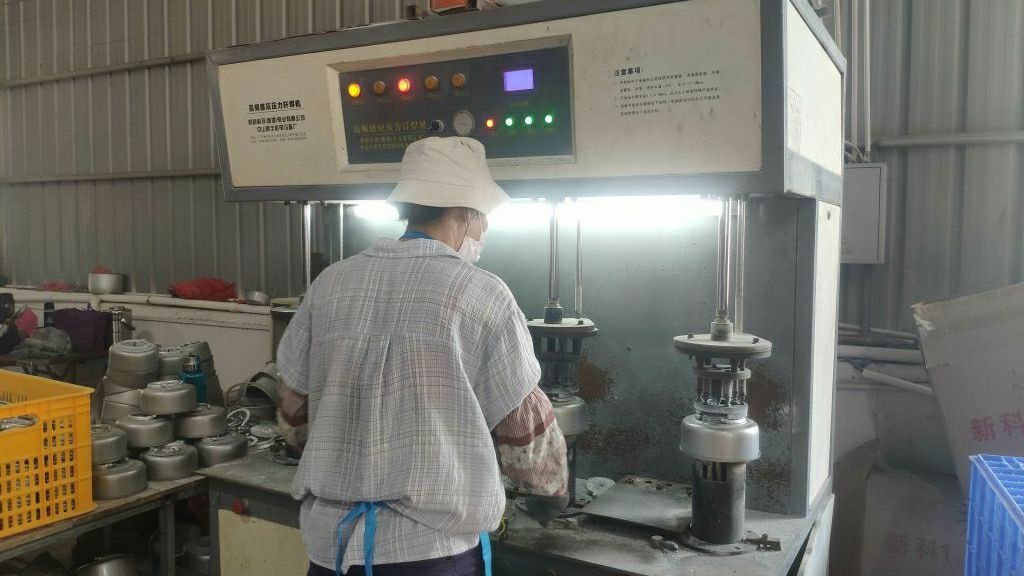
Highly stable automated welding links subcomponents without introducing thermal deformation or stress points.
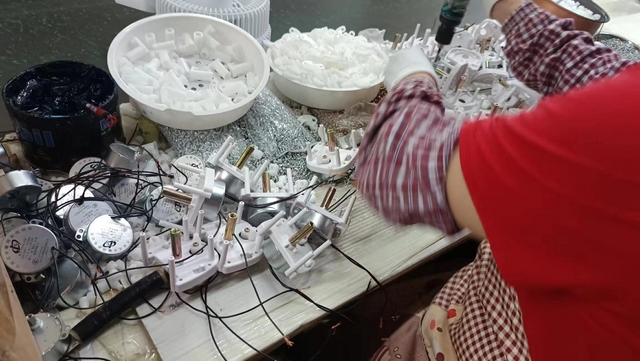
Precision grinding, deburring, and CNC machining processes ensure smooth surfaces and exact edges.
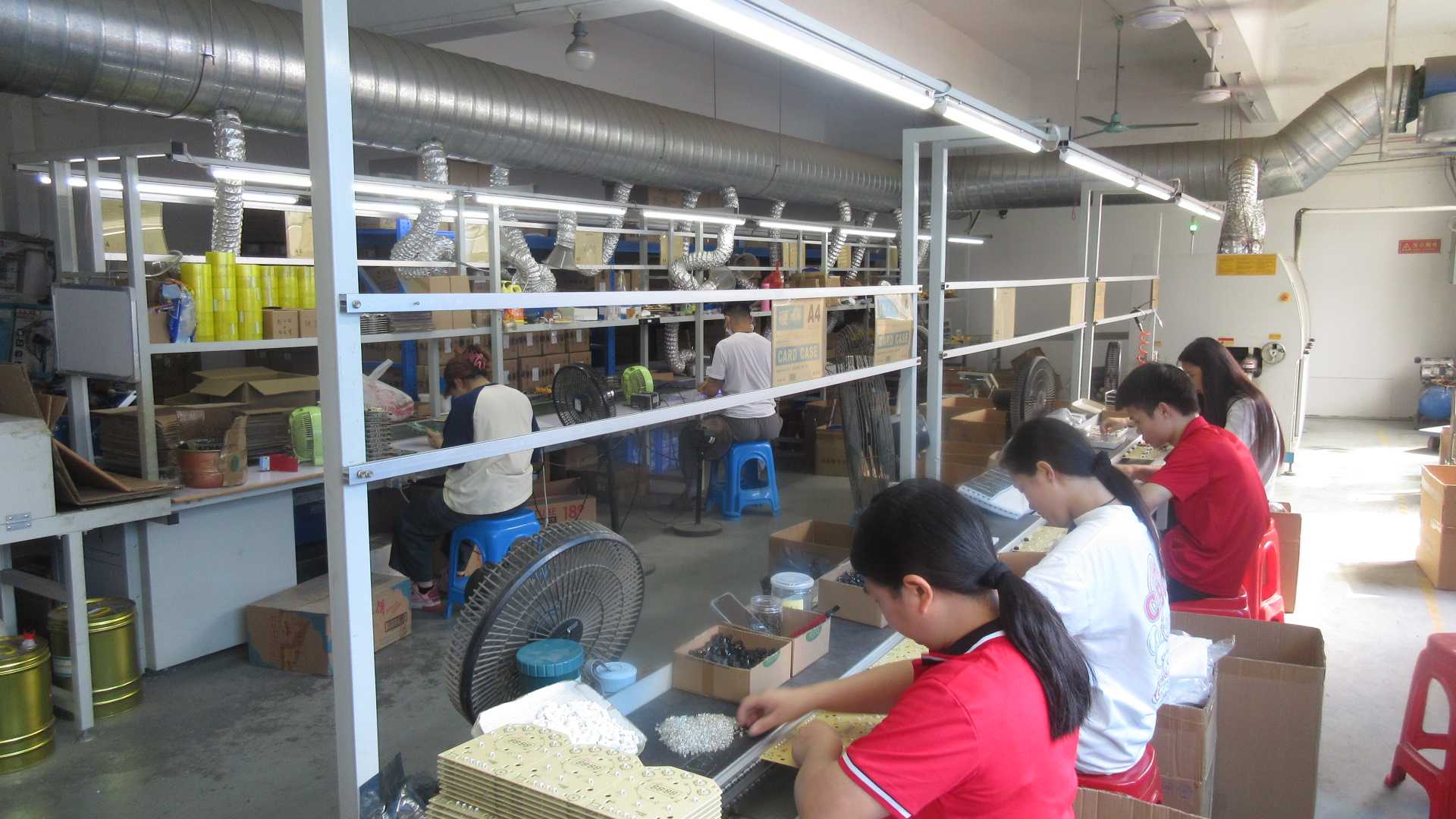
Integrating IoT components, micro-sensors, and Bluetooth circuits for modern smart kitchen accessories.
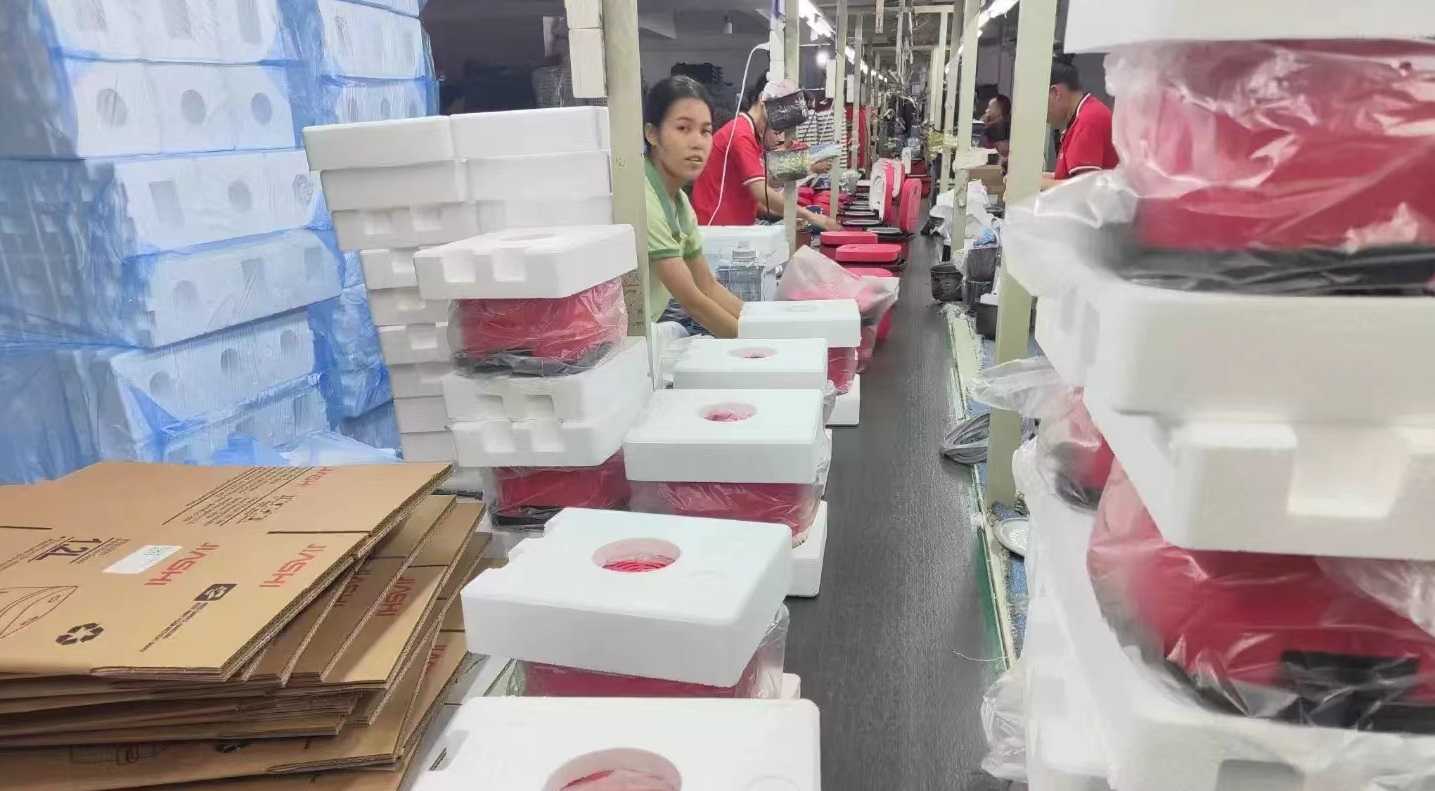
Combining metal, silicone, electronic components, and custom branding markers into single retail units.
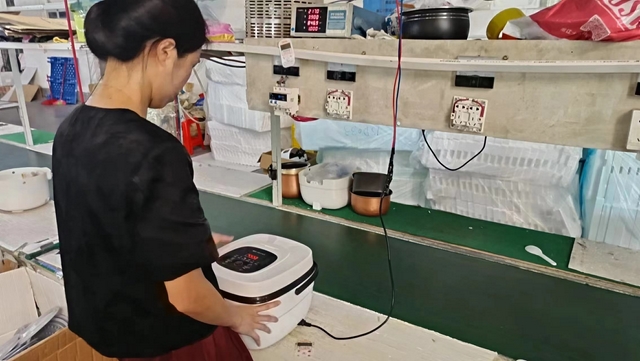
Dimensional analysis to verify alignment, structural integrity, and weld consistency against target tolerances.
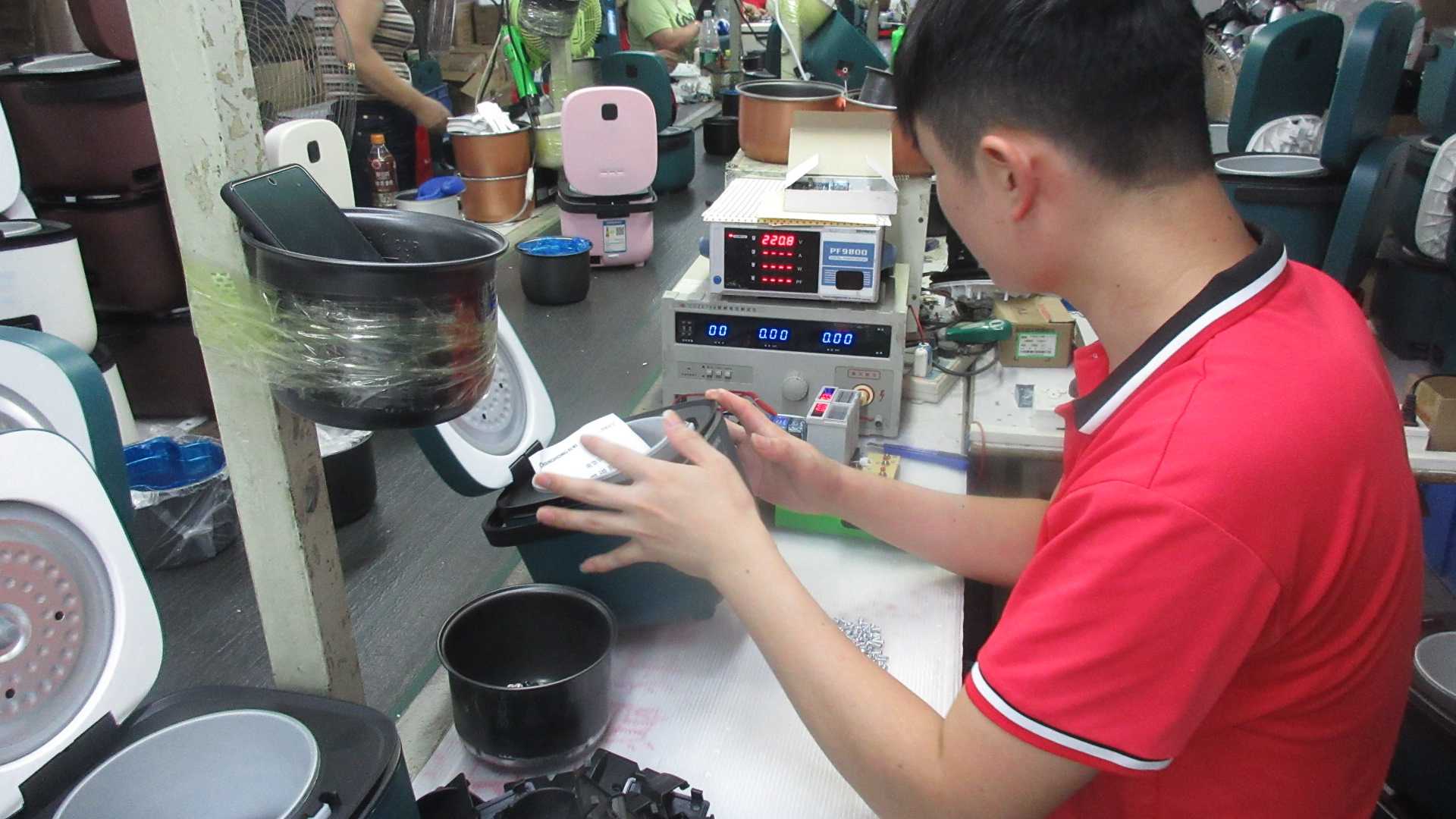
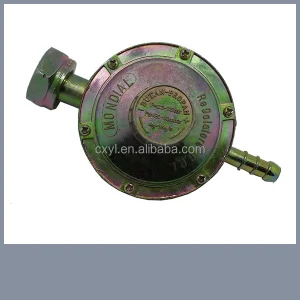
Testing non-stick sheet performance, sensor accuracy, regulator seals, and electronic safety profiles.
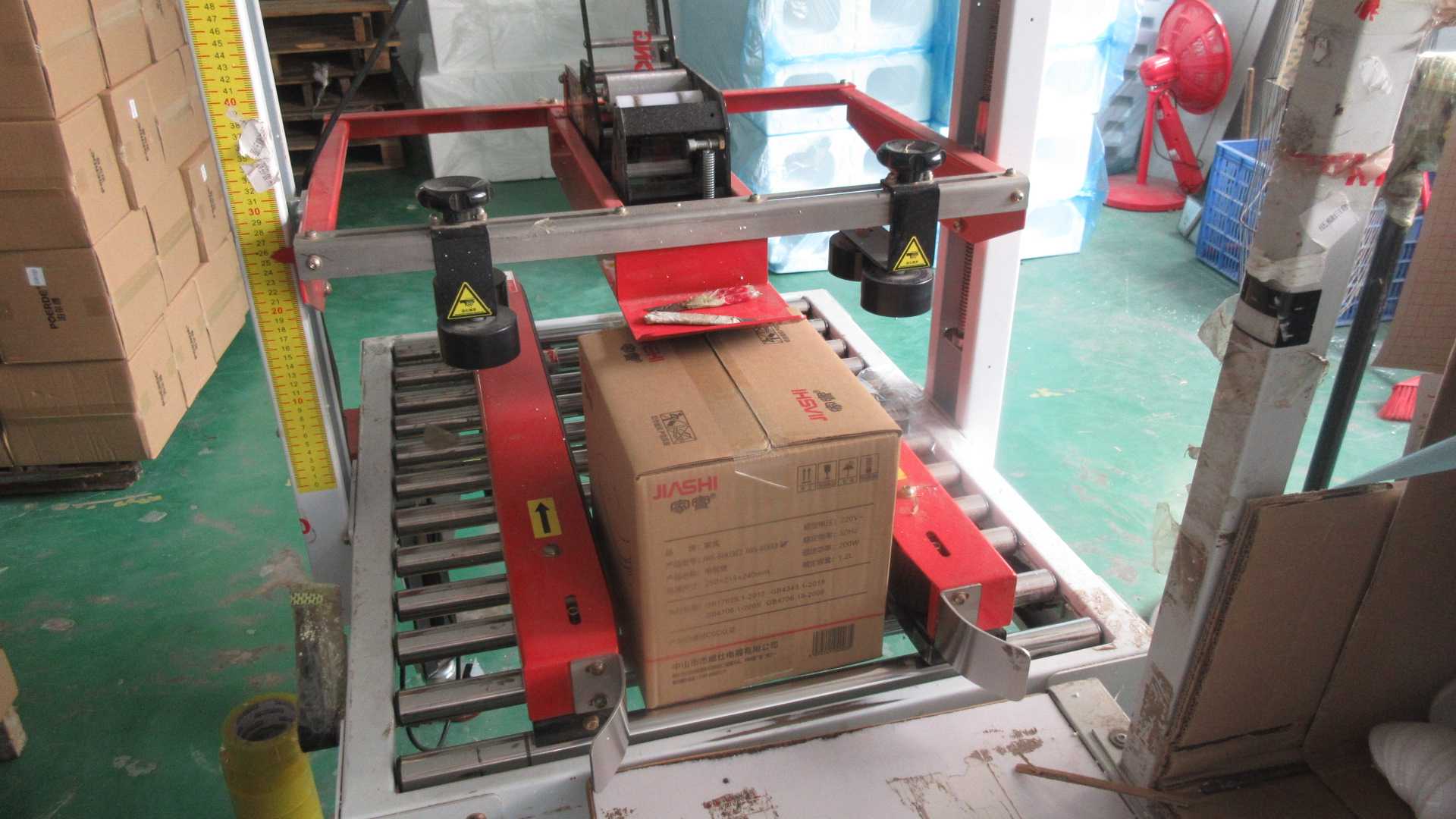
Applying custom client labels, protective wraps, and retail-grade boxing to prevent damage during transit.
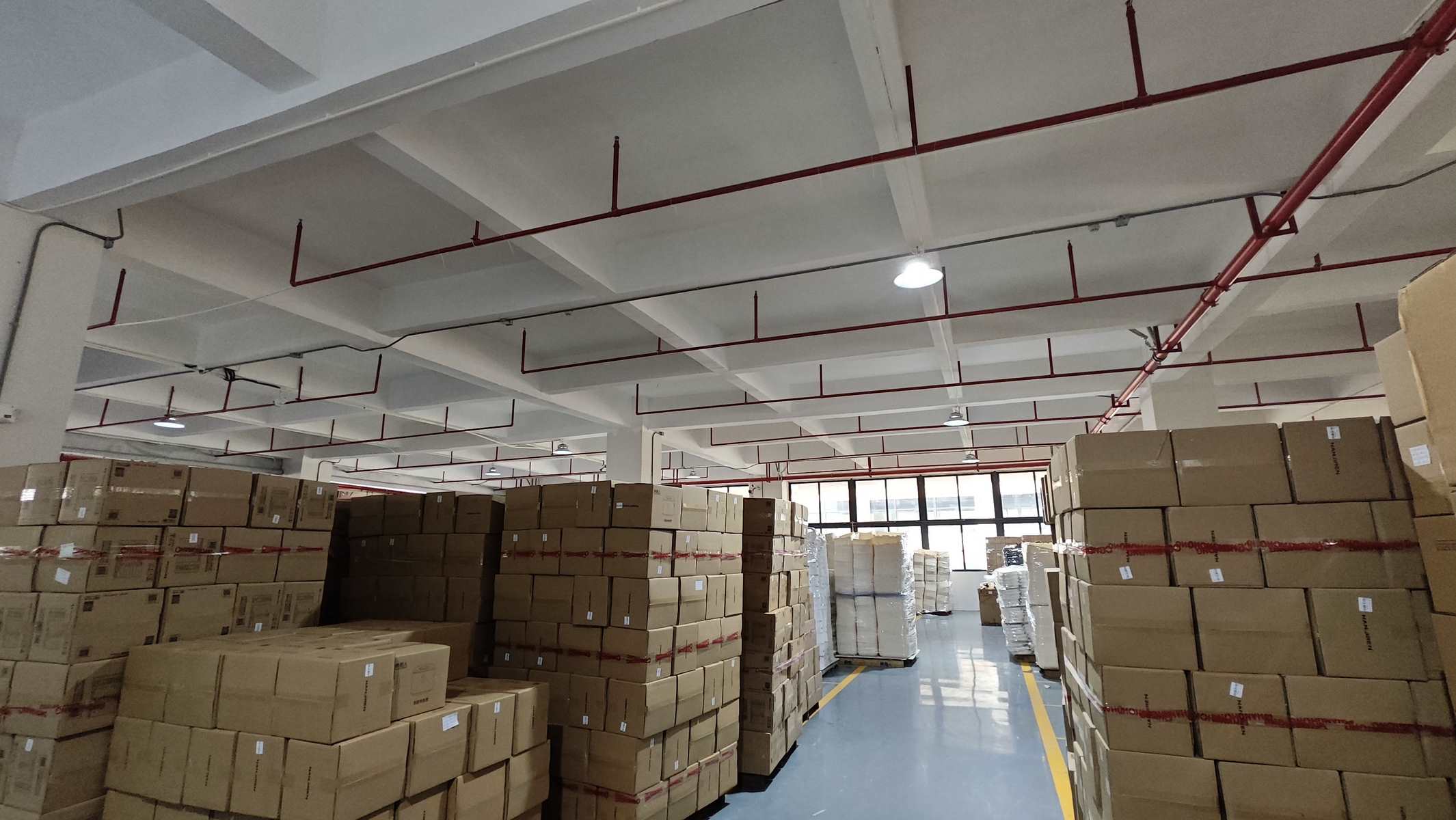
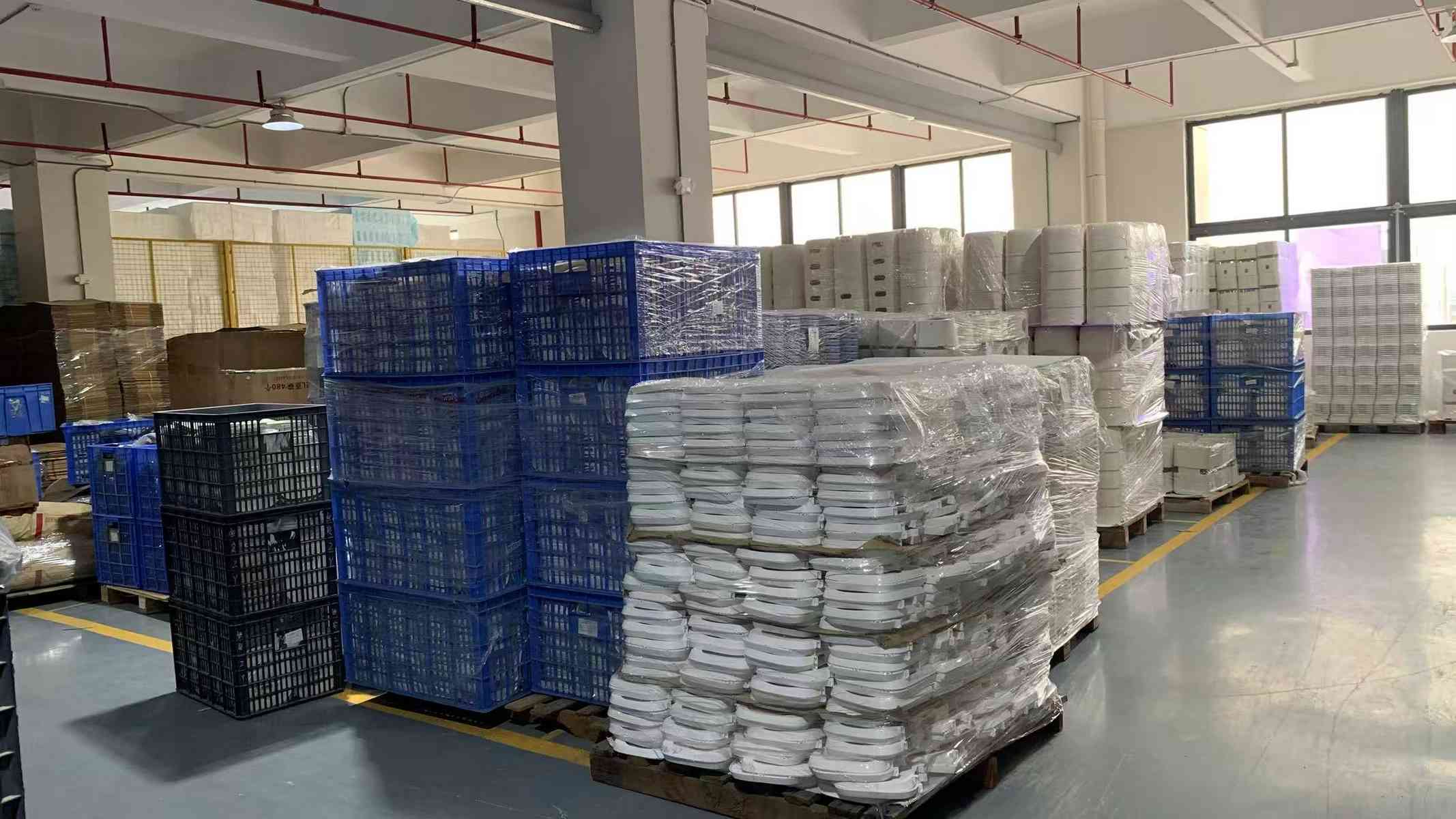
Organizing inventory within a weather-protected, systematically tracked storage zone for optimal handling.
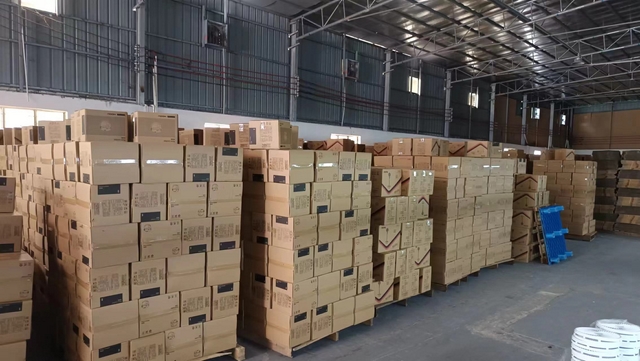
Secure palletization and export container loading for transport to major international shipping routes.
Sourcing entities must anticipate industry movements to secure consumer demand and fulfill corporate social responsibility initiatives.
Global standards for food safety and microplastic containment have restricted the use of traditional fluorinated polymers (PTFE/PFAS). Leading factories are shifting to high-durability ceramic formulations, silicone-based release agents, and water-soluble packaging methods. Guangdong Picky Kitchen's application of non-toxic coatings and premium silicone compositions aligns with regional import bans on perfluorinated compounds.
Modern consumers expect precision control in the kitchen. Handheld and wireless temperature monitors, connected gas regulator systems, and Bluetooth-enabled temperature probes are now standard in high-end culinary packages. Developing these tools requires specialized electronics assembly facilities alongside classic heavy metal press systems.
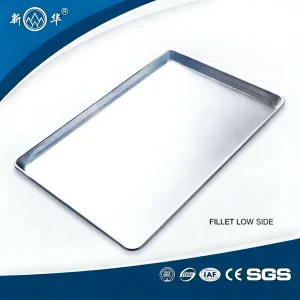
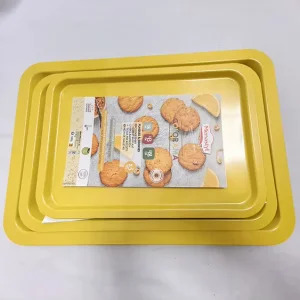
Commercial operations require products that can withstand high temperatures, industrial dishwasher heat, and physical stress. For example, commercial baking pans must resist buckling under high temperatures, and flatware requires balanced weight distributions and comfortable ergonomics. Picky Kitchen uses advanced stamping and automatic cutting machinery to deliver structurally stable designs for intense commercial use.
Technical details and quality standards for evaluating overseas kitchenware and flatware partners.