Picky Kitchen
Picky Kitchen
Picky Kitchen
In the contemporary B2B landscape, the procurement of cooking appliances—particularly pressure cookers—has evolved from simple transactional buying into a high-stakes strategic partnership. With global consumer markets demanding uncompromising safety, smart home integration, and sustainable manufacturing, global brands and hardware distributors rely heavily on robust OEM (Original Equipment Manufacturer) and ODM (Original Design Manufacturer) frameworks. This whitepaper systematically breaks down the technological dynamics, industrial benefits of Chinese manufacturing clusters, safety requirements, and strategic procurement trends shaping the pressure cooker industry today.
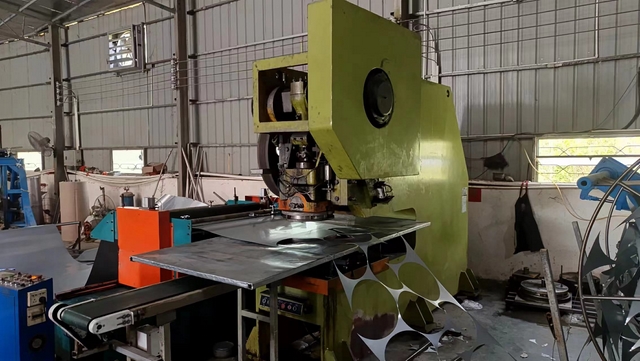
Established in 2005, Guangdong Picky Kitchen Co. Ltd. stands as a benchmark enterprise specializing in high-performance kitchen hardware and functional home hardware systems. Over two decades of intensive development, the company has transitioned from a localized manufacturing unit into a global research, design, and manufacturing force. Operating a state-of-the-art 12,000 square meter facility, Guangdong Picky Kitchen integrates the entire supply chain value matrix under one roof. From initial structural component design, precise mold fabrication, automated tool processing, and CNC machining, to final validation testing, Picky Kitchen delivers unified, high-integrity products that withstand the rigorous demands of domestic and commercial environments.
Our research and development division, comprising metallurgical experts, automation engineers, and industrial designers, continuously innovates to meet the paradigm shifts of global markets. Guided by a design philosophy that harmonizes robust functional safety with sleek modern aesthetics, our capabilities span key mechanical engineering sectors: heavy-duty metal pressing, precision welding, advanced electronics assembly, and exhaustive physical testing. This ensures that every ODM and OEM project is executed with maximum process precision, minimizing lead times and providing unparalleled quality assurance.
A systematic look inside Guangdong Picky Kitchen's end-to-end industrial manufacturing workflows, ensuring strict adherence to global safety and quality criteria.
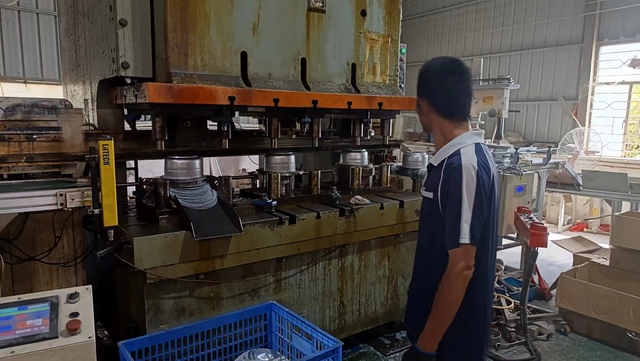
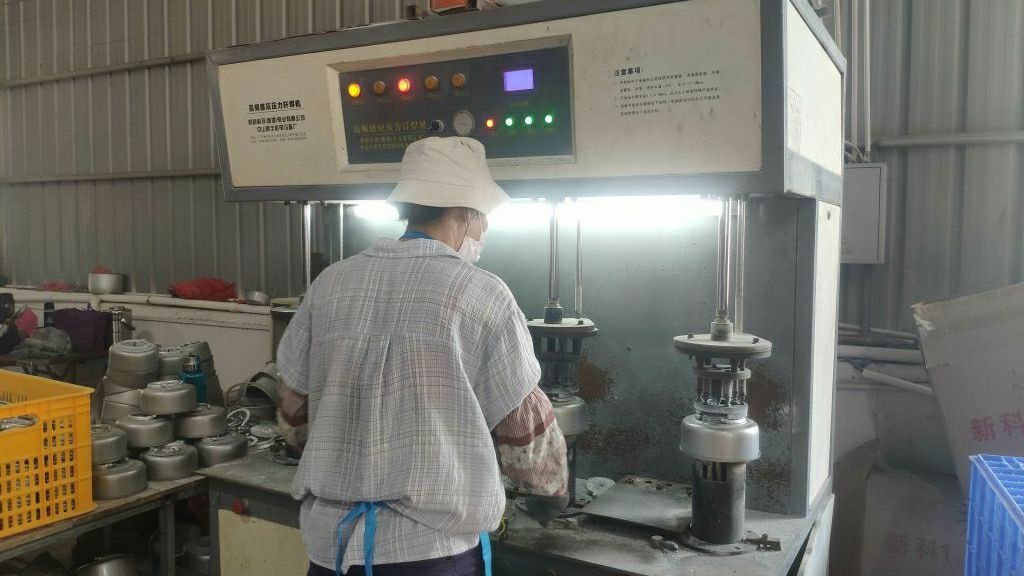
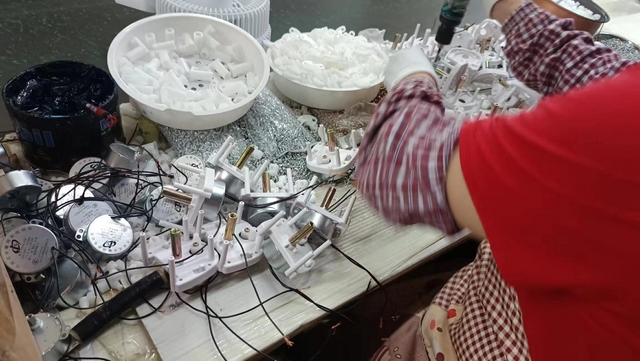
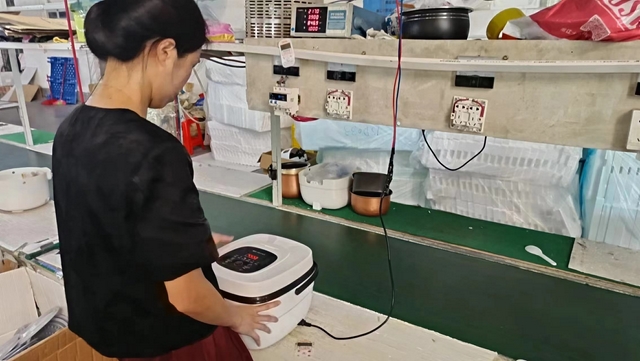
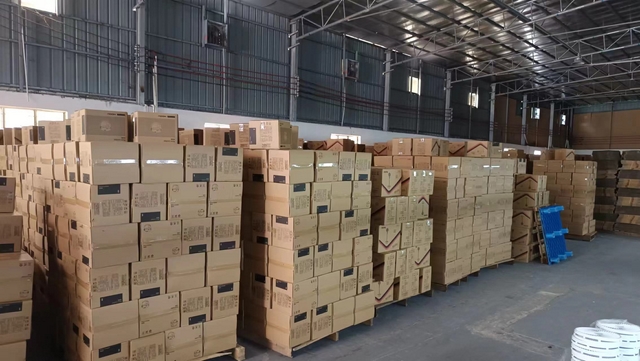
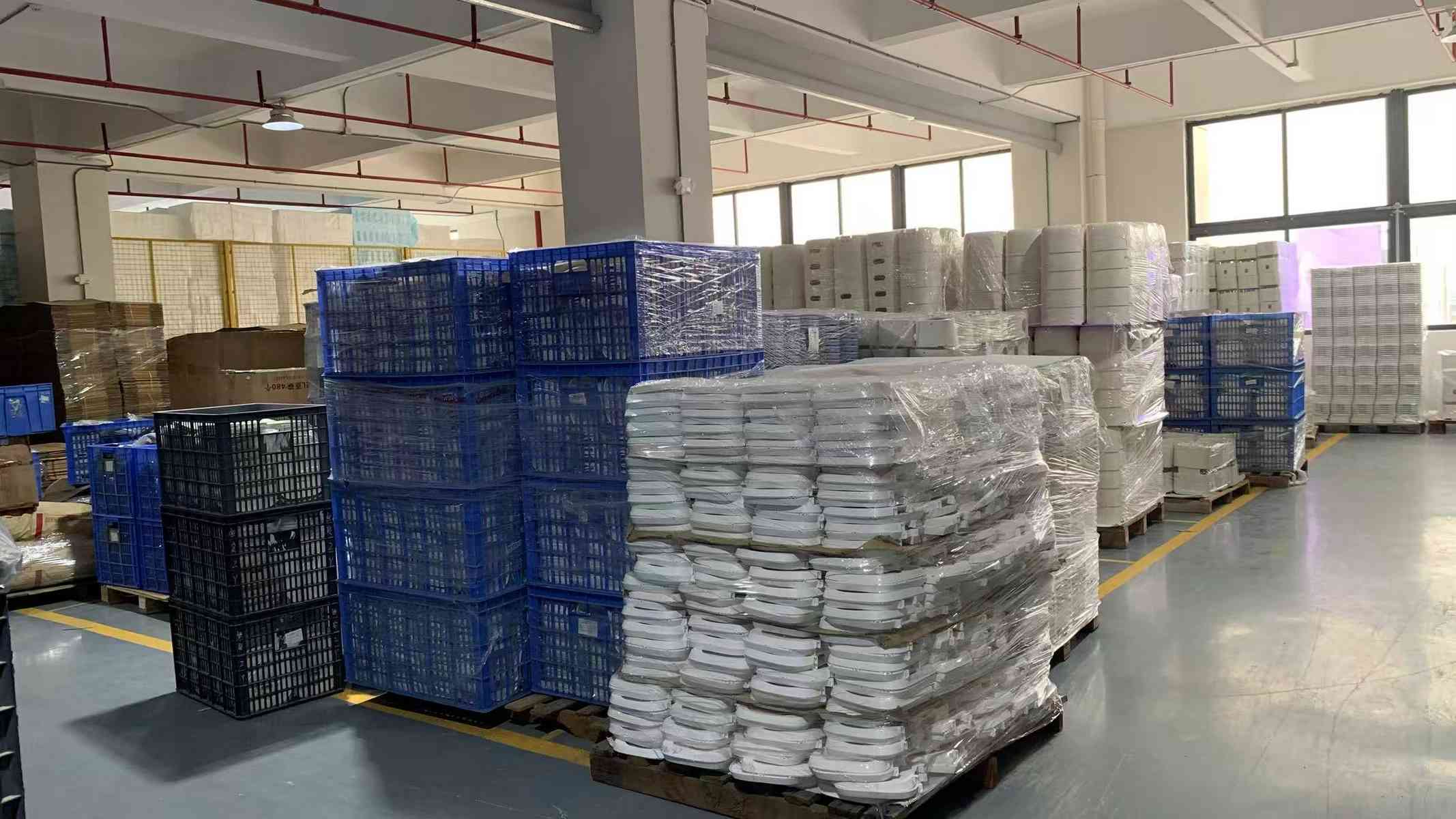
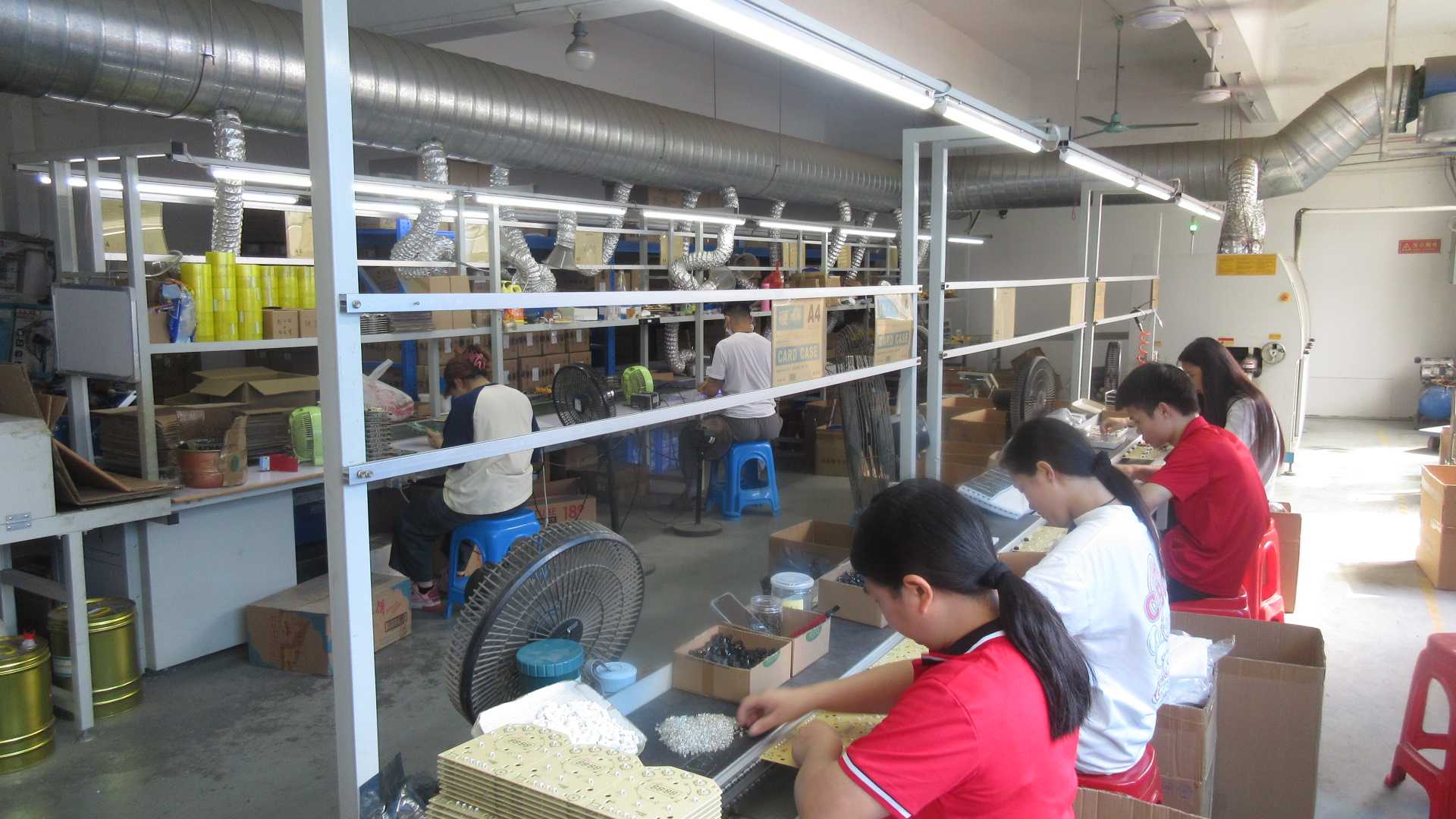
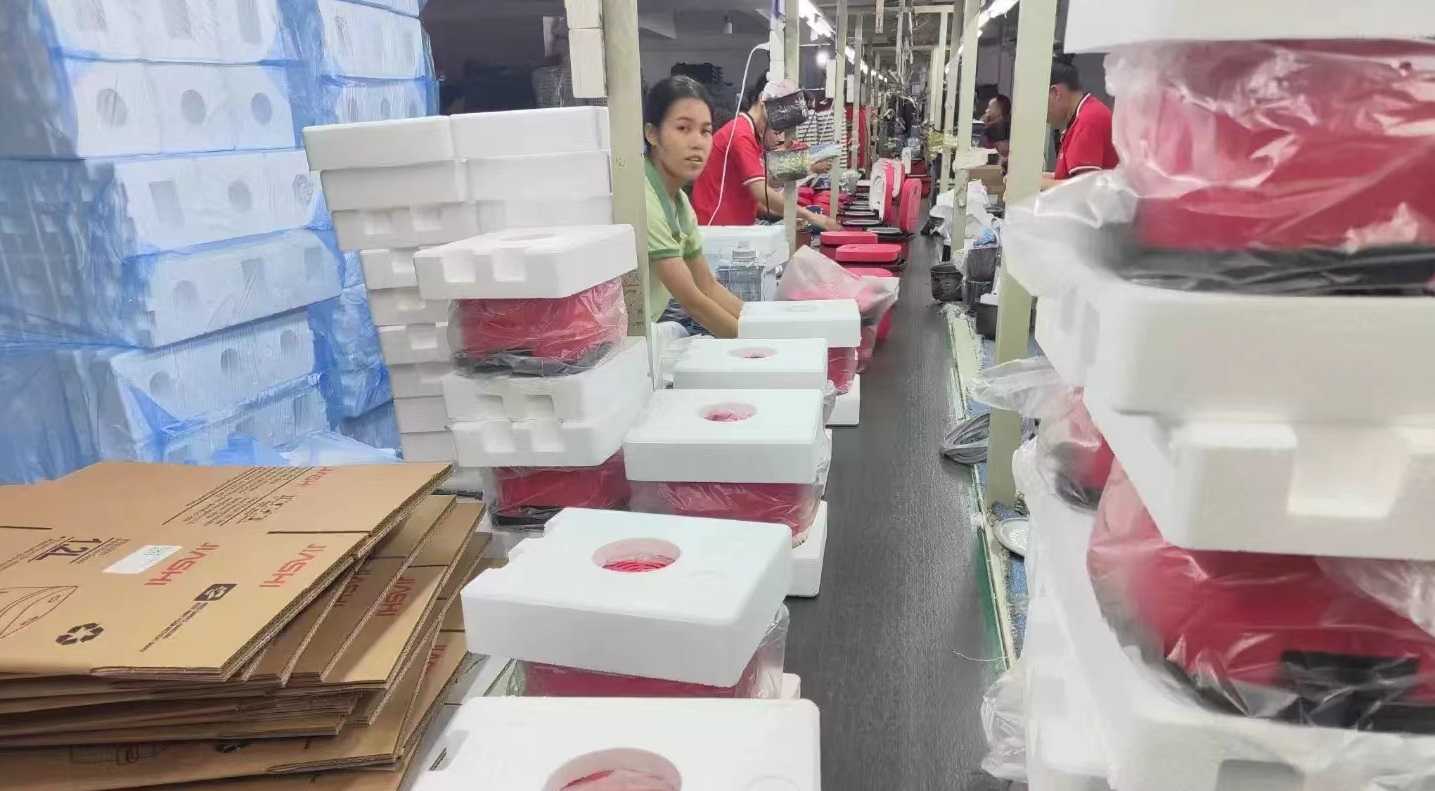
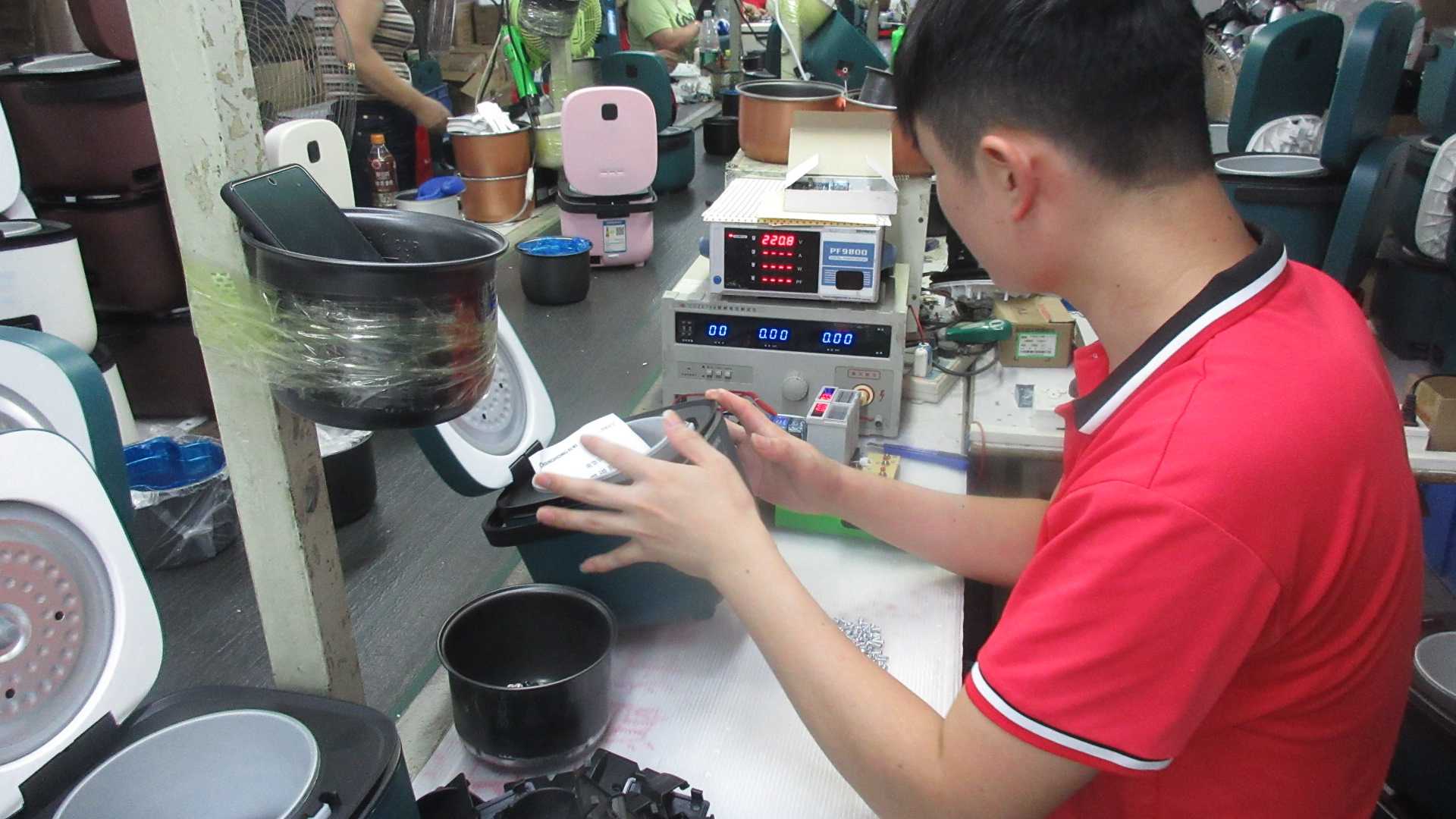
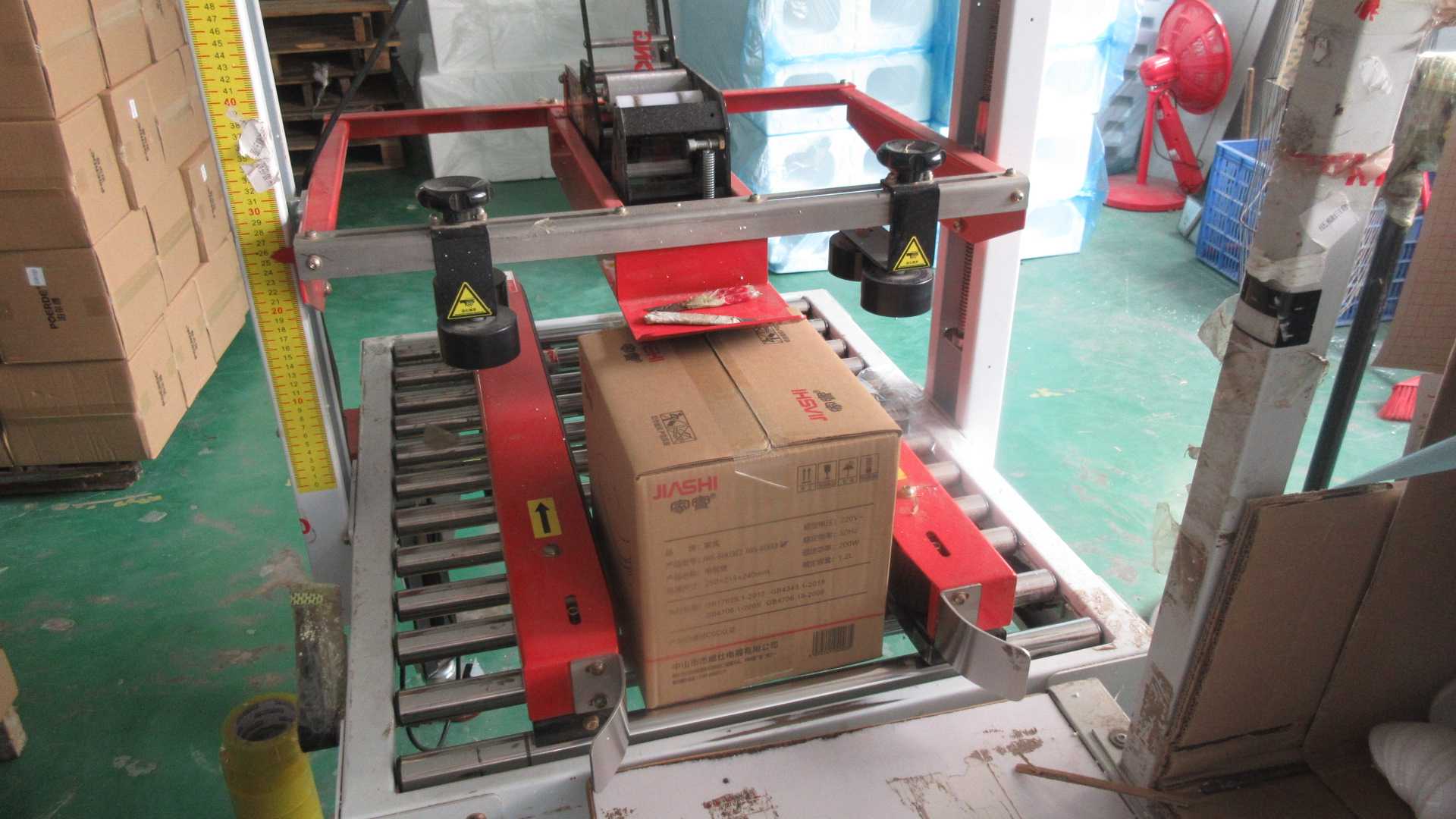
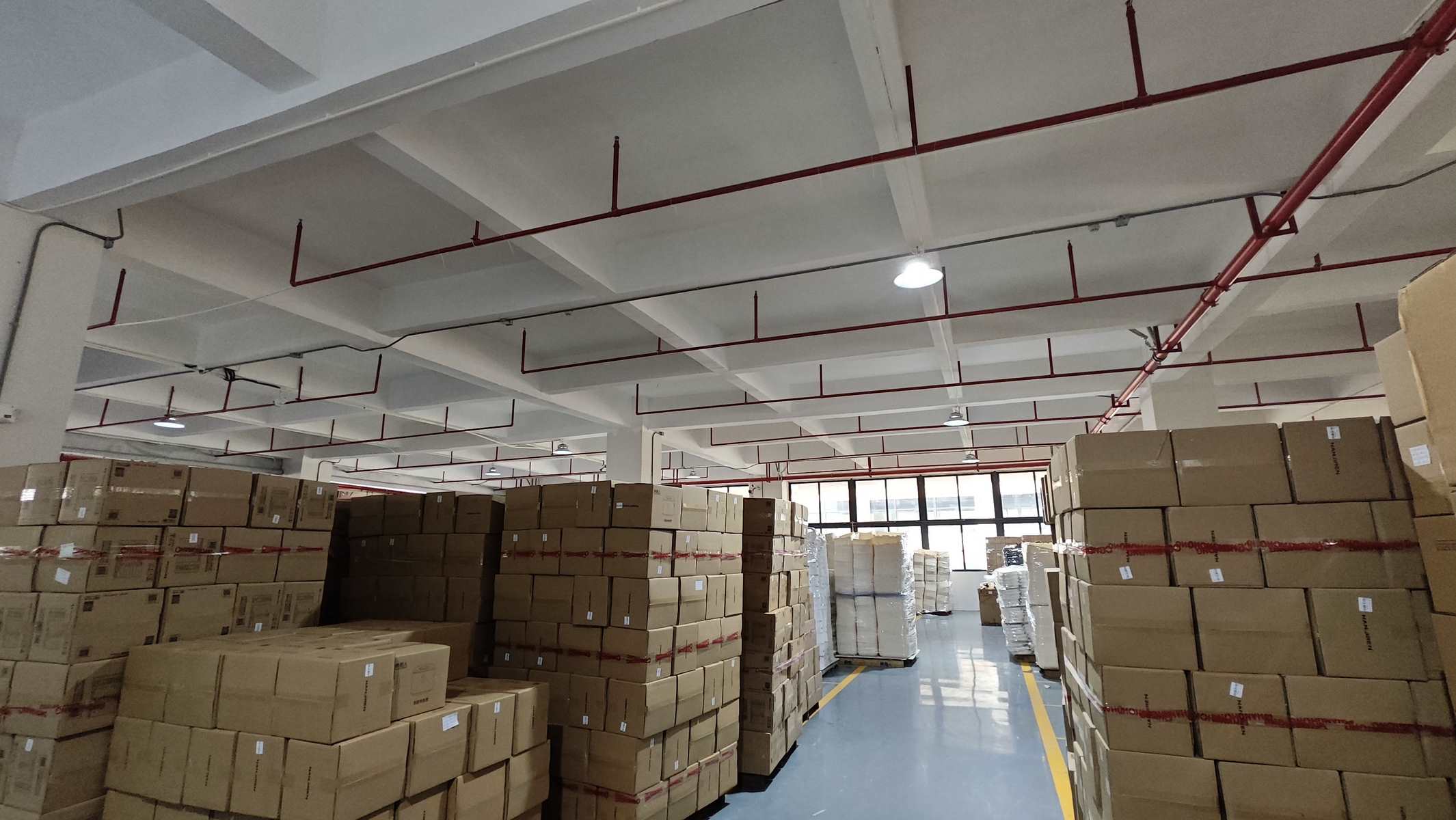
The global dominance of Chinese kitchenware manufacturers is not merely a consequence of cost efficiencies, but rather a reflection of the deep-seated industrial clusters situated primarily in the Guangdong and Zhejiang provinces. These clusters offer an unmatched ecosystem that streamlines the journey from raw materials to shipped goods. By gathering stainless steel mills, electronic microchip designers, structural testing labs, and high-capacity shipping hubs in close proximity, China’s industrial ecosystem drastically reduces supply chain drag.
For pressure cookers, which rely on heavy-duty sheet metals, precision-calibrated valves, and responsive heating elements, this localized synergy is vital. A factory can iterate on a custom tooling design within days rather than weeks, utilizing specialized mold-making shops right next door. Furthermore, the concentration of expertise means that quality control practices are mature, and factory floors are populated by technicians who understand the tight dimensional tolerances required for high-pressure seals. This network effect translates into lower overhead, faster lead times, and higher consistency for international OEM partners.
Modern pressure cookers have moved far beyond the simple, noisy stovetop vessels of the past. Today’s market is dominated by Electric Pressure Cookers (EPCs) equipped with microprocessors that regulate heat and pressure dynamically. Multi-stage safety mechanisms are now the standard, engineered to prevent accidental lid opening when internal pressure exceeds a safe threshold (typically 104 kilopascals). These safety parameters require advanced engineering, incorporating pressure-sensitive locks, backup steam-release valves, and smart sensors that shut down the unit if temperature spikes abnormally.
To access high-value markets, products must hold multiple international safety and compliance certificates. These certifications, such as **CE**, **CB**, **UL**, **GS**, and **RoHS**, serve as non-negotiable baselines for commercial retailers. Material selection is equally critical; interior cooking surfaces must be certified food-safe by agencies like the **FDA** and **LFGB**. This means only premium materials such as Food-Grade 304 Stainless Steel or durable, PFOA-free ceramic coatings are viable. At Guangdong Picky Kitchen, our dedicated QA labs subject every unit batch to intense pressure stress tests and continuous cycle runouts, validating safety margins long before the goods reach the container yard.
Intent Analysis: Search behavior in the commercial kitchenware sector highlights a rising demand for IoT-enabled cooking equipment. Multi-unit operators and high-end consumer brands seek cookers with mobile applications, cloud-saved culinary profiles, and real-time remote telemetry. In response, Guangdong Picky Kitchen has integrated Bluetooth and Wi-Fi capabilities directly into our PCB design workflow, allowing for custom firmware updates and remote diagnostics. This proactive adaptation is key to securing top-tier positions in modern semantic search queries.
Global enterprise buyers face complex supply chain risks: fluctuating raw material costs, shifting tariff policies, and international shipping disruptions. Navigating these challenges requires partnering with agile, high-capacity factories. Flexible manufacturers protect their partners from volatility by implementing modern resource planning systems, maintaining strategic stockpiles of raw steel, and building relationships with multiple shipping lines. A factory that offers end-to-end integration—from stamping to final packaging—mitigates the risk of third-party delays and provides transparent, predictable pricing.
Furthermore, custom packaging and optimized container utilization are crucial for keeping unit transport costs low. A successful OEM partner must offer tailored packaging options, ranging from retail-ready color boxes with drop-tested protective structural inserts to high-density bulk packs for commercial operations. By optimizing pallet and container configurations, importers save significantly on freight costs, improving their bottom-line margins in a highly competitive market.
Understanding the final application environment of a pressure cooker is essential for designing products that resonate with end-users. Stovetop pressure cookers remain popular in regions with high-powered gas burner setups, such as parts of Central Europe and South Asia, due to their simplicity and rapid heating. Conversely, North American and East Asian urban markets favor electric pressure cookers with pre-programmed modes for local dishes (e.g., rice cooking, slow cooking, stewing, and yogurt making). In commercial environments, such as quick-service restaurants or institutional kitchens, durability and rapid cycle times are the primary requirements, dictating heavy-gauge cast metal bodies and reinforced lock-down bars.
Understanding these distinct application scenarios allows our OEM/ODM clients to target specific market niches. Whether designing a compact, low-noise model for modern city apartments or a rugged, high-capacity unit for food service businesses, customizing the product parameters (power ratings, interface design, cooking presets, and lid-seal mechanics) ensures direct market fit. Guangdong Picky Kitchen leverages this user intent data to guide our R&D efforts, helping clients select the right configurations for their target demographics.