Picky Kitchen
Picky Kitchen
Picky Kitchen
Explore our core high-performance kitchen appliances and supporting hardware components designed to streamline commercial food prep and industrial processes.
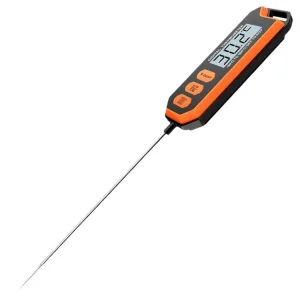
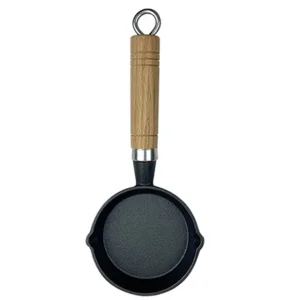
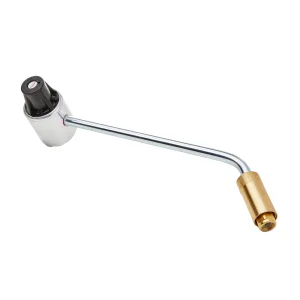
The global breakfast and quick-service restaurant (QSR) sectors have witnessed a transformative shift over the last decade. As consumer demand for convenient, high-quality, and structurally consistent breakfast products like pancakes, crepes, and waffles accelerates, the role of high-throughput industrial pancake makers has become paramount. No longer relegated to simple household cooktops, modern pancake makers are complex thermal engineering devices designed to maintain high thermal efficiency, precise temperature control, and automated operation in challenging, high-volume B2B environments.
From commercial hotel breakfast bars to massive industrial baking operations, global sourcing managers look for pancake makers that offer fast heat-recovery times, uniform heat distribution across the cooking surface, and low maintenance overheads. Manufacturers have shifted from traditional open-flame systems to highly controlled electrical heating elements and induction cooking interfaces. This transition minimizes energy waste, provides safer working conditions for kitchen personnel, and ensures that each pancake meets exact texture and color specifications.
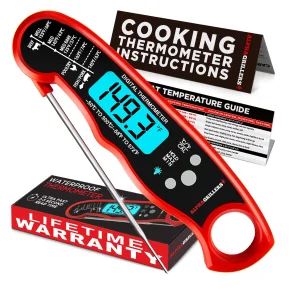
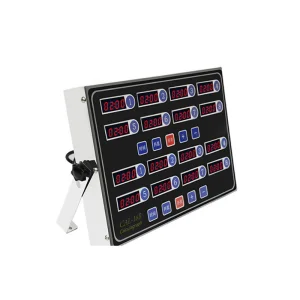
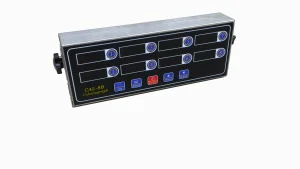
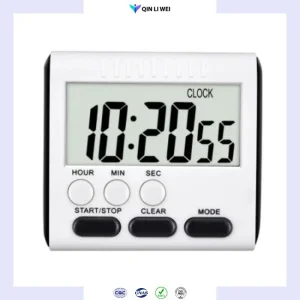
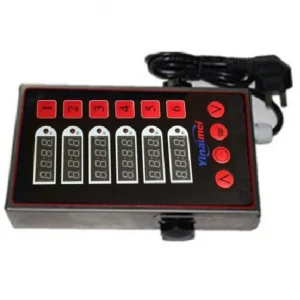
The integration of advanced electronic components is also redefining commercial kitchen operations. Multi-channel timers and precision thermometers are now commonly integrated directly into cooking stations. By using devices like the Digital Timer 8-Channel for Kitchen Use, commercial kitchens can run multiple baking cycles simultaneously without risking over-baking. Additionally, accurate food monitoring via calibration devices like the Waterproof BBQ Meat Thermometer ensures that supplemental ingredients and batter temperatures are maintained within safe microbiological parameters.
Established in 2005, Guangdong Picky Kitchen Co. Ltd. has grown into a highly diversified and innovation-driven enterprise specializing in kitchen hardware and functional home hardware systems. Centered on research, design, manufacturing, and global distribution, the company is dedicated to delivering high-quality, integrated kitchen hardware solutions for customers worldwide. The company firmly believes that the kitchen is not only a functional space for cooking, but also a key reflection of lifestyle quality. Guided by this philosophy, it consistently pursues the integration of functional excellence and aesthetic innovation.
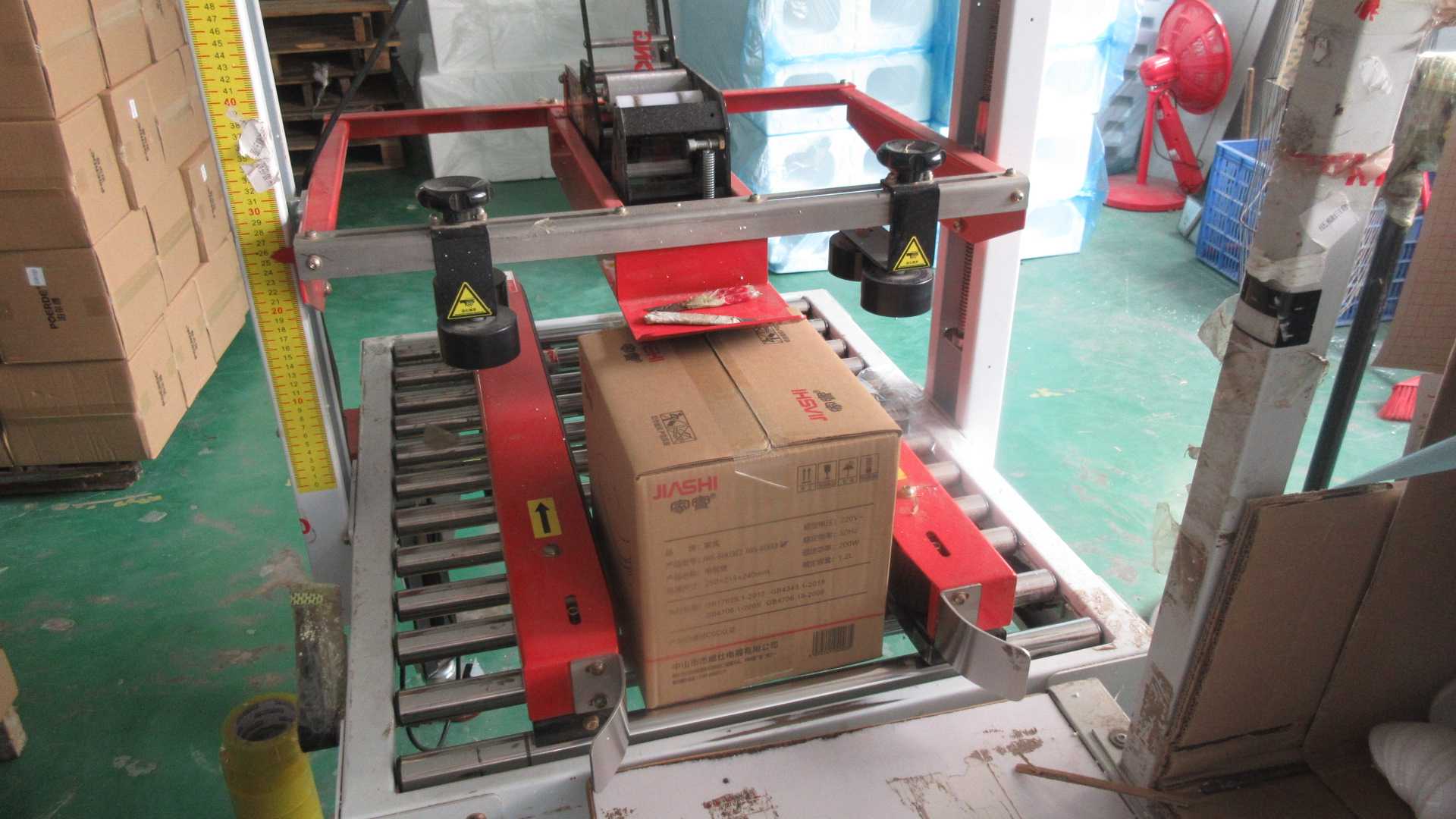
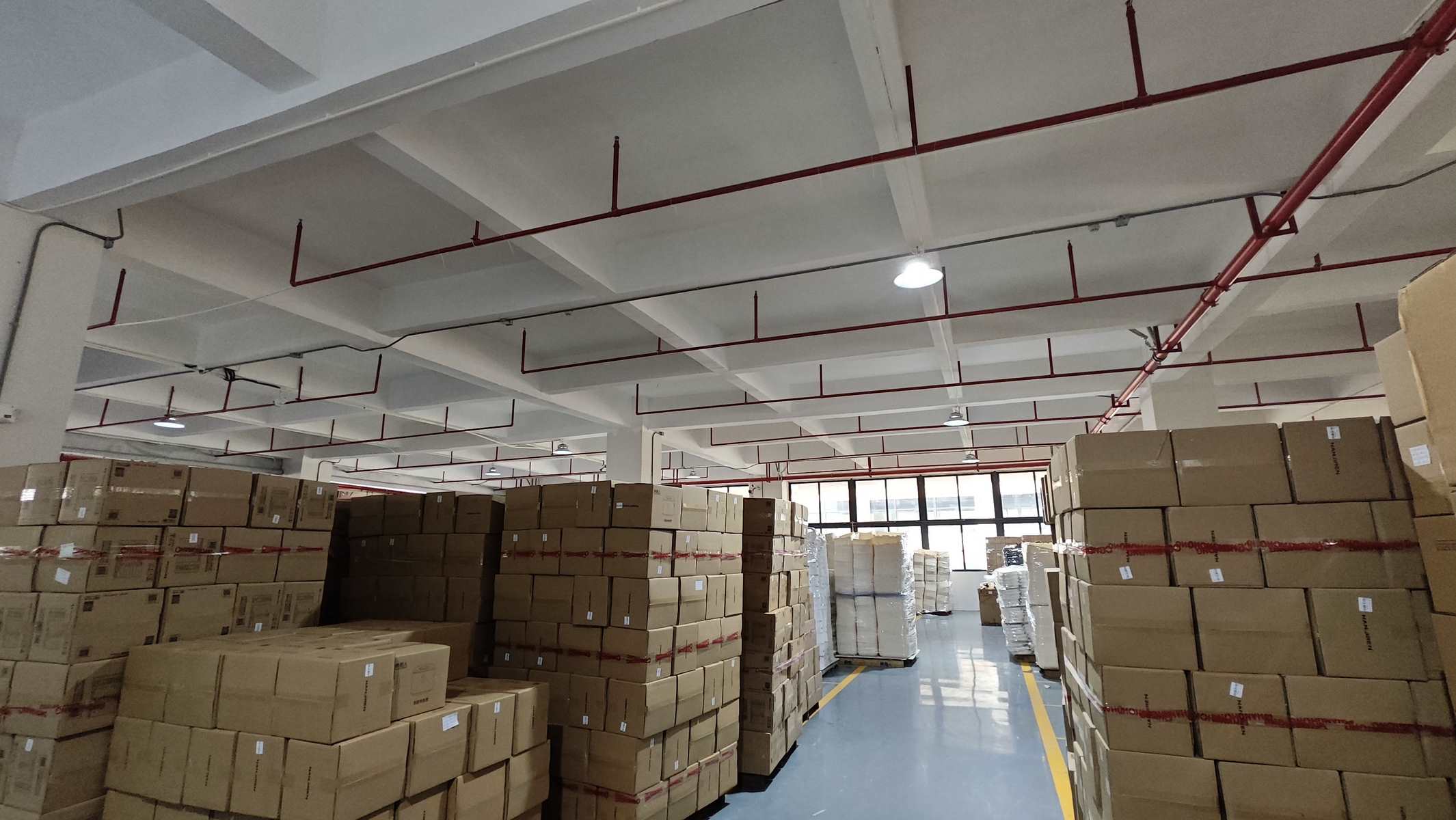
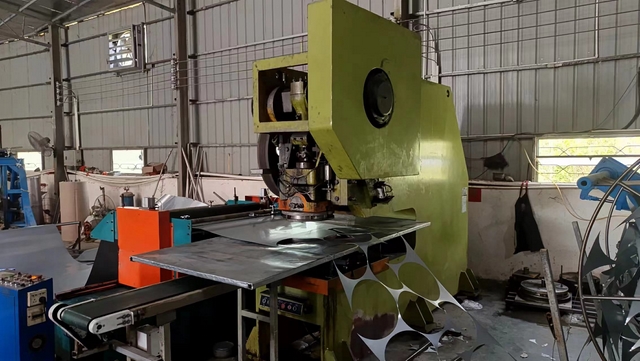
Operating out of a modern manufacturing facility covering approximately 12,000 square meters, the company has implemented advanced production lines and comprehensive quality control systems. This facility serves as the backbone of its manufacturing capability, ensuring both efficiency and product consistency. Its production scope includes structural component design, precision stamping and die-casting, CNC machining, automated tool processing, mold development and fabrication, laser welding, assembly, and final testing. This full-chain manufacturing system enables Guangdong Picky Kitchen Co. Ltd. to provide one-stop solutions while maintaining strict control over quality and lead times, as well as responding quickly to customized client requirements.
Technological innovation is driven by a skilled and experienced R&D team composed of engineers specializing in structural design, mold development, industrial design, and automation systems. This team is responsible not only for new product development but also for continuous improvement of manufacturing processes and material applications. Through ongoing innovation, the company ensures its products deliver superior durability, smooth operation, structural stability, and design refinement, keeping pace with global kitchen hardware trends.
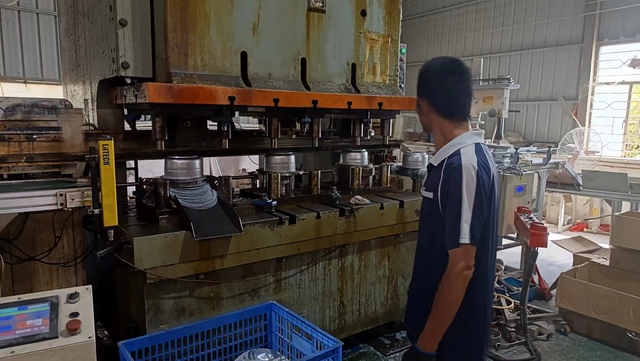
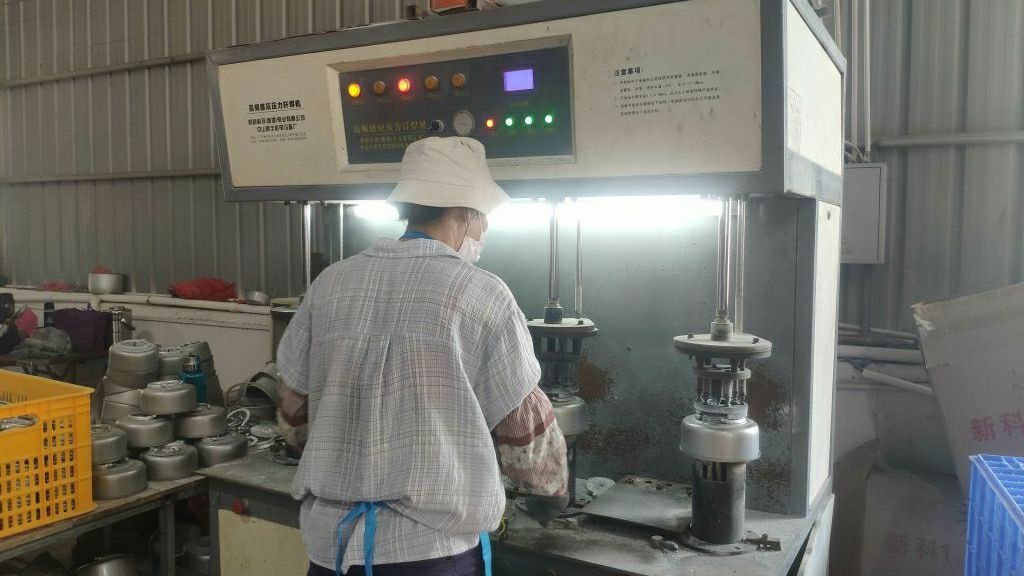
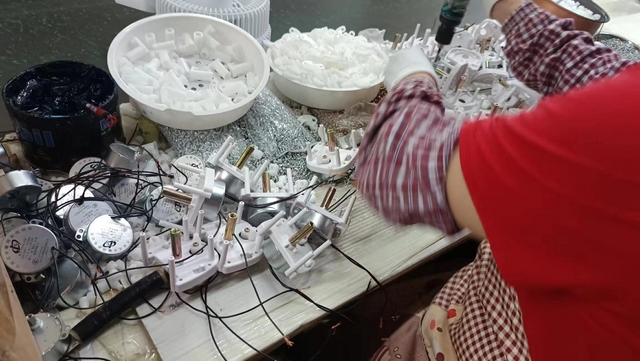
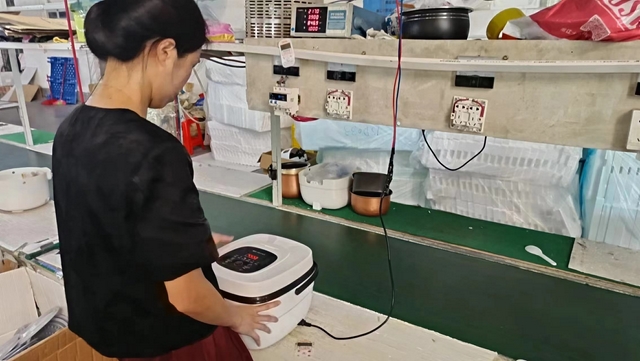
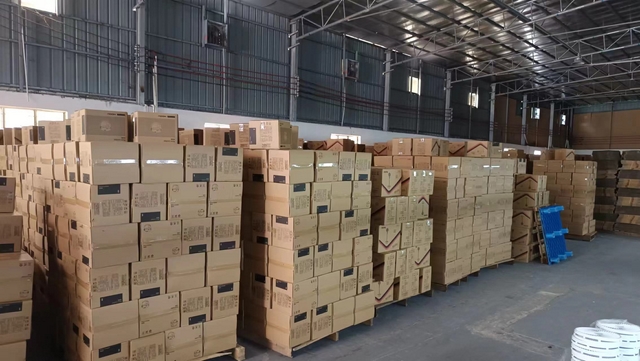
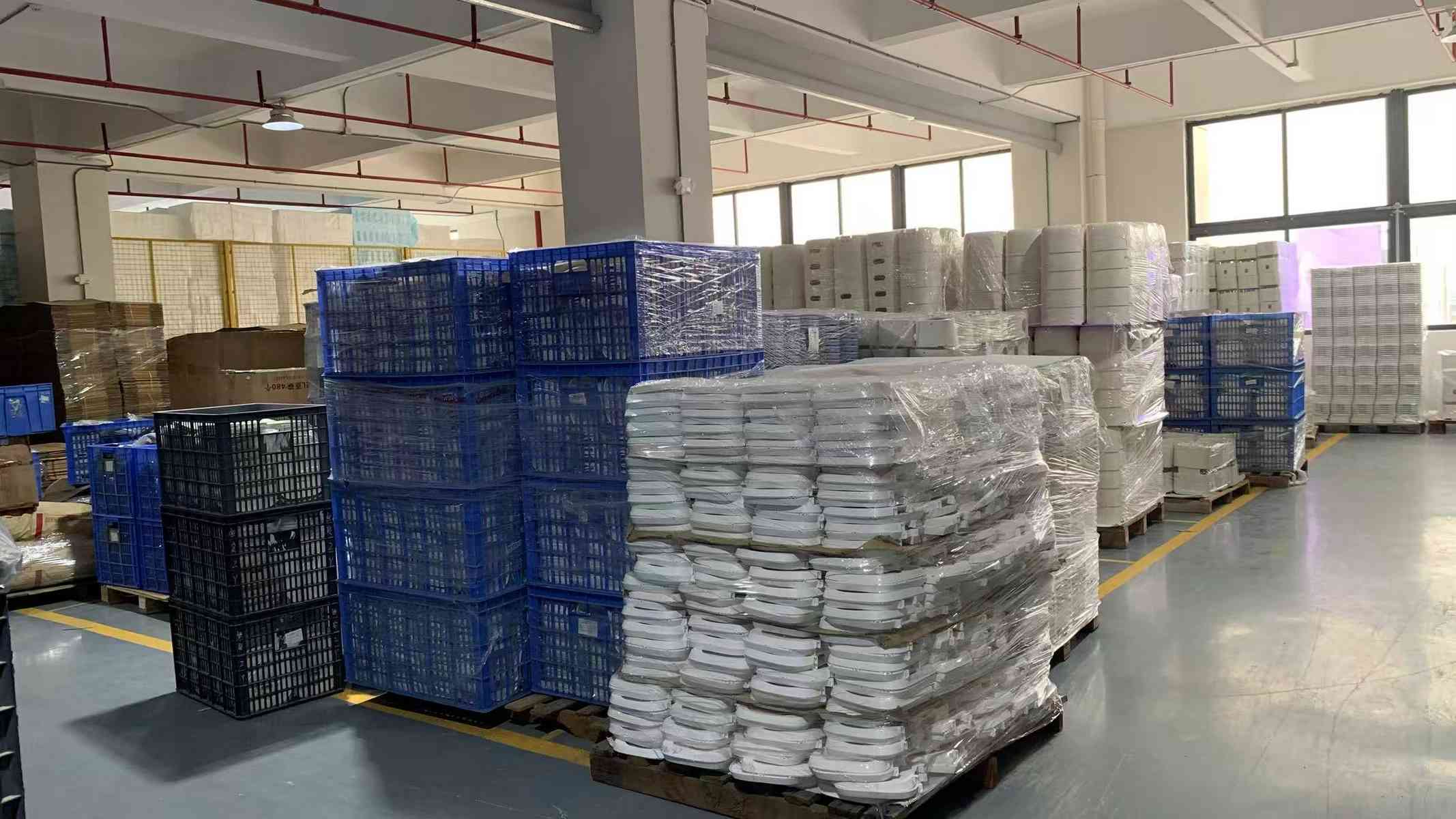
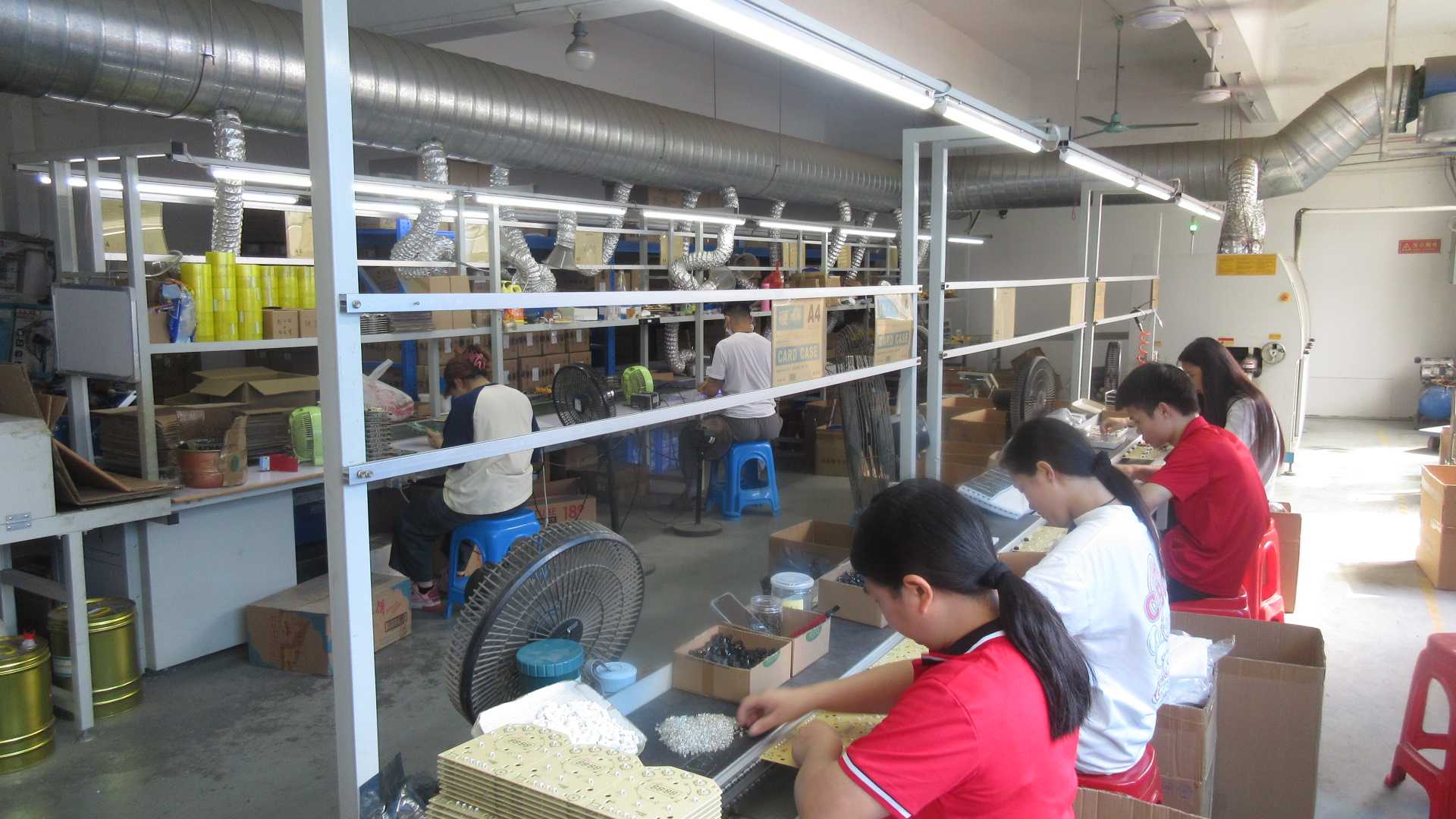
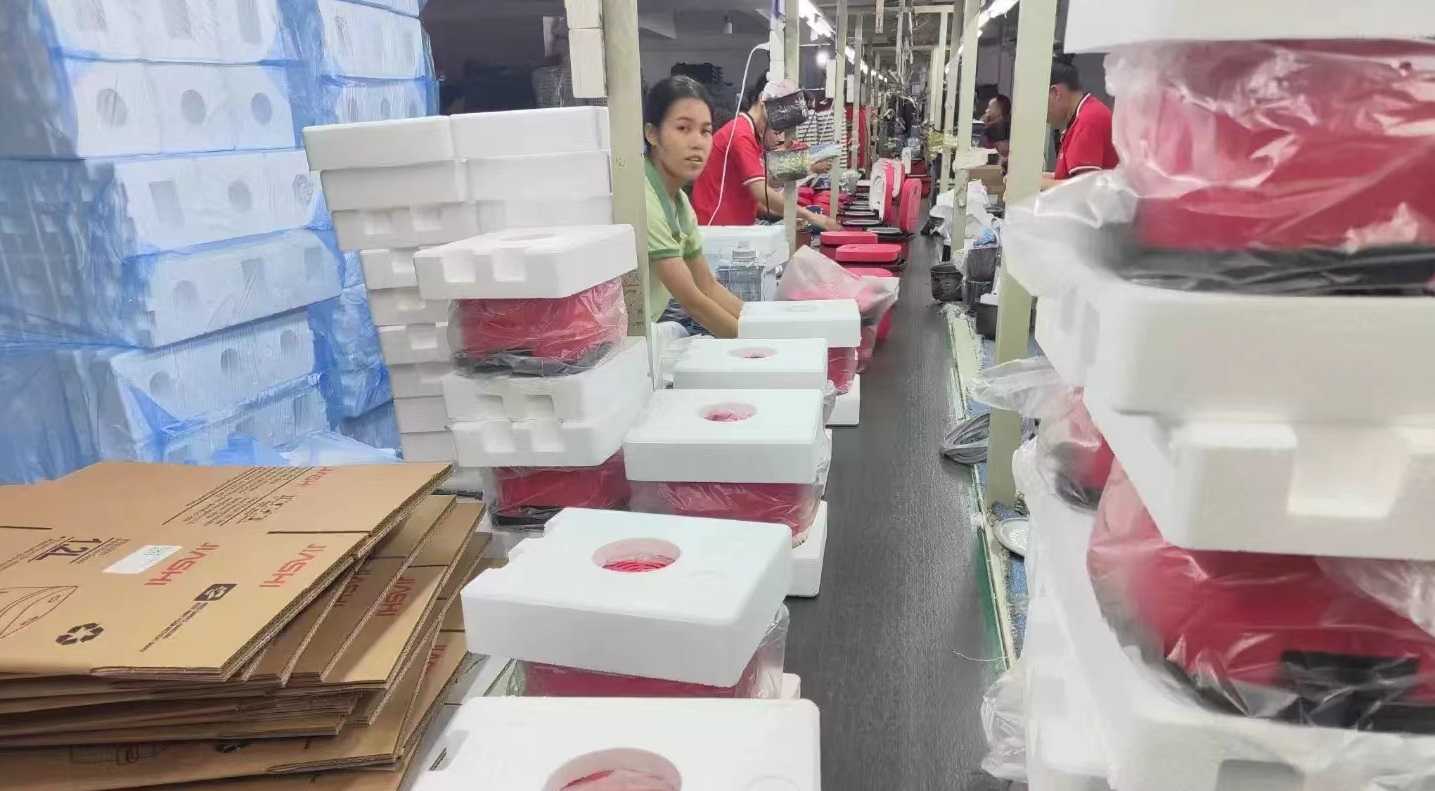
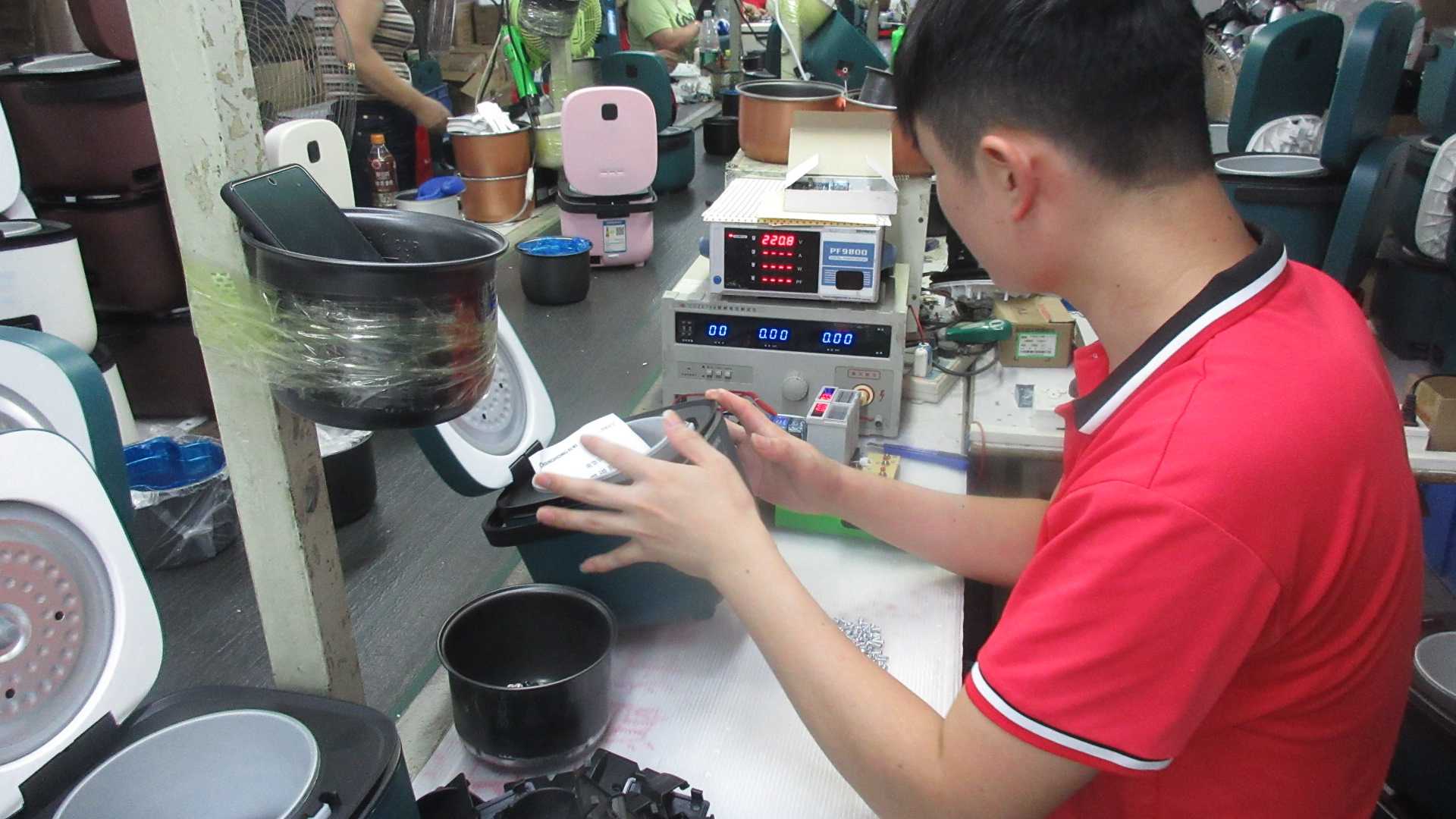
The global dominance of Chinese manufacturers in the kitchen appliance sector is not purely based on labor cost advantages; it is driven by supply chain density, infrastructure maturity, and aggressive adoption of automation. Guangdong province, in particular, has emerged as the premier global cluster for electrical heating and kitchen hardware manufacturing. Sourcing OEM/ODM pancake makers from this region offers B2B buyers unparalleled benefits:
Chinese factories are supported by local clusters providing every component required for production, from raw steel and specialized food-grade cast iron to electronic circuit boards and custom packaging. This localized density eliminates international transport delays for components, enables rapid prototyping, and significantly reduces the overall manufacturing lead time. For example, local access to PCB assembly plants enables seamless integration of advanced digital control units and timers into multi-station cooking equipment without extending production timelines.
With massive investments in R&D and precision machinery, Chinese ODM suppliers can translate raw design concepts into functioning prototypes in record time. Advanced tooling operations allow factories to customize plate shapes, embed specific heating element patterns, and develop proprietary non-stick surfaces (such as PTFE-free ceramic or seasoned cast iron). Whether designing a specialized waffle maker, a crepe griddle, or an automated mini-pancake production line, our engineers can customize the thermodynamic properties of the unit to optimize energy output and bake times.
To comply with stringent international standards (such as FDA, LFGB, CE, UL, and RoHS), top-tier Chinese factories utilize automated testing equipment for electrical safety, heat resistance, and structural integrity. For instance, high-pot testing, leak current measurements, and lifecycle fatigue testing are standard protocols executed on 100% of finished assemblies. Sourcing teams gain complete transparency, with direct access to inspection reports, material certifications, and chemical compatibility data for all food-contact surfaces.
Pancake makers are utilized across diverse commercial and geographic environments, each presenting distinct engineering and operational requirements. Understanding these localized application scenarios helps sourcing managers identify the exact specifications needed for their specific deployment context:
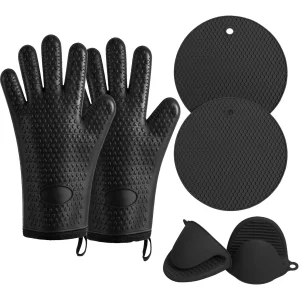
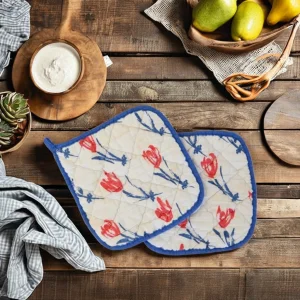
In high-throughput environments like urban diners, breakfast chains, and QSRs, speed and consistency are the primary metrics. Equipment must operate continuously for hours without experiencing thermal drop-off. For these operations, heavy-duty cast iron griddles with independent thermostat controls are preferred. Due to high physical stress, operators require auxiliary protection accessories like recycled cotton or silicone oven mitts to prevent thermal injuries, along with loud, multi-channel timers to guide staff in noisy, high-pressure environments.
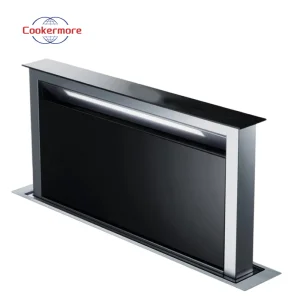
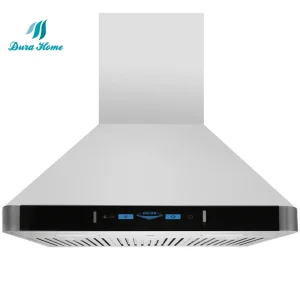
Hotels require aesthetic, quiet, and highly automated front-of-house equipment. Self-service pancake stations require intuitive interfaces, automatic portion control, and cool-touch outer housings to prevent accidents involving guests. Integrated safety switches and proximity sensors ensure the machine only operates when a plate is in position. Additionally, integrated ventilation solutions, such as downdraft range hoods, are crucial to prevent cooking fumes and steam from entering the guest dining area.
Mobility presents unique structural and fuel challenges. Food truck operators often depend on LP gas systems rather than high-amperage grid electricity. Sourcing managers for these applications look for specialized gas-fueled griddles equipped with heavy-duty propane regulators to guarantee stable gas flow under fluctuating outdoor temperatures. Durable, weather-resistant structural frames and compact, space-saving designs are critical for mobile kitchens.
B2B procurement managers face multiple operational hurdles when sourcing electrical kitchen appliances globally. Addressing these pain points requires a combination of engineering solutions, strict supply chain management, and regulatory compliance:
A primary failure point in commercial pancake makers is the deterioration of the non-stick coating. Traditional coatings containing PFOA or other harmful fluorochemicals face strict import bans and consumer backlash. Premium OEM/ODM manufacturers address this by offering advanced eco-friendly ceramic coatings or high-density food-grade silicone surfaces. These coatings are tested to endure thousands of abrasion cycles while complying fully with FDA and LFGB chemical safety standards.
Varying international electrical systems present compatibility challenges. A unit designed for a 110V/60Hz grid in North America will fail on a 230V/50Hz European grid unless the internal heating elements and control circuitry are specifically engineered for the target voltage. Professional ODM suppliers design modular power architectures, allowing the same physical chassis to be fitted with different heating element arrays and control systems depending on the destination market's voltage, frequency, and plug configuration.
Heavy kitchen equipment with cast-iron components is susceptible to damage during maritime transport and rough logistics handling. Breakage of control dials, heating element deformation, and structural misalignment are common issues. Sourcing partners combat this by implementing ISTA-certified packaging standards, utilizing molded foam inserts, reinforced cardboard housings, and securing internal wire harnesses with high-temperature industrial zip ties and localized silicone insulation pads.
Responding to the global shift toward smart homes, industrial automation, and sustainable manufacturing, Guangdong Picky Kitchen Co. Ltd. is actively advancing three strategic directions to shape the future of commercial kitchen equipment:
The kitchen is rapidly entering the digital age. Future commercial pancake makers will feature IoT connectivity and smart thermal sensors. By integrating microprocessors and digital temperature probes directly into the heating plate, these smart units can monitor batter moisture levels, automatically adjusting cook times and temperatures dynamically. Sourcing managers can track machine telemetry, diagnostic errors, and total operation hours remotely via centralized cloud dashboards.
Industrial sustainability is no longer optional. B2B buyers are actively seeking out manufacturers who prioritize green processes. This includes the integration of low-VOC powder coatings, bio-based surface treatments, and fully recyclable metal structures. By utilizing recycled cotton pot holders, silicone trivets, and non-toxic materials, manufacturers can significantly reduce the carbon footprint of their entire product lifecycle.
Building greener factories requires optimization at the production stage. By adopting high-efficiency laser cutting lines, robot-guided welding, and automated assembly systems, manufacturing plants can minimize raw material waste and energy consumption. This shift toward smart manufacturing ensures tighter tolerance controls, resulting in exceptionally durable products that require less frequent replacement, aligning with the principles of the circular economy.
Technical and logistical insights to assist procurement teams in making informed, high-value purchasing decisions.
Complete your kitchen setup with our specialized, high-grade auxiliary tools and replacement parts engineered for durability and efficiency.