Picky Kitchen Picky Kitchen

OEM/ODM Fish Grilling Baskets Factories & Supplier

Precision-Engineered Outdoor & Kitchen Hardware Solutions. Serving Global Brands, Retailers, and Importers with Heavy-Duty 304 Stainless Steel Culinary Tools.

OEM/ODM Fish Grilling Baskets: A B2B Sourcing Guide for Global Brands

In the highly competitive outdoor cooking and kitchenware markets, sourcing high-performing grilling accessories demands a deep understanding of metal fabrication, material specifications, and regulatory compliance. Grilling fish presents unique challenges—specifically skin adhesion, uneven heat application, and mechanical structural collapse during rotation. Consequently, enterprise buyers look for premium OEM/ODM fish grilling baskets that offer thermal integrity, ergonomics, and food safety.

As outdoor cooking transitions from a simple cooking method to a refined culinary art, consumer expectations have risen. High-volume procurement requires moving away from generic, easily warped wire designs. Today's commercial markets require custom-engineered baskets built from high-tensile, food-grade alloys, developed by established manufacturers. In this whitepaper, we examine the manufacturing requirements, material science, and strategic production advantages that define industry-standard grilling hardware.

2005
Established Year
12,000m²
Production Facility
100%
FDA & LFGB Compliant
OEM/ODM
Custom Solutions

1. Material Integrity: Stainless Steel Grade Selection

Choosing the correct alloy is critical for direct-flame cooking equipment. Lower-tier suppliers often use low-grade chromium-plated carbon steel to reduce costs. However, these coatings quickly degrade under high thermal stress, exposing the base metal to oxidation, rust, and food contamination.

For premium B2B programs, Food Grade 304 Stainless Steel (18/8) is the industry standard. This material features high nickel (8-10.5%) and chromium (18-20%) content, providing excellent resistance to rust and oxidation at grilling temperatures up to 800°C. For premium coastal or marine products, 316 Stainless Steel is used to resist saltwater-induced pitting. This material is further enhanced by food-safe electrolytic polishing, which smooths out microscopic crevices to prevent food particles from adhering to the metal.

2. Structural Design Challenges: Preventing Thermal Distortion

A common issue with wire grid designs is thermal expansion warping. When subject to temperatures between 250°C and 400°C, the wire frame expands. If the basket joints are welded too rigidly without expansion relief, or if the wire diameter is too thin, the structure will warp, preventing the basket from closing securely.

Premium OEM/ODM designs address this with several engineering details:

  • Optimized Outer Frame Wire Diameters: 4.5mm to 6.0mm wire gauge frames provide a strong structural boundary.
  • Floating Inner Mesh Integration: Micro-crimped mesh configurations allow the wire to expand and contract without warping the outer frame.
  • Cross-braced Spot Welds: CNC spot welding ensures consistent weld penetration, preventing stress-cracking during rapid cooling cycles.

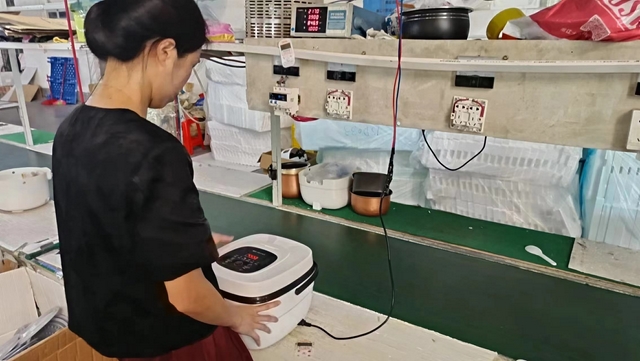
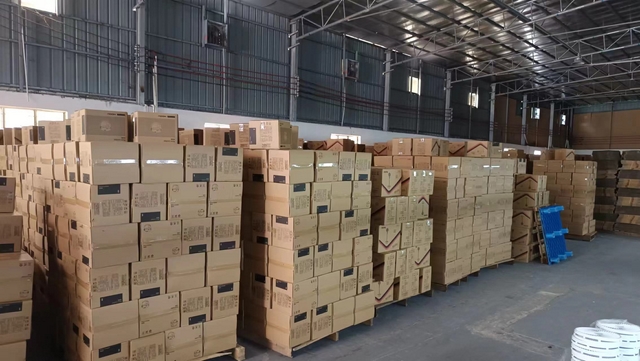
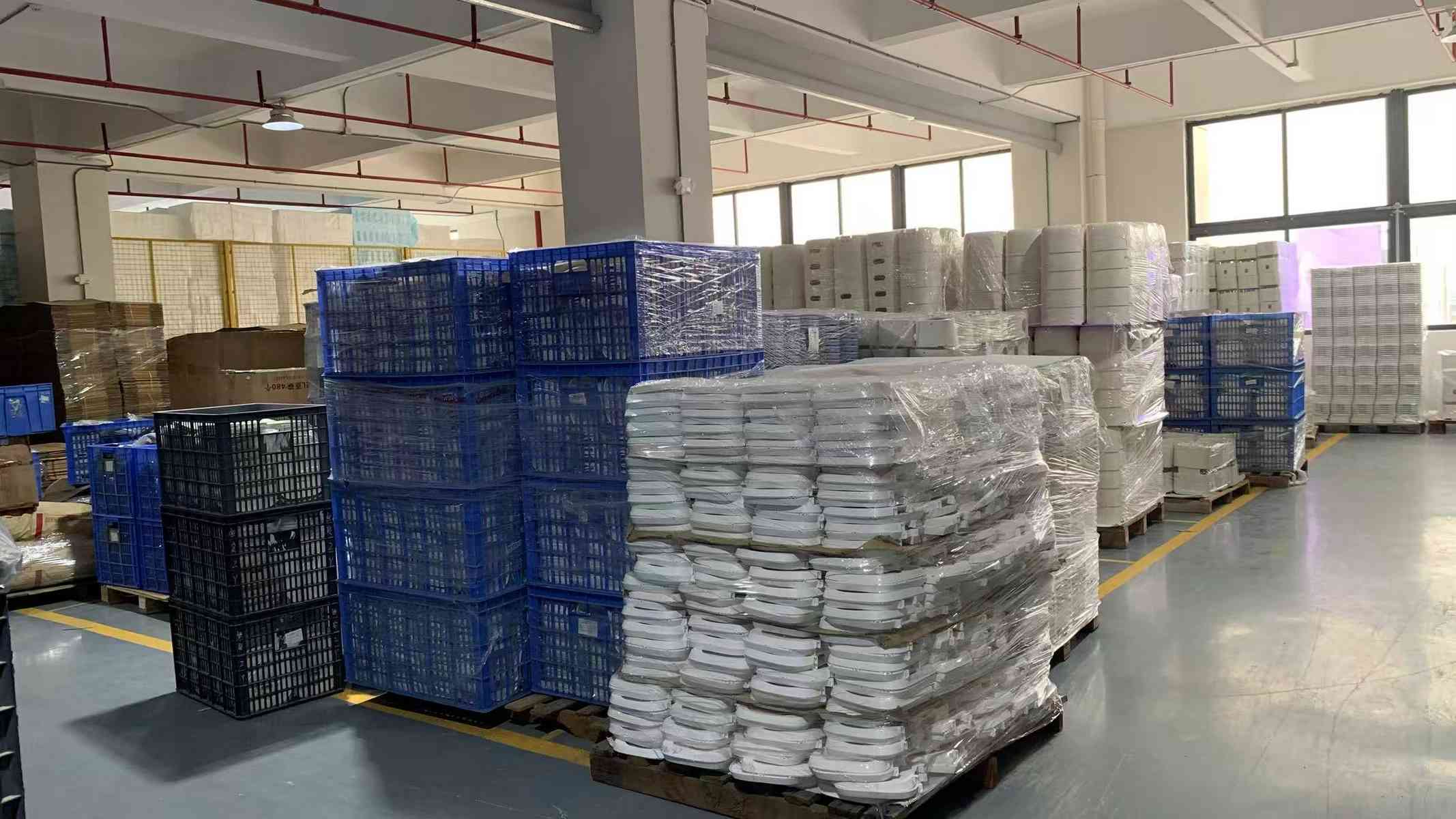
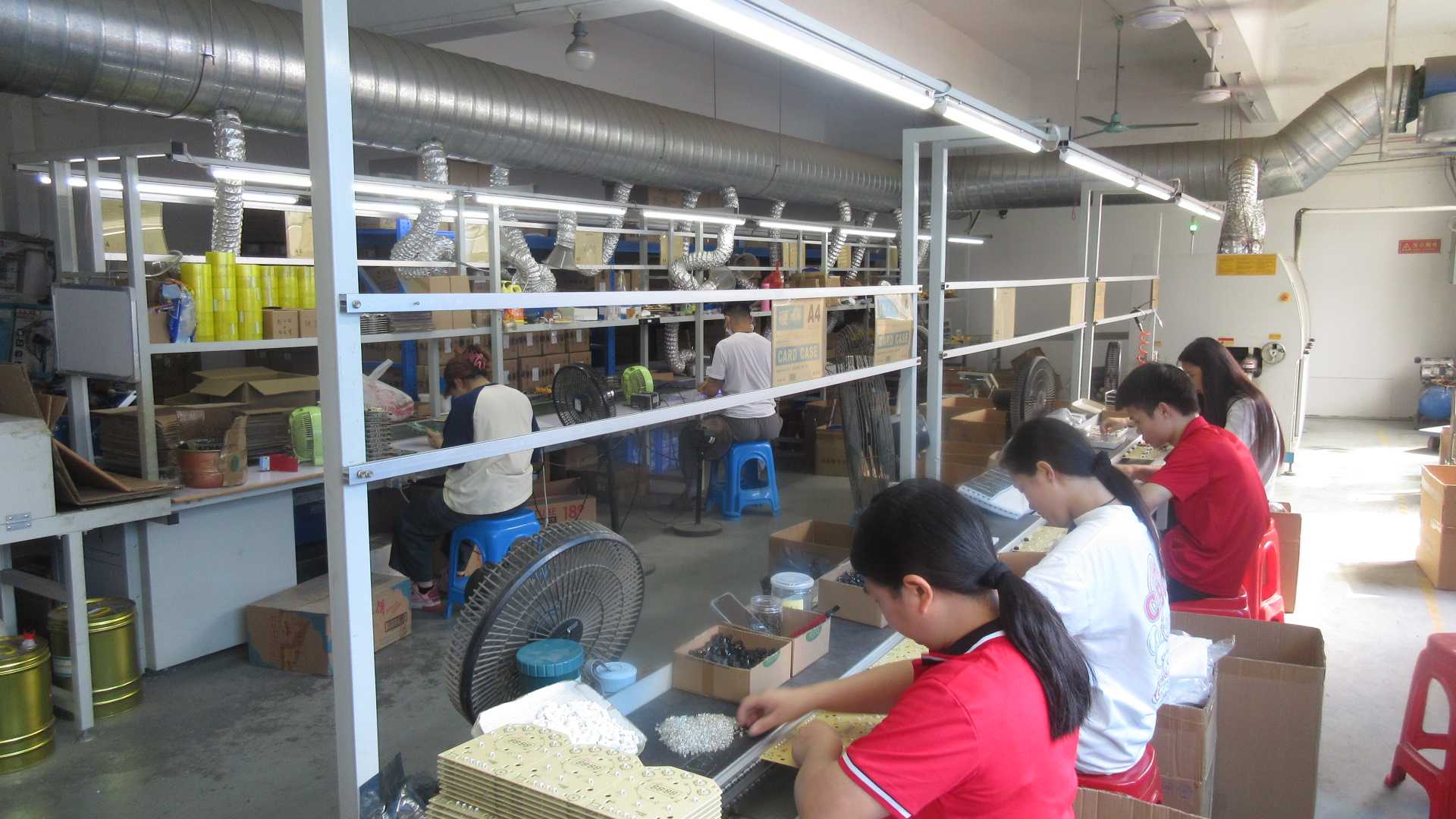
Guangdong Picky Kitchen Manufacturing Plant & Workflow

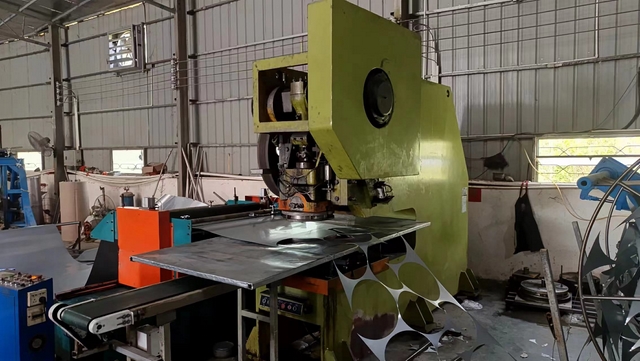
Operating a modern 12,000 square meter facility established in 2005, Guangdong Picky Kitchen Co. Ltd. handles all hardware fabrication in-house, ensuring complete control over quality and delivery schedules.
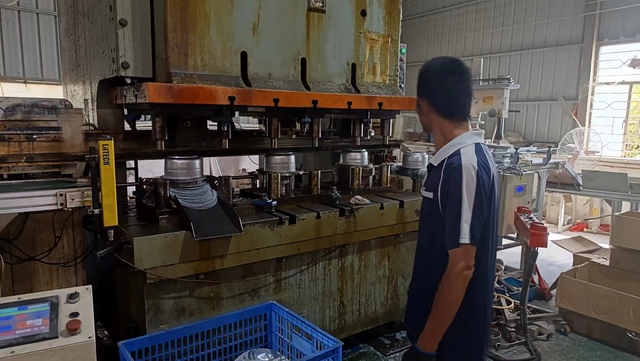
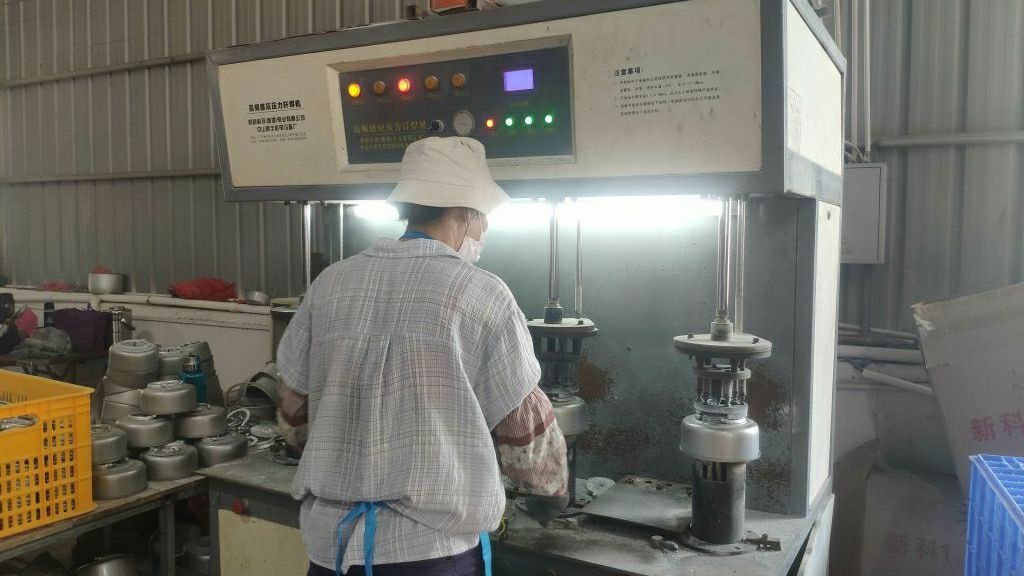
Punching Department
Precision Punching
Welding Process
Heavy-Duty Spot & Laser Welding
Processing Phase
CNC Surface Processing
Quality Inspection
Primary Component Inspection
Cargo Loading
Export Logistics & Cargo Prep
Material Storage
Raw Material Batch Verification
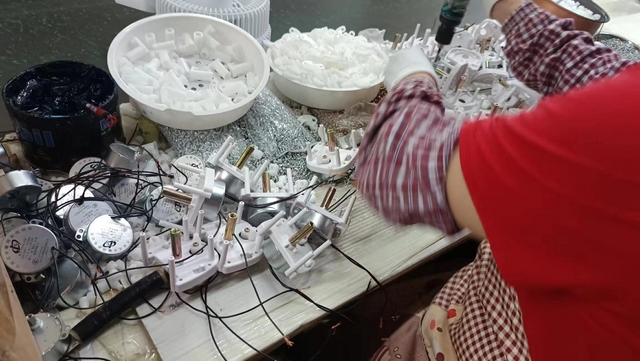
PCB Assembly
Electronics & PCB Assembly
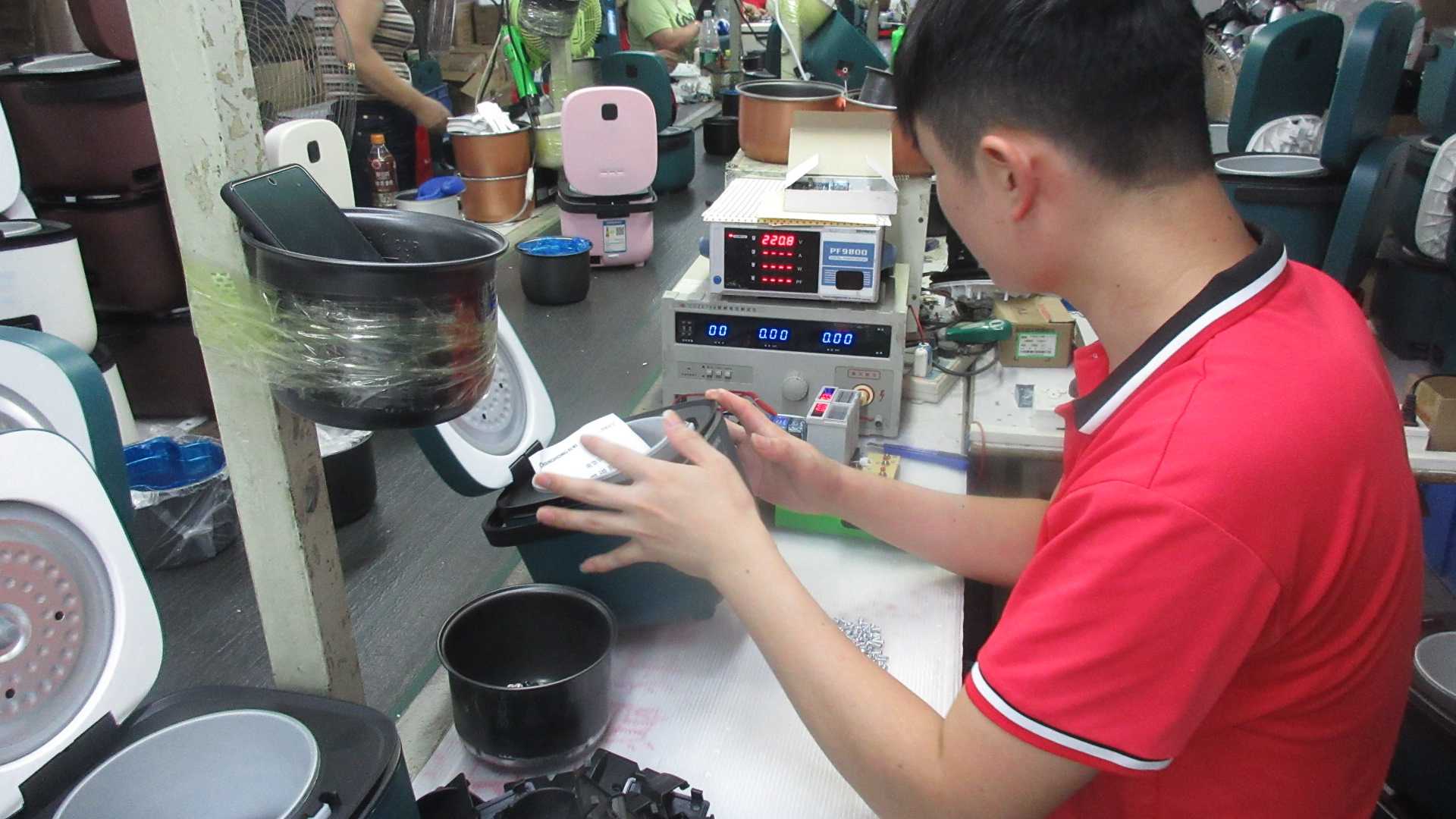
Product Assembly
Manual & Automated Assembly
Product Inspection
Finished Product Inspection
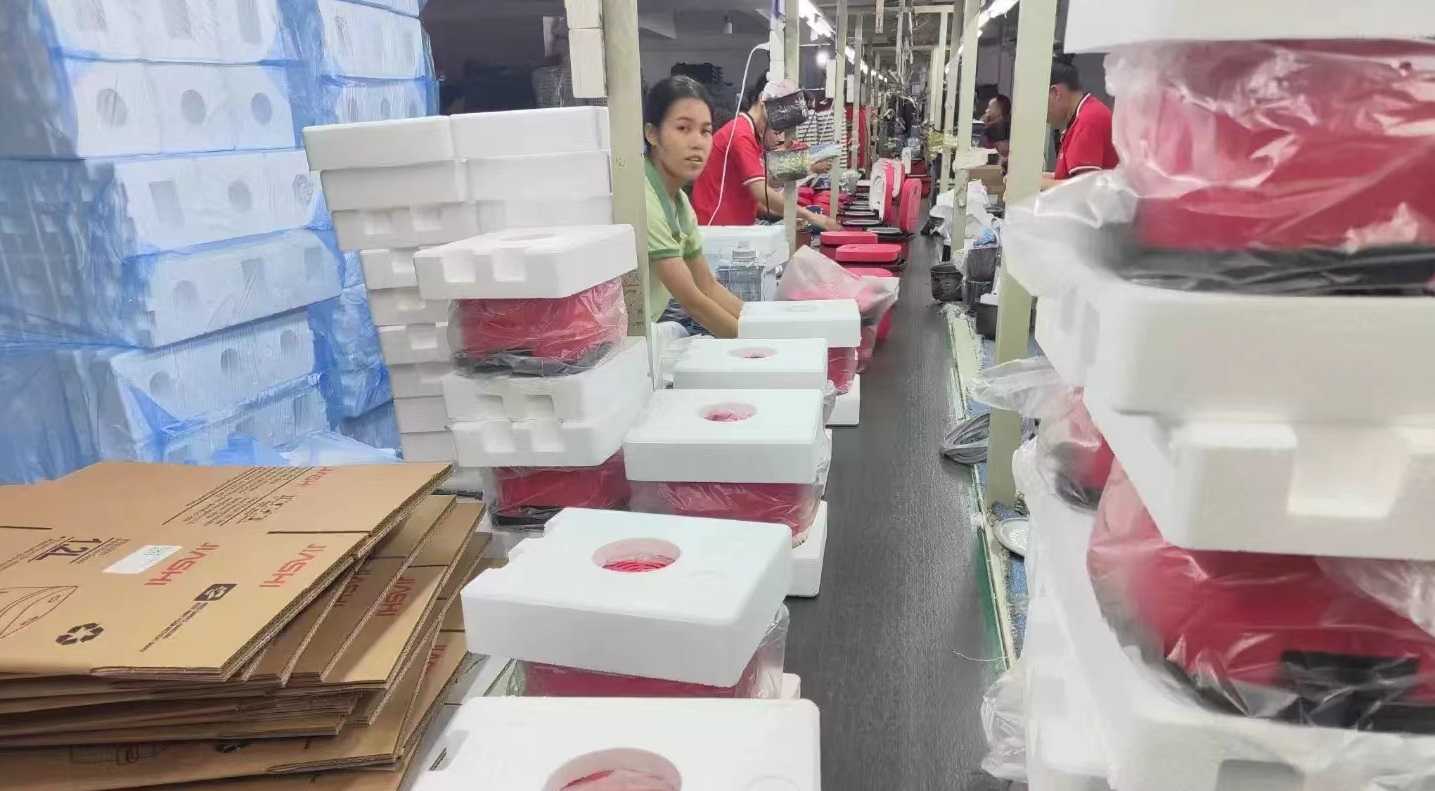
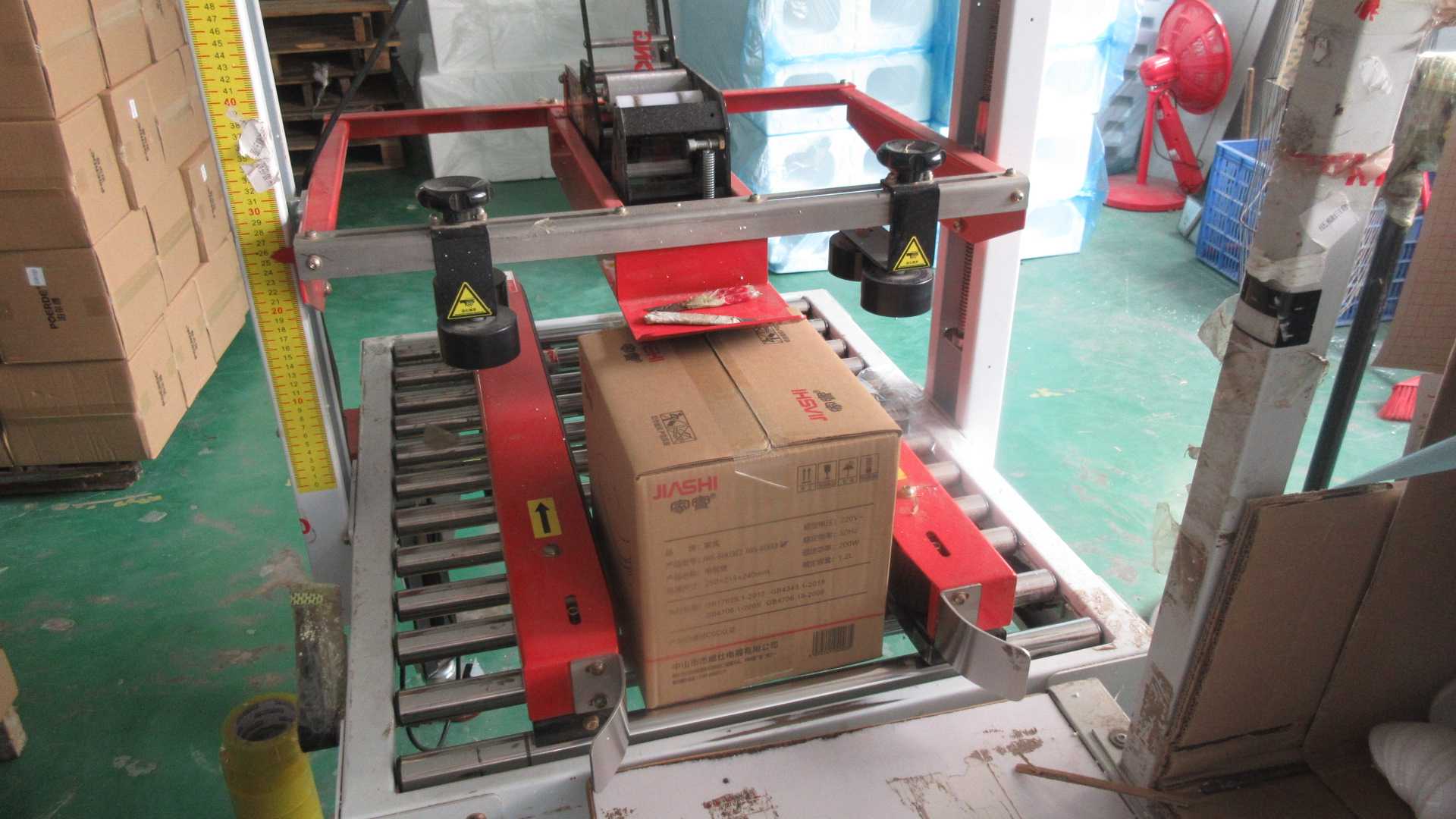
Packaging
B2B Custom Packaging Solutions
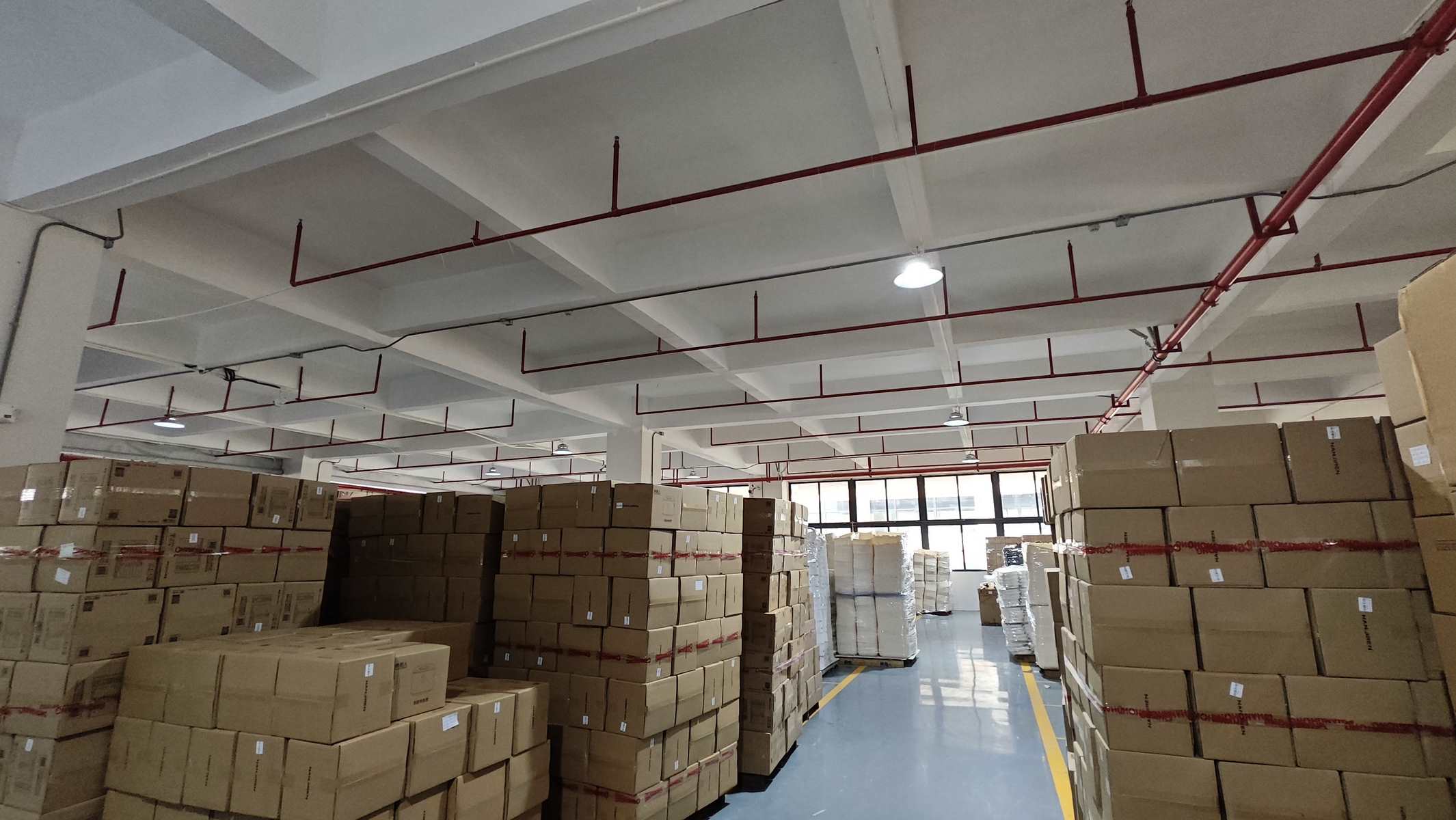
Warehouse
Climate-Controlled Warehouse
Automatic Cutting Production Line

3. China's Manufacturing Advantage in Grilling Hardware Sourcing

Southern China—specifically the Guangdong industrial cluster—remains a leading hub for metal houseware manufacturing. Guangdong Picky Kitchen Co. Ltd. leverages this localized integration to provide high manufacturing efficiency. The region provides access to local wire drawers, tool making facilities, raw material refiners, and surface treatment facilities, minimizing transit delays.

Guangdong's deep supply chain allows for rapid prototyping and tooling development. Our advanced engineering group utilizes CNC processing, stamping, and automatic cutting lines to reduce transition times from 3D models to physical samples. This allows global brands to adapt quickly to changing market trends and adjust product lines ahead of peak summer selling seasons.

Sourcing Optimization: The Structural OEM/ODM Path

Successful international hardware brands customize their products to stand out in a saturated retail environment. Standard design points include:
Custom Ergonomic Handles: Choosing between natural rubberwood, moisture-resistant acacia, and heat-resistant silicone, with detachable or folding hinges to optimize shipping and storage volume.
Flexible Hinge Adjustments: Implementing self-adjusting tension wire loops that accommodate variable fish thicknesses (from 1cm fillets to 5cm whole salmon) without crushing the delicate meat.
Locking Rings: Incorporating spring-tensioned locking sliders that prevent accidental opening when turning the basket over active coals.

4. Industry Trends: Green Sourcing and IoT Integration

Consumer preferences are shifting toward ecological responsibility and intelligent cooking integration. In response, Guangdong Picky Kitchen Co. Ltd. is pursuing three key strategic directions:

  • Eco-Friendly Treatments: Replacing chemical passivation baths with clean citric acid systems and choosing low-VOC, non-toxic organic coatings.
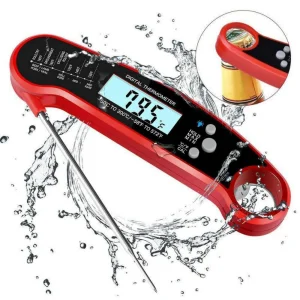
  • Thermal Monitoring Systems: Developing brackets compatible with digital meat and barbecue thermometers to track internal food temperatures.
  • Waste Mitigation: Utilizing automated laser and sheet cutting systems to minimize material scrap rates.

5. Localized Application Scenarios

Understanding regional markets is key to successful international product launches:

  • North American Market: Focuses on large grilling surfaces, heavy-duty wire frames for large fish fillets, and long wooden handles compatible with traditional backyard grills.
  • European Market: Emphasizes compliance with LFGB standards, compact designs for camping, and dishwasher-safe components.
  • East Asian & Japanese Yakitori Styles: Requires tight mesh configurations to prevent small ingredients from falling through, and compatibility with narrow ceramic charcoal setups.

B2B Sourcing FAQ (Frequently Asked Questions)

Technical answers to common questions from purchasing departments and global brand directors.

Q1: What is the MOQ (Minimum Order Quantity) for OEM/ODM orders?
Our standard MOQ for custom fish grilling baskets starts at 1,000 units per production run. This volume allows us to optimize tooling configurations, balance automatic line setup costs, and ensure competitive pricing. Lower volumes can be negotiated for standard frame designs with simple logo laser-etching.
Q2: How do you guarantee compliance with international food contact regulations (FDA, LFGB)?
We use verified material batches and submit samples to third-party testing laboratories (such as SGS, TUV, or Intertek). These tests confirm that heavy metal migration levels (including Lead, Cadmium, and Nickel) remain well within the limits established by Europe's LFGB and the US FDA.
Q3: Can you manufacture grilling baskets with non-stick coatings, and are they safe?
Yes, we offer both food-grade PTFE coatings and ceramic coatings. All non-stick coatings are 100% PFOA and PFOS free, and certified safe for high-temperature cooking. We recommend limiting exposure to temperatures below 260°C to maintain the integrity of the coating. For higher temperatures, we recommend using electropolished stainless steel.
Q4: What is the typical lead time for custom tooling and sample approval?
For ODM projects requiring new molds, the initial engineering and tool-making phase takes 25 to 30 days. Once the tooling is complete, we produce functional samples for evaluation within 7 days. After client approval, mass production typically takes 35 to 45 days, depending on order volume and scheduling.
Q5: What are the packaging options available for B2B retail?
We offer full packaging design services, including corrugated color boxes, sleeve cards, blister packing, and mail-order packaging designed to withstand shipping drops. We can print barcode labels, instruction sheets, and custom inserts to prepare the products for retail shelves.
Q6: How does Guangdong Picky Kitchen ensure weld durability on wire mesh products?
We utilize automated multi-point CNC resistance spot welding machines. This process controls the electrical current and pressure at each joint, ensuring optimal weld penetration without compromising the structural integrity of the wire. We perform regular pull tests to ensure weld strength.
Q7: Do you offer detachable handle designs for shipping optimization?
Yes, we have developed several patented detachable handle mechanisms. These designs allow the handle to be removed or folded flat against the basket during transit. This reduces packaging volume by up to 45%, helping to lower ocean freight costs.
Q8: Can we request wood handles with custom branding?
Yes, we offer laser engraving and heat-stamping on wooden and silicone handles. We source sustainable rubberwood, acacia, and beech, and treat them with food-safe oils to prevent drying and cracking during storage.
Q9: What quality inspection protocols are in place before shipping?
Our quality control workflow includes raw material spectroscopic analysis, in-line weld testing, dimensional accuracy checks, locking mechanism checks, and final packaging drop tests. We welcome third-party inspection agencies (such as V-Trust or QIMA) to audit the goods prior to container sealing.
Q10: How do you handle custom logo design and IP protection?
We respect client intellectual property. All custom drawings, molds, and designs are protected by Non-Disclosure Agreements (NDAs). We do not showcase custom client designs at public exhibitions or share them with third parties without written authorization.