Picky Kitchen
Picky Kitchen
Picky Kitchen
Premium OEM solutions designed for global kitchenware brands, commercial food services, and retail distributors.
In the rapidly evolving landscape of commercial and domestic food preparation, the demand for high-performance, non-toxic, and temperature-resilient utensils has experienced exponential growth. Among these, the silicone spatula stands as an indispensable tool, serving critical functions across consumer kitchens, professional bakeries, and industrial food processing plants. As a leading manufacturer and exporter, we trace this demand to a deeper convergence of materials science, ergonomic engineering, and stringent international safety standards.
Historically, traditional utensils composed of wood, nylon, or stainless steel dominated the market. However, each possesses distinct operational disadvantages. Wood absorbs moisture, harbor microbial growth, and is prone to splintering. Nylon poses safety concerns under high thermal exposure, potentially releasing trace chemical compounds. Metal utensils scratch sensitive non-stick surfaces, degrading costly cookware. Through polymer science, food-grade silicone has effectively neutralized these failure modes.
The global market for silicone kitchen utensils is driven by shifting regulations on plastics and an elevated awareness of food safety. B2B procurement data shows that commercial kitchens are replacing traditional wood and nylon tools with premium silicone equivalents. This trend is driven by three main factors:
Culinary preferences and ergonomic expectations vary widely across regional markets. A standard spatula design cannot satisfy the requirements of every geographical zone. Our engineering team addresses these variations through localized product adaptations:
| Market Segment | Typical Materials Specification | Primary Design Features | Compliance Standards |
|---|---|---|---|
| Western Baking Retail | High-Tear Liquid Silicone (LSR) + PA66 Core | Seamless construction, thin scraping edges | LFGB (Germany), FDA, BPA-Free |
| Asian Commercial Kitchen | HTV Silicone + SUS304 Stainless Steel Core | Ergonomic long handle, wide paddle profile | FDA, GB 4806.11 (China) |
| Industrial Food Processing | Metal-detectable Silicone Compound | Ultra-durable, high hardness, high heat limit | EC 1935/2004, FDA |
The production of commercial-grade silicone spatulas is a multi-step engineering process that requires strict control over raw materials, tooling precision, and curing parameters.
Phase 1: Material Formulation & Vulcanization Choice
We process two main classes of silicone rubber: High Consistency Rubber (HCR/HTV) and Liquid Silicone Rubber (LSR). For high-precision, thin-walled parts, LSR injection molding is preferred due to its superior purity, high tear strength, and automated processing cycle. Furthermore, we utilize platinum curing agents instead of peroxide curing agents. Platinum-cured silicone is odorless, non-yellowing, and does not yield volatile organic byproducts, ensuring compliance with strict European food standards.
Phase 2: Core Engineering and Dual-Shot Injection Overmolding
An ideal spatula requires structural rigidity to manipulate food, combined with a soft, non-damaging outer edge. We achieve this through dual-shot overmolding. We mold or stamp an internal core (either high-temperature Nylon 66 reinforced with glass fiber, or SUS304 stainless steel), place it within the secondary mold cavity, and overmold it with food-grade silicone. This mechanical interlocking prevents structural separation and eliminates seams where bacteria can gather.
Guangdong Picky Kitchen Co. Ltd. was established in 2005 and has grown into a diversified and innovation-driven enterprise specializing in kitchen hardware and functional home hardware systems. Centered on research, design, manufacturing, and global distribution, the company is dedicated to delivering high-quality, integrated kitchen hardware solutions for customers worldwide. The company firmly believes that the kitchen is not only a functional space for cooking, but also a key reflection of lifestyle quality. Guided by this philosophy, it consistently pursues the integration of functional excellence and aesthetic innovation.
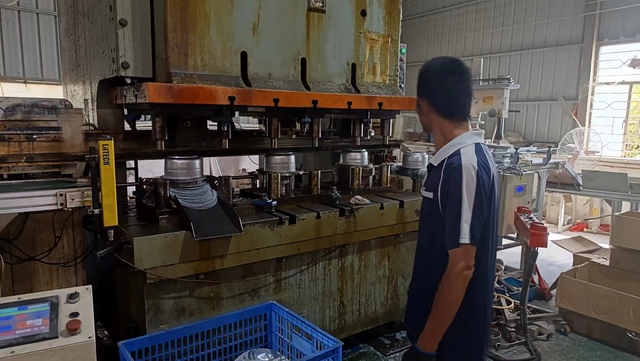
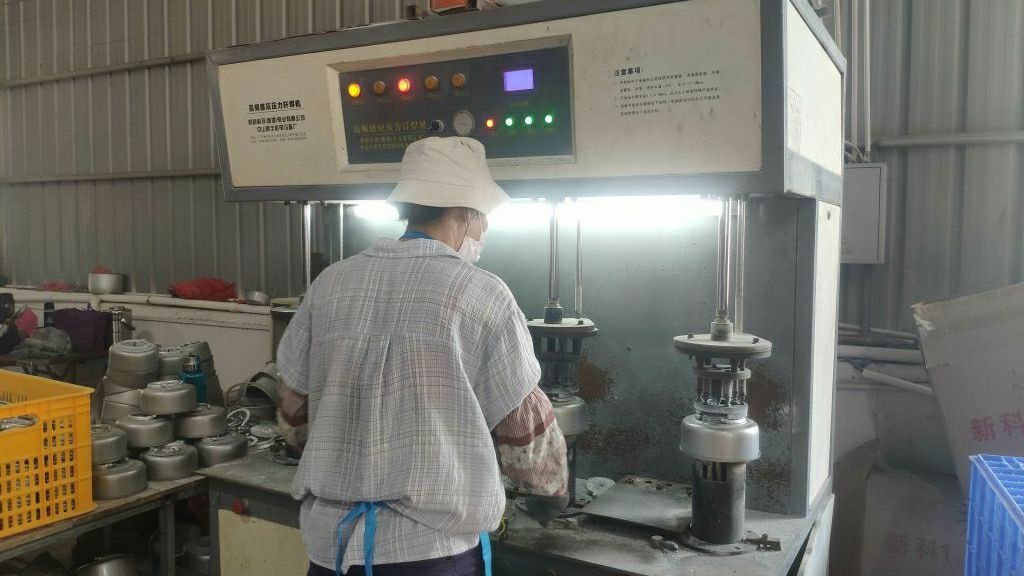
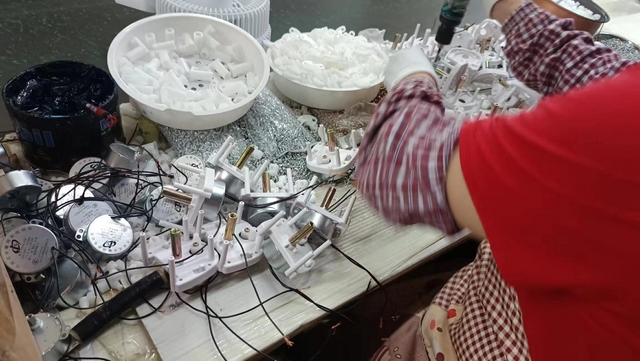
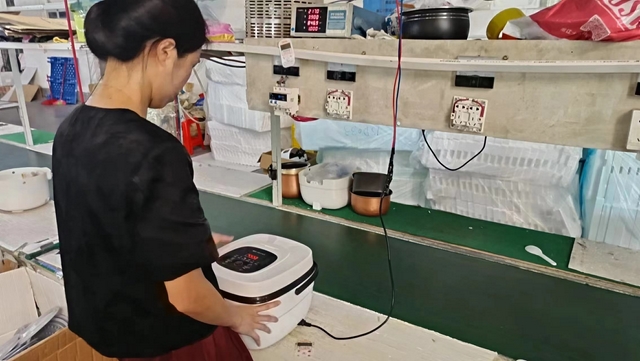
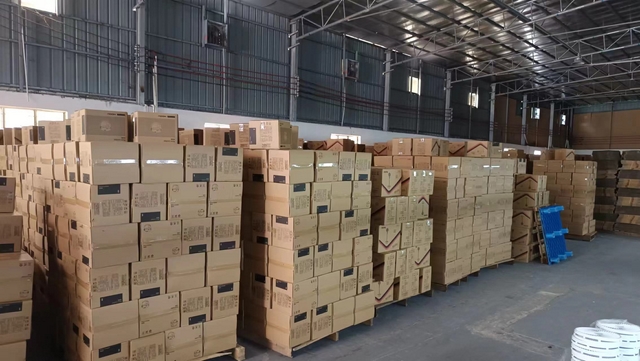
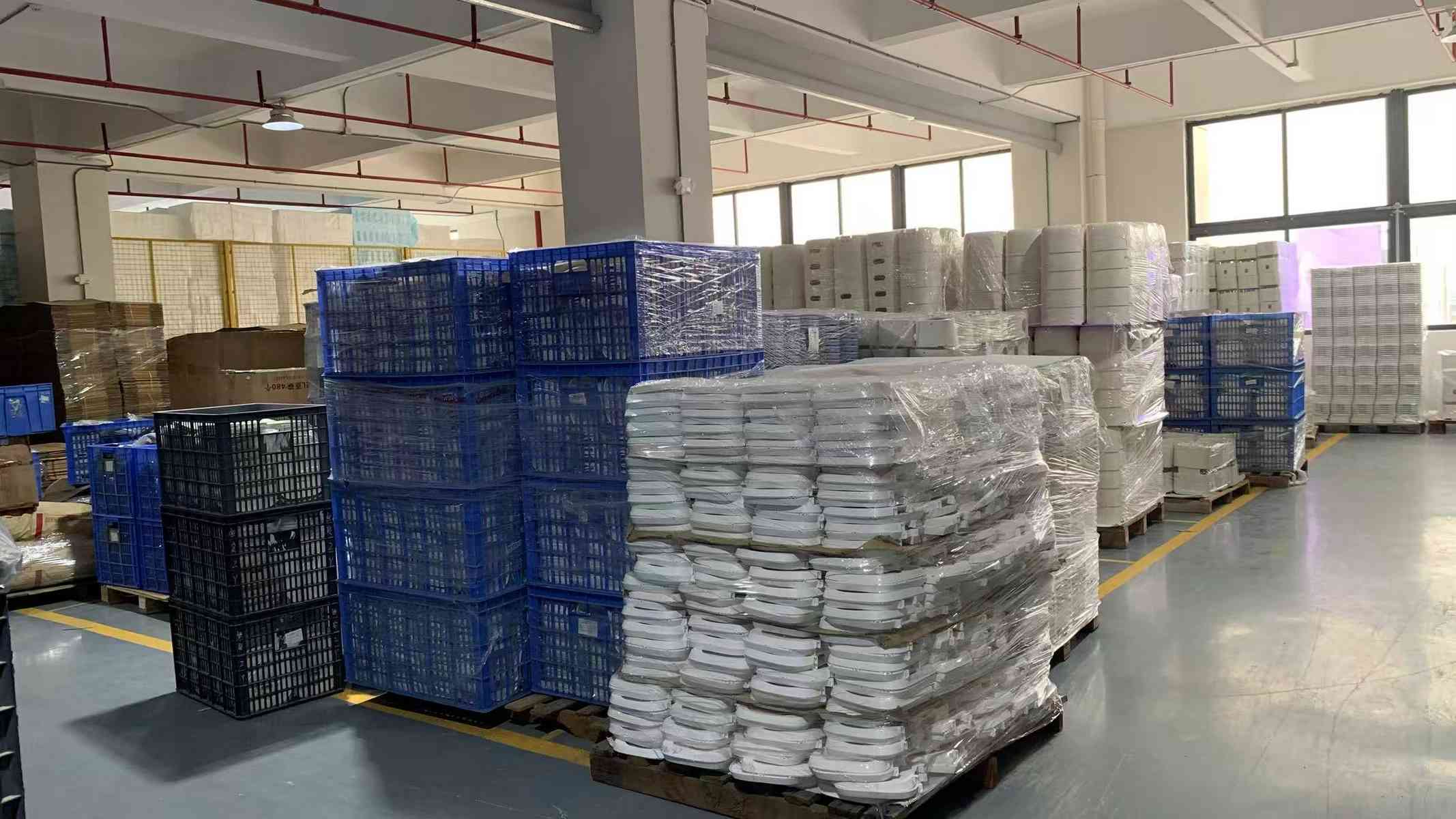
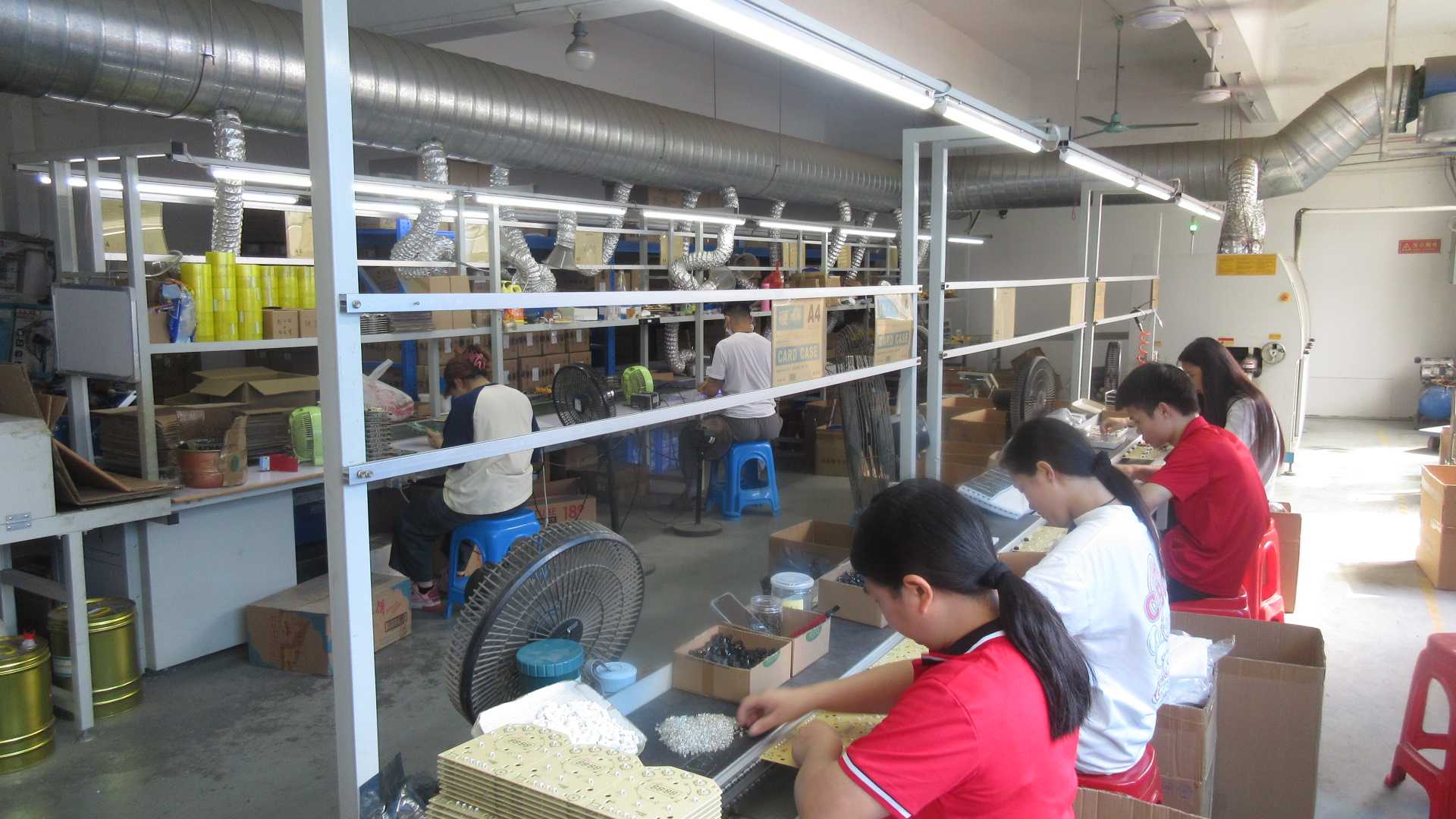
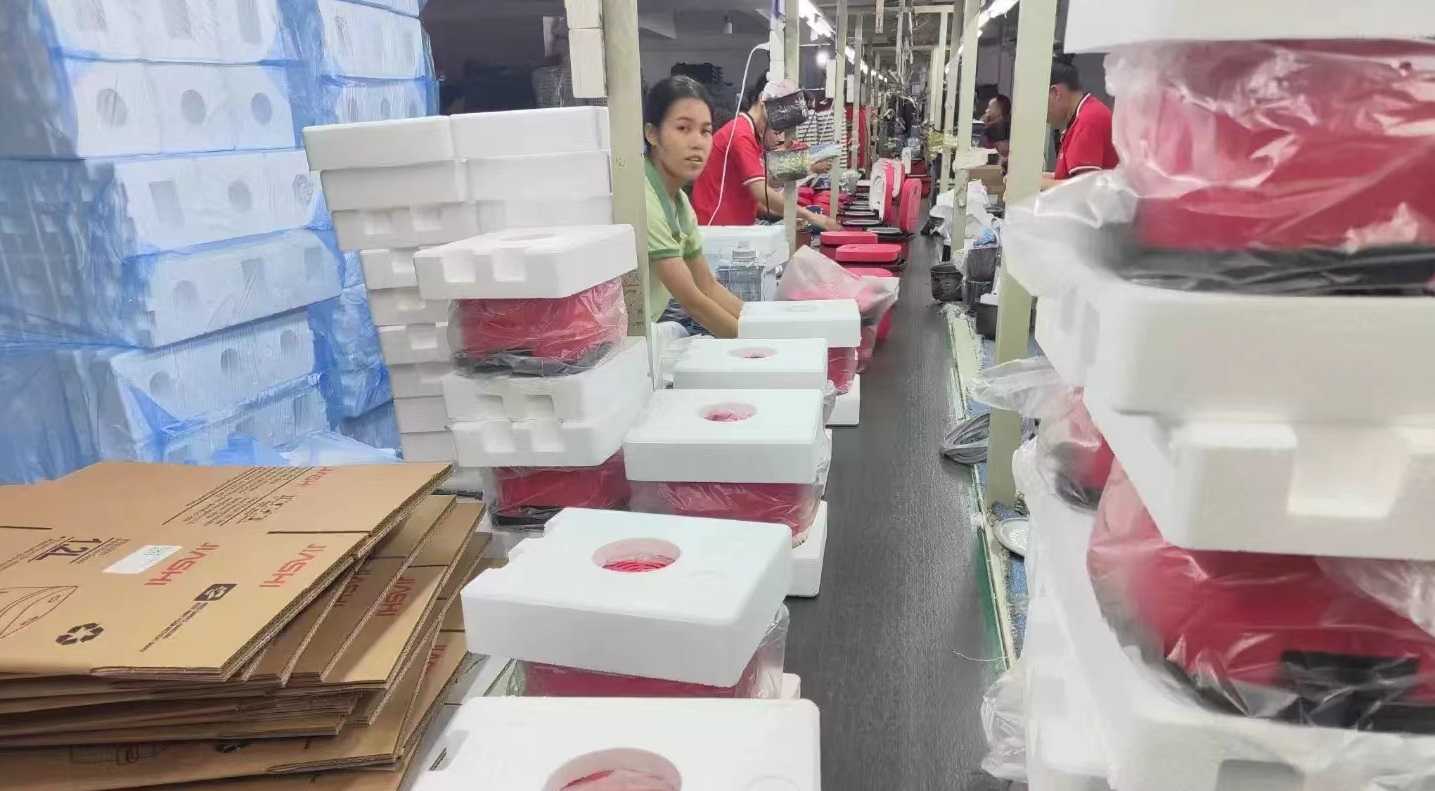
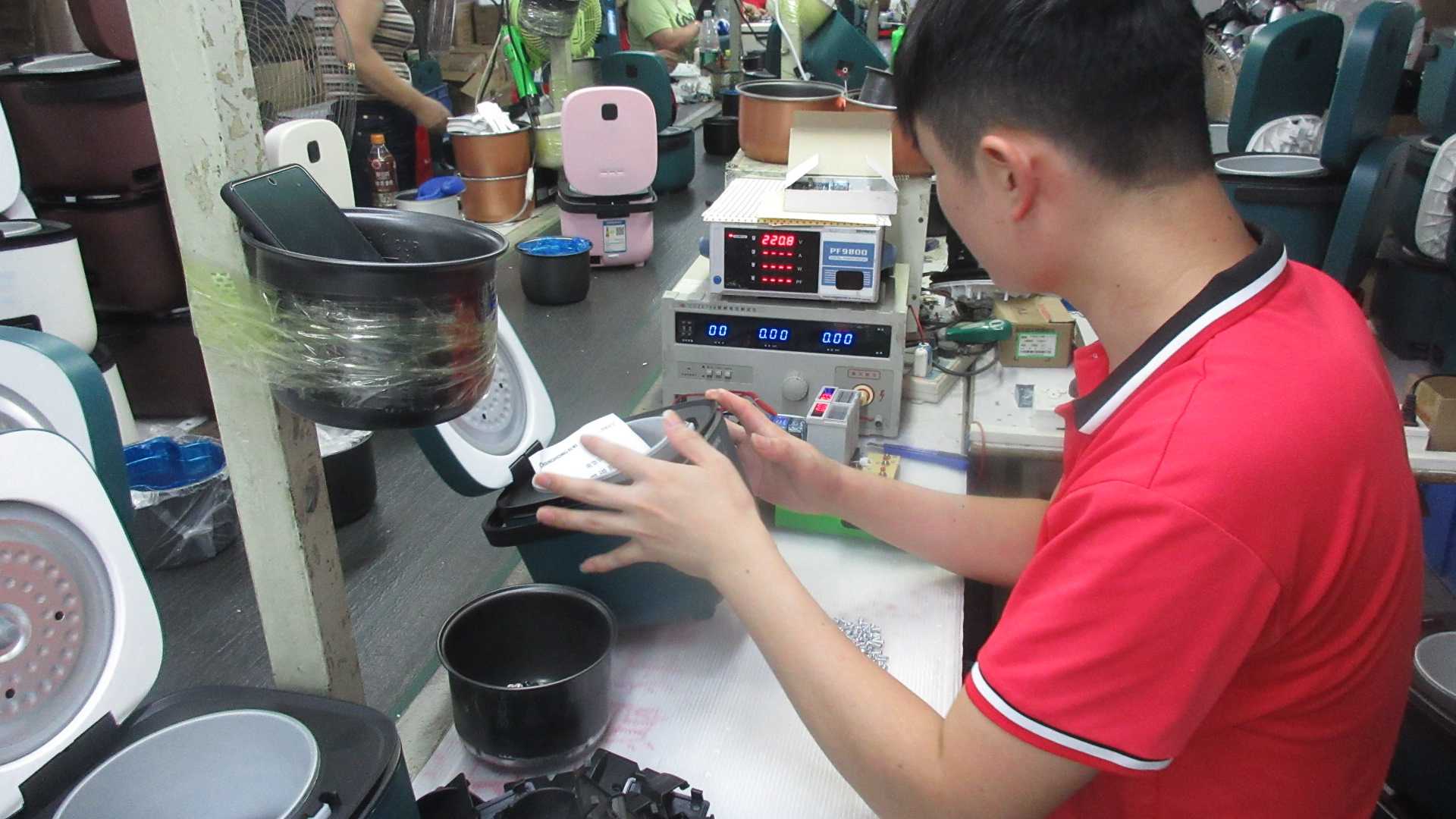
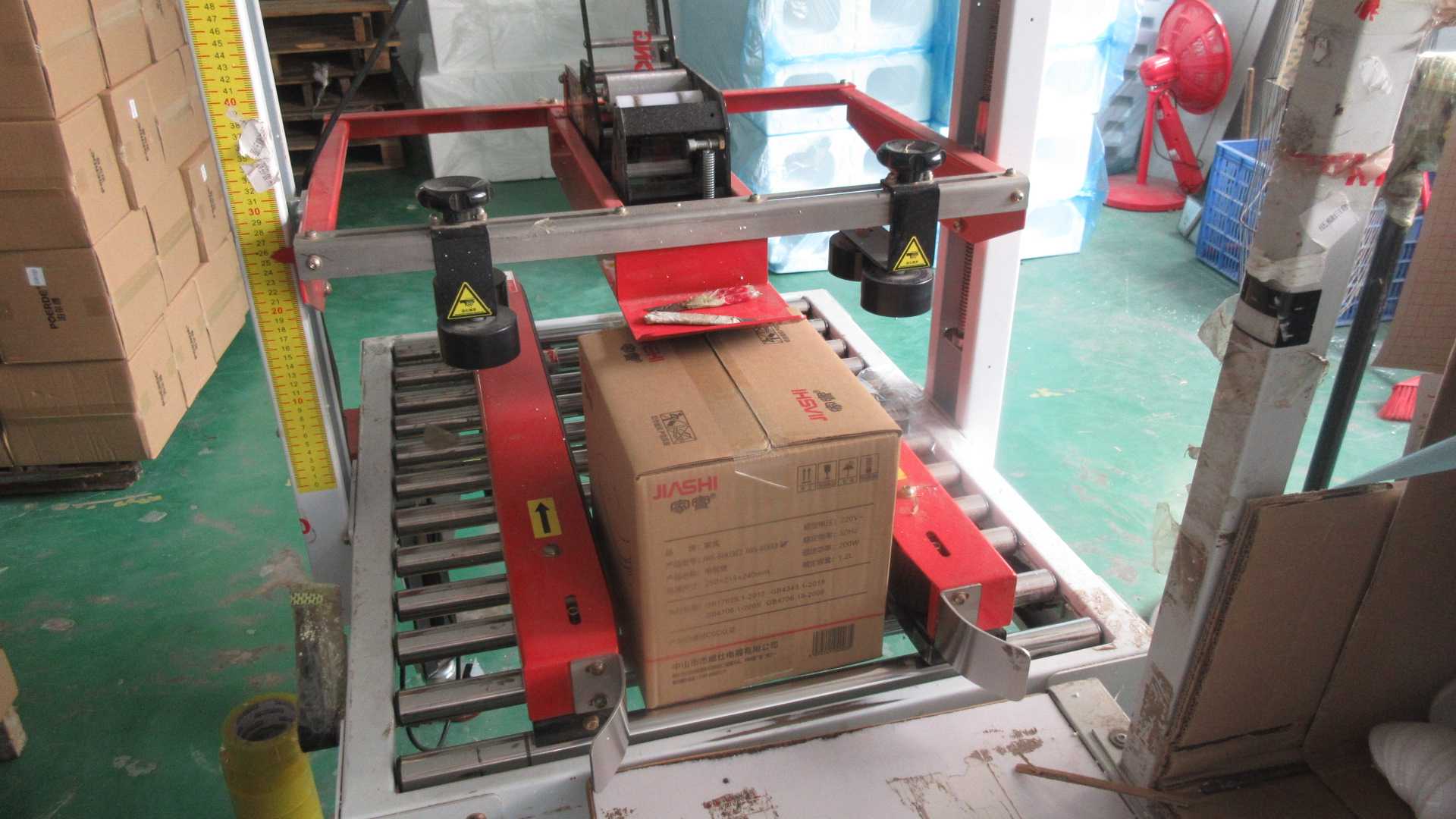
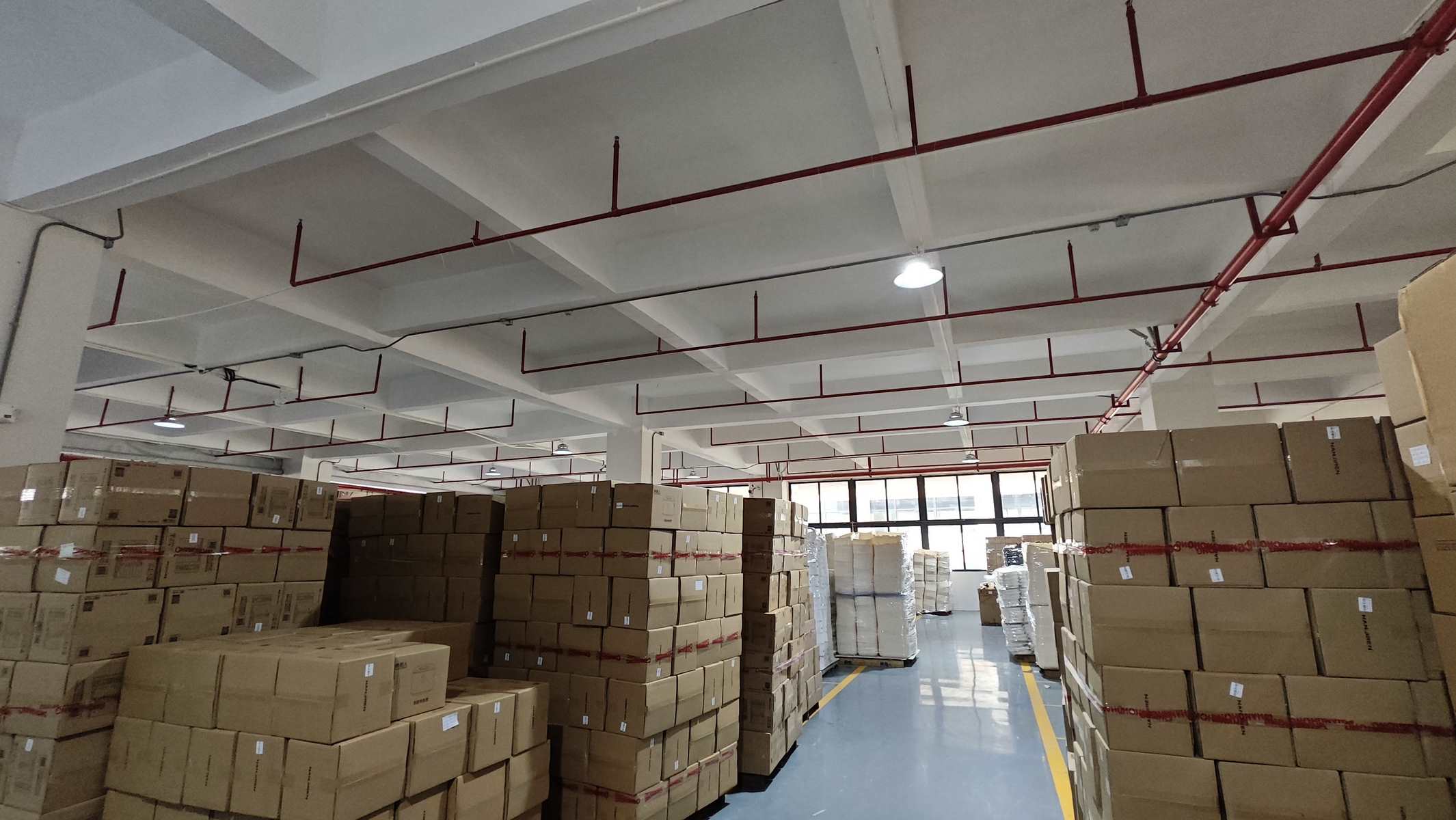
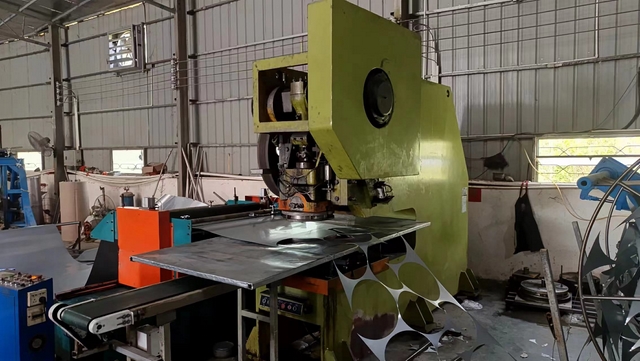
The company operates a modern manufacturing facility covering approximately 12,000 square meters, equipped with advanced production lines and comprehensive quality control systems. This facility serves as the backbone of its manufacturing capability, ensuring both efficiency and product consistency. Its production scope includes structural component design, precision stamping and die-casting, CNC machining, automated tool processing, mold development and fabrication, laser welding, assembly, and final testing. This full-chain manufacturing system enables Guangdong Picky Kitchen Co. Ltd. to provide one-stop solutions while maintaining strict control over quality and lead times, as well as responding quickly to customized client requirements.
Technological innovation is driven by a skilled and experienced R&D team composed of engineers specializing in structural design, mold development, industrial design, and automation systems. This team is responsible not only for new product development but also for continuous improvement of manufacturing processes and material applications. Through ongoing innovation, the company ensures its products deliver superior durability, smooth operation, structural stability, and design refinement, keeping pace with global kitchen hardware trends.
Responding to the global shift toward smart homes and sustainable manufacturing, Guangdong Picky Kitchen Co. Ltd. is actively advancing three strategic directions: the adoption of eco-friendly materials such as low-VOC coatings and bio-based surface treatments; the integration of IoT and intelligent sensing technologies into kitchen hardware systems; and the development of low-carbon manufacturing practices aimed at building greener factories and more sustainable supply chains.
Looking ahead, Guangdong Picky Kitchen Co. Ltd. remains committed to its core values of precision craftsmanship and innovation-driven growth. The company will continue working with global partners to create smarter, more efficient, and more environmentally responsible kitchen hardware solutions, contributing to the advancement of the global kitchen and home hardware industry.
Compliance is critical in international B2B transactions. Food-contact materials are subject to strict regulations by regional authorities. We verify the chemical safety of our output through recognized certification testing:
As material science advances, the silicone manufacturing industry is moving toward two main innovations:
Eco-friendly Bio-Silicone: Research is underway to transition from petroleum-derived silicon metal processing to bio-based carbon sources and recycling loops for post-industrial silicone scrap.
Antimicrobial Silicone Formulation: By integrating silver-ion or organic antimicrobial technologies into the silicone vulcanization masterbatch, next-generation spatulas will actively inhibit bacterial reproduction on surface finishes, even in humid kitchen environments.
Our integrated production lines ensure quality control from raw materials to final packaging.
Technical details, compliance processes, and customization options for professional buyers.
Explore our broader selection of professional kitchen accessories, hardware components, and industrial cooking solutions.