Picky Kitchen
Picky Kitchen
Picky Kitchen
Premium specialized tools and culinary hardware. Explore our industry-leading thermal and functional components built for global B2B clients.
Analyzing key shifts in spatial design, thermal accuracy, and production technologies for modern electrical exports.
The global market for countertop appliances is experiencing an unprecedented structural shift. No longer viewed simply as secondary heating chambers, mini ovens have evolved into high-performance culinary equipment capable of replacing traditional, large-format range ovens. Modern consumers demand versatility, energy efficiency, and high spatial performance. As a result, commercial brands, distributors, and global importers must partner with manufacturers capable of delivering highly customized Original Equipment Manufacturer (OEM) and Original Design Manufacturer (ODM) solutions.
In this B2B landscape, sourcing requires deep evaluation of engineering capability, thermal precision, and regulatory certifications. From standard convection mechanisms to intelligent air fryer-oven configurations, the complexity of internal electronic designs, thermal insulation, and exterior casing safety is scaling rapidly. Importers rely heavily on manufacturing ecosystems that offer end-to-end design, strict quality control (QC), and material transparency. Understanding this supply chain matrix is vital to capturing premium market shares in Europe, North America, and emerging economies.
Established in 2005, Guangdong Picky Kitchen Co. Ltd. has evolved into a diversified, innovation-driven enterprise specializing in kitchen hardware and functional home hardware systems. Centered on research, design, manufacturing, and global distribution, we are dedicated to delivering high-quality, integrated kitchen solutions for customers worldwide. We firmly believe that the kitchen is not only a functional cooking space but also a key reflection of lifestyle quality.
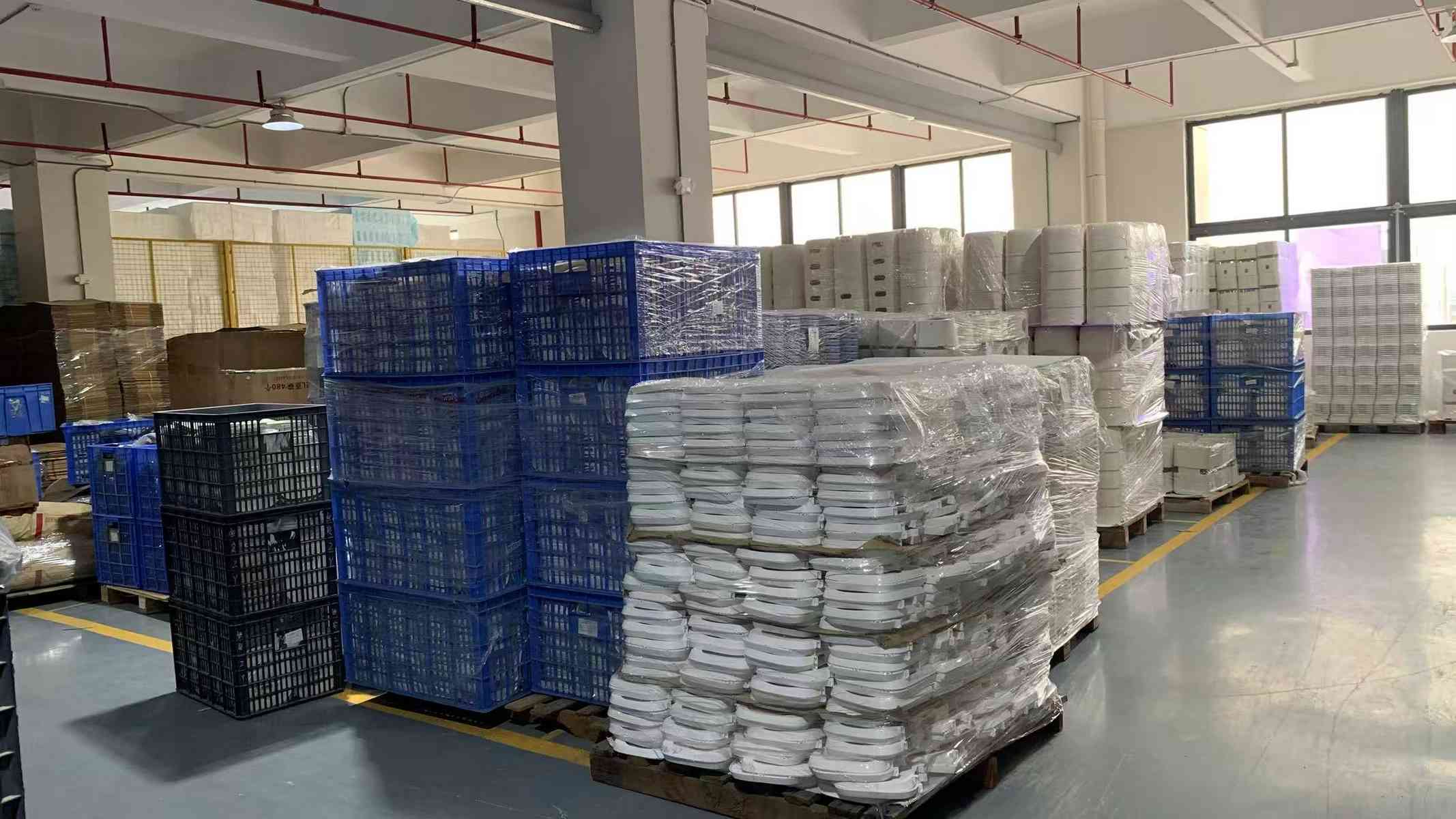
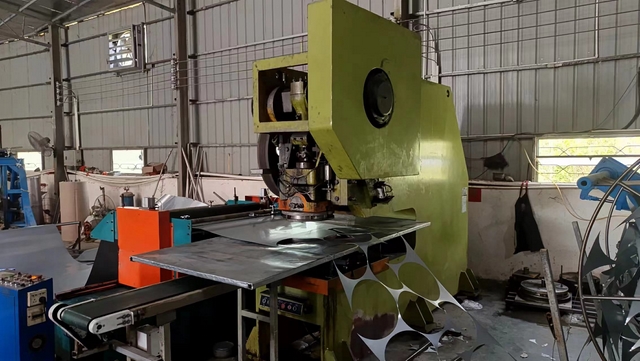
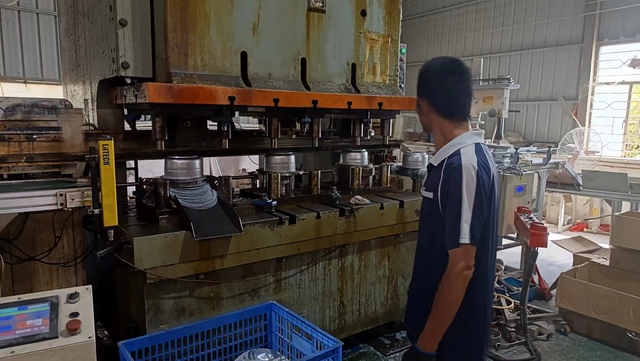
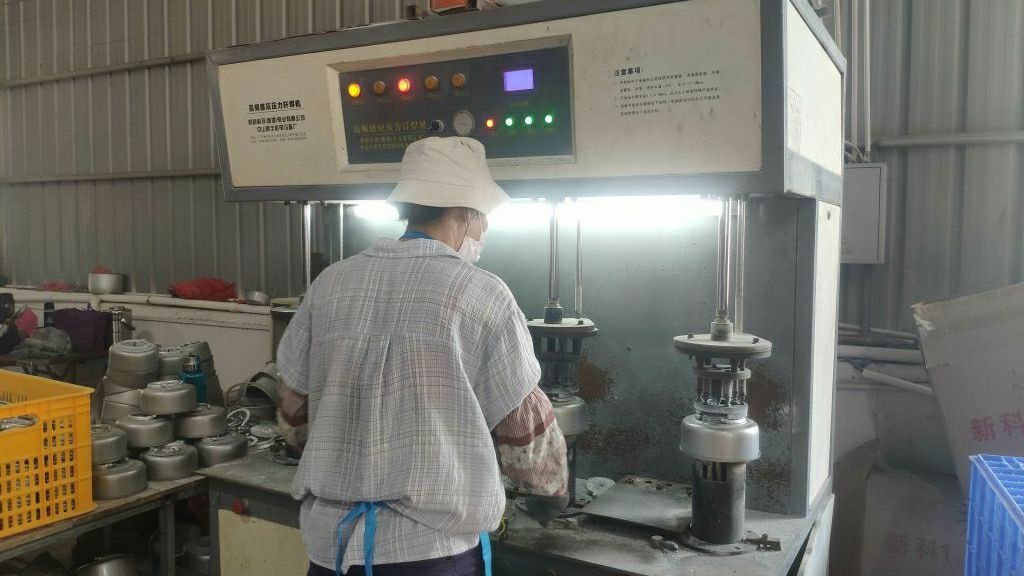
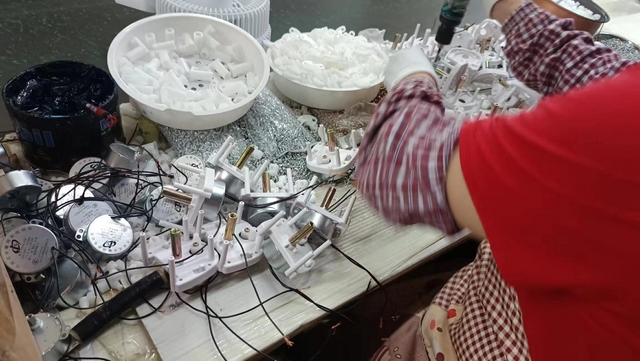
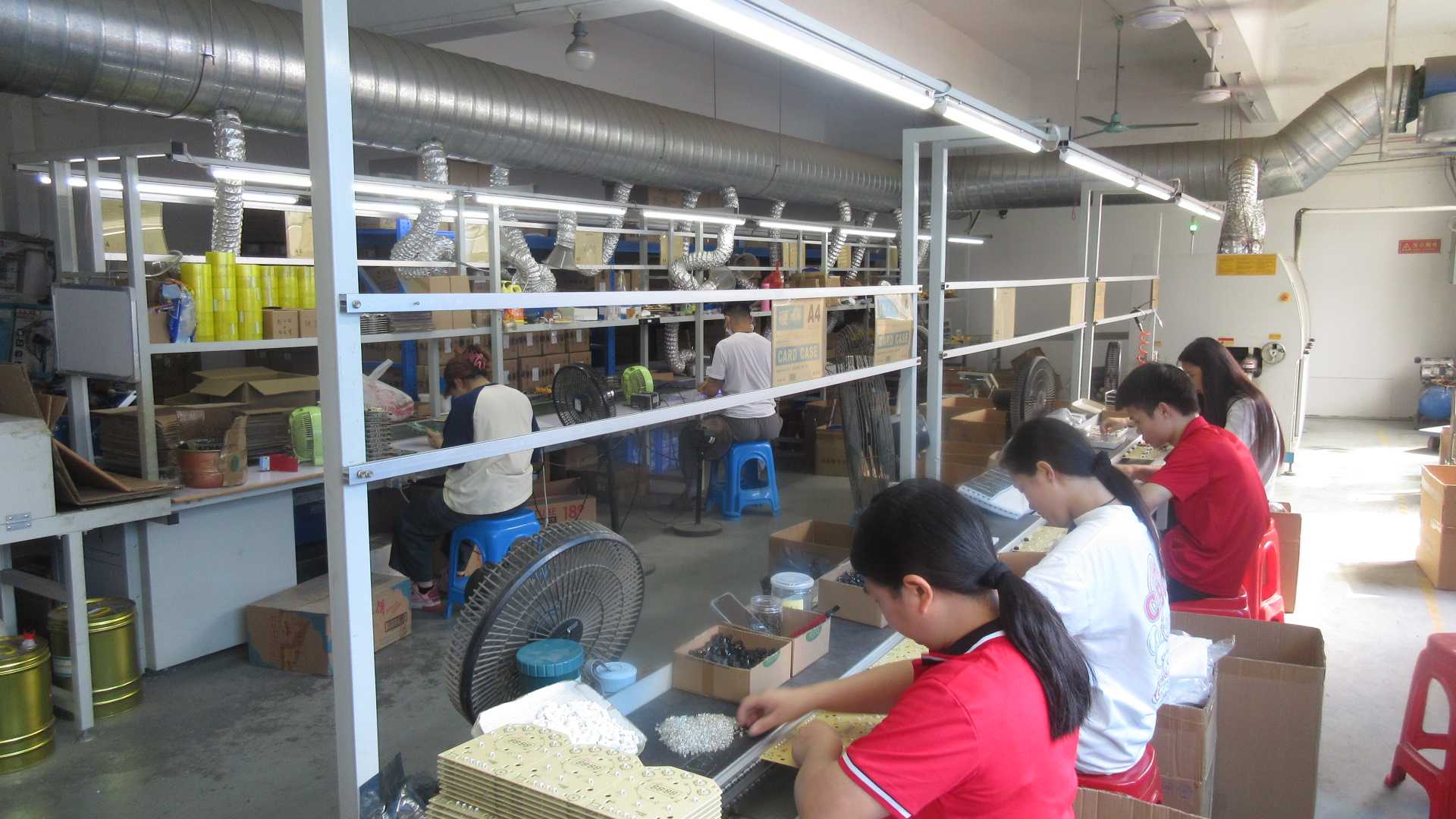
Operating from a state-of-the-art 12,000 square meter modern manufacturing facility, we integrate advanced production lines and comprehensive quality control systems. Our full-chain manufacturing system encompasses structural component design, precision stamping, die-casting, CNC machining, automated tool processing, mold development, laser welding, and automated assembly.
With an experienced R&D engineering team focusing on structural stability, eco-friendly materials (including low-VOC coatings), and IoT integration, we continuously drive technological boundaries. We collaborate with global partners to create smarter, cleaner, and more energy-efficient kitchen solutions.
Leveraging regional supply chain integration, material efficiency, and highly optimized tooling ecosystems.
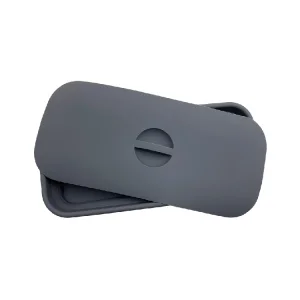
Southern China clusters, particularly in Guangdong, concentrate thousands of sub-component suppliers within a two-hour logistics circle. From high-grade heating elements and tempered glass panels to specialized digital control timers and custom non-stick silicone trays, everything is sourced locally, dramatically lowering transportation overhead and lead times.
Custom mold development is the backbone of OEM production. Chinese factories utilize multi-axis CNC machines and high-tonnage precision stamping to fabricate durable molds that ensure long product runs without degradation. This allows brands to realize complex exterior chassis shapes and unique interior layouts efficiently.
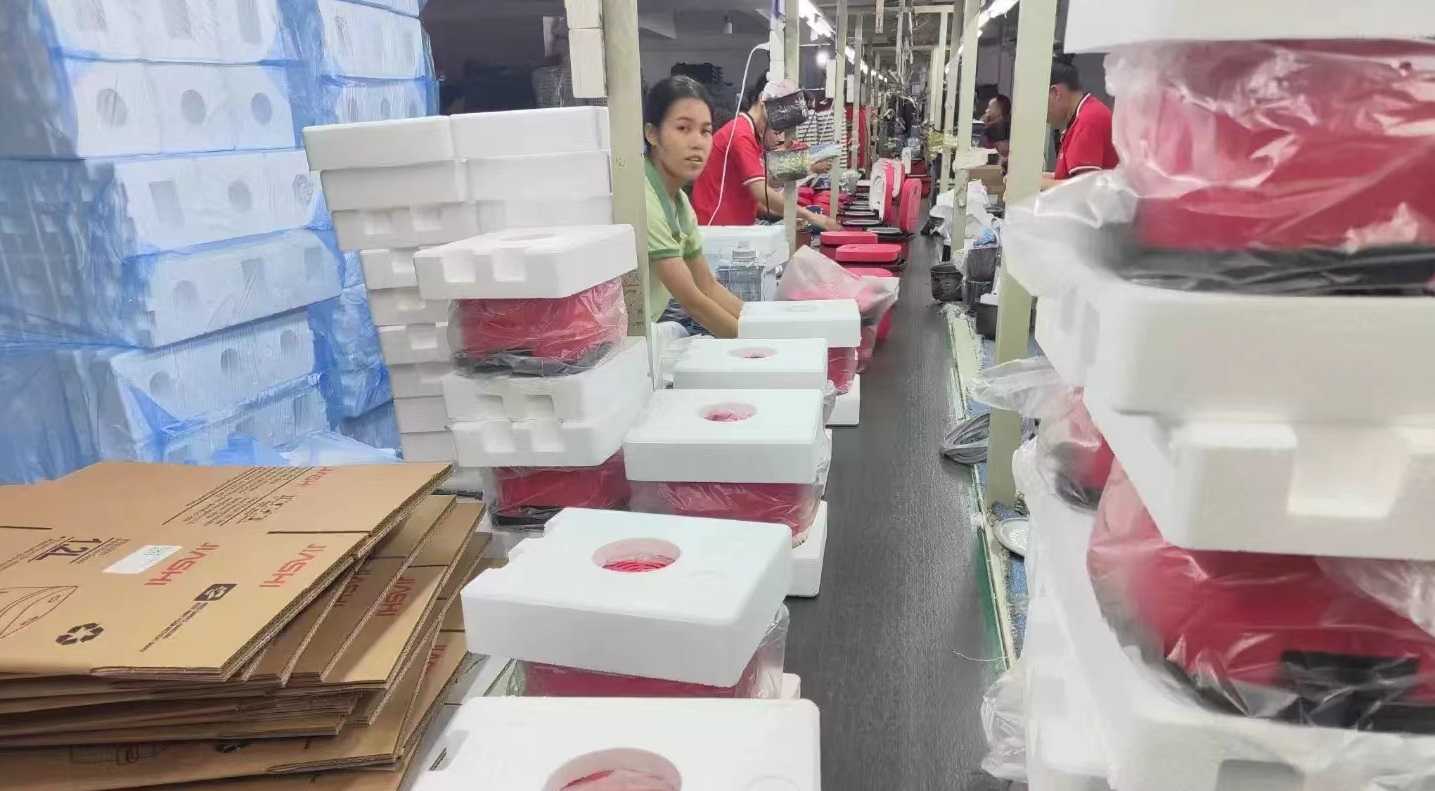
By combining robotic cutting and automatic welding lines with skilled manual assembly, manufacturers optimize unit costs without sacrificing craftsmanship. Scalable production lines absorb spikes in holiday seasonal demands seamlessly, maintaining steady FOB delivery dates for global retail chains.
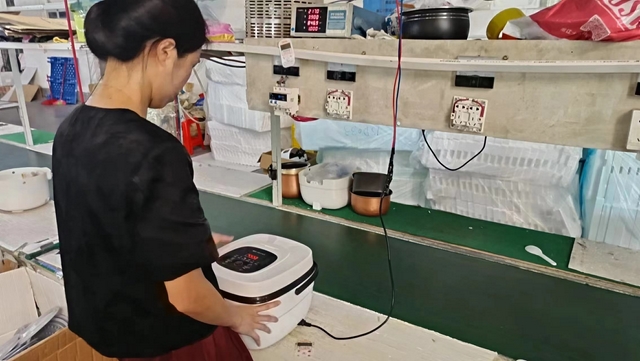
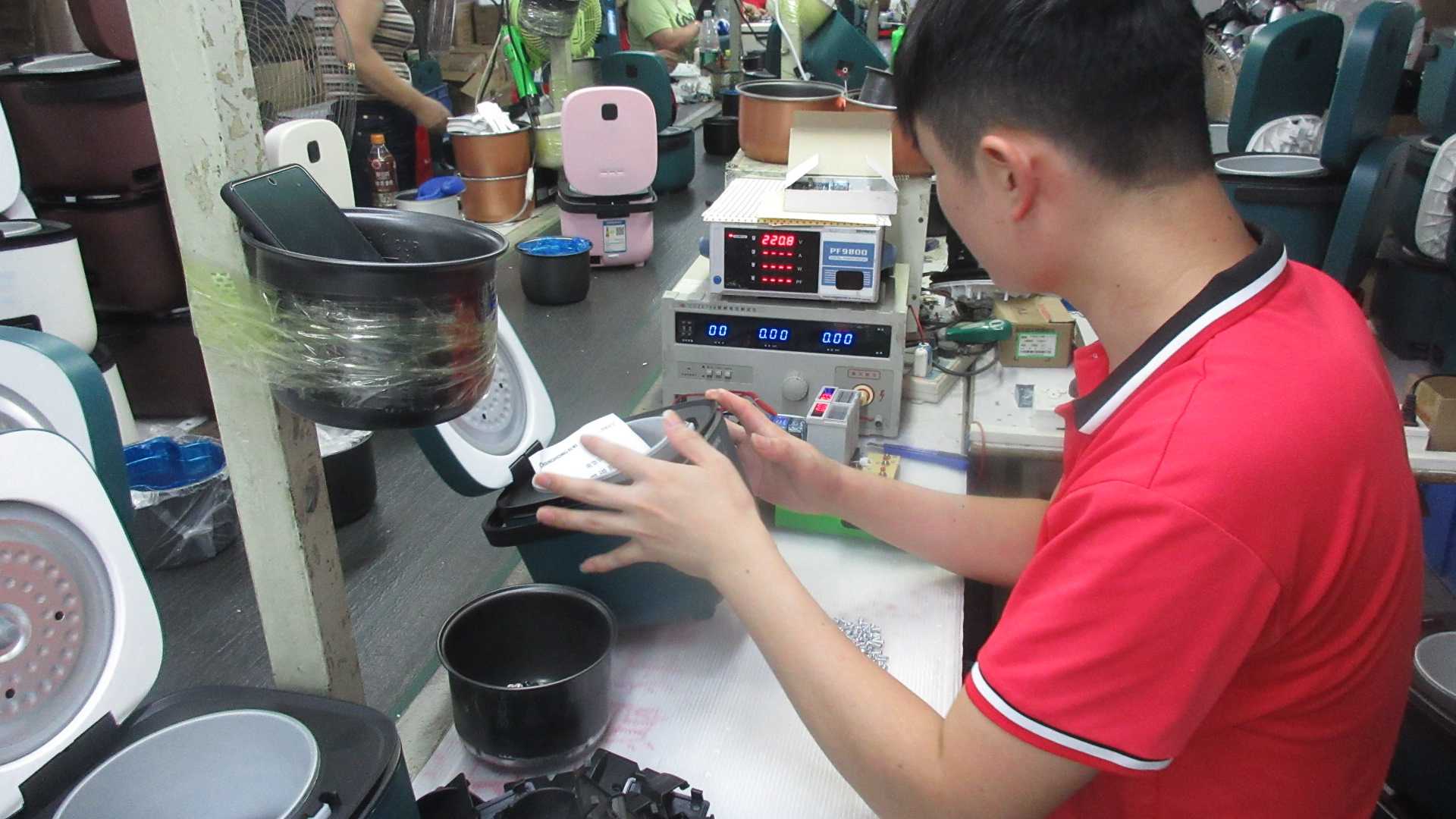
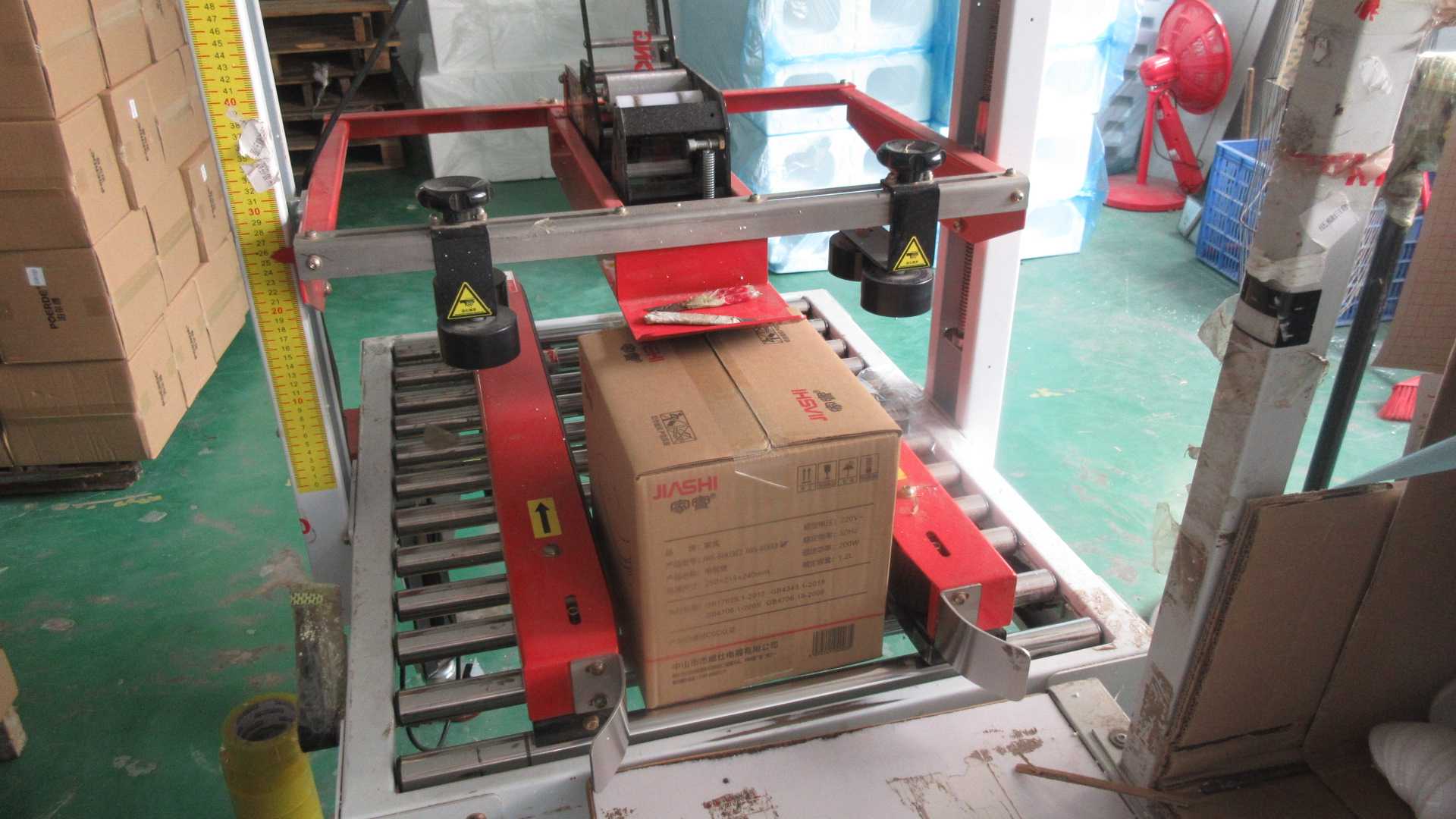
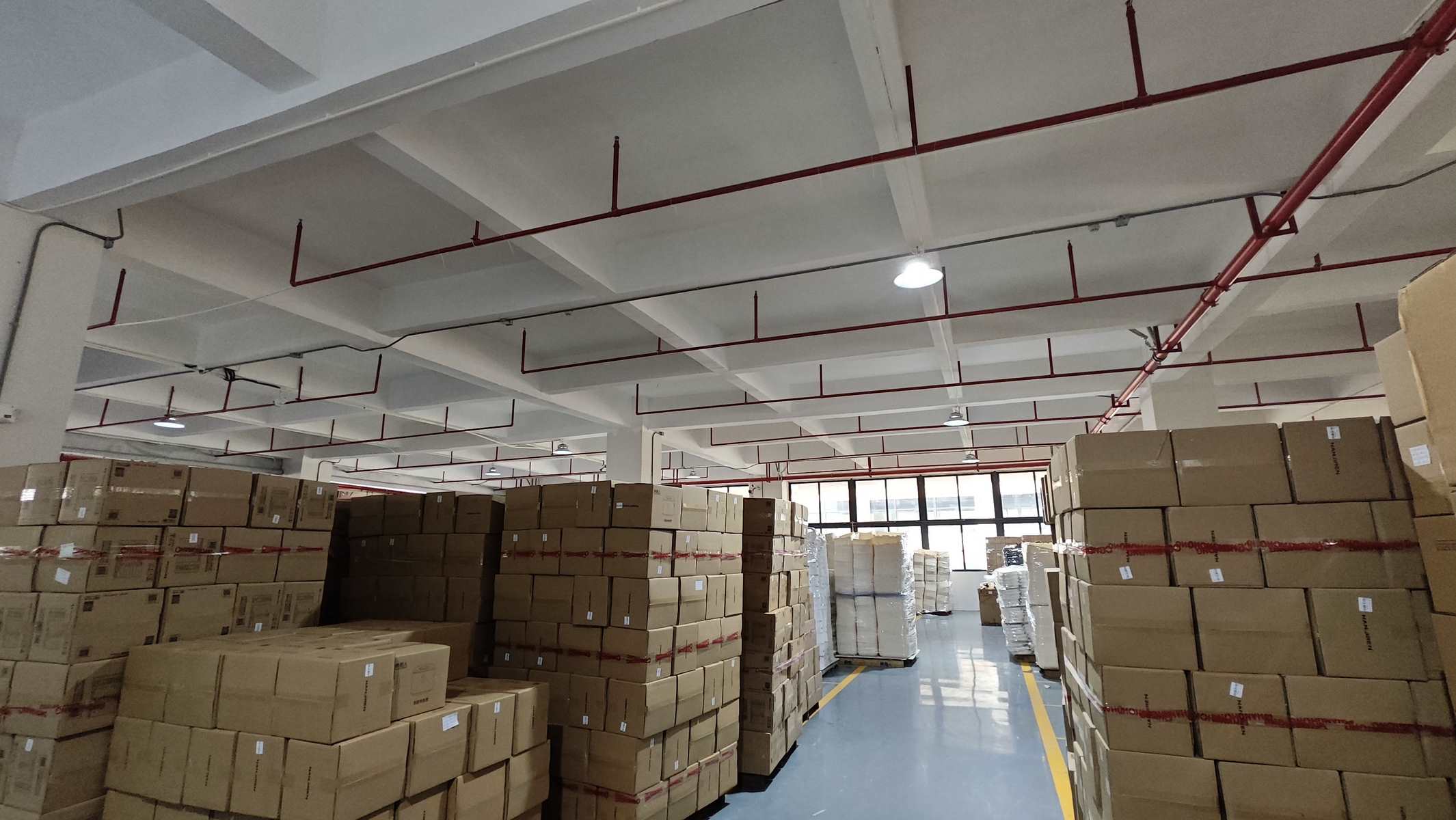
Visualizing our transparent, integrated engineering pipeline that guarantees absolute precision for every custom mini oven run.
Adapting product design pipelines to intercept shifts in regulatory mandates, IoT connectivity, and consumer habits.
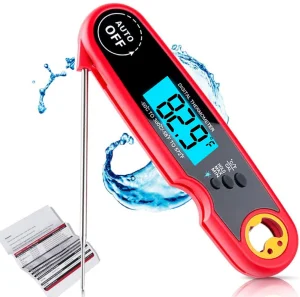
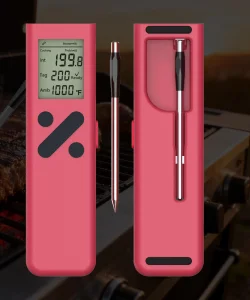
Importers are demanding mini ovens equipped with Bluetooth, Wi-Fi connectivity, and app integration. By embedding smart temperature sensor probes (like high-precision digital meat probes) into the system, ovens dynamically communicate internal food temperature data to smartphones, adjusting heat levels automatically for hands-off cooking.
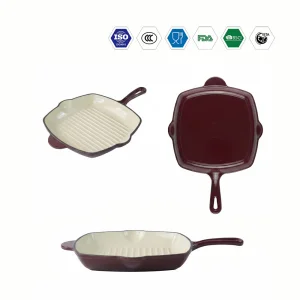
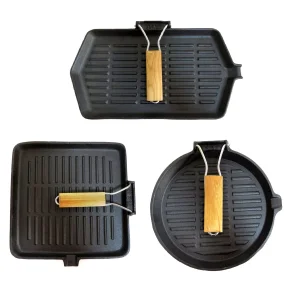
Modern countertop space is premium estate. Combined air fryer-ovens, steam-convection hybrids, and units configured with integrated grill components are outselling basic toast-only designs. Brands require internal structural partitions, custom-fit silicone folding divided trays, and non-stick enameled pans to deliver maximum versatility to consumers.
Tightening global energy conservation targets mean thermal optimization is essential. Upgraded double-layer glass doors, high-density basalt fiber insulation layers, and low-VOC heat-resistant exterior coatings are now standard expectations. Sustainable, non-toxic manufacturing processes build immediate credibility with eco-conscious consumers.
How specialized micro-appliances deliver culinary efficiency in diverse local spaces around the globe.
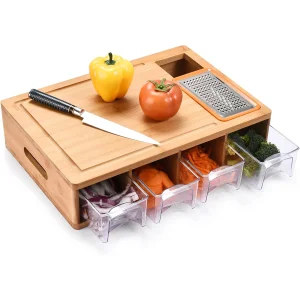
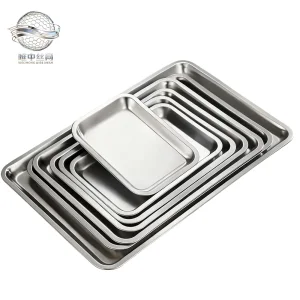
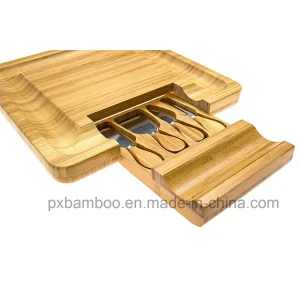
In hyper-urban centers like Tokyo, London, and New York, studio apartments lack gas stove connections. Compact mini-convection ovens serve as the primary hot cooking station, utilizing specialized double-sided cutting boards and compact sheet pans for daily baking.
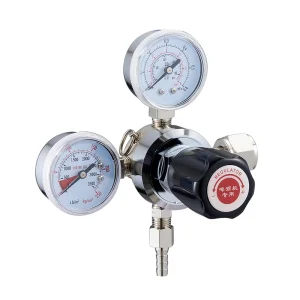
Mobile living and camping require robust, low-wattage cooking. Mini ovens customized with high-service LPG regulators allow secure conversion to propane heating, providing campers with dependable baking capacity away from electric grids.
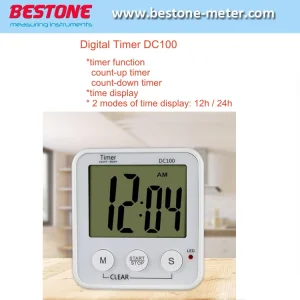
Office kitchens require fast, safe food preparation tools. Ovens equipped with smart timers, automatic shutoff features, and easy-clean non-stick trays prevent hazard risks while providing employees with quick heating capabilities.
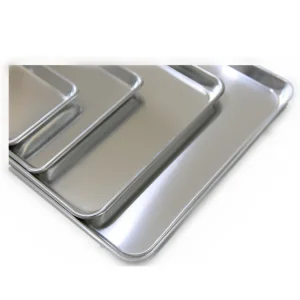
Small-scale catering and pop-up coffee shops utilize high-power commercial-grade countertop mini ovens to bake pastries in small batches. Food-grade thick aluminum pans guarantee fast, uniform heat conduction for continuous baking.
For procurement directors, distributors, and appliance brands, evaluating a factory's mechanical capability goes beyond base cost estimates. Ensuring compliance and high-performance metrics prevents costly recall liabilities and preserves brand reputational capital.
Professional engineering and supply chain insights for global procurement agents and product development managers.
For fully customized mini ovens (including custom structural molds, custom PCB controllers, and branded control interfaces), the standard MOQ typically ranges from 1,000 to 2,000 units per model. This volume justifies the cost of calibration, packaging setup, and certifications.
We enforce strict material selection. All internal non-stick sheet pans, enameled iron pans, silicone folding baking trays, and internal steel coatings undergo extensive high-temperature testing by certified third-party labs (such as SGS or TUV) to ensure no toxic compounds or heavy metals leach under thermal load.
Yes. Our R&D engineering department specializes in microcontroller design. We work with clients to flash customized firmware onto the onboard PCB and integrate wireless chips that interface with smart ecosystem systems like Tuya, Alexa, and Apple HomeKit.
Every production batch undergoes strict quality control. This includes thermal cycle tests (operating continuously at high temperatures for over 500 hours), door hinge fatigue testing (exceeding 10,000 opening/closing cycles), electrical insulation resistance verification, and physical drop tests for packaged finished products.
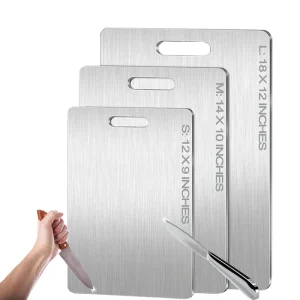
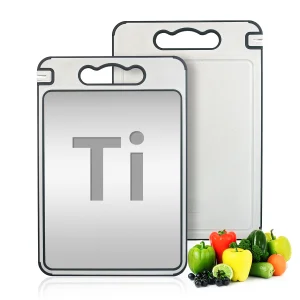
Premium baking sheet pans, heavy-duty cutting boards, and pressure regulation units essential for high-performance installations.