Picky Kitchen Picky Kitchen

Custom OEM Grilling Planks Factory & Supplier

Industrial-Scale Sustainable Sourcing, Advanced Thermal Engineering, and High-Yield B2B Wood-Fired Culinary Systems

12,000㎡
Production Facility
18+ Yrs
OEM/ODM Experience
100%
FSC Certified Sourcing
50+
Global Transit Ports Served

Executive Summary: The B2B Paradigm Shift in Wood-Fired Flavor Infrastructure

In the rapidly shifting landscape of commercial hospitality, gourmet retailing, and industrial food manufacturing, wood-fired culinary systems have graduated from localized artisanal practices to a standardized global industry. Professional dining networks, high-volume smokehouses, and retail appliance manufacturers require consistent, chemical-free thermal medium inputs. High-performance **Custom OEM Grilling Planks** serve as a cornerstone of this market. Utilizing select wood fibers to conduct indirect heat and diffuse trace organic aerosols (such as guaiacol and syringol) into proteins, custom grilling planks represent a sophisticated synergy between biological structure and heat engineering. As a leading global manufacturer, Guangdong Picky Kitchen Co. Ltd. bridges the gap between state-of-the-art metal/silicone hardware manufacturing and natural, food-safe wooden grilling interfaces. This whitepaper details the structural dynamics, manufacturing criteria, and supply chain logistics required to optimize B2B procurement of grilling planks and integrated kitchen systems.

1. Global Market Landscape & Industrial Trends

The global demand for wood-based cooking accessories is experiencing sustained structural growth, driven by a combination of changing consumer diets, health consciousness, and the expansion of outdoor living segments. In North America and Europe, grilling planks—specifically Western Red Cedar, Maple, Alder, and Hickory—have transitioned from novelty cooking items to essential kitchen categories. The market is propelled by the clean-label movement; commercial establishments are seeking natural methods to enhance food aesthetics and flavor profiles without synthetic additives or sodium excess.

Industrial food processors and smokehouses are increasingly adopting planking as a method to achieve uniform moisture preservation and high heat transmission. Additionally, the proliferation of hybrid smart-cooking appliances has integrated the use of timber elements into standard household convection cooking protocols. For global buyers, establishing a stable supply pipeline with a manufacturer capable of guaranteeing consistent moisture content (MC) and precise physical dimensions is vital to maintaining operational efficiency and brand integrity.

2. The Engineering & Science Behind Premium Grilling Planks

To the untrained eye, a grilling plank is simply a piece of lumber. To the materials scientist and culinary engineer, it is a complex, anisotropic porous medium designed to regulate heat transfer and release volatile aromatic compounds under thermal load. The efficiency of a grilling plank is defined by three primary variables:

Moisture Optimization

Moisture content must be stabilized between 12% and 16% through precision kiln-drying. Excess moisture leads to boiling and wood splitting, whereas low moisture causes premature ignition and high ash levels.

Grain Density & Cell Structure

Vertical or straight grain cuts prevent structural warping. The density must be calibrated to allow gradual heat penetration without rapid thermal degradation of the cell walls.

Chemical Purity

The timber must be free of chemical treatments, synthetic adhesives, pesticides, and heavy metal residues. This ensures that the vaporized compounds are safe for human consumption.

During the cooking process, the bottom of the plank undergoes slow pyrolysis, releasing smoke molecules such as syringol (responsible for sweet, smoky aromas) and guaiacol (providing traditional woodsmoke flavors). Simultaneously, the moisture trapped within the wood cells vaporizes, surrounding the food on top in a humid convection microclimate. This prevented protein shrinkage, ensuring tender meat fibers and pristine presentation.

3. Guangdong Picky Kitchen Co. Ltd.: Industrial-Scale Manufacturing Powerhouse

Established in 2005, Guangdong Picky Kitchen Co. Ltd. has grown into a diversified and innovation-driven enterprise specializing in kitchen hardware, functional home systems, and specialized cooking accessories. Centered on research, design, manufacturing, and global distribution, the company delivers high-quality, integrated solutions for global partners. The company operates a modern manufacturing facility covering approximately 12,000 square meters, equipped with advanced production lines and comprehensive quality control systems. This facility serves as the backbone of its manufacturing capability, ensuring both efficiency and product consistency.

Our production scope includes structural component design, precision stamping and die-casting, CNC machining, automated tool processing, mold development and fabrication, laser welding, assembly, and final testing. This full-chain manufacturing system enables Guangdong Picky Kitchen Co. Ltd. to provide one-stop solutions while maintaining strict control over quality and lead times, as well as responding quickly to customized client requirements.
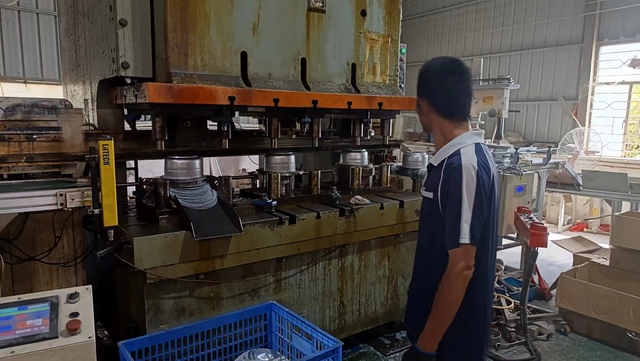
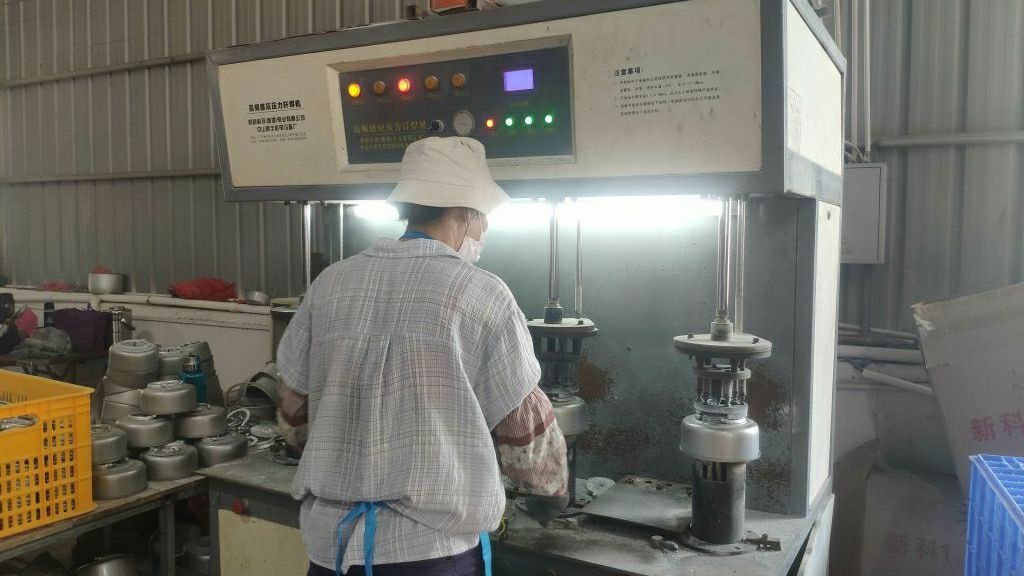
Manufacturing Infrastructure & Quality Inspection Processes

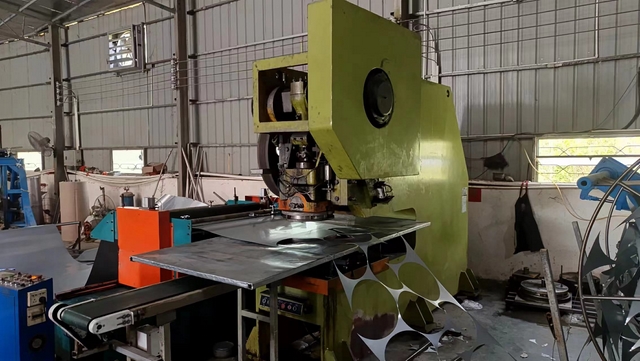
Punching Department at Guangdong Picky Kitchen
Punching
Welding Process at Guangdong Picky Kitchen
Welding
Processing Line at Guangdong Picky Kitchen
Processing
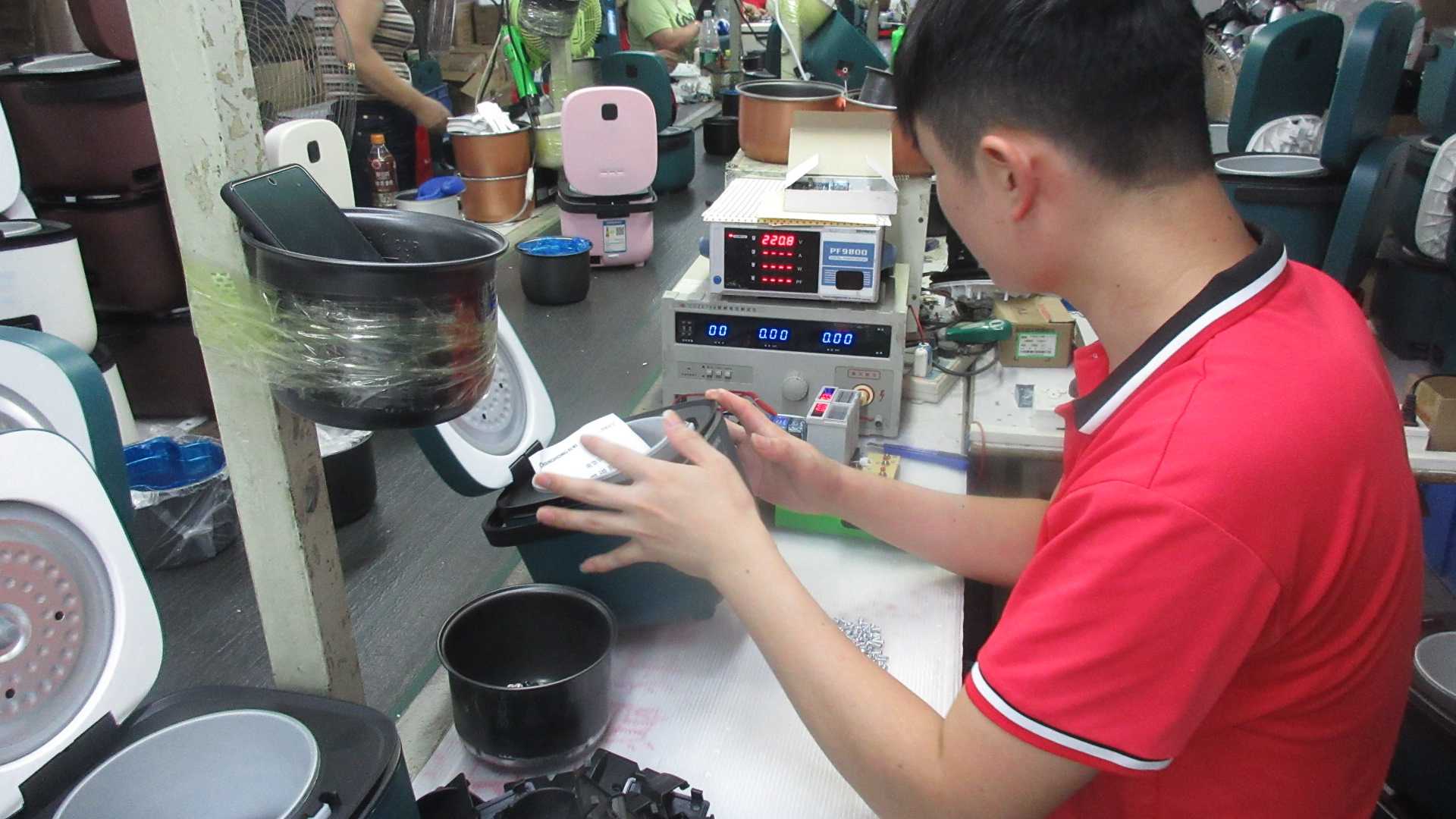
Quality Inspection Department
Inspection
Cargo Dispatch Ready
Cargo
Raw Material Selection
Material
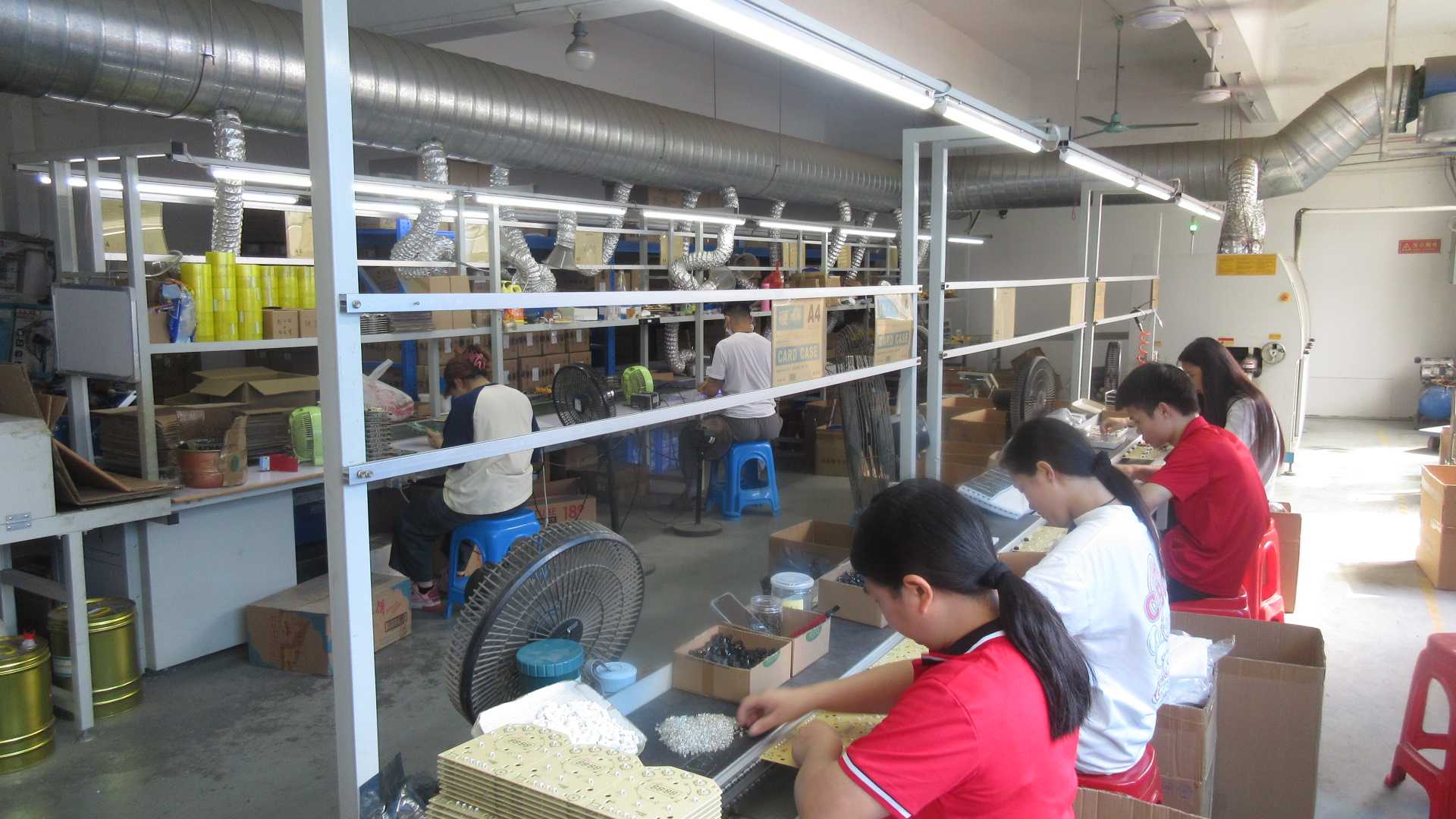
PCB Assembly for Smart Kitchen Systems
PCB Assembly
Product Assembly Line
Product Assembly
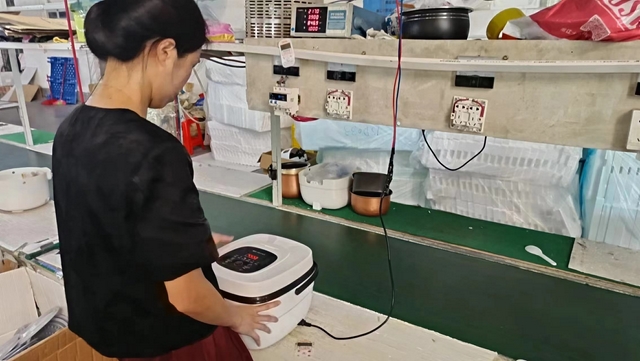
Comprehensive Product Inspection
Product Inspection
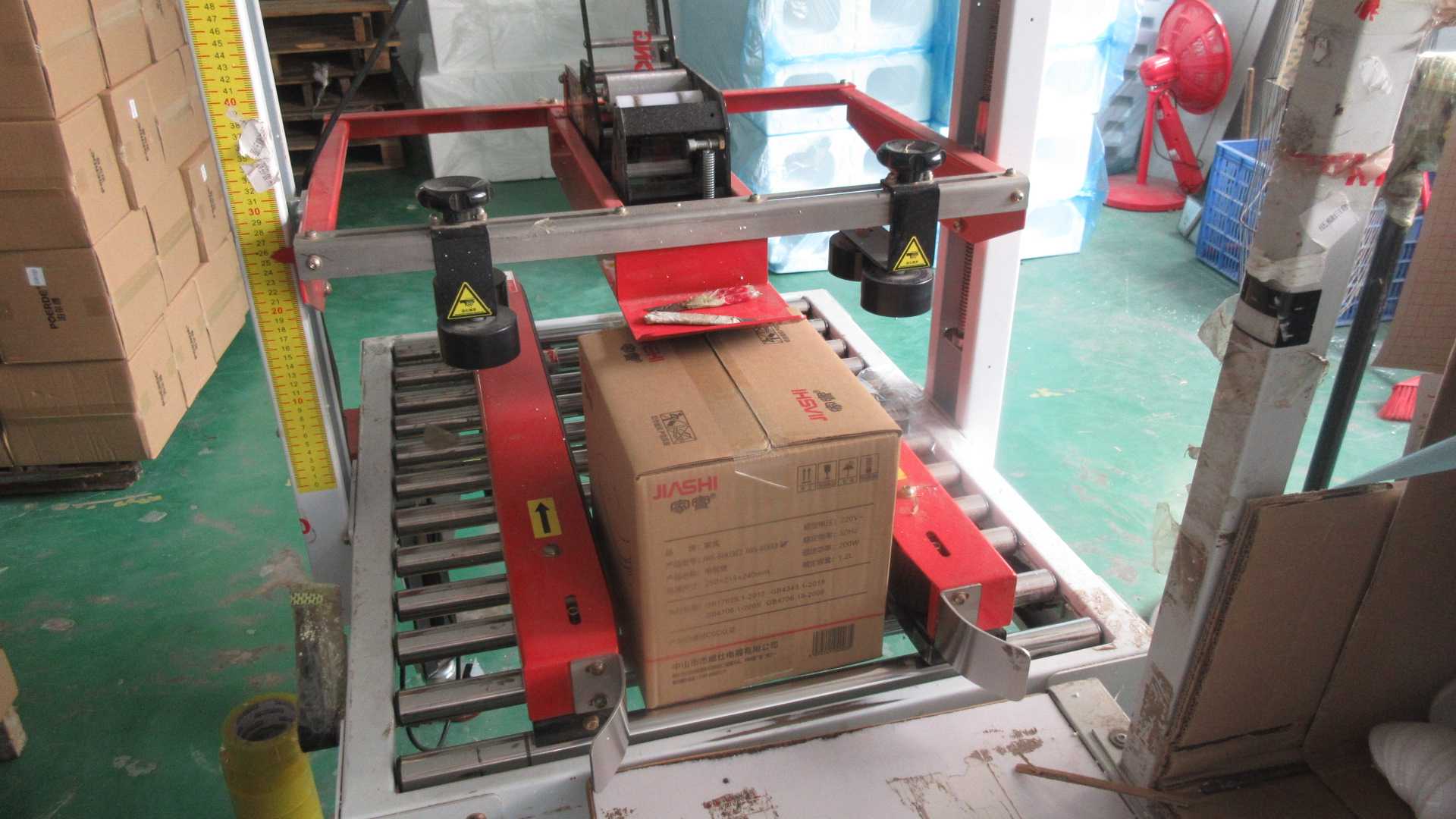
Automated Packaging System
Packaging
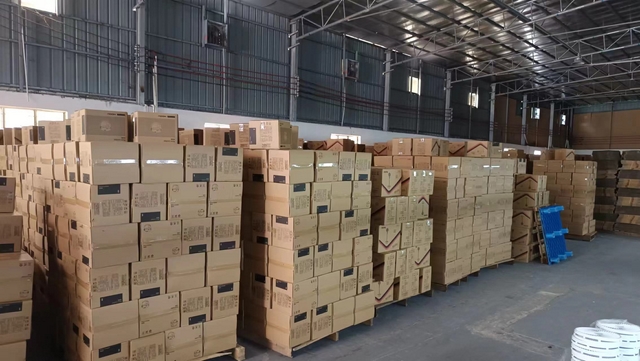
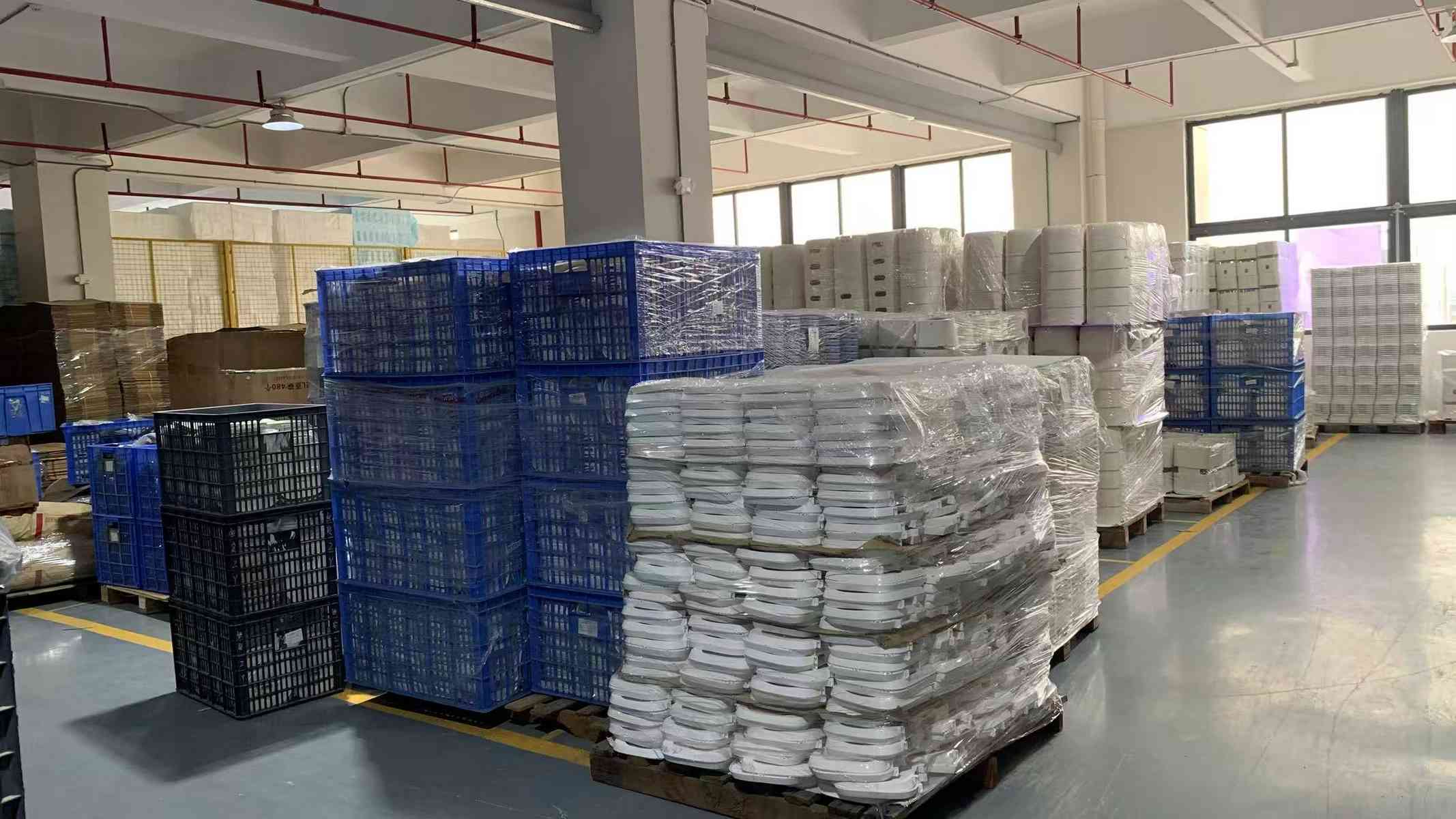
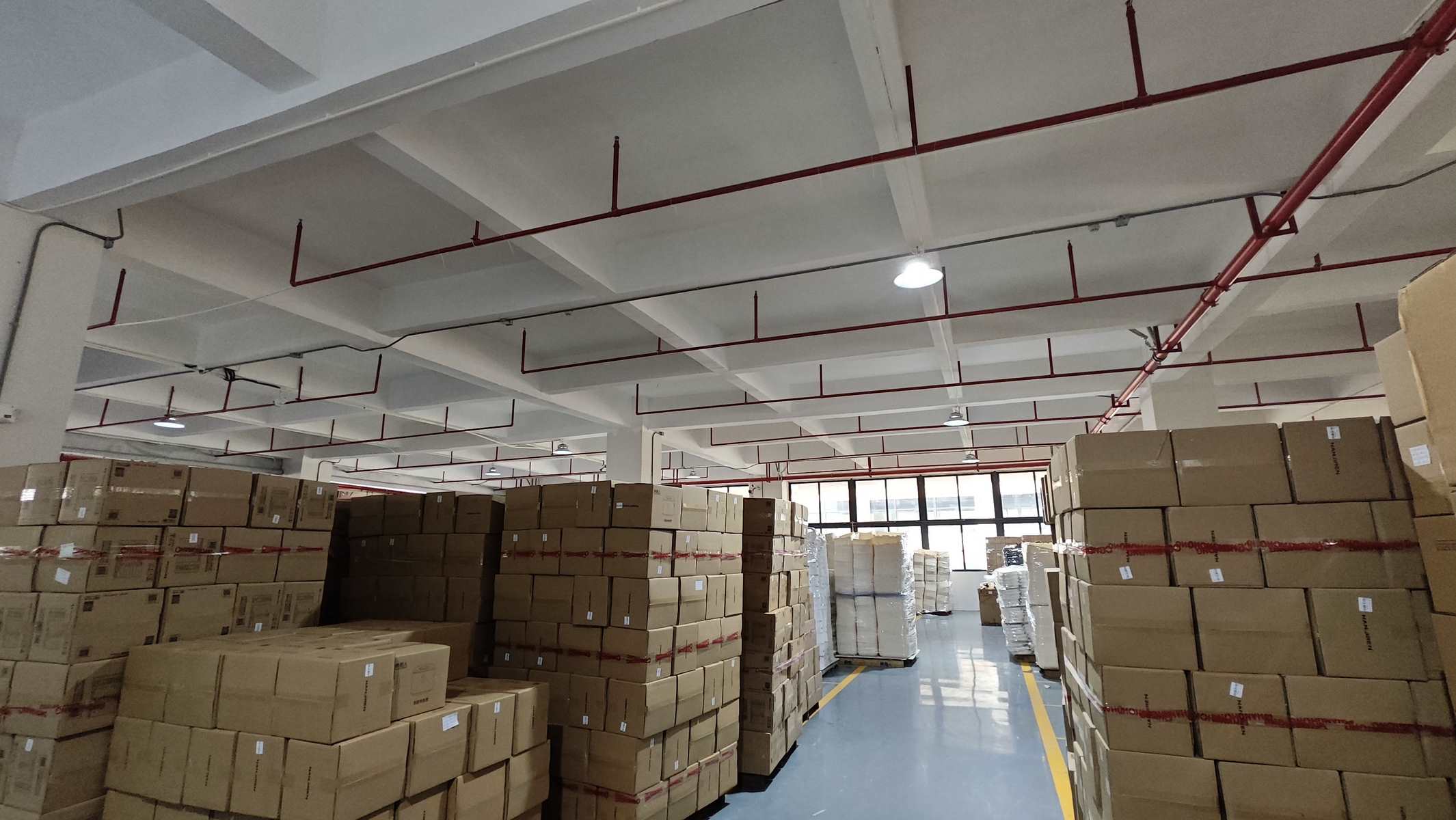
Modern Warehousing System
Warehouse
Automatic Cutting Production Line

4. Supply Chain & Processing Efficiencies in China

The concentration of kitchenware manufacturing in Guangdong enables unmatched structural efficiencies that directly benefit global distributors and retail brands. By consolidating the supply chain, our manufacturing facility leverages localized raw material networks and advanced processing machinery to maintain low operating overheads. Our automatic cutting lines, high-efficiency kiln dryers, and CNC precision milling routers ensure that every custom grilling plank matches exact dimensional blueprints.

Furthermore, China’s sophisticated logistics infrastructure allows for rapid container consolidation, reducing transit lead times. Guangdong Picky Kitchen Co. Ltd. coordinates with regional forestry suppliers and global wood importers to source certified sustainably managed timbers. Combined with our digital tracking systems and strict quality controls, we mitigate supply fluctuation risks, offering a highly reliable alternative to fragmented regional suppliers.

5. Localized Application Scenarios for OEM Grilling Planks

Understanding diverse consumer habits across different regions allows us to optimize OEM production metrics:

  • North American Residential BBQ Segment: Large-format Western Red Cedar planks designed for outdoor charcoal and gas grills. Typically packaged in bulk multi-packs for retail shelves and private labels.
  • European Fine Dining & Gastronomy: Precision-cut, small-format Alder and Maple planks tailored for indoor electric convection ovens and commercial combi-steamers. These requires minimal smoke output and focused aesthetic appeal.
  • Global Hospitality & Hotel Chains: Standardized, heavy-duty planks combined with bespoke metal serving trays. This allows commercial kitchens to cook and serve directly on the plank, enhancing guest dining experience.
  • Commercial Food Processing & Smoked Foods: Uniform industrial-grade planks used within continuous processing tunnels to smoke pre-packaged salmon and cheese blocks at scale.

6. Strategic Industry Trends and Green Innovation

Responding to the global shift toward smart homes and sustainable manufacturing, Guangdong Picky Kitchen Co. Ltd. is actively advancing three strategic directions:

  • Adoption of Eco-Friendly Materials: Utilizing natural, chemical-free finishing oil treatments, low-VOC processing standards, and biodegradable packaging designs to minimize environmental impact.
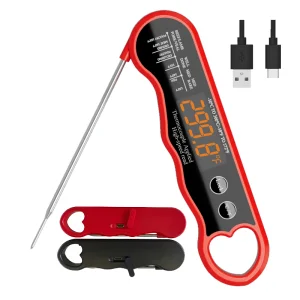
  • Smart Kitchen Integration: The integration of IoT and intelligent sensing technologies, such as rechargeable meat thermometers and digital heat sensors, with high-durability cooking platforms.
  • Low-Carbon Manufacturing: Optimizing wood waste and sawdust from our cutting lines to power secondary thermal biomass systems, creating a highly efficient, circular manufacturing loop.

7. Global Procurement Standards & Quality Control Requirements

Procuring raw and semi-finished wood products for food contact involves meeting stringent regulatory standards. Guangdong Picky Kitchen Co. Ltd. ensures that all custom-manufactured grilling planks conform to international regulations, including the **FDA (Food and Drug Administration)** food contact substance regulations, **LFGB (Germany)** food safety guidelines, and the **FSC (Forest Stewardship Council)** chain of custody certification.

Our Quality Inspection teams perform multi-point evaluations: testing moisture content using electromagnetic pinless meters, ensuring smooth surface planing to prevent splinters, and testing wood density variations. We pack our planks in vacuum-sealed food-grade shrink wrap with active silica gel desiccants to prevent mold growth during transit across maritime shipping channels. This ensures your products arrive in pristine condition, ready for the shelf or kitchen line.
Frequently Asked Questions (FAQ)

What is the standard moisture content (MC) for OEM grilling planks, and how is it monitored?
Our standard moisture content ranges between 12% and 16%. We dry our timber in computer-controlled kilns and inspect each batch using digital moisture meters before packaging. This limits warping and ensures the plank smolders without catching fire.
Which wood species can be customized for OEM orders?
We provide a wide range of food-safe hardwoods and softwoods, including Western Red Cedar, Alder, Maple, Cherry, Hickory, and Oak. Each wood type is selected to complement specific food profiles and culinary traditions.
Are the materials used in manufacturing food-safe?
Yes. All materials are completely natural, free from chemical treatments, pesticides, and artificial glues. We strictly follow FDA and LFGB guidelines for direct food contact safety across our wooden and hardware products.
What branding options are available for custom orders?
We offer high-definition laser engraving, brand hot-stamping, and custom retail packaging design. Brands can add logos, cooking instructions, and barcodes directly onto the planks or outer packaging.
How does Picky Kitchen prevent mold growth during ocean shipping?
We heat-treat and kiln-dry all wood components to eliminate biological spores. Planks are then individually shrink-wrapped with desiccants and packed in moisture-resistant cartons to keep them dry throughout ocean transit.
Do you support integration between wood accessories and kitchen hardware?
Yes. Our factory has extensive capabilities in metal fabrication, silicone molding, and electronic assembly (PCB). We can develop integrated sets, such as planks paired with stainless steel serving frames or smart temperature probes.
What is the typical lead time for a high-volume container order?
Depending on custom specifications and sourcing needs, bulk production typically takes 30 to 45 days. This includes wood preparation, cutting, branding, safety inspections, and export packing.
Does the factory hold FSC certification?
Yes. We source our timber from FSC-certified forests to ensure responsible logging and resource sustainability, aligning with international carbon footprint standards.