 Picky Kitchen
Picky Kitchen
Picky Kitchen
As major global transition vectors focus on energy safety and smart automation, selecting an experienced OEM gas line equipment supplier and exporter is fundamental to project integrity. Modern architectural, commercial, and industrial platforms demand modular gas flow regulation assemblies that withstand high-pressure differentials, adapt to corrosive environments, and integrate seamlessly with smart IoT facility monitors.
Combining structural expertise, precision casting, and advanced materials engineering, our manufacturing processes deliver optimized components designed to perform under strict safety guidelines. From heavy-duty commercial range hoods to complex fluid transmission connections, we construct infrastructure products certified to perform under rigorous operational criteria.
Explore our highly requested commercial kitchen and thermal monitoring systems manufactured under strict quality standards for professional clients.


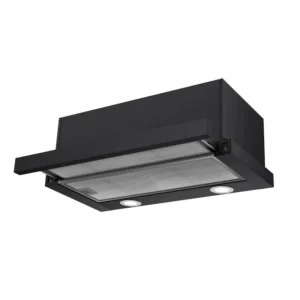
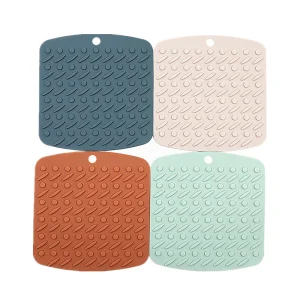
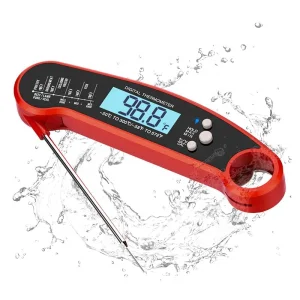
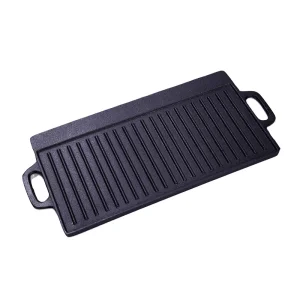
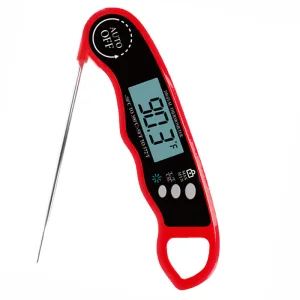
Operating across a massive 12,000 square meter modern manufacturing facility, we control the entire lifecycle of industrial and home hardware products.
Our integrated factory structure includes structural design, precision metal stamping, die-casting, custom CNC machining, automated tool processing, mold fabrication, laser welding, electronic assembly, and intensive safety certification. Here is how our advanced manufacturing floor operates to deliver premium quality products globally:
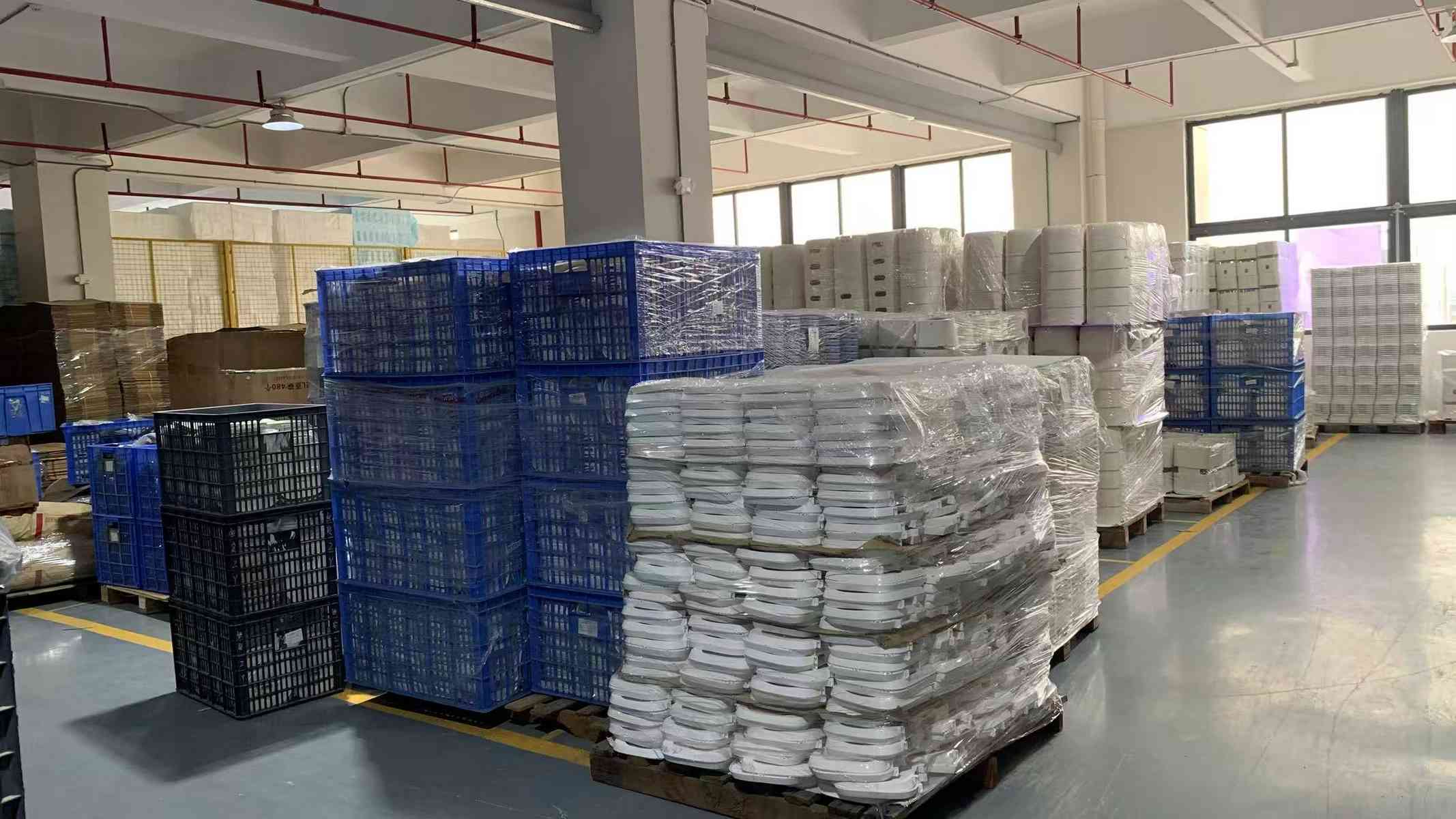
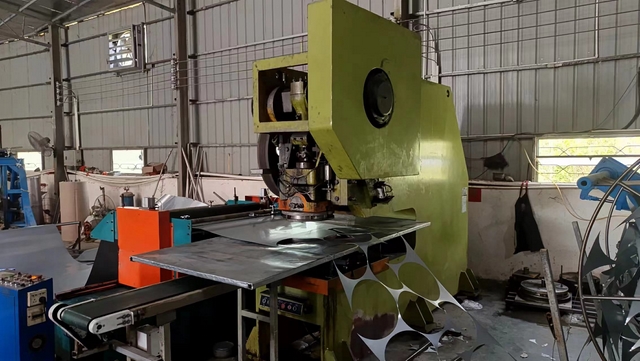
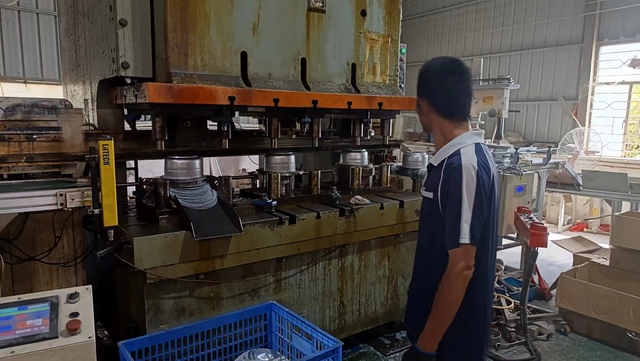
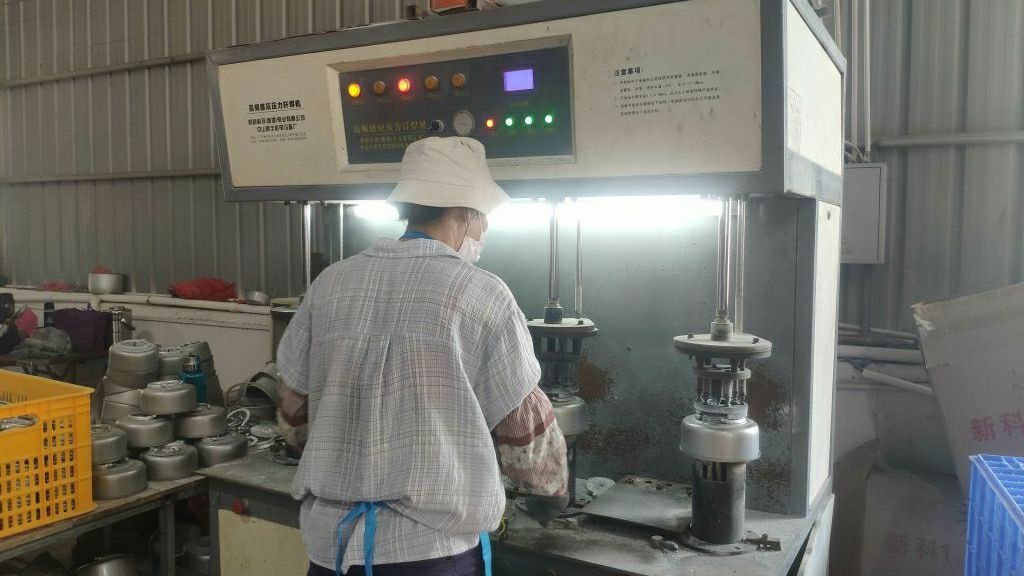
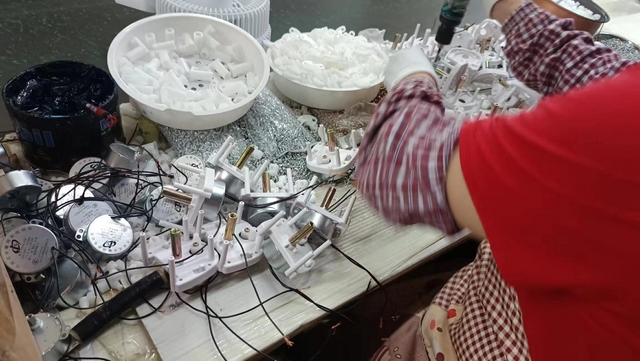
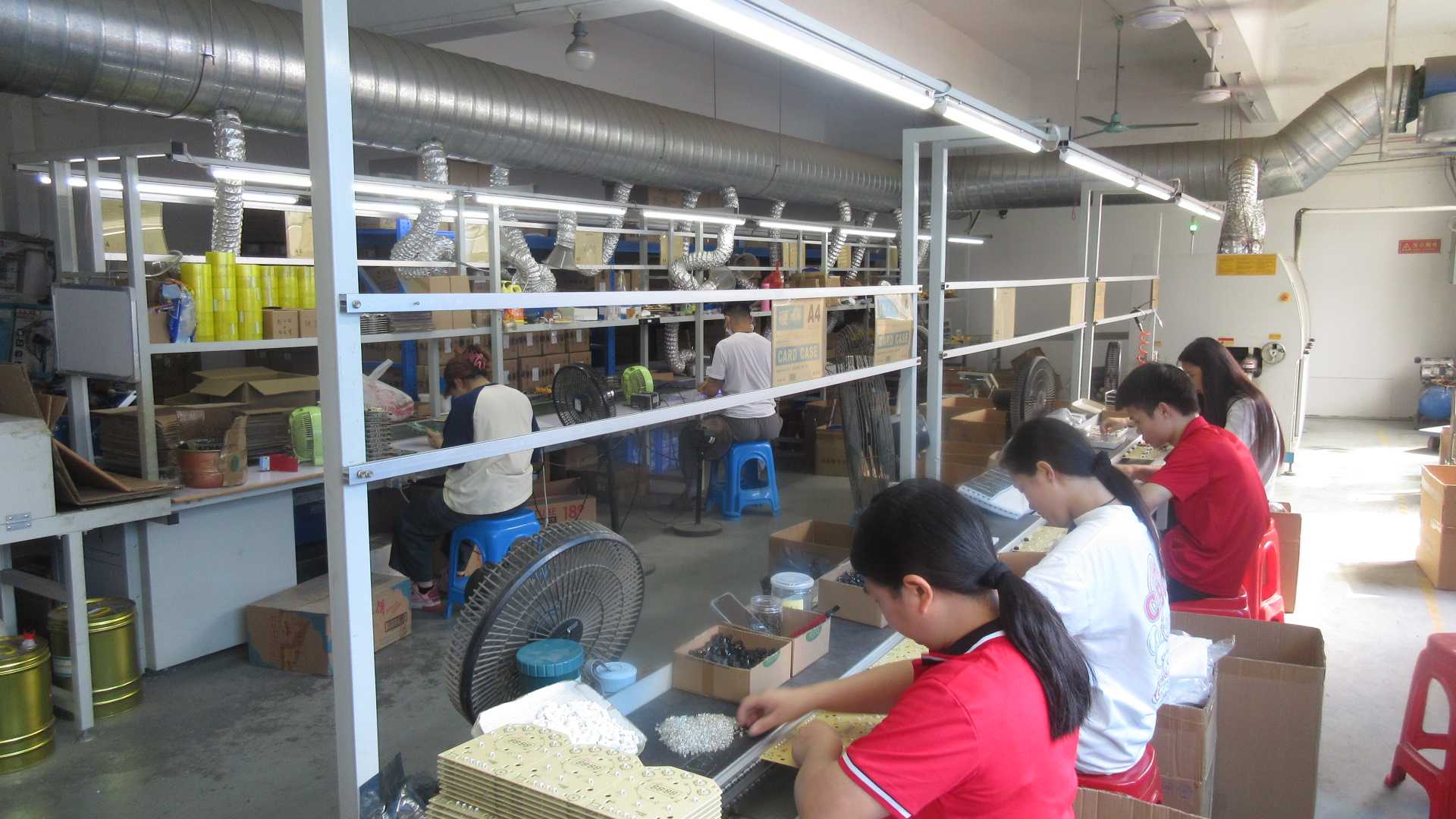
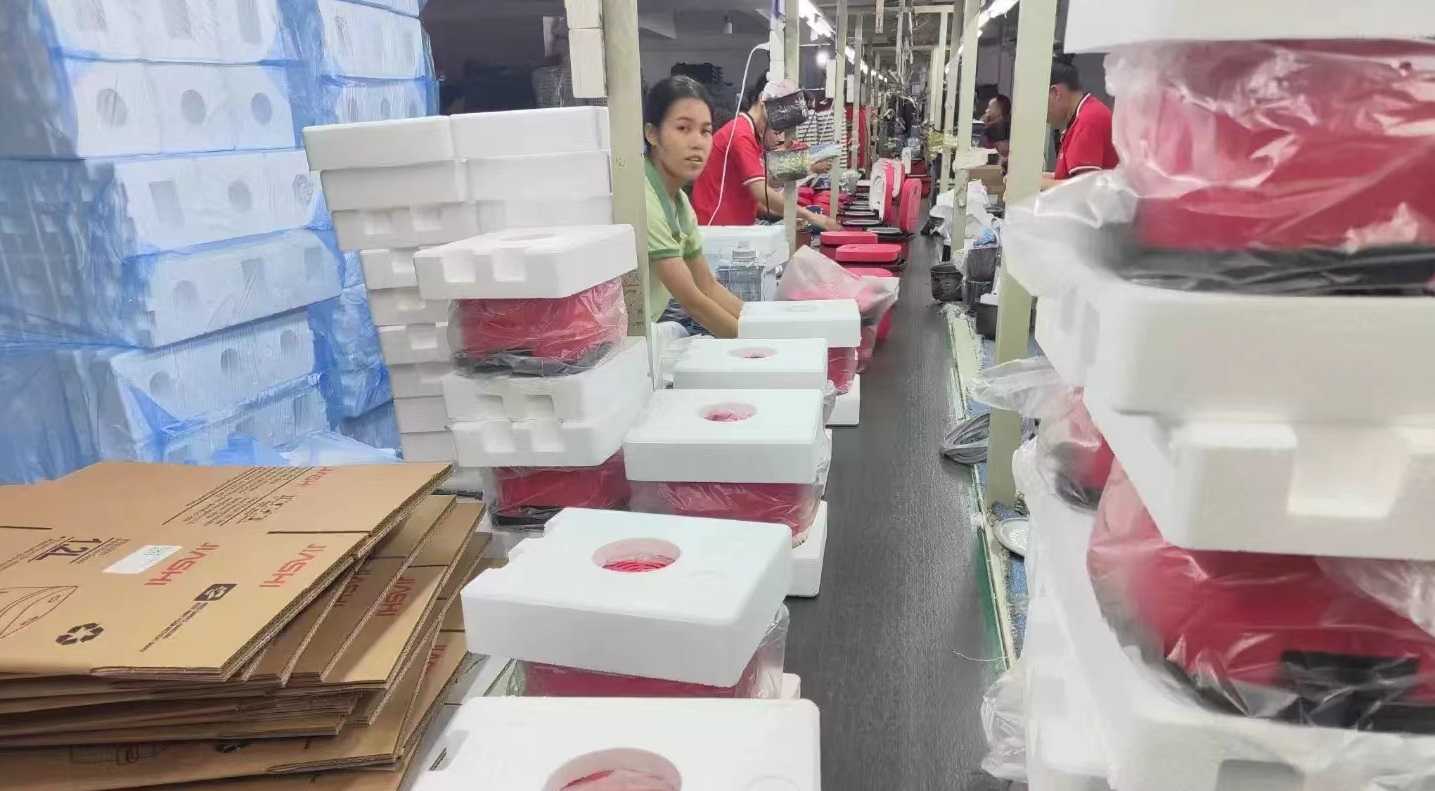
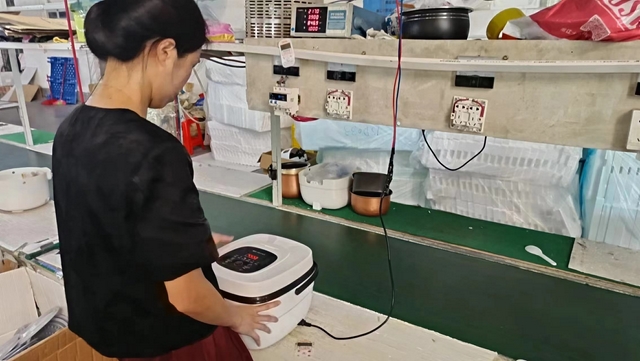
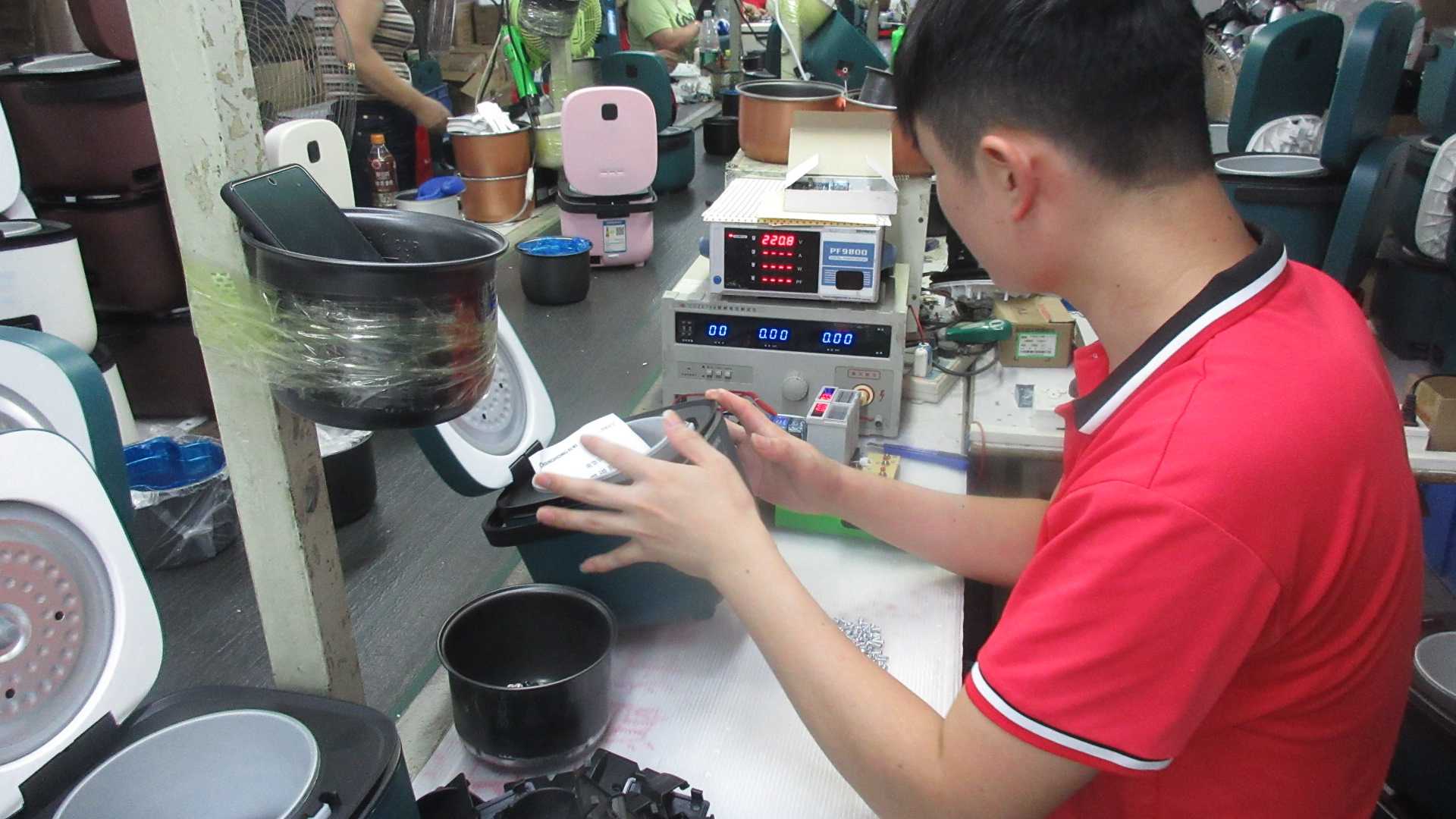
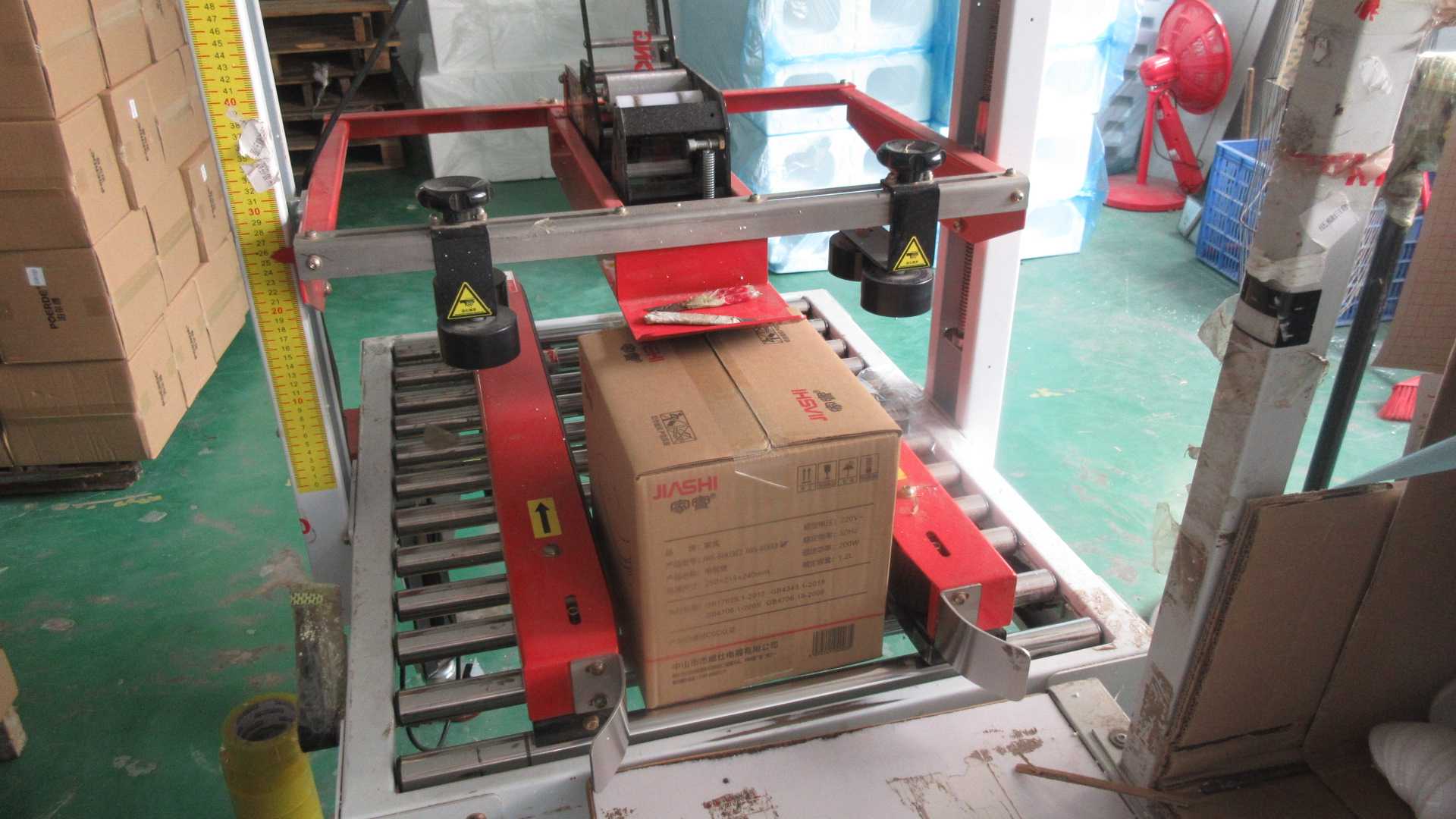
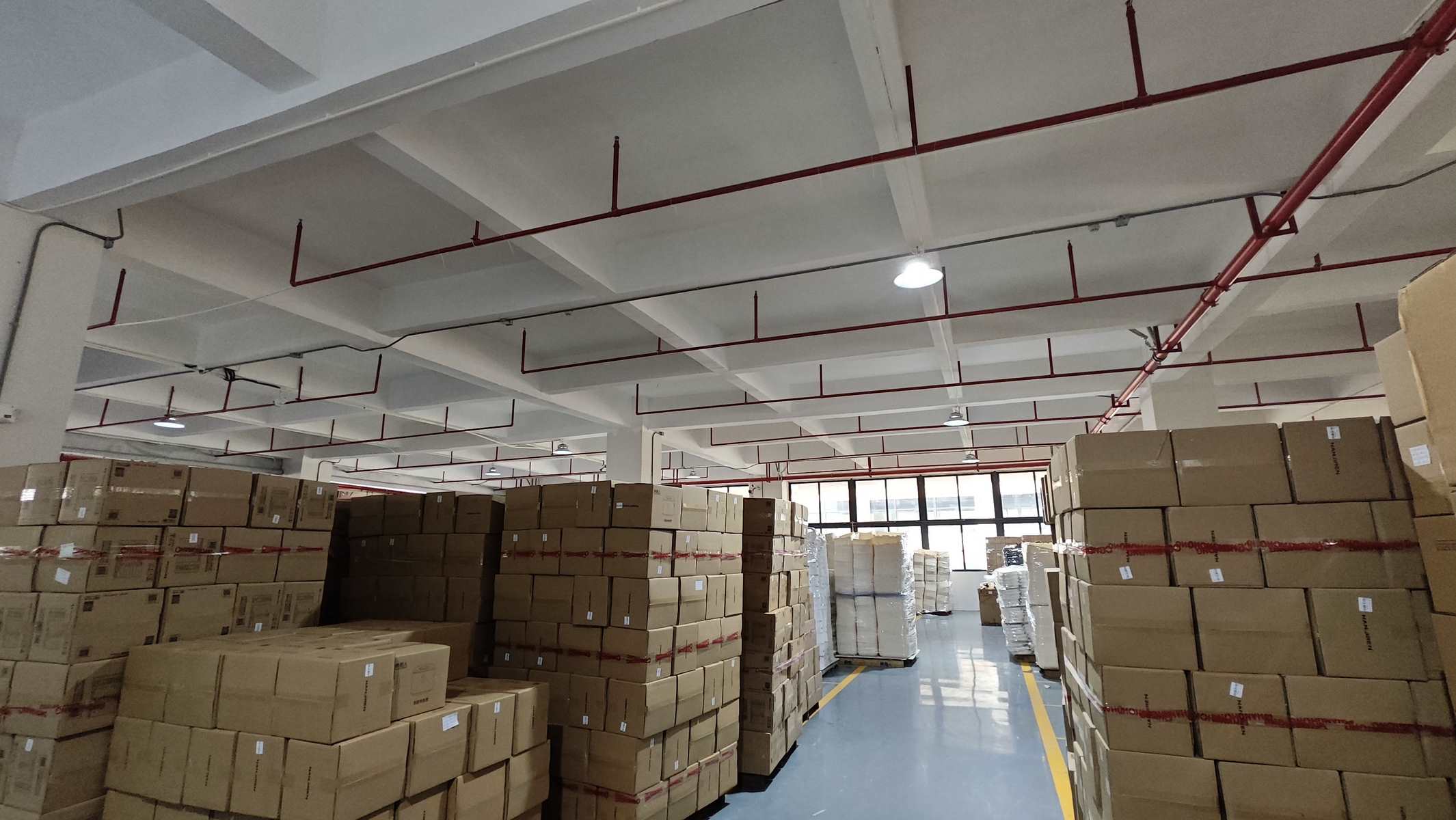
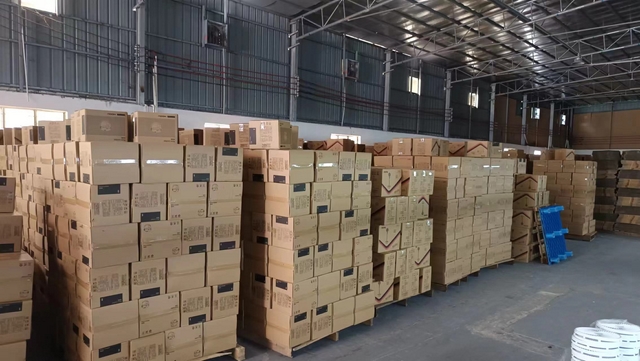
Analyzing current global demand, engineering complexities, and localized application landscapes.
Rapid urban development and industrialization in Latin America, Southeast Asia, and Eastern Europe have expanded natural gas networks, requiring high-performing, certified gas manifolds and regulating setups to prevent critical failures.
Equipment deployed in sub-zero locations or coastal high-salinity zones requires tailored materials like 316-grade stainless steel, high-tensile brass, and temperature-stabilized polymers to resist mechanical deterioration.
International validation metrics (ASME, CSA, EN 751) are shifting to limit system leakages. OEM builders must guarantee zero-defect production chains with integrated mechanical pressure checks before dispatch.
In high-density commercial developments, gas line frameworks are configured for localized pressure requirements. For instance, in multi-tier shopping centers, a centralized high-pressure natural gas line must be stepped down to distinct low-pressure manifolds for safety. This requires high-integrity gas pressure regulators, automatic emergency shut-offs, and robust monitoring equipment.
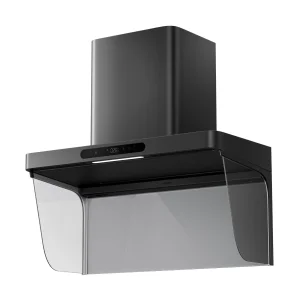
In heavy-duty industrial food production zones, manufacturing systems work alongside large extraction equipment. High-speed, high-efficiency ventilation setups (such as our custom high-performance range hoods) must run concurrently with gas supply systems. Integrating safety components ensures that if air extraction rates fall below nominal levels, gas supply loops shut off automatically, preventing the accumulation of carbon monoxide and raw gas mixtures.
Innovation vectors shaping the next generation of global gas delivery systems.
As governments prioritize carbon reduction, municipal natural gas networks are trialing hydrogen blends (typically 5% to 20% H₂). Hydrogen's small molecular size causes rapid permeation in standard rubbers and low-grade steels, leading to hydrogen embrittlement.
Our R&D efforts focus on identifying and testing specialized elastomer seals and high-nickel alloys that resist hydrogen degradation, preparing our OEM gas line clients for future infrastructure shifts.
Static manual valves are transitioning to smart nodes. Future gas line accessories will feature embedded sensors that monitor pressure changes, micro-vibrations, and real-time gas leakage, relaying analytics directly to operations interfaces.
Environmental responsibility drives our surface treatment improvements. We are moving away from traditional chemical plating methods, adopting electro-powder coatings and PVD (Physical Vapor Deposition) techniques that do not produce harmful volatile organic compounds (VOCs).
This path aligns with strict environmental standards in the EU and North America, helping our partners achieve their corporate sustainability targets.
Our manufacturing complex in Guangdong utilizes China's comprehensive industrial network to optimize production. Proximity to high-grade raw material sources (such as certified 304/316 stainless steel, food-grade silicon, and high-performance brass alloys) keeps material pipelines reliable and cost-effective.
By automating key processes like precision stamping, automated tool cutting, and laser welding, we maintain tight tolerances and minimize material waste. This high level of process control enables us to offer stable pricing and shorter lead times to international clients, even during times of supply chain volatility.
With an integrated production model spanning tooling development, PCB assembly, and final validation on-site, we reduce the risks associated with third-party components, ensuring quality control from start to finish.
Adapting to unique regional regulations, validation rules, and commercial standards.
We work with international validation agencies (CSA for North America, CE for the European Economic Area, and UKCA for the United Kingdom) to confirm that our custom equipment designs meet or exceed local safety and environmental requirements before shipping.
Gas plumbing connections vary by region. We construct manifolds, connector tubes, and valves with NPT, BSPT, or metric threading styles to match local architectural standards, minimizing on-site installation issues.
Every product batch is accompanied by comprehensive engineering documents, detailing mechanical limit tolerances, pressure drops, heat resistance values, and step-by-step assembly diagrams for field engineers.
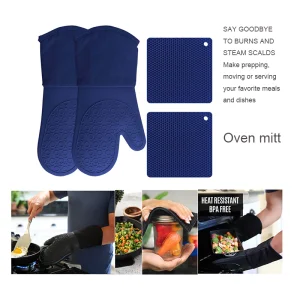
View additional options from our high-performance product range, engineered to handle elevated thermal demands in modern kitchens.


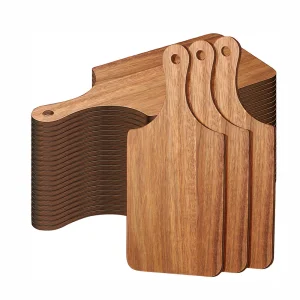
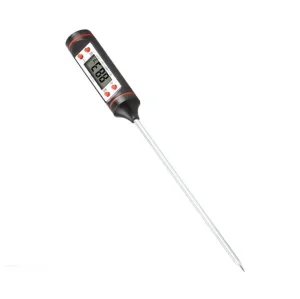
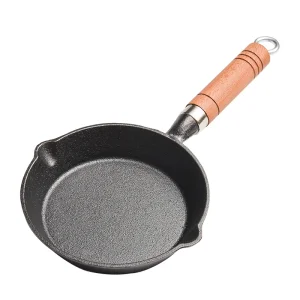

Answers to common industry questions regarding gas line configurations, custom engineering, and international shipping.
For natural gas and LPG systems, 304-grade stainless steel is the standard choice due to its balance of cost and corrosion resistance. For more demanding applications, such as coastal facilities or high-humidity environments, we use 316-grade stainless steel, which offers higher resistance to chloride corrosion and pitting.
We perform hydrostatic and pneumatic pressure testing on all critical gas line connections and manifolds before packaging. Our multi-stage inspection process includes component verification, structural checking, and performance testing under pressure load levels that exceed typical operation requirements, ensuring reliability in the field.
Yes. We manufacture components with NPT (National Pipe Thread) configurations for North American systems, and BSPT (British Standard Pipe Tapered) or metric threading for European and Asian systems. Our team reviews regional technical drawings during the mold design phase to ensure compatibility.
Standard mold development and sample creation takes 25 to 35 days, depending on the complexity of the design. Once prototype approval is received from the client, mass production runs are generally completed within 30 to 45 days, supported by our 12,000 square meter facility and automated cutting lines.
Commercial ventilation systems must be linked to gas supply manifolds. If a range hood's exhaust fans drop below a set speed, an electric shut-off valve closes the gas supply to prevent exhaust buildup. We customize structural components and control nodes to interface smoothly with standard kitchen shut-off systems.