Picky Kitchen
Picky Kitchen
Picky Kitchen
Premium OEM solutions designed to exceed food-safety standards and operational performance globally.
In modern commercial food preparation, food processors, and heavy-duty industrial food manufacturing, the humble food grater has transitioned from a basic manual instrument into a highly specialized, engineering-focused kitchen tool. Slicing, shredding, and zesting require calculated shear strength, blade alignment, and micro-etched steel structures to deliver consistent results under demanding commercial loads.
Globally, the market for commercial food graters has experienced an annual growth rate driven by the rise in quick-service restaurants (QSRs), cheese processing automation, and strict safety regulations in the food service sector. Enterprise buyers do not simply purchase graters; they acquire tools designed to reduce prep times, minimize raw material waste (yield optimization), and withstand hundreds of commercial sanitization cycles. The engineering specifications of food-grade stainless steels (such as SUS304 and SUS316) dictate the mechanical performance, structural durability, and corrosion resistance of these components.
From an engineering perspective, the key differentiator in high-performance graters lies in blade manufacturing. Traditionally, stamped blades deformed the metal to create a shear edge, resulting in dull teeth that tear food rather than slicing it. Modern OEM manufacturers use chemical photo-etching (acid etching) to construct razor-sharp, ultra-precise teeth that slice food cleanly, preserving flavor profiles and reducing friction. This micro-etching process extends the service life of the blades, directly lowering the Total Cost of Ownership (TCO) for commercial kitchens and food processing facilities.
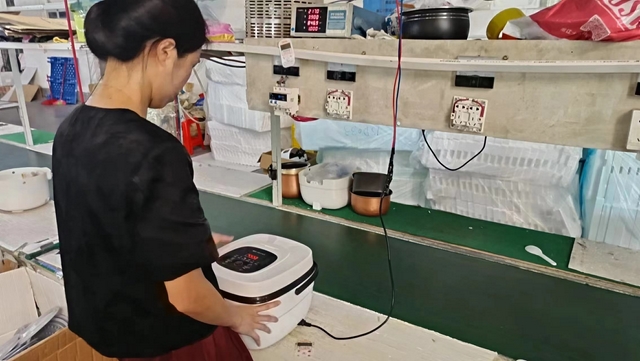
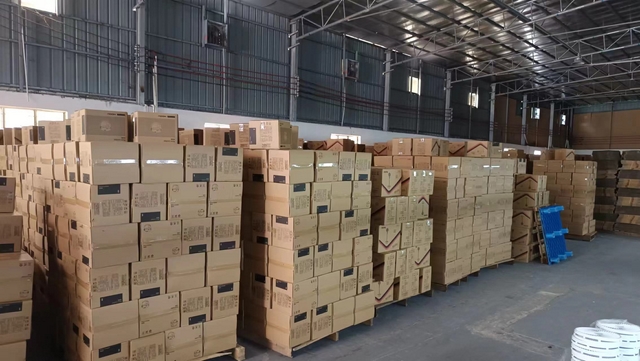
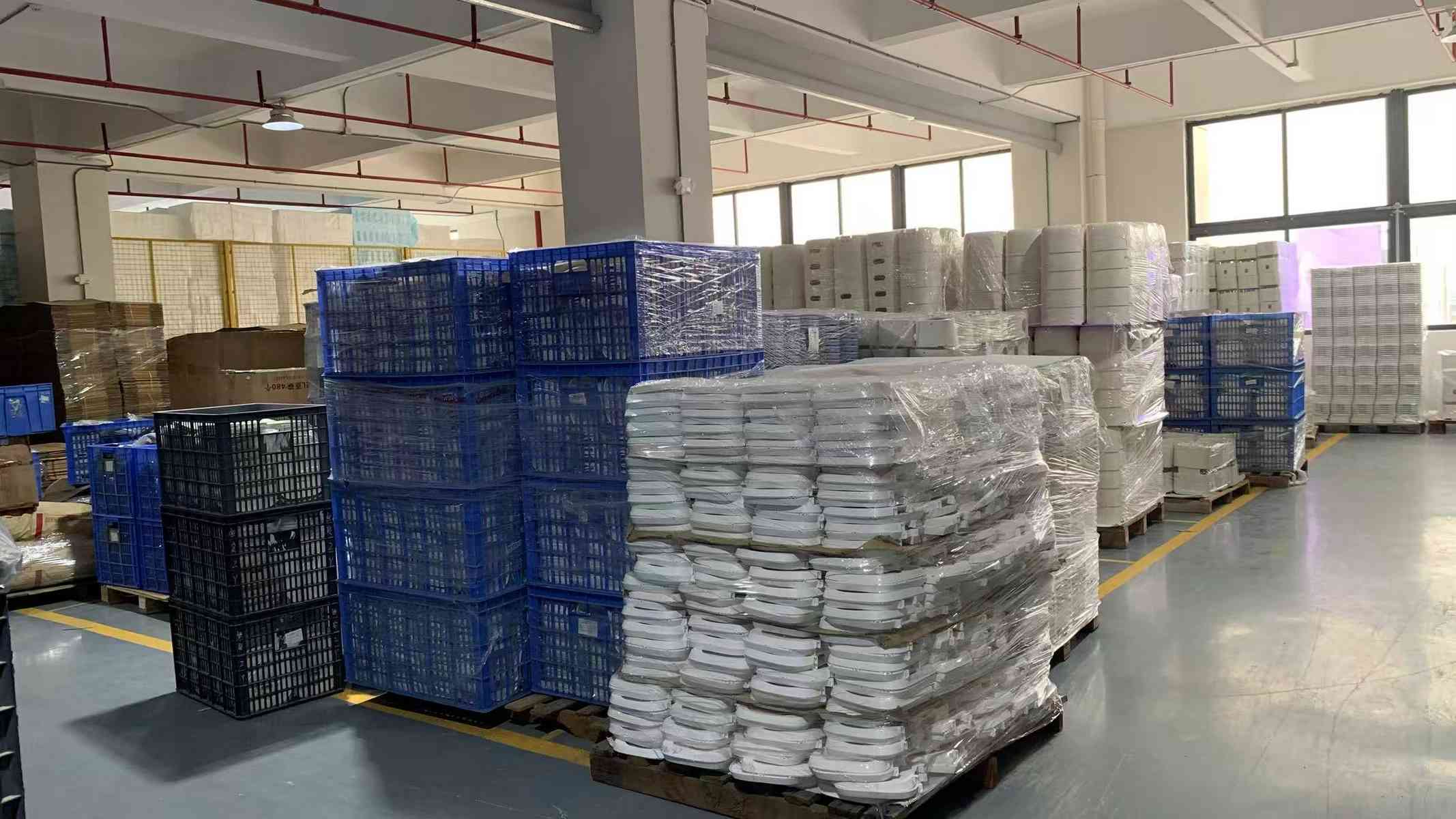
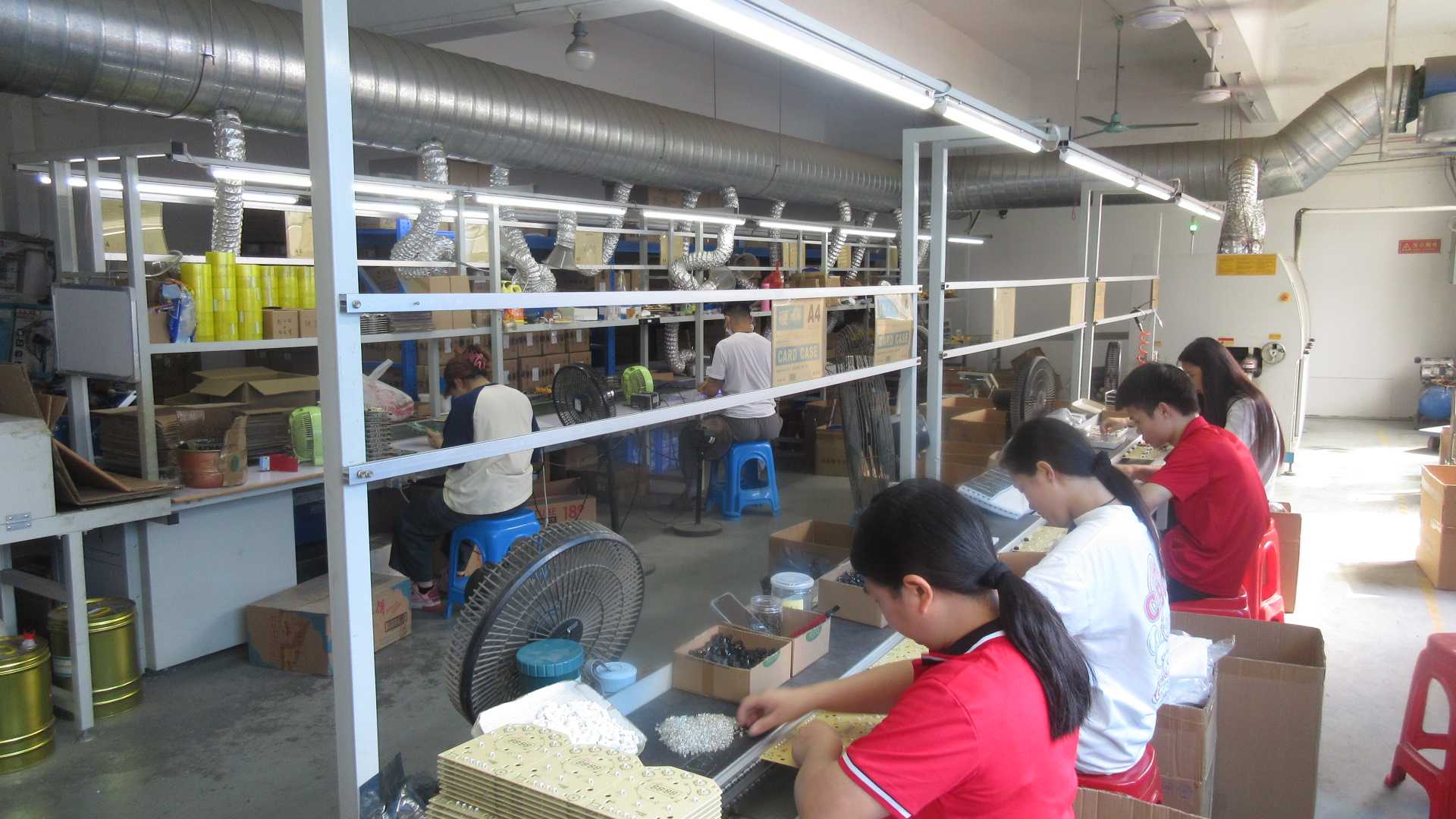
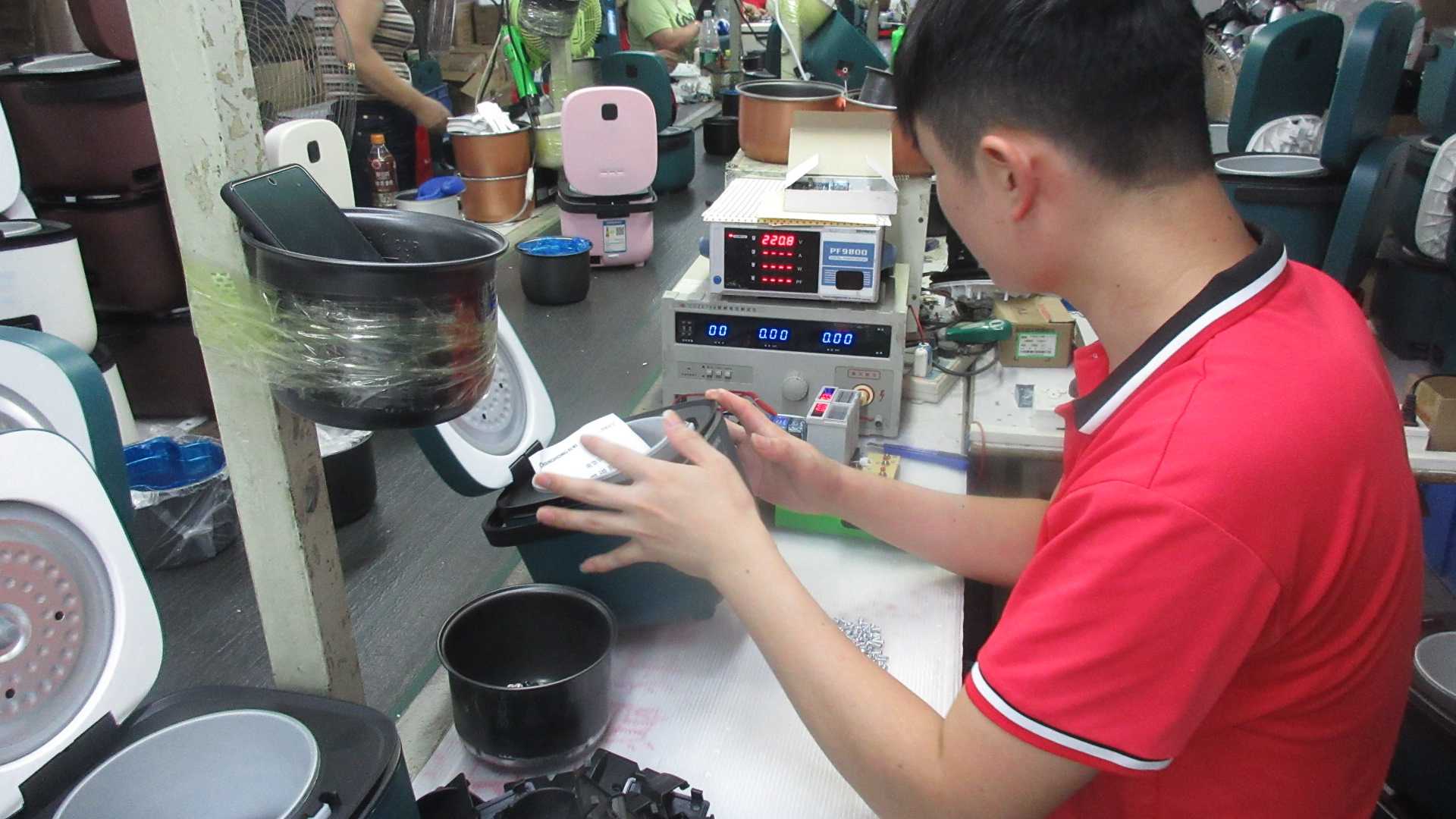
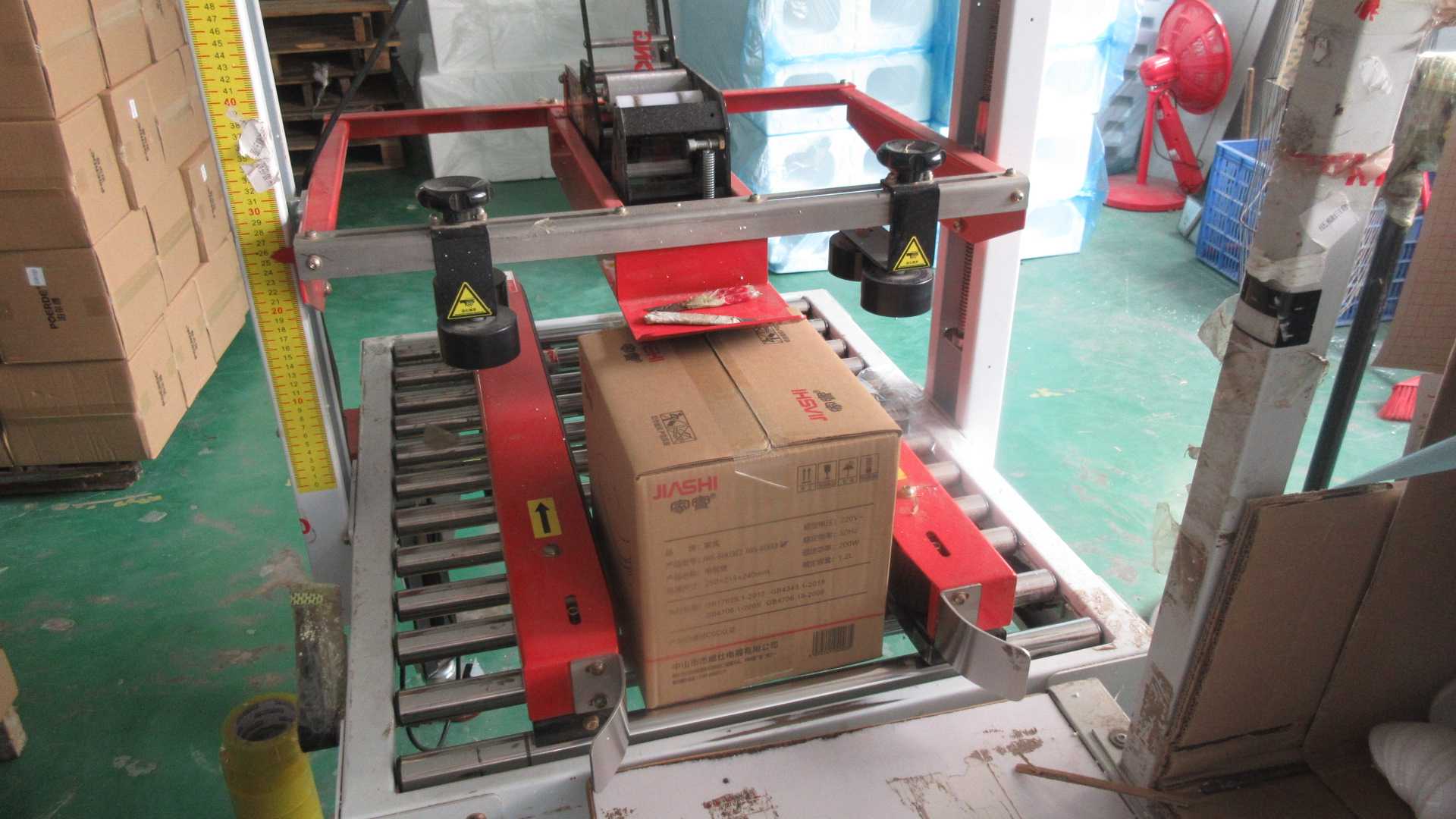
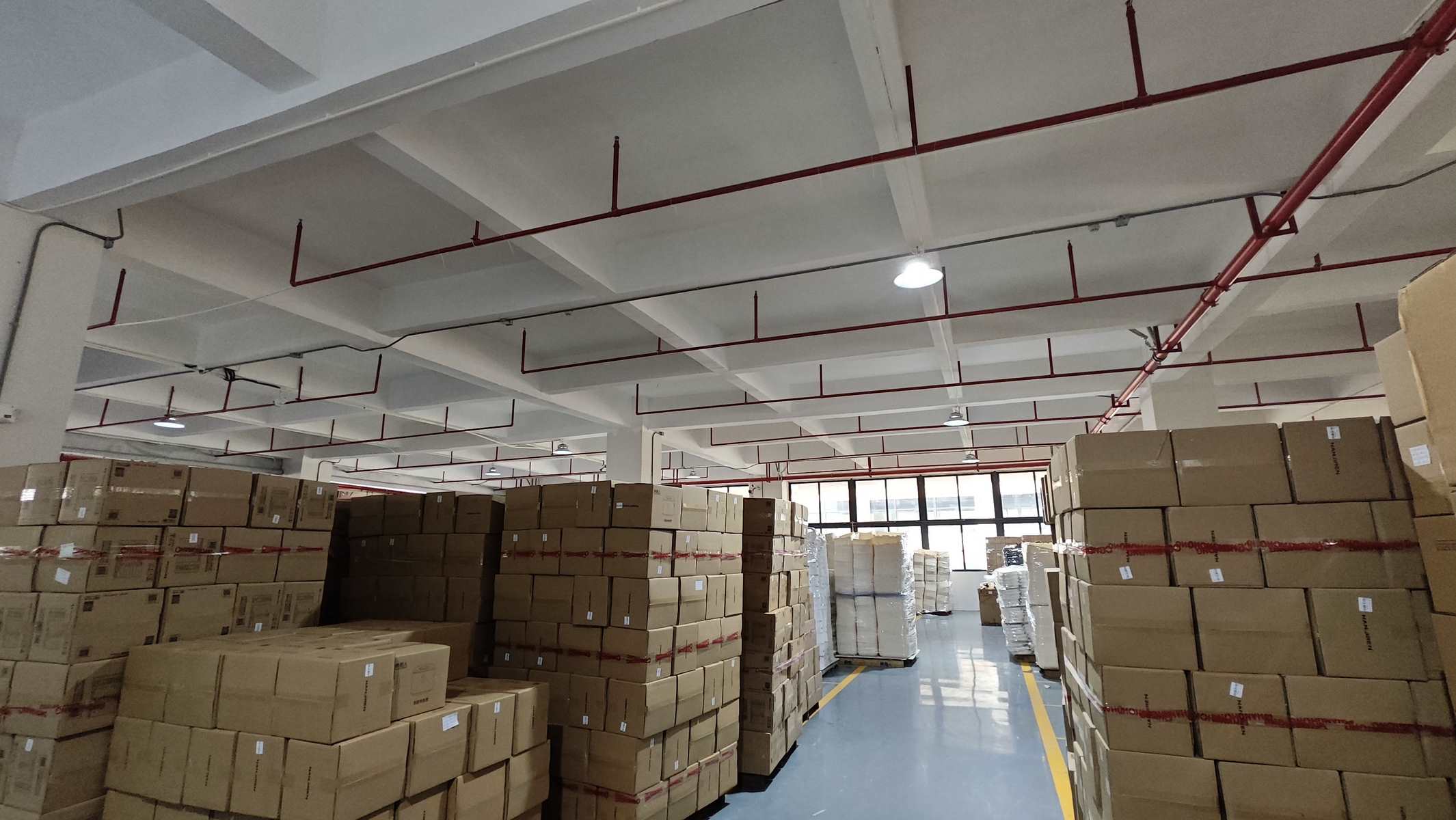
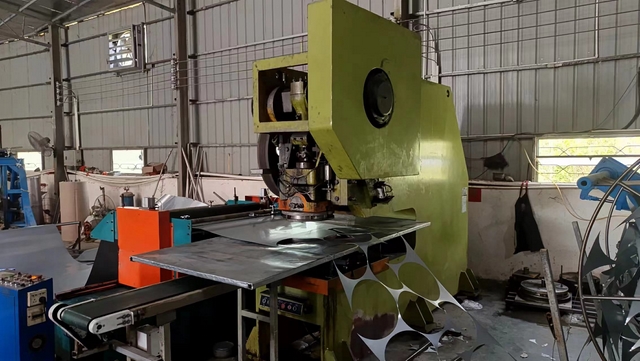
Established in 2005, Guangdong Picky Kitchen Co. Ltd. has evolved from a hardware supplier into an integrated manufacturer of kitchen hardware, functional home components, and high-precision food preparation equipment. The company operates a state-of-the-art 12,000 square meter facility equipped with automated production lines, modern CNC machinery, and high-precision stamping and welding technologies.
Picky Kitchen is built around strict quality control and customer-focused design. Their specialized engineering team designs structural components, molds, and automation setups to meet the requirements of international OEM and ODM buyers. Whether designing food-safe metal alloys, testing blade longevity under structural stress, or adding smart sensing elements to electronic kitchen tools, Picky Kitchen ensures performance and regulatory compliance.
"Our factory's vertically integrated supply chain controls every stage of production—from raw material inspection and automated precision laser welding to surface polishing and ultrasonic decontamination. This integration allows us to meet strict tolerances and deliver consistent results on large-volume custom orders."
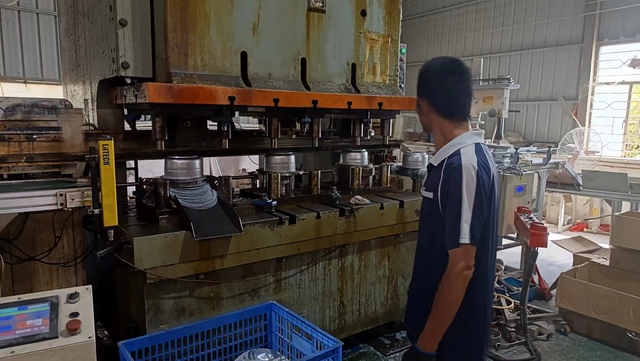
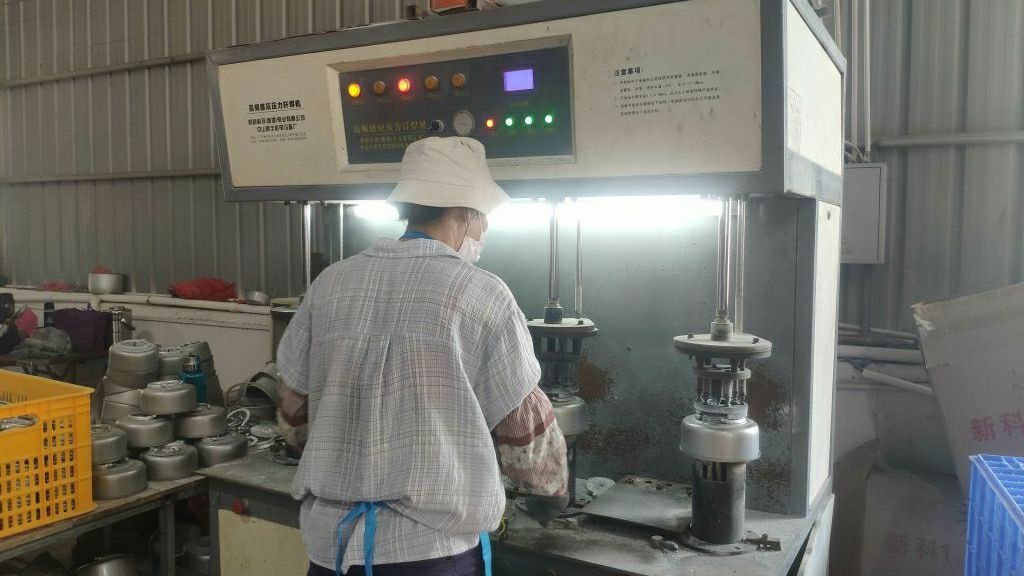


Western buyers often evaluate China's manufacturing base primarily on labor costs. However, experienced procurement managers know that the real advantage of sourcing from Guangdong lies in industrial cluster density and supply chain responsiveness.
In the kitchenware and food-grade hardware segments, the Pearl River Delta offers an integrated network of raw material refiners, tool-and-die shops, surface-treatment specialists, and logistics providers. This close proximity reduces manufacturing lead times: a custom mold modification that might take weeks to coordinate across borders can be executed, tested, and approved in days.
This efficiency helps keep costs competitive while enabling factories to handle complex designs, tight tolerances, and customized packaging options that are difficult for fragmented local suppliers to execute at scale.
Food preparation habits, culinary styles, and regulatory frameworks vary by market. OEM manufacturers must adapt their product designs to suit these distinct regional needs.
In North American commercial kitchens, graters are subjected to constant, high-volume use. Sourcing managers look for robust structural designs, such as heavy-gauge wire frames, secure food-grade silicone grips, and large-capacity shredding boxes. Blade assemblies must meet NSF certification standards, which require smooth welds and a lack of tight crevices where bacteria can grow.
European markets place a high priority on fine-grade grating, citrus zesting, and precise food styling. Products must meet LFGB (Food and Feed Code) testing, which uses strict contact limits to evaluate metal migration. Blades need chemical photo-etched teeth that shear ingredients without bruising them, which helps preserve essential oils and volatile flavors in citrus zests, hard cheeses, and truffles.
The Asia-Pacific region requires graters designed for high-fiber ingredients like ginger, garlic, radish, and galangal. These fibrous foods need specialized blade configurations and reinforced plastic frames to prevent flexing during heavy hand pressure. Durability, corrosion resistance against acidic plant juices, and easy-to-clean designs are essential features in these markets.
As commercial kitchens and home cooks demand more efficiency, safety, and durability, manufacturers are adopting new materials and technical designs to improve performance.
PVD (Physical Vapor Deposition) coatings are becoming more common for premium food graters. Titanium nitride (TiN) and titanium carbonitride (TiCN) coatings increase surface hardness, reduce friction, and make cleanup easier. These coatings also improve blade retention, extending the lifespan of food graters in high-volume commercial environments.
Environmental regulations and corporate sustainability targets are driving interest in eco-friendly kitchenware. Picky Kitchen is developing grater assemblies that combine stainless steel cutting plates with recycled polymer frames, bio-resins, and FSC-certified bamboo details. These hybrid designs maintain structural strength and food safety while reducing carbon footprints.
As smart appliances gain ground, commercial food processors and graters are incorporating IoT sensors. Electronic grating attachments can monitor rotational speed, motor torque, and blade temperature, helping facilities schedule preventive maintenance and ensure consistent ingredient textures.
Sourcing custom food graters requires careful technical and compliance evaluation. To help buyers vet factories and confirm product quality, we have compiled a checklist of essential points:
Reliable components, smart kitchen tools, and cooking accessories engineered for durability.