Picky Kitchen
Picky Kitchen
Picky Kitchen
Browse our diverse, premium-grade selection of custom kitchenware, specialized industrial systems, and high-durability hardware components. Leveraging advanced Guangdong Picky Kitchen Co. Ltd. production pathways, we ensure absolute consistency from design prototypes to heavy industrial deliveries.
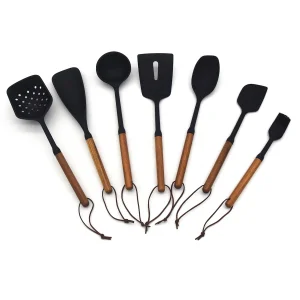
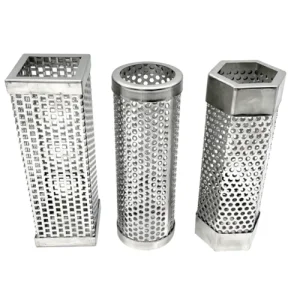
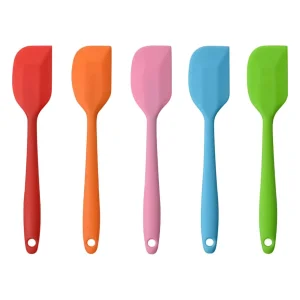
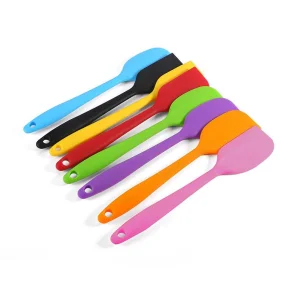
Industrial and commercial filtration represents a critical operational safeguard across processing lines worldwide. In the B2B landscape, a strainer is not merely a utility; it is a critical system protector. Designed to mechanically remove unwanted solids from fluids, gases, or dry mixtures, high-performance strainers prevent damage to expensive downstream equipment such as pumps, control valves, regulators, and heat exchangers.
As the global demand for food safety compliance, chemical processing integrity, and municipal water purification rises, the reliance on high-durability strainers has hit historic highs. According to global trade statistics, the market for industrial strainers is projected to expand at a CAGR of 6.2% through 2030. Within this expanding sector, China has solidified its position as the primary hub for custom metal and alloy filtration systems, offering unparalleled structural integrity, advanced alloy customization, and scalable production capacities.
For sourcing directors, procurement managers, and municipal engineers, choosing a reliable partner involves assessing deep technical proficiency and raw materials validation. Guangdong Picky Kitchen Co. Ltd. stands at the nexus of this specialized manufacturing sector. Founded in 2005, the company utilizes its extensive manufacturing footprint to engineer high-specification strainers, valves, and hardware assemblies that meet strict international standards (including ASME, DIN, and JIS protocols).
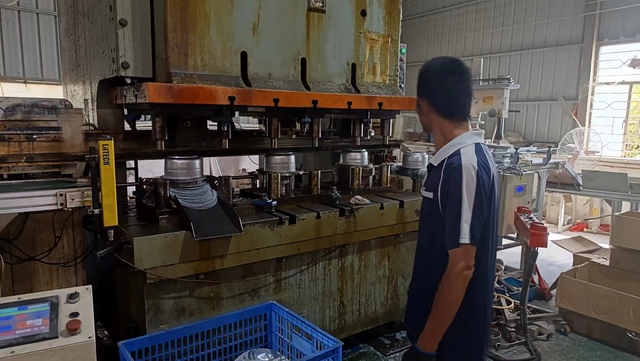
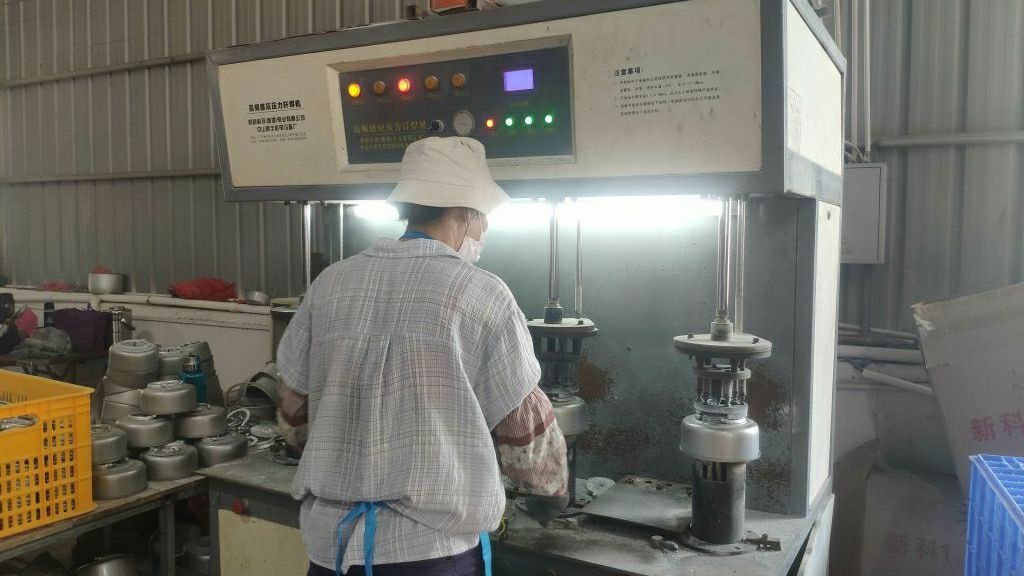
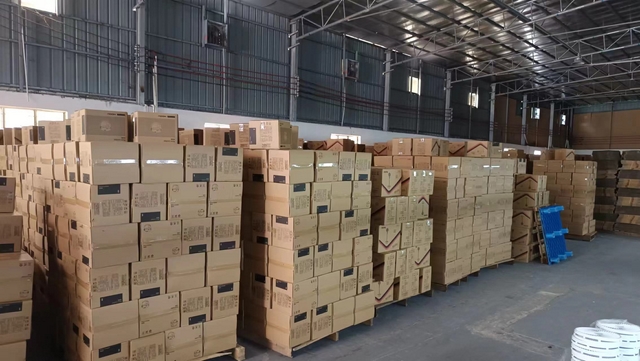
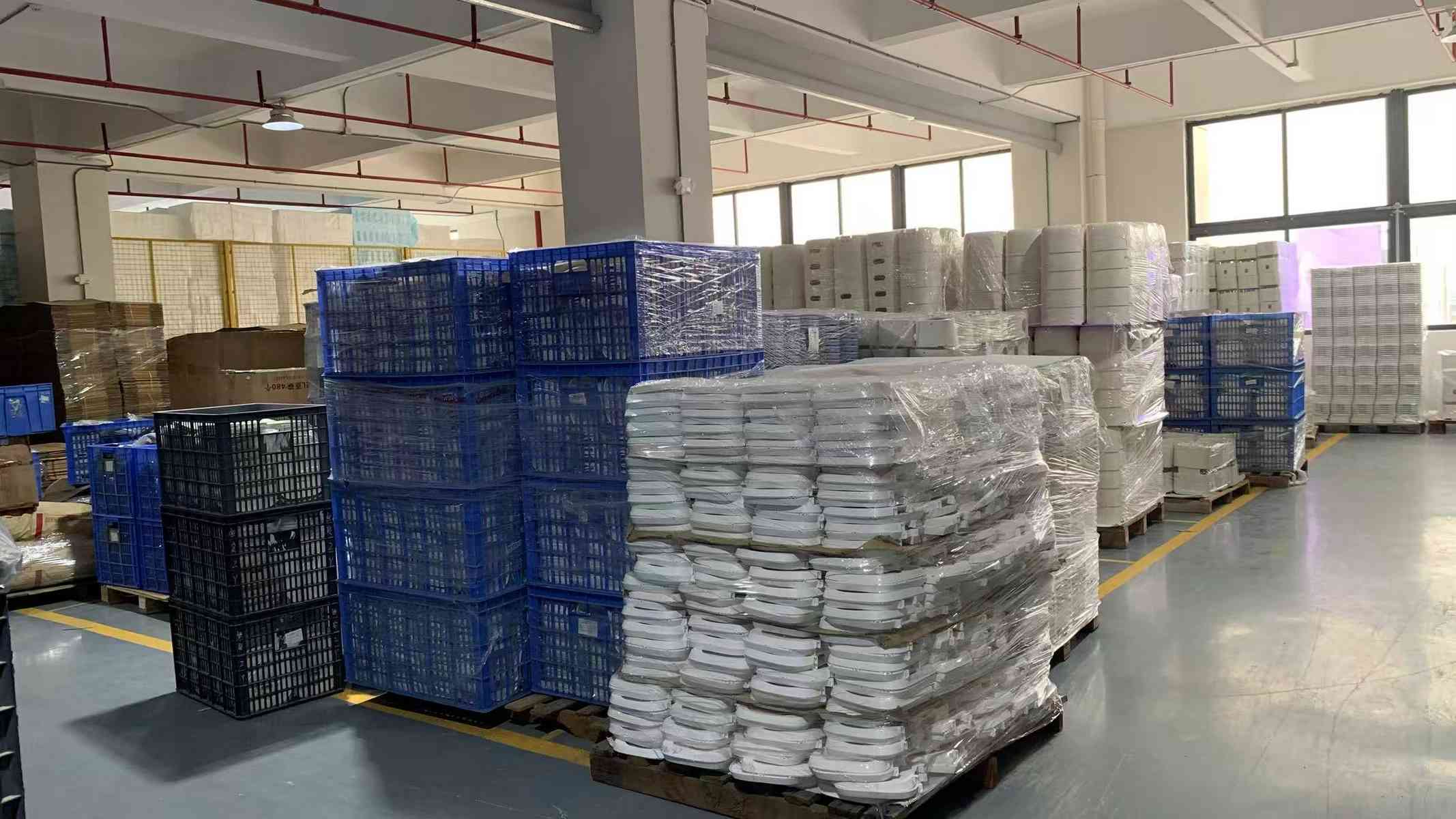
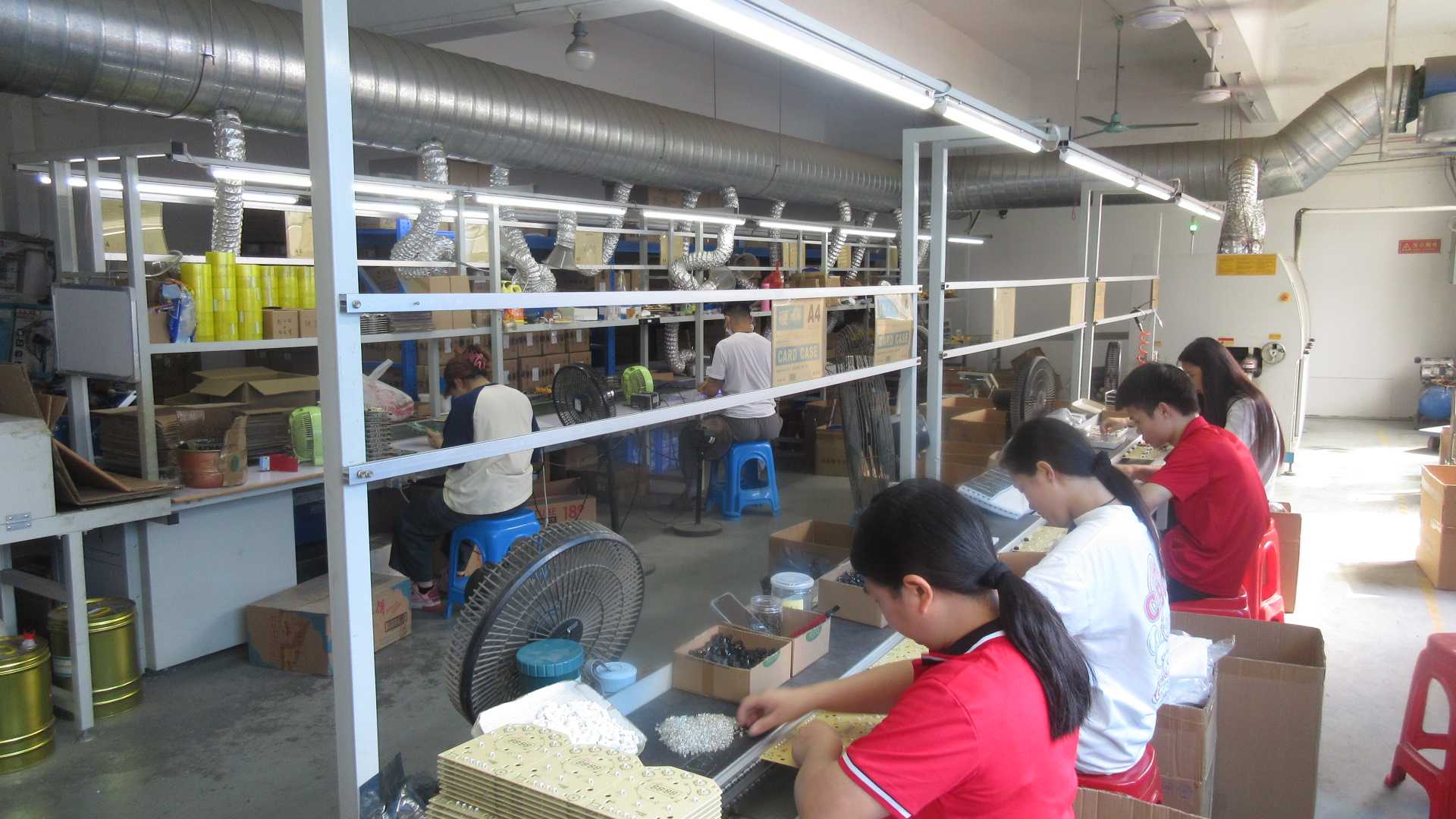
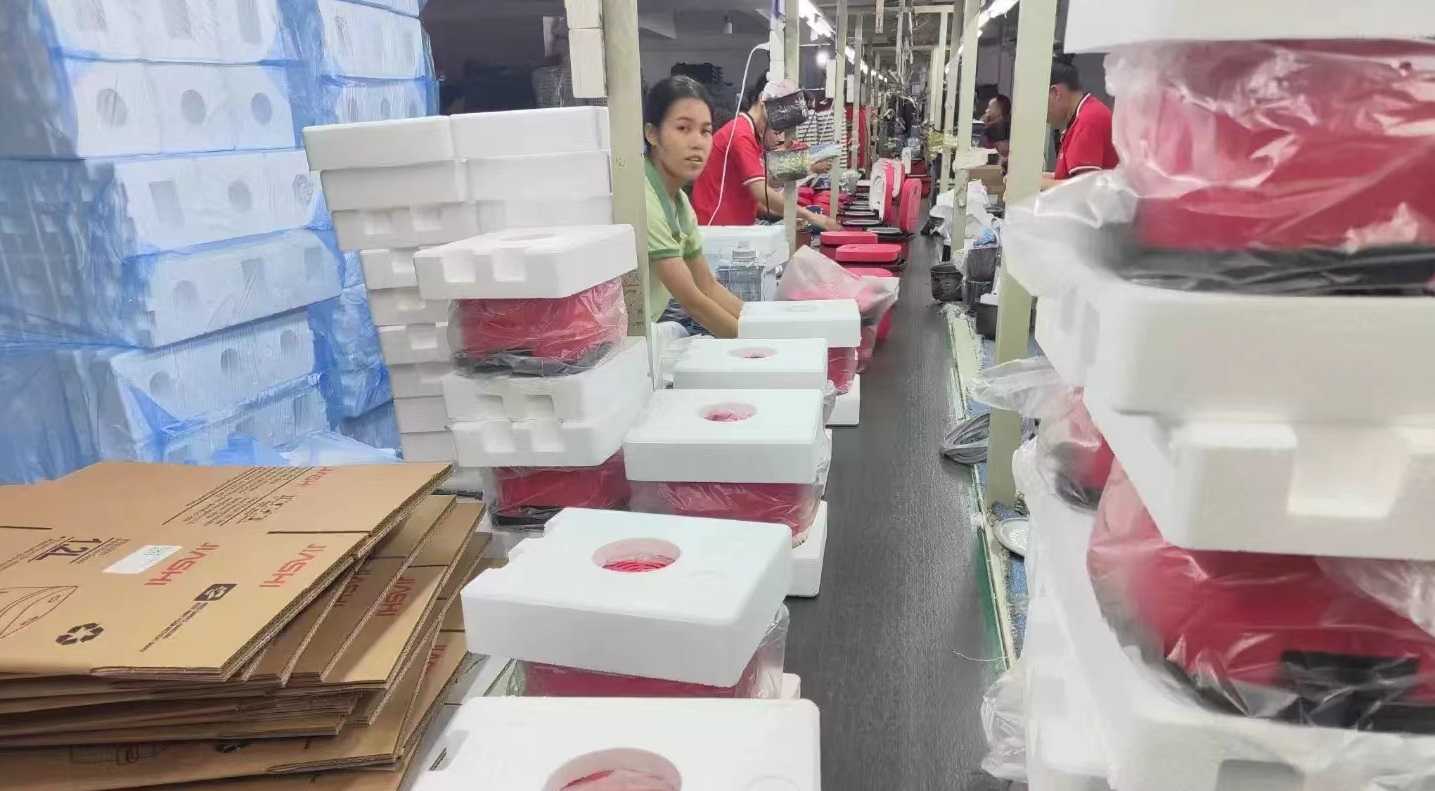
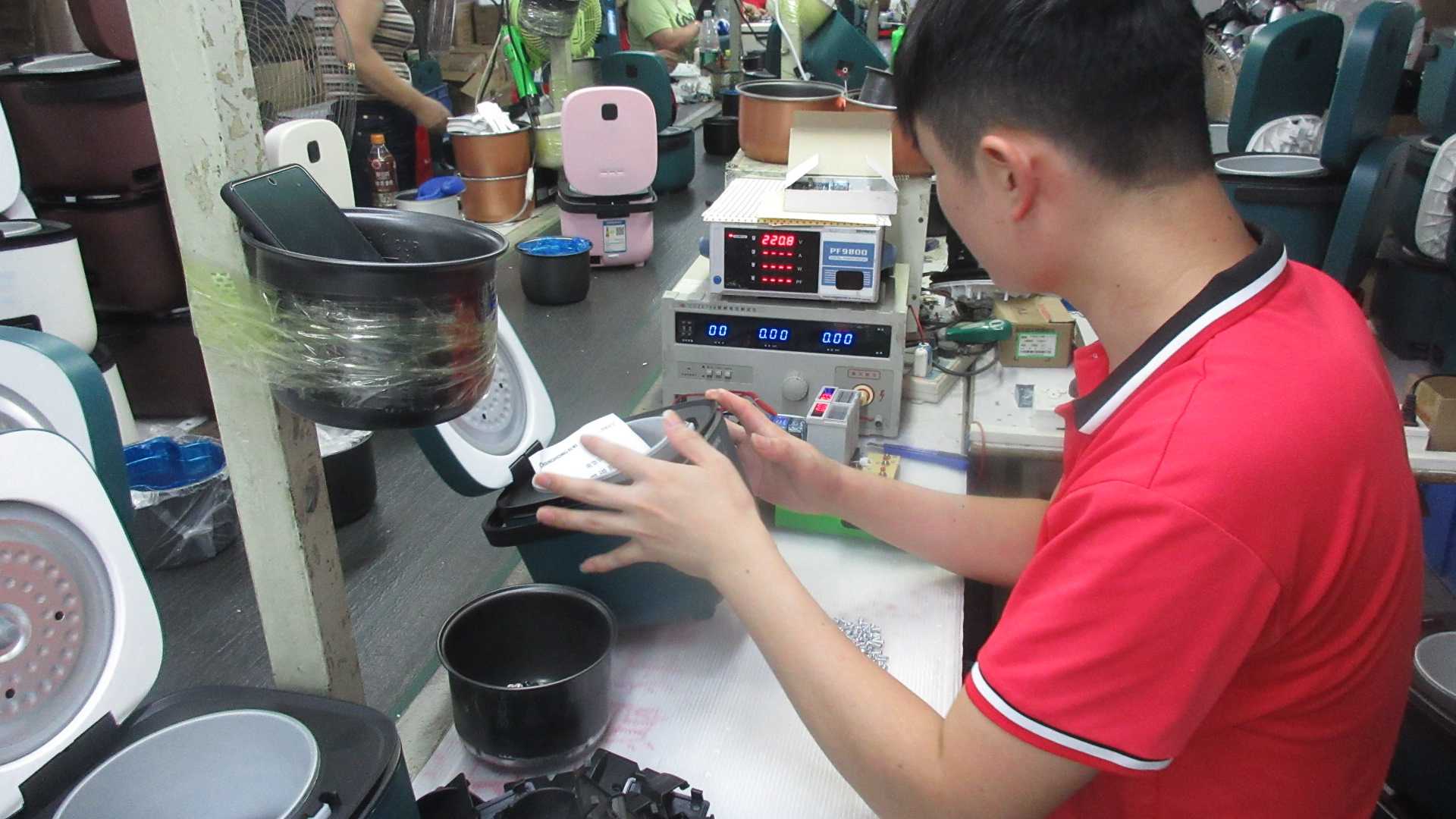
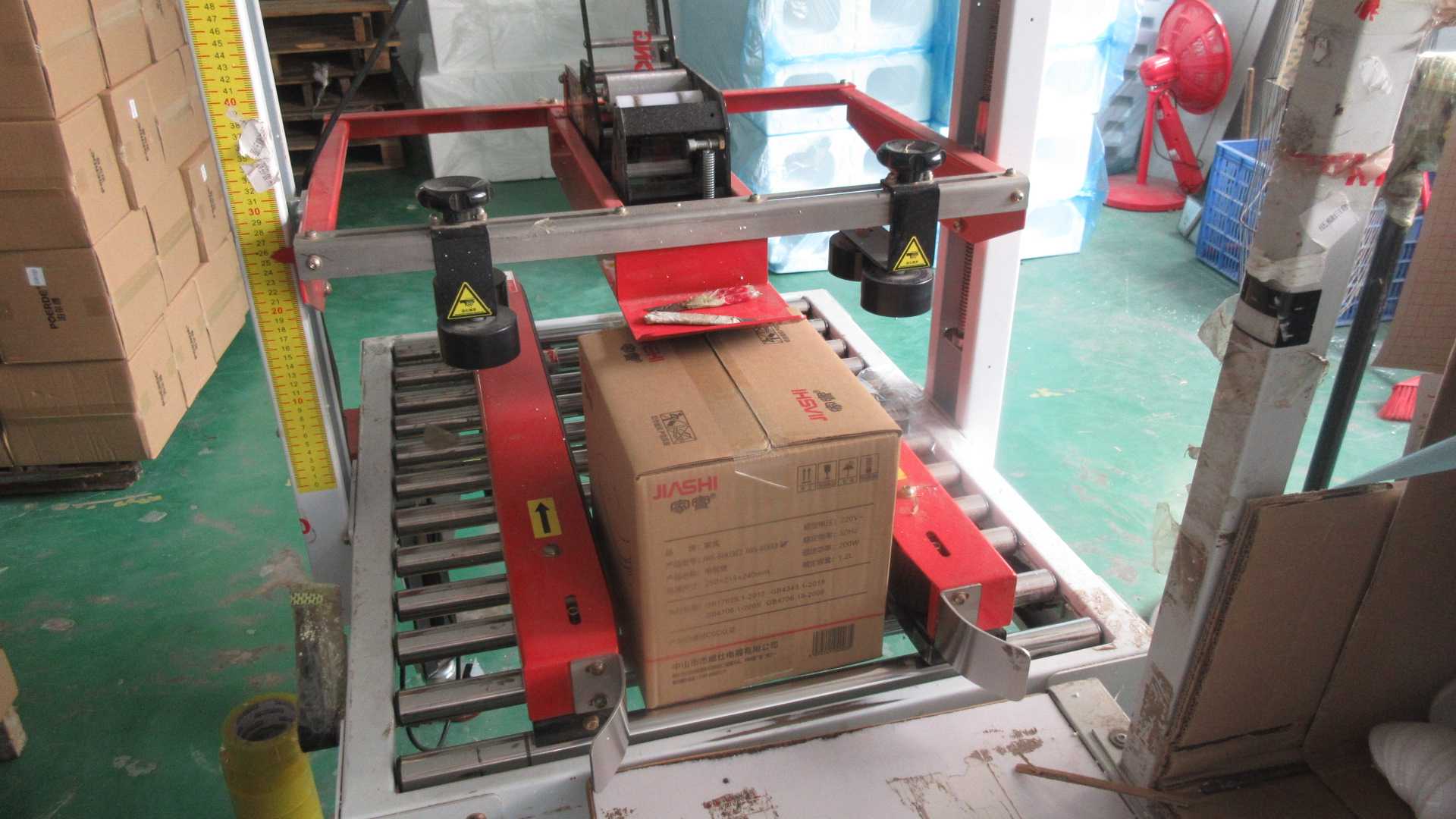
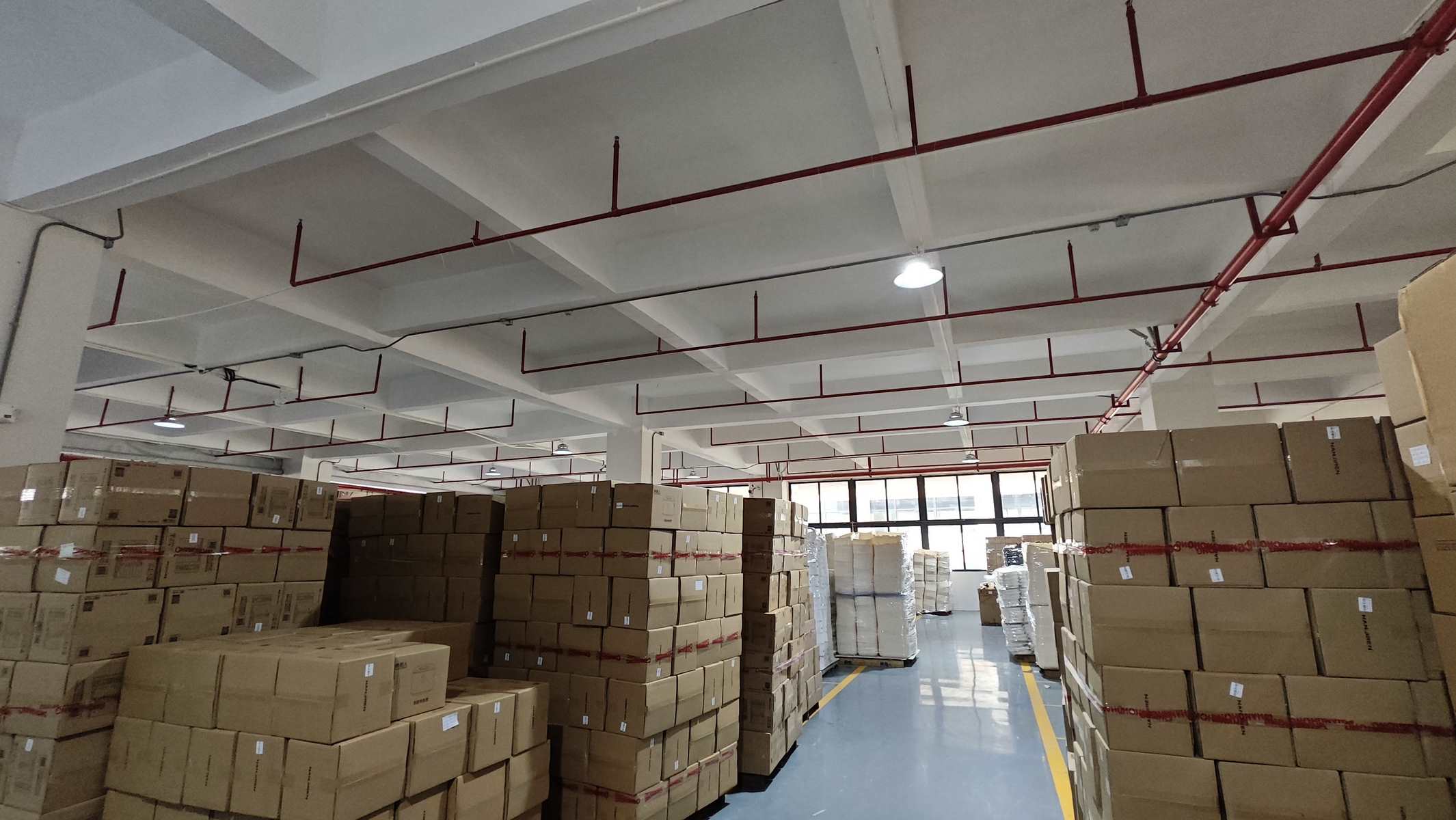
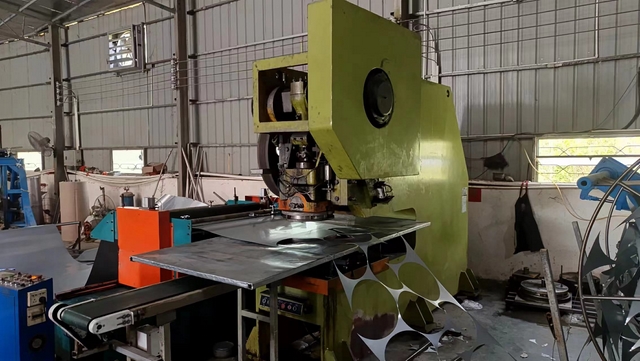
Our modern manufacturing base in Guangdong spans approximately 12,000 square meters, specifically optimized for streamlined production flow. Equipped with automated cutting lanes, heavy-duty CNC machining bays, high-speed stamping presses, and robotic welding stations, the plant controls quality parameters from the initial sheet of stainless steel to final export packaging.
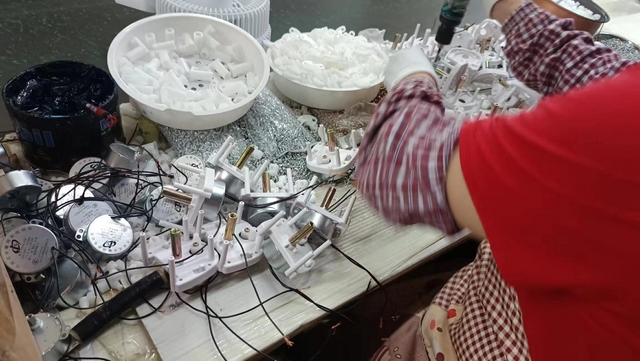
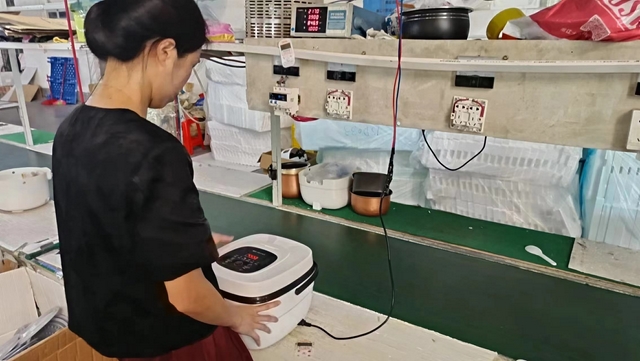
By implementing structural component design, precision stamping, custom mold fabrication, laser welding, and manual surface finishing under one roof, we significantly reduce supply chain delays. Below is a structured visual breakdown of our operations:
Our primary filtration items utilize certified AISI 304, 316, and 316L (Low Carbon) austenitic stainless steel formulations. To guarantee that our products resist the aggressive pitting typical of marine environments and halogenated sanitizers used in commercial processing, every master coil undergoes Positive Material Identification (PMI) testing.
| Alloy Grade | Nickel (Ni) % | Chromium (Cr) % | Molybdenum (Mo) % | Key Properties | Target Operational Sectors |
|---|---|---|---|---|---|
| AISI 304 | 8.0 - 10.5 | 18.0 - 20.0 | 0 | High formability, excellent general resistance | Commercial kitchens, domestic drainage, HVAC units |
| AISI 316 | 10.0 - 14.0 | 16.0 - 18.0 | 2.0 - 3.0 | Chloride pitting resistance, superior tensile strength | Industrial wastewater lines, chemical pipelines |
| AISI 316L | 10.0 - 14.0 | 16.0 - 18.0 | 2.0 - 3.0 (Max C: 0.03%) | Eliminates carbide precipitation during laser welding | Pharmaceutical processing, marine hardware, ultra-pure water |
Every system design must balance pressure drop (Delta P) against required filtration levels. Guangdong Picky Kitchen Co. Ltd. offers micro-perforated backings matched with fine wire mesh linings. We support specifications ranging from 40 mesh (400 microns) for pre-filtering large particulates down to 400 mesh (37 microns) for precision processing pipelines.
Compliance is the core of our business model. Exporting to high-barrier regions like the European Union, the United States, Japan, and Australia requires strict adherence to international safety regulations. Our facility operates under ISO 9001:2015 oversight, ensuring every process follows a documented quality system.
Every industrial pipeline filter housing undergoes pneumatic and water-pressure testing up to 1.5 times its rated pressure (e.g., matching PN16 or Class 150 expectations) to guarantee shell integrity.
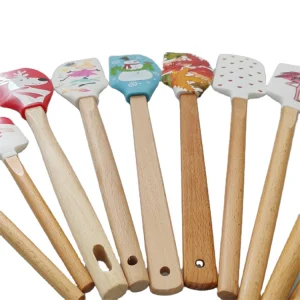
Our kitchen strainers and silicone tools meet LFGB, FDA, and NSF criteria, guaranteeing that zero lead, phthalates, or chemical plasticizers migrate into the food supply.
Following cutting and welding, our steel components undergo citric or nitric acid passivation baths, followed by salt spray chamber assays to verify long-term resistance to rust.
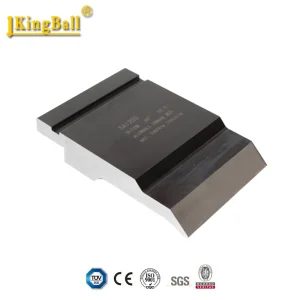
Our engineering team coordinates closely with international testing bodies like SGS, TÜV Rheinland, and Intertek to conduct regular factory audits and obtain specific certifications as requested by our B2B partners.
Different operating environments present distinct challenges for filtration. By tailoring wire mesh diameters, body geometries, and support frameworks, we deliver customized systems across multiple major industries:
Sanitary clamp configurations (Tri-Clamp) allow operators to rapidly disassemble lines for clean-in-place (CIP) regimens, preventing bacterial growth in processing lines.
Large-capacity basket sink strainers collect solid residues, preventing line blockages and grease trap overloading in busy food service facilities.
Large Y-strainers screen out scale, rust, and airborne particulates from makeup water, keeping chillers and heat exchangers running efficiently.
Custom-welded intake screens protect treatment plant pumps from sand, grit, and organic matter, reducing maintenance downtime.
Ultra-smooth electro-polished internals (roughness average Ra < 0.4 μm) prevent biological film buildup, meeting high hygiene standards.
Engineered with duplex stainless steel or custom-coated alloys, our strainers withstand continuous exposure to saltwater, marine growth, and harsh coastal environments.
Our research and development program focuses on three key technological shifts to keep pace with changing global requirements:
Importing specialized components from China requires coordinated logistics and clear documentation. Guangdong Picky Kitchen Co. Ltd. provides a complete service pathway to simplify international trade:
Send us your structural files or flow requirements. Our engineering team will generate 3D CAD/SolidWorks models for approval within 72 hours.
We manufacture custom tooling in-house, running initial test batches to verify tolerances before launching full production runs.
Our logistics team coordinates container loading (FCL/LCL) through major South China ports like Shenzhen and Guangzhou, handling all export paperwork.
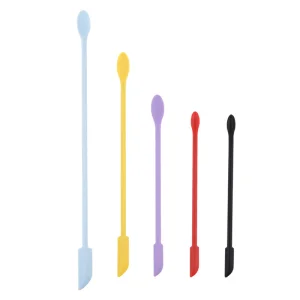
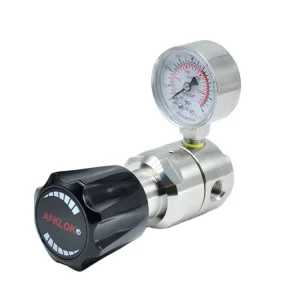
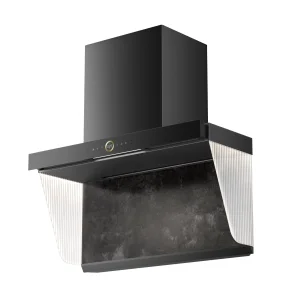
Explore more from our factory's production catalog, featuring heavy industrial gas valves, high-efficiency range hoods, and durable kitchen utensils built to international standards.