 Picky Kitchen
Picky Kitchen
Picky Kitchen
High-precision manufacturing components and cooking systems engineered for peak performance and strict thermal compliance.


Analyzing thermal efficiency, high-volume production paradigms, and supply chain strategies in modern food services.
In the global commercial food service equipment sector, the industrial deep fryer remains a cornerstone of high-yield output operations. As quick-service restaurants (QSRs), institutional kitchens, and hospitality operations handle escalating consumer demand, the requirements placed on commercial frying machinery have evolved. Modern procurement is no longer just about heat generation; it centers around thermal recovery coefficients, intelligent oil management, structural durability, and energy efficiency. Selecting deep fryer manufacturers in China has transitioned from basic price comparison to assessing integrated engineering prowess, compliance frameworks, and long-term operating costs.
Sourcing deep fryers globally requires navigating complex regulatory standards, energy requirements, and design variations. The difference between standard entry-level products and professional-grade industrial cooking systems lies in their engineering. Chinese manufacturers have modernized their facilities to meet these needs, shifting from simple assembly lines to highly automated, vertically integrated production hubs. By combining advanced metallurgy with precision control systems, they deliver deep fryers and kitchen hardware components that meet the rigorous demands of busy commercial kitchens worldwide.
A comprehensive examination of our production facility, structural design capabilities, and quality control systems.
Established in 2005, Guangdong Picky Kitchen Co. Ltd. has evolved into a diversified and innovation-driven enterprise specializing in kitchen hardware and functional home hardware systems. Centered on research, design, manufacturing, and global distribution, the company is dedicated to delivering high-quality, integrated kitchen hardware solutions for customers worldwide. The company firmly believes that the kitchen is not only a functional space for cooking but also a key reflection of lifestyle quality. Guided by this philosophy, it consistently pursues the integration of functional excellence and aesthetic innovation.
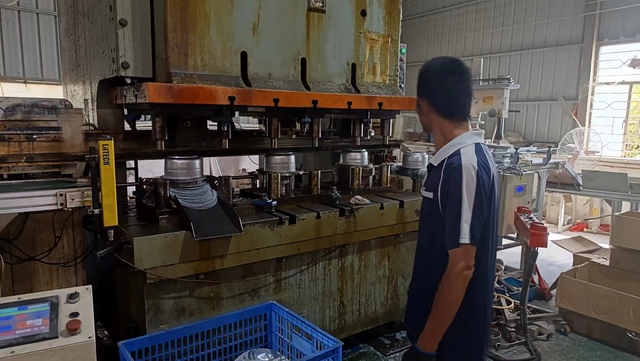
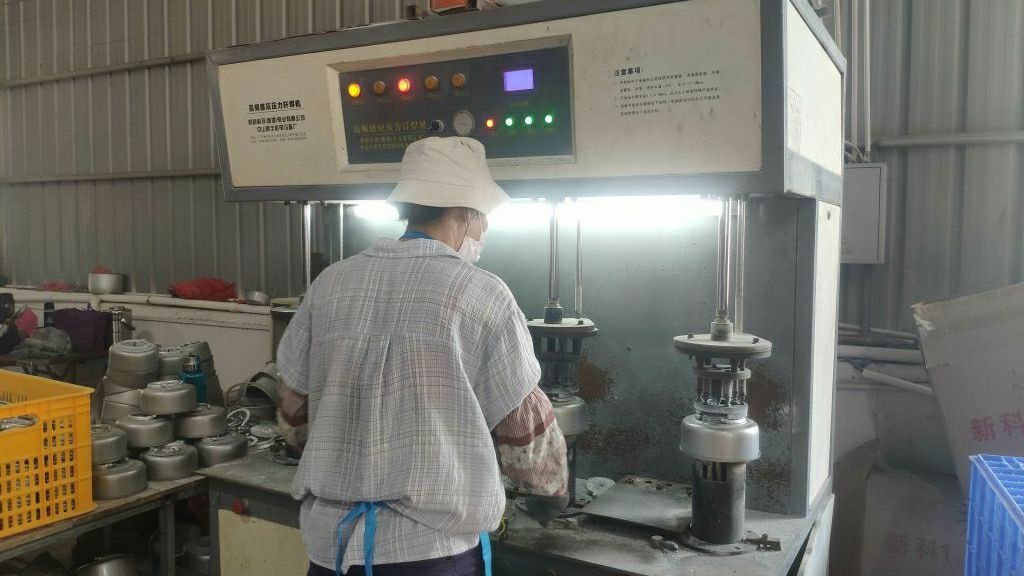
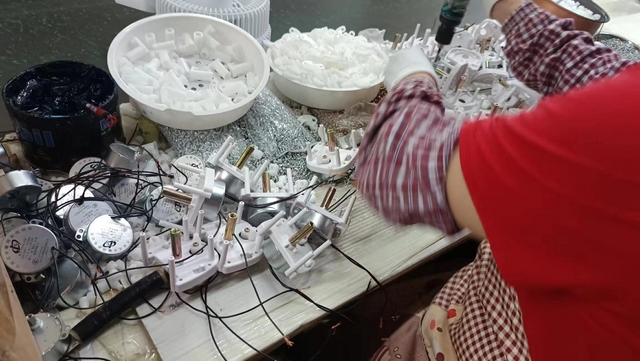
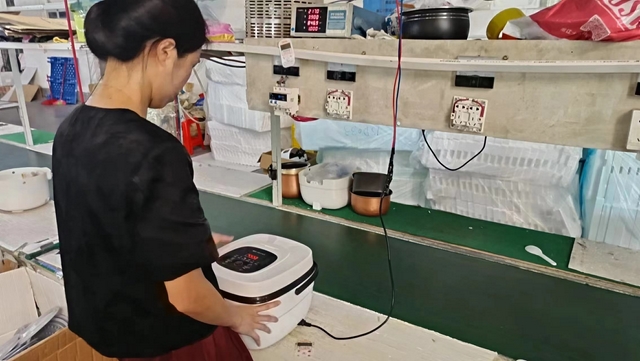
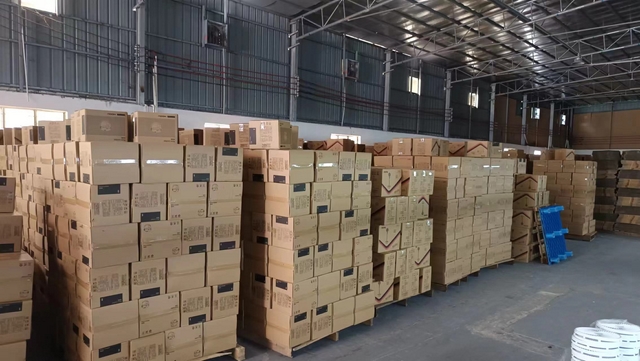
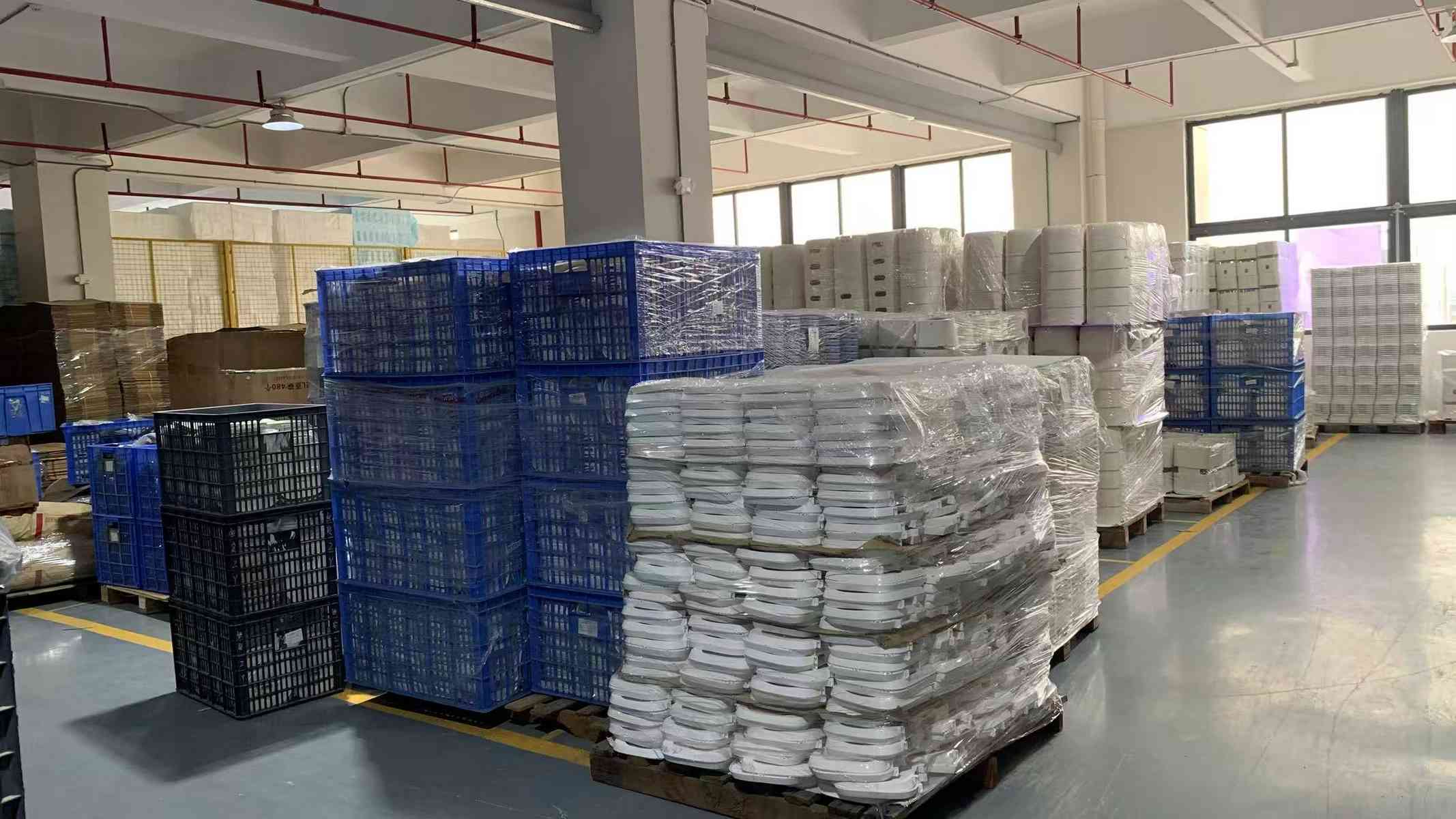
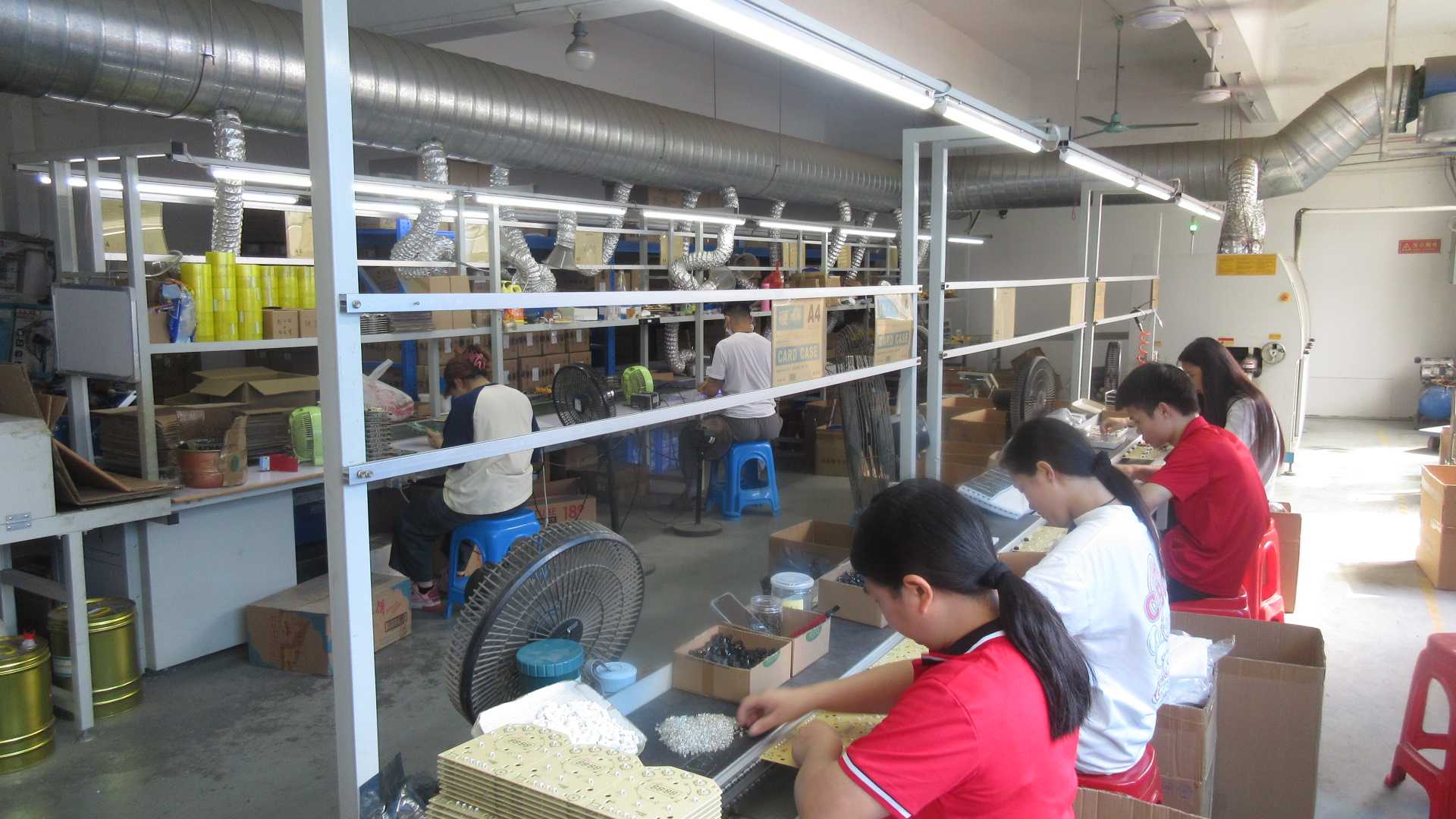
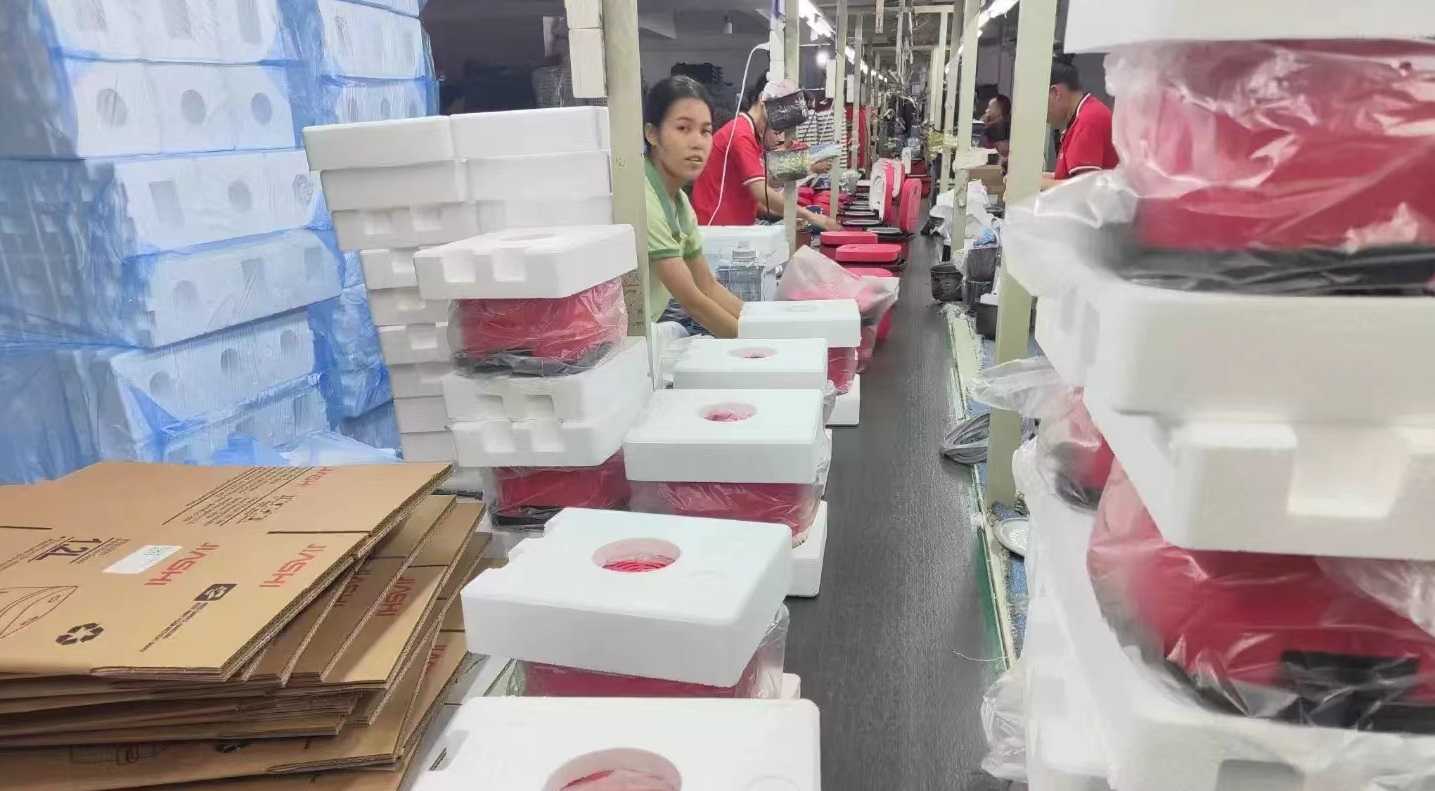
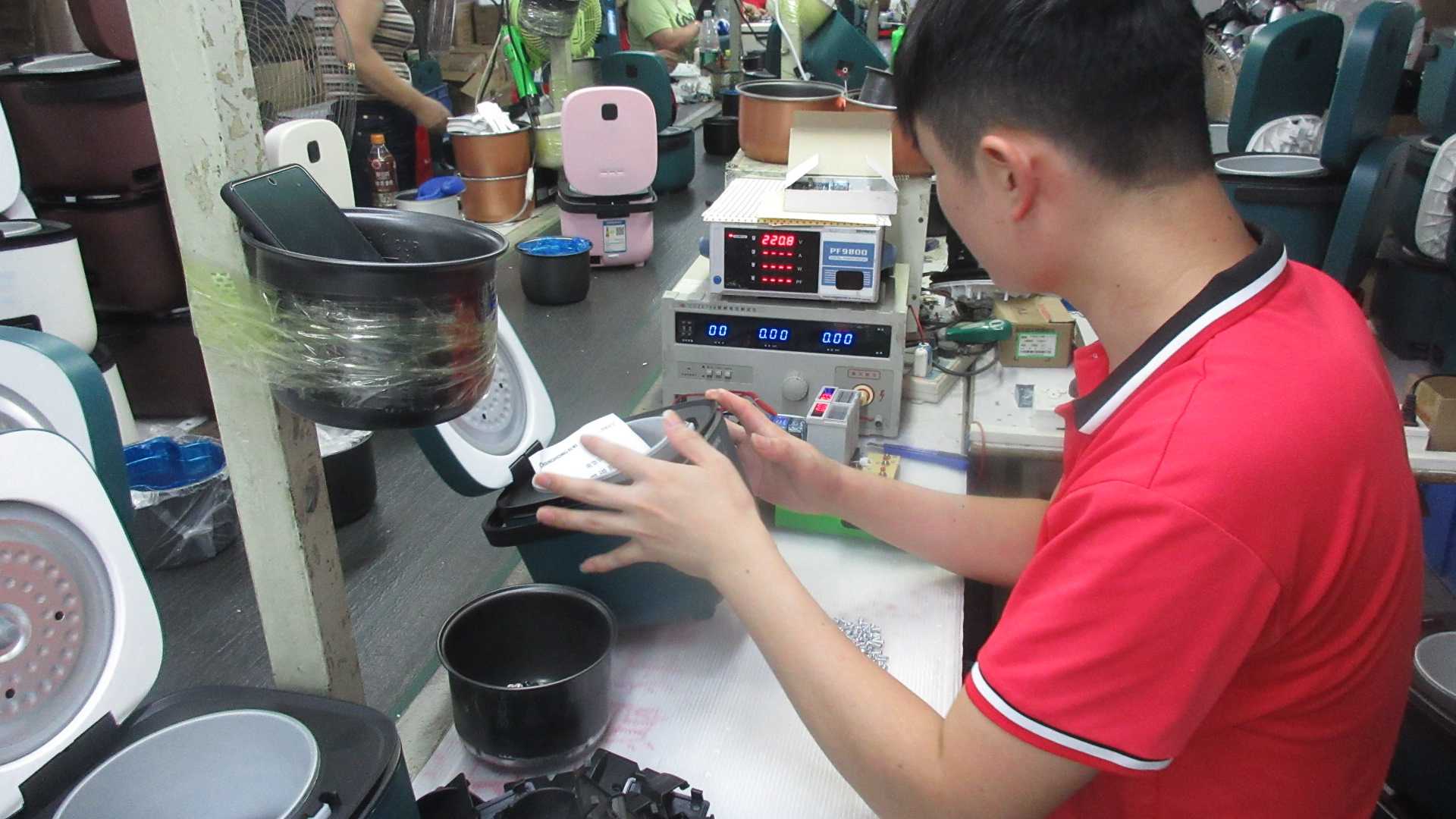
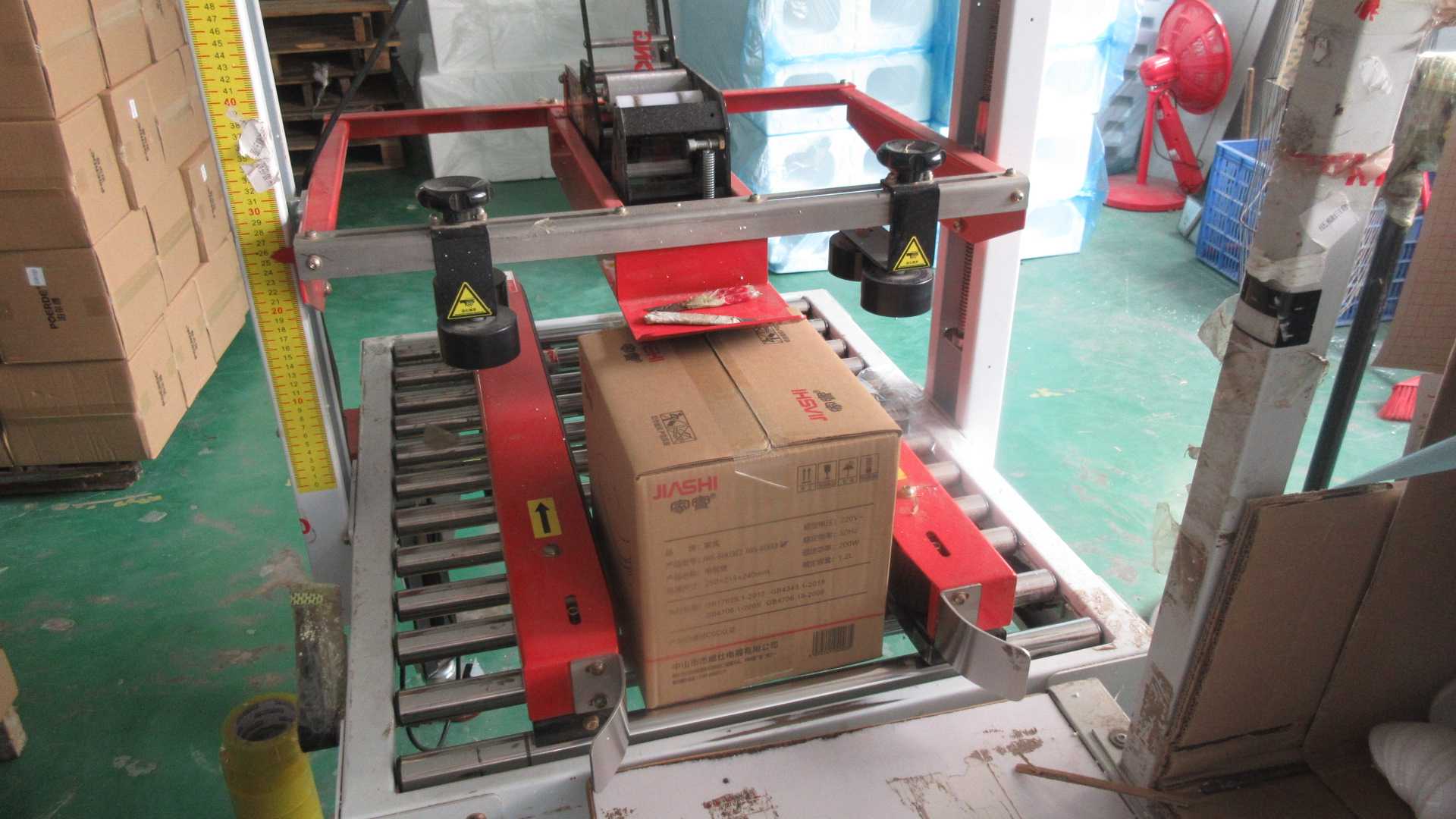
Operating from a modern manufacturing facility covering approximately 12,000 square meters, the company maintains advanced production lines and comprehensive quality control systems. This facility serves as the backbone of its manufacturing capability, ensuring both efficiency and product consistency. Its production scope includes structural component design, precision stamping and die-casting, CNC machining, automated tool processing, mold development and fabrication, laser welding, assembly, and final testing. This full-chain manufacturing system enables Guangdong Picky Kitchen Co. Ltd. to provide one-stop solutions while maintaining strict control over quality and lead times, as well as responding quickly to customized client requirements.
Technological innovation is driven by a skilled and experienced R&D team composed of engineers specializing in structural design, mold development, industrial design, and automation systems. This team is responsible not only for new product development but also for continuous improvement of manufacturing processes and material applications. Through ongoing innovation, the company ensures its products deliver superior durability, smooth operation, structural stability, and design refinement, keeping pace with global kitchen hardware trends.
Responding to the global shift toward smart homes and sustainable manufacturing, Guangdong Picky Kitchen Co. Ltd. is actively advancing three strategic directions: the adoption of eco-friendly materials such as low-VOC coatings and bio-based surface treatments; the integration of IoT and intelligent sensing technologies into kitchen hardware systems; and the development of low-carbon manufacturing practices aimed at building greener factories and more sustainable supply chains.
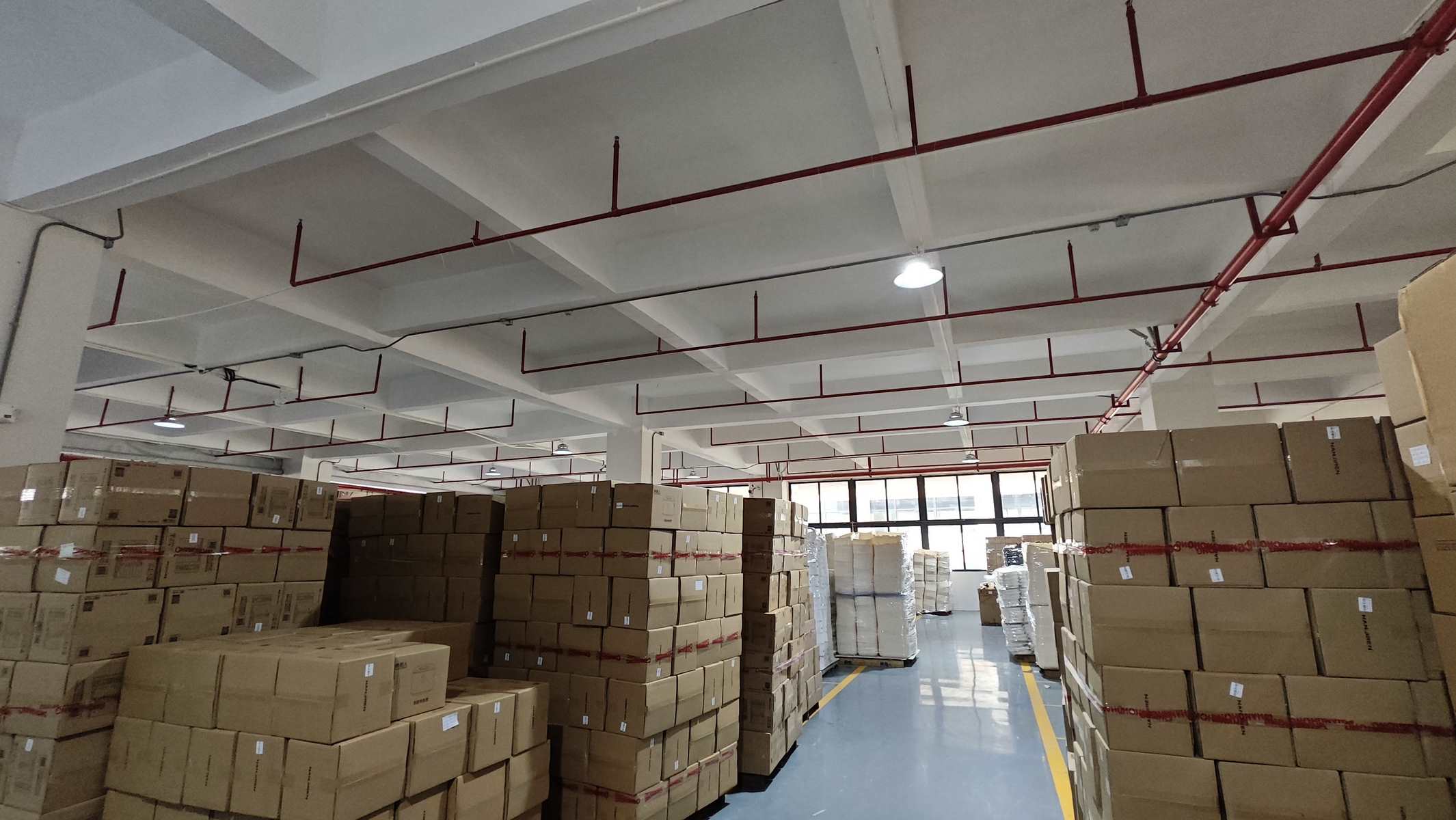
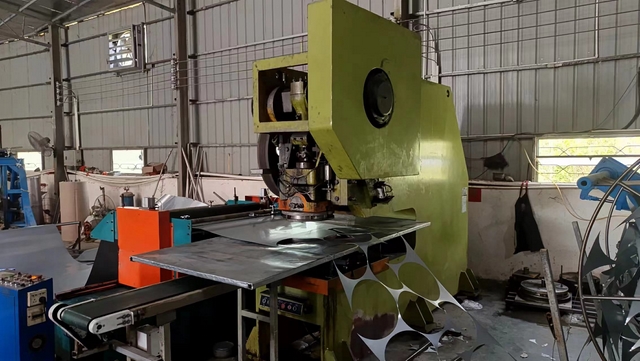
Understanding the thermodynamics, metallurgy, and electrical control structures of professional-grade frying equipment.
High-performance deep fryers rely on balanced thermodynamic design. Our engineering team prioritizes energy conservation and long component lifespans by focusing on three primary technical challenges: convective heat transfer optimization, precise temperature control, and thermal insulation design.
We design heating elements and burner tubes that maximize heat contact surface area. By reducing thermal resistance between the heat source and the cooking oil, we achieve rapid thermal recovery times (Delta-T values). This minimizes temperature drop when frozen foods are submerged, resulting in crispier food and reduced oil absorption.
The fryer frypot is exposed to acidic compounds, high temperatures, and corrosive cleaning chemicals. We construct our frypots from high-grade SUS304 or optional SUS316 food-grade stainless steel. Precision robotic TIG welding eliminates crevices, preventing structural stress fractures and microbial buildup.
Our control panels use advanced microprocessors that monitor temperature readings multiple times per second. By regulating power to the heating elements, they prevent overheating, extend oil life, and maintain precise cooking temperatures.
Tailoring commercial equipment to regional kitchen setups, local electrical grids, and specific fuel systems.
Commercial deep fryers must adapt to varying regional regulations, power setups, and kitchen layouts. A standard fryer model designed for one region may not meet the safety requirements or utility configurations of another. Therefore, our engineering and ODM services focus on customizing fryers for local operational needs.
High-volume QSRs require consistent performance and fast throughput. We integrate automated basket-lift systems, built-in oil filtration, and multi-vat setups. These features allow staff to operate safely and maintain high output during peak hours.
For universities, military bases, and large factories, volume and durability are key. We supply heavy-duty, high-capacity fryers with deep cold zones. These zones capture food particles, preventing carbonization and maintaining oil quality over long shifts.
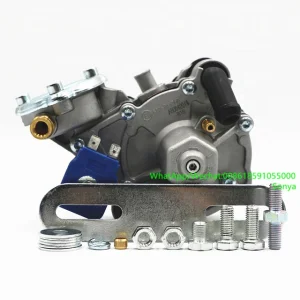
Electrical and gas standards vary worldwide. We build our equipment to match regional utility infrastructure, offering 208V/240V configurations for North America, 380V/415V three-phase systems for Europe and Asia, and custom gas regulators for natural gas or LPG setups.
Mobile kitchens, marine vessels, and remote sites face unique space and movement challenges. We supply specialized fryers with secure deck mounts, marine-grade corrosion resistance, and vibration-proof controls designed for challenging environments.
Ensuring global market access through strict testing, third-party certifications, and active safety measures.
Entering regulated global markets requires strict compliance with local safety and sanitation rules. Our manufacturing facility maintains a comprehensive quality management system certified to ISO 9001:2015. We coordinate with international testing labs to ensure our commercial cooking equipment meets target market regulations.
For Europe, our products comply with CE directives, including the Gas Appliance Regulation (GAR) and the Low Voltage Directive (LVD). For the North American market, we offer configurations built to UL 197 and NSF/ANSI 4 standards, ensuring both electrical safety and sanitary, easy-to-clean designs.
Every unit undergoes comprehensive end-of-line testing. This includes high-voltage dielectric breakdown tests, gas leak detection, gas manifold pressure verification, and digital controller calibration. This thorough quality control ensures each fryer arrives ready for installation and immediate commercial use.
Our plans for eco-friendly manufacturing, low-carbon operations, and smart, connected kitchen hardware.
We are updating our manufacturing processes to use low-VOC powder coatings, bio-based surface treatments, and more efficient heat exchangers. These changes help operators reduce their energy consumption and lower their carbon footprint.
Our upcoming product lines will feature IoT connectivity. These smart fryers will track oil quality, operating hours, and heating element wear, providing predictive maintenance alerts to help prevent unexpected kitchen downtime.
We are designing our deep fryers to integrate with automated kitchen robotics. By standardizing physical interfaces and digital communication protocols, we ensure our equipment is ready for the next generation of automated kitchens.
Browse our catalog of professional-grade accessories, gas regulators, and food preparation tools.
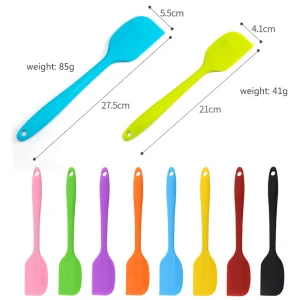

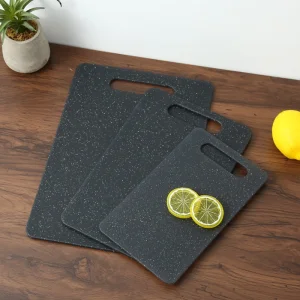
Key considerations for commercial food equipment procurement, engineering requirements, and manufacturing workflows.