Picky Kitchen
Picky Kitchen
Picky Kitchen
In the highly competitive commercial and residential kitchen industries, the selection of premium kitchen tools is a foundational driver of operational efficiency and product safety. As global brands and B2B buyers navigate high consumer expectations, the reliance on advanced production methodologies in regions like Guangdong has transformed raw material processing into an exact science. The global market for cutting boards and food preparation surfaces has transitioned from simple wooden plates to multi-functional, material-hybrid systems that prioritize structural stability, food hygiene, and environmental compliance.
For procurement directors, finding a dependable China wholesale cutting boards factory involves analyzing structural stability, chemical cross-linking of raw materials, and precision machining capabilities. Kitchen accessories must withstand rigorous chemical washings, blade impacts, and thermal fluctuations without structural warping or chemical outgassing. This whitepaper analyzes these elements, detailing material engineering, smart manufacturing integrations, and strategic supply chain methodologies.
Increasing focus on eco-friendly, biodegradable, and antimicrobial kitchenware materials, driving demand for bamboo composites and food-grade silicone kitchen tools.
Leading buyers demand LFGB, FDA, and BSCI certifications to ensure non-toxic materials, ethical labor practices, and structural safety during food contact.
Modern production facilities utilize automated cutting lines, CNC processing, and precise assembly systems to maintain strict quality metrics at scale.
Commercial kitchen operators, retail chain brands, and kitchenware distributors operate under distinct regulatory and commercial frameworks. High-volume buyers require customized OEM and ODM capabilities to distinguish their product lines in saturated markets. This involves custom logos, integrated juice grooves, non-slip silicone borders, and modular organizational compartments.
When selecting a high-capacity manufacturing partner, procurement managers must evaluate several technical and physical metrics:
| Material Class | Knife Friendliness | Moisture Resistance | Certifications Required | Best Commercial Application |
|---|---|---|---|---|
| Organic Bamboo / Acacia Wood | Moderate to High | Medium (Requires Oiling) | FSC, FDA, LFGB | Aesthetic serving boards, high-end residential kitchen blocks |
| Engineered Wood Fiber Composites | High | Excellent (Non-porous) | NSF, LFGB | High-volume commercial prep kitchens, heavy-duty dicing |
| Food-grade High-Density Silicone | Excellent | 100% Waterproof | FDA, LFGB, RoHS | Flexible prep mats, non-slip base inserts, baking stations |
The contemporary global market demands fast lead times and consistent product quality, regardless of order volume. Factories that rely on manual cutting, variable press times, and inconsistent adhesive coatings cannot reliably meet these demands. Industry 4.0 production paradigms address these challenges by replacing manual processes with automated, CNC-monitored equipment.
Guangdong’s industrial centers integrate raw material sourcing, automated machining, and strict quality control protocols. Modern manufacturing lines run uninterrupted under automated schedules, minimizing human error and material waste. Precision machinery also handles structural tasks like carving deep juice grooves, drilling handle cutouts, and polishing surfaces.
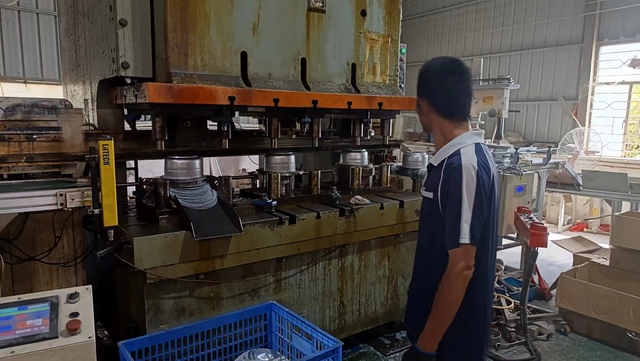
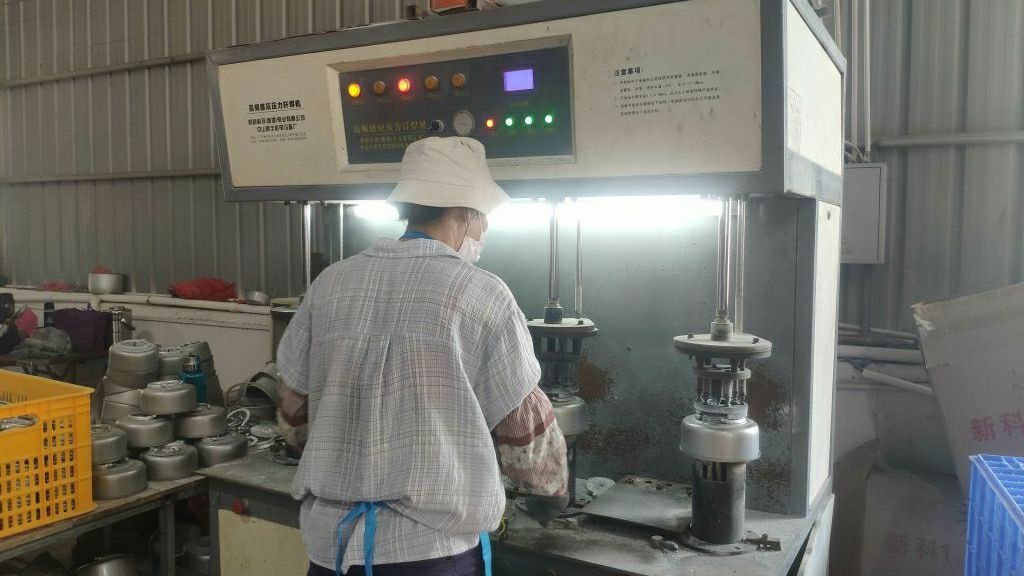

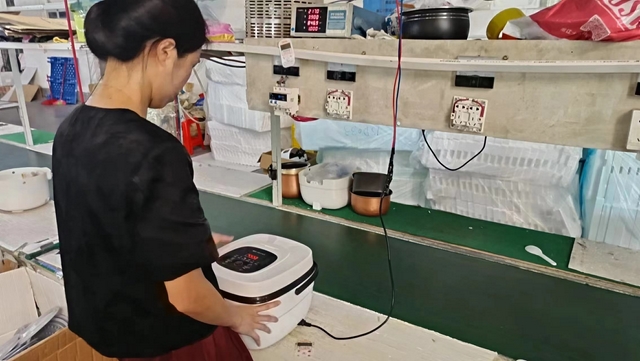
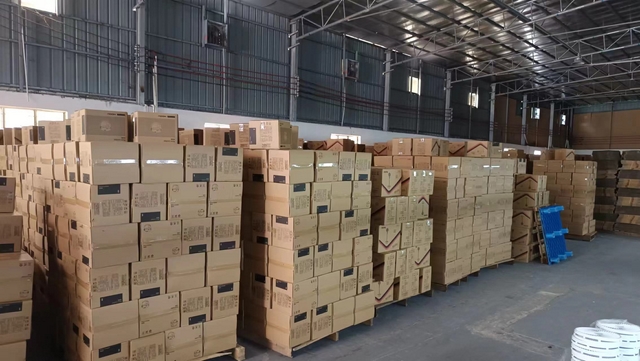
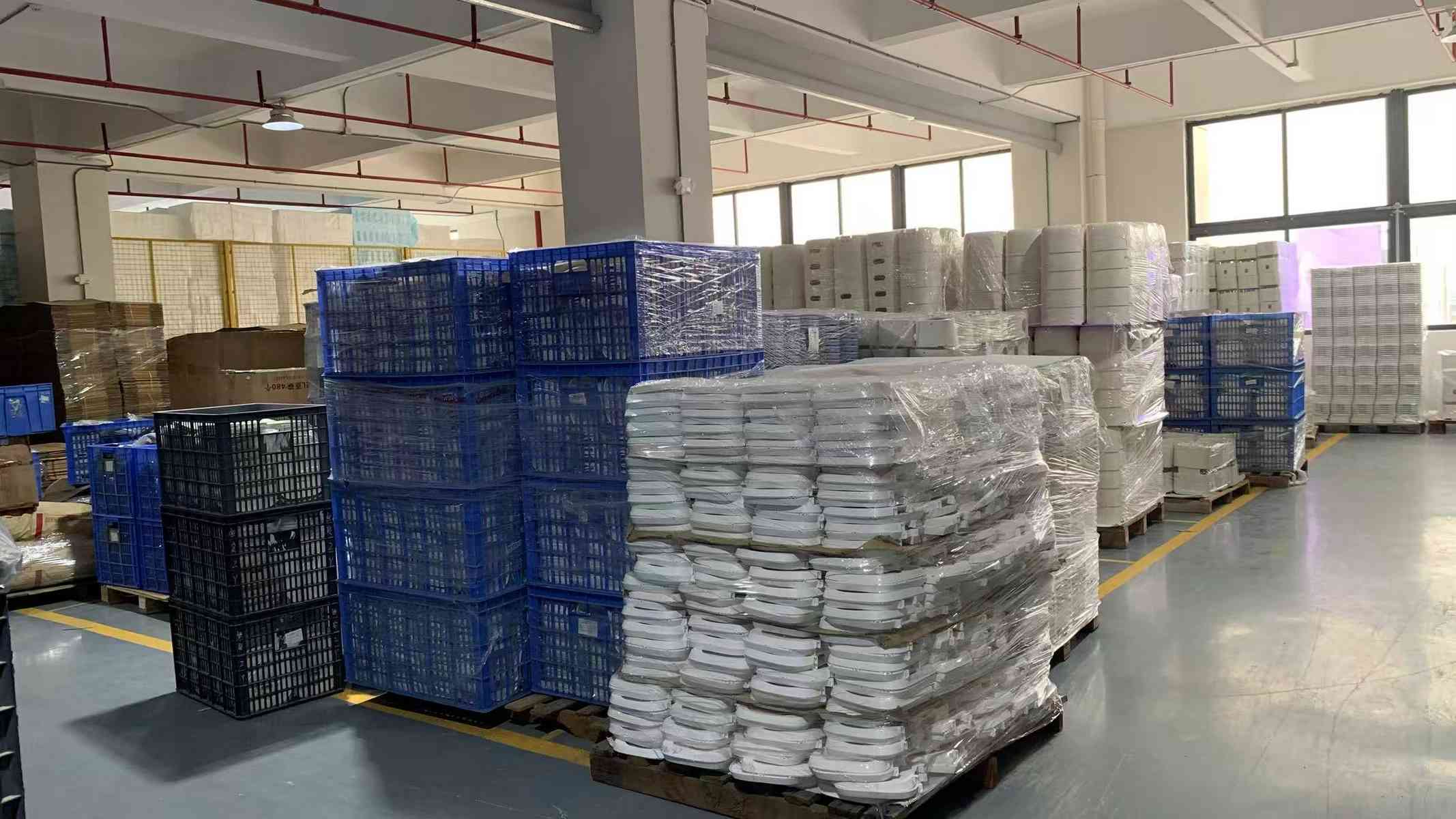
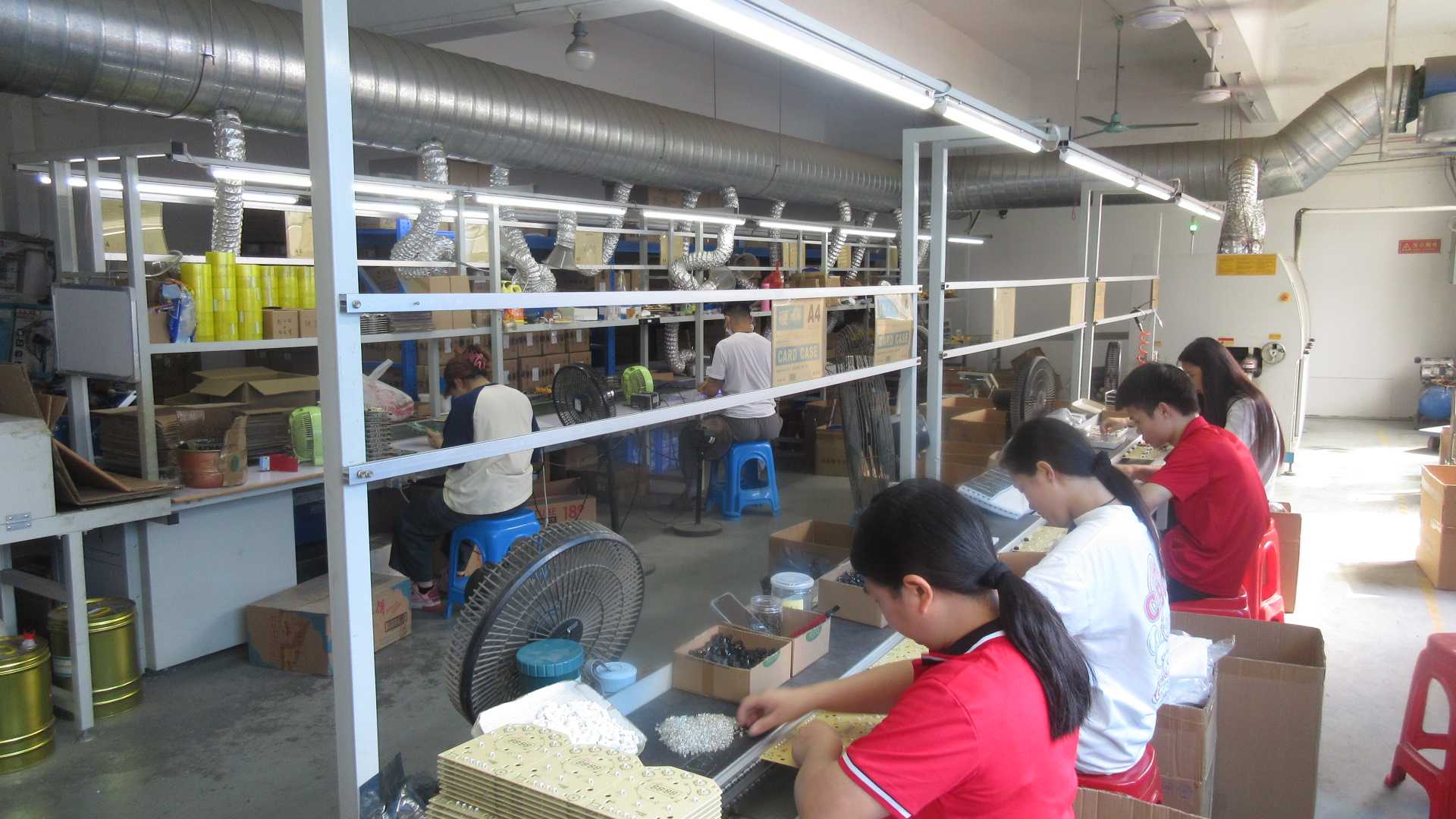

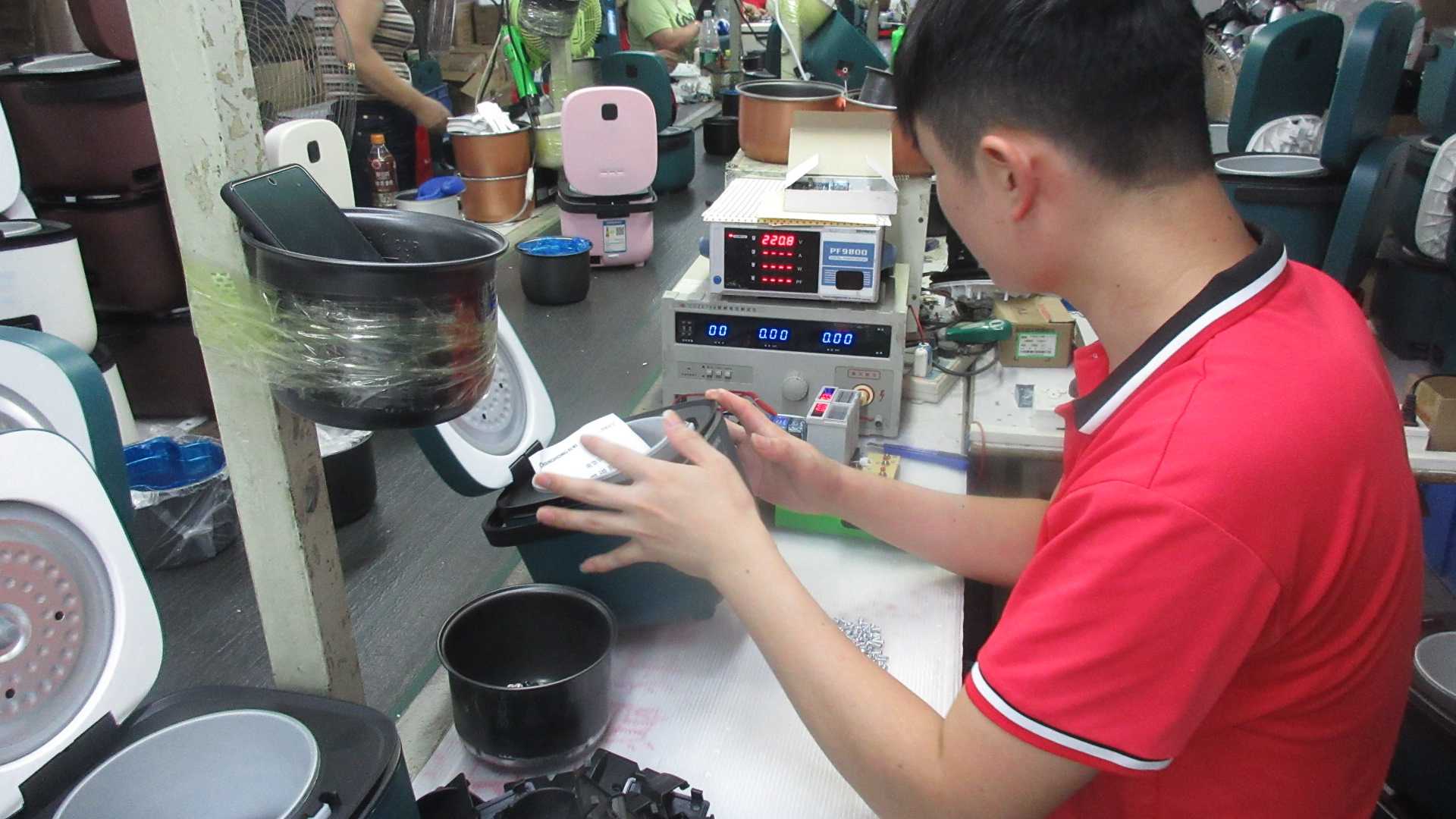
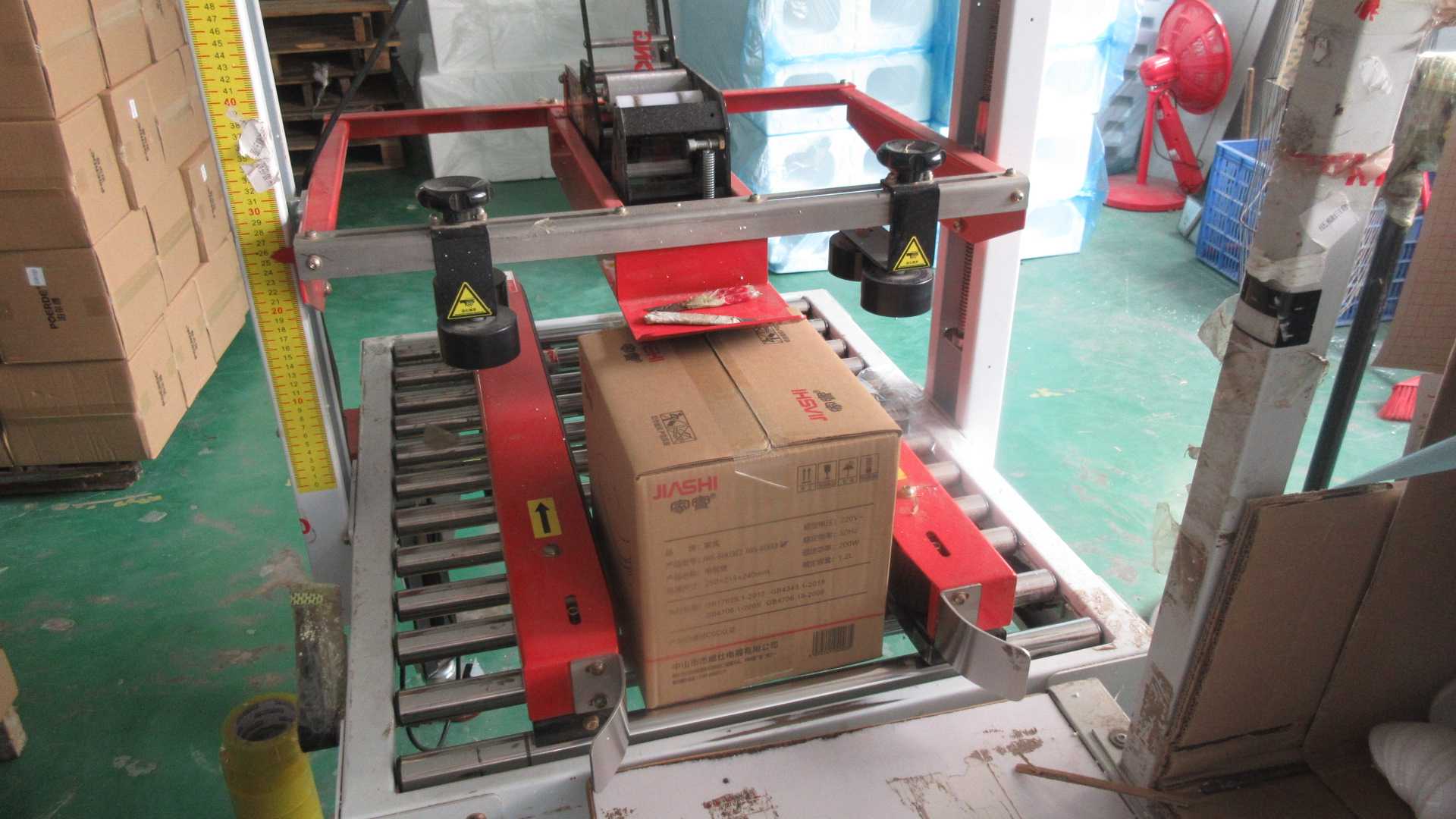
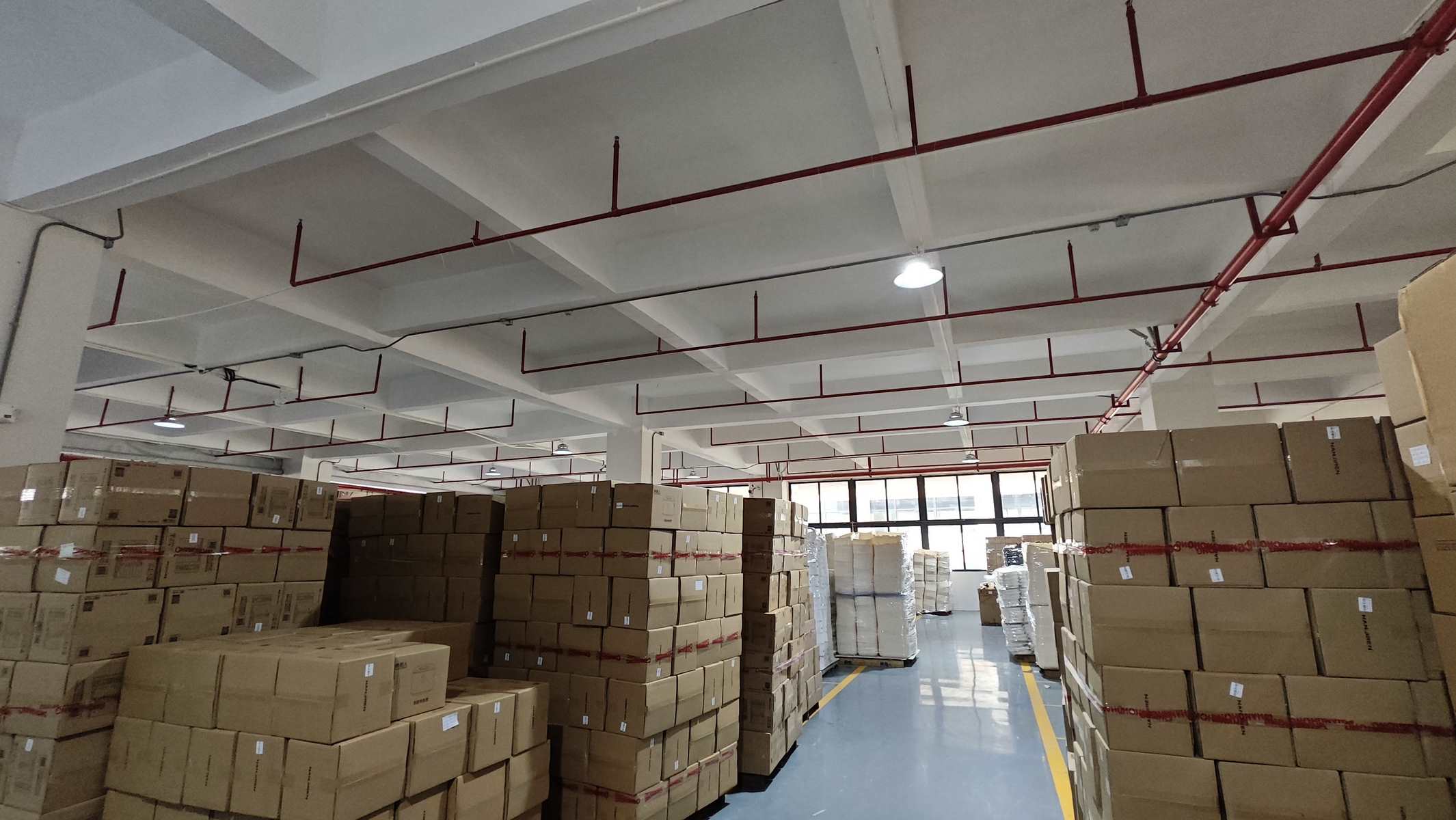
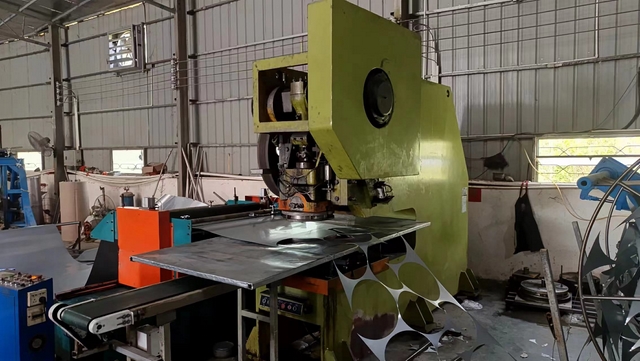
Established in 2005, Guangdong Picky Kitchen Co. Ltd. has grown into an innovation-driven enterprise specializing in kitchen hardware and functional home hardware systems. Centered on research, design, manufacturing, and global distribution, the company delivers integrated kitchen solutions for customers worldwide. The company believes that the kitchen is a key reflection of lifestyle quality, pursuing the integration of functional excellence and aesthetic innovation.
Operating a modern manufacturing facility covering approximately 12,000 square meters, the enterprise features advanced production lines and comprehensive quality control systems. Their scope of production includes structural component design, precision stamping and die-casting, CNC machining, automated tool processing, mold development and fabrication, laser welding, assembly, and final testing. This full-chain manufacturing system allows Guangdong Picky Kitchen Co. Ltd. to control quality, manage lead times, and respond quickly to custom OEM/ODM client requests.
Technological innovation is driven by a skilled R&D team of structural, mold, industrial, and automation engineers. In response to the shift toward smart homes, the company focuses on three strategic directions: using eco-friendly materials like low-VOC coatings, integrating IoT technologies into kitchen systems, and practicing low-carbon manufacturing to build greener factories and sustainable supply chains.
Kitchen preparation tools must perform reliably across different regional climates and dining styles:
In high-pressure commercial environments, durability is essential. The demand for dense, end-grain acacia blocks and engineered wood fiber boards has increased. These surfaces must withstand commercial dishwashers, harsh sanitizing chemicals, and constant blade contact. Sourcing partners ensure their products have food-safe moisture sealants to prevent warping under high humidity.
Pastry chefs require large, flat, moisture-stable surfaces for dough preparation. Integrated measuring marks and modular designs help maintain consistency. Specialized storage racks and proofing trays are also necessary to keep prep lines organized and hygienic.
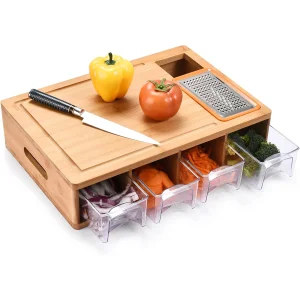
Urban kitchens prioritize compact design and functionality. This has driven the adoption of smart, space-saving designs like board sets with integrated food containers, and silicone surfaces that resist mold growth in humid environments.