Picky Kitchen
Picky Kitchen
Picky Kitchen
Pioneering thermodynamic performance and ergonomic commercial design for professional global sourcing.

The global culinary and kitchenware industry has undergone a radical paradigm shift over the past decade. Driven by urbanization, shifting lifestyle preferences, and a growing demand for energy-efficient, multi-functional appliances, the traditional stove-top skillet is rapidly giving way to advanced electric heating appliances. Electric skillets, historically viewed as simple secondary kitchen elements, have now matured into primary culinary systems. They integrate sophisticated electronics, precise thermodynamic control, and state-of-the-art material science to deliver versatile cooking environments.
Modern B2B buyers—ranging from multinational appliance brands to large-scale hotel, restaurant, and catering (HORECA) procurement managers—are increasingly prioritizing manufacturers who can offer more than just basic manufacturing. Today's commercial sourcing mandates require engineering excellence: high thermodynamic efficiency, advanced non-toxic coatings, IoT connectivity, and strict adherence to environmental, social, and governance (ESG) manufacturing protocols. In this competitive landscape, understanding the baseline operational capabilities, engineering competencies, and supply chain integrity of your primary manufacturing partners is critical to securing a reliable market share.
Established in 2005, Guangdong Picky Kitchen Co. Ltd. has evolved from a specialized components workshop into a highly diversified, innovation-driven enterprise. The company is a premier developer and manufacturer of high-end kitchen hardware and functional home hardware systems. Centered on research, design, precision manufacturing, and global distribution, the firm is dedicated to providing integrated kitchen hardware solutions for global enterprises. The foundational belief of the company is that the kitchen represents far more than a simple food preparation area; it is a critical hub of domestic life and lifestyle quality. This philosophy guides the continuous integration of aesthetic refinement and functional excellence.
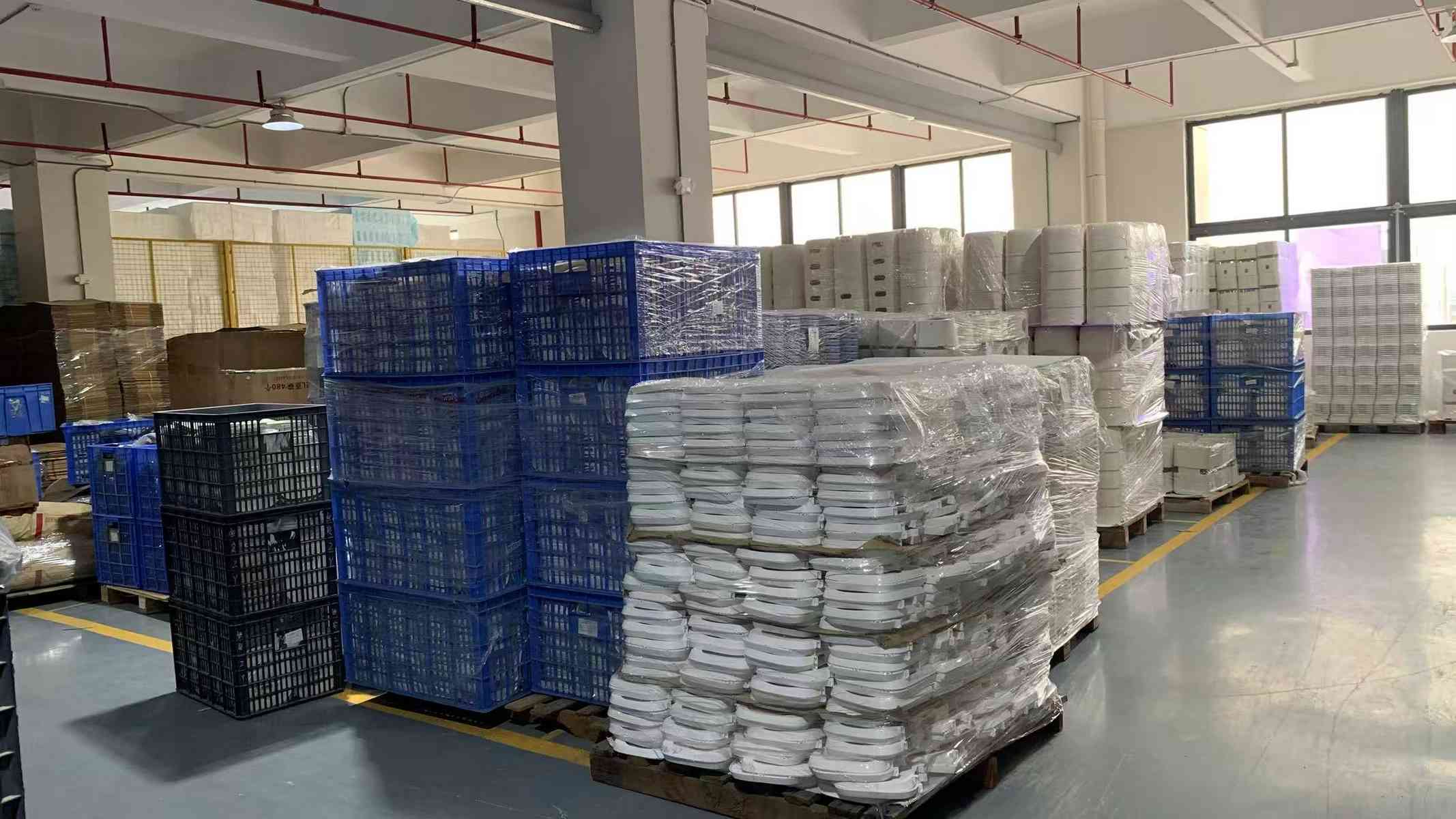
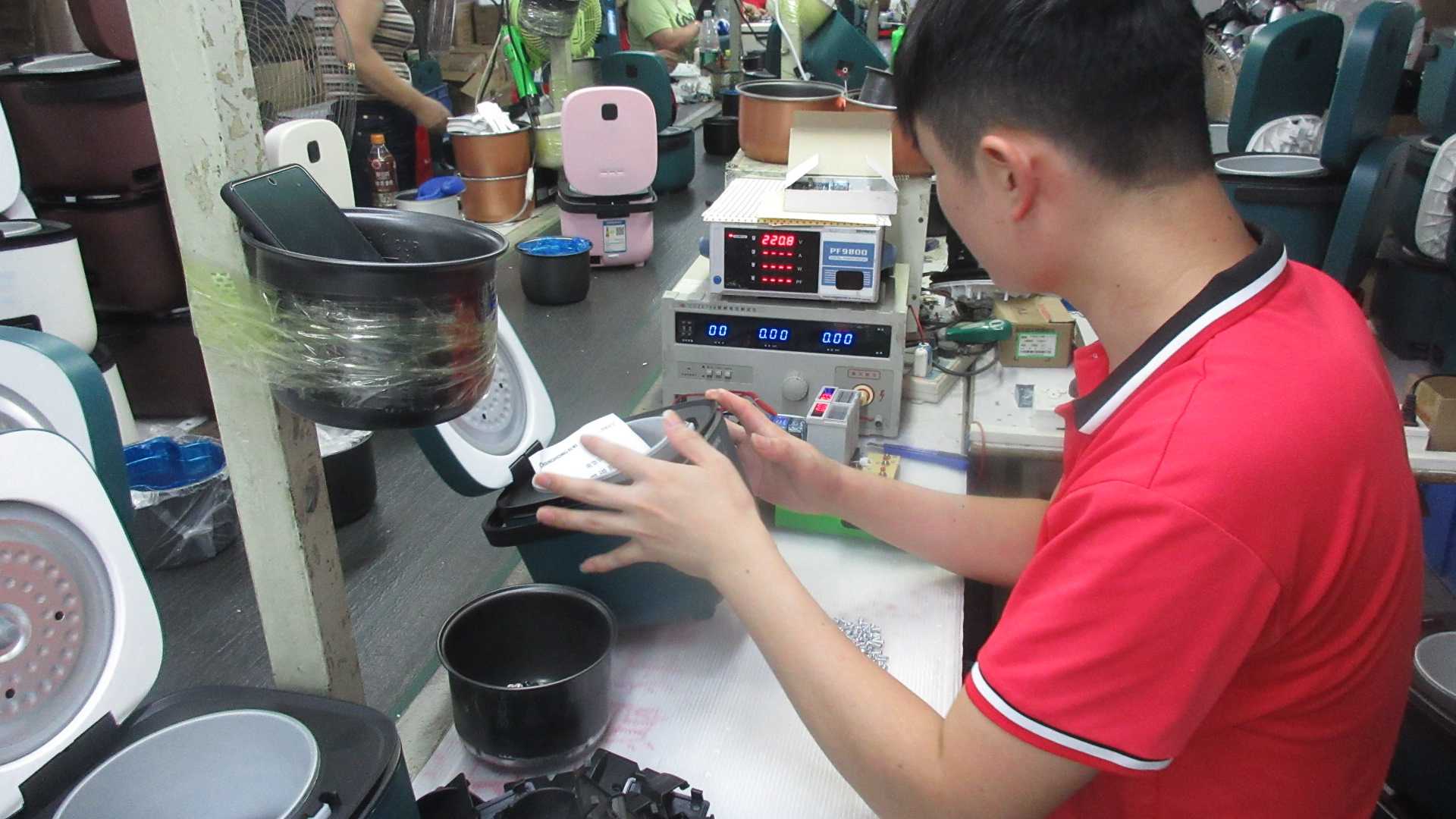
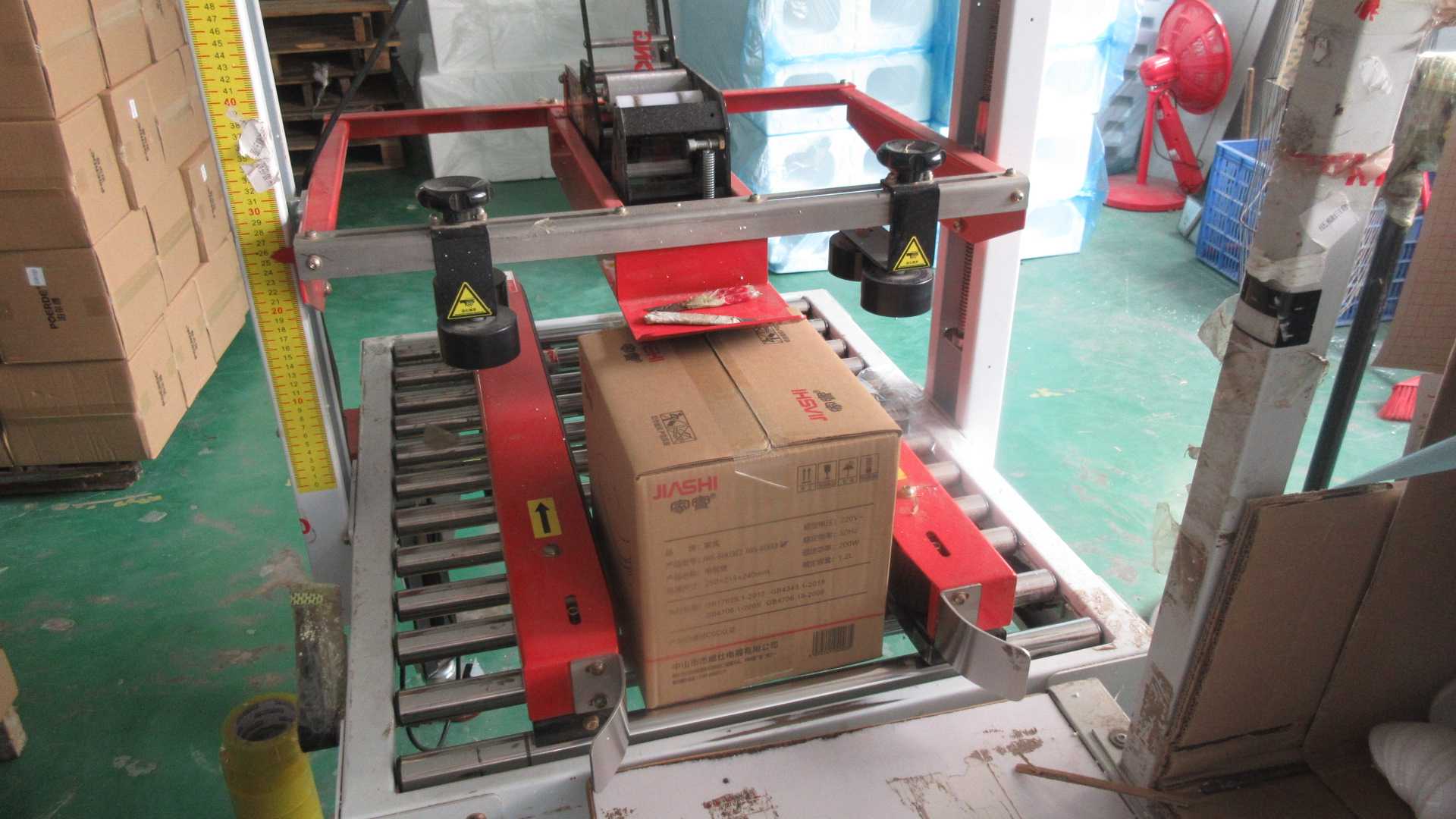
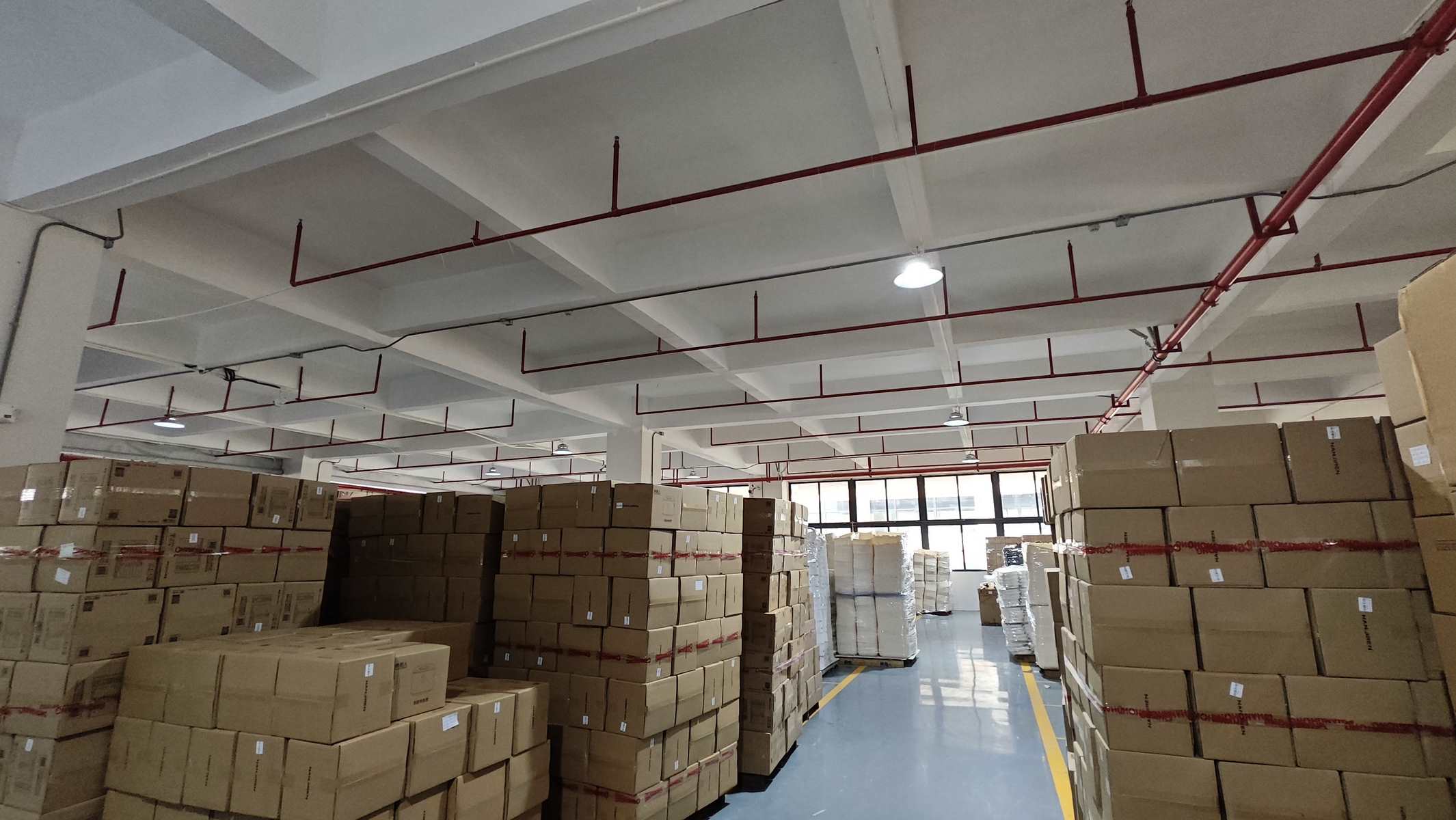
Operating a state-of-the-art manufacturing facility spanning approximately 12,000 square meters, the company utilizes advanced automated production lines and rigid quality control protocols to ensure high-volume output consistency. The manufacturing ecosystem handles everything from initial structural component design to final functional testing in-house. This closed-loop process allows the company to control lead times, maintain stable unit pricing, and execute custom OEM/ODM specifications with extreme precision.
Technological innovation at Guangdong Picky Kitchen Co. Ltd. is driven by a highly specialized R&D team consisting of veteran structural engineers, material scientists, and automation technicians. This team continuously researches the integration of eco-friendly materials—such as low-VOC, bio-based non-stick surface coatings—and advanced IoT sensors to create smart, connected kitchen hardware. Through ongoing refinement of automated welding, precise stamping, and PCB assemblies, Picky Kitchen ensures its product lines maintain structural durability and thermal performance that align with international standards.
Every stage of production—from raw material inspection to automated assembly—is managed under rigorous internal audits to guarantee long-term operational durability.
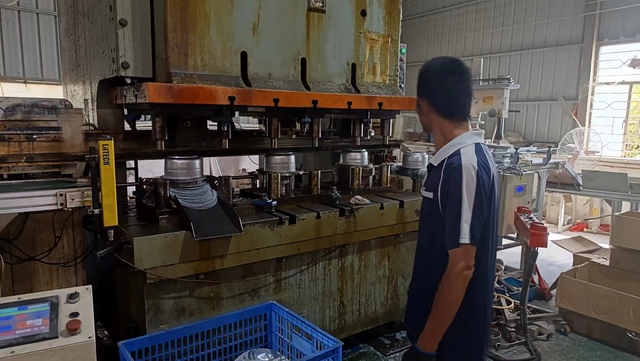
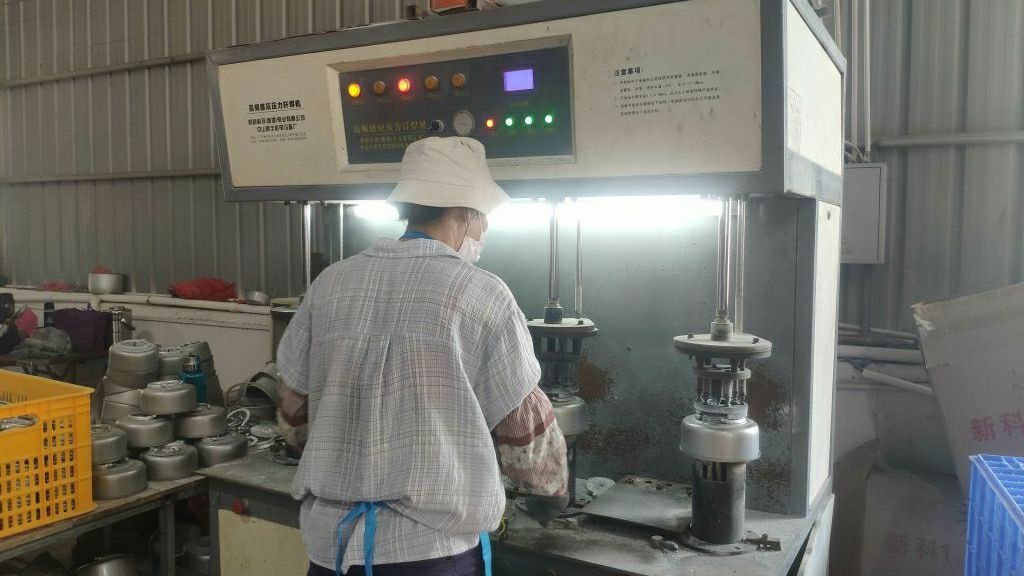
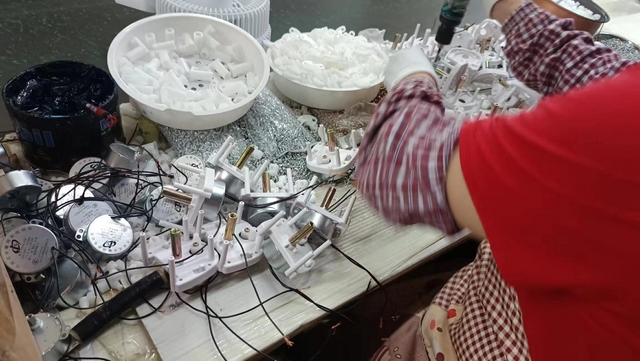
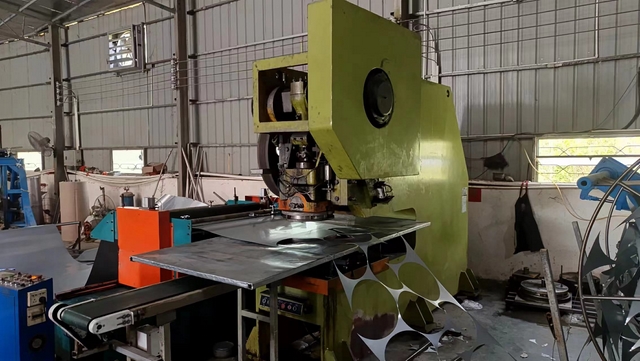
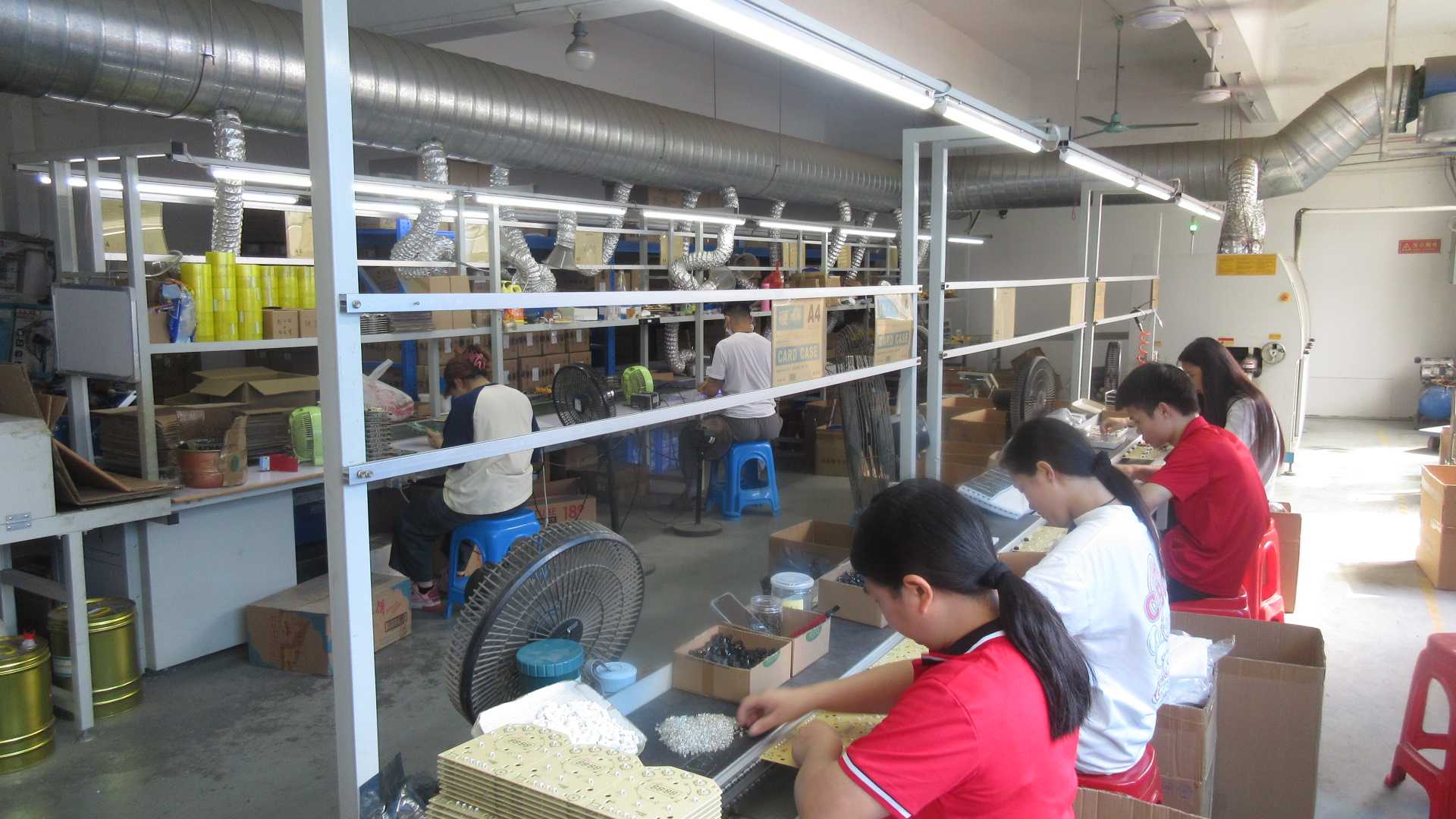
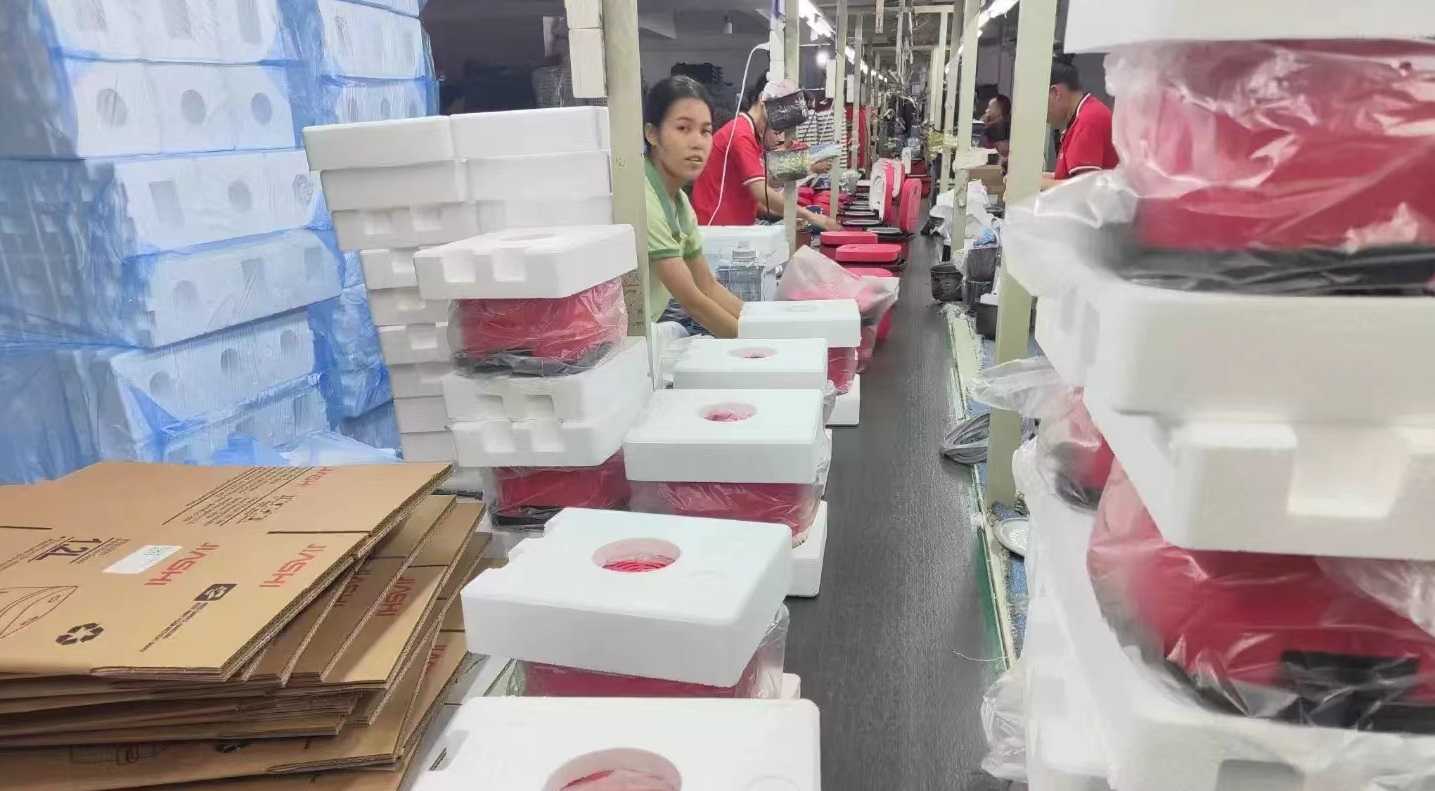
When sourcing electric skillets globally, B2B procurement professionals lean heavily on China's established manufacturing clusters. Guangdong province, in particular, represents the center of this ecosystem, offering three primary advantages:
The absolute proximity of die-casting foundries, heating element developers, silicone gasket molding lines, and PCB assembly centers reduces turnaround times to a fraction of Western alternatives. Rather than dealing with fragmented shipping delays, Chinese factories utilize local networks to secure sub-assemblies in hours, not weeks.
Over two decades of serving global brands has elevated local engineering design standards. Chinese R&D departments utilize advanced CAD, finite element analysis (FEA) for heat flow modeling, and rapid 3D printing of housing shells to compress product development timelines, allowing brands to launch new designs quickly.
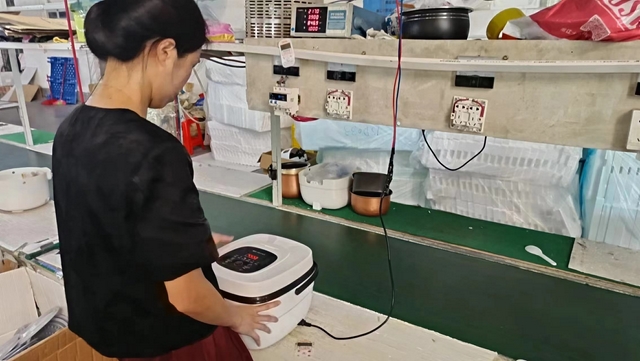
Reputable export manufacturers implement advanced inspection methodologies. Every production run undergoes safety evaluations: high-pot testing, earth leakage current measurement, thermal stress test under heavy loading, and cycle life validation of non-stick coatings, ensuring long-term reliability in the field.
The foundational quality of an electric skillet is determined by the selection of its core substrate and the chemical integrity of its non-stick coating. Modern buyers must balance cost, weight, heat capacity, and thermal conductivity. Below is an engineering comparison of the main materials used in top-tier manufacturing:
| Material Type | Thermal Conductivity | Durability & Structural Life | Optimal Commercial Application | Environmental Impact & ESG Compliance |
|---|---|---|---|---|
| Die-Cast Aluminum | Excellent (Highly responsive, uniform heat) | Medium-High (Resistant to warping) | Residential smart kitchens, lightweight camping gear | High recyclability; demands strict low-VOC coating processes |
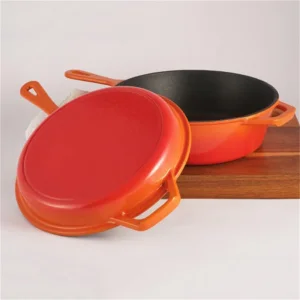
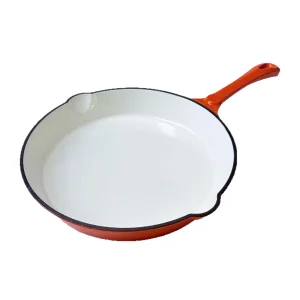
| Cast Iron (Pre-seasoned / Enameled) | Moderate (High thermal retention) | Extreme (Generational lifespan) | Heavy-duty commercial cooking, slow-braising systems | Natural materials; zero organic chemical emissions |
| Tri-ply Stainless Steel (Clad) | Good (Aluminum core distributes heat) | High (Scratch-resistant, non-reactive) | Professional culinary HORECA setups | Highly stable; no non-stick chemical wear concerns |
As Western regulations clamp down on persistent organic pollutants, top-tier Chinese manufacturers have shifted production to FDA and LFGB-approved organic ceramic and sol-gel non-stick coatings. Buying organizations must request certified third-party testing (SGS or TÜV) to confirm the complete absence of PFOA, PFOS, and other fluorinated compounds.
The future of cooking appliances is defined by connected ecosystems. The integration of IoT and intelligent sensing technologies is no longer a concept, but a market-ready standard. Modern smart electric skillets feature built-in Bluetooth and Wi-Fi modules, linking to mobile applications that allow home cooks to set precise temperature profiles based on specific recipes. Precision thermistors embedded directly within the cooking surface feed real-time thermodynamic data to PID (Proportional-Integral-Derivative) microcontrollers, adjusting power input dynamically to prevent localized scorching and minimize energy waste.
On the environmental side, leading manufacturing organizations like Guangdong Picky Kitchen Co. Ltd. are implementing low-carbon manufacturing practices. Factories are turning to renewable energy sources, optimized automatic cutting production lines that reduce material scrap to under 2%, and localized closed-loop water filtration systems that recycle water used in precision grinding and surface preparation. These sustainable steps help global buyers meet strict internal green initiatives and build resilient public supply chains.
Optimized hardware systems must be tailored to their specific end-use environments to deliver maximum value.
For modern smart homes, multi-functional appliances are key. Skillets featuring split-compartment pans, elegant dual-tone enameled exteriors, and dishwasher-safe detachable pans allow consumers to cook, bake, and stew in a single unit, saving storage space.
Heavy-duty, high-capacity skillet units require thick cast iron or multi-clad stainless steel cooking surfaces. They must be equipped with heavy-duty mechanical dial thermostats, rugged high-temperature power plugs, and fast-recovery heating elements to handle continuous service.
The outdoor lifestyle segment demands highly portable, low-draw electric skillets. These designs feature lightweight alloy pans, fold-away handles, and variable voltage compatibility (110V/220V/12V DC systems) to allow trouble-free use with portable battery generators and solar cells.
Before committing to a long-term supply agreement with an OEM/ODM supplier, buyers should systematically audit potential partners using these key criteria:
Direct technical insights to address key challenges faced by purchasing managers and supply chain directors.
We achieve heat consistency by using computer-modeled, die-cast dual heating loops. The heating elements are cast directly into the aluminum alloy base. This minimizes air gaps and ensures uniform heat transfer across the entire cooking surface, eliminating hot and cold zones.
Yes. We have an in-house tooling and mold development department equipped with advanced CNC machinery. We can design and manufacture custom dies for unique pot geometries, lid shapes, and custom handle designs based on your technical specs.
For standard designs with customized colors and basic packaging, the MOQ is 1,000 units. For fully customized shapes that require new tooling and structural mold development, the MOQ is typically 3,000 units, which offset the tooling investments.
We work closely with leading coating manufacturers to offer PTFE-free ceramic non-stick finishes and sol-gel technologies. All of our coatings are certified by SGS and TÜV to comply with FDA, LFGB, REACH, and RoHS standards, ensuring complete food safety.
We offer FOB, CIF, and DDP terms, shipping primarily through Shenzhen, Guangzhou, and Hong Kong ports. Typical production lead time is 35 to 45 days after deposit confirmation and packaging design approval, while re-orders are completed in 30 days.
Integrate your sourcing with matching commercial cookware, baking accessories, and kitchen tools.