Picky Kitchen
Picky Kitchen
Picky Kitchen

A comprehensive research paper on materials, mechanical tolerances, industrial supply chain dynamics, and regulatory compliance standards in B2B baking hardware sourcing.
In the highly competitive commercial baking and confectionery retail sectors, the choice of manufacturing partners determines not only product quality but brand viability. What was once considered a simple novelty kitchen tool has evolved into a highly specialized sector of precision metal stamping, chemical passivation, and polymers science. Modern cookie cutters and baking sheets represent the synthesis of structural integrity, food safety regulation compliance (FDA/LFGB), and design versatility.
This whitepaper analyzes the industrial landscape, focusing on China's transition to Smart Manufacturing (Industry 4.0), sustainable material sourcing, and how commercial organizations can leverage Chinese supply chains to achieve exceptional margins. Sourcing from top-tier Chinese manufacturers guarantees access to advanced materials like high-tensile 304 stainless steel, food-grade anodized aluminum, and specialized BPA-free non-stick coatings.
The global bakery market is undergoing structural shifts. Procurement managers in multinational supermarkets, fast-moving consumer goods (FMCG) brands, and large-scale industrial baking groups face escalating requirements for:
Global brands require complete traceability of metal chemical compositions. B2B purchases dictate zero heavy-metal contamination, rust resistance, and tolerance to acidic dough mixtures.
Seasonal marketing campaigns (Halloween, Christmas, brand collaborations) demand rapid design cycles. Manufacturers must convert 3D CAD/CAM models into functional stamping dies within 10–15 business days.
Procuring entities need consistency across hundreds of thousands of units. Minor deviations in mold shape or sheet metal thickness can cause downstream packaging failures in automated packing lines.
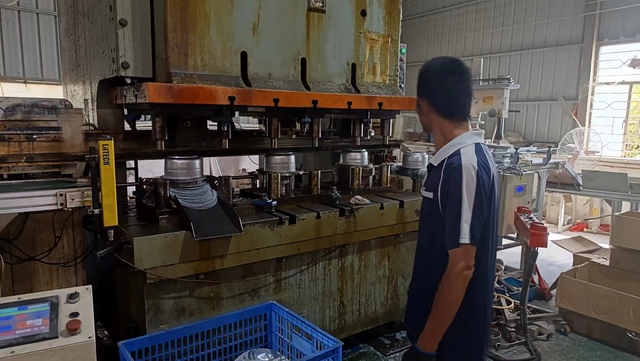
China continues to dominate global baking hardware exports because of its mature metalwork infrastructure. The integration of Factory 4.0 initiatives has transformed the traditional stamping industry into an automated, highly efficient, digital ecosystem. Advanced Chinese suppliers employ automated laser cutting tables, automated cutting lines, and precision welding robots to ensure clean edge-finishing, eliminating dangerous burrs common in low-tier manufacturing.
Furthermore, raw material clustering in South China allows factories to source high-grade 304 Stainless Steel and 3003/5052 Aluminum Alloys at stable market rates, cushioning global buyers from severe price volatility. By keeping the entire value chain—from structural design, mold development, precision stamping, surface coating, and testing—within a single facility, lead times are compressed by up to 35% compared to fragmented supply chains.
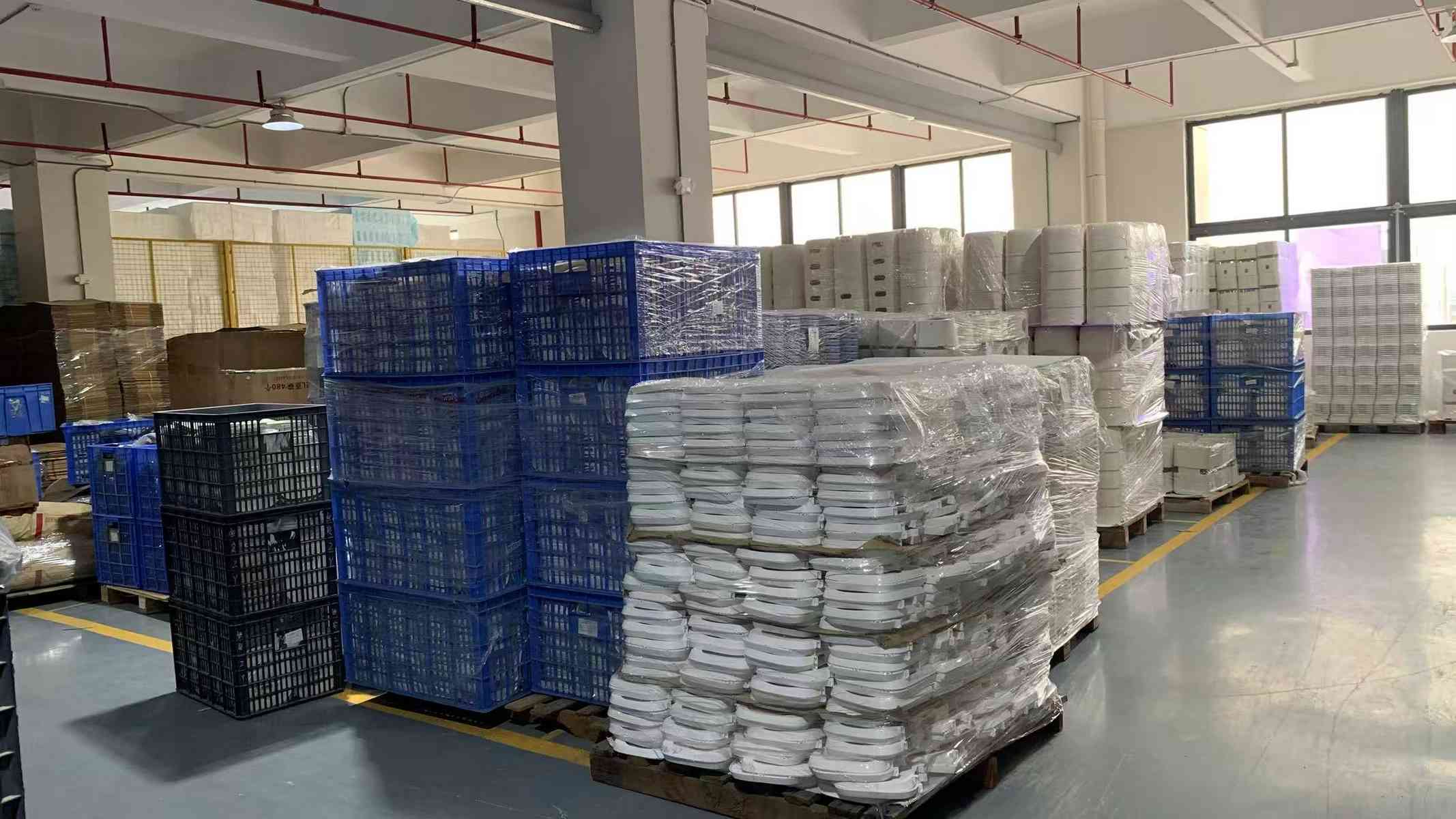
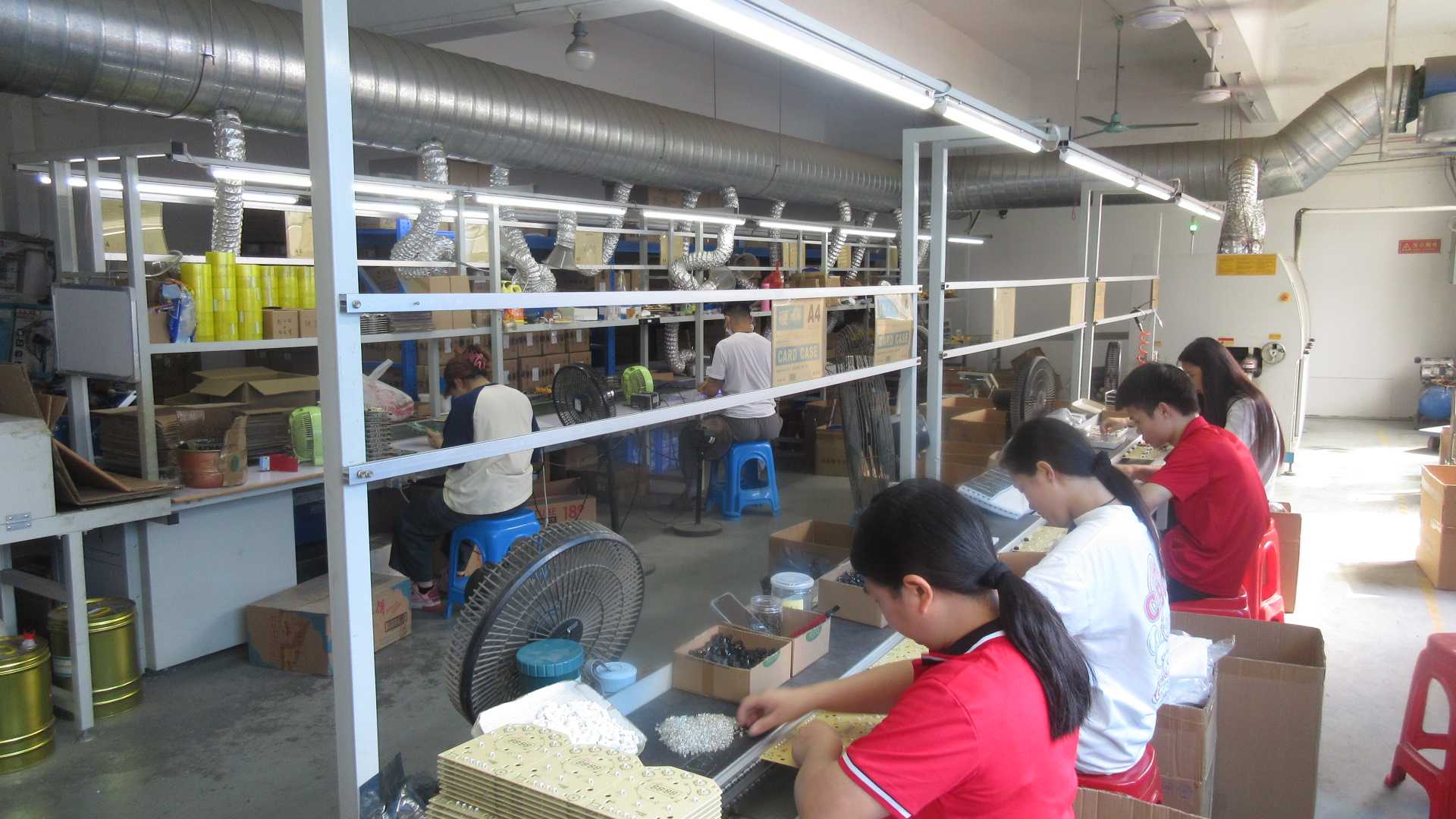
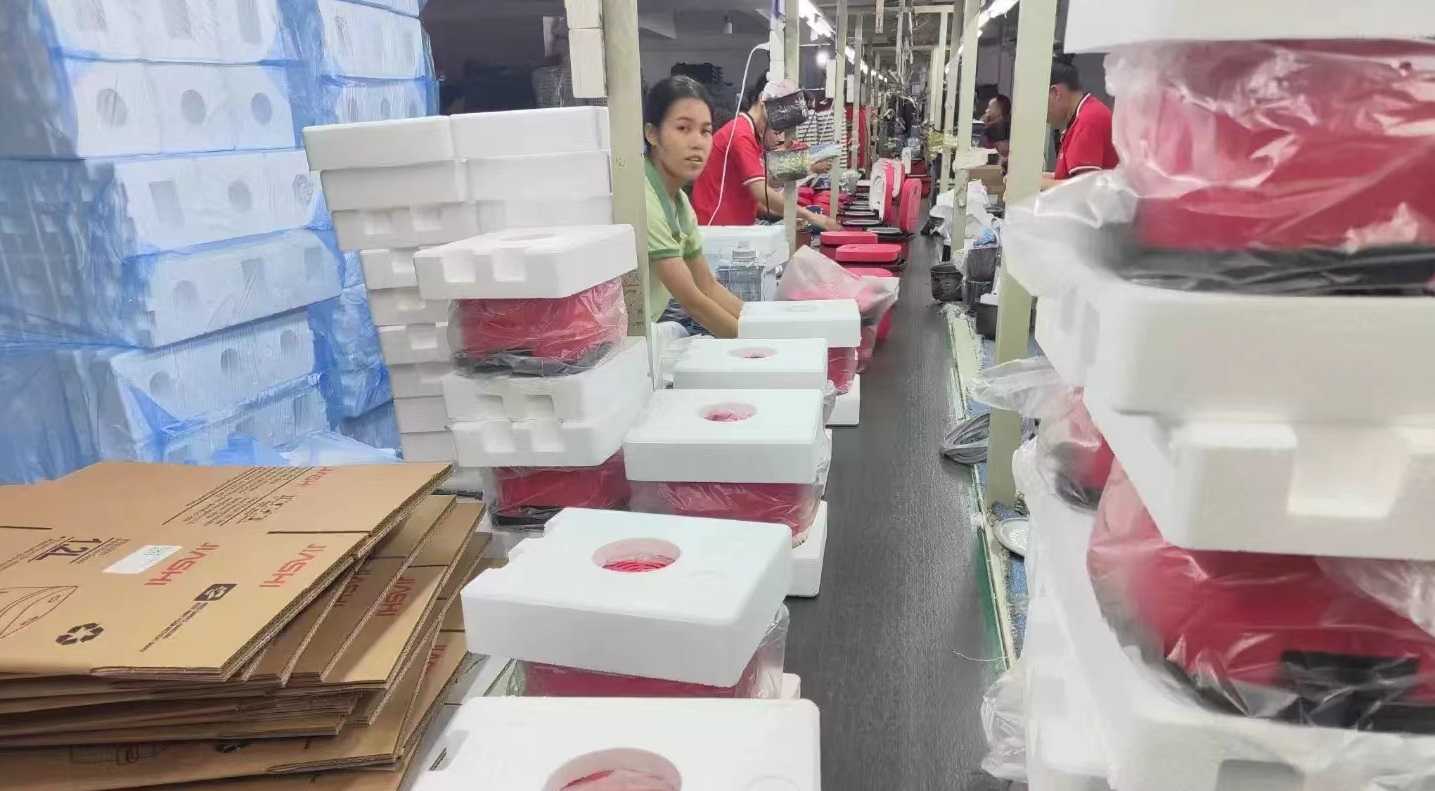
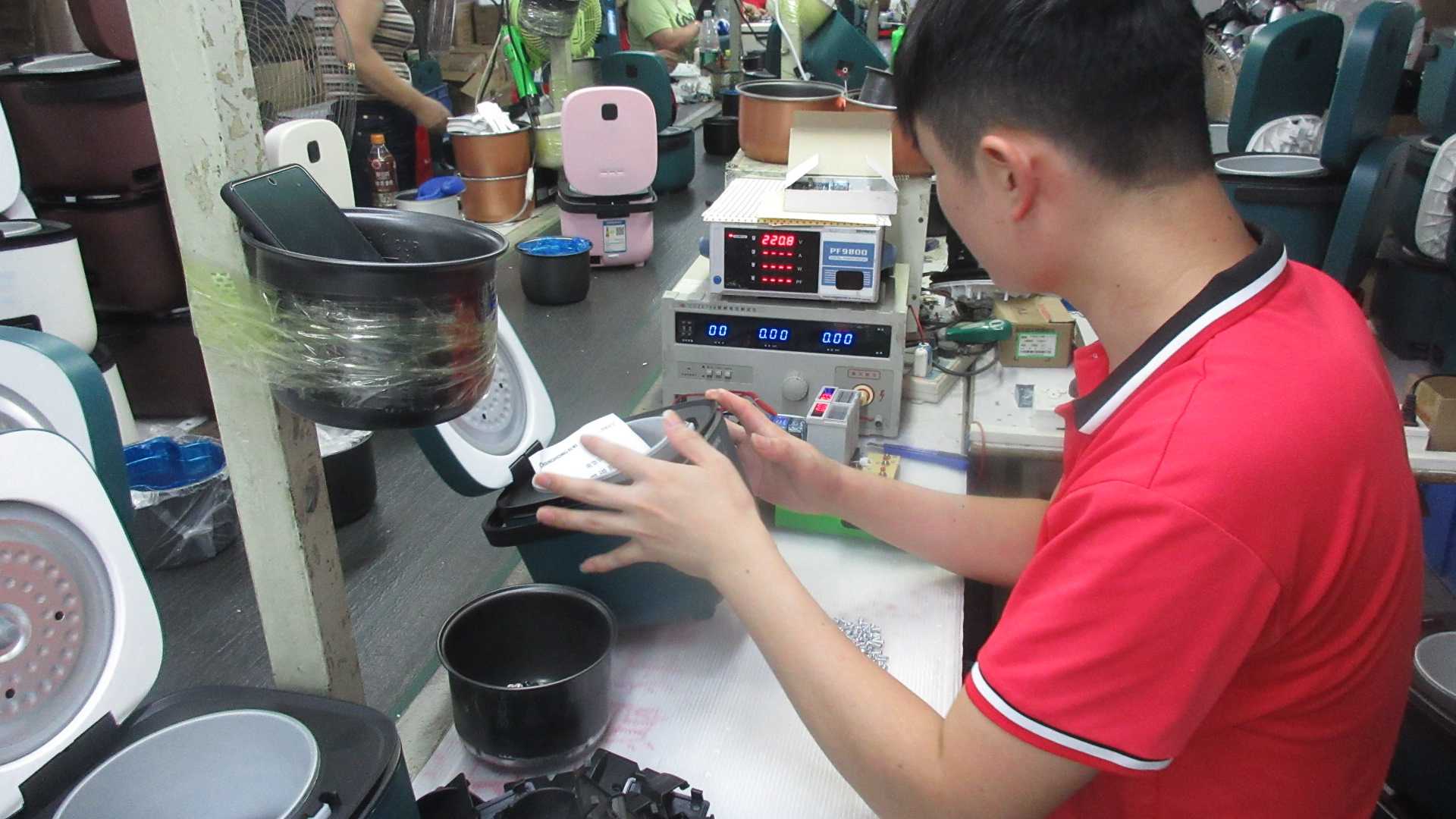
Established in 2005, Guangdong Picky Kitchen Co. Ltd. stands as an industry leader in high-performance kitchen hardware, structural systems, and custom bakeware production. Spanning a state-of-the-art 12,000 square meter factory floor, the company operates under stringent ISO 9001 and BSCI guidelines to supply international markets with top-quality kitchen tools.
Picky Kitchen's expertise encompasses structural component design, precision metal stamping, die-casting, custom mold development, CNC machining, laser welding, and automated chemical surface treatment. Their specialized engineering team continuously evaluates material science trends to bring innovative, eco-friendly, and durable kitchenware to the global market.
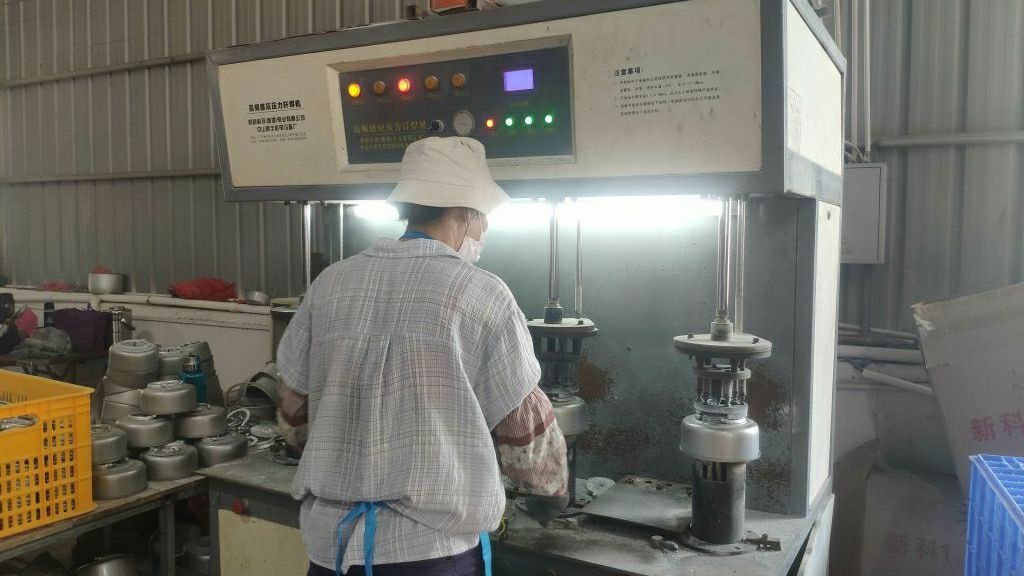
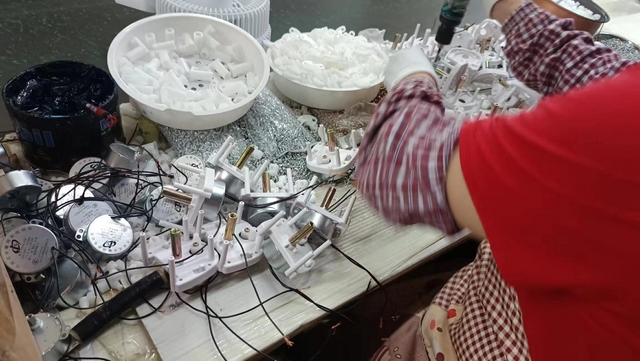
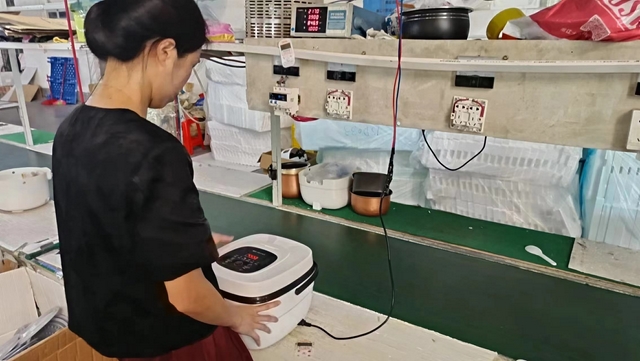
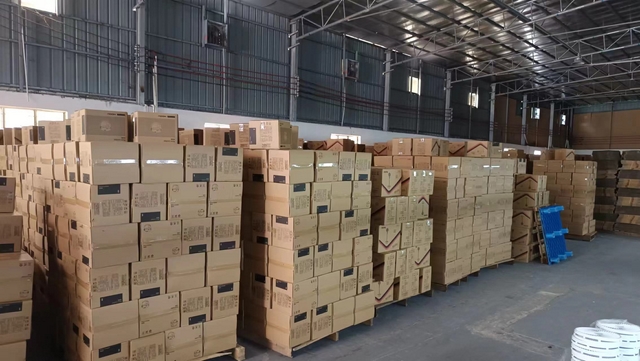
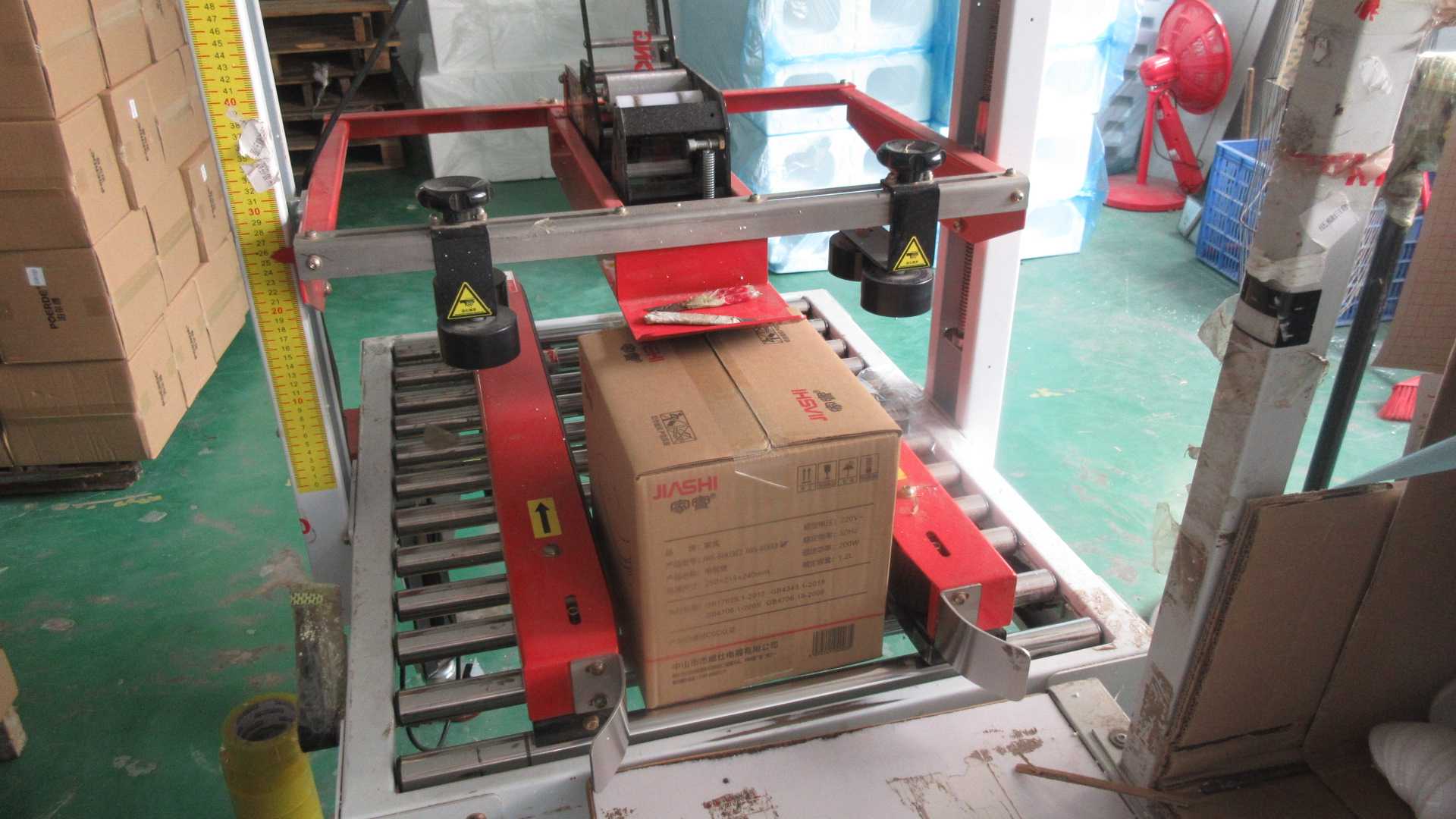
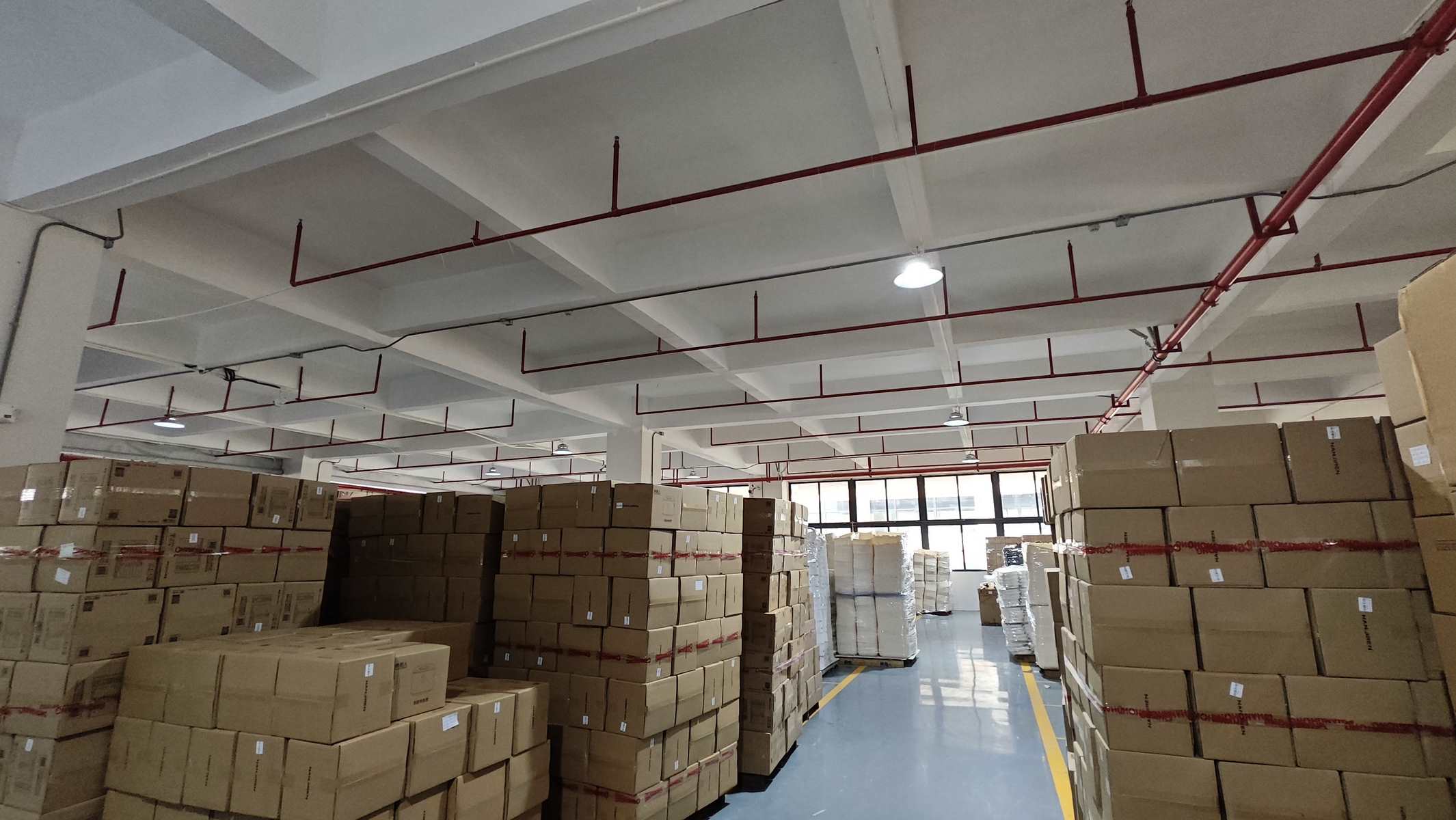
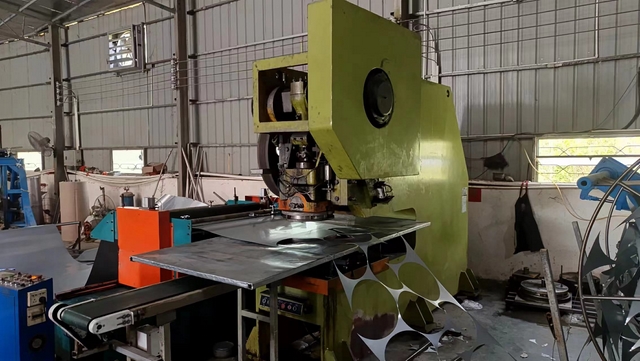
In professional baking and cutting applications, selecting the appropriate metal alloy determines the durability, thermal efficiency, and food-grade compliance of the final tool.
1. 304 Stainless Steel: This is the absolute gold standard for B2B procurement of commercial cookie cutters and sheet pans. With a chemical structure containing 18% chromium and 8% nickel, it forms a passive chromium oxide layer that prevents rust and pitting even under high humidity or exposure to acidic doughs (such as those containing sour cream, vinegar, or citrus juices).
2. Anodized Aluminum: Extremely popular for sheet pans and deep baking sets because of its superior thermal conductivity. Anodization hardens the aluminum surface, preventing raw aluminum from reacting with food and offering non-porous characteristics.
3. Food-Grade Plastics & PLA: Used primarily for low-cost promotional items or intricate 3D-printed custom geometries. However, for industrial applications, metal is preferred due to its high-heat sterilization capacity and wear resistance.
Understanding how cookie cutters and related bakeware are used in various local markets helps customize tooling and dimensions: