Picky Kitchen
Using a pizza stone in a regular oven can elevate your pizza-making game. Expert chef Maria Russo states, "The secret to great homemade pizza is a hot stone." This advice highlights the stone's importance for achieving that perfect crust.
A pizza stone absorbs heat and distributes it evenly, mimicking a traditional pizza oven. However, to master how to use a pizza stone in a regular oven, it's essential to preheat the stone for at least 30 minutes. Many home cooks overlook this step, which can lead to soggy bottoms.
Setting up the stone correctly also matters. It should be placed on the middle rack. This positioning allows optimal heat circulation. While many enjoy the process, some find it challenging. But with practice and patience, even small mistakes can lead to delicious pizza. Learning the ins and outs can turn cooking experiments into delightful meals.
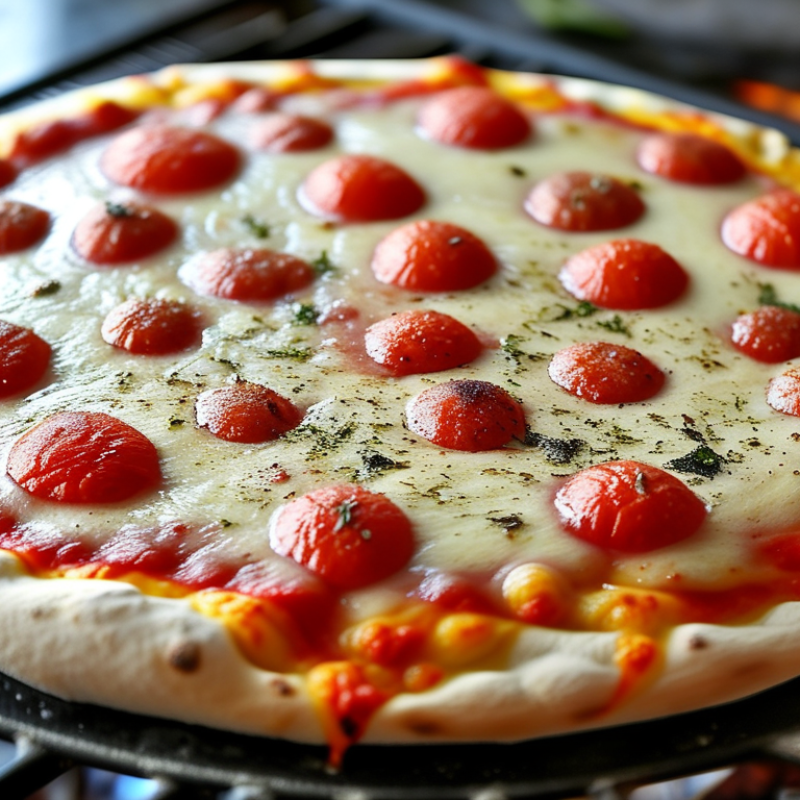
Selecting the right pizza stone for your oven can greatly enhance your pizza-making experience. Look for a stone that fits your oven perfectly. A size that’s too small may lead to uneven cooking. Conversely, an oversized stone can block heat circulation, affecting the cooking process.
Material is also crucial. There are clay, ceramic, and steel pizza stones available. Clay stones retain heat well, perfect for baking. Ceramic stones offer unique heat distribution but can be fragile. Steel stones heat quickly and create a crispy crust, but they can be heavier.
Consider the thickness and weight too. Thicker stones retain heat longer but can be difficult to handle. Thinner stones may not withstand high temperatures. Always check for compatibility with your oven type. Some stones are better suited for gas ovens, whereas others shine in electric settings. Remember to read reviews and perhaps try a few options, as personal preference plays a significant role in pizza perfection.
Preparing your oven and pizza stone for baking is crucial for achieving that perfect pizza. Before starting, make sure your pizza stone is clean and dry. A dusty stone can affect the baking process. If needed, brush it gently with a soft brush to remove any residual flour or debris.
Next, place your pizza stone in a cold oven. This prevents thermal shock, which can crack the stone. Set your oven temperature between 475°F to 500°F (245°C to 260°C) to mimic a traditional pizzeria. Preheat the oven for at least 30 minutes to ensure the stone retains heat. A well-heated stone helps replicate that crispy crust we all love.
It's essential to be patient. Avoid opening the oven door too often, as this can lower the temperature drastically. When you finally place your pizza on the hot stone, listen for that satisfying sizzle. If it doesn’t happen, your oven may not be hot enough. You may realize you need to adjust your timing or oven settings for future bakes. Cooking is a learning experience, and even the best pizza makers have their off days.
Preheating a pizza stone is crucial for making a perfect pizza at home. Start by placing the stone in a cold oven. This helps avoid thermal shock, which can crack the stone. Set your oven temperature to at least 475°F (245°C). Your stone needs time to absorb that heat and create a crisp crust.
Tips: Allow the stone to heat for at least 30 minutes. This duration ensures even heat distribution. It’s best to use an infrared thermometer to check the temperature. Too hot, and your dough may burn; too cool, and it won’t cook through.
Be careful with flour or cornmeal, which can burn if the stone is too hot. You might see some smoke rising; it’s a sign that the stone is ready. Remember, practice makes perfect. Each bake might teach you something new about timing and temperatures. Not every pizza will turn out great at first, but keep adjusting.
Getting the dough right is crucial for your pizza. According to industry reports, dough constitutes about 60% of the overall pizza experience. Aim for a texture that’s soft yet chewy. Allow your dough to rise adequately, around 1 to 2 hours at room temperature. Some enthusiasts recommend cold fermenting for 24-72 hours. This creates better flavor and texture.
Toppings are equally important. Choose quality ingredients, but don’t overload your pizza. A study by the American Institute of Baking indicates that excessive toppings can lead to a soggy crust. A balanced approach helps maintain structural integrity. For optimal results, distribute toppings evenly. Use fresh basil, mozzarella, and a light drizzle of olive oil for authenticity.
If you strive for perfection, keep experimenting. Sometimes, the first attempt won't yield the desired taste or texture. Document each attempt. Note what worked and what didn’t. This will aid in fine-tuning your process. Remember, pizza making is an art, and practice makes progress.
This chart illustrates the effectiveness of using a pizza stone in terms of key factors that contribute to the quality of pizza. A higher score indicates better performance in each category: temperature and cook time have high scores, while topping distribution has a relatively lower score.
Baking a pizza on a pizza stone can elevate your experience. To achieve that perfect bake, preheat your oven with the stone inside for at least 30 minutes. This ensures the stone reaches optimal temperature, creating a crisp crust.
Tips: For an even better finish, sprinkle some cornmeal on the stone before placing the dough. This prevents sticking and adds an extra layer of texture.
When serving your pizza, consider slicing it while it’s still on the stone. This keeps the steam in, enhancing the freshness of each piece. Use a pizza peel for easy transfer to plates. People often underestimate the importance of serving temperature.
Tips: Allow your pizza to rest for a few minutes after baking. This helps the cheese set slightly, preventing a messy first slice. Pay attention to the toppings; they can easily slide off if the pizza is too hot. Enjoy each bite knowing that even a small mistake can teach us something for next time.
| Aspect | Recommendation |
|---|---|
| Material | Cordierite or Ceramic |
| Preheating Time | 45 - 60 minutes |
| Temperature Setting | 475°F to 500°F (246°C to 260°C) |
| Stone Placement | Middle rack of the oven |
| Cooking Time | 10 - 15 minutes |
| Pizza Tools | Pizza peel, cutter, and thermometer |
| Serving Suggestions | Fresh basil, chili flakes, and dipping sauces |
: Look for a stone that fits your oven size. Avoid stones that are too small or oversized.
Common materials include clay, ceramic, and steel. Each has its own advantages and disadvantages.
Yes, thicker stones retain heat longer, but they are harder to handle.
Ensure the stone is clean and dry before use. Brush off any dust or debris.
Preheat your oven to 475°F to 500°F (245°C to 260°C) for the best results.
Overloading can lead to a soggy crust. Aim for a balanced topping distribution instead.
A room temperature rise of 1 to 2 hours is ideal. Cold fermentation for 24-72 hours is beneficial too.
If there’s no sizzle, your oven may not be hot enough. Adjust settings for future bakes.
Yes, noting successes and failures helps improve your technique. Pizza making is a learning journey.
Some stones are better suited for specific oven types. Check compatibility before use.
To achieve the perfect pizza at home, understanding how to use a pizza stone in a regular oven is essential. Start by selecting a pizza stone that fits comfortably in your oven, ensuring it can withstand high temperatures. Prepare both your oven and the stone by cleaning them and setting the appropriate temperature. Preheating the pizza stone is crucial for optimal cooking; this allows the stone to absorb heat, promoting a crisp crust.
Once the stone is ready, skillfully shape and top your pizza, paying attention to ingredient balance for the best results. Finally, bake your pizza on the preheated stone and serve it hot for maximum enjoyment. Mastering these steps not only enhances your pizza-making skills but also elevates your home-cooked meals.