Picky Kitchen
Grilling enthusiasts often face the challenge of flare-ups. These can burn food and create an unpleasant cooking experience. Understanding how to prevent flare-ups on a grilling mesh is essential for every griller. Proper techniques and care can significantly enhance your grilling sessions.
When sizzling fat drips onto hot coals, it ignites. This can lead to chaos on your grill. Utilizing a grilling mesh can help, but it requires thoughtful handling. The right temperature control is crucial. Too high a heat invites flames. Moreover, ensuring your grill is clean can reduce flare-up risks. Observing these details may seem simple, yet many overlook them.
Even seasoned grillers experience flare-ups from time to time. It's important to reflect on your methods. Are you using enough oil? Does your food have a proper resting time before grilling? These questions can lead to better outcomes. Mastering how to prevent flare-ups on a grilling mesh is a journey. Each session brings opportunities to learn and adapt.
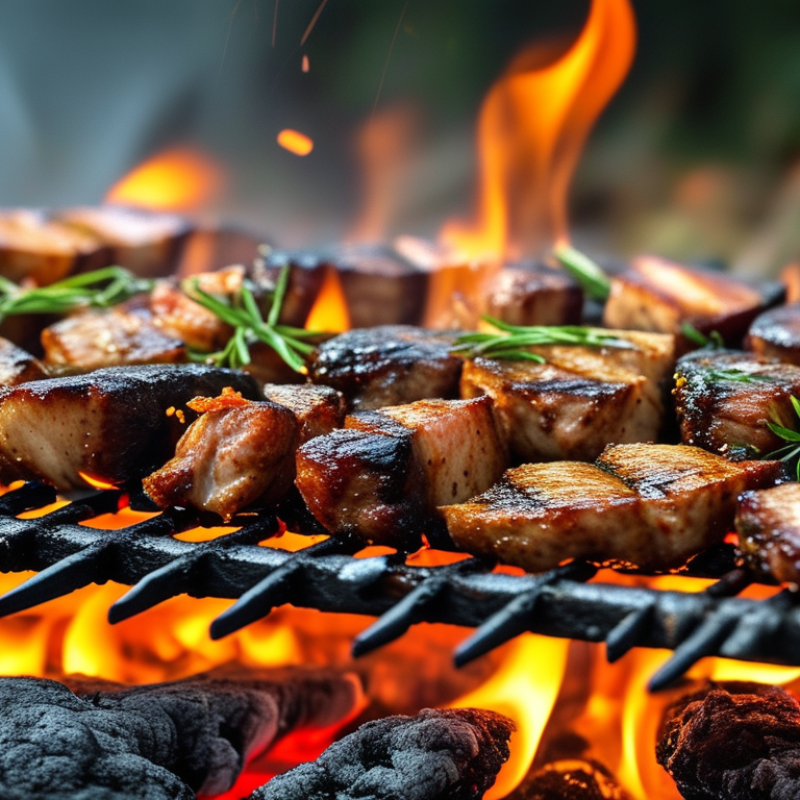
Grilling mesh is a popular tool for outdoor cooking enthusiasts, but it can pose some issues. Common problems include food sticking, wear and tear, and flare-ups. According to a recent survey by the American Grilling Association, approximately 58% of grillers experience flare-ups that manage to char their food, diminishing flavor and presentation.
To tackle these issues, understanding the material of grilling mesh is crucial. It often consists of metallic fibers or non-stick coatings. Over time, high temperatures may degrade these surfaces, making food more prone to sticking. Experts recommend regularly inspecting your grilling mesh for signs of wear. Regular maintenance can extend its life and enhance grilling performance.
Moreover, cooking at the right temperature is essential to prevent flare-ups. When grilling fatty meats, excess drippings can easily lead to flames. Studies suggest that raising the grill grate a few inches can minimize flare-ups significantly. Some grilling enthusiasts also find success by using indirect heat for cooking, which reduces constant exposure to flames. Ignoring these small adjustments can lead to disappointing results on your plate.
Flare-ups during grilling can create unwanted charring and affect food flavor. Identifying the causes is crucial for an enjoyable grilling experience. One major factor is excess fat dripping onto hot surfaces. According to the National Fire Protection Association, grease is a leading cause of grill fires. Keeping meats trimmed can greatly reduce this risk.
Another significant cause of flare-ups is cooking at excessively high temperatures. Research from the Cooking Light Testing Lab indicates that optimal grilling temperatures range between 450°F to 500°F. Cooking beyond these temperatures can lead to increased flare-ups. Consider monitoring your grill with a thermometer to ensure consistent heat.
Additionally, flare-ups often arise from using marinated or sauced meats. These can contain sugars that caramelize and ignite, leading to flame bursts. A study by the American Institute for Cancer Research suggests that while marinades can enhance flavor, choosing those with lower sugar content can mitigate flare-up risks. Experimenting with different marinade recipes may help find a balance between flavor and safety. Being aware of these common causes can enhance your grilling skills and create better, safer meals.
When preparing your grilling mesh, cleanliness is key. Start by thoroughly cleaning the mesh after each use. Residues can cause flare-ups and impact your food's flavor. Use a stiff brush and hot water for an effective clean. Let it dry completely before storage to prevent rust.
Material quality also matters. Choose a durable mesh that can withstand high heat. If the mesh is old or damaged, it may warp or release harmful substances during grilling. Consider replacing it periodically to maintain safety and performance. A well-maintained grilling mesh ensures even heat distribution, enhancing your cooking experience.
Some may overlook the importance of preheating the mesh. Ensuring it reaches the right temperature before placing food on it helps prevent sticking. Remember that patience is essential. If your food sticks, it can lead to tearing and frustration. Take time to adjust your technique if flare-ups occur. Learning from each grilling session will improve your skills and results over time.
Flare-ups are a common challenge for grill masters, often leading to burned food and safety concerns. Effective cooking techniques can significantly minimize these flare-ups. One approach is controlling the amount of fat in meat. According to a report by the USDA, fatty cuts generate more grease, which can ignite. Choosing leaner cuts or trimming excess fat can help reduce occurrences.
Another practical strategy involves managing heat settings. Cooking over direct high heat can promote flare-ups, especially with fatty foods. A recent study highlighted that maintaining a moderate cooking temperature reduces flare-up incidents by nearly 30%. Rotating to indirect heat can also allow for more even cooking. This technique not only helps to avoid burning but also enhances flavors.
Additionally, using a grilling mesh can help. It creates a barrier between the flame and food. This method reduces direct contact with the heat source, which can lead to burns and unwanted flare-ups. Regular cleaning of the grill after each use is essential. Old grease builds up, increasing flare-up risks. These adjustments can transform your grilling experience, leading to better results and less stress. The reality is that even experienced grillers face flare-ups, but through mindful techniques, success can be more achievable.
Maintaining your grilling mesh is essential for achieving great barbecue results. A clean mesh helps prevent flare-ups, ensuring a safe and enjoyable cooking experience. Start by preheating your grill. The heat loosens any stuck food residues, making it easier to clean. After grilling, let your mesh cool slightly, but not completely. Use a grill brush to scrape off residues, focusing on stubborn spots. This routine helps keep your mesh in working order.
Cleaning doesn't end with brushing. Regular soaks in warm soapy water can help break down grease. However, be cautious not to soak for too long, as it can weaken some materials. Rinse thoroughly to eliminate soap residue since it can affect the flavor of your food. Periodically check for any wear or damage. A tiny tear can quickly turn into a larger issue, leading to unwanted messes and potential hazards. A reliable mesh requires your attention to detail.
Over time, you may notice some challenges with your mesh. It's easy to become complacent about cleaning. Remember, neglecting maintenance leads to frustrating flare-ups. If you find that your grilling becomes inconsistent, take a moment to evaluate your cleaning habits. Sometimes, a good soak and scrub reveal the need for a replacement. An informed griller knows that preventive care is key to a successful cookout.
: Common issues include food sticking, wear and tear, and flare-ups. About 58% of grillers face flare-ups.
Regular inspection and maintenance of the mesh can minimize food sticking. High temperatures can degrade non-stick coatings.
Using lean cuts of meat and managing fat levels can greatly reduce grease and flare-ups.
Cooking at moderate temperatures minimizes flare-ups. High direct heat promotes burning, especially with fatty foods.
Preheat the grill, then scrub the mesh with a grill brush. Regular soaks in warm soapy water help, but don't soak too long.
Regularly check for signs of wear or damage. Cleaning after each use prevents grease buildup and flare-up risks.
Yes, if you notice inconsistent grilling performance or damage. Clean practices can reveal the need for replacement.
Inspect your mesh regularly. Neglecting maintenance can result in frustrating grilling experiences.
If you see tears or wear, it may be time for replacement. Preventive care is crucial for successful grilling.
Yes, using indirect heat helps evenly cook food and reduces exposure to flames, minimizing flare-ups and burning.
In the art of grilling, understanding how to prevent flare ups on a grilling mesh is essential for achieving the perfect cook without compromising flavor. The initial step is to identify common issues such as grease build-up, which can lead to unexpected flare-ups during cooking. By preparing your grilling mesh properly—cleaning it thoroughly and ensuring it is well-seasoned—you can significantly reduce the risk of these fires.
Furthermore, employing effective cooking techniques, such as managing heat and avoiding overcrowding on the grill, can help maintain a steady temperature and prevent flare-ups. Regular cleaning and maintenance of your grilling mesh are also crucial for optimal performance. By following these tips and tricks, you can enjoy flavorful meals while minimizing the hassles of flare-ups.
