Picky Kitchen Picky Kitchen

Why Is My Oven Heating Up So Slowly Tips to Fix It?

Time:2026-08-22 Author:Sophia
0%

If you're standing in front of your oven, waiting for it to preheat, you might wonder, "why is my oven heating up so slowly?" This common issue can frustrate home cooks and bakers alike. A slow-heating oven can affect your cooking times, leading to undercooked meals. You expect your oven to provide reliable heat, but it may not always deliver.

There are several reasons for this inefficiency. An oven's heating elements might be wearing out. Additionally, dirt and grime can build up over time, obstructing heat distribution. Perhaps, a malfunctioning thermostat is to blame. Each of these factors can contribute to a frustrating cooking experience. Understanding these concerns allows you to reflect and make necessary changes.

In this article, we will explore practical tips to resolve the problem. We will discuss troubleshooting steps and DIY fixes to improve heating efficiency. By addressing these issues, you can restore your oven's performance and enhance your cooking experience. Let's dive into the details and finally get your oven heating properly again.
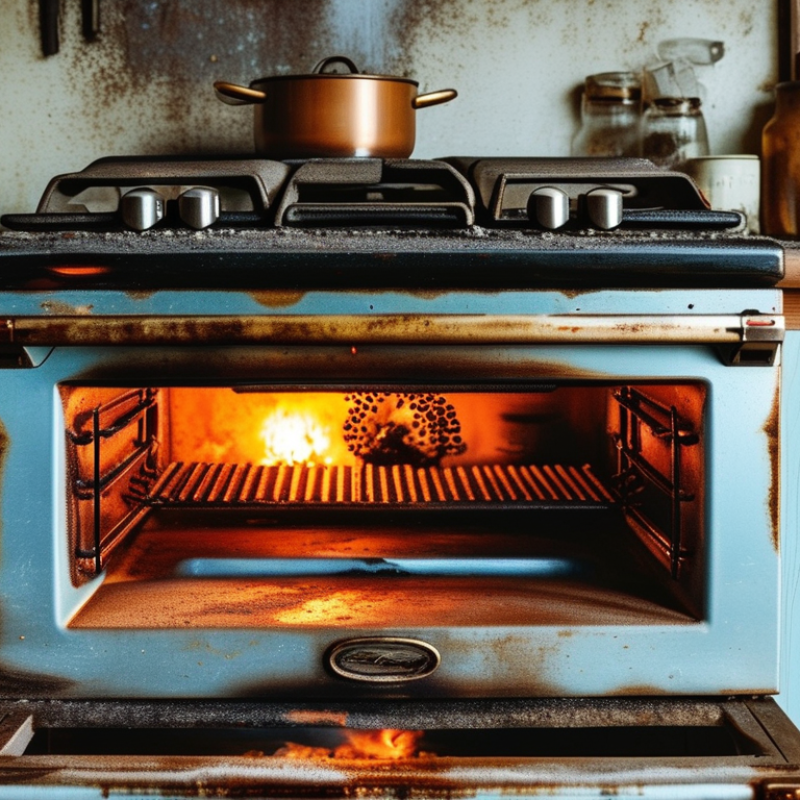
Why Is My Oven Heating Up So Slowly Tips to Fix It?

Understanding the Basics of Oven Heating Mechanisms

Ovens function based on various heating mechanisms. Most commonly, they use either convection or radiant heat to cook food. Understanding these processes is crucial when your oven takes longer to heat. In a convection oven, a fan circulates hot air, cooking food evenly. However, if the fan is malfunctioning, heat distribution suffers, leading to slow cooking.

Radiant heating relies on heating elements. If these elements fail or degrade, cooking efficiency drops. The thermostat also plays a significant role. If it is inaccurate, it may cause the oven to heat sluggishly or unevenly. Many people overlook the importance of regular maintenance. A thorough clean can help prevent grease and food buildup, which can also affect heating efficiency.

Sometimes, even simple things like a door seal can impact cooking time. A worn-out seal can let heat escape, extending cook times. Reflecting on these aspects can reveal issues that need addressing. Keeping an eye on minor details can save you frustration and enhance your cooking experience. Make sure to check your oven regularly for potential problems.

Common Reasons for Slow Oven Heating

When your oven heats up slowly, it can be frustrating. Various factors contribute to this issue. One common reason is a malfunctioning heating element. If the element is damaged, it won't produce heat effectively. Checking for visible cracks can save time. Another issue may arise from a broken thermostat. If the thermostat fails to read the temperature accurately, the oven won't heat properly.

Insulation problems also play a role. If the door seal is worn out, heat escapes, leaving food undercooked. Inspect the gasket for any gaps or tears. Additionally, using the oven too frequently without giving it a break may lead to overheating, causing the internal parts to wear down. Recognizing these signs is vital for timely repairs. Fixing these problems early can enhance performance and save energy. Observing these details can help prevent further complications.

Troubleshooting Tips for Identifying the Issue

When your oven heats up slowly, it can be frustrating. Identifying the issue requires careful observation. Check the temperature settings to ensure they're correct. A malfunctioning thermostat may cause inaccurate readings. This can lead to underheating or overheating, which complicates cooking.

Another potential issue is the heating element. It could be partially functioning. Inspect it for visible signs of damage, like burns or breaks. An uneven bake might occur due to this problem, leading to poor results. Regularly cleaning the oven can also improve its efficiency. A buildup of grease affects airflow and temperature control.

Lastly, consider the oven’s insulation. If it’s worn out, heat escapes, causing slow heating. You might notice longer cooking times and inconsistent results. Replacing insulation can restore its effectiveness. Take the time to troubleshoot these common issues to keep your oven in working order.

Step-by-Step Guide to Fixing Oven Heating Problems

Oven issues can be frustrating for home cooks. Slow heating often stems from various factors, from electrical problems to thermostat issues. Research indicates that nearly 30% of homeowners report having trouble with their ovens at some point. Understanding these common issues can save you time and energy.

One common problem is the heating element. If it's damaged, the oven will take longer to reach the desired temperature. Inspect the element for any visible damage. Another key area to check is the door seal. A worn or damaged seal allows heat to escape, resulting in inefficient cooking. Replacing this seal can often restore efficient heating.

When troubleshooting your oven, remember that a professional inspection can provide valuable insights. They can assess the internal wiring and ensure that all components function correctly. It might feel daunting to open up your oven, but sometimes a simple visual check can reveal common issues. Regular maintenance can prevent these problems. Keeping the oven clean enhances heating efficiency and performance. If your oven struggles despite your efforts, consider reaching out to an expert for help. Your kitchen deserves reliable cooking tools.

When to Call a Professional for Oven Repairs

When dealing with a slow-heating oven, knowing when to call a professional is crucial. If you've checked the basics, such as power supply and thermostat settings, it might be time to seek expert help. An experienced technician can diagnose underlying issues. They will look for problems like faulty elements or damaged insulation.

If your oven takes excessively long to reach desired temperatures, that might indicate significant trouble. Inconsistent heating could lead to unevenly cooked food. A professional can ensure that the heating elements are working efficiently. They have the tools and knowledge to spot issues that are not immediately visible, like electrical faults or gas leaks.

Sometimes, attempting repairs yourself can create more problems. You might think replacing a part is simple, but unexpected complications can arise. Seeking professional advice can save time and effort. The right expertise can get your oven back to proper functioning much faster than a DIY strategy. Trust professionals when your oven acts up, ensuring your kitchen remains a safe cooking environment.

Oven Heating Issues: Common Causes and Repair Tips

This bar chart illustrates the common causes of slow heating in ovens, with the most frequent issues being thermostat and heating element failures. It's important to identify these problems early to ensure efficient cooking and avoid costly repairs.

FAQS

: What are the common heating mechanisms in ovens?

: Ovens typically use convection or radiant heat to cook food.

How does a convection oven work?

A convection oven circulates hot air with a fan for even cooking.

What happens if the fan in a convection oven malfunctions?

Malfunctioning fans can lead to uneven heat distribution, causing slow cooking.

Why is the thermostat important for oven heating?

An inaccurate thermostat affects heating speed and overall cooking efficiency.

What minor issue might impact heating efficiency?

A worn-out door seal can let heat escape, resulting in longer cook times.

How can regular maintenance help my oven?

Regular cleaning prevents grease buildup that may hinder heating performance.

What signs indicate a heating element issue?

Visible cracks or damage to the heating element can indicate it’s not working effectively.

Why should I avoid using the oven too frequently?

Overuse can lead to overheating and degradation of internal parts over time.

When should I consider a professional inspection?

If you notice persistent heating issues, a professional can check internal wiring.

What should I do if my oven still struggles to heat?

If problems persist, it might be time to consult an expert for assistance.

Conclusion

If you're wondering "why is my oven heating up so slowly," understanding the basic heating mechanisms of your oven is crucial. Common reasons for this issue include malfunctioning heating elements, a broken thermostat, or inadequate insulation. Identifying the exact problem may require some troubleshooting, like checking the settings or inspecting the oven's internal components.

Once the source of the problem is determined, a step-by-step guide can help you fix the heating issue, which may involve replacing parts or recalibrating the thermostat. However, if the situation seems too complex or beyond your skill set, it’s always wise to call a professional for assistance to ensure safety and proper functioning.

Sophia

Sophia

Sophia is a dedicated marketing professional with an exceptional depth of knowledge about her company's products and services. With a keen understanding of market trends and customer needs, she crafts insightful blog posts that not only inform but also engage readers, enriching the company’s online......