Picky Kitchen Picky Kitchen

Why is My Gas Stove Flame Orange Instead of Blue?

Time:2026-06-17 Author:Madeline
0%

Gas stoves are a common appliance in many kitchens, and their flame color can indicate crucial information. If you find yourself asking, "why is my gas stove flame orange instead of blue?" you are not alone. Many homeowners notice a shift in flame color, which can signal underlying issues. According to John Smith, a professional in appliance repair, "An orange flame usually points to incomplete combustion." This statement highlights the importance of understanding flame color for both safety and efficiency.

The blue flame of a gas stove is often the sign of efficient combustion, while an orange flame can indicate a problem. An orange hue could mean that there is insufficient oxygen mixing with the gas. It might be due to a clogged burner or a malfunctioning regulator. Homeowners might overlook these signs, yet they are fundamental to appliance health. Ignoring such changes could lead to increased energy bills or even hazardous situations.

Understanding why your gas stove flame is orange needs attention and awareness. Seeking expert advice or troubleshooting can clarify the situation. Still, it’s crucial to be vigilant. Simple adjustments might resolve the issue. However, if the orange flame persists, professional help is recommended.
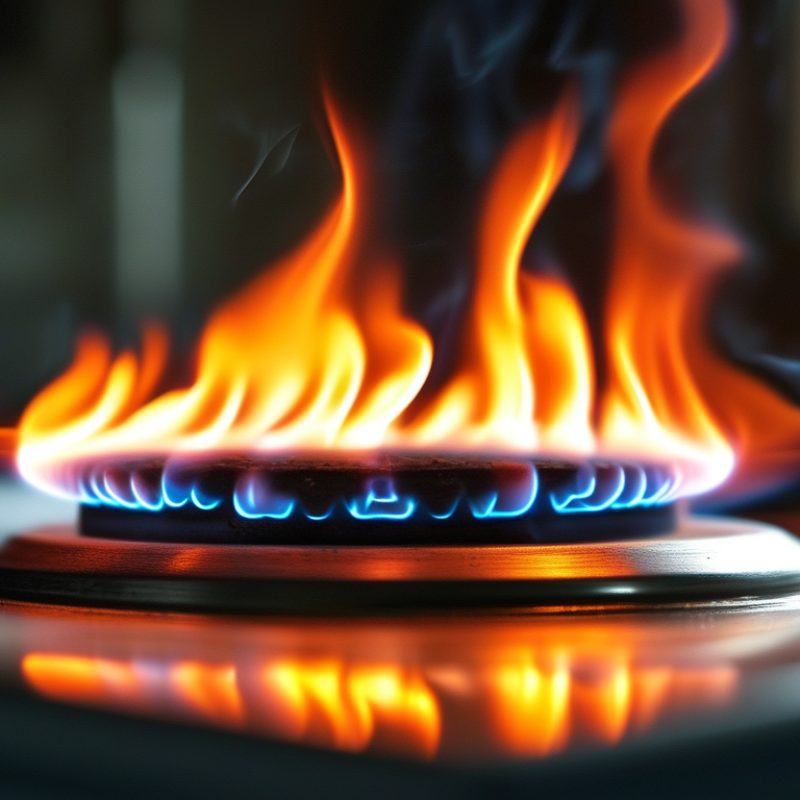
Why is My Gas Stove Flame Orange Instead of Blue?

Causes of an Orange Flame in Gas Stoves

Gas stoves are designed to produce a blue flame, indicating efficient combustion. However, an orange flame signals a problem. This unusual color often points to incomplete combustion, which can be caused by a few factors. One significant cause is a buildup of dust and debris in the burner. Over time, residue can block airflow, leading to an orange-hued flame.

Another reason for an orange flame can be improper gas-to-air mixture ratios. When there’s too much gas or too little air, combustion is not optimal. According to the National Fire Protection Association, inefficient burners can produce higher levels of carbon monoxide, making the situation hazardous. Regular maintenance is essential to ensure your stove operates safely.

Tips: Clean the burners regularly to prevent blockages. Make sure the stove is well-ventilated, allowing an adequate air supply. If you notice persistent issues, contact a professional for an inspection. Relying on DIY fixes can lead to greater risks. A professional can ensure your stove meets safety standards and performs efficiently.

Impact of Air Supply on Flame Color

When using a gas stove, you may notice an orange flame instead of the expected blue. This color change often reflects an imbalance in air supply. A blue flame indicates proper combustion, fueled by adequate oxygen. Conversely, an orange flame suggests incomplete combustion, often due to a restricted air supply.

Air supply plays a crucial role in flame color. If the stove's air intake is blocked or dirty, oxygen levels decrease. This results in higher soot production, leading to an orange hue. Moreover, dust or food particles accumulating near the burners can hinder airflow, which can further exacerbate this issue. Regular maintenance is essential for optimal performance.

It’s also worth noting that a partially obstructed burner can lead to fire hazards. Inspecting and cleaning burners frequently should be part of your routine. If the problem persists, consulting a professional might be necessary. This ensures not only effective cooking but also safety in your kitchen environment. Balancing air supply is a fundamental step in achieving a consistent gas flame.

Signs of Incomplete Combustion in Gas Appliances

An orange flame on your gas stove can indicate incomplete combustion. This is crucial because incomplete combustion generates carbon monoxide, a colorless and odorless gas harmful to health. According to the US Consumer Product Safety Commission, improper appliance operation contributes to over over 400 deaths annually from carbon monoxide poisoning.

In a gas-burning appliance, a blue flame signifies proper combustion. It's a sign that the gas is burning efficiently. On the other hand, a yellow or orange flame suggests a problem. It could mean the burner is dirty or improperly adjusted. Research shows that as many as 30% of residential gas appliances operate inefficiently, causing safety and efficiency concerns.

Visibility of soot around burners can indicate other issues. Soot buildup suggests incomplete combustion, which could lead to poor indoor air quality. Regular maintenance of gas appliances is essential. The National Fire Protection Association recommends annual inspections to ensure safety. For your health and safety, be proactive in addressing these warning signs. Ignoring them could lead to dangerous situations.

Health Risks Associated with an Orange Gas Flame

An orange flame from a gas stove can signal dangerous issues. Typically, a blue flame indicates complete combustion. An orange flame means incomplete combustion. This can produce harmful byproducts like carbon monoxide. Exposure to this gas can lead to health risks. Symptoms may include headaches, dizziness, and fatigue. In severe cases, it can be life-threatening.

The cause of an orange flame often stems from inadequate burner adjustment or dirty burners. Even small debris can alter the flame's color. Proper stove maintenance is critical for safety. Regular inspections can help identify issues early. For instance, checking the burners for clogs is essential. Make sure the air-to-gas ratio is correct.

If the flame color persists, seek professional help. It’s crucial not to ignore this warning sign. Health should always come first. Remember, an orange flame might seem minor, but it can impact your well-being. Achieving a blue flame ensures efficiency and safety while cooking.

Solutions to Achieve a Blue Flame in Gas Stoves

If your gas stove flame is orange, it indicates incomplete combustion. This can occur due to several reasons. One primary cause is inadequate airflow. A blue flame requires proper oxygen levels. Check if the air shutter on your burner is blocked or closed. Dust and debris can impede airflow, leading to those unwanted orange flames.

Another factor could be the type of gas you're using. Impurities in some gas supplies can cause abnormal flame colors. If you frequently experience this issue, inspecting your burners and gas lines is prudent. Burners may need cleaning or adjusting. A professional service can be beneficial in ensuring everything functions optimally.

It’s important to note that achieving a consistently blue flame signifies efficient combustion. However, minor adjustments might be necessary. Remember, the journey to a blue flame can involve trial and error. Don’t feel discouraged if it takes time. Simple home maintenance can often lead to a significant improvement in flame quality.

Gas Stove Flame Color Analysis

FAQS

: What does an orange flame on a gas stove indicate?

: An orange flame suggests incomplete combustion, which can produce harmful carbon monoxide.

Why is a blue flame preferred in gas appliances?

A blue flame indicates efficient combustion and safer operation of gas appliances.

What health risks are linked to an orange gas flame?

Exposure to an orange flame's byproducts can cause headaches, dizziness, and fatigue.

How can I improve my gas stove flame color?

Check for airflow obstructions and ensure the burners are clean and properly adjusted.

What are the symptoms of carbon monoxide exposure?

Symptoms may include headaches, dizziness, and in severe cases, it can become life-threatening.

Why is regular maintenance of gas appliances necessary?

Regular checks can identify issues early and ensure safety and efficiency in operation.

How can I recognize incomplete combustion in my appliance?

Signs include an orange flame, soot buildup, and poor indoor air quality.

What should I do if my gas stove flame remains orange?

Seek professional help as persistent orange flames indicate a serious issue needing attention.

Can minor adjustments affect flame color?

Yes, small adjustments in airflow or burner cleanliness can lead to a significant improvement.

What's the importance of the air-to-gas ratio?

Proper air-to-gas ratio ensures complete combustion, helping achieve a safe blue flame.

Conclusion

The article "Why is My Gas Stove Flame Orange Instead of Blue?" explores various reasons for the occurrence of an orange flame in gas stoves, which can indicate problems related to combustion. One primary cause is the inadequate air supply, which can alter the flame's color due to incomplete combustion of the gas. The article highlights the signs of incomplete combustion, such as soot buildup and a persistent orange flame, which may pose significant health risks due to the potential release of harmful gases.

To remedy the orange flame issue, the article suggests solutions for achieving a blue flame, including adjusting air supply levels and ensuring proper maintenance of gas appliances. Recognizing the causes and impacts of an orange flame is vital for safe cooking practices, ultimately addressing the question of why is my gas stove flame orange instead of blue.

Madeline

Madeline

Madeline is a dedicated marketing professional with a wealth of expertise in our company's core offerings. With a keen understanding of the industry, she brings a unique perspective to her role, consistently delivering high-quality content that highlights the superior aspects of our products. As......