Picky Kitchen
Cooking with stainless steel utensils can bring various challenges. A common dilemma many face is, "why does food stick to my stainless steel utensils?" This question often arises in kitchens around the world. The answer lies in understanding the properties of stainless steel.
When heated, stainless steel expands. This expansion can create tiny gaps that food particles exploit. Foods with high starch content often cling more stubbornly. Additionally, the technique and temperature of cooking play a significant role. Many home cooks overlook the importance of preheating their pans. If the pan isn't hot enough, food tends to stick.
Reflecting on these factors can elevate your cooking experience. You might find that a few adjustments lead to better results. Experimenting with cooking times and temperatures is essential. It's a learning process, and each dish can teach something new. Understanding why food sticks can transform your approach in the kitchen.
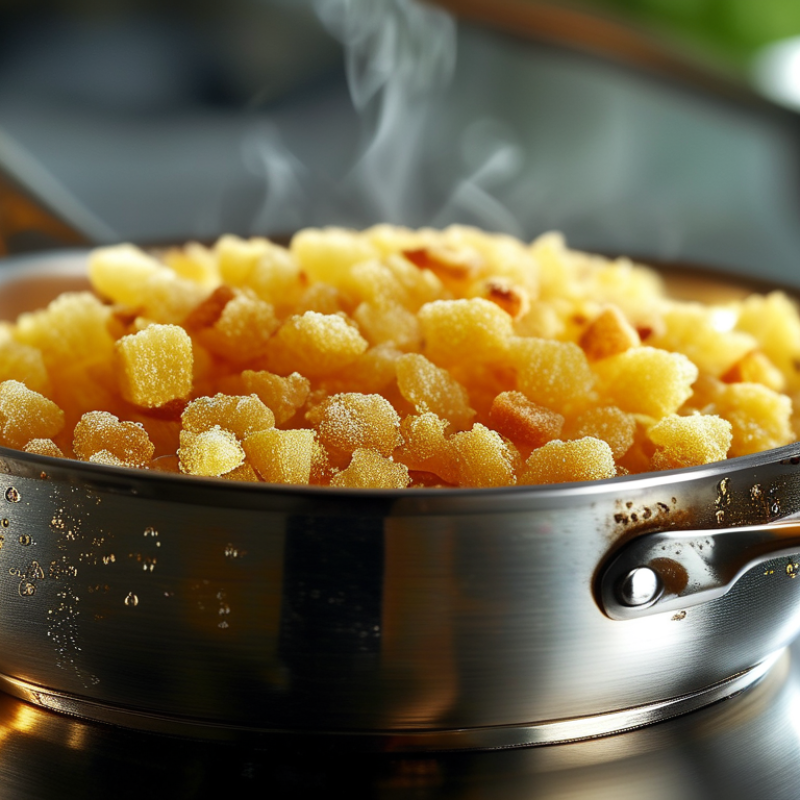
When cooking with stainless steel utensils, food often sticks, puzzling many home chefs. Understanding the properties of stainless steel is essential for mastering its use. Stainless steel is non-porous, which means it doesn't absorb oils or moisture. However, this characteristic can lead to food adhesion if you're not careful.
Temperature plays a critical role in preventing food from sticking. Preheating your pan properly can create a natural barrier. When the surface is hot enough, moisture evaporates quickly, reducing adhesion. A common tip is to add oil only after your pan is hot. This simple action can significantly improve the cooking experience.
Another factor is the food itself. Different foods require different handling techniques. For instance, proteins like chicken can benefit from a searing process. Allow the food to develop a crust before trying to move it. Patience is key here. It's easy to rush, but letting food release on its own is often more effective. These adjustments can transform your cooking from frustrating to enjoyable.
| Factor | Description | Tip to Minimize Adhesion |
|---|---|---|
| Surface Roughness | Stainless steel has a rough surface at the microscopic level, creating pockets for food particles. | Preheat the utensil before cooking. |
| Temperature | Low temperatures can cause food to stick due to insufficient heat for browning. | Ensure the pan is hot enough before adding food. |
| Moisture | Excess moisture can promote sticking as it creates steam. | Pat food dry before cooking. |
| Cooking Oil | Insufficient oil can increase sticking chances during cooking. | Use enough oil to coat the surface of the utensil. |
| Food Composition | Certain foods are more prone to sticking due to their composition. | Use appropriate cooking methods for sticky foods. |
Cooking with stainless steel utensils can sometimes lead to frustrating experiences. Why does food tend to stick? There are common reasons behind this issue, and understanding them could enhance your cooking experience significantly.
One major reason food sticks is the temperature of the pan. Research shows that proper preheating is essential. If the utensil is not hot enough, food is more likely to cling to its surface. This is particularly true for proteins like eggs and meats, which can stick if the utensil is at the wrong temperature. Ideally, a stainless steel pan should be heated until water droplets sizzle on contact.
Another factor is the use of oil. Not using enough oil can create a barrier between the food and surface. According to culinary experts, a thin layer of oil helps to prevent sticking. Additionally, cleaning practices matter. Residues from previous cooking can also contribute to sticking. Regularly scrubbing utensils after use ensures that they remain non-stick.
These insights reflect the importance of technique in cooking with stainless steel. Even seasoned chefs sometimes encounter sticking issues. It reminds us that cooking is an art, often requiring reflection and adjustments to achieve perfect results.
Cooking with stainless steel utensils can be frustrating when food sticks. However, mastering the right techniques can significantly reduce this issue. Understanding the importance of heat management is vital. If the heat is too low, food is likely to stick. On the other hand, excessive heat can cause burning. Finding that sweet spot is crucial for a successful cooking experience.
Tips: Always preheat your stainless steel pan before adding oil or food. This creates a non-stick layer that helps items release easily. Additionally, using enough oil can prevent sticking. A good rule is to coat the bottom of the pan thoroughly.
Careful attention to time also plays a role. Foods like meat should not be moved too soon. Allowing them to sear properly gives a natural release and enhances flavor. A consistent cooking process aids in achieving better results. Test your skills and refine your techniques over time. Don't be afraid to experiment and learn from your experiences!
This bar chart illustrates the correlation between various cooking techniques and the frequency of food sticking to stainless steel utensils. The data is based on common kitchen practices and how effectively they prevent sticking.
Stainless steel cookware is known for its durability and versatility. However, many users face the issue of food sticking to the surface. A good way to prevent this is through proper maintenance and care. Always preheat your pan before adding oil or food. This simple step can create a barrier that helps reduce sticking.
Cleaning your stainless steel pots and pans requires specific techniques. Avoid using abrasive scrubs that can scratch the surface. Instead, opt for a gentle sponge or cloth with warm soapy water. This will help preserve the cookware’s finish. Occasionally, a mixture of baking soda and water can tackle stubborn stains effectively.
Proper storage is also crucial. Avoid stacking items directly on top of each other. Instead, use liners or cloths in between to prevent scratches. These practices may seem minor but can significantly extend the life of your cookware. Taking the time to reflect on your techniques can lead to better cooking experiences in the long run.
Cooking with stainless steel utensils can be a delightful experience, but it comes with its challenges. The key to preventing food from sticking lies in mastering heat levels and using the right techniques. When the pan is not preheated adequately, food can cling to the surface. Always give your utensils a few minutes to warm up before adding oil or food. A drop of water can be an initial test; if it dances and evaporates, you’re ready to cook.
Using enough oil is crucial. A thin layer helps create a barrier between the food and the metal. However, it’s easy to use too little or too much. Finding the right balance takes practice. If you notice sticking, it can be your cue to adjust the amount of oil. Also, allowing food to form a natural crust before flipping can minimize sticking and enhance flavor. Taking the time to learn these small adjustments can greatly improve your cooking experience.
It’s important to reflect on your cooking habits. Sometimes, even experienced cooks face sticking issues. Consider your methods and be willing to adapt. Gaining experience with stainless steel utensils can transform your dishes, but it requires patience and perseverance. Enjoy the learning process; each meal presents an opportunity to improve.
: Food sticks mainly due to low temperatures and insufficient use of oil.
A pan is ideal when water droplets sizzle on it.
Ensure the pan is hot enough and use a good amount of oil.
Yes, residues from previous cooking can lead to sticking.
Coat the pan thoroughly with a thin layer of oil before cooking.
Allow meat to sear properly before moving it to enhance flavor.
Avoid abrasive scrubs that can scratch the cookware's surface.
Use liners or cloths between items to prevent scratches during storage.
Timing matters; moving food too soon can lead to sticking.
Yes, reflecting allows for adjustments and better cooking experiences.
The article "Why Does Food Stick to My Stainless Steel Utensils Tips?" explores the properties of stainless steel and how they contribute to food adhesion. Understanding why food sticks requires knowledge of the material's composition and heating properties. Common reasons for sticking include insufficient preheating, inadequate oil use, and cooking high-starch foods.
To prevent sticking, proper cooking techniques are crucial, such as preheating the pan and using the right amount of oil. Additionally, maintaining and caring for stainless steel cookware can enhance its non-stick performance. Overall, employing best practices for cooking with stainless steel utensils can significantly improve the cooking experience and minimize food adhesion, addressing the common concern of why does food stick to my stainless steel utensils.
