Cleaning a greasy range hood filter is not just about aesthetics; it's crucial for kitchen safety and air quality. Chef Maria Johnson, a renowned culinary expert, states, "A clean filter ensures proper ventilation and a healthier cooking environment." This emphasizes the importance of maintaining a clean range hood filter.
Oily residues can accumulate quickly, making it challenging to know how to clean a greasy range hood filter effectively. The process often involves specific techniques and tools to ensure thorough cleaning. Using hot water and a degreasing agent can significantly improve results. However, many overlook this vital maintenance step until issues arise.
Regular cleaning is essential, yet people often forget or struggle to find the time. It's common to see a grimy filter and think it's fine for a while longer. But remember, neglect can lead to poor air circulation or even a fire hazard. Taking the time to clean your range hood filter will ultimately benefit your kitchen’s functioning and your health.
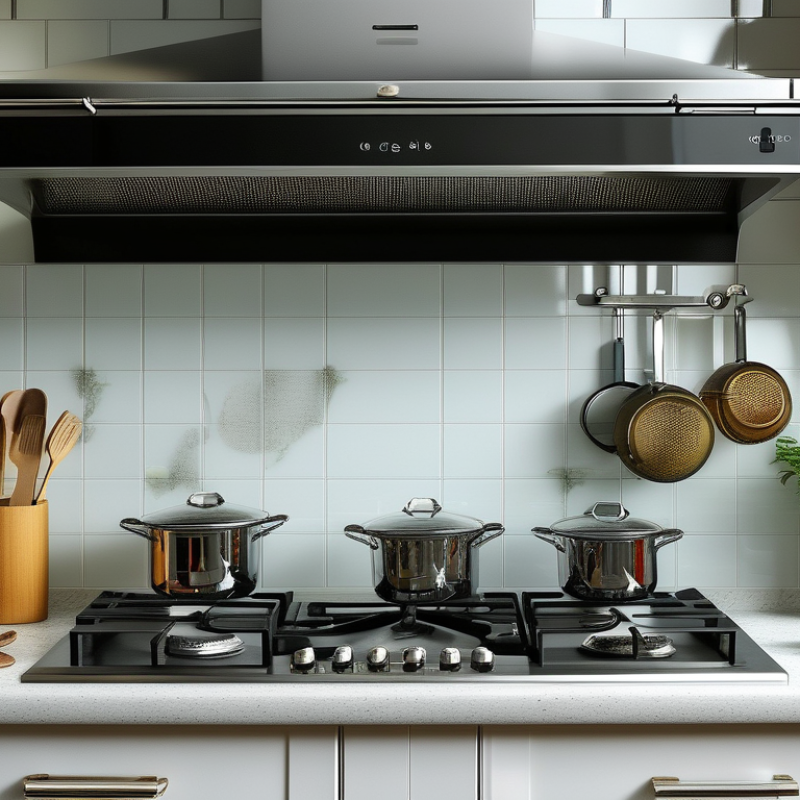
Understanding the Importance of Cleaning Range Hood Filters
Cleaning range hood filters is essential for maintaining a healthy kitchen environment. Greasy filters can drastically reduce the efficiency of your range hood. Reports indicate that a dirty filter can reduce airflow by up to 50%. This not only harms ventilation but also increases the risk of fire hazards. Cooking oils and particulates accumulate in the filter, allowing smoke and odors to linger longer.
Regular cleaning helps prevent these issues. Industry guidelines recommend cleaning filters every month for optimal functionality. Neglecting this task can lead to more grease buildup, making future cleanings tougher. In addition, dirty filters can encourage the growth of bacteria and mold. Research shows that kitchens with cleaned filters have lower levels of these harmful organisms. A clean environment promotes better air quality, benefitting overall health.
Many homeowners overlook this task. They often think infrequent cleaning is acceptable. This mindset is risky. With proper care, range hoods can last longer and perform better. Regular inspections and timely cleanings save money in the long run. It's a practical step toward a safer and more efficient kitchen.
Identifying Different Types of Greasy Range Hood Filters
When cleaning range hood filters, it's crucial to identify the different types. Generally, most residential range hoods utilize either aluminum, stainless steel, or charcoal filters. Aluminum and stainless steel filters are reusable and can withstand frequent cleaning. In contrast, charcoal filters are disposable and designed for odor control.
Aluminum filters are often coated, which can lead to a greasy buildup. A report by the National Institute of Health suggests that range hoods equipped with these filters must be cleaned every month for optimal performance. They require periodic soaking in warm, soapy water to remove grease effectively.
**Tips:** Consider using a mixture of baking soda and vinegar. It can penetrate tough grease and is eco-friendly.
Stainless steel filters are durable, yet they can scratch easily. Regular maintenance is key. Clean them with a non-abrasive cleanser to maintain their shine. Charcoal filters, meanwhile, should be replaced every three to six months. According to industry guidelines, this helps to maintain not just performance but also air quality.
**Tips:** Monitor your cooking habits. Frequent frying may signal the need for more regular filter replacements.
How to Clean a Greasy Range Hood Filter Effectively? - Identifying Different Types of Greasy Range Hood Filters
| Filter Type |
Material |
Cleaning Method |
Frequency of Cleaning |
| Aluminum Filter |
Aluminum |
Soak in warm, soapy water; scrub with a soft brush |
Every 1-3 months |
| Charcoal Filter |
Activated Charcoal |
Replace when odors persist |
Every 6 months |
| Baffle Filter |
Stainless Steel |
Dishwasher-safe or hand wash |
Every 2-4 months |
| Mesh Filter |
Metal or Nylon Mesh |
Soak and scrub with detergent |
Every month |
Essential Supplies Needed for Effective Cleaning
To clean a greasy range hood filter effectively, having the right supplies is crucial. You'll need a large basin or sink, hot water, and a suitable degreaser. Dish soap is a good option, but you can also use vinegar for a natural alternative. Baking soda can enhance your cleaning solution, making it more powerful against stubborn grease.
Prepare your cleaning area with a towel to catch any drips. Soak the filter in hot water mixed with the degreaser. Let it sit for about 15 to 30 minutes. Scrubbing might be necessary. A soft brush will help remove residue without damaging the filter. Rinsing with warm water is essential to leave no soap or cleaner behind.
While these supplies are straightforward, not everyone has the time for a thorough cleaning. Sometimes, filters become so grimy that they can be beyond saving. It’s important to reflect on whether you're cleaning regularly enough. Regular maintenance can save time and effort in the long run. So, assess your cleaning routine. Are you giving your kitchen tools the attention they deserve?
Step-by-Step Cleaning Process for Greasy Filters
Cleaning a greasy range hood filter can be daunting, but it’s essential for maintaining kitchen hygiene. Start by removing the filter from the hood. Check if it's made of metal or charcoal. Metal filters can be soaked in hot, soapy water. Use a non-abrasive scrubber to remove built-up grease. A manager once wrongly used a steel wool pad, which scratched the filter.
Next, rinse the filter thoroughly under hot water to remove soap. If there's still grease, make a baking soda paste with water. Apply it directly on stubborn spots. Let it sit for about 15 minutes before scrubbing again. If the filter has a lot of accumulated grime, your efforts might not be enough. A second round of soaking can make a difference.
After cleaning, dry the filter completely before reinstalling it. Avoid placing it back while still wet to prevent any future grease build-up. Inspect the filter regularly to assess how often you need to clean it. Ignoring this task can lead to poor air quality in your kitchen. It’s easy to overlook, but regular maintenance saves time in the long run.
Tips for Maintaining Clean Range Hood Filters Longer
Maintaining clean range hood filters is essential for kitchen safety and efficiency. Research indicates that proper ventilation can reduce indoor air pollutants by up to 50%. Greasy filters can impair this function, leading to higher levels of airborne contaminants. Regular care is vital to keep your kitchen environment healthy.
To extend the lifespan of your range hood filters, regular cleaning is necessary. Here are some tips to consider:
Soak your filters in a warm mixture of water and dish soap for about 15 minutes. Use a soft brush to scrub away stubborn grease. Rinse thoroughly and let them dry completely before reinstallation. It’s beneficial to clean filters every month, especially if cooking with oil frequently.
Another helpful tip is to minimize grease buildup in your kitchen. Use lids while frying and ensure proper fan settings. Consider using your range hood even when cooking on low heat. This practice captures particles before they accumulate. Neglecting this could force you to replace filters more often, costing you time and money. Regular maintenance ultimately leads to better air quality, making your cooking space more pleasant.
FAQS
: Most range hoods use aluminum, stainless steel, or charcoal filters.
Aluminum filters should be cleaned every month for optimal performance.
A mixture of baking soda and vinegar is effective and eco-friendly.
Use a non-abrasive cleanser to avoid scratches and maintain their shine.
Charcoal filters should be replaced every three to six months for best air quality.
Remove the filter from the hood and identify its material.
Make a baking soda paste and apply it to stubborn spots; let it sit before scrubbing.
Wet filters can lead to future grease build-up when reinstalled.
If you often fry foods, you may need to replace filters more regularly.
Ignoring cleaning can lead to poor air quality in the kitchen.
Conclusion
Cleaning a greasy range hood filter is essential for maintaining a clean kitchen environment and ensuring your range hood operates efficiently. This article details how to clean a greasy range hood filter effectively, starting with the importance of routine cleaning to prevent grease buildup that can lead to fire hazards and reduced performance. It categorizes the various types of range hood filters, such as aluminum, stainless steel, and charcoal, each requiring different cleaning methods.
To effectively clean these filters, the article outlines essential supplies needed, such as hot water, dish soap, and a soft brush. It provides a step-by-step cleaning process, including soaking the filter, scrubbing off grease, and rinsing thoroughly. Lastly, it offers tips for maintaining clean filters for a longer duration, highlighting the benefits of regular maintenance. This comprehensive guide ensures that you not only know how to clean a greasy range hood filter but also how to keep it clean to enhance the longevity of your kitchen appliances.
 Picky Kitchen
