Picky Kitchen Picky Kitchen

How to Convert a Natural Gas Stove to Propane Easily?

Time:2026-08-07 Author:Amelia
0%

Converting a natural gas stove to propane can enhance flexibility in cooking fuel. According to the U.S. Energy Information Administration, approximately 45% of American homes use natural gas for cooking. However, propane offers advantages such as higher heat output and portability. Learning how to convert a natural gas stove to propane is crucial for those looking to switch.

Many stove models allow easy conversion, but it requires specific tools and components, often provided by the manufacturer. A report from the Appliance Manufacturers Association highlights that improper conversions can lead to inefficiency and safety risks. Therefore, understanding the steps and requirements is essential.

The process may seem straightforward, yet it involves careful planning and expertise. Homeowners often overlook details like adjusting burner orifices and ensuring gas line compatibility. Engaging with qualified professionals for guidance is advised to avoid potential pitfalls. Ultimately, mastering how to convert a natural gas stove to propane can lead to improved cooking experiences and energy efficiency.
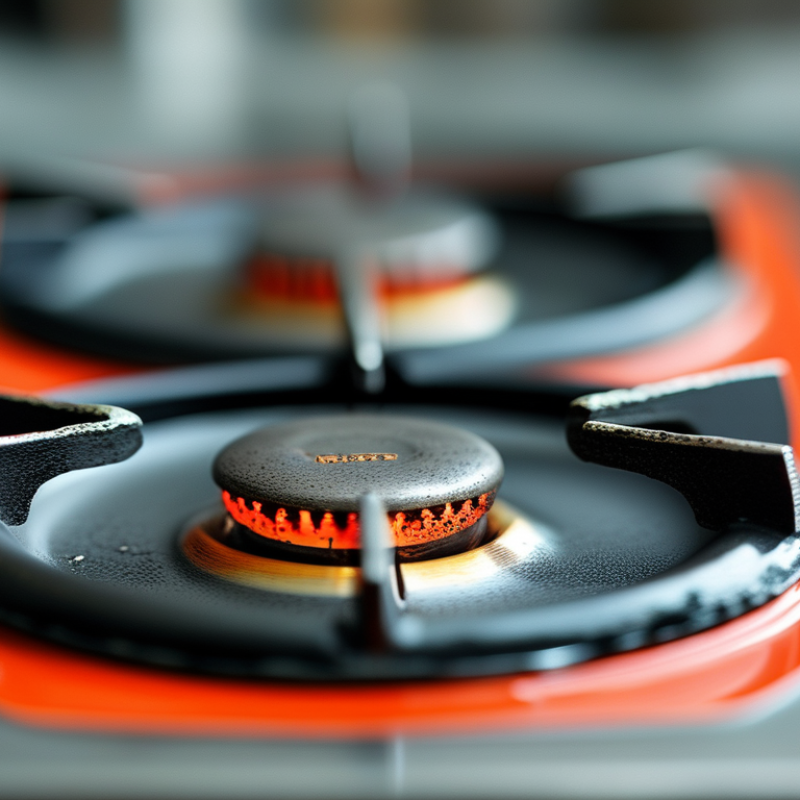
How to Convert a Natural Gas Stove to Propane Easily?

Understanding the Differences Between Natural Gas and Propane

When considering the differences between natural gas and propane, it's important to understand their composition and usage. Natural gas primarily consists of methane, while propane is a byproduct of natural gas processing. According to the U.S. Energy Information Administration, around 50% of homes use natural gas for heating, demonstrating its popularity. Propane, on the other hand, is often favored in rural areas where natural gas lines are not available.

The energy content of propane is higher than that of natural gas. One gallon of propane produces approximately 91,500 BTUs, compared to natural gas at around 1,000 BTUs per cubic foot. This difference means that propane can generate more heat in a smaller volume. It’s also worth noting that propane provides a more efficient burn, resulting in less carbon buildup in appliances. However, converting a stove from natural gas to propane is not as straightforward as one might think. Adjustments in jets are necessary, and incorrect conversions can lead to unsafe conditions.

Safety considerations are paramount when switching fuels. Natural gas is lighter than air, making it safer in case of a leak because it dissipates quickly. Conversely, propane is heavier than air and can pool in low areas, posing a risk. These differences underscore the importance of a professional assessment during any conversion process to ensure compliance with local codes and safety standards.

How to Convert a Natural Gas Stove to Propane Easily? - Understanding the Differences Between Natural Gas and Propane
Aspect Natural Gas Propane
Chemical Composition Primarily Methane (CH4) Propane (C3H8)
Energy Content ~1,000 BTU per cubic meter ~2,500 BTU per cubic meter
Storage Form Delivered via pipeline Stored in liquid form under pressure
Installation Complexity Often fixed and permanent Requires careful conversion process
Burning Characteristics Generates less heat Generates more heat and burns hotter
Safety Concerns Lower explosion risk Higher explosion risk if not handled correctly

Assessing Your Stove Model for Conversion Compatibility

Converting a natural gas stove to propane can be a worthwhile DIY project. However, assessing your stove model for conversion compatibility is crucial. According to the National Fire Protection Association (NFPA), appliances not designed for propane can pose safety risks, including improper combustion and fire hazards.

To determine compatibility, check the stove's model number and specifications. Many stoves come with manufacturer documentation outlining conversion information. Review this closely. Common indicators of compatibility include adjustable burners and a dual-fuel capable design. Many models support both fuels, but it is essential to confirm this.

While conversion kits are widely available, they may require specific tools and skills. A report by the Appliance Standards Awareness Project indicates that improper installations can lead to energy inefficiencies. Furthermore, seek guidance from propane conversion experts if uncertainties arise. Do not overlook the need for adjustment to burner orifices. Each stove presents unique challenges that must be addressed for safe and effective operation.

Gathering Necessary Tools and Conversion Kits

Converting a natural gas stove to propane requires specific tools and a conversion kit that meet safety standards. Depending on your stove model, the necessary tools might include a wrench, screwdriver, and a multimeter. The conversion kit should come with propane orifice, a pressure regulator, and detailed instructions. According to the American Gas Association, improper conversion can lead to inefficiencies and safety hazards.

Tips: Always check if the kit is compatible with your stove model. Use a multimeter to ensure the electrical components are functioning before starting the conversion.

When gathering tools, consider the quality and reliability. Cheap tools might break during the process, leading to delays and potential hazards. Keeping your workspace organized can help avoid misplacing crucial components. According to industry data, around 30% of DIY conversion attempts lead to complications due to inadequate preparation.

Tips: Label your tools and parts to streamline the process. Take careful notes during disassembly. Also, double-check connections after installation. Not addressing small discrepancies can have significant consequences.

Step-by-Step Process for Converting the Stove

Converting a natural gas stove to propane can seem daunting. However, with the right tools and a little patience, it can be done. Start by gathering essential tools: a screwdriver, a wrench, and a conversion kit specific to your stove model. Always ensure the stove is unplugged and disconnected from gas supplies before beginning the conversion process.

Next, access the burner orifices. This can be tricky. You may need to remove the burners to reach them. Carefully remove the orifices and replace them with the ones from your conversion kit. It's crucial to ensure a snug fit to prevent leaks. After replacing the orifices, adjust the air shutter. This helps maintain the right air-to-gas mixture for efficient combustion.

Testing for leaks is essential. Apply soapy water to the connections. If you see bubbles, there’s a leak. Tighten connections or replace parts as necessary. This process can be frustrating if things don’t fit perfectly. Take your time and double-check each step. Patience often leads to better results in these situations. Converting your stove may require trial and error, but with careful attention, you can achieve success.

Natural Gas vs. Propane Energy Output Comparison

Testing the Stove for Safe Operation After Conversion

After converting your natural gas stove to propane, testing its safety is crucial. Begin by checking for gas leaks. Use a mixture of soap and water on the gas connections. If bubbles form, you have a leak. Tighten the connections to eliminate any leaks before proceeding. It's a simple yet effective way to ensure safety.

Next, ignite the burners to observe their performance. They should light easily and produce a steady blue flame. Yellow or orange flames indicate incomplete combustion. This might mean incorrect regulator settings or that further adjustments are necessary. Regularly monitor the stove during use. If the flame shifts or behaves erratically, it could signal a problem.

Finally, consider the ventilation in your kitchen. Proper airflow is essential, especially when using propane. Ensure that vents are not blocked. You may also want to acquire a carbon monoxide detector. This device can provide peace of mind during cooking. Safety should always precede convenience in your kitchen. Remember to revisit these tests regularly, as ongoing checks contribute to a safe cooking environment.

FAQS

: What are the main components of natural gas and propane?

: Natural gas mainly consists of methane, while propane is a byproduct of natural gas processing.

Which fuel is more commonly used for heating in homes?

About 50% of homes utilize natural gas for heating, highlighting its widespread popularity.

How much energy does propane provide compared to natural gas?

One gallon of propane produces about 91,500 BTUs, while natural gas offers around 1,000 BTUs per cubic foot.

Is it easy to convert a stove from natural gas to propane?

Conversion isn’t straightforward. Adjustments in jets are necessary for safe operation.

What is a significant safety concern when switching to propane?

Propane is heavier than air, which can result in pooling in low areas, posing a danger.

How can I check if my stove is compatible for conversion?

Look for the model number and documentation from the manufacturer to confirm compatibility with propane.

What tools do I need for the conversion process?

Essential tools include a screwdriver, wrench, and a conversion kit specific to your stove model.

What should I do if I suspect a gas leak during conversion?

Use soapy water on connections to check. Bubbles indicate a leak; tighten connections or replace parts as needed.

What common challenge might I face when converting my stove?

Ensuring a snug fit for new orifices can be tricky and may require patience and adjustments.

What should I consider if the stove conversion process gets frustrating?

Remember, trial and error is often part of the process. Take your time and double-check each step for better results.

Conclusion

Converting a natural gas stove to propane can be a straightforward process if you understand the necessary steps and differences between the two fuel types. The first step is to grasp the distinctions between natural gas and propane, including their pressure requirements and burner configurations. Next, assess your specific stove model for compatibility with propane conversion, as not all stoves are designed for this change.

Once you've confirmed compatibility, gather the necessary tools and conversion kits, which typically include a new regulator and orifice size adjustment. Following this, you can proceed with the step-by-step conversion process, ensuring you follow safety guidelines closely. After the conversion is complete, it's crucial to test the stove to ensure safe operation, verifying that burners ignite properly and that there are no gas leaks. This guide effectively addresses how to convert a natural gas stove to propane, empowering you to make the switch safely and efficiently.

Amelia

Amelia

Amelia is a seasoned marketing professional with a wealth of expertise in our company’s core offerings. With an unwavering passion for driving growth and innovation, she plays a pivotal role in shaping our marketing strategies and enhancing brand visibility. A key aspect of her responsibilities......